

Three-hundred thousand bikers spent Memorial Day weekend roaring around Washington in tribute to our war dead, and I stood on Constitution Avenue Sunday afternoon watching a river of them go by, waiting for a gap in the procession so I could cross over to the Mall and look at pictures. The street had been closed off for them and they motored on by, some flying the Stars and Stripes and the black MIA-POW flag, honking, revving their engines, an endless celebration of internal combustion.
A patriotic bike rally is sort of like a patriotic toilet-papering or patriotic graffiti; the patriotism somehow gets lost in the sheer irritation of the thing. Somehow a person associates Memorial Day with long moments of silence when you summon up mental images of men huddled together on LSTs and pilots revving up B-24s and infantrymen crouched behind piles of rubble steeling themselves for the next push.
You don't quite see the connection between that and these fat men with ponytails on Harleys. After hearing a few thousand bikes go by, you think maybe we could airlift these gentlemen to Baghdad to show their support of the troops in a more tangible way. It took 20 minutes until a gap appeared and then a mob of us pedestrians flooded across the street and the parade of bikes had to stop for us, and on we went to show our patriotism by looking at exhibits at the Smithsonian or, in my case, hiking around the National Gallery, which, after you've watched a few thousand Harleys pass, seems like an outpost of civilization.
There stood Renoir's ballerina in pale blue chiffon and Monet's children in the garden of sunflowers. And Mary Cassatt's "The Boating Party," which I stood and stared at for a long time. A lady in a white bonnet sits in a green sailboat, holding a contented baby in pink, as a man rows the boat toward a distant shore. (Perhaps the boat is becalmed.) The man wears a navy blue shirt, he is preoccupied with his rowing, and the lady looks wan and mildly anxious, as well a mother should be. The baby is looking dreamily over the gunwales. Is the man a hired hand or is he the husband and father?
A work of art can lift you up from the mishmash of life, the weight of the unintelligible world, and vulgarity squats on you like an enormous toad and won't get off. You stroll down past the World War II Memorial, which looks like something ordered out of a catalog, a bland insult to the memory of all who served, and thousands of motorcycles roar by disturbing the Sabbath, and it depresses you for hours.
If anyone cared about the war dead, they could go read David Halberstam's "The Coldest Winter: America and the Korean War" or Stephen Ambrose's "Citizen Soldiers: The U.S. Army From the Normandy Beaches to the Bulge to the Surrender of Germany, June 7, 1944, to May 7, 1945" or any of a hundred other books, and they would get a vision of what it was like to face death for your country, but the bikers riding in formation are more interested in being seen than in learning anything. They are grown men playing soldier, making a great hullaballoo without exposing themselves to danger, other than getting drunk and falling off a bike.
No wonder the Current Occupant welcomed them with open arms at the White House, put on a black leather vest, and gave a manly speech about how he'd just "choppered in" and saw the horde "cranking up their machines" and he thanked them for being so patriotic. They are his kind of guys, full of bluster, giving off noxious fumes, and when they leave town, nobody misses them.
Meanwhile, the man pulls at the oars, the lady wonders if this trip was a good idea or if some disaster is at hand, and the child lolls on her lap, dazed by the sun. They started this trip in 1894 and haven't advanced an inch, meanwhile half the people who ever stood and watched them have reached that distant shore and the rest of us are getting closer every day.
I am the boatman and maybe you are, too -- it is quiet on the water, we lean on the oars, and we are suspended in time, united with every other man, woman and child who ever voyaged afar.
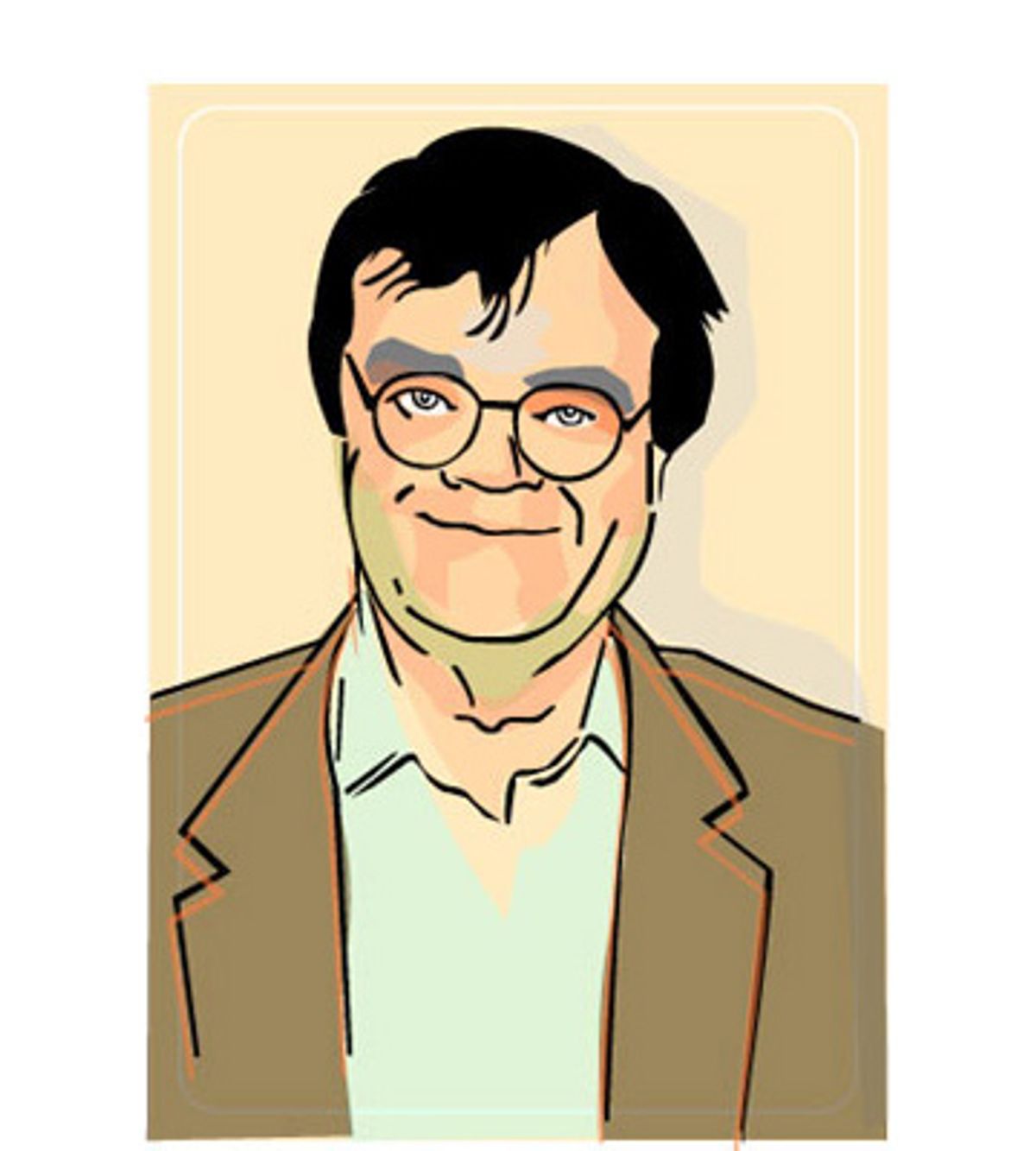
(Garrison Keillor's "A Prairie Home Companion" can be heard Saturday nights on public radio stations across the country.)
© 2008 by Garrison Keillor. All rights reserved. Distributed by Tribune Media Services, Inc.
Shares