UPDATED
Once again, WikiLeaks has thrown governments and journalists into a maelstrom of fear, uncertainty and doubt. It'll be weeks, if not longer, before we know the full scope of the diplomatic cables, but a few things are already clear enough.
What we know is being covered relentlessly here and across the Web. It's what we don't know that I'd like to note. So, here are some questions, many of which prompted by tweets and commentary elsewhere, for the major players in this drama.
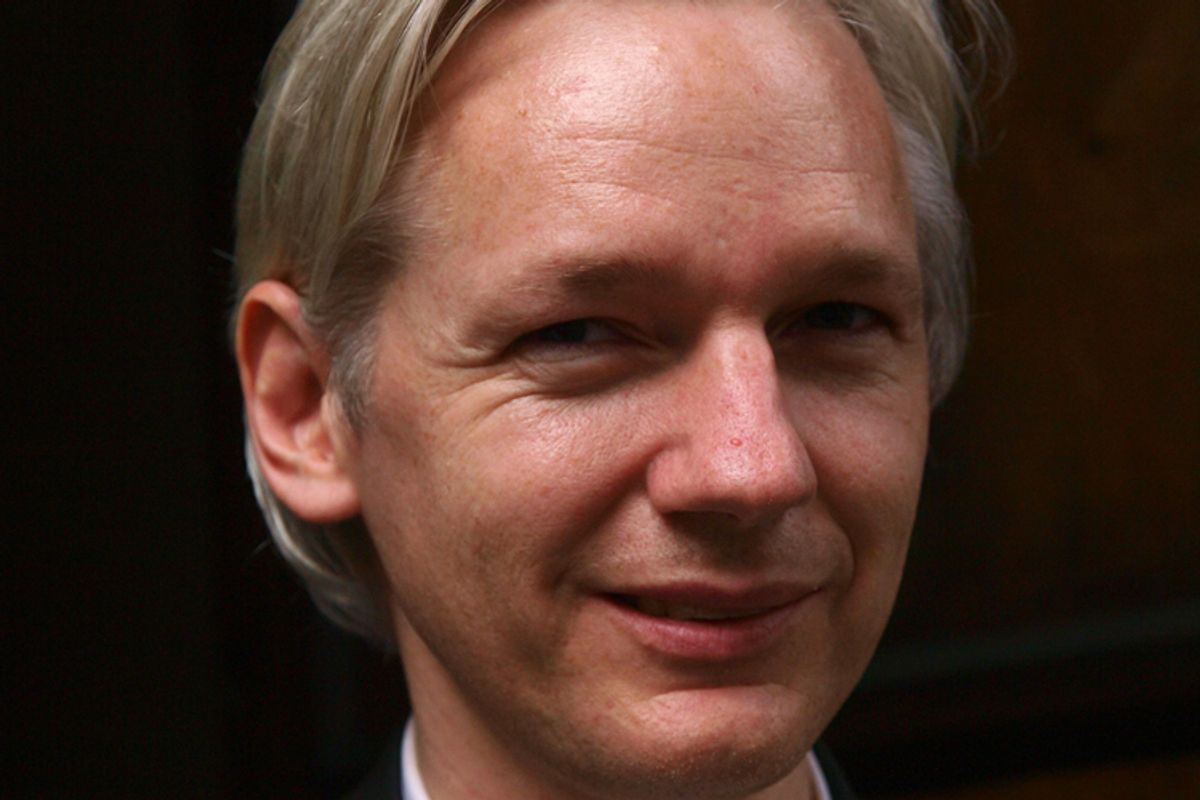
For WikiLeaks and Julian Assange:
- When are you going to focus your relentless and often valuable energies on other governments, especially the ones that are even more noted for secrecy than the United States government, not to mention more repressive. Could you kindly find someone to liberate internal documents from, say, the Chinese government?
- You're more secretive than the people you target, by far. When will you be more open about your own workings. And are you ready for the day when someone leaks your own internal records, beyond the relatively tame exposing (which you did post, to your credit) of some donor information?
- What kind(s) of deals are you making with news organizations, anyway? CNN said it refused the latest documents because it wouldn't sign a confidentiality agreement. Then we learned that the Guardian shared the trove with the New York Times. Did the Guardian have a different agreement with you than the one CNN rejected?
- Some government is going to play you -- and by extension the rest of us -- for suckers, if this hasn't already happened, by arranging a strategic leak of disinformation. How are you preparing for that?
For the U.S. government:
- Why did some 3 million people have access to much if not most of the diplomatic trove? That's hardly keeping things confidential.
- (Update) Do you really believe WikiLeaks is better at ferreting out information than the secret services of semi-hostile powers such as Russia, Iran and China? Do you suppose they've long since had access to this stuff?
- Is stamping "Secret" on everything that moves helpful or detrimental to our national security?
- When it comes to invading other people's lives, with increasingly oppressive security and surveillance, your mantra is "You have nothing to fear if you have nothing to hide." Will you give that a little more thought in the future?
For journalists who get the documents directly from WikiLeaks:
- You are treating WikiLeaks as much as a partner as a source, no matter how much you might deny this. How comfortable are you in this bargain?
- Why does it take WikiLeaks to get the information you agree is so worthy of public exposure? Why aren't you doing your own jobs better in the first place?
- Why aren't you stressing, in your voluminous coverage, that these cables are not the final word on what has happened. They are often pure gossip. Do you have an obligation to provide more context for the material you're publishing and discussing?
(Update) For Sarah Palin, who (or, perhaps, a staffer) tweeted today: "Inexplicable: I recently won in court to stop my book "America by Heart" from being leaked,but US Govt can't stop Wikileaks' treasonous act?":
- Treason is an act against one's own country. Are you aware that WikiLeaks is not based in the United States, and that Assange is not a U.S. citizen?
- Are you saying you could have stopped Web and newspaper reports from other countries with U.S. court order? Can you find even one lawyer who agrees?
Those are just a few of the questions on my mind today. Do you have some? Post them below.
Shares