Barry Yourgrau

Call me Ishmael. The end.

Cellphone novels, the rage in Japan, now have competition in America: Twitter fiction.

  • more
    • All Share Services

Call me Ishmael.  The end.

The cellphone grows more wondrous and indispensable to us every day. Talking is the least of it. We text and Tweet our heads off, send photos, watch TV shows, play video games. But in Japan, imperium of the future where all the above is old hat, the keitai (cellphone) has further spawned a wildly successful, populist fiction genre. Keitai shosetsu, the so-called cellphone novel, has been touted (in the pages of the New Yorker, among other places) and reviled (by Japanese literati) as the first narrative mode of the txt msg age — the herald of a written-word future bent by wireless telecom’s powers.

I’m the first and only American author who’s written for Japanese cellphones (and with literary intentions at that). A happy lesson in old-fashioned technique, it was a sobering one about our brave new cyber-world’s eternal essential: interactivity. Most of the auteurs of keitai shosetsu are Japan’s vast demographic of girls and 20-something young women, who thumb out ultra-lurid, mawkish teen romances on their cellphone keypads in scraps of manga-like dialogue, skimpy action, texting slang and emoji (emoticons). They post these skeletal pseudo-confessions in installments, under cute pseudonyms, on dedicated Web sites like Magic i-land and Wild Strawberry where they can be read for a low fee.

Astronomically popular (chiefly among millions of Japanese teen girls), “thumb novels” are much decried as trash for yahori (slow learners, i.e., half-literates). And over recent years this subculture has stormed Japanese commercial book publishing. In 2007 — keitai shosetsu’s annus mirabilis –half the top 10 fiction bestsellers in the shrinking Japanese book market originated on cellphones. Overall list-topper “Love Sky,” by the self-styled “Mika,” has sold 2. 9 million copies in tandem with its sequel, which ranked third.

Last fall a literary grandee joined in. Jakucho Setouchi, the Marguerite Duras of Japan, revealed herself as “Purple,” author of a keitai shosetsu, “Tomorrow’s Rainbow,” about a teen’s search for love after her parents’ traumatizing divorce. Delightfully, Setouchi is also a celebrated 86-year-old Buddhist nun who wrote a contemporary update of “The Tales of Genji,” Japan’s racy ur-novel classic.

But before the great Setouchi stooped to keitai, I beat her to it. In late 2002 I was in Tokyo my first time. Unlike Bill Murray in the Sofia Coppola movie, I’d found myself in translation. Three of my books of brief quirky tales had been very happily serialized and published in Japan. It’s still where I sell most. One morning I watched a Tokyo teen Web-browsing on his cellphone. I was amazed. I’d never yet heard of i-mode, the vanguard keitai Internet service launched in 1999 by Japan’s telecom giant NTT DoCoMo. I’d never even owned a cellphone. But I’d been on MTV with my surreal mini-fables; I’d adapted them into a very episodic indie film that still lives a happy second life online. My work, I always felt, fit the short-attention-span age to a T.

Here at last, it seemed, the culture was catching up with my literary brevity. Despite the impact of Raymond Carver (god of MFA writing programs, and of me too), the short story in general got short shrift in fiction’s limelight. And ultra-shorts were practically offstage. But now technology was about to fix the script.

My translator, professor Motoyuki Shibata of Tokyo University, Japan’s foremost translator of contemporary American writing, enthusiastically agreed. (He didn’t own a cellphone either.) So back in New York I hatched a format: no story over 350 words, for minimal thumb-scrolling; 12 words tops for opening sentences, to fit whole on a single screen.

“Make it shorter,” says Woody Allen, citing all-purpose comedy-writing advice. I got into shortness originally to fight an awful tendency to bloviate. And over the years, I’ve sometimes gotten identified with genres like “sudden fiction” and “flash fiction.” But I call what I write simply “stories.” Compression, I find, intensifies everything. The reader’s imagination will hungrily conjure from the bits you shrewdly serve. Or withhold.

I began my keitai shosetsu in late 2003 (shosetsu means “fiction,” in fact, not “novel”). I knew nothing of “Deep Love,” the seminal Japanese cellphone novel about a sex-for-money girl teen, which had just become the first of its kind to be brought out by a book publisher. (Written by “Yoshi,” actually a 30-something guy, it’s sold almost 3,000,000 copies.) I wrote, as usual, in longhand, reworking on laptop. Here purists might squawk. Even ancient Jakucho Setouchi began “Tomorrow’s Rainbow” on her cellphone — but soon gave up and switched to her customary fountain pen, writing vertically on paper.

Prostitution, AIDS, rape, incest, abortion, drugs, suicide, desperate eternal love: These are the stock in trade of keitai shosetsu’s world. I was clueless. I did figure on youngish readers (of both genders), and the need to Japanify. Shame, I did know, was big in Japanese culture. It was big with me too. So I riffed away, repeatedly, opening with a three-fer about a young office worker, mortified to have accidentally swallowed his cellphone.

Of course I invoked manga, karaoke, baseball (a headless batter) and J-pop. Then I went searching for gold online, at sites like Trends in Japan. My translator marveled at my cultural savvy as I sent up young depressed male shut-ins (hikikomori), needy geeks (otaku), the Burberry fashion craze and the monstrous hegemony of Cute (kawaii). To be plain saucy, I recycled an old item of mine about a horny guy and a cynical sheep.

My pioneering literary keitai shosetsu finally launched with three mini-tales a week, downloadable for a low fee from the “cellphone paperback” i-mode site of my book publisher Shinchosha — 78 stories all told. When they later came out as a slim regular hardback called “I-Mode Stories,” 100,000 readers had accessed them online, which seemed like a pretty fine number. Until I later learned of the 3.25 million racked up by literary nun Setouchi. Revisiting Tokyo in 2007 I’d be recognized on the street; but “I-Mode Stories” sold very modestly, no match even for my other, conventional books.

I know now what probably cost me most: lack of interactivity. I wrote my Kafkaesque whimsies the old, author-as-impervious-god way. I treated the cellphone screen as an innovatively accessed, but inert, mini-page. Keitai shosetsu, however, exist in vast online pools, where writers and readers can dynamically engage with each other. And that’s key. Yoshi shaped “Deep Sky” based on ongoing hits and e-mails. (He even handed out fliers.) Keitai readers notoriously aren’t big book buyers — but they will buy books as mementos of their communal involvement.

Despite warming U.S. press coverage, so far the keitai shosetsu phenomenon hasn’t crossed over here. Yes, a couple of new Web sites, including one from a Japanese company, DeNA, now offer “cellphone novel” templates. But cellphones play a crucially different role in Japan. They, not computers, are the principal portal to the Internet. “The majority of my students (19-22-year-olds) don’t have a P.C. e-mail address,” notes Yuki Watanabe, a Ph.D. candidate in American lit in Tokyo. “Many don’t have a P.C. at home.” They’re of the keypad, not keyboard, generation. The lingo of texting is normal language to them, and they’re tuned to its subtleties.

Just as influentially, says my friend Roland Kelts, cultural critic and author of “JapanAmerica,” Japanese daily commutes often last two hours each way. “Holding a cellphone screen inches from your face on a packed commuter train and reading a confessional, melodramatic narrative” provides the perfect intimate package of content, technology and portability. Keitai shosetsu’s mainstream success, though, is taming its edgy subculture content, according to one Japanese observer. And professional writers are now being hired to supply “amateur” cellphone narratives.

For the U.S. and U.K., the venue where words and cellular/cyber technology seem to be feeling for new forms is Twitter. Unlike in Japan, Twitter is not chiefly for teenagers. Social interactivity is again a key; doubtless many (most?) users are drawn merely by the possible thrill of Tweeting with undisguised celebs. But beyond this there’s emerging energy in the creative potential of Twitter’s 140-character micro-format. (Quillpill, one of the new U.S. “cellphone novel” Web sites, also uses a 140-character per post limit.)

 To me, most interesting aren’t the micro-tales and poems but instead the attempts at an ongoing narrative in short bursts. Two I like are both hard-boiled crime thrillers, not surprising since the genre is conventionally lean, staccato and headlong. “Fuel Dump” by TV writer Tom Scharpling (@scharpling) wields a stripped genre-orthodox style for its wiggy premise:

Morton snapped open the briefcase and his wish was granted — four million dollars laid out in neat rows before him.

Dennis Wilson unrolled the map in the poster tube, focusing on the small red circle over a town called Jalpan.

“Fuck the Beach Boys and that bald asshole Mike Love; when this thing pans out, I’m gonna be richer than Brian,” he thought to himself.

But with “Twiller” (as in Twitter thriller), New York Times reporter, and crime writer, Matt Richtel (@mrichtel), aims more ambitiously. “Think ‘Memento’ on a mobile phone,” says Richtel, and his hectic saga of amnesia and peril unspools using texting lingo and real-time posting context with writerly jazz. It’s a juicy little read, by and large:

forgive my french: jesus #*^%& christ. I’m just outta the hospital myself, AS PATIENT. i’m walking home with JD’s chip, and some asshole..

Tackles me near an alley, punches my face, rips my earring, rifles in my purse, screams: where is chip?! (in broken english). I reach for

my penlight in my pocket and stab his eye; i run. left purse, kept chip, which was..fuck u;not saying where. someone’s reading i can’t trust

Some media critics find “Twiller” too confused and mechanical. But for me, the writer’s funky voice is payoff enough.

So far book publishers haven’t been lured by Twitter fiction. What has lured them is amateur clever bits (the forthcoming “Twitter Wit”) and, very splashily, business advice from wine blogger Gary Vaynerchuk, whose now 300,000-plus Twitter following got him a million-dollar deal. But the Twitter-to-book route is still in infancy.

Will route become highway? For fiction, I doubt it. Twitter narrative strikes me as a curio amid the insider updates and celeb-following. It lacks the urgency of generational cultural release that has driven keitai shosetsu in Japan. And Twitter may prove something of a curio itself: 60 percent of its swarms of users fail to return the next month, a grim augury. As far as Tweeting goes, that number includes me.

As for my keitai shosetsu experience, I took away another lesson beside interactivity’s impact — a writerly lesson. I reeducated myself in the weight of individual words, and the power of cutting, and cutting yet more. Writing on a computer tends to encourage flow, pacy verbal sprawl. For Japan I actually found myself ransacking old notebooks from the days when I first tried short (when I even embraced the fumy term “prose poem,” quickly abandoned as unwise for an aspiring comic author). The irony, and exercise, of salvaging faded pithy poetical scraps for new life on cutting-edge cellphones was a mighty rich one.

“The new, post-print literary media are certainly amenable to brevity,” observed the New York Times in a recent piece about fiction and the zeitgeist. “And the short story may provide a timely antidote to the cultural bloat of the past decade, when it often seemed that every novel needed to be 500 pages long …”

How about tales 500 words long?

Here, previously unpublished in English, are 3 keitai shosetsu from “I-Mode Stories”:

Meant for Each Other

You make a date through the Internet. You meet the girl for the first time at a sake bar. She gulps down a whole bottle of sake by herself. “Okay,” you think. “I guess we know what sort of problem she has. But man, is she cute.”

After two more bottles, the girl falls asleep on her bar stool. “That’s our sweetheart,” grins the bartender, shaking his head at the girl’s snores.

“You mean you know her?” you inquire, uneasily.

“Sure, she’s here every night, with a different guy,” says the bartender. “Whoopee, whoopee.” He winks.

“Really,” you reply. You eye the unconscious girl slumped headfirst on the bar counter. And you decide no matter how cute she is, this first date will also be the last, thank you very much.

And this is how you two meet, you and the love of your life. Four months later you get married and move into a lovely apartment together, where you start to raise a large and happy family.

How you get from point A to point B is a long, complicated, heart-warming, and in many ways wonderfully unbelievable story. But alas it requires someone with far greater narrative powers than mine to properly relate.

Edgar Allan Poe Rice Ball (Medieval Landscape)

Disease strikes a distant town. The victims develop loathsome sores all over their bodies; at the same time they’re maddened by extreme lascivious impulses. Down street after street door after door is splashed with a crude red cross: inside, the lunatic disfigured coupling rages on nonstop — men, women, even children — until exhausted dawn, until death.

In the hills beyond town, a monk makes his way along a darkening road. He chews a stale rice ball for his supper as he goes, so as not to interrupt his march. His sandaled feet move one in front of the other inexorably. His staff leaves a trail of dots behind him in the dusty distances. At last he comes around the side of a hill and he stops. The prospect of the dim town spreads before him. A look of disturbance moves over his face, as he slowly chews the last of his rice ball. Even here the uneasy wind carries the grisly minglings of lamentation and carnal grunting. The monk becomes watchful; he looks uneasily around him and grips his staff in both hands. Two figures are moving feverishly in the darkness ahead. They seem to prance toward him, half-naked, hideous, moaning hoarse endearments. The monk calls to his god as he raises his staff and prepares to meet them.

Woolly

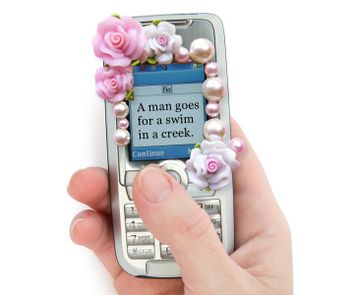
A man goes for a swim in a creek. When he gets out of the water, he sees a sheep standing on the bank, watching him. The man looks at the sheep. The sheep looks at the man. Slyly, the man smiles. He checks up and down the creek. There’s no one in sight. The man steps toward the white, woolly mammal. “Here sheepy, here woolly,” he says softly. The sheep backs up slowly into the bushes, looking confused by the state the man’s in. But the sheep is only faking.

Later, the man dresses by the creek. The sheep lolls next to him, watching him, warm-eyed. The man combs his hair and says, looking down the creek in the direction of his off-road vehicle, “So that was a lot of fun. Maybe I’ll be back up this way sometime. I’ll get in touch.” He puts his comb back in his pocket and gives the sheep a quick pat. He gets to his feet. “Okay?” he says, dusting off his pants.

The sheep lies perfectly still and watches the man picking his way awkwardly down the creek into the distance. “Yeah sure, bud, I believe you,” it thinks.

“Water” and other stories

A drowning, porcelain cows, a chubby sultan and more: Six original pieces turn travel on its dreamy ear.

  • more
    • All Share Services

Water

I‘ve been packed and waiting for close to an hour when I hear
the tap on the door. I open it. “Where’ve you been?” I ask the
taller of the two irritably. “I thought you said you’d be here
right after sunset.” “The tide’s running a little strange,” he
says, with a shrug. “It is?” I exclaim, on a note of concern. The
guy holds up his hand with a slightly exasperated look, not to
countenance any alarm. He indicates their vehicle. I step out
between them toward it.

As we walk down the big guy peers askance at my backpack.
“What’s in there?” he asks. “Why, what’s wrong?” I reply. “You
said I could take a backpack.” He mulls, frowning. “It’s pretty
big,” he says. I halt, anxiously, to settle the issue. “It’s
just a camera, and some rope and specialized equipment. I really
need it,” I protest. “How big can it be?” The guy pulls a face.
He says the name of his partner. The smaller guy droops his
eyelids and shrugs. He actually chews a toothpick. “Well, OK,”
says the big guy unenthusiastically.

On this note we get in the car. The interior has a strong
odor, of shabbiness and outdoor work. We drive out to the main
road and go along for a while, then turn down a dirt road, toward
the water. We pull over, bumping and crunching, into some trees.
We cut our lights. Beyond us the surf rolls in, its froth gleaming
and lazily spilling and surging lumbering in — like a monstrous
presence, it strikes me now as I watch, stirring half-alive over
and over under the dark sky. My heart thuds in my chest. My legs
feel weak as I trail the two figures down carrying tanks and masks
with them. “It’s over here,” says the big guy. The pair of them
begin clearing brush cover off a rowboat. I come over to give them
a hand. The big guy waves me away. “Part of the fee,” he says,
without charm. I follow behind them as they haul the boat to the
surf line. The surf thumps and rumbles and seethes around us. The
smaller guy climbs in and stows the gear. The big guy signals me
to go next. “Sit, sit,” he insists gruffly, as I hesitate once
aboard, swaying upright off balance with the backpack. I drop
down.

He shoulders the boat scraping along into the water, and the
smaller guy grapples with the oars, still with his toothpick, and
then the boat rocks violently as the big guy clambers in, and takes
over. He works powerfully, craning back over his shoulder. I
hunch in the stern, gripping the lurching gunwale, the waves
appearing huge as we get among them. The spray smacks and lashes
at us. My heart roars inside me. In the din of it I try to
concentrate on the instructions a final time, but my mind is
stunned, inaccessible. The big guy works and works, the smaller
guy stares back past him toward me without expression. Finally
we’re well clear of the sheaves of the breakers. We ride the
swell. A buoy grows close.

“Okay,” says the big guy. He ships the oars. He and his
partner start to fit on tanks and masks. I laugh nervously at the
sight of them, as they turn themselves into strange creatures in
front of me for their work. My limbs are trembling nonstop. They
look at me. “Stand up,” says the big guy, testing his mouthpiece.
I swallow, and start to do as he says, feeling faint and now
poignantly absurd with the backpack on. Suddenly the whole
shifting surrounding ocean seems to menace at me. “No — just a
minute –” I protest, and I sink back, overwhelmed. “Jesus
Christ,” the big guy rasps. The smaller one somehow all at once
comes springing through and grips me to haul me to my feet. The
notorious last-minute panic flares in me. “No — wait — wait –” I
gasp, as the big guy joins in. We go grappling over the side.

I struggle in the shock of underwater. Panic seizes me
completely. The two of them wrestle with my arms to bring them
down behind me, to work around my frantic boots and the encumbrance
of my backpack. Their bubbles seethe and boil. It’s much worse
than I thought it would be, the final frenzy for air, the invasion
of the water internally.

Finally my body droops, twisted over off-plumb from the load
of the backpack.

The minutes pass. I start to get my bearings. The two
figures mill around me in the depths, trailing streamers of
bubbles. The big guy works in close and shows me a thumb,
querying. I blink at him in his mask, and nod, with a bleary
grimace. Around us the murky underseas slowly unveil into terrains
of rubble and declivities. The big guy puts his hand on my
shoulder and steers me about and points several emphatic times. I
make out the eerie, grandiose mouth of the cavern in the distance.
I nod, and stare momentously at him. I show a thumb and he replies
in kind. I watch his and his partner’s boots milling away into
obscurity as they start back for the surface. I heft my backpack,
feeling it once again as a stalwart closeness. I swing about, and
peer forward grimly, and then take the first wading, fearful step
toward the cavern, where my perilous journey will commence in
earnest.

A few words

Excuse me, friend.”

“… Yes?”

“Excuse me, but I couldn’t help but notice, you’ve been
sitting there in that same chair, at that little table, without
moving — for several years.”

“What? Years? What are you talking about?”

“Here. Look at the date on this newspaper I found discarded
at the door. Consider our beards.”

“My god … it’s true! But how could –”

“Time passes, friend. Time passes. You don’t pay attention,
you lose yourself in thought writing postcards there, and pffft!
it’s gone by.”

“But I don’t understand: you’ve been here all this time,
watching me?

“True. More or less.”

“But why didn’t you say something? Speak up, sound the alarm?

“I confess I became so engrossed, and then lulled, I lost all
track of time and place myself. Until a fly flew right up my nose,
and I sneezed, and stirred. Look, here in my handkerchief, here
are the remains of the little dirty fellow to whom we owe our
awakening.”

“No, no — this defies comprehension. Where is the waiter?
Where is the proprietor? Why is it so dim in here?”

“All gone, my friend. The place is shuttered, out of
business. Regard the dust untouched all about us.”

“But how could they just leave us sitting here like this?”

“Doubtless out of hospitableness, at first; and then, under
the mistaken assumption we were part of the decor.”

“But this is a catastrophe! My hotel room, my luggage. My
passport — it must have expired by now!”

“All gone, friend, doubtless, I’m afraid. Reclaimed,
confiscated, sold off.”

“And my companions — my dear companions! They’ll think the
worst. This is an unfathomable disaster!”

“Come, my friend, come. Don’t give in to these bleak
hyperboles. Look at me: on my way to the bank in a bona fide
emergency; with a girl waiting, for the assignation of a lifetime.
You don’t hear me complain, do you? So let’s ‘accentuate the
positive,’ as they say. Here, you see? Your pen still works, the
ink hasn’t dried up after all! Just think what astonishing titbits
you can jot on your postcards now.”

Altitude

What sort of cattle are those over there?” says my companion.
I turn my head in the direction of his gaze. I shrug. “Why d’you
ask?” I mutter, dim from the thin air. The cattle are clumped in
a brown and white gathering in the distance, in a high green meadow
under an alpine hillside.

“They don’t seem to have moved in the slightest the whole time
we’ve been stopped here,” he says. He scowls left and right. He
scratches a cheek slowly.

I don’t say anything. Then I gesture with the canteen.
“Maybe … maybe they’re not animate,” I declare, still panting
slightly from the elevation. I take a hurried gulp of medicinal
broth and grimace again at the taste. My companion shows me a look
that flickers with trepidation. “What do you mean?” he wants to
know. I shrug again, considering. “I’ve heard that sometimes, at
these altitudes,” I reply, “whole parts of the country become just
ornamental.” He blinks. “What do you mean?” he repeats dumbly.
“I mean, you know — they’re porcelain,” I tell him. “Blown-up
miniatures.” I drink. He watches me. His face looks ashen with
dread. He swallows and gasps a phrase I don’t quite catch. He
reaches out a flapping hand for the canteen. Now it’s my turn to
blink at him. “Jesus, yes — quickly!” I cry. But his hand has
already gone white, and it clinks against the canteen’s metal. I
curse and scramble back from him. He rocks slightly in the breeze,
rigid and brittle. Around him now the shrubbery takes on an
artificial gleam.

I look about frantically. I guzzle from the bottle so the
liquid spills down my neck. I lunge over and rummage through his
stiff pockets for any pathetic mementos to pass along to his loved
ones.

Then I hurry away from the scene, picking my way on suddenly
clangorous boots through the glossy rocks and undergrowth. I
clutch onto the canteen, making for the safety of descent.

The letter

The stony masses of a village show fleetingly beyond hills.

I sit in my compartment with my suitcase at my knees, waiting arrival.

The village is old and bleak. I get directions at the depot hut and make my way along on foot through the dust to my hotel. Up at a corner, a horse has collapsed in front of its cart. A withered old man with a crutch leans over it, cursing and kicking. A group of boys go hurrying rudely past me, carrying a large stone toward the scene. I stare at the ground and heft my suitcase and squint ahead for the hotel sign.

“Pleasant journey?” the proprietor asks. “Yes, fine,” I reply, without expression. I swallow and ask if there are any letters waiting for me. The proprietor smiles and raises a finger of acknowledgement, and comes back from his office with a pale blue envelope. He presents it with wry ceremony.

Later, I come down to the hotel bar. It’s airless, unappeal- ing, dim. The proprietor serves me. I take out the opened letter once more. Pulling at a button of my jacket, I read the lines again, from the person I care for most desperately in the world. She writes a few brief sentences, about the weather; a superficial course of phrases, referring to how boring her days are … She writes nothing.

“A nice letter?” the proprietor inquires, professionally amiable. I nod slowly.

“Yes,” I exclaim, throbbing stolidly in my whole being. “It’s from my beloved, she says how much she loves me, how much she misses me. She describes the endless hours without me.” My voice trembles.

The proprietor nods, smiling in amused approval. “Well, this seems to be a very nice, if tortuous, arrival for you,” he commends.

Smoke

I‘m in a faraway storybook land. I’m the guest of the sultan
in his magnificent palace by the snowy mountains.

I say guest, of course, but my actual state is a bit more
ambiguous. The sultan requests my passport for his keeping. “As
a favor to a visitor,” he explains. “For safety’s sake.” I put my
hand on my stomach and tip forward a small bow, as a show of
appreciation. I bow again, when he snaps his short, doughy fingers
at himself and apologizes, yet once more, and promises that
tomorrow — tomorrow absolutely! — he will make it the first order
of business of his First Secretary, to provide me with the schedule
for the boat that sails from the harbor. As I’ve been requesting,
politely, doggedly, since my arrival.

I bow, as I say, and in my mind I smile, though of course not
to the sultan’s face. He is young and fat, and obviously lonely in
a certain way: He finds the company of a citizen of the world a
precious diversion. And I, in turn, am flattered by the tiled
opulence to which I daily wake, and the silken splendor to which I
nightly retire.

What the sultan wants from me is a raconteur’s wisdom.
Anecdotes drawn from distant lands and peoples — bits of local
color snipped from the gaudy fabric of the great world. That this
world is round continues to shock and puzzle him, and I almost
daily have to quietly establish the fact as indubitable, and
really, by this point in time, pretty moot.

More and more, though, we just fritter afternoons away
reclining side by side in our balloon pants and curly toed slippers
on our carpets (his a sandwich of magnificences, mine a humbler
double-ply) — puffing on the bubble pipe, while I ramble on through
an ever-expanding catalog of pseudo-philosophical and quasi-
poetical commonplaces.

In other words, I fill the role of the sultan’s moral tutor.
A capacity I have no qualifications for, other than a fondness for
the sound of my own voice, and a bewildered pleasure at such
admiring and somber attention.

“A man’s life is like … a wreathe of smoke …” I announce
(puff, puff). “Drifting from a small fire, lit in a dream …
(puff, puff, puff) … which he barely remembers …” (cough)

I relate some of the really sententious nuggets from these
sessions, mischievously, when I sneak in now and then to the
sultan’s harem. The girls gather around me, plump as partridges,
gauze over their noses and parts of their roly-poly dusky flesh, as
if trussed up for baking in the cook’s tile oven, or boiling in the
fountain splashing beside us. Their big brown eyes fix on me wide
when I whisper my scandalous, but affectionate, tidbits and swig
from my contraband pint of liquor. One of the company stands
guard, anklets jingling, by the draped archway, and my favorite
of the lot cuddles against me. I can only regret the lack of a
painter on hand, to record my contentment. To record how, in
delightful defiance of her sacred vows to bestow her favors solely
on my host’s august appetites, my favorite heaps my giggled
rehashes of my tutorials with the sweetmeat of her kisses.

Naturally of course she’s the one who eventually betrays me to
the First Secretary.

But my terrible comeuppance isn’t visited on me a good while
yet; and I still totter along back furtively to my quarters, late
in the evening, and pause to throw up my arms at the storybook
vista of minarets and stars and snowy peaks out beyond the
grillwork of the palace portico. With a dreamy happy-go-lucky
smile on my face, and a sigh and a shake of my unsuspecting head.

Mischief

A dingy frontier port, who knows where, in winter. It’s a holiday of some kind, the windy streets are deserted. I sit in my shabby hotel room, in my undershirt and coarsely handcrafted shawl, and tamper away cheerily at my passport. I whistle, as I finish inking the rat tails of a burlesque moustache onto the earnest and mild-smiling countenance of my official visage. I hold out the wanly iridescent stiff pages at arms length, to admire my handiwork. I grin, and add a couple of flowers growing out of an ear, for good measure, and the suggestion of a halo. A halo — the notion makes me tilt back in my sway-legged chair and laugh, to imagine the expression at the border, tomorrow at dawn … the stolid, sleepy guard flipping open the document in his rough hands, and then slowly raising his head, to stare under the low hard bill of his hat at the chuckling lunatic facing him.

Passport done, I put it aside. I turn my attentions to my diary. The impressionistic jottings about various ruins — the notes on cheap meals in delightful out-of-the-way places — the memories of chartered day cruises to recommended vistas — all these I scratch out. In their place I invent cuddly frolics with loved ones of several prominent local military dignitaries, as gleaned from the smudged columns of newspapers scattered around the floor. Certain initials I glaringly let drop. Then I go even further, and tote up my income from drug smuggling minus bribes (more initials, more fictions). I annotate with showy X’s which entries will best serve my “plans for blackmail.”

Here I have to pause for a moment or two, overcome with glee at my fancies.

Then I start up my pen once more, to record intensive clandestine sessions, with a cadre of young revolutionaries, in their mountain stronghold nearby. I append a technical description of their arsenal, plus complete text of their crudely-worded manifesto.

Satisfied, I sigh, and close up my lethal diary. The wind rattles the window in its ill-fitted sash. I rise to my feet and give the fumy spirit heater in the wall a bang with my fist, and lean over to peer out at the empty streets. Night’s gloom is falling. Before daylight yawns and pokes the fire for coffee, I head for the border — the border and its waiting antics and uproar. I pull the shawl closer (a local sacramental vestment, worn flippantly) and rub my hands with gusto, and go lounge on the flimsy bunk with the pillows under my neck and my legs outstretched and crossed. I whistle again an idle, happy bit of nothing, and play with the cinch of my rucksack. My one regret is the lack any suspicious item of produce. A batch of blackened gummy leaves, for instance …

Outside my door, in the dank passage, a winged figure wanders up and down. It groans, hearing me chirp, and pulls at its flowing hair. Shadows have gouged away the delicate alabaster flesh under its large eyes. A cheap tourist-shop trinket bobs at its supple throat, token of appreciation in the midst of passage: “from Yours Truly, to His Guardian Angel.” Which is now well and truly beside itself, at the prospects of the morning, at the outlandish burdens its job more and more entails.

And the desperate idea begins darkly to bloom, of just slipping away without a word, for good, sometime very soon.

Continue Reading Close

“Carpet” and other tales

A magic carpet in a hotel room, a safari gone astray, a mysterious mission, a map mishap -- four excerpts take unexpected twists.

  • more
    • All Share Services

I come into my hotel room with my small bag. I put it down by the bed and look around. The room is dowdy and old, with a nondescript view through the dingy lace of the curtains. The carpet is threadbare; it has an ominous concave area in the middle of it. Very carefully I crouch and lift back the carpet by an edge. I stiffen, involuntarily making a noise. I drop to my knees and peer down.

A hole gapes in the floorboards, giving on to a naked abyss, a chasm that dives away into an unfathomable yawning space in the earth. A dank breeze plays at my hair. With a thudding heart I stare at what I’ve disclosed. Then I reach over and spread the carpet again as it was, and sink back on my haunches, my fists clenched at my thighs as I collect myself. This carpet appears to be the false cover to a trap. One naive step, one careless turn — a person would plunge away into nothingness. I grunt to myself and shake my head with an intimate shiver. I run my hands through my disordered hair, and get to my feet and open the suitcase, to start putting some things in the chipped, flimsy bureau.

Then I go downstairs, to the hotel bar. I order dinner by myself at a small table by the wall. The place is shadowy, dull. There is only one other diner, a woman. I strike up a conversation with her. After dinner I buy her a drink at the dark little bar counter. She’s pleasant enough, if much travelled, and likes to laugh. Her dress and coat are a bit worn.

“Why don’t we go on up to my room,” I suggest, a thought coming to mind as I look her over. “There’s something I want to show you.” The phrasing of the sentence provokes her to blink at me. A smile works her mouth. She bursts into a laugh.

We come into my room and I steer her blandly over to the side of the bed, to sit. I pour a couple of drinks from the bottle I have on the bureau. We salute. “So what is it you want to show me?” she says, with a tart hitch of her lip that’s meant to be intimate and worldly. I look at her. In the lamplight, her features are coarsely etched. But there is an underlying vulnerability that stirs me, oddly, as it did downstairs. I sit beside her, and lean in and we kiss over our drinks. When we part, I take a deep breath. “Ready?” I ask. I can see the gravity of my tone confuses her. I climb down from the bed and edge along on my knees to the carpet. I’m a little drunk, and worked by a peculiar drift of emotion. She gazes down at me, baffled, trying to grin. I do the same. I throw back the carpet. She peers forward, then all at once she gasps.

Her drink splashes. She gives out a pathetic cry and scrambles wildly back along the bed against the wall, huddling away, crying out. Her reaction catches me unprepared. It shames me. I bring the carpet back and waddle over on my knees. I climb up beside her and put my arm around her, as she shudders and twists against the force of what she’s seen. Her lipstick smears on my shirtsleeve. I smell her nondescript perfume and am gnawed by pathos.

She whimpers beside me, deeply wounded, like a terrified child. “Come now, you’ve seen worse,” I murmur, stroking the brittle mass of her hair. “You’ve seen much worse in your time …”

Pouches

The scout comes running back toward us shouting, his loincloth bobbing, his jostling spear flashing in the sunlight. My native guide hears his news in its breathless torrent of clucks and gibberish. He chews somberly on his bottom lip. “Well?” I demand. We’re about to emerge, I am informed, into a country where precautions have now to be taken. To assuage aroused spirits; to assure them we intend no aggression.

The guide steps past me and sharply issues orders to the bearers. They set down their loads, murmuring. Glancing at each other, they open their mouths gaping wide. They reach in and start removing their teeth. They stow the gleaming items into the pouches among the beads around their necks. I watch in suspicious distaste. The guide returns to my side. “You too, bwana,” he informs me, his mouth shrunken like an old man’s. I hold myself stiffly upright. “I absolutely shall not,” I reply, hearing the starchy ring of my voice. “It’s beneath my dignity, as a civilized man,” I declare. The guide starts to protest. I cut him off with a sharp motion of my hand. “Let’s get moving, shall we?” I tell him. He looks at me. He grunts. He tugs his pouch straight and turns on his bare heel and exhorts the bearers once more to their burdens.

Amid this strange company, I enter a dry flatland of high, sun-scorched grass. Every few hundred yards a twisted plane tree rises up, like a piece of abandoned sculpture. We make camp. The bearers eat mush and giggle away at each other’s countenances. But their eyes are hard and fearful. The guide intrudes on my tent, apologizing, while I’m still laboring over the boiled meat of my dinner. Again he makes his plea; again I dismiss it. “You ought to see yourself in the mirror, granddad,” I joke roughly. He retires, his earring disk waggling as he shakes his head at the consequences.

In the middle of the night, I wake up to a low growling outside my tent. I stab a hand about for my gun, and sit up holding it at my side, pointing uncertainly at the tent wall. A roar goes up that makes my hair stand on end. I tilt back in mesmerized fright, my finger slowly closing on the trigger. Another roar. The gun blast tears a hole into the tent, into the vast night itself. A voice screams. General clamor. The noise of running. The guide bursts into my tent. One of the bearers has been almost carried off by a beast! All because I still insist on my teeth, he cries, shrivel-mouthed against starlight at my tent flap. “Nonsense, nonsense,” I retort, shaken. I fumble with my canvas bag, for the whiskey flask. “Someone must have left food out, the animal smelled it,” I insist. “Get the medicine, fix the man’s wounds,” I go on. I gulp an agitated swallow that spills down my chin.

The next morning we set off with the injured man tottering along on a makeshift crutch, supported by someone’s shoulder. The extra work for the other bearers slows us down. I brood, feeling the sullenness of pursed mouths around me. The sidelong glances. I’m all too aware of the dire consequences of a mutiny, out here in such circumstances. At lunchtime, I decide I have no other choice. I call the guide over. His face lights up in relief. He leads me behind the privacy of a plane tree and shows me how it’s done. I stop him after my uppers are out. “That’s enough. Enough,” I tell him. My speech whistles thick and broad, like a six-year-old’s after a playground mishap. The guide counters in alarm that everything must be removed, for the proper observance of diplomacy. “No, no, this is fine, as a symbolic gesture of supplication,” I exclaim. “Believe me,” I assure him, “I understand about all this animistic hocus-pocus. Believe me.” I order him back to his charges.

But it’s vanity that’s playing my hand in this. And a stubborn pride of culture that’s feeling offended.

“You know, I do this for your sake,” I inform the guide, as I rejoin our party. I sniff pointedly. “I myself trust in this, and this,” I declare, tapping my head under my bush hat, and then my gun in its holster. “Now tell them all to stop grumbling like that,” I order. “And let’s get back on the trail.”

During the night there’s another attack. At light of day my tent is riddled with bullet holes, scorched with gunsmoke. I realize the intolerable: I will have to fully submit. My cheeks throb scarlet when the guide is done assisting me. I lift my trembling chin as high as it will go. “Kindly remove the shaving mirror from my tent,” I announce, my gums clanging strangely, “and have it hidden from my sight. And do not break it, thank you,” I add.

We resume. Through the long stunned hours of heat and plodding silence, I seem to make out one tiny sound: the high distinct clinking of our pouches. The night passes, tense but undisturbed. The following one too. The guide can’t restrain a small crumpled smile of triumph as he sees me at my plate of mush. I ignore him.

On the last of these days, to my mortification, we encounter a party headed the other way. My bush-jacketed equal greets me with firm-mouthed cheerful courtesy, with barely a hitch in his manner at my condition. But the briefest narrowing of his pale eyes gives away his private thoughts: that one of his kind has degraded himself, has soiled his cultural authority by submitting to the grotesqueries of savages. I stare off into the grass, mumbling commonplaces through the screen of my hand. I ask the loan of some medicines for our injured. These are supplied with patronizing generosity. We salute good-bye. “You’ll learn, sonny boy,” I mutter clacking, watching the upright proud pale back moving off. “I will be clear of here tomorrow morning, and reassembled,” I go on. “You, in your foolish, starched pride, have terrors and horrors awaiting you.”

I turn, and my guide falls in beside me. “He, in his foolish arrogant pride, has terrors and horrors awaiting him,” he declares. I glance at him sharply. I shrug. I stare ahead. “Whether or not that is so, that is no business of yours,” I inform him, to reclaim the order of things. And the next day, mercifully, we leave the angry grasslands; we open up our pouches, and after some fumbling, all goes back to proper order. Except for the guide’s lingering trace of a smile, which, of course, I ignore.

Silk

The day dawns cloudy, drizzly. I hire a sampan. We start off for the lesser of the two islands in the famous lake out beyond the waterways of the city. I wear a trench coat, with the collar turned up, and a fedora. The outfit suits my mission, I reflect, indulging in one more piece of romantic fancy, to go along with the rest. The sampan man works his oar in his dingy cloak. I think again of the girl, last night in the rattan shadows of the bar … her opal eyes, lacquered floral smile … the silk of her bare throat above the scarlet sheath of her silk dress … the blaze of a chrysanthemum in the jet gloss of her hair. A full week of such allure has brought me to this — a surreptitious mission of vague but apparently urgent local import. Of course I said yes, after the briefest twinge of alarm. I have a tourist’s naive arrogance, his heedless taste for intrigue and adventure. I’m a would-be lover who scents a display of bravado will clinch the deal.

We draw up under droopy willows, to a small stone landing. I make sign language for the sampan man to wait in the shadows. Beyond, at the top of worn-away stone stairs, rises the fog-shrouded old pagoda. I mount carefully. The stone is vertiginously slick with moss and damp. I pass florid growths of dripping chrysanthemums. I reach the pagoda terrace, breathing somewhat noisily. The old shrine is silent, famously deserted for years. Mold has invaded its lacquered shingles, rotted away chunks of the scalloped beam work and eaves rafters overhead. I walk to the corner on the right, and turn. More empty terrace, fog. I take a breath and cough twice, emphatically, which is the signal. There’s silence. I look around uncertainly behind me, lifting a quizzical eyebrow. When I turn back, I give a start.

A figure looks up at me: short and slight, shorn headed. He wears the lavender cloak of a monk. He regards me gravely through thick, primitive spectacles. He opens his mouth. He coughs, once. I respond softly but emphatically: “God bless you.” There’s a pause. He reaches into his cloak, spectacles fixed on me all the while. Suddenly it strikes me what a labor it must be for him to keep his glasses clear in this sort of weather, and I have to fight the urge to giggle. I take the paper packet from him, its closed flap graceful with colored traceries. God knows what’s inside. I push the object of my mission into the inside pocket of my trench coat. The monk blinks at me. He turns. He slips away into the fog around the corner.

I stand for a moment, gazing amused after him. Then I remember I’m to leave at once. Heart thumping a bit, I creep back along the terrace, making a little joke of it, rising on tiptoe. I start down the first precipitous steps.

An odd scream erupts somewhere behind me.

I freeze. I twist about. There’s no more sound, no more explanation but fog and silence. I look back past the collar of my trench coat down the stairs. The sampan is out of sight still, under the willows. Heart pounding, I take another step down toward it. I stop. I look around behind me. On a reckless impulse, I creep back up to the terrace. “Hello?” I call hesitantly. I edge along hearing the damp dripping from the beams, the pulse in my ears. I reach the corner, and peer around. Only fog. I take a step and then a voice jolts me from behind.

I turn, arms in the air. The sampan man stares up at me. He has a small black gun in his grip. He thrusts his free hand toward me, palm up. There is glossy blood on the sleeve above it. I swallow. I purse my lips, but I have no choice. I reach into my trench coat and haughtily bring out the ornamented packet. He snatches it from me and glances at it, hard eyed. He steps back. He waves the gun to signal me inside.

The interior of the pagoda still smells of sandalwood, but only faintly. The tang of mildew and mold fills my nostrils. After ten minutes I sit on the floor, against the scrollwork of a ceremonial teak cabinet. My hands are tied behind me, partly by myself in fact, at the dumb-show coaching of the sampan man. The thought ludicrously occurs to me that my trench coat, fresh from the usury of the hotel dry cleaners, will have to go right back there again thanks to the state of the planked floor. Amused, I feel my tourist’s sangfroid getting back into the swing of things. I snort to myself, wryly deriding where intertwining enthusiasms have led me.

There’s a coded tap on the door. The sampan man stiffens. He raises his gun, and after an exchange of whispers with the outside, he opens up. The girl steps in. She is clad in a day version of her silk sheath, with a scarf stamped with chrysanthemums in place of the blossom itself. She glances over. She walks slowly across the hollow-ringing planks, and stands gazing down at me. She smiles, floral mouthed. “You don’t seem very surprised,” she says.

I smile back under the brim of my fedora. A pang of desire and admiration glamorizes the whole scene, inspires me. “Well, I’ve had time to think a few things over,” I reply suavely. “Sitting here nice and easy like this.” The girl lifts back her scarfed head and laughs. She nods, in salute to my coolness. “You’ve been most gallant … and useful,” she says. She considers me. She looks over her slender shoulder and snaps a remark at the sampan man. He answers. She seems satisfied. I cross my outstretched legs. “I just don’t quite understand …” I drawl, an amateur with a feel for the big game. “Why the need for me? Why a go-between for that package from that poor monk? Who’s dead now, I take it?” “We didn’t need you,” the girl replies evenly, ignoring my last question. Scorn plays lightly in her opal eyes. “We needed your room,” she says.

I blink. She laughs. “To plant a little bomb,” she says. “Oh, just big enough to blow out a few windows, just enough of a disturbance for the fools in charge of the city to rush over, thinking the target of our sabotage is there.” I swallow. “Whereas the real bomb goes off somewhere else,” I murmur, reverberating. She nods, with a sardonic hitch of red lips. “You see, all that fanciful reading you like to go on about in bars hasn’t been for naught,” she declares. “No doubt,” I mutter, a trace of bitterness intruding on my manner, “you’ve planted just enough evidence to implicate me, as a provocateur. Which means the guillotine, according to the newspapers.” She smiles, and dips her scarfed head and its array of blossoms.

She glances back at the sampan man. “Now we really must be going,” she says. “Of course we have to make sure you don’t run off and raise an alarm. “Of course,” I echo. I grin, wanly. I take a breath, which turns deeper and more tremulous than I intended. She brings a small red paper purse from behind her waist. The sight of it unnerves me. “Is this — necessary?” I hear myself blurt, as a needle glints in her hand, with a spool of silk. She titters, sounding just a moment like the cocktail dream in the bar last night. She leans in, fragrantly, so I draw away. “Now, now,” she says. “Too bad you’ve never had your ears pierced. Please don’t struggle, you’ll just make things more painful and difficult.” The sampan man has come up and stands behind her, stonily watching. I gnash a curse as the needle goes in. My heels gouge at the floor planks.

Fifteen minutes pass. My fedora lies upended by my leg. Fine lines of silk run from my earlobes to books in either side of the cabinet behind me. Drops of blood ruin the shoulders of my trench coat. I grit my teeth against the stinging pain, the humiliation of being trussed like a dog in cobwebs. I force a stiff-necked, feeble but defiant wink, as the girl appraises her silken handiwork, back upright. “Delicate, but insidiously effective,” she announces, her head angled in the pose of a connoisseur. “Like so much of our culture, don’t you think? Now truly we must go,” she says. “But how can I leave, without a parting gift … to the promise of our intimacy?” She lifts her plucked brows, mocking. She extends a lacquer-tipped finger. She traces it along my cheek. I growl. She stoops.

The fingertip wanders down my trench coat, until it reaches my trousers. My eyes widen. I feel my fly being unbuttoned. I gasp. The girl kneels in her glossy sheath, and starts to lower her floral mouth, smiling opal eyes pinned on me. I gulp back at her. The sampan man clatters up. He cries out, scandalized. His sweeping arm indicates our context. The girl flaps him away. She snarls at him over her shoulder. I see him retreat, and then step outside, noisily flinging the door shut. The girl turns back to me. Her opal eyes are narrowed, smirking, flagrant. “Jesus — what are you –” I sputter. The silk stings my ears as I contort and I squirm, all vestige of the debonair fled. My heels scrape at the floor planks.

It’s the wounds I can show in my earlobes, sullenly, that save my tourist neck some time afterward.

Break-In

I come back to my room at the hotel after supper. Someone has broken in. My suitcase has been forced open. All my maps have been switched with other, useless ones.

I go downstairs at once and ring for the night manager. “I shall go and notify the authorities immediately,” he says. He turns briskly from the counter and walks straight into a wall. “Damn it,” he exclaims, rubbing his nose. “They must have broken in here too when I was in back. They’ve moved the wall. But don’t you worry,” he declares. He waves a reassuring, admonitory finger. “They won’t get away with it!” “I’m over here,” I mutter. “What’s that?” he asks, looking about. “There you are,” he says. He feels his way along the counter toward the alcove which contains the phone.

I thrust my hands in my pockets and wander back upstairs, hearing the laborious conversation behind me. “Police? No, no, I’m not the police, you’re the police! PO-LICE, I say. What? Speak up, I can’t hear you! I say I can’t –” I reach my room finally and close the door on all this uselessness. I sit, mulling over the futile bounty of deliberately wrong charts and topographical renderings pitched around me on the floor. I take one up and try to distract my anxiety with speculations:

Suppose I was indeed bound for this city so elaborately recorded in my hand. Which road would I take? This one, by a river? Or this, along the rim of a mountainside? Where would I stay: here, in this wayside? Or there, in that curiously named village. How would the names of these places pair with the actual look, the experience, the memory of them? What would spring to mind, years on, when such and such a name repeated itself to me? I idle, imagining … Luckily, I try to reassure myself, I marked things on the real maps in haphazard code. But then one can’t be certain — doesn’t know whom one’s dealing with in break-ins like this. My ease is now once more spoiled, and I toss the replacement map away and stretch out on the bed, brooding somberly.

Someone comes tapping along the corridor outside. Finally there’s a knock on my door. It’s the idiot of a night manager. The police will be here shortly, he thinks. He laughs awkwardly. “I’m sorry,” he exclaims, “but I can’t recall exactly why it was they should be called. Would you mind refreshing my memory!” I look at him. I start to answer, but then I think the better of it. “I have to say I don’t know what you’re talking about,” I tell him. “And if I did, it’s slipped my mind. Now I’m very sorry myself, but I’m turning in now,” I announce. “I must be off early to resume my journey.” I shut the door on his perplexity, and my lies. I’ll be off at dawn, that much is true. But it will now be an odd, sham journey, as I have only patently false versions of where I go.

Continue Reading Close