Lawrence H. Diller

A prescription for disaster

The failure to test the effects in children of routinely prescribed drugs has resulted in at least one death. How many kids will die before drug companies take steps to ensure their safety?

  • more
    • All Share Services

A prescription for disaster

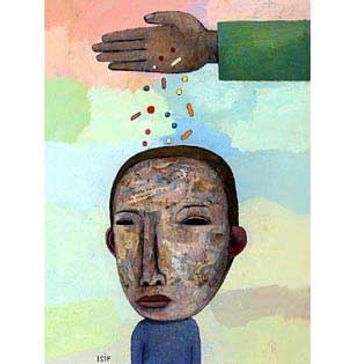
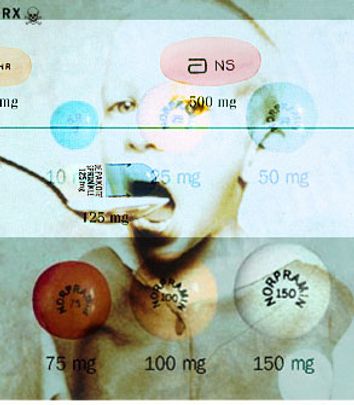
Ten-year-old Shaina Dunkle had been taking the psychiatric drug desipramine (trade name, Norpramin) for her attention-deficit/hyperactivity disorder (ADHD) last year, when she suddenly fell and had a grand mal seizure. She died within minutes in the arms of her mother, who watched helplessly as her daughter’s life ended. Shaina’s autopsy revealed no other cause for her death than the desipramine. Her parents, in the small central Pennsylvania town of Smithtown, struggled privately with tremendous guilt and anger until they began to learn more about their daughter’s treatment. Now, the outrage they feel about the circumstances of Shaina’s death has prompted them to go public with their concerns.

Shaina Dunkle should never have been on this drug. In the late 1980s, child psychiatrists promoted desipramine for the treatment of ADHD. But by the mid-1990s, reports of seven sudden deaths of children taking the medication in appropriate doses for ADHD led most doctors to abandon desipramine for other, “safer” medications. According to Shaina’s parents, desipramine was offered to them as a once-a-day drug that, unlike Ritalin, the most commonly prescribed medication for ADHD, had no abuse potential. However, when used properly Ritalin has not been implicated in sudden death (the one reported exception was a 14-year-old boy who died suddenly after taking the drug for more than 10 years). The Dunkles were never told of the increased risk for this catastrophic side effect related to desipramine.

Desipramine is just one of many drugs that received FDA approval for treatment of an adult condition — in this case depression — but was then, and apparently is still now, used in children for a variety of behavioral and performance problems. Once the FDA approves a drug, it can be used with a physician’s prescription for any purpose, a practice called off-label prescribing. Many doctors prescribe many medications off label for children, but none do it as frequently as child psychiatrists.

Child psychiatrists have long been viewed as the ultimate authorities in the evaluation and treatment of children’s emotional and behavioral problems. Today, however, these doctors appear to be pushing pills exclusive of anything else. In fact, a recent survey of child psychiatry practices by the Yale Child Study Center, published in the Journal of the American Academy of Child and Adolescent Psychiatry, revealed that only one in 10 children who visit a child psychiatrist’s office leaves without a psychiatric drug prescription.

Even leaders within the community of child psychiatrists, doctors like Michael Jellinek, the head of Harvard’s child psychiatry department, and Peter Jensen, former director of the head of the children’s section of the National Institute of Mental Health, have publicly expressed concern that there is not enough evidence of the effectiveness and safety of these medications to support their widespread use for kids.

And they should be concerned. About 4 million children take either Ritalin, the only psychiatric drug adequately researched for use by children, or an equally well-tested equivalent like Adderall, Concerta, or Metadate. About 1.5 million children take adult antidepressants like Prozac for a variety of problems. Hundreds of thousands are on various other adult medications: clonidine, a drug originally approved for adult hypertension, is prescribed to take the edge off difficult behavior caused by ADHD, especially in the late afternoon or evening, when taking a stimulant will keep the kid up all night. Depakote, a drug tested in adults for epilepsy, is the latest prescriptive drug “in fashion” for treatment of the burgeoning number of children diagnosed with bipolar disorder. Risperdal, a “new generation” anti-psychotic drug, is prescribed for children primarily to control aggressive behavior.

None of these drugs, except Ritalin and others in its stimulant class, have been tested in more than a few dozen children for more than about two or three months. Even Ritalin, which has been around for decades, has been studied no longer than 18 months for its effectiveness or safety. Until recently, the pharmaceutical industry has had little incentive to test drugs in kids — the market wasn’t large enough and pediatric drug studies pose additional ethical hurdles.

But drug companies became very interested in drug trials involving children about two years ago, when the government agreed to extend exclusive patents on drugs for six months if the companies facilitated testing in children. About two years after the extension, however, the FDA, still not satisfied with the amount of pediatric testing being done, introduced an administrative mandate that required drug companies to test previously approved drugs frequently used in children. The move brought three thinly veiled “citizen suits” funded by the drug industry that challenged the FDA’s authority. When the FDA backed down under this pressure, child advocacy groups — including the American Academy of Pediatrics and the American Academy of Child and Adolescent Psychiatrists — expressed outrage. The FDA finally reinstituted the mandate, with the apparent public approval of the Bush administration.

Now Sens. Hillary Clinton, (D-N.Y.), Christopher Dodd (D-Conn.), and Mike DeWine (R-Ohio) are sponsoring legislation to make the testing mandatory for drugs that are regularly prescribed for children.

But this proposal doesn’t go far enough. At the moment, doctors and their patients learn only in a haphazard fashion about the side effects that develop with a drug’s long-term use. There are no requirements for what is called post-marketing surveillance — for any drug — despite repeated calls for such a procedure from medical and patient advocacy groups.

Drug companies aggressively oppose this kind of thorough follow-up on drugs, not only because it is expensive, but because they don’t really want to find out whether their drugs continue to work over time or if long-term side effects develop. Currently, that kind of research is a job for the country’s trial lawyers. But this de facto “system” of monitoring the effects of drugs requires many casualties before an adverse outcome is discovered or established in the medical and popular literature.

At the heart of this debate is the recent surge in the use of psychiatric drugs to treat children. So many children are taking these medications that the need for more testing and follow-up is suddenly crucial. Unfortunately, the alternative — effective non-drug interventions for the treatment of children’s behavioral issues — has been overlooked.

Specific psychotherapeutic approaches to the treatment of behavioral issues in children — ADHD, anxiety and obsessive compulsive disorder — have been shown to eliminate or decrease the need for drugs. But the pharmaceutical industry, with its control of psychiatric research funding, influence in the media, and direct advertising to patients, has no interest in the promotion of these approaches. The problem? Psychosocial treatments like family therapy and special education do not generate stock dividends or equity, and they are less available than drugs.

If other interventions were more widely available and aggressively promoted, it is possible that Shaina Dunkle’s apparently mild ADHD symptoms, diagnosed by her school psychologist, could have been managed without medication. Yes, some children who do receive non-drug help can still benefit from taking a psychiatric medication. But Shaina’s parents say they never would have given desipramine to their daughter had they known more about it. They trusted the doctor; they believed the drug to be safe.

The extensive prescription of these medications for children, without adequate testing for safety and effectiveness in children constitutes a hidden time bomb that could explode with still more casualties. Catastrophic side effects, like the one that killed Shaina Dunkle, may be rare, but they become predictable when we treat so many children with so many drugs. We need to know more, much more. And until we do, it is imperative that we give adequate consideration to treatments that do not involve drugs whose full effects we don’t completely understand.

An end run to marketing victory

Drug makers find ways to circumvent an advertising ban and promote psychiatric drugs for children

  • more
    • All Share Services

An end run to marketing victory

In a step that represents an escalation in the influence of the pharmaceutical industry over parents and children, Alza Corp. has announced that it will use television commercials in its campaign to promote Concerta, a drug for the treatment of attention deficit/hyperactivity disorder (ADHD). Alza, which pioneered direct-to-consumer print ads to address ADHD last year, becomes the first drug company to promote — on TV — the use of a medication for a children’s psychiatric disorder.

The groundbreaking TV ads for Concerta will not directly mention the drug — that would be illegal. Concerta, like most of the medications used to treat ADHD in children, is a stimulant, which makes it a candidate for potential abuse. For this reason, its production, like that of Ritalin, is tightly controlled by the Drug Enforcement Administration (DEA), and its promotion is subject to controls set by the 1971 United Nations Convention on Psychotropic substances. According to these rules, monitored by the U.N. Narcotics Control Division, drug companies are not allowed to market controlled substances directly to consumers.

But Alza, along with a half-dozen companies marketing stimulants directly to parents (in magazines like Redbook and Good Housekeeping), neatly sidesteps the limits on specific product advertising by promoting awareness of ADHD, not the drug treatment itself. In its print ad from last year, Alza features a smiling school-age boy holding a pencil who is surrounded by his beaming parents and sister. The caption beneath the photo reads: “Thanks to new ways for effectively managing ADHD, homework may be a more relaxing time at the Wilkin house.”

Readers of these prints ads, like those who will view the new TV ads, are advised to call a toll-free number for the “latest treatment information.” Parents are then sent a video, a copy of a government study on ADHD treatment and material on Concerta.

This strategy mirrors the one used by Purdue Pharma with OxyContin, a time-release pain medication that has been so widely abused that the company has been forced to considered a new plan for its formulation. To adhere to regulations on the marketing of narcotics while creating a market for its drug, Purdue didn’t specifically promote OxyContin to consumers, but chose an approach called “nonbranded education,” in which the company highlighted the plight of those who suffer pain and need a drug exactly like OxyContin. In this way they were able to broaden and prepare the market for their drug, while staying within the law.

In the fast-growing market of psychotropic drugs for children, only Celltech, a stimulant manufacturer, has challenged the rules by explicitly mentioning its product, Metadate CD, in magazine ads aimed at consumers. Consequently, the DEA has issued a cease and desist order to Celltech; court actions, as well as international sanctions, could follow. The company also is taking some heat for using a cartoon superhero to promote Metadate CD in some of its ads. Comparisons to the much-denounced Joe Camel campaign have been raised, even though the manufacturer insists that the cartoon is meant for advertising aimed exclusively at physicians.

The remaining several companies involved in advertising stimulants for kids by promoting “awareness” of ADHD maintain that they are performing a public service. However, in the affluent suburban middle-class community where I work, you’d have to be living in a cave without children for the last 10 years to be unaware of ADHD. In fact, I regularly hear parents and teachers describe children’s problems of behavior and performance in what sounds like a learned catechism of ADHD symptoms. “He’s distractible in the class. He can’t focus. He’ll only concentrates on the things he likes.”

It’s almost as if they’ve read a script. And that’s the point. Increasingly the pharmaceutical industry has come under fire for influencing the way we think about ourselves, and now, for influencing the way we evaluate our children. Recently, David Healy, a prominent British psychiatrist, was fired from his high-profile mental health post at the University of Toronto for speaking out about his provocative revisionist history of American psychiatry. He claims that our entire psychiatric diagnosis and treatment model of the last 50 years has been determined by drugs like Thorazine and Prozac and by the pervasive influence of the pharmaceutical industry on research, publications, professional organizations and promotion.

Meanwhile, a consortium of legal firms have filed class action suits in five states against Novartis, the maker of Ritalin, and the American Psychiatric Association, claiming a conspiracy between the two to defraud the public about ADHD and the need for stimulant medication.

Our right to free speech allows the powerful pharmaceutical industry to promote a particular point of view on ADHD, a purported brain-based disorder calling for a medication. And it is true that a child’s brain is important; but common sense tells us that homework completion is a complex social/developmental undertaking that involves many more factors. Unfortunately, there is no equal countervailing influence to rebut the drug companies’ strong suggestion that ADHD is the cause of poor homework completion. There are no stock dividends or equity for special education teachers, no TV commercials for family therapists who might have a different, more nuanced point of view.

Drug advertising works, and pharmaceutical companies rely on it now more than ever as they compete in narrow markets. With nearly a dozen stimulants now available without too much to distinguish them clinically, manufacturers will have to advertise heavily to maintain or create their niche in the legal stimulant market — worth some $750 million a year. It took just three years of relentless advertising directed at physicians, for instance, for Adderall, another stimulant, to surpass Ritalin in 1999 as the most common brand name drug prescribed for ADHD.

Stimulants do work — low doses have been shown to improve concentration and work completion for everyone (child or adult, ADHD or not). But stimulants are not the moral equivalent of — or substitute for — helping parents parent and teachers teach. Yet I’m afraid in our current environment, this doctor’s opinion is likely to be dwarfed by the next 30-second spot.

Continue Reading Close

Defusing the explosive child

Prescribing drugs, not discipline, will only escalate conflict, lead to more difficult kids and weaken our already-lax culture of parenting.

  • more
    • All Share Services

Defusing the explosive child

In my 23 years practicing behavioral pediatrics, I’ve seen dozens of parenting manuals come and go, their titles the checkpoints of popular thinking about child rearing in America. In the ’80s, “The Difficult Child” by Stanley Turecki popularized the workings of childhood “temperament and fit” in a sensible and practical manner. In the early ’90s, Mary Kurcinka’s euphemistically titled “The Spirited Child” anticipated the boom in the attention-deficit hyperactivity disorder (ADHD) diagnosis and reflected the ethos of the now waning self-esteem movement in child psychology.

Now we have “The Explosive Child” by child psychologist Ross W. Greene. Originally published in 1998 and released this year in paperback, the book offers, as its subtitle suggests, “a new approach for understanding and parenting easily frustrated, chronically inflexible children.” While Greene’s approach may be valid for some extreme cases, “The Explosive Child” overpathologizes difficult children and is likely to have a pernicious effect on our already-lax culture of parenting. (Expect the publication next year of “The Lethal Child” and perhaps by the end of this decade “The Thermonuclear Child.”)

The weary parents of extremely difficult kids deserve our compassion, but Dr. Greene’s book does them no favors. Less a strategy than a means of surrender, it is a 326-page letter of permission to follow the path of least resistance — even if it frequently involves prescription drugs and constant cajoling.

It is true that, in the last two decades, I have witnessed a rise in the level of children’s problems (younger children referred with more serious behavioral and emotional issues). And I, like many other doctors and practitioners, have responded more frequently with a strategy that involves, among other approaches, the prescription of medicines like Ritalin.

But I have also seen an attendant plunge in the confidence and competence of the parents of very difficult children — and an equally disturbing trend on the part of caregivers to reflexively regard drugs as the remedy of first choice. While it is important to recognize the plight of these mothers and fathers, it is dangerous to suggest that — except in the most extreme cases — they will do themselves or their children any good by opting for psychotropic drugs and negotiation as a substitute for discipline, rewards and spending enough time with their kids. And yet, even with the best of intentions, this is what Greene, and a growing number of colleagues, have begun to advise.

The discipline of children has been eroding in this country for 150 years, starting with the departure of families from the farm for the factories of the city. The development of public compulsory education — about 100 years ago — played a role in decreasing the power of parents. By the ’20s, routine attendance of high school brought teens together for the first time separate from their families, and specifically empowered youth at their parents’ expense. The midcentury power of the “child guidance” movement further diminished the cultural legitimacy of discipline espoused by behaviorists and religious leaders. It also shifted “expertness” from grandmothers and clergy to child psychiatrists, psychologists and pediatricians.

In the ’60s and ’70s, child abuse and spousal abuse were brought out of the closet and informed the rallying cries of both children’s rights advocates and feminists. The aforementioned self-esteem movement, which became prominent in the ’80s, along with self-help and 12-step ideology, gave any adult conflict with children a negative spin. Books that ostensibly taught parents to “talk to your kids so they will listen” implied that if you used these approaches you could successfully avoid arguments with your children.

The response to the excesses of the child sexual abuse hysteria of the early ’90s, epitomized by the McMartin day care fiasco, was only a temporary break in the continuing relaxation of limits and expectations in the name of protecting children. By the late ’90s, American psychiatry had medicalized most coping behavior. And with Ritalin and Prozac in the mix, American doctors and parents appear more ready to address children’s bad behavior with a pill rather than a swat. “The Explosive Child” is the latest manifestation of this trend.

“Explosive Child” author Greene heads the psychotherapy arm of treatment at the Clinical and Research Program in Pediatric Psychopharmacology of Harvard’s Massachusetts General Hospital, the leading child psychiatric drug research center in the country. Its director, child psychiatrist Joseph Biederman, is arguably the nation’s most influential pediatric psychopharmacologist and a vigorous promoter of using psychiatric medications in children.

Controversially, Dr. Biederman and his colleagues find that nearly a quarter of the children with ADHD who are evaluated at their clinic also meet their criteria for bipolar disorder, the new name for manic-depression, once thought quite rare in children. The bipolar diagnosis carries with it the implications of a lifelong disabling pyschiatric disorder requiring perpetual drug treatment with medications like lithium, Depakote (an anticonvulsant) and Risperdal (an antipsychotic drug). The Harvard clinic’s very high rate of diagnosis has led other doctors to question how typical these patients are compared to the general community. Critics have challenged the diagnostic thresholds of Biederman and his partners, alleging that it may be easier to be diagnosed with bipolar disorder of childhood in Boston than anywhere else in the world.

To be sure, the art of psychiatric diagnosis in children remains a very inexact science and in practice most doctors follow an algorithm of treatment using the safest drugs first. Children with the bipolar diagnosis have most often failed to improve with conventional psychotherapeutic interventions such as play therapy or parent effectiveness training. Drugs with relatively safer side effect profiles like Ritalin, Adderall or Prozac have either been insufficient or completely ineffective in controlling symptoms of these very difficult children. In fact these kids at the Boston clinic are often taking two, three and even four psychiatric drugs at the same time.

Greene openly acknowledges in his book that most of the children he treats are taking one or more psychiatric medications. He feels the medications are necessary just to allow his approaches to begin to work. The behavioral problems of children he treats, says Greene, are biological in nature, stemming from the children themselves. He believes the children’s poor behavior is the result of their genetically derived temperaments — behavior that is felt to be inherent to the children themselves and not the result of environment or experience.

Greene specifically avoids the debate over the psychiatric diagnosis of bipolar disorder in these children, which, given the controversy, is probably wise. But he puts a particularly negative spin on personality qualities that could be described neutrally as intense, determined, persistent or coping poorly with transitions. In “The Explosive Child” these qualities are defined as inflexible, stubborn and explosive — coincidentally core descriptors of bipolar child behavior.

In Greene’s analysis, parenting and school experience have little to do with the development of these children’s problems. Greene absolves parents of causing the problems: a welcome relief for parents who generally feel guilty and responsible no matter what benevolent theories are offered for their children’s behavior. Nevertheless, Greene correctly starts out by telling parents they will have to be the agents of change in improving their kid’s behavior whether or not the child is taking medication (he or she usually is).

(Like many other child-oriented experts, Greene has found that the old Freudian-based models of play therapy, which were meant to allow children to express themselves safely in order to resolve inner conflicts, simply do not work in helping children learn to self-control. Most family therapists have known this for years, but treating children only with play continues in most community mental health practices with hopeless regularity.)

By the time parents have reached the Harvard clinic, no doubt they feel that they’ve tried everything. Many of them have tried behavioral modification programs yet their children continue to exhibit tantrums and outrageous behavior over trivialities. Greene tells them that behavior modification will not work with these children because the kids’ brains make them “incapable” of responding to normal rewards and punishments. The children quickly move into a “vapor lock” sense of inchoate rage, which makes reasoning, as well as the “timeout,” a useless learning exercise.

Greene nicely captures the inner thoughts of these intense and persistent children. He does a lovely job of elucidating the thinking of an 11-year-old girl who goes bananas simply because her mother wants to prepare waffles for the girl’s younger brother. This little girl believes with all her heart that these waffles have her name on them. They belong to her even though she’s told no one about her convictions. She argues, screams and knocks down chairs while her mother pleads that since the girl has already had her waffles, it’s only fair to give the last two to her brother.

Most doctors would recommend ending this kind of exchange early before it escalates — if necessary, with the immediate loss of some privilege or going to timeout. But Greene asks the mother to capitulate or negotiate with her daughter’s otherwise outrageous demands in order to avoid having the girl “melt down.” He feels the meltdown — the frequent rages and temper tantrums — constitutes the most destructive aspect of the explosive child for both the family and the children themselves. He says that these episodes lead to increasing feelings of despair and desperation for all the parties involved. Greene’s goal is somehow to have the parents keep the child hanging onto reason even though — to me — it appears to be “rewarding” outrageous behavior.

Greene proposes that parents divide all conflictual challenges into “three baskets.” In reverse order, basket C has the parents deciding that the waffles aren’t worth fighting about at all. “OK, honey, I won’t prepare them for your brother if it’s that big a deal to you.” He feels most conflicts parents take on with their kids can actually be put into basket C without too many ill effects.

Basket B is for issues that are not easily dropped but call for negotiating, distraction, rationalization — anything to keep the kid talking and not flaming out. “Since you’ve already eaten your waffles this morning, what if we went out and bought some more right after school? How would that be?” The idea here is that the child will eventually be mollified by the offer and that by the time school is out, she will have forgotten how important the waffles were to her in the morning.

Greene spends most of the book teaching parents how to work with items in basket B. He offers a variety of stratagems and linguistic gymnastics for keeping the kids involved and out of tantrum mode. Greene demands amazing commitment to the approach from the parents in the face of continuing outrages expressed by their kids. Indeed, there were passages about kids’ behavior and parents’ acquiescence in “The Explosive Child” that made my stomach queasy and my chest tight. Greene asks parents to accept four-letter words, personal insults and epithets in negotiating with unreasonable 3- and 4-year-olds — all in the service of the higher goal of keeping the kid cool.

Only behavior placed in basket A results in a limit. Greene does believe there are some infractions, primarily physical attacks and destruction of property, that should be stopped. However, he gives parents little instruction or advice on how they might accomplish this. He believes that if most behaviors are tossed into baskets B and C, there should be far fewer episodes of rage that call for a firm unyielding limit and, for some reason, declines to be specific about how to set that firm unyielding limit.

Much of this sounds a lot like the old sensible parenting advice: “Pick your battles.” But Greene’s emphasis on baskets B and C is misplaced and potentially damaging. If in fact the parents are effectively setting limits for certain basket A behaviors, why not encourage them to expand their demands on their children’s performance over time? If hitting Mommy in anger sends Johnny to timeout, parental immediacy and consistency should in time cause Johnny to think twice about such actions. Once parents see improvement in less hitting, why not begin to include swearing as another timeout offense?

This is not rocket science, but it is also not easy to achieve with difficult and persistent children. And no one approach works all the time for all children. Sometimes, the most useful thing parents can do with their wailing, whining 6-year-olds is hold them close and whisper sweet nothings into their ears. Parenting these children is like playing an antique violin. Bow too softly and you hear nothing. Bow too hard and it squeaks. Finding just the right amount of pressure to make the violin sing sweetly requires much skill, practice and often some instruction in mastering a difficult and beloved instrument.

Greene admits there is no published data supporting his approaches at this time. However, I suspect we will be seeing such studies in the future, if only because Greene works with the most prolific group of pediatric psychiatric researchers in the country. But no matter how his results are spun, I fear that Greene’s approaches will be grabbed by the hungry hordes of desperate, uncertain parents struggling over setting limits and hoping to avoid the unpleasantness of dealing with their tantrummy preschool and school-age children. However, avoiding the unpleasantness of conflict with their kids will ironically lead to more and escalating conflict and more “explosive” bipolar children.

Keeping one’s cool as a parent is quite important in child rearing. There’s even a place for negotiating. Some negotiation with teens makes sense by virtue of their physical size, ostensible emotional maturity and “rights” afforded them by an ever more permissive society. Few angry teens can be safely hauled off to a timeout by their parents. If these kids haven’t learned to go on their own by then, the cops might have to be called in to physically intervene. But how will these kids learn to self-control when their parents have been giving in to them since their toddler days?

That’s my biggest worry about “The Explosive Child.” Greene’s approaches, as articulated in this book, are not approaches that I would recommend for the average family with a difficult or even very difficult 2- to 12-year-old child. Of course Greene would say these kids are beyond even very difficult. And that may well be true. On the other hand, I see many parents who feel as if they’ve already tried everything by the time they’ve gotten to my office. They feel as if they’ve tried to reward and punish without success. Yet so many of these families actually succeed once they’ve been given the permission and support to become more immediate and tangible with their discipline.

With less ambivalence interfering with their demands and follow-through, parents often wind up using the same approaches that previously failed but succeed when they are applied consistently and immediately. Rewards also have a role in shaping behavior, but they too should be immediate and tangible: stickers, stars and small toys for younger kids; money and extended privileges for older ones.

Rarely, though, are rewards alone an effective substitute for limits and discipline. Kids also need some time with their parents doing something together that is not merely shuttling from music lesson to soccer practice, a ritual that seems to pass for quality time among suburbanites and affluent city dwellers. And, of course, kids need affection and warmth from their parents too. However, I find in the families I see that showing love is not the parents’ problem as long as their kids’ difficult behaviors are under control.

Some children who are especially hyperactive and impulsive will be helped with drugs like Ritalin or Adderall. And some children will continue to rage and throw tantrums. No one approach solves all problems. Undoubtedly, a few children will never receive the degree of immediacy and consistency required to meet behavioral challenges within their own homes. That doesn’t mean they are unresponsive to rewards and punishments. All animals (and probably some plants too) respond to these behavioral inducements. But for these kids, their current environment doesn’t meet their needs.

I am not blaming parents. Some of these children have been extremely difficult from birth (which in itself doesn’t fully exonerate their family and school from influence on their behavior). At some point, though, the choices for these families become very difficult. They may have to find another environment that can meet the kids’ needs — a relative’s home, a different class or school.

If warring spouses aggravate the challenges, perhaps the parents should separate or the child should live with one parent exclusively for a while. Perhaps the next time the kid acts out the cops should be called. These types of painful decisions for parents make alternatives like more medication for the child or Greene’s approaches to discipline attractive.

Somewhere in the mix for these very extreme cases, there might be a place for the strategies espoused by Greene in “The Explosive Child.” I’m not sure whether Greene’s approach works for the kids in his clinic or if the medications they are taking simply modify their behavior or sedate them. But for the many other families struggling with very difficult children, premature adoption of these techniques will have the paradoxical effect of creating more explosive children — good perhaps for sales of books and medications, but tragic for a society that has lost its balance between the dual needs of children: loving nurturance and effective discipline.

Continue Reading Close

Just say yes to Ritalin!

Parents are being pressured by schools to medicate their kids -- or else.

  • more
    • All Share Services

Just say yes to Ritalin!

Public school administrators, long the enthusiastic adherents of a “Just Say No!” policy on drug use, appear to have a new motto for the parents of certain tiny soldiers in the war on drugs: “Medicate or Else!” It is a new and troubling twist in the psychiatric drugs saga, in which public schools have begun to issue ultimatums to parents of hard-to-handle kids, saying they will not allow students to attend conventional classes unless they are medicated. In the most extreme cases, parents unwilling to give their kids drugs are being reported by their schools to local offices of Child Protective Services, the implication being that by withholding drugs, the parents are guilty of neglect.

At least two families with children in schools near Albany, N.Y., recently were reported by school officials to local CPS offices when the parents decided, independently, to stop giving their children medication for attention-deficit hyperactivity disorder. (The parents of one student pulled him from school; the others decided to put their boy back on medication so that he could continue at his school.)

Meanwhile, class-action lawsuits were filed earlier this month in federal courts in California and New Jersey, alleging that Novartis Pharmaceuticals Corp., the manufacturer of Ritalin, and the American Psychiatric Association had conspired to create and expand the market for the drug, the best known of the stimulant medications that include the amphetamines Adderall and Dexedrine. The suit appears to be much like another lawsuit brought against Novartis in Texas earlier this year.

As a doctor with a practice in behavioral pediatrics — and one who prescribes Ritalin for children — I am alarmed by the widespread and knee-jerk reliance on pharmaceuticals by educators, who do not always explore fully the other options available to deal with learning and behavioral problems in their classrooms. Issues of medicine aside, these cases represent a direct challenge to the rights of parents to make choices for their children and still enjoy access to the public education they want for them — without medication. These policies also demonstrate a disquieting belief on the part of educated adults that bad behavior and underperformance in school should be interpreted as medical disorders that must be treated with drugs.

Unfortunately, I know from the experience of evaluating and treating more than 2,500 children for problems of behavior and school performance that these cases represent only a handful of the millions of Americans who have received pressure from school personnel to seek a “medical evaluation” for a child — teacher-speak for “Get your kid on Ritalin.”

Most often, evaluations are driven by genuine concerns first raised by a teacher or school psychologist. But too frequently the children are sent to me without even a cursory educational screening for learning problems. With a 700 percent increase in the use of Ritalin since 1990, parents have been repeatedly told that their kids probably have ADHD and that Ritalin is the treatment of choice. More and more often, the parents who buck this trend are being told they must put their children in special restricted classrooms or teach them at home.

Patrick and Sarah McCormack (not their real names) came to my office in a panic last year because a school wanted them to medicate their 7-year-old son. Sarah tearfully explained that the principal and psychologist at Sammy’s school in an upscale Bay Area town were absolutely clear that the first-grader should be on Ritalin. An outside private psychologist who had previously tested Sammy did not find any learning problems but concluded that he had ADHD and was defiant of authority. She suggested medication. The school psychologist, in his report on Sammy, was straightforward in recommending “psychopharmacological therapy” for the child.

The McCormacks were told, in no uncertain terms, that unless Sammy’s behavior changed, he would be transferred to a special class for behavior-problem children at another school or the McCormacks would have to consider alternatives to public education like home schooling.

Patrick and Sarah had few problems with their son at home, though they conceded he was a “handful” and sometimes had problems getting along with other children. They deeply valued his outgoing personality and feared that Ritalin would change him. They also worried about the immediate and long-term side effects of the drug. They acknowledged that Sammy struggled at school but felt school personnel had not done enough and were using the wrong approaches with their kid. They hoped he could continue at the neighborhood school where he had made friends despite his problems. They wanted my opinion and support for their point of view at the school.

When I met Sammy in my office, he was full of life and reasonably focused, chatting at length about activities at home and at school. Though he was in first grade, he could read at a fourth-grade level. I got a better picture of his problems when I met him with his parents. When they were there he acted impulsively, getting up and down from his seat and moving about the room when we tried to have a family conversation. Sammy regularly interrupted his parents and bossed them around, especially Sarah.

His lack of respect troubled me, but I felt optimistic that Sammy could be successful without medication, especially after I spoke with his teacher. She was more positive about him than others who had reported on his conduct at school. She felt he had made progress in her classroom but still wondered how she could help him better stay on task. She was open to ideas. I suggested that Sammy be immediately rewarded for good behavior and given chips for finished work that could be exchanged for prizes at the end of the day. She was comfortable with giving him tangible consequences for not meeting her expectations.

I suspected that medication would probably help with Sammy’s self-control, but, as I told the McCormacks, it was not absolutely necessary. I told them that children of Sammy’s age never become addicted and that the drug’s effects on his behavior would last only four hours per dose. But it was more important that they work on their parenting, and I referred them to a counselor. I couldn’t say for sure whether changes at home and school would make the difference for Sammy, but I certainly felt it was up to the parents to decide on the medication. I said I would support their decision either way.

A year later the McCormacks returned, frustrated and embittered. Sammy had a very good end to first grade, but second grade with an unsympathetic, unyielding teacher had been disastrous. The principal and school district were now insisting that Sammy be on medication if he was to stay in a regular third-grade classroom. The school said it “could not meet the child’s needs within the regular classroom setting without medication.” He was disrupting the classroom. Other parents had complained about his behavior. A one-on-one aide assigned to Sammy had not worked. Sarah thought the aide was nothing more than a snitch who regularly recorded Sammy’s misdeeds for the principal.

If the family refused to give Sammy medication, the boy would be transferred to a different school, a bus ride from their home, to be in a special class with four other “disturbed” children. They could also home-school him or challenge the school’s decision in a hearing. Ultimately they could go to court, but a final decision could take years — by then Sammy might be in middle school. The parents were loath to move Sammy to a new school. However, they still were against using medication with their son.

Families like the McCormacks, who reject medication and face a loss of access to conventional public school classrooms, are increasing in numbers. In May, I testified before a congressional subcommittee hearing on ADHD and Ritalin organized by several congressmen who had received letters from distressed parents pressured by their local schools to medicate their children. The pressure has become so intense in some areas that resolutions urging teachers to restrain from recommending medical evaluations and Ritalin for students are under consideration in several states. One passed recently in Colorado.

Yet even as the issue of parents’ rights is being considered in some areas, the stakes have dramatically increased in others, where schools are seeking the intervention of CPS to get parents to medicate their kids. It is no longer simply an issue of which school or which class a child will attend. Instead, some parents are being threatened with the possibility of losing custody of their children if they refuse to comply with suggested treatment for an alleged medical condition.

Many doctors and educators would agree that withholding medication can be viewed as a form of child abuse or neglect. Dr. Harold Koplewicz, vice chairman of the New York University Child Study Center, said on “Good Morning America” last month that he felt a CPS referral was justified when a family refused to medicate a child for whom a diagnosis of ADHD had been made by an experienced evaluator. “Ritalin is simply the best treatment for this disorder,” he said.

I can’t agree. It is true that the courts have ordered medical intervention when a child’s life is threatened. Judges have overruled the wishes of Christian Scientist parents not to give antibiotics to children who face life-threatening infection. Similarly, blood products have been given to children in surgery over the objections of Jehovah’s Witnesses. But those situations are quite different from ones in which ADHD is diagnosed and Ritalin is prescribed, according to Dolores Sargent, a former special education teacher now practicing family law in Danville, Calif.

“ADHD children and families do not face immediate life-threatening situations,” she says, “and ADHD continues to be a ‘disease’ with multiple causes and no definitive markers. It’s unlikely any decision that insists on the use of Ritalin for ADHD could withstand a court challenge.”

The existence of effective alternative treatments makes any forced decision to medicate children against parents’ wishes both legally and ethically shaky. Yet, the willingness of some CPS workers to pursue families unwilling to dose their children shows how strongly entrenched medication for behavior problems in children has become in our country.

A local CPS office cannot demand that a child be medicated — yet — but it can ascertain whether a child is safe in his or her parents’ home. Legally, CPS can alert parents that their child’s uncontrollable behavior, which puts the child at significant risk of abuse at home, must change. If they feel this advice is not being taken, the agency can remove children from their homes.

What seems to be overlooked in this simplistic, and seemingly convenient, way of dealing with hard-to-handle kids is that alternative strategies to medication exist, from family counseling to short-term respite care. The perceived superiority, rapid onset and inexpensive nature of Ritalin make it a very attractive choice for school administrators, who may pressure parents of students who threaten to drain their beleaguered schools of time or money As more and more families opt for the Ritalin fix, it becomes easier to insist that other families in similar situations try the drug, even though these families may not want their kids to take stimulants.

I still prescribe Ritalin, but only after assessing a child’s school learning environment and family dynamics, especially the parents’ style of discipline. But I continue to ask questions about Ritalin in a country where we use 80 percent of the world’s stimulants. I have no doubt that Ritalin “works” to improve short-term behavior and school performance in children with ADHD; however, it is not an equivalent to or substitute for better parenting and schools for our children.

I was surprised to see Surgeon General David Satcher quoted recently as saying that he believes Ritalin is underprescribed in our country. I participated in last week’s Conference on Children’s Mental Health sponsored by his office and found that Ritalin is thought to be both underprescribed and overprescribed, depending upon the community being assessed and its specific threshold for ADHD diagnonsis and Ritalin treatment.

Data shows, for example, that African-American families use Ritalin at rates one-half to one-quarter of their white, socioeconomic peers. Asian-American youth are virtually absent in statistics for Ritalin use. I happen to believe that Satcher’s comments were intended for these communities and, ironically, will not have any impact on them. Instead, I think, his statement will have perverse impact on white middle- and upper-middle-class families. In some communities, Ritalin use among boys in this group is as high as one in five.

After much agonizing, Sammy’s parents decided to put him in a special education class rather than give him Ritalin and, for the moment, things are going well for him. But they plan to move from the Bay Area, largely because of Sammy’s school experience.

With 4 million children taking Ritalin in America today, there are undoubtedly millions of other parents struggling with the decision of whether to medicate their children. The McCormacks’ story demonstrates the dilemmas and pressures many of these families face. Proponents of drug treatment for children’s behavior problems applaud those parents who choose Ritalin to improve their children’s learning experience. But civil libertarians — and doctors like me — worry about the specter of more families being forced against their will to put their children on psychiatric medication. These families, and their right to make choices for their children, deserve our support and protection.

Continue Reading Close

Dying on Ritalin

A teenager's fatal heart attack raises troubling questions about the safety of a drug whose popularity is exploding.

  • more
    • All Share Services

Ritalin is once more in the news. In just the past two months, a survey found large increases in the use of the stimulant drug — prescribed most commonly to treat hyperactivity and depression — for toddler misbehavior. What’s more, newspapers reported the widespread recreational use of Ritalin on college campuses and by adults. And now, a medical examiner in Pontiac, Mich., has released findings strongly linking long-term use of Ritalin to the death of a 14-year-old boy.

The teen died at home while playing on his skateboard. Initially, it was thought that he had injured himself in a fall, but the medical examiner found the cause of death to be cardiac arrest secondary to blockage of coronary arteries that supplied blood to his heart. Such changes in the blood vessels are not ordinarily found in children so young, but are typical of the damage seen in adults who chronically abuse stimulants. The boy had been taking Ritalin for attention-deficit hyperactivity disorder under a doctor’s prescription for 10 years. The medical examiner believed that no other reason could account for the changes in the child’s heart. At least two other children who were taking Ritalin have recently died, in Texas and Ohio. These cases will now be investigated further.

What does this report mean for the approximately 4 million children taking stimulants for ADHD in America today? Amphetamines like Dexedrine and Adderall — as well as Ritalin, a closely related stimulant — have been used to treat hyperactive children for decades. It stands to reason that if heart attacks were a common risk associated with these drugs, we should have discovered the link long ago. When taken properly — orally and in low doses — these drugs have always been believed to be quite safe, one justification for their use in otherwise healthy children. Nearly 40 years of experience using Ritalin in children has reassured parents and doctors about the relative safety of this drug.

Nevertheless, aspects of the Michigan case, if confirmed, are troubling. Ritalin, amphetamine and cocaine are closely related in pharmacological structure and action. All three can be abused and lead to addiction, though children who do not self-medicate virtually never become addicted. It’s well known that amphetamine and cocaine affect the coronary blood vessels and the heart itself; heart attacks and sudden death in stimulant abusers occur with enough frequency to have generated a body of medical literature. The Michigan autopsy found pathological changes in the boy that match those of unfortunate amphetamine and cocaine abusers.

While we’ve used Ritalin with kids for years, until the 1990s treatment typically ended at puberty — when childhood hyperactivity usually diminishes. And treatment for more than five years was unusual. But now that many behavior experts are recommending lifetime stimulant treatment for ADHD and more and more children are taking Ritalin into adolescence, the Michigan case demands further investigation, with other pathologists reviewing the medical examiner’s findings before firm conclusions are drawn. In addition, a study of teens who have taken the drug for a decade or more should be mounted quickly to determine if their heart function is being affected — if only to reassure an anxious public shaken by this news.

Given the ongoing controversies surrounding Ritalin use, this report further complicates the difficult choices facing parents and children taking or considering taking the drug. To the families of the children whom I treat, I am recommending no changes at this time. However, any teens complaining of heart symptoms should be assessed by their doctor and possibly referred to a cardiologist for a more complete exam and a stress electrocardiogram. Unfortunately, chest pain and fatiguing easily — two cardinal signs of heart disease — are also common complaints of slightly anxious but healthy adolescents.

Whether it turns out to be a tragic coincidence or the first inkling of a catastrophic side effect of Ritalin, the death of this child reminds me as a doctor of my Hippocratic oath: Primum non nocere — first do no harm. Until I learn of further evidence exonerating Ritalin’s association with sudden death, I know I’ll be just a bit more careful in deciding which child does or doesn’t take this medication. I know parents will be, too.

Continue Reading Close

Extreme Ritalin

The drug should not become the moral equivalent of, or substitute for, better parenting and schools.

  • more
    • All Share Services

Extreme Ritalin

Ritalin was very busy last week. Twice, the controversial drug for the treatment of attention deficit-hyperactivity disorder (ADHD) made it to TV network news shows and the front pages of newspapers across the country. First Hillary Clinton, in her capacity as children’s advocate, announced that the National Institutes of Health would fund a multimillion dollar study of ADHD and Ritalin use in very young children. This followed publication in JAMA of a survey that found toddlers in increasing numbers were being given Ritalin and other psychiatric drugs. Later in the week, a story on the death of a college student from illegal use of psychiatric drugs also reported on the widespread availability of prescription stimulants on campuses throughout the country.

A preliminary study from Wisconsin has found that one in five college students has used Ritalin, Dexedrine or Adderall without a doctor’s supervision. The medications are usually obtained from students who’ve received the drug legally from a doctor for the treatment of ADHD.

At the extreme these stories of Ritalin use serve to highlight concerns that many doctors, school nurses and child psychotherapists have had for years over the increasing use of stimulants in our country. Ritalin production and use, nearly all for the treatment of ADHD, increased 700 percent in the 1990s. Only the most die-hard skeptics challenge the notion that something we call ADHD exists. The problem is defining who has and doesn’t have the excessive impulsivity, inattention and hyperactivity that are the cornerstones of the ADHD diagnosis. Widely varying rates of Ritalin use attest to the subjectivity of the diagnosis.

The answer to the question “Is Ritalin over- or underprescribed?” is yes depending upon the community you assess and your threshold for the ADHD diagnosis and Ritalin treatment.

This problem is highlighted with Ritalin use now extending down to preschoolers. How much hyperactivity is “excessive” for a 2- or 3-year-old? What is expected of a toddler these days that could constitute a problem great enough to require psychiatric medication? In what ways, if any, has children’s environment contributed to the problem by failing to provide the consistency of affection and discipline these children often need in abundance? While the toddler questions are grabbing the nation’s attention, these same issues apply to the use of Ritalin in school-age children as well.

According to the JAMA survey, most of the toddlers taking psychiatric drugs were not getting any other services. This is also consistent with patterns of treatment for older children. That Ritalin “works” in the short term to improve the focus of children with ADHD is well known. That does not make Ritalin the moral equivalent of, or substitute for, better parenting and schools.

Some say we simply cannot afford the costs of effective non-drug treatments for ADHD; Ritalin is cheap compared with paying for parental counseling and smaller classroom size. A Swiftian response might modestly propose the following: With about 4 million children currently taking Ritalin and classroom size averaging 30 kids per class, why not increase the number of children taking Ritalin to 7.5 million so we could increase classroom size to 45 and save a lot of money?

A less well known fact is that Ritalin improves everyone’s performance, child or adult, ADHD or not. College students are discovering on their own the “universal benefits” of stimulants. Unfortunately, it appears that every 20 years or so American doctors and patients lose their collective memories about the dangers of doctor-prescribed stimulants. Our last epidemic occurred in the late 1970s when Dexedrine was used unsuccessfully as a diet aid and many women became addicted to the drug.

Ironically, the only thing paradoxical about using stimulants for hyperactivity is that they’re actually safer for children than for adults. Children do not self-medicate and they complain when they feel weird or nervous on higher doses — not necessarily so for their adult-counterpart ADHD sufferers.

America’s century-long love affair with stimulants continues. No doubt there is a place for these drugs for a limited number of children and adults who are compromised in virtually any situation. But every day another Tom Sawyer or Pippi Longstocking gets a Ritalin prescription because their round or octagonal personalities do not fit into their school’s square educational holes.

Despite 60 years of stimulant use in children, uncertainty remains about its long-term effectiveness. The only thing for certain is that the controversy over Ritalin will continue. However, in the near future I doubt the questions and controversy over Ritalin will significantly slow our appetite for these drugs in performance-driven America.

Continue Reading Close

Page 1 of 2 in Lawrence H. Diller