
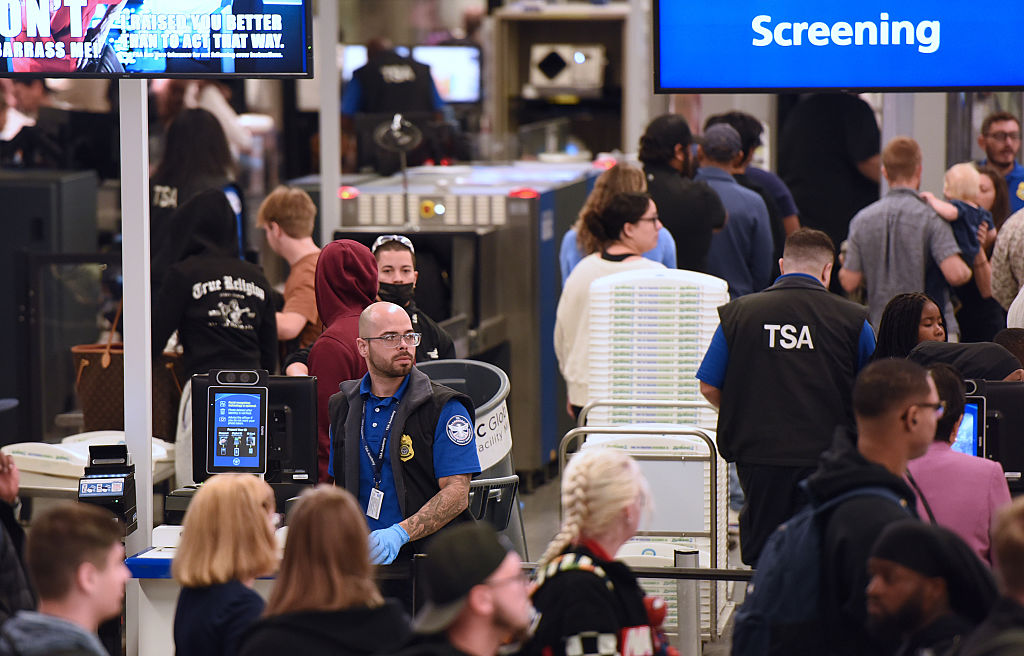

The Transportation Security Administration has quietly shared airline passenger information with Immigration and Customs Enforcement, raising new concerns about surveillance, privacy and immigration enforcement far from the border.
According to reporting from The New York Times, TSA regularly provided ICE with lists of domestic airline passengers, allowing immigration authorities to cross-check travelers against deportation databases. In at least one documented case, ICE agents arrested a young immigrant at an airport after identifying them through the data-sharing process.
The program was not publicly disclosed, and travelers were not informed that their flight information could be used for immigration enforcement. Civil liberties advocates argue the practice effectively turns routine air travel into a tool for deportation, bypassing public debate and oversight.
Critics also warn the policy could discourage travel among immigrant communities, including mixed-status families, and deepen fears about federal data-sharing. While TSA maintains that its mission is focused on transportation security, the arrangement blurs the line between safety screening and immigration policing.
Start your day with essential news from Salon.
Sign up for our free morning newsletter, Crash Course.
The revelations arrive amid broader scrutiny of how federal agencies share data, from health records to financial information, to support immigration enforcement. Legal experts note that while the practice may be technically permissible, it raises ethical questions about consent and transparency.
As holiday travel ramps up, the disclosure highlights how ordinary activities increasingly intersect with federal surveillance systems — often without the public’s knowledge.
Read more
about this topic
