
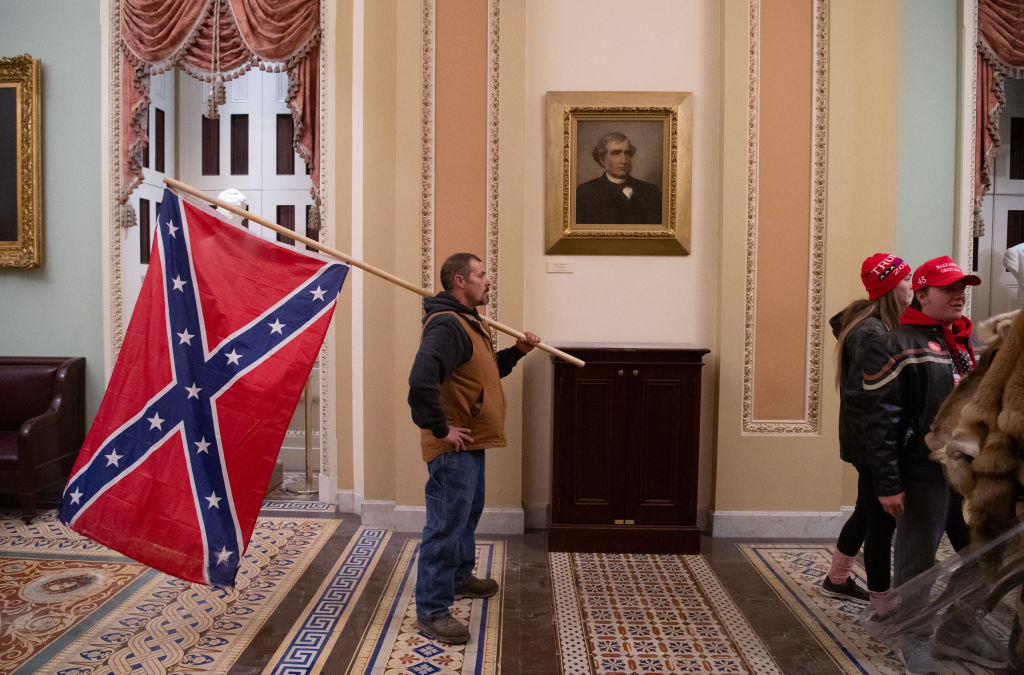

On Christmas Day in 1868, President Andrew Johnson issued a sweeping amnesty to former Confederate officials and soldiers, ending legal consequences for those who rebelled against the United States. While the event is more than 150 years old, it continues to resonate in modern discussions over presidential pardon power and accountability for political violence.
In addition to effectively ending Reconstruction, Johnson’s proclamation restored civil and political rights to nearly all former Confederates, a move that quickly allowed many to return to political office. Today, lawmakers and legal scholars reference this historical example when debating the limits of presidential clemency, particularly in cases involving political insurrection or efforts to overturn democratic processes. The comparison has been invoked in recent years as President Donald Trump and his allies faced questions over potential pardons for individuals involved in the January 6, 2021, Capitol attack.
Critics argue that broad pardons without accountability can undermine trust in democratic institutions. Supporters maintain that clemency can serve as a tool for national reconciliation. Johnson’s Christmas Day proclamation illustrates how the balance between forgiveness and responsibility remains a live issue in U.S. politics.
Start your day with essential news from Salon.
Sign up for our free morning newsletter, Crash Course.
The historical precedent also highlights broader questions about political messaging during the holiday season. Just as Johnson framed his amnesty as an act of national unity, today’s presidents face scrutiny over how pardons and clemency decisions reflect priorities, values, and approaches to governance — particularly when decisions intersect with partisanship, extremism and public trust.
As debates over the scope of presidential pardon power continue, Johnson’s decision serves as both a historical reference point and a lens for evaluating contemporary controversies. The Christmas Day pardon remains a reminder that choices made in the name of reconciliation can carry long-term consequences, and that questions about accountability, justice and political strategy remain central to American governance.
