
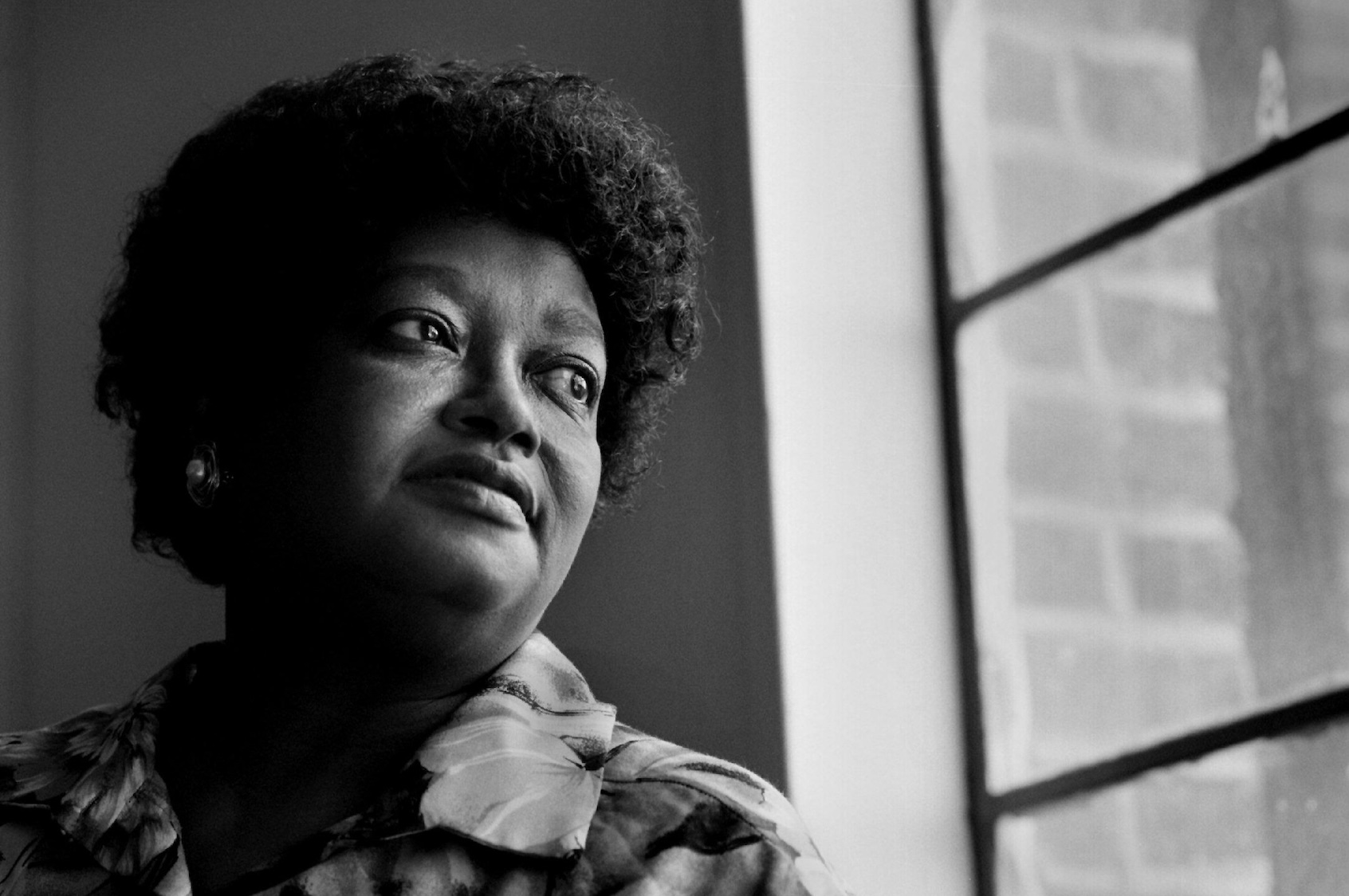

Civil rights pioneer Claudette Colvin has died at 86.
Very nearly forgotten by history, Colvin was 15 years old in 1955 when she refused to give up her seat on a Montgomery, Alabama bus. The act of bravery predated Rosa Park’s famous refusal by nine months.
Black riders were forced to sit in the back rows of the bus at the time. If the white section filled up, Black riders were made to move further back and clear rows so white passengers wouldn’t have to sit next to them. Colvin was asked to clear her row when a white woman came aboard.
After she refused, police came to the scene and pulled her off the bus.
“History had me glued to the seat,” she said in 2021 to the New York Times.
At the end of 1955, Rosa Parks, the secretary of the NAACP, staged a similar protest and entered history. Parks’ was also arrested and her protest launched the Montgomery bus boycott led by Rev. Martin Luther King Jr. Colvin said later in life that she was passed over as the face of the movement due to her darker skin, age and class.
“They [local civil-rights leaders] wanted someone, I believe, who would be impressive to white people, and be a drawing. You know what I mean? Like the main star. And they didn’t think that a dark-skinned teenager, low income without a degree, could contribute,” she told the Guardian in 2021. “It’s like reading an old English novel when you’re the peasant, and you’re not recognized.”
Colvin still had a part to play. She was a plaintiff and star witness in the 1956 case Browder v. Gayle, which ruled segregation on public transportation unconstitutional and was affirmed by the Supreme Court.
Start your day with essential news from Salon.
Sign up for our free morning newsletter, Crash Course.
She moved to the Bronx in 1958 and worked as a nurse for 30 years until her retirement in 2004. For a majority of her life, Colvin didn’t talk about her monumental role in civil rights, until a 2009 biography of her by Phillip Hoose, “Claudette Colvin: Twice Toward Justice,” thrust her story back into modern consciousness. The biography won the National Book Award for Young People’s Literature.
“Young people think Rosa Parks just sat down on a bus and ended segregation, but that wasn’t the case at all,” Colvin said to the New York Times in 2009. “Maybe by telling my story — something I was afraid to do for a long time — kids will have a better understanding about what the civil rights movement was about.”
