
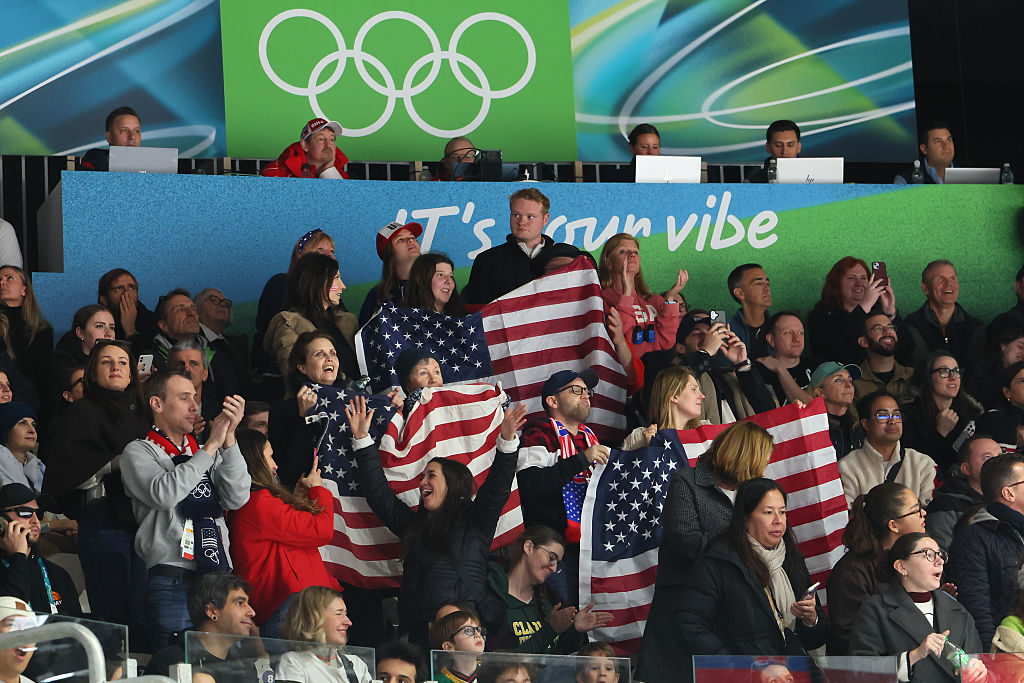

With the 2026 Winter Olympic Opening Ceremony set to begin in Milano and Cortina, Italy, tickets were still available within minutes of the ceremonies — and the cheapest ones start at around €1,400 (about $1,600 USD). That alone is striking. But it’s only part of a bigger story about how attending the Olympics has quietly become a luxury experience rather than a public celebration.
It isn’t just the ceremony. Tickets for individual events remain widely available, even for traditionally popular competitions like figure skating, hockey and speed skating. Many of those seats cost hundreds of euros as well. A single evening of skating for in-person viewers can rival the price of a weekend getaway to Walt Disney World. For families, students or average sports fans, attending in person quickly becomes unrealistic.
As a culture, we’re used to tickets for major events being costly. Sports finals from the World Series to the Final Four to this weekend’s Super Bowl always feature high ticket prices, which makes seeing these games as more of a once-in-a-lifetime experience than a regular part of a fan’s life. This explains why ratings for viewing the events online or on television are as high as the ticket prices. “Normal people” can’t afford such luxuries beyond their own living room.
Want more from culture than just the latest trend? The Swell highlights art made to last.
Sign up here
But this wasn’t always the image of the Games. The Olympics built their cultural power on accessibility, on packed arenas filled with locals, tourists, and everyday fans swept up in a shared moment. Today, that atmosphere is harder to manufacture when so many seats are priced out of reach.
Organizers often point out that large blocks of tickets go to sponsors, partners and hospitality packages before the public ever gets a chance, which is an extremely common practice in major sporting events for the last few decades. What remains is sold at premium rates, aimed largely at wealthy visitors. The result is a two-tier system: a global audience watching from home, and a smaller, more exclusive crowd inside the venue.
High prices also reshape the resale market. Instead of fans scrambling for sold-out events, third-party sites are filled with unsold listings that few people can afford. In some cases, organizers have even turned to late discounts and promotions to avoid visibly empty sections on camera.
Winter Olympics already face challenges like smaller audiences, colder destinations, and fewer headline stars than the summer games. Pricing regular fans out only deepens that problem.
On television, the ceremonies will still sparkle. The performances will impress. The symbolism will be carefully staged. But behind the spectacle is a quieter reality: the Olympics are becoming something you mostly watch, not something you experience.
And that shift says a lot about what global sports culture has become.
