
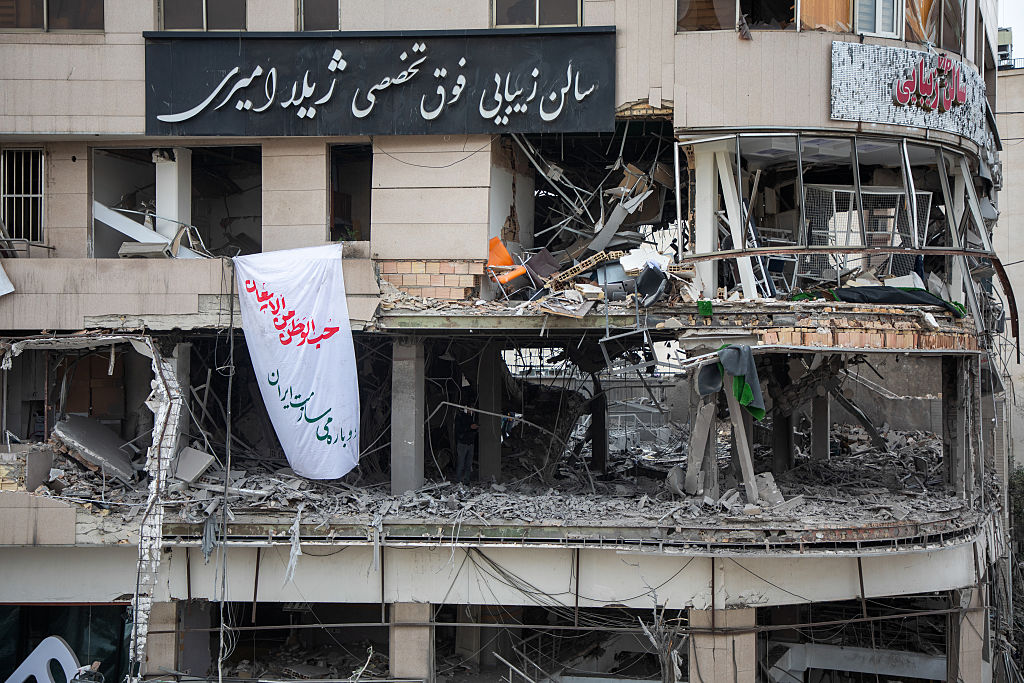

As the month‑long conflict between the United States, Israel and Iran continues, tensions remain high and the war’s impact is widening beyond its original battlefield. Iran has warned it is prepared to respond to a possible U.S. ground invasion, even as regional powers met in Pakistan to discuss diplomatic efforts aimed at ending the hostilities. Iranian Parliament Speaker Mohammad Baqer Qalibaf accused the U.S. of using diplomacy as a cover while deploying military forces to the region and preparing for further operations.
Alongside diplomatic stalemate, allied groups linked to Iran have begun opening new fronts in the conflict. Yemen’s Houthi forces, aligned with Tehran, launched attacks on Israeli targets, pledging expanded operations and raising fears of a broader escalation across the Middle East. Meanwhile, Israel broadened their operations in southern Lebanon.
The war’s ripple effects are also visible in global markets. Gulf stock indexes declined amid investor concern over wider conflict risk, while crude oil prices surged sharply, reflecting fears that prolonged fighting could disrupt energy supplies and choke critical shipping routes such as the Strait of Hormuz.
On the military front, Iranian ballistic missile infrastructure has reportedly suffered significant damage after weeks of U.S. and Israeli airstrikes, reducing some strike capabilities. But Iranian forces continue to operate mobile systems and launch retaliatory attacks, underscoring the regime’s resilience and the difficulty of neutralizing its long‑range capabilities completely.
Start your day with essential news from Salon.
Sign up for our free morning newsletter, Crash Course.
The ongoing conflict has also produced real‑world costs: at least 15 U.S. troops were wounded in an Iranian attack on a Saudi airbase, highlighting the risks American personnel face as the war expands.
So far, diplomatic negotiations remain stalled, with cease‑fire proposals rejected and both sides entrenched in their positions. As the war enters another week, analysts warn the conflict is likely to continue shaping regional politics, global markets and domestic politics in the U.S. heading into the election season.
