

The U.S. is the host country for the 2026 FIFA World Cup this June and July, with venues across the country in 16 locations including Miami, Los Angeles, Kansas City, Toronto, Mexico City and the New York/New Jersey area. Plans for the upcoming event are drawing growing criticism as officials prepare for a surge of global visitors and a sharply restructured system for getting to games.
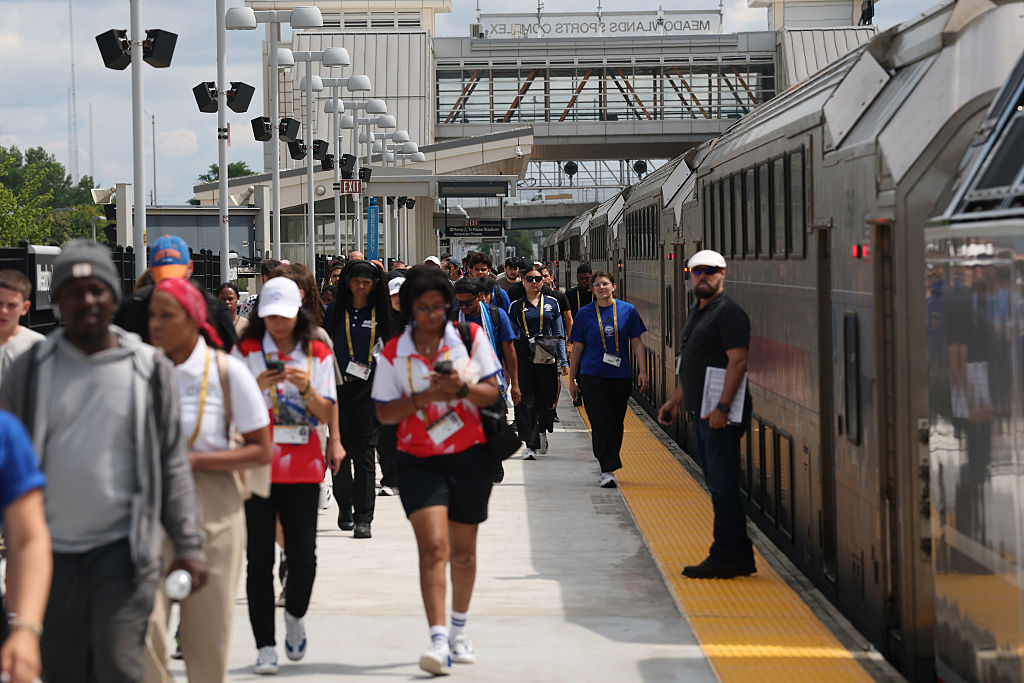
Under normal conditions, fans traveling from Manhattan reach MetLife Stadium for a Giants or Jets game or a special concert like BTS or Bruno Mars use a standard NJ Transit route: a train from Penn Station to Secaucus Junction, followed by a dedicated shuttle train to the Meadowlands station. The trip is relatively straightforward and included in regular commuter fare structures.
But for World Cup matches, that familiar system is expected to be fundamentally altered.
Some NJ Transit routes serving the stadium could cost as much as $150 for a roughly 15-minute trip from Manhattan’s Penn Station, nearly 12 times the standard fare ($12.90). Officials say the pricing reflects the logistical challenge of managing massive crowds during one of the world’s largest sporting events.
Beyond fare increases, state officials, including New Jersey Gov. Mikie Sherrill, outlined additional access restrictions that could limit entry at major transit hubs like Penn Station and the 33rd Street PATH station to ticket holders during match windows, potentially rerouting or delaying everyday commuters.
At the stadium itself, parking is expected to be significantly reduced or repurposed, with traditional tailgating effectively eliminated. Off-site parking is currently selling for $225 per spot. Rideshare services are also likely to face surge pricing and logistical constraints during peak travel times.
As of publication, match tickets at MetLife Stadium are starting at $1,800 for group-stage games to $16,000 for the final match, with secondary markets such as StubHub and other resale platforms already pushing prices even higher looking forward to increased demand.
Start your day with essential news from Salon.
Sign up for our free morning newsletter, Crash Course.
Notably, some other U.S. host cities are not expected to impose the same combination of fare increases and access restrictions, raising questions about consistency across venues. Kansas City, for example, will offer free shuttle from the airport to hotels downtown and then $15 bus shuttles from downtown to the stadium (about 15 minutes east of the city).
The result, critics say, is a layered system in which nearly every path to attendance — train, car, rideshare or ticket resale — adds a new barrier.
As preparations continue, the debate is raising a broader question: when cities host the world, who actually gets to take part?
