
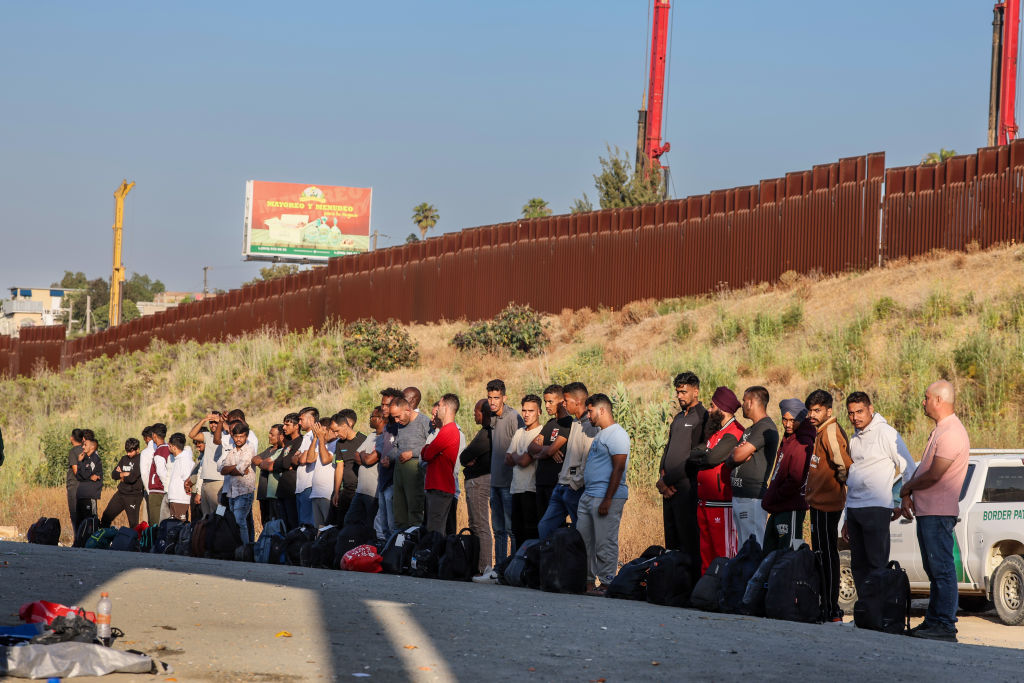

A federal appeals court dealt President Donald Trump a significant setback, blocking a key effort to restrict asylum at the southern border and setting the stage for a broader legal battle over immigration policy.
At the center of the case is a sweeping attempt to limit who can seek asylum in the United States, particularly migrants who cross the border outside official entry points or who travel through other countries before arriving. The court ruled that those restrictions conflict with federal law, reinforcing longstanding protections that allow individuals to request asylum once they reach U.S. soil.
In its decision, the panel emphasized that immigration policy — especially asylum eligibility — is ultimately governed by Congress, not unilateral executive action. That framework, laid out in the Immigration and Nationality Act, historically allowed migrants to apply for asylum regardless of how they enter the country. Efforts to narrow that definition, the court found, run up against those statutory protections.
The ruling marks a significant legal constraint on the administration’s broader immigration agenda, which has increasingly relied on aggressive enforcement measures and regulatory changes to curb migration. Supporters of those policies argue they are necessary to manage a strained border system and deter fraudulent claims. Critics, however, warn that such restrictions effectively shut the door on vulnerable populations, including those fleeing violence, political persecution, and economic collapse.
Start your day with essential news from Salon.
Sign up for our free morning newsletter, Crash Course.
The decision is unlikely to be the final word. The administration is expected to continue its legal fight, and the case now appears poised for a potential Supreme Court showdown, one that could redefine the limits of presidential power over immigration and determine how accessible asylum remains in practice.
For now, the ruling underscores a deeper tension at the heart of U.S. immigration policy: a system caught between political pressure, legal constraints, and humanitarian obligations that often collide. As courts continue to intervene, the future of asylum in the United States remains not just contested, but increasingly uncertain.
