
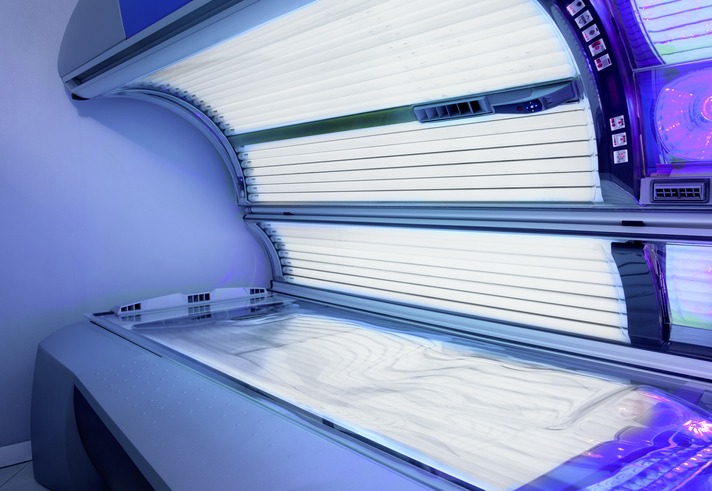

Health and Human Services Secretary Robert F. Kennedy Jr. is facing renewed criticism after withdrawing a proposed federal rule that would have banned minors from using tanning beds, a move public health experts say comes amid a broader pattern of weakening regulatory safeguards in youth health policy.
Kennedy halted the FDA-backed proposal that would have restricted sunlamp products to users 18 and older and required warning acknowledgments about cancer risks. In a statement cited by multiple outlets, Kennedy framed the decision around “personal choice” and parental decision-making, even as regulators continue to warn that ultraviolet exposure from tanning beds significantly increases melanoma risk, particularly for teens.
The move was confirmed alongside updates from federal health communications that the FDA is continuing to review policy options, but is no longer pursuing an outright youth ban at this time.
Public health advocates say the decision fits into a broader ideological approach that prioritizes skepticism of regulatory health interventions over precautionary guidance — a pattern they argue is increasingly visible across Kennedy’s health agenda.
Kennedy has long promoted views that challenge mainstream public health consensus, including support for expanded access to raw milk. The Food and Drug Administration has repeatedly warned that unpasteurized dairy products can carry dangerous bacteria such as salmonella, listeria, and E. coli. Despite this, Kennedy has previously been associated with the “health freedom” movement that frames such restrictions as government overreach.
A Wall Street Journal report noted that Kennedy “hasn’t taken steps to expand raw-milk access” since taking office, but also described a noticeable retreat from earlier public advocacy for the product amid ongoing regulatory scrutiny.
Kennedy has also drawn sustained criticism for vaccine-related positions that have alarmed public health officials. He has previously questioned whether vaccines have been sufficiently tested and has called for revisiting long-standing scientific conclusions about vaccine safety, moves critics say risk undermining decades of public health consensus.
Start your day with essential news from Salon.
Sign up for our free morning newsletter, Crash Course.
More recently, reports from HHS-linked policy shifts show the agency removing or revising longstanding public health warnings, including content related to unproven medical treatments, further intensifying concerns among health experts about institutional credibility.
The tanning bed decision now adds another flashpoint to that broader debate, with critics arguing that policies framed around “choice” increasingly intersect with preventable health risks for young people.
Taken together, Kennedy’s approach reflects a widening divide in American health policy — between traditional regulatory frameworks designed to reduce risk and an emerging wellness-driven political ideology that increasingly questions the legitimacy of those safeguards altogether.
