
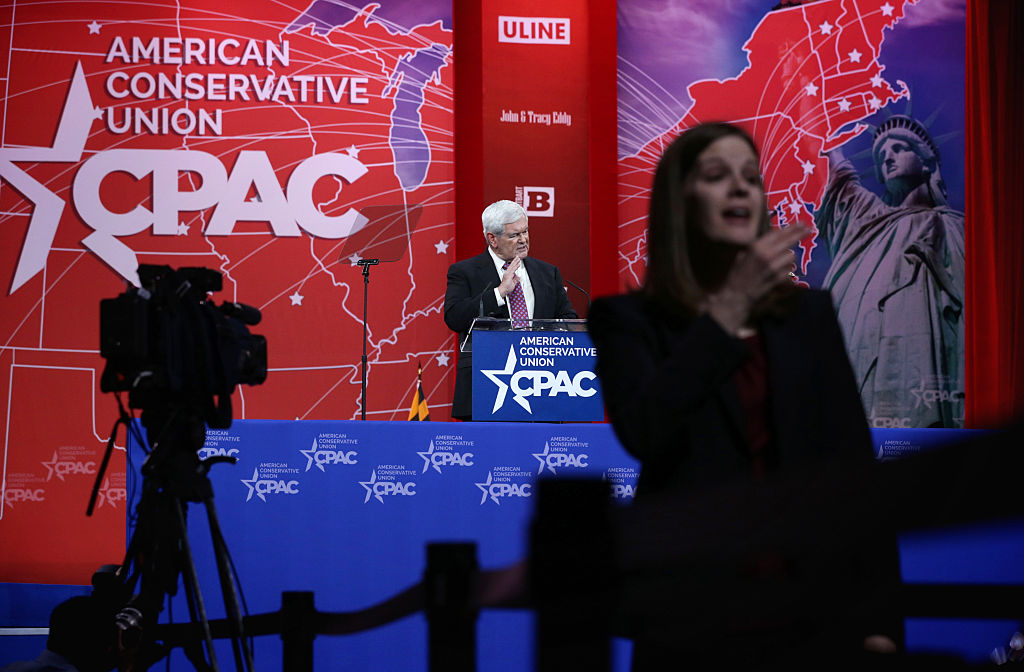

The Trump White House is facing legal challenges after discontinuing real-time American Sign Language interpretation at many official events, prompting renewed concerns from disability advocates about accessibility and equal access to government information.
Advocates argue that removing ASL interpreters denies deaf and hard-of-hearing Americans the ability to fully participate in civic life. Federal disability law requires reasonable accommodations to ensure public access, particularly during live announcements related to public safety, health, and governance.
The dispute follows a broader cultural moment in which accessibility itself has become politicized. Earlier this week, Senator Marco Rubio refuted the use of the “Calibri” font in federal documents, deciding it was “woke” despite the font’s purpose: making text easier to read for people with visual impairments.
Start your day with essential news from Salon.
Sign up for our free morning newsletter, Crash Course.
Disability advocates say these attacks reflect a misunderstanding — or outright dismissal — of why accommodations exist. Ramps, captions, readable fonts, and interpreters are not preferences, they argue, but requirements under the Americans with Disabilities Act in a world that was not designed with disabled people in mind.
A federal judge has already ruled that ASL interpretation must be provided at events with advance notice, increasing pressure on the administration. As the legal fight continues, advocates warn that accessibility is increasingly treated as an inconvenience rather than a civil right — a shift with consequences far beyond a single White House briefing.
