

I was in college when I first discovered Spoon, the Austin-formed indie rock band. I remember exactly where I was when I picked up my first record: a resale book and record store in Louisville, Kentucky, where several of the light-switch plates had been replaced with photographs of Lionel Richie’s pants. The album was “Transference,” its cover a grainy seventies tableau — a boy slinking low in a golden wingback chair, viridian curtains pooling behind him, a table lamp casting an almost aggressively orange glow. It felt moody and domestic and a little strange, which was more or less how I wanted to feel at the time.
I don’t know exactly why I left with it that day—probably a small confluence of things: the cover art pleased me; the cooler-than-I cashier gave an approving glance; the record cost about twelve dollars, which I happened to have in cash inside the ratty brown leather satchel I was using as a purse. But it turned out to be one of those lucky, anchoring finds. I was immediately besotted by the band’s hookiness, the way their songs felt both precise and slightly feral. Later that night, while killing time on a university library computer, I learned that Spoon had formed in the same month and year I was born, which felt cosmic in the low-stakes, early-twenties way such facts often do. Over the years, my appreciation has only deepened: the perfectly placed horns and propulsive lyricism of “You Got Yr. Cherry Bomb,” the sleazy funk groove of “I Turn My Camera On,” the restrained, resonant ache of “I Summon You.” I love it all.
But one line in particular has always inordinately pleased me. It comes from “The Underdog,” off the band’s 2007 album, “Ga Ga Ga Ga Ga”: You got no fear of the underdog — that’s why you will not survive.
We’re primed to understand this warning instinctively. American mythology, especially, loves an underdog story — the overlooked fighter, the underestimated woman, the scrappy nobody who turns out to have teeth. The boxer with the New England accent training in a meat locker. The fast-talking reporter busting up her newsroom’s boys’ club. We’re taught, over and over, that dismissing someone because they seem smaller, quieter or less flashy is a narrative mistake.
Underestimate them, and you lose.
Yet what also interests me about that lyric is how easily we forget it in practice. We say we love underdogs, but we’re endlessly seduced by polish. By what’s loud, luxurious, newly crowned. We mistake visibility for value. We overlook what’s humble, workmanlike or unfashionable, until suddenly it’s been rebranded and handed back to us with better lighting and a higher price tag.
Want more great food writing and recipes? Sign up for Salon’s free food newsletter, The Bite.
This cycle has always existed, of course, but the turn of a new year has a way of making it feel especially stark. I’ve never been particularly drawn to sweeping resolutions, the kind that promise reinvention through denial. Still, the beginning of January can offer a quieter invitation: a chance to reconsider — if only gently — the values underpinning what, and how, we eat.
This year, rather than pledging transformation, I’m interested in a small shift in attention: Stop underestimating the culinary underdogs.
The things we tend to dismiss as scrappy, unfashionable or beneath notice often have more depth, more pleasure and more staying power than we give them credit for.
On this long holiday weekend, when the calendar offers a bit of breathing room, I wanted to share a few small ideas for embracing that mindset in the kitchen in 2026. They’re not rules so much as gentle prompts — ways of paying attention to the culinary underdogs that reward care, patience and a willingness to look again.
Treat technique as love
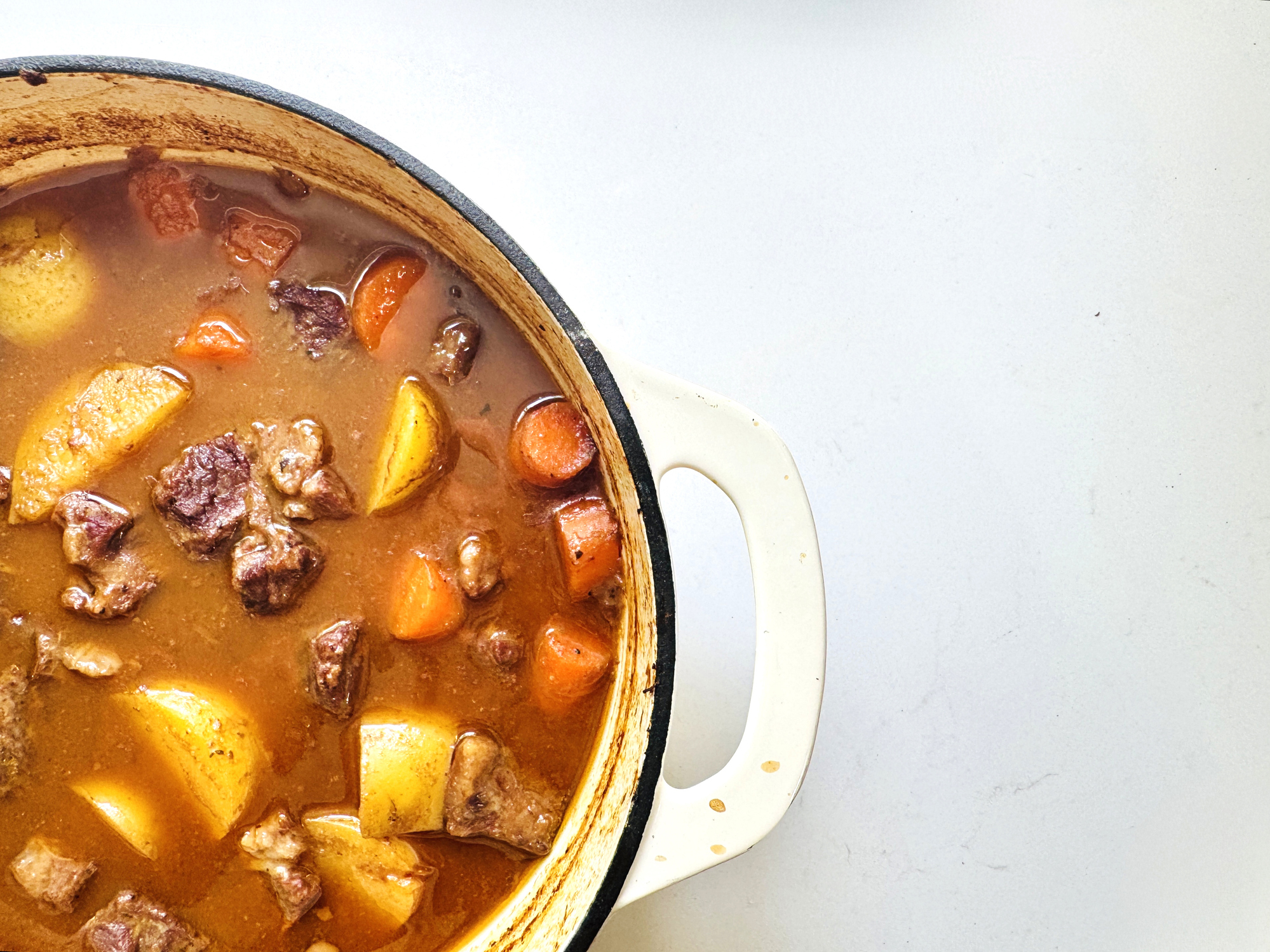
A handful of methods — braising, salting, slow simmering, sweating — can turn the overlooked into something extraordinary. The stubborn squash that won’t soften, the freezer-end chicken that smells faintly metallic, the limp carrot you almost tossed: time, heat and gentle attention coax them into flavor, texture and presence. Roast vegetables until their edges caramelize and crackle; finish a stew with a pat of butter or a squeeze of lemon to lift and brighten; toast spices lightly in a dry pan to wake up oils and aroma you didn’t know were there. It’s not about perfection, it’s about curiosity and patience. You notice the way a pot smells as it thickens, the way a carrot glows after a quick roast, the way a bean tastes richer for a slow soak — and in noticing, you begin to see that technique is simply another form of love.
Scraps aren’t shameful
There’s a quiet pride in being scrappy, in seeing possibilities where others see leftovers or refuse. That limp end of a baguette becomes the backbone of a golden, garlicky panzanella; the wilted greens tucked into a soup stock whisper flavor into every spoonful; vegetable peelings, roasted until crisp, offer a surprising crunch and color atop a stew. Even the tiniest bits — the corner of a cheese wedge, the last few sprigs of herbs — can elevate a dish if treated with a little care. Being scrappy isn’t cutting corners; it’s honoring what’s already here, coaxing richness, texture, and a kind of unexpected delight from what was almost discarded.
Think like a kitchen manager
In a professional kitchen, nothing goes to waste, and everything has a purpose — even the imperfect carrot or the overlooked cut of meat. A kitchen manager keeps a careful eye on costs and resources, working in tandem with the chef to make sure the pantry hums efficiently. You can do the same at home: buy what’s less expensive, slightly blemished, or uneven, then coax it into greatness with a patient roast, a slow braise, or a splash of acid to wake up flavor. Skillful handling, curiosity and timing transform what seems ordinary or awkward into dishes that feel intentional.
Find your quiet pantry heroes
Some of the most powerful tools in the kitchen live in quiet, unassuming jars and boxes. Bisquick, bouillon paste, stock powder and even pickle juice can transform a weeknight scramble or a forgotten vegetable into something rich and surprising. Mustard, molasses, every vinegar on your shelf — plus a pinch of nutmeg, a dried chile, or a smear of horseradish — can elevate flavors, add tension or tie a dish together in a way that feels almost magical. These aren’t just backups; they’re secret weapons, waiting for attention, and infinitely versatile if you know their quirks.
Paying attention to the little things doesn’t just improve the dish; it trains the cook to notice, experiment and trust instincts. And in the kitchen, as in life or in a Spoon song, the underdog — quiet, overlooked, scrappy — often delivers the hook that sticks.
This story originally appeared in The Bite, my weekly food newsletter for Salon. If you enjoyed it and would like more essays, recipes, technique explainers and interviews sent straight to your inbox, subscribe here.
Read more
from this writer
