
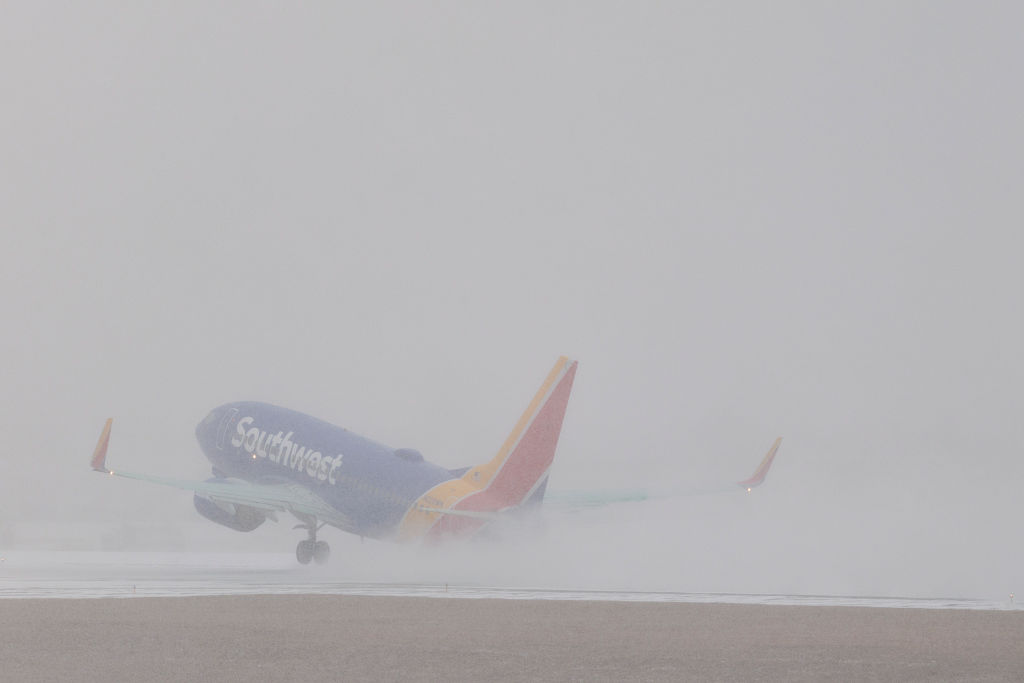

Across the United States, millions are bracing for a sprawling winter storm that is disrupting travel, threatening power infrastructure and sending temperatures plunging well below freezing. From Texas and Oklahoma to the Midwest and Northeast, roads are slick, flights are canceled and energy grids are under stress, exposing vulnerabilities in systems long taken for granted.
In New York City, residents are waking up to temperatures in the single digits, with wind chills making conditions feel even harsher. In Minneapolis, where ICE incidents continue to escalate, the regular temperatures that are usually below freezing, are currently sitting comfortably in the negatives, though they not hindering any protests or federal operations.
Major airports, including those in Dallas, Chicago and New York, have canceled or delayed hundreds of flights, leaving travelers scrambling and stranding some far from home. The storm is notable for its timing: it is hitting hard in mid‑January, when traffic is lighter than the holiday season, demonstrating that even routine winter travel can be thrown into chaos.
As of this posting, at least 22 states and Washington, D.C., have declared a state of emergency in anticipation of this storm including Alabama, Arkansas, Delaware, Georgia, Kansas, Kentucky, Louisiana, Maryland, Mississippi, Missouri, Nebraska, New Jersey, New York, North Carolina, Ohio, Oklahoma, Pennsylvania, South Carolina, Tennessee, Texas, Virginia and West Virginia.
Meteorologists warn that the mix of ice, heavy snow, and arctic air is unusually widespread. While extreme cold is not uncommon, the scale of simultaneous disruption across multiple states is rare and highlights how vulnerable transportation and energy systems remain.
“Part of the storm system is bringing heavy snow, while other parts will see strong winds and much colder temperatures as the front passes,” said Bob Oravec, a lead forecaster at the National Weather Service.
Forecasters also warned that the storm’s reach means people could be stuck at home for several days, urging residents to stock supplies and prepare for overlapping hazards.
For Americans on the ground, the storm has real consequences. Power outages in rural areas leave homes without heat for hours or even days. Snow-clogged roads slow emergency responders. Schools, businesses and public offices are forced to close, while those without flexible schedules are left to navigate treacherous commutes or canceled flights.
Start your day with essential news from Salon.Sign up for our free morning newsletter, Crash Course.
Despite some comments by climate change deniers, scientists note that warming global temperatures do not eliminate winter storms, but rather, they can intensify them. Warmer air holds more moisture, fueling heavier snowfall, and combined with aging infrastructure, even predictable winter events can become crises.
As crews work to clear roads, restore power, and reopen airports, the storm is a reminder that preparation and not surprise is the only way to mitigate extreme weather’s human impact.
