
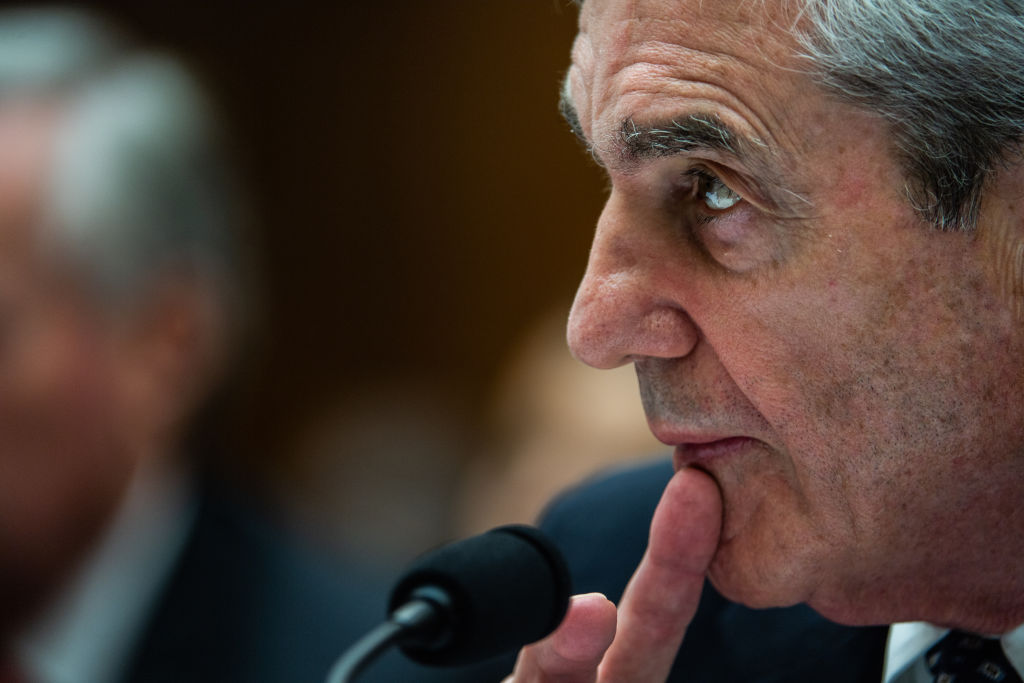

Robert S. Mueller III, the former FBI director and special counsel whose name became synonymous with the investigation into Russian interference in the 2016 U.S. election, died Friday at age 81. His family requested privacy, noting that details about his death remain limited. Mueller’s career spanned decades of public service, from overseeing the FBI in the post‑9/11 era to leading one of the most politically fraught inquiries in recent American history.
Mueller’s tenure at the FBI, from 2001 to 2013, coincided with a transformation in national security priorities. He guided the bureau through the aftermath of the September 11 attacks, shifting focus toward counterterrorism while maintaining its investigative rigor.
Yet it was his later role as special counsel that cemented his place in the public imagination: a steady hand investigating whether Donald Trump’s campaign had colluded with Russian operatives and whether presidential actions constituted obstruction of justice. The resulting report, delivered in 2019, detailed extensive contacts between the campaign and foreign actors, while leaving prosecutors and the public to wrestle with ambiguous legal conclusions.
Trump’s reaction to Mueller’s death has already made headlines, reflecting the partisan divide that defined the investigation itself and how personal Trump felt the investigation was.
Commentators note that even as political tensions simmer, Mueller’s work underscored the importance of institutional accountability and the limits of executive power — themes echoed in other recent rulings: federal judges curbing attempts by Robert F. Kennedy Jr., blocking Pentagon press restrictions, and preparing decisions that could reshape voting access. Together, these moments illustrate the continuing struggle over legal boundaries in a highly polarized political landscape.
Start your day with essential news from Salon.
Sign up for our free morning newsletter, Crash Course.
Mueller’s legacy rests not just in the headlines or indictments, but in the principle that even the most powerful figures are subject to scrutiny. He navigated turbulent political waters with a quiet professionalism, leaving a mark on the institutions he led and the nation he served. In a moment when partisanship dominates coverage, his passing invites reflection on the role of law, accountability, and the endurance of civic norms.
