

As the war between the United States, Israel and Iran escalates, Donald Trump has issued a stark new ultimatum demanding Iran reopen the Strait of Hormuz within 48 hours or face U.S. strikes on its energy infrastructure.
The threat marks a significant escalation in a conflict already reshaping global markets. The Strait of Hormuz, a narrow shipping lane through which roughly one-fifth of the world’s oil passes, has been effectively disrupted for weeks, choking supply and sending prices sharply higher.
Oil markets are already reacting. Crude oil has surged above $110 per barrel, with analysts warning that prices could climb further and possibly double if the standoff continues or expands. The disruption has removed hundreds of millions of barrels from global supply, while shipping traffic through the strait has collapsed and thousands of seafarers remain stranded.
At the same time, the rhetoric is escalating on both sides. As part a posting stream on social media this weekend, Trump included a threat to “obliterate” Iran’s power plants if the strait is not reopened, while Iranian officials have warned they would retaliate by targeting U.S. and allied energy infrastructure across the region — raising fears of a broader attack on critical systems like oil facilities and desalination plants.
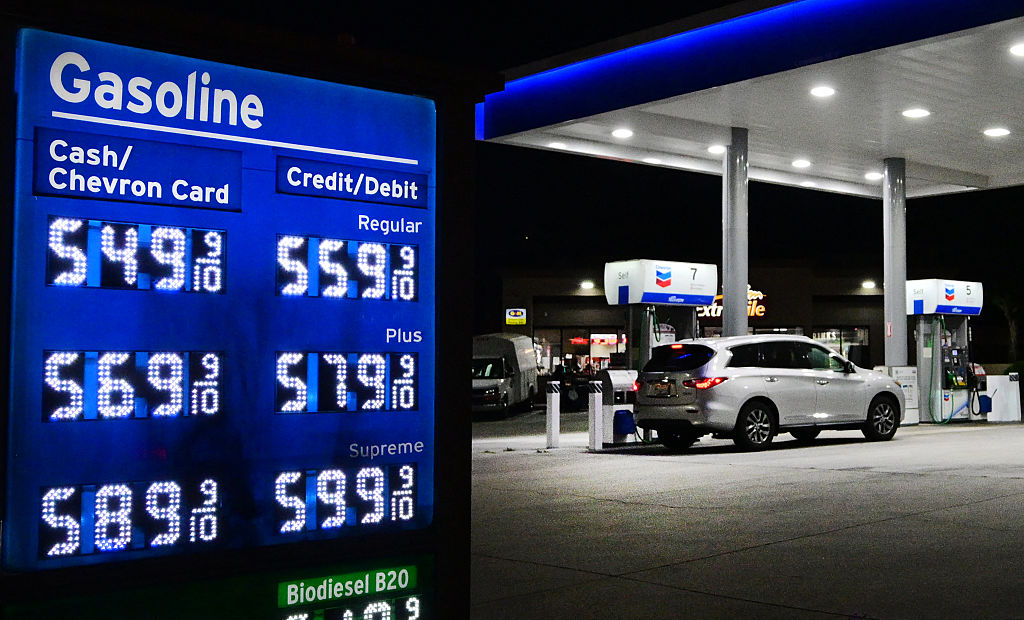
The result is a growing disconnect between political messaging and economic reality. While administration officials attempt to project control and minimize long-term impact, the immediate consequences are already being felt in global energy markets — and, increasingly, by consumers facing rising fuel costs.
Start your day with essential news from Salon.
Sign up for our free morning newsletter, Crash Course.
The conflict, now entering its fourth week, has already disrupted energy infrastructure across the Middle East and triggered waves of retaliatory strikes, with no clear path to de-escalation.
For now, the deadline looms. But even if the immediate standoff is resolved, the economic shock may linger — a reminder that in modern warfare, the battlefield doesn’t end at the front lines. It extends to gas pumps, grocery stores and household budgets around the world.
