
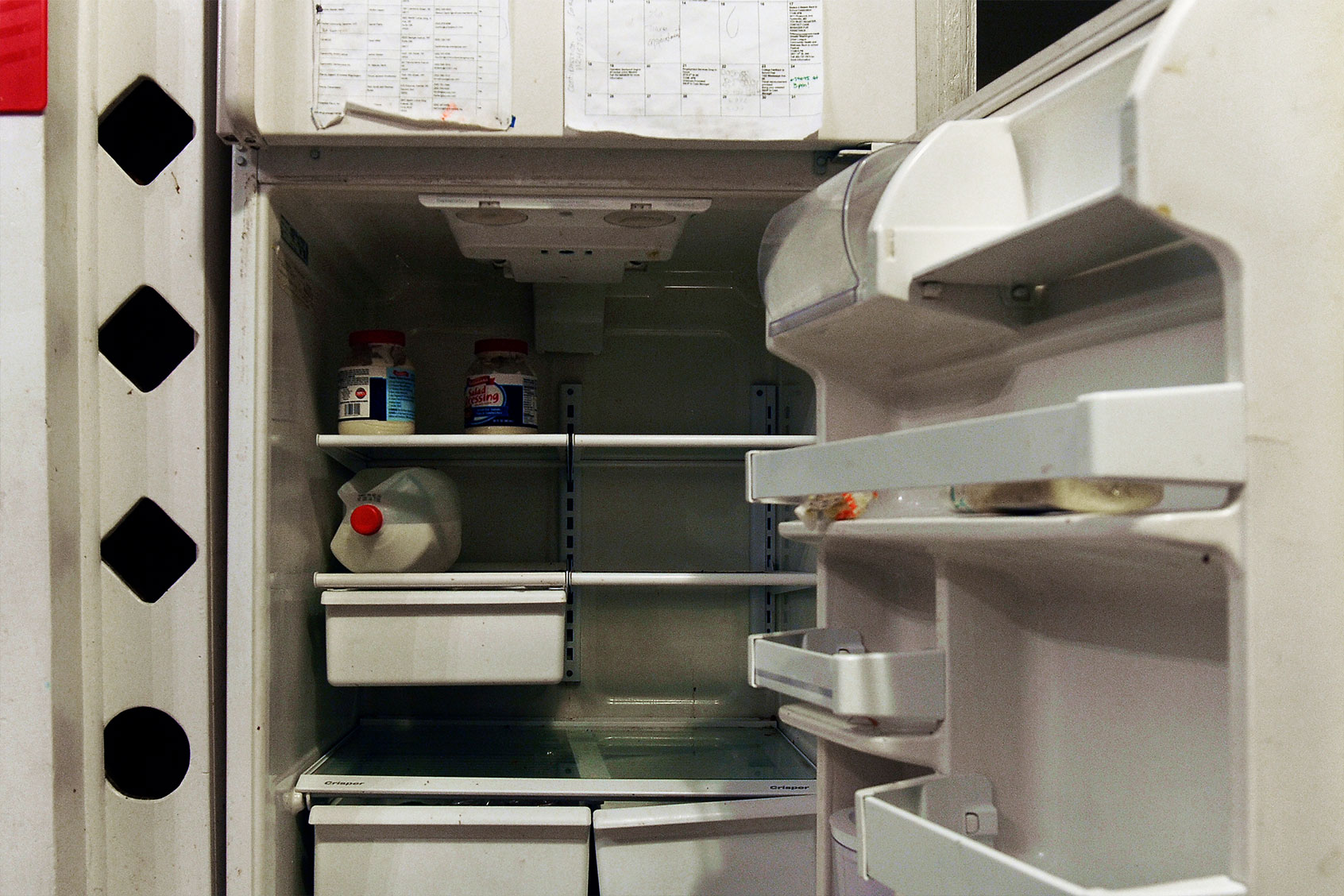

It would be easy to look at SNAP participation and conclude that hunger is falling in America.
It isn’t.
In July 2025, 42 million Americans were served by the program; by December, the number had dropped to 39.5 million.
But in that six-month time span, it’s not that 3.3 million people had somehow “graduated” out of hunger — that they had shifted into a job that provided more security, connected with a community program that eased their grocery bills or caught a break on rent that opened up their budget. Instead, this decline reflects something else: deliberate policy choices that increase friction for participants and vendors.
Need has not decreased. Access has.
And it’s all by design.
According to a new report by Gina Plata-Nino and Dory Thrasher, SNAP director and senior SNAP policy analyst for the Food Research and Action Center (FRAC), policies that are meant to “reduce access to the program, increase administrative burden, and shift responsibility… onto families themselves” are being advanced by the Trump administration and a majority of Republicans in Congress.
“At the end of 2024, the federal funding to replace benefits for victims of SNAP benefit theft was allowed to expire, due to President Trump’s intervention before taking office,” they wrote. “The consequence was immediate: Households had their benefits stolen that were no longer made whole, and SNAP participants knew that the federal government no longer had their back. This established a pattern that would continue: reducing participation not by reducing need, but by increasing loss, friction, and instability.”
We need your help to stay independent
From there, they report, the administration moved to dismantle key access infrastructure, rolling back administrative improvements that had reduced barriers, expanded language access and improved cross-enrollment systems. These changes disproportionately affected communities already facing higher rates of food insecurity, including communities of color, immigrant households and rural populations.
Participation declined not because households were better off, but because the system was harder to navigate.
At the same time, the administration expanded federal data collection requirements for SNAP, directing states to turn over extensive personal information — including Social Security numbers, home addresses, immigration-related data and up to five years of participation history — not only for current recipients, but also for people who had applied and never received benefits.
“Participation declined further, not because need diminished, but because trust eroded.”
In more than six decades of the program’s federal-state partnership, such sweeping data collection had not been required. Federal oversight has historically relied on anonymized or limited datasets, in part to protect participant privacy and sustain trust. The change raised immediate legal concerns and, advocates say, contributed to a chilling effect, with some eligible households opting not to participate.
“Participation declined further,” Plata-Nino and Thrasher note, “not because need diminished, but because trust eroded.”
According to data from the USDA, SNAP households are already vulnerable. Four in five include either a child, an elderly individual or a nonelderly individual with a disability. As outlined in reports by the Center on Budget and Policy Priorities, the program supports millions of children, low-income seniors and veterans.
Nearly three-quarters of SNAP households have gross monthly incomes at or below the federal poverty line — $33,000 annually for a family of four. For these families, SNAP is not a marginal benefit. It is a stabilizing necessity.
That shift is now codified in law.
Want more great food writing and recipes? Sign up for Salon’s free food newsletter, The Bite.
In addition to increased documentation requirements and the rollback of administrative improvements, the way states and participants interact has been fundamentally altered by the passage of H.R. 1, or the “Big Beautiful Bill,” on July 4, 2025.
According to the Congressional Budget Office, the law is expected to reduce participation by an average of 2.4 million people per month between 2025 and 2034 — a projection that aligns with early implementation data.
The CBO also identified the groups most likely to be affected. Approximately 800,000 adults under age 64 without dependent children are expected to lose benefits, along with about 300,000 adults living with children age 14 or older. An additional 1 million people who would previously have qualified for waivers from time limits are projected to be removed from the program. Restrictions on eligibility for asylees, refugees and victims of human trafficking under Section 10108 are expected to affect roughly 90,000 people per month — those already living at the margins of the margins.
Under the bill, states now bear greater financial responsibility for the program, at a time when MAHA-inspired “junk food waivers” are being unevenly applied across the country. Because error rates now carry financial penalties, states are under pressure to invest in staffing, technology and oversight — costly upgrades that many can’t afford, but are necessary to avoid even larger future liabilities.
Some experts worry that states will be incentivized to reduce caseloads rather than meet need, moving SNAP away from a guaranteed benefit for those who are eligible to a constrained system.
SNAP is not the only program moving in this direction.
President Trump’s budget request for fiscal year 2027 calls for deep cuts to the Special Supplemental Nutrition Program for Women, Infants, and Children (WIC), putting the health and food security of millions of additional low-income families at risk.
“We are stunned to see another attempt by the Trump administration to cut access to healthy foods through WIC,” Georgia Machell, president and CEO of the National WIC Association, said in an emailed statement. “Just last year, the President proposed slashing WIC’s fruit and vegetable benefits by nearly two-thirds. This budget makes that same damaging cut.”
“We are stunned to see another attempt by the Trump administration to cut access to healthy foods through WIC.”
She continued: “Additionally, the funding proposed in this budget may not be sufficient to cover the food costs for all eligible participants, as food costs are expected to continue to rise due to tariffs, inflation and the ongoing war in Iran. It will be important for Congress to continue to monitor food price projections as a final FY27 funding level for WIC is determined.”
Per Machell, the only bright spot in the proposal is the recommended $500 million boost to the WIC contingency fund, which would better position USDA to respond to future government shutdowns or other emergencies.
“We are grateful that Congress rejected these proposed cuts in the FY 2026 funding agreement, continuing its 30-year bipartisan history of fully funding WIC,” she wrote. “We look forward to working with Congress again to ensure no benefit cuts, full funding for all eligible families seeking WIC services, and permanent access to flexible WIC services.”
This isn’t a new strategy.
As Plata-Nino and Thrasher note, in the early 1980s, under the Reagan administration — during a period also marked by rising unemployment and poverty — federal policy imposed additional administrative barriers and tightened eligibility requirements on what was then called the Food Stamp Program.
Clinicians, mayors and advocates documented the outcomes: families skipping meals, children experiencing developmental harm and older adults facing worsening health conditions. The lesson from that period is clear: when policymakers restrict access to nutrition assistance while economic pressures persist, food insecurity rises.
The historical record suggests it won’t turn out differently.
Read more
about this topic
