
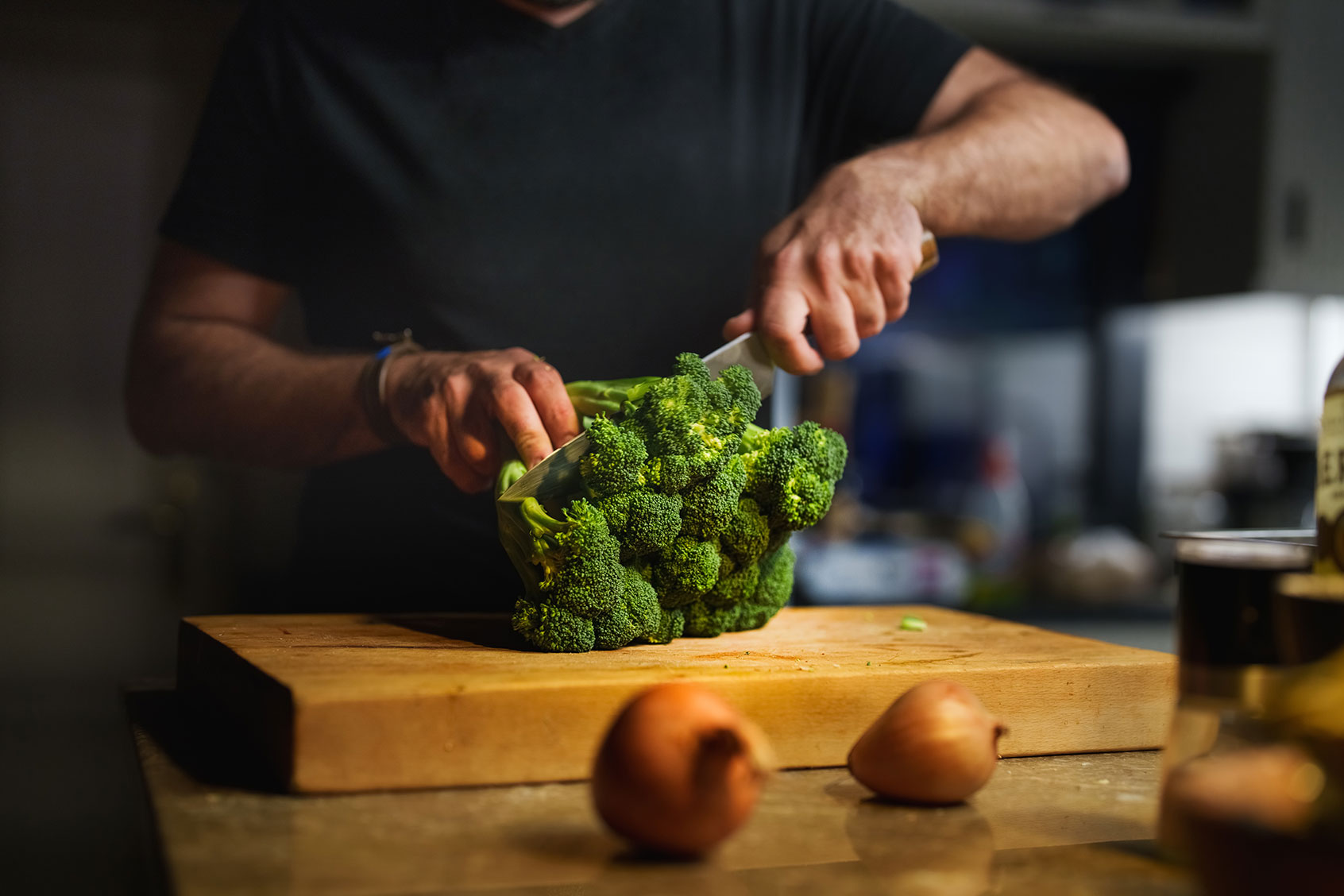

Step into your local supermarket, and you may find that those ordinarily humble broccoli bunches or cauliflower heads now carry higher price tags.
Cruciferous vegetables have been hit hard by supply disruptions, leading to widespread shortages, quality decline and, yes, higher costs. In an April 29 press release, Markon Cooperative, a farm-to-table produce cooperative, noted that cauliflower supplies from the Salinas Valley and Santa Maria, CA, are extremely limited. Freezing temperatures and heavy rain in California — the dominant supplier of cauliflower in the United States — heavily impacted production and fresh harvests, driving up prices.
By how much, you ask? In 2025, prices for cauliflower “fluctuated by roughly 230%, the largest shift of any ingredient tracked,” Food & Wine reported, citing data from MarginEdge, a restaurant management software company.
Same for broccoli. While supplies from Mexico are reportedly meeting demand, California supplies are limited due to cold temperatures. California broccoli quality ranges from fair to good, Markon specified. The quality of broccoli grown in Mexico is described as good.
Such high costs aren’t anything new, per se, but they’re certainly rising. As of April 2026, the United States Department of Agriculture (USDA) forecasted that overall food prices would rise 2.9 percent this year. The prices of retail fresh vegetables rose 0.9 percent from February 2026 to March 2026 and were up 7.5 percent year over year in March. Overall prices are predicted to increase 4.8 percent in 2026.
But if you simply must have your cauliflower florets, Markon notes that recent and upcoming rainy conditions may also lead to black mold, mildew and off-color in fresh supplies. Consumers can expect to contend with higher pricing and limited supplies until late May.
Want more great food writing and recipes? Sign up for Salon’s free food newsletter, The Bite.
Cauliflower and broccoli aren’t the only produce that’s suddenly commanding haute cuisine prices. Tomatoes have also become quite expensive, with prices skyrocketing nearly 40 percent in April compared to last year, per the Consumer Price Index.
That’s also due to freezes and heavy rains in Florida and Mexico, where an estimated 70 percent or more of fresh tomatoes consumed in the United States come from, the New York Times reported. Tariffs on Mexican food imports have also led to soaring prices, along with the conflict with Iran. Rising fuel costs are expected to impact produce supplies that are either shipped or trucked into the States.
