

In Bhutan, chilis aren’t just a spicy ingredient that makes eyes water and tongues wag. They’re an everyday kitchen staple, a decoration drying outside homes, and a tool to ward off bad spirits and illness. For this tiny Himalayan nation, chilis are planted in the nation’s cultural identity.
Dried, fresh, red, or green chilis appear in nearly every meal served in Bhutan. It’s rumored that Bhutanese households eat more than two pounds of chili per week, making it the world’s highest consumer per capita of this spicy ingredient and the most important crop in the country.
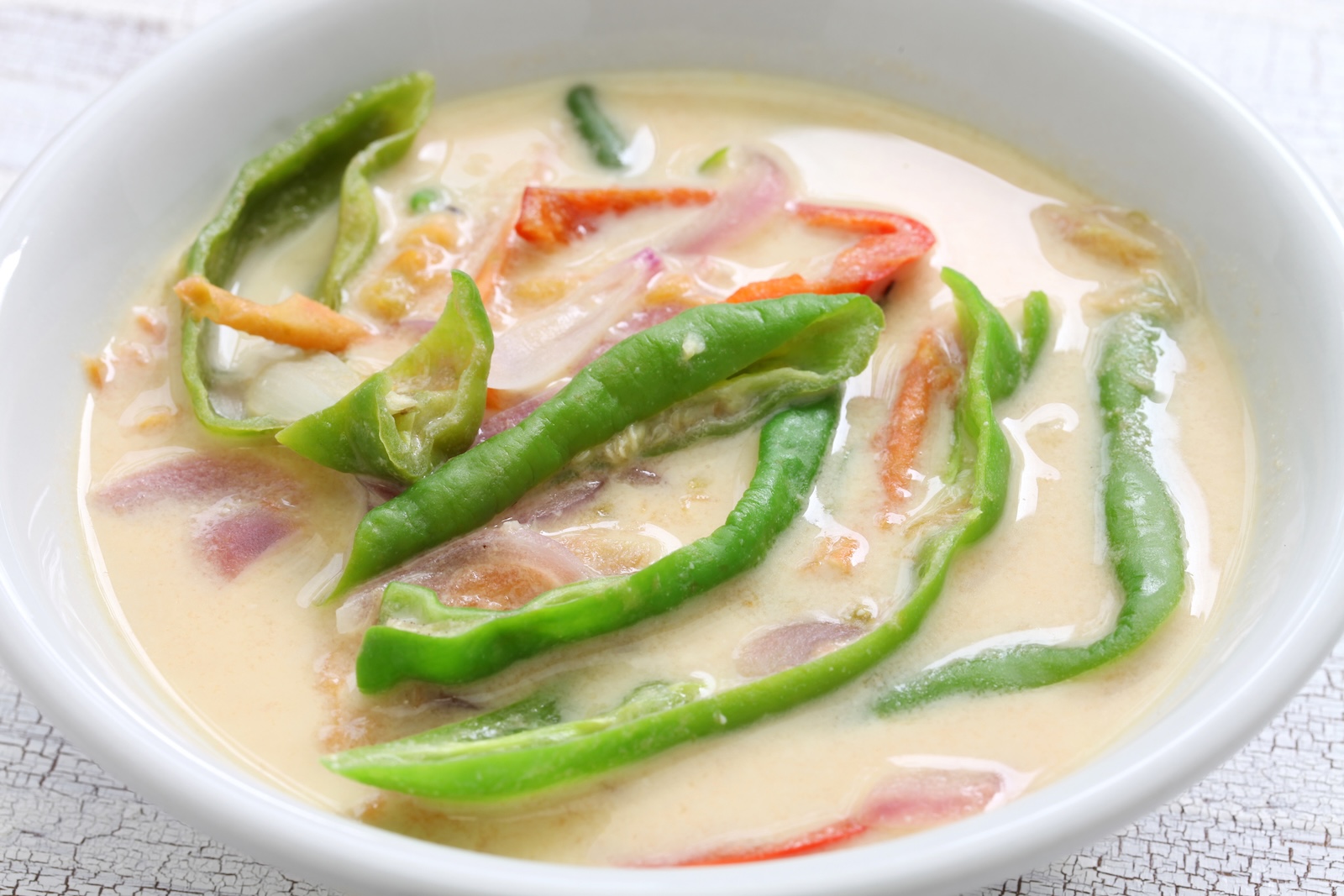
So, fittingly, Bhutan’s national dish is ema datshi, which translates to chili peppers and cheese. This simple, fresh food is made by simmering fresh chilis with onions and cheese. “Ema datshi isn’t just a dish—it’s everyday comfort food in Bhutan, shared at home and deeply rooted in our culture,” says Kharka B. Chhetri, Executive Chef at Pemako Bhutan.
Like a vegetable at any table in the United States, ema datshi is a constant at breakfast, lunch and dinner throughout the Kingdom of Bhutan. “The dish is a simple, spicy stew made of simmered chili peppers and cheese—typically local yak or cow cheese—until the chilies are tender and the cheese forms a creamy sauce. The process is straightforward and usually takes less than 30 minutes,” says Chia Hwa Soh, Chef and General Manager at Bhutan Spirit Sanctuary.
During my first visit to Bhutan, my eyes bulged when this dish, a wooden bowl full of bright red chilis, swimming in a sauce of soft cheese, hit the table. Despite my affinity for spice, a small panic set in, scared of offending my hosts but worried about the impending pain I’d inflict on my mouth and stomach.
But after two visits to this mystical nation high in the Himalayan mountains, I find myself craving ema datshi. Typically served with red or white rice or flatbread to tame the fiery flavors, its soft chilis and texture of the creamy cheese are as addictive as it is spicy. And as the sun and temperatures dip, the piping-hot dish feels like the ultimate comfort food, with every Bhutanese believing their mom makes it the best.
Want more great food writing and recipes? Sign up for Salon’s free food newsletter, The Bite.
The chilis used in this beloved dish are all grown in Bhutan, and range from fresh to dry, green to red. Shukam is a dried white chili, typically boiled and then dried with a milk spiciness. Ema kam is a dried red chili, and the spiciest used in ema datshi. Ho-kam chili is dried and green with a mild spice, and ema is a non-spicy green chili, typically served to tourists. As for the cheese, it’s traditionally made with Bhutanese yak cheese for a tangy flavor, and increasingly cow’s milk cheese.
Although the origins of this signature dish aren’t widely documented, Soh says it evolved from Tibetan culture, after chilis arrived in Bhutan from India around the 16th century. She says, “In Bhutan’s cold climate, chilies became essential for warmth and are now treated as a primary vegetable rather than just a spice. This hearty dish symbolizes Bhutanese resilience and tradition, having replaced earlier seasonings like “namda” (a traditional local herb).”
Today, some spins on the dish include adding potatoes, tomatoes or mushrooms. But for a true taste of Bhutan, stick to the beautifully simple combination of high-quality local chili and cheese.
“The aromatic, spicy blend paired with local cow cheese truly embodies the country’s unique culinary culture,” says Soh. “It is a daily staple with deep cultural significance and a flavorful profile that captures the essence of Bhutanese family life.”
Read more
about this topic
