

Late last year, the Academy of Motion Picture Arts and Sciences announced that, beginning in 2029, the Oscars broadcast would move from its 76-year home on network television to YouTube, where it will be streamed live, entirely for free. The decision was a tectonic shift, a clear indication that change is here and inescapable. Television ratings for Oscars broadcasts have been steadily declining for years, only occasionally meeting a bump of a couple million viewers — a drop in the total viewership bucket. After years of cable cord-cutting, the Academy needed a way to maintain relevance and increase viewership. But the change in platform wasn’t the most surprising part of the announcement. Rather, it’s that an institution as stubborn as the Oscars actually landed on a novel way to court viewers after so many years stuck in the past.
With an eye toward democratization, Thursday morning’s Oscar nominations painted a similar picture, as Academy voters fell more closely in line with wider viewing audiences over insider pundits. Mainstream theatrical crowd pleasers like “F1: The Movie” and “Weapons” scored surprising nominations in the big five categories, while more typical Oscar-bait films like “Hamnet” and “Song Sung Blue” had their own modest showings. One might say that, three years ahead of the show’s jump to YouTube, Academy voters are making a concerted effort to distance themselves from the perception that the Oscars are elitist and pretentious. But if that were entirely the case, “Wicked: For Good” should’ve been guaranteed at least a couple of nominations, instead of being shut out of the awards altogether this year.

(Scott Garfield/Warner Bros. Pictures /Apple Original Films) Brad Pitt as Sonny Hayes in “F1”
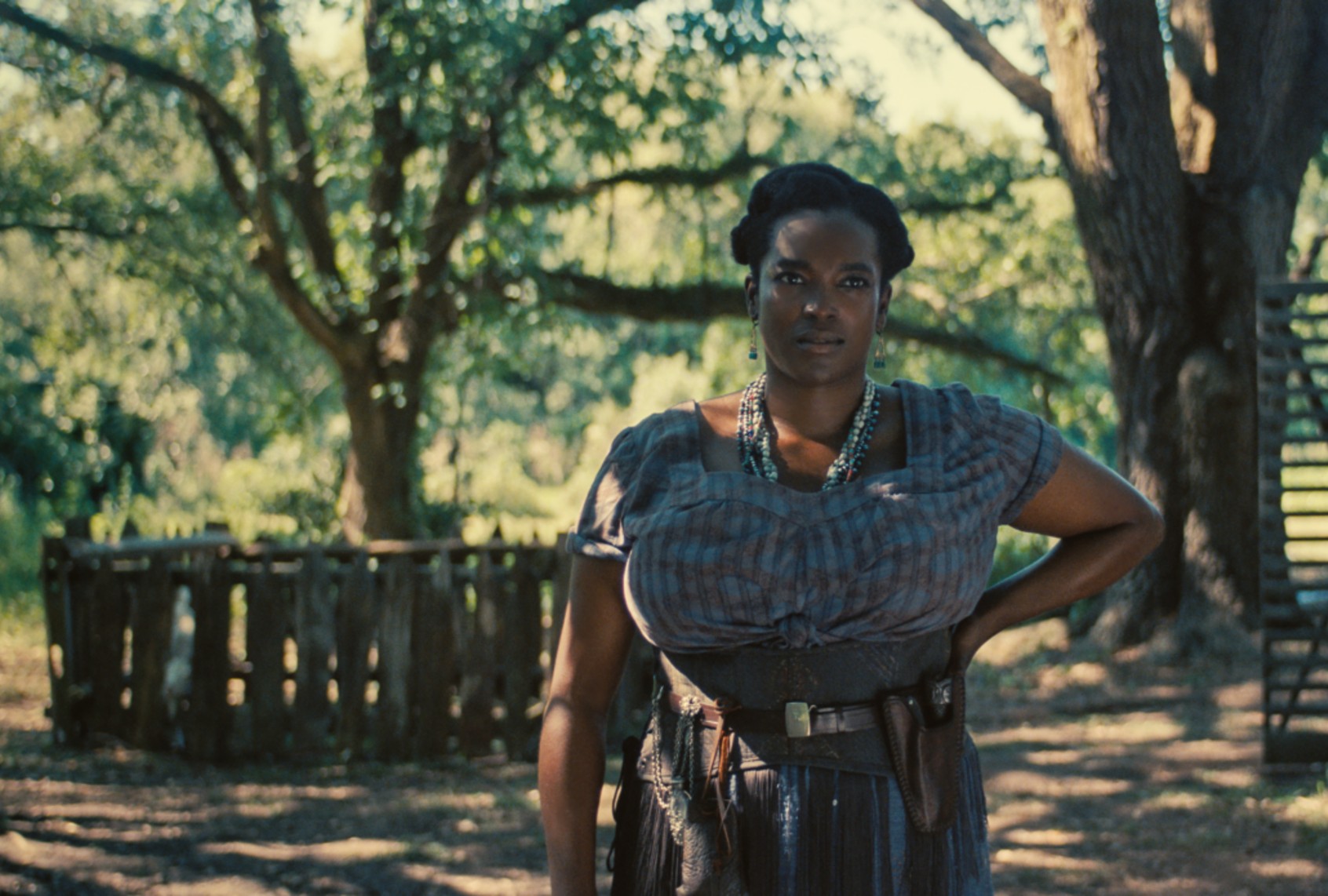
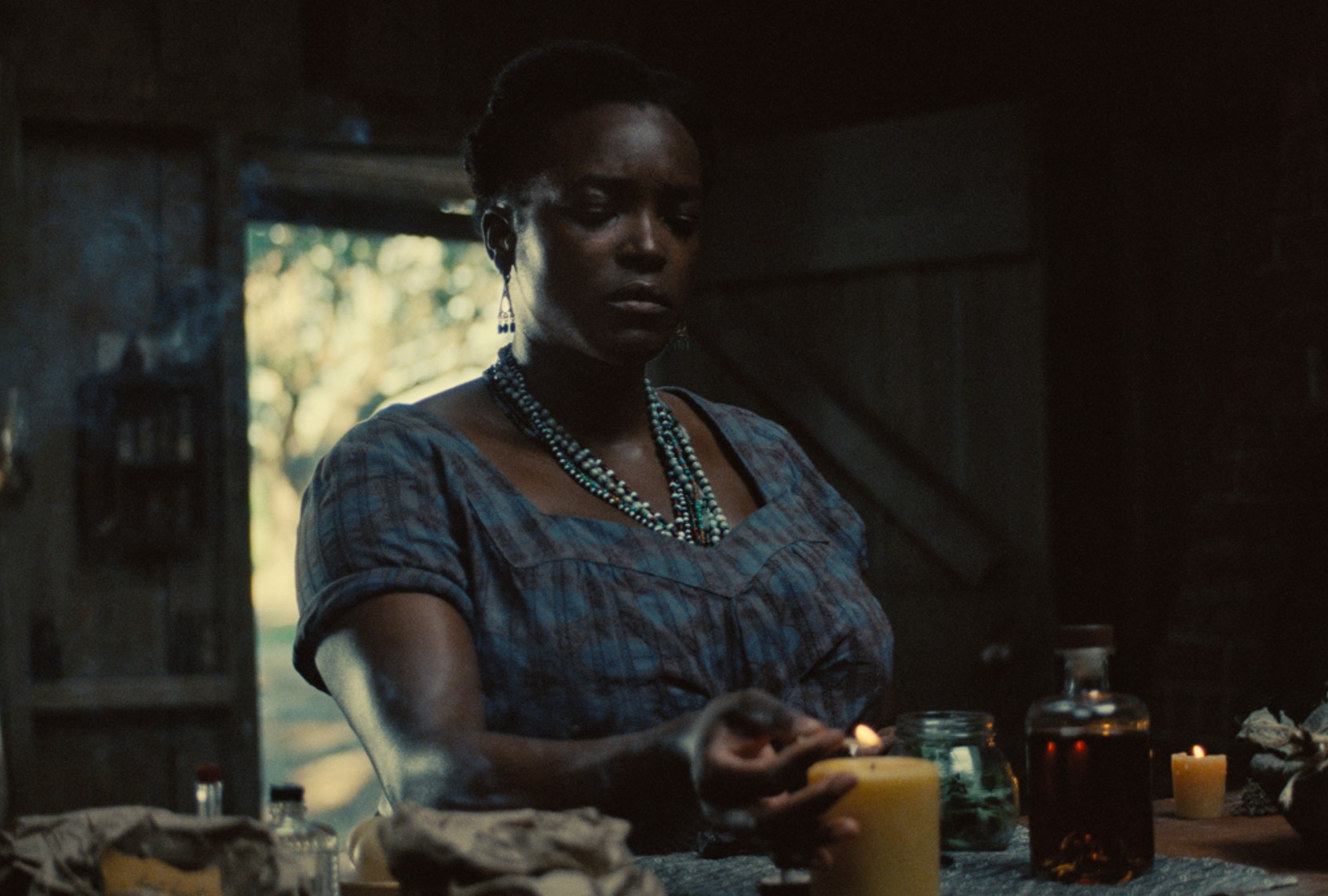
Wunmi Mosaku’s performance in “Sinners” was subtle, yet extremely affecting, as evidenced by the fan edits, fan accounts, and viewer analyses that emerged in the film’s wake. Sure, Mosaku had a profile in the New York Times, too, but it was viewer chatter that helped elevate Mosaku’s performance to the indisputable standout and eventually, Oscar status.
If the sequel to a popular musical like “Wicked,” which received 10 nominations just last year, can be totally blanked, but horror-camp like “Weapons” and glorified kart racing like “F1” can still score big nominations, what common factor defines a modern movie’s Oscar worthiness? It’s not so much about the films themselves, but about who’s watching them and what they’re saying. Oscar voters have long been influenced by public opinion — even when it might not seem like it — and in a time when anyone in the world can broadcast their beliefs at the touch of a button, conversations around films change much more quickly. Six months ago, half of the nominated supporting actresses would seem like a long shot in their category. But a lot can happen in half a year, and as public perception shifts, so can the opinions of voters. This isn’t to say that the voters always get it right, only that they’re far less removed from what the average moviegoer thinks than they once were. And as the Academy tries to recapture its Oscar glory days and reach a wider audience, the viewer’s influence can’t be underestimated.
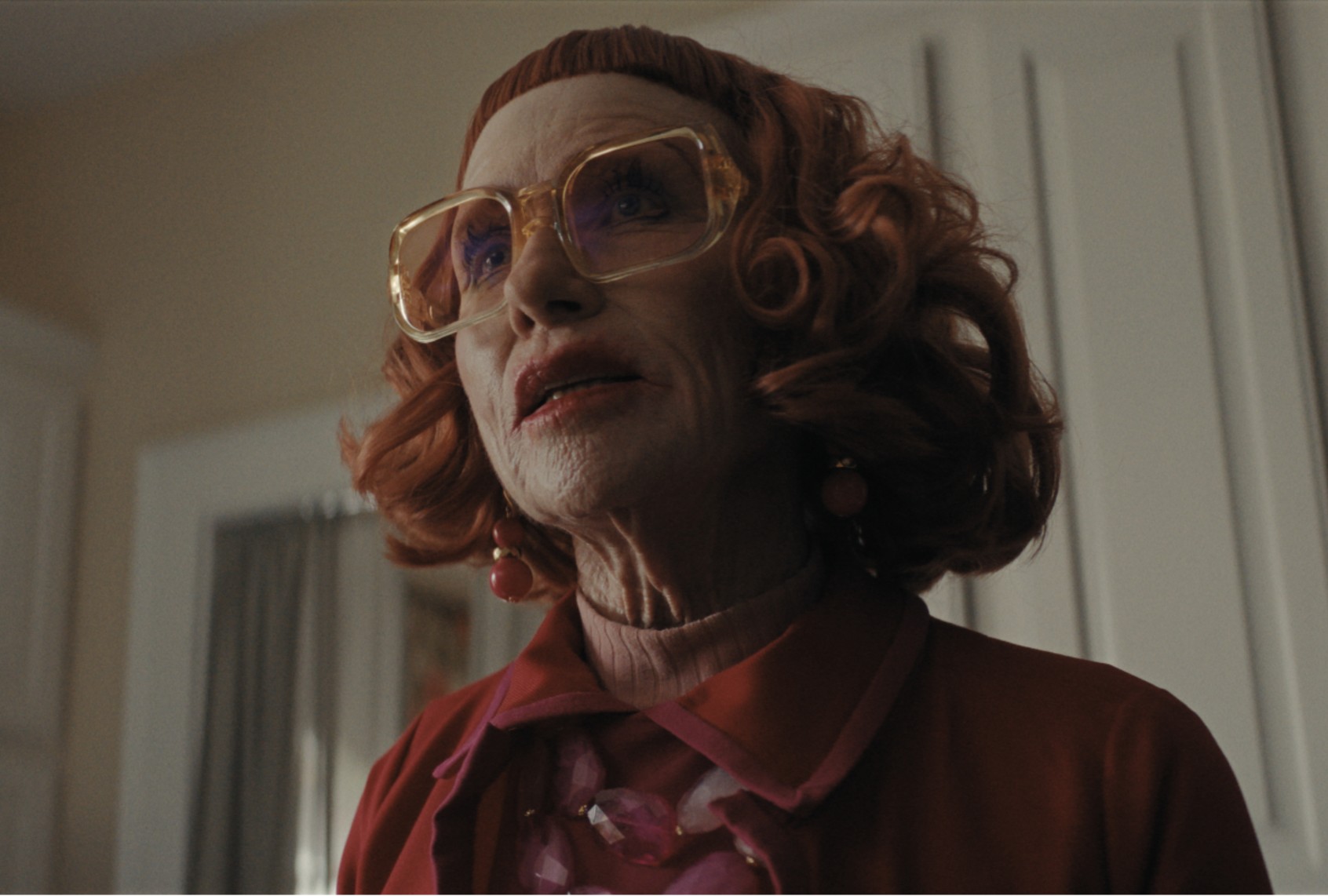
Those skeptical of the sway the public has over the Oscars needn’t look any further than back at that supporting actress category. While the group is stacked with sensational, varied performances, two names jump out among this year’s excellence. Amy Madigan’s gut-wrenching turn in “Weapons” as the despicable, bewigged witch Aunt Gladys became impossible for the Academy to ignore, largely thanks to the amount of hype surrounding Madigan’s character. The morning of the nominations, Madigan mused to Variety that Aunt Gladys is “a really cool character who’s turned into an icon” thanks to the moviegoers who talked up Gladys as the film’s must-see component. The Academy famously avoids nominating horror at all costs, especially when it comes to individual performances. But exactly 40 years after Madigan’s first nomination in the same category, the combined power of her unforgettable performance and the audience’s vigorous response to that wicked show has made Madigan a real contender in a tight race.
Then, there’s first-time nominee Wunmi Mosaku, up for the supporting actress trophy for her role in “Sinners” as Annie, the estranged wife of one of Michael B. Jordan’s twin characters, and a Hoodoo practitioner who can reach beyond the veil of this world into the next. Like Madigan with “Weapons,” Mosaku is nominated for what is largely a horror film — even if it does fluidly jump between genres more frequently than its category competitor — making her nod all the more notable. But then there’s the fact that Mosaku was an early fan-favorite when “Sinners” dominated both the box office and the cultural conversation last spring. Mosaku’s performance was subtle and touching, yet extremely affecting, as evidenced by the numerous fan edits, fan accounts, and viewer analyses that emerged in the film’s wake. Sure, Mosaku had a profile in the New York Times, too, but it was viewer chatter that helped elevate Mosaku’s performance to the indisputable standout and eventually, Oscar status.
And it’s not just Mosaku receiving the Academy’s recognition, but “Sinners” as a whole. The film shattered the Oscars record for most nominations for a single film with a whopping 16 nods across several categories. The previous record was 14 nominations, a distinction held by “All About Eve,” “Titanic” and, most recently, “La La Land.”
(Warner Bros. Pictures) Amy Madigan as Aunt Gladys in “Weapons”
It behooves the Academy to cater to the viewer, because getting people to talk about movies, to see movies and to care about movies at all has been an increasingly difficult task. If widening the scope of nominated films is what might appeal to potential audiences, that’s what the Academy is going to do.
Looking at how the latter two films fit in with “Sinners,” a curious pattern develops. “Titanic” and “La La Land” both dared to defy the trappings of their primary genre. “Titanic” was not merely a romance; it was also historical fiction, a drama and a big-budget action. “La La Land,” on the other hand, was as much of a romantic drama as it was a high-concept musical. “Sinners” is a supernatural horror movie, an action movie, a period piece and a partial musical. Wider, diverse sets of genres make films like these all the more appealing to audiences, and in turn, proliferate the public discussion and dissection of these movies as time goes on. And though “Sinners” director Ryan Coogler has been nominated at the Oscars twice before, it’s not unthinkable that, if his latest film hadn’t exploded in the way that it did, the Academy would’ve shut it out as readily as it did “Wicked,” relegating it to little more than a passing blockbuster fad. Plenty of other critical darlings from last year without the same cultural longevity received complete snubs. Make no mistake: The Academy is listening, and they want in on the dialogue.
Want more from culture than just the latest trend? The Swell highlights art made to last.
Sign up here
(Courtesy Warner Bros. Pictures) Wunmi Mosaku as Annie in “Sinners”
“Wicked: For Good” is a casualty of the same circumstance. Virtually every pundit predicted that Ariana Grande would once again be nominated for her role in the gravity-defying sequel. To most, she was a lock in the category. Yet, Grande’s Glinda the Good Witch had her magical bubble popped, swapped in for the shock of “Sentimental Value” picking up two nods in the same category for Inga Ibsdotter Lilleaas and Elle Fanning, whom Grande was favored against. One could chalk up Grande’s snub to the steady campaign NEON ran for Fanning’s performance. But, given that Grande and NBCUniversal campaigned just as fiercely, I’m once again inclined to posit that the sequel’s dreadful reputation soured Grande’s chances. Critics might not have liked “Wicked: For Good,” but even audiences and longtime “Wicked” fans were far from crazy about the follow-up film. As time went on, and prospective nominees like Mosaku and Madigan continued to generate buzz among the general public into the new year, even a shoo-in like Grande was met with a surprise.
The Academy has undoubtedly come to understand that keeping people on their toes is an essential part of making the Oscars viable and successful for new generations, who may not have the same relationship to the brand as viewers did in decades past. The race should be an actual race. Nobody wants a clear winner defined in every category months before the actual awards ceremony. They also don’t want to watch an award show celebrating the best of the best in a year of cinema and not recognize any of the films nominated. That’s not the easiest needle to thread, but it’s one the Academy has been hard at work trying to manage. And for voters determining the Oscar shortlists and the final batches of nominees, maintaining the audience’s interest is paramount. It behooves the Academy to cater to the viewer — at least to a degree — because getting people to talk about movies, to see movies and to care about movies at all has been an increasingly difficult task. Harnessing attention is one thing, but keeping it is another entirely. And if widening the scope of nominated films is what might appeal to potential audiences, that’s what the Academy is going to do. But nominating the films that people want to see requires careful listening. Discussions shift and sway at the drop of a hat — or, in last year’s case, the drop of a bunch of old racist tweets. It’s not a perfect science, but that’s what makes it so interesting and nail-biting, right up until the moment an envelope is opened.
Read more
about 2026’s Oscar-nominated films
