

As the war between the United States and Iran enters its third week, a new front in the conflict is emerging at home: a battle over how the war is covered by the media.
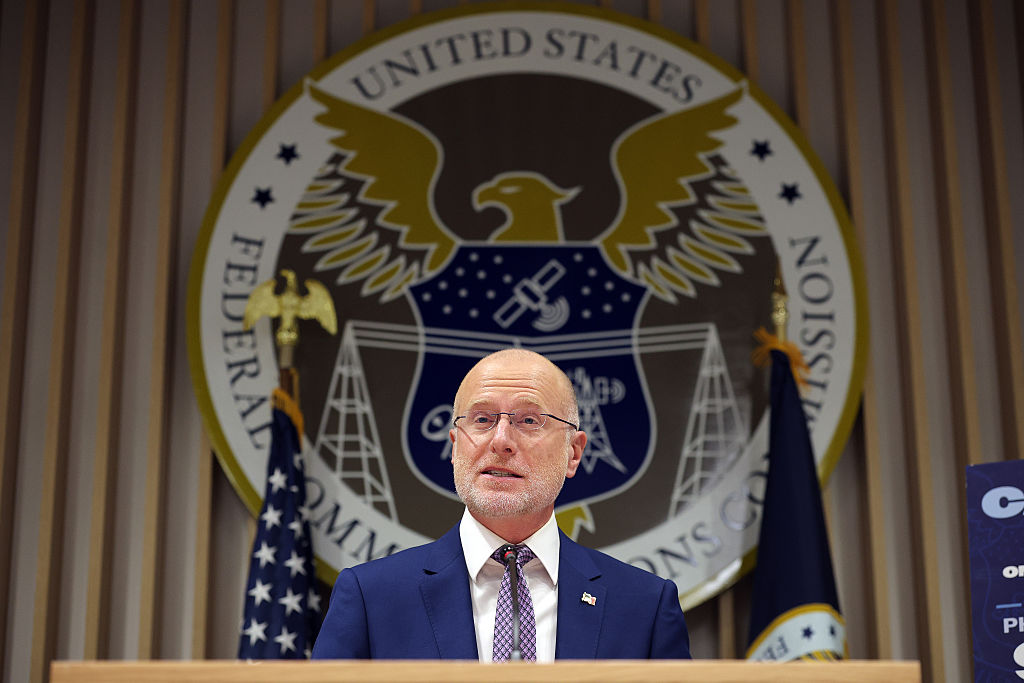
Federal Communications Commission Chairman Brendan Carr warned broadcasters this week that news outlets must accurately report on the war or risk regulatory scrutiny tied to their broadcast licenses. The remarks came after Donald Trump accused major media organizations of misleading the public about the administration’s military campaign against Iran.
Carr said broadcasters operate under a legal obligation to serve the “public interest” and suggested that networks spreading what he characterized as inaccurate reporting about the war could face consequences when their licenses come up for renewal.
Broadcasters that are running hoaxes and news distortions – also known as the fake news – have a chance now to correct course before their license renewals come up.
The law is clear. Broadcasters must operate in the public interest, and they will lose their licenses if they… https://t.co/7bBgnsbalw
— Brendan Carr (@BrendanCarrFCC) March 14, 2026
The warning followed a series of posts by Trump on his social media platform, Truth Social, where the president told supporters that coverage of the war was “wrong” and urged Americans not to believe reports circulating in the press. Trump has repeatedly accused news outlets of distorting details about the scope and effectiveness of U.S. strikes on Iranian targets.
Press freedom advocates and media analysts quickly raised concerns that the comments could signal government pressure on news organizations during wartime.
The controversy also arrives amid heightened scrutiny of major media companies and their relationship with federal regulators.
Recent tensions involving CBS have fueled debate over editorial independence after a “60 Minutes” segment reportedly faced internal scrutiny before airing, while political comedy programming such as Stephen Colbert’s late-night show has drawn complaints from conservative critics.
At the same time, large media companies — including Warner Bros. Discovery and Paramount Global — remain involved in corporate restructuring and potential deals that could require regulatory approval from federal agencies.
Start your day with essential news from Salon.
Sign up for our free morning newsletter, Crash Course.
Critics say that combination of political pressure and regulatory authority could create a chilling effect in newsrooms, particularly as the administration pushes back against reporting on the war.
This is a clear directive to provide positive war coverage or else licenses may not be renewed. This is worse than the comedian stuff, and by a lot. The stakes here are much higher. He’s not talking about late night shows, he’s talking about how a war is covered. https://t.co/maKAZhcUjN
— Brian Schatz (@brianschatz) March 14, 2026
Carr, however, has defended the warning, arguing that broadcasters using publicly licensed airwaves must provide accurate information to viewers.
The debate underscores the growing tension between the administration and major news organizations as the conflict abroad continues to unfold — and as questions mount about how the war will be reported to the American public.
