

Fears of domestic attacks in the United States are mounting as the war in Iran intensifies and the partial shutdown of the Department of Homeland Security continues.
The U.S.-Israel war with Iran has entered its third week with no end in sight, set off on Feb. 28 after the U.S. and Israel launched a series of strikes targeting Iran’s military infrastructure and leadership. Bahrain, Kuwait, Qatar and other Middle Eastern nations have been caught in the crosshairs as Iran targets U.S. military bases in those countries in retaliation.
The military action has received widespread disapproval, including condemnation after a missile likely fired by the U.S. struck a southern Iranian elementary school and killed more than 170 people, most of whom were children, with 53% of registered voters opposing the war compared to 40% who support it, according to a recent Quinnipiac poll. Seventy-seven percent of the respondents also believe it likely that a terror attack will occur on U.S. soil in response to U.S. military action.
Though not a guarantee that one will occur, the potential for Iran to at least consider terror attacks in the U.S. is higher now than when the war first began, according to Javed Ali, a former DHS and FBI official who now serves as a professor of practice for the University of Michigan.
“We’ve already seen the Supreme Leader get killed and the upper echelon of the [Islamic Revolutionary Guard Corps] and other senior religious and political figures in Iran, and the next echelon to include the newest supreme leader, may also still be targeted,” Ali said. “If this is an existential fight for the regime, one would think they are considering all their options to survive and stay in power and put pressure on Israel and the United States. That’s why terrorism now should be a higher priority.”
DHS has traditionally displayed an advisory on terror risk to the public during wartime via the National Terrorism Advisory System, which was implemented in 2011, or sent targeted warnings to state and local law enforcement, Ali said. Notably, he added, the NTAS does not have any current advisories.
“If this is an existential fight for the regime, one would think they are considering all their options to survive and stay in power and put pressure on Israel and the United States. That’s why terrorism now should be a higher priority.”
The NTAS issued its latest bulletin in June of last year, warning of the potential for “low-level cyber attacks targeting U.S. networks” and extremists mobilizing to violence during the country’s previous stretch of conflict with Iran. That notice expired months later in September.
As of Friday, the DHS website displayed a red notice at the top of the page stating that the site “would not be actively managed” because of a “lapse in federal funding.”
“I find it curious that there hasn’t been one of those bulletins released, and I would have a hard time believing that the shutdown had an impact on that,” Ali said, explaining that the DHS office of intelligence and analysis should still be fully operational. He referenced a report from Reuters that the White House had paused the release of a draft bulletin earlier this month.
While Iran has not carried out a terror attack in the homeland, making the threat much lower, the Middle Eastern country has a history of successfully launching cyber attacks against different U.S. targets dating back to the early 2010s, Ali said. Indeed, on Wednesday, an Iran-linked hacking group claimed responsibility for a cyberattack on Michigan-based medical equipment company, Stryker, that disrupted its Microsoft systems, wiping the manufacturer’s cellphones and laptops.
“Iran is a pretty sophisticated actor in the cyber world, and they’ve shown a capability to go high end here in the United States, but also play on the other side of the spectrum that’s in that world of misinformation and disinformation and trying to influence how people think,” he added.
Nick Andersen, the acting director of the Cybersecurity and Infrastructure Security Agency within DHS, told Salon in a statement that despite the “ongoing Democrat shutdown” of DHS, the agency is still “fulfilling its commitment to the American people on behalf of President Trump.”
Start your day with essential news from Salon.
Sign up for our free morning newsletter, Crash Course.
The partial DHS shutdown has dragged on for four weeks in a partisan stalemate. Senate Democrats — except for Sen. John Fetterman, D-Pa. — again blocked a House-passed bill, 51-46, that would fully fund the department. Their opposition is a call for Immigration and Customs Enforcement and Customs and Border Protection reforms in the wake of ICE officers’ high-profile killings of American citizens in Minneapolis earlier this year.
Mississippi Rep. Bennie Thompson, the top Democrat on the House Homeland Security Committee, disagreed that the shutdown is the Democrats’ fault and emphasized that the risk of domestic threats has risen since attacking Iran.
“The amazing DHS workforce is still working around the clock to protect life and property, but President Trump’s unnecessary war in Iran has raised the possibility of threats here at home, making it even more important that we protect our airports, cyber networks, and respond to disasters,” Thompson told Salon in a statement.
“Democrats have a bill ready to pass today to strengthen those missions, but Republicans are blocking it because they refuse even basic accountability for ICE and CBP,” he added ahead of the Senate’s vote on an appropriations bill Thursday.
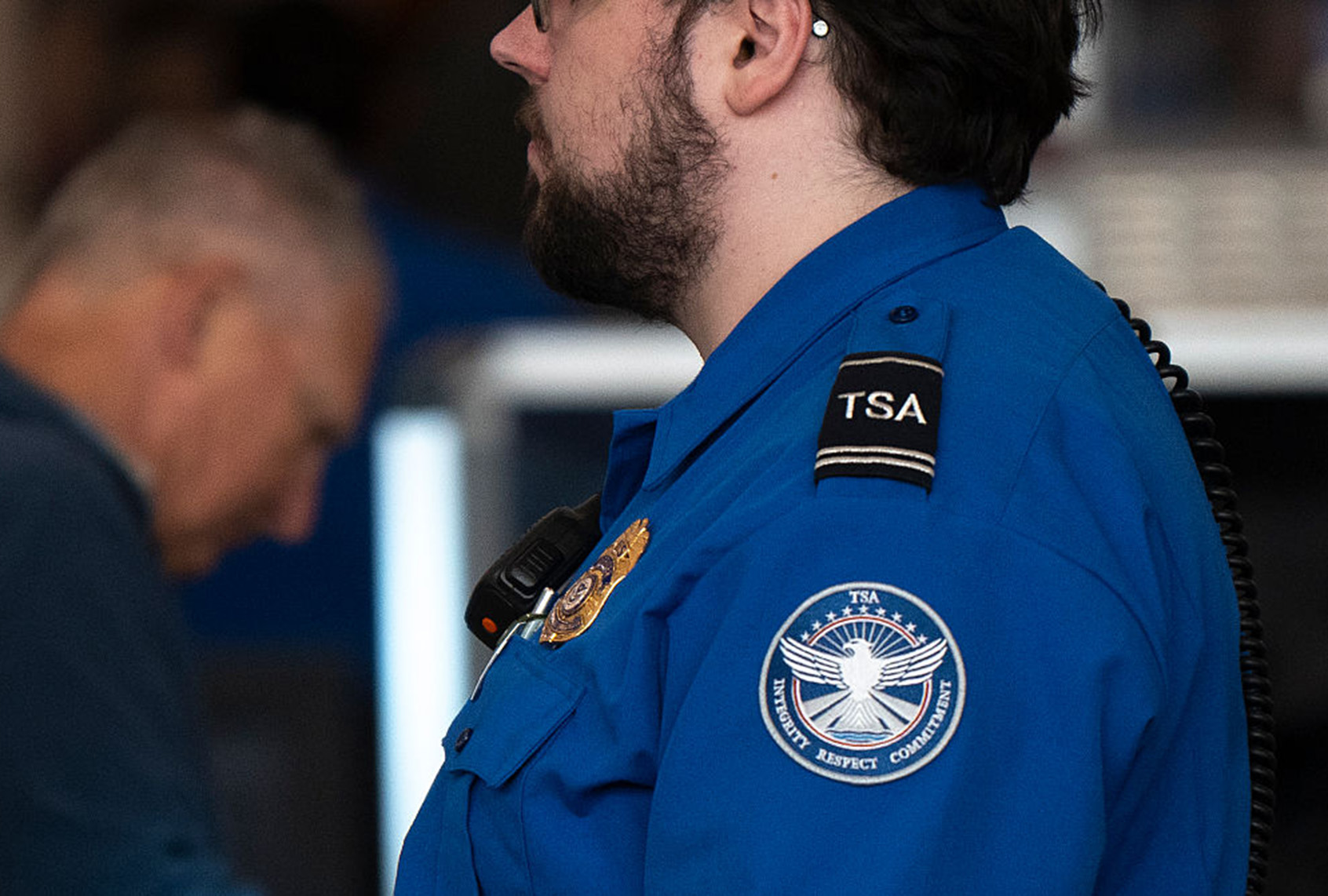
The partial shutdown has stymied operations of the Transportation Security Administration, the Federal Emergency Management Agency and other DHS agencies. Last month, DHS officials said that FEMA had suspended work on “legacy disasters” and is focusing only on new or recent emergencies, while last week marked the first since the funding lapse began in which TSA agents missed a full paycheck.
Despite the funding freeze, the department is still able to conduct all of its primary security functions, including trade, travel, border and cybersecurity, said Dan Herman, the senior director of national security, accountability and reform at the Center for American Progress and a former Biden administration CBP official.
Over the last year, efforts to terminate some counterintelligence officers and reassign others to bolster the agencies conducting Trump’s immigration crackdown have played a greater role in hindering the intelligence community’s ability to respond aptly to any threat that may touch U.S. soil, Herman added.
“We have these agencies to protect us from foreign threats, to better understand what potential threats are out there, and that is an area that is at risk,” he said.
We need your help to stay independent
In a statement posted to X, hacking organization Handala said it launched the cyberattack on Stryker both in retaliation for the Feb. 28 elementary school strike and in response to “ongoing cyber assaults against the infrastructure of the Axis of Resistance,” Iran’s regional network of militias. DHS has launched an investigation into the attack, Andersen told Salon.
“We are working shoulder-to-shoulder with our public and private‑sector partners as we continue to uncover relevant information and provide technical assistance for the targeted attack on Stryker, while steadfastly standing at the ready to defend our nation’s critical infrastructure,” Andersen said.
In the face of broad security information, Herman warned against assuming that officials may be hiding serious threats from the public, but argued that concerns over possible threats speak to the trust Americans have lost in DHS and national security officials in the Trump administration.
Downgrading funding and staffing of offices specifically designed to focus on these threats, and politicizing those agencies and intelligence “to fit their narrative” create a “recipe for disaster,” Herman said.
“It means that the public has a harder time knowing what’s true, what’s not, taking seriously when there may be a real threat, and it leads a lot of people to question their own safety right now, and that further erodes America’s trust in our national security,” he added.
Read more
about the Iran war
