

In anticipation of salad season, the Environmental Working Group (EWG) has released its annual list of the top fruits and vegetables that are heavily contaminated by pesticides, infamously known as the “Dirty Dozen.” The 2026 picks are commonly consumed favorites, including strawberries, grapes, nectarines, peaches, cherries, apples, blackberries, pears and blueberries. Fruit makes up more than half of the filthy bunch, according to a report released Tuesday by the nonprofit. Meanwhile, spinach held the list’s top spot for the second year in a row, containing more pesticide residues by weight than any other type of produce.
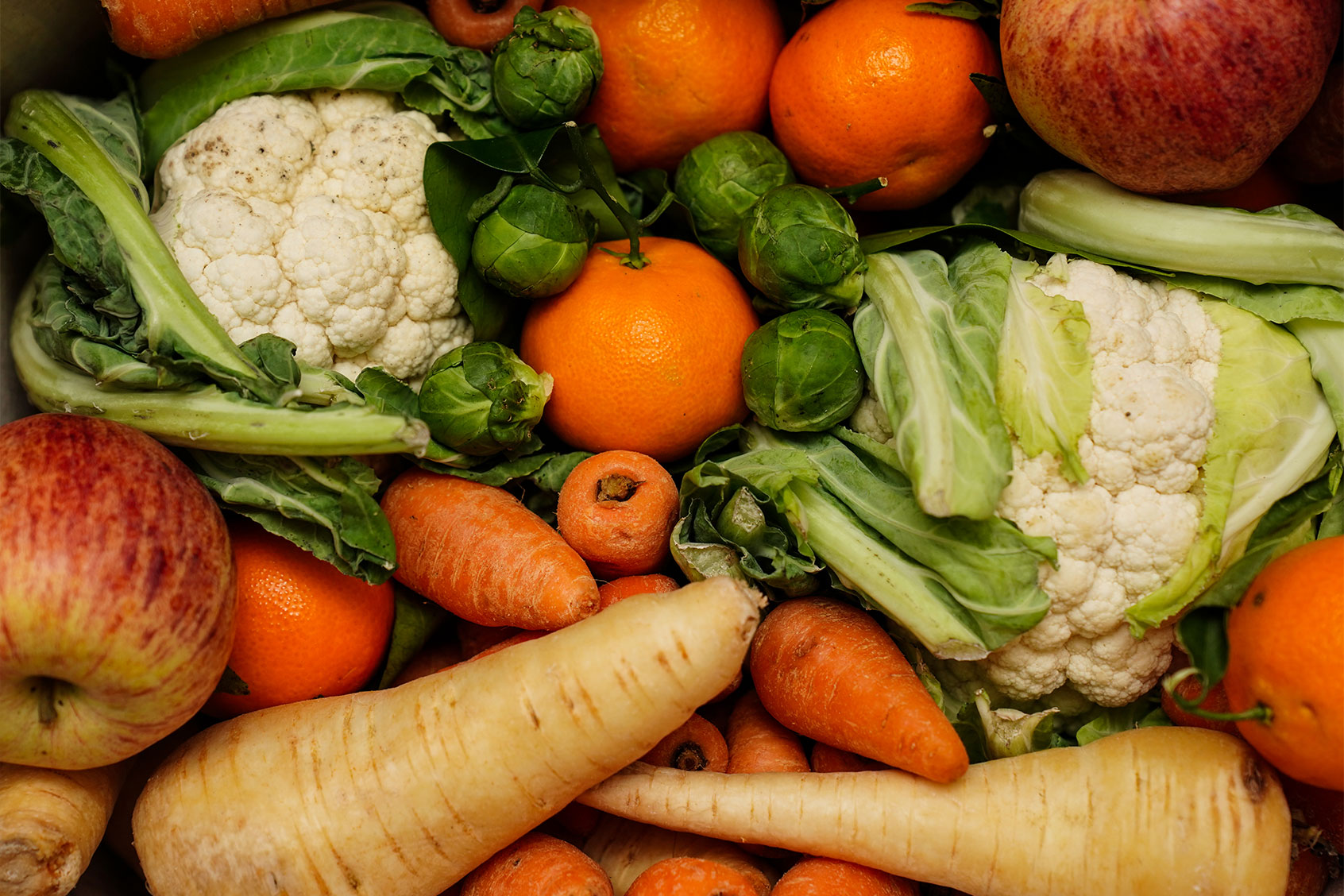
Alongside the “Dirty Dozen,” EWG named its “Clean Fifteen” choices, produce with the lowest amounts of pesticide residues. That list includes pineapples, sweet corn (fresh and frozen), avocados, papaya, onion, frozen sweet peas, asparagus, cabbage, cauliflower, watermelon, mangoes, bananas, carrots, mushrooms and kiwi.
Compared to last year’s list, nectarines bested both peaches and cherries in pesticide contamination, increasing their ranking from seventh place to fifth. Pears dropped to tenth place after outranking apples, blackberries and blueberries in 2025.
As for why the popular leafy green tops the EWG’s list of shame, three-fourths of non-organic spinach sold nationwide is contaminated with a neurotoxic insecticide called permethrin, which is banned from use on food crops in the European Union. High levels of exposure to permethrin cause tremors and seizures. But lower-level exposure can still pose certain health risks, namely in children. One study cited by the EWG found that children with detectable permethrin in their urine are twice as likely to be diagnosed with ADHD compared to those with undetectable levels.
Want more great food writing and recipes? Sign up for Salon’s free food newsletter, The Bite.
To create the 2026 report, the EWG analyzed the most recent pesticide residue tests conducted by the U.S. Department of Agriculture (USDA) on 54,344 samples of 47 domestic and imported non-organic fruits and vegetables.
