
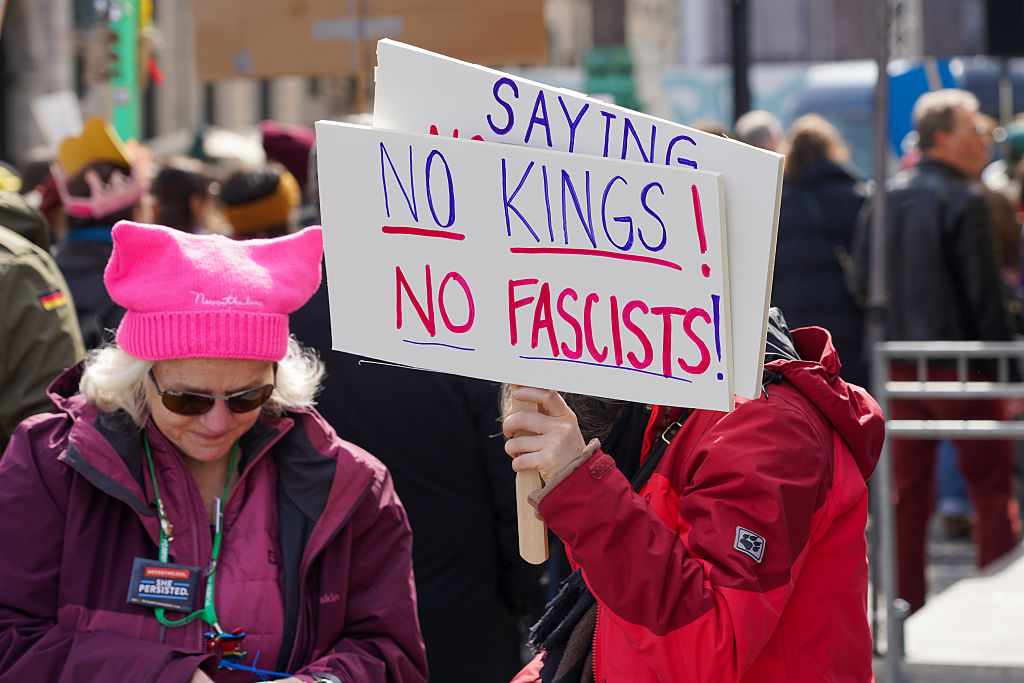

The third wave of mass protests swept across the globe on Saturday as part of the “No Kings” demonstrations (or “No Tyrants” for countries with established monarchies), with tens of thousands gathering in urban areas like New York and the Minneapolis-St. Paul area in a coordinated show of continued opposition to President Donald Trump, in response to the recent deadly immigration enforcement violence and the current conflict with Iran.
More than 3,000 rallies were planned nationwide, spanning all 50 states, with millions expected to participate in a movement that has rapidly grown since 2025. This is the third official “No Kings” event. Similar global events spanned 16 countries including Mexico, the Caribbean, Ecuador, Kenya, Australia and most of Europe.
The largest and most symbolically significant gathering took place in Minnesota, where organizers framed the protests in part as a response to the deaths of Renée Good and Alex Pretti, two residents killed during federal immigration enforcement operations earlier this year. Their deaths have become a rallying cry for activists opposing ICE policies and broader federal authority.
The Minnesota rally also drew high-profile figures including Bruce Springsteen, who performed a song dedicated to Good and Pretti, alongside appearances from Sen. Bernie Sanders, Rep. Ilhan Omar, Gov. Tim Walz, Minnesota Attorney General Keith Ellison, singer Joan Baez and actor Jane Fonda — underscoring the national visibility and cultural reach of the protests.
The protests, organized by a coalition of grassroots groups, labor organizations and progressive activists, center on opposition to President Donald Trump’s policies — including the ongoing war with Iran, aggressive immigration enforcement and what demonstrators describe as an expansion of executive power.
Participants carried signs denouncing “authoritarianism” and calling for the protection of democratic institutions, with many events emphasizing nonviolence and community organizing.
One protest in particular was scheduled for Saturday evening, calling it “No Kings Mar-a-Lago at Twilight” and asked protesters to wear neon and glo-sticks, and many coming from a nearby Pride festival and other scheduled events earlier on Saturday.
“There have been 21 marches to Mar-a-Lago, to date,” according to their site. “This upcoming No Kings 3 Rally/March is being orchestrated by the individual and organization that have coordinated and led 19 of them (without so much as a single incident)!”
While the largest crowds gathered in major urban centers, smaller demonstrations also took place in suburban and rural communities, underscoring the movement’s broad geographic reach and growing international footprint.
Start your day with essential news from Salon.
Sign up for our free morning newsletter, Crash Course.
The protests come at a moment of heightened political tension, as a prolonged government shutdown disrupts daily life and the conflict in Iran raises concerns about a wider war. For many demonstrators, Saturday’s rallies represented not just a single day of action, but part of a sustained effort to push back against what they see as a turning point in the current political environment.
Whether the protests translate into political momentum remains to be seen. But the scale of the demonstrations — stretching from major international metropolitan hubs to small towns in rural America — signals a level of mobilization that is increasingly difficult to ignore.
