

When the history of Obama’s first term is written, historians will marvel over how quickly the enduring themes of his administration crystallized. Just one month after being inaugurated, President Obama signed the American Recovery and Reinvestment Act — his $800 billion stimulus bill. On the next day, Feb. 18, he outlined his plans to help homeowners avoid foreclosure in a speech in Arizona — one of the states hit hardest by the housing bust. And on the very next day after that, CNBC’s Rick Santelli delivered his epic rant attacking Obama’s bailout of “losers,” and calling for viewers to join him in a “Chicago Tea Party” in protest.
Not much of a grace period there — the Tea Party revolt started one month into Obama’s administration, and it was directly inspired by the Obama administration’s initial attempt to deal with the most pressing economic problem facing main street Americans: the collapse of the housing market. The tragic irony for Obama is that the housing program he announced that February, the Homeowner Affordable Modification Program (HAMP), turned out to be an abject failure. The administration failed to use its leverage with the banks to get them to participate meaningfully in the plan, and appeared to devote relatively little resources or political muscle to making it effective. Ultimately, Obama’s housing policy became grist for huge disappointment from the left.
Nice work: Obama’s botched housing policy agenda managed to simultaneously inspire the opposition into retaking the House while disillusion his own supporters.
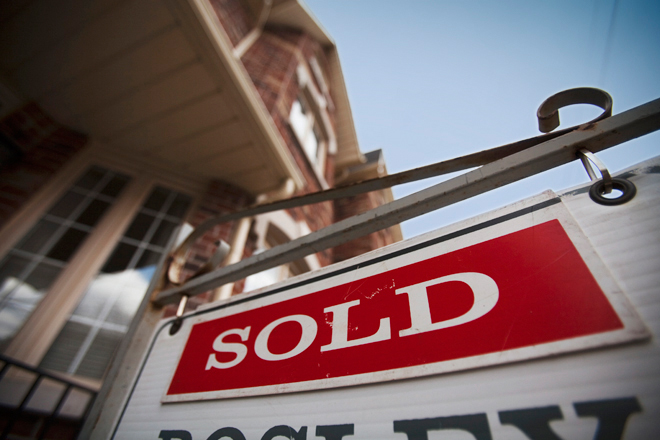
Fast-forward almost four years later. The housing sector is clearly rebounding — home prices are rising, mortgage delinquencies are falling, inventory of unsold houses is shrinking. As a result, consumer confidence is growing and Americans are feeling more comfortable risking their savings on big, economically relevant purchases, like new cars.
A clear case can be made that government policy has played a crucial role in this rebound. There are two parts to the story. First, the Fed’s most recent round of monetary stimulus push — aka quantitative easing — has pushed mortgage interest rates to an absurdly low 3.5 percent, encouraging a wave of new refinancing and new purchase activity.
Second, the White House’s latest, greatest plan to help homeowners, the Home Affordable Refinance Program 2.0, has gained real traction, helping homeowners underwater on their mortgages become eligible to refinance. According to a Bloomberg report, “since the start of 2012, there’s been a 65 percent increase in refis for borrowers who owe at least 20 percent more than their homes are worth; HARP now accounts for about a quarter of all refis.”
The Fed’s new determination to pursue monetary stimulus until the unemployment rate falls significantly is at least in part due to Fed Chairman Ben Bernanke’s ability to rally support from Obama’s new appointees to the Federal Reserve. The relative success of HARP 2.0 is a tribute to the administration’s willingness to keep tinkering with policy levers until it found something that worked. In both cases, you can argue that the administration took far too long to exert its will, but this is also clearly a case of better late then never. If you want to understand why the number of Americans who think the country is on the wrong track is finally dropping, the housing rebound offers one of the best explanations, and some portion of responsibility for that goes to the administration.
There are two conclusions to draw from the housing story. The first is the founding myth of the Tea Party, that it was wrong and immoral and socialist for the government to help all those “losers” struggling to avoid foreclosure, profoundly misunderstood the importance of a healthy housing sector to the overall economy. When Americans don’t feel like they are about to lose their homes, they are more willing to be the kind of consumers who create aggregate demand in an economy, thus boosting everyone’s welfare. The second is that if you are wondering what a second Obama term might look like, this is probably it: Incremental progress, based on the hard-won knowledge learned from making lots of mistakes.
