

The fentanyl-fueled overdose crisis is both heartbreaking and terrifying. It has devastated communities — rural and urban, across all races and socioeconomic backgrounds. We know this pain both professionally and personally. One of us served as an American defense official and Deputy Assistant Secretary of Defense for Counternarcotics and Stabilization Policy, working to combat drug trafficking. The other leads the Drug Policy Alliance, having lost a family member to overdose and fighting daily for solutions that save lives. Though our experiences differ, we are united in one goal: preventing addiction and keeping people safe.
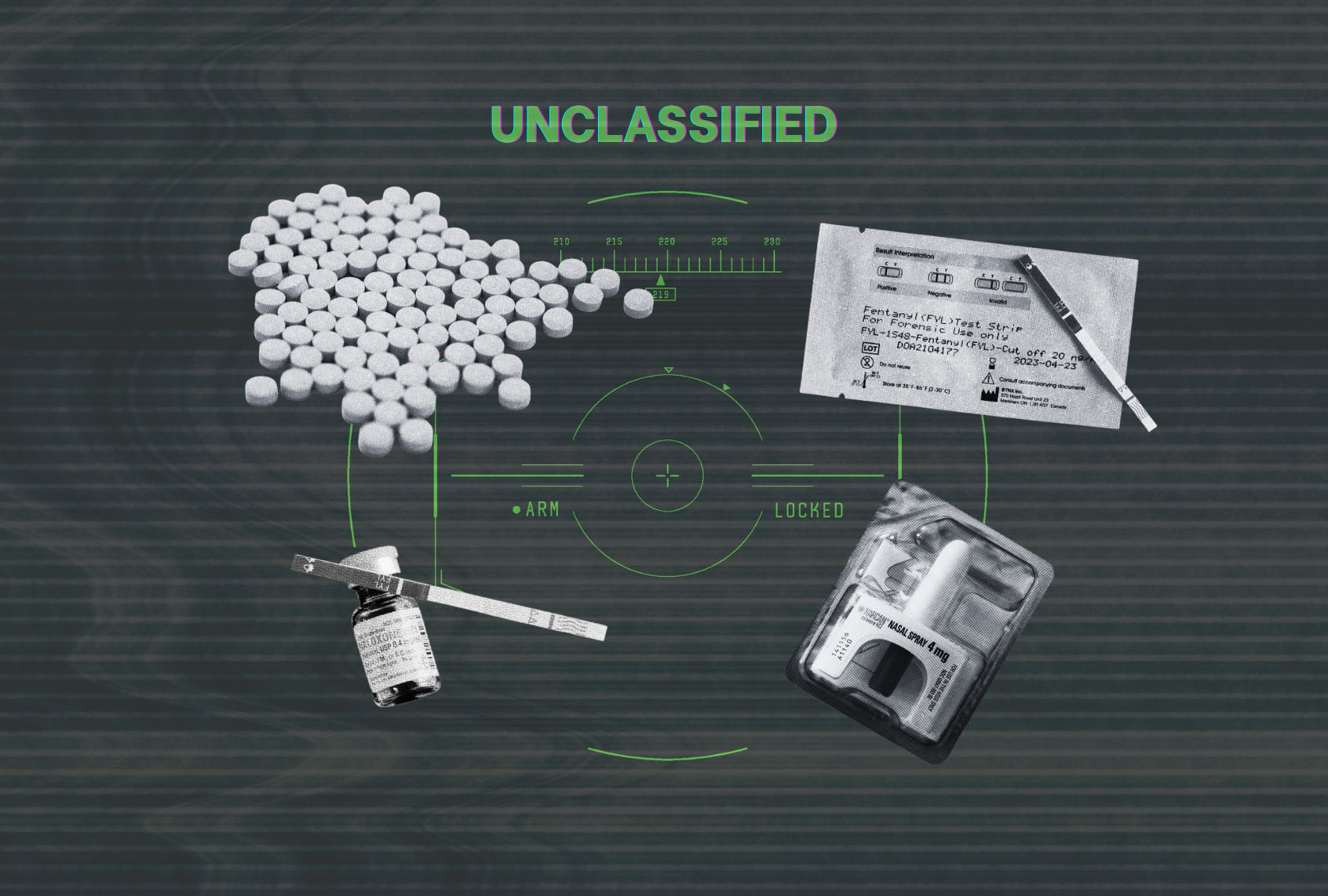
In 2024, annual overdose deaths fell nearly 27%, the largest single-year decrease ever recorded. These aren’t just numbers. They represent people revived from opioid overdoses with naloxone, people who avoided a fatal dose because they used a fentanyl test strip, and people who stabilized their lives because they finally received methadone or buprenorphine to curb withdrawal symptoms and cravings. We are saving lives because we finally started investing in what works: a health-based approach to drugs.
That is why it is inconceivable that instead of expanding these health solutions, the government is gutting them. At the moment we should be doubling down to end the overdose crisis — which still kills more Americans than guns — federal leadership is slashing nearly $1 billion from Medicaid, the largest source of addiction treatment in the country. Hundreds of millions more have been cut from overdose prevention programs, leaving states with fewer fentanyl test strips, less naloxone, and fewer pathways to effective treatment options. Drug research funding has also been gutted, even though the potent, illicit drug supply is changing faster than ever, and demands research into evidence-based treatments, not political theater.
In Maine, an $88 million federal funding cut left public health programs — including vaccination clinics, community health services, and overdose prevention outreach — on the brink of collapse. Programs scrambled to keep essential services open, with many scaling back or cutting their services. The result? People struggling with addiction in rural communities, children with disabilities, veterans, and seniors had their lifelines taken away.
It is inconceivable that instead of expanding these health solutions, the government is gutting them.
The federal government cannot effectively address the harms of fentanyl while stripping away the health strategies that prevent fentanyl overdoses. And we cannot allow Congress to look away from the human cost of these choices.
As one parent whose child has struggled with addiction shared: “[President Trump] you’re out there declaring war on fentanyl, and then you’re taking away from the people you’re supposed to protect.”
The contradiction becomes even more sharp when you look beyond our borders to the escalating military violence overseas and a recent presidential pardon. As lifesaving services are cut, the administration is using drugs as a pretext for unauthorized military strikes in the Caribbean and Pacific. Officials have killed at least 83 people on boats they claim posed an immediate and direct threat to our nation, yet have provided no evidence to justify this violence. Both Democrats and Republicans have raised concerns, including Sen. Rand Paul of Kentucky, Sen. Roger Wicker of Mississippi, Reps. Mike Rogers of Alabama and Mike Turner of Ohio.
The U.S. is bombing boats that have nothing to do with fentanyl or the overdose crisis devastating American communities. These recent military actions have negligible impact on the transshipment of illicit drugs and absolutely no impact on the production or movement of synthetic opioids. And fentanyl, the synthetic opioid responsible for most U.S. overdoses, is not produced in Venezuela.
Start your day with essential news from Salon.
Sign up for our free morning newsletter, Crash Course.
Just recently, former Honduran President Juan Orlando Hernández, sentenced last year to 45 years in prison for his role in a major drug-trafficking operation, was released following a pardon from President Donald Trump.
These developments raise serious questions about the direction of U.S. drug policy. We must ask ourselves: if these extrajudicial strikes are not stopping fentanyl, then what are the motives?
History should be a warning to us. In the Philippines under Rodrigo Duterte, the drug war became a tool of fear. Thousands were killed without trial, democratic institutions were hollowed out, and civil liberties stripped away — all while drugs continued to flow into the country.
We need your help to stay independent
Americans understand this. Seventy percent oppose military actions against Venezuela. And seventy five percent believe addiction is a health issue, not a criminal one. We all want strategies rooted in dignity and safety that get results — not endless wars abroad and gutted health care at home.
As the government prioritizes punishment over treatment, violence over health, we need community care and mutual aid more than ever. And that is what the drug policy movement has always been built on. For years, everyday people stepped up when institutions did not — saving lives with naloxone, preventing overdoses with fentanyl test strips, guiding loved ones into care, and offering the trauma-informed mental health support that has always been under-resourced. These interventions have always saved lives: siblings, cousins, neighbors, friends.
If we want to protect our loved ones and improve public health, we must reject harmful austerity and this dubious expansion of violence in favor of what works. That means fully-funded Medicaid to expand treatment access, including medications for opioid use disorder. It means restoring funding to the overdose prevention and health services that have been saving lives across the country. And it means a drug policy agenda at home and abroad that embraces care and rejects war.
Read more
about drug policy
