

While accepting the inaugural award for best podcast at last Sunday’s Golden Globes, Amy Poehler — perennial optimist and the mind behind some of contemporary culture’s most feel-good media — made a rare off-color joke. “I have great respect for this form, I have great respect for all the people that I’m nominated with. I am [a big fan] of all of you . . .” Poehler began, teeing up her punchline. “. . . Except for NPR. Just a bunch of celebs phoning it in, so try harder.”
Poehler was, of course, being sarcastic, taking aim at the actor-to-podcast pipeline that has proliferated the medium as it’s exploded over the last decade — which her podcast, “Good Hang with Amy Poehler,” is technically part of. Still, just shy of a year since its first episode aired in March 2025, Poehler’s show has managed to build a faithful audience of more than 500,000 YouTube subscribers and has amassed countless viral clips. Poehler might be far from an unknown, but that kind of attention is nothing to scoff at, especially when the podcast market is as crowded as it is. At the Globes, Poehler was up against heavy-hitters like “Call Her Daddy,” NPR’s “Up First” and “Smartless,” hosted by Jason Bateman, Sean Hayes and Poehler’s ex-husband, Will Arnett. Granted, Poehler is a Globes favorite, winning a best actress trophy for her sitcom “Parks and Recreation” and co-hosting the show three times alongside Tina Fey.
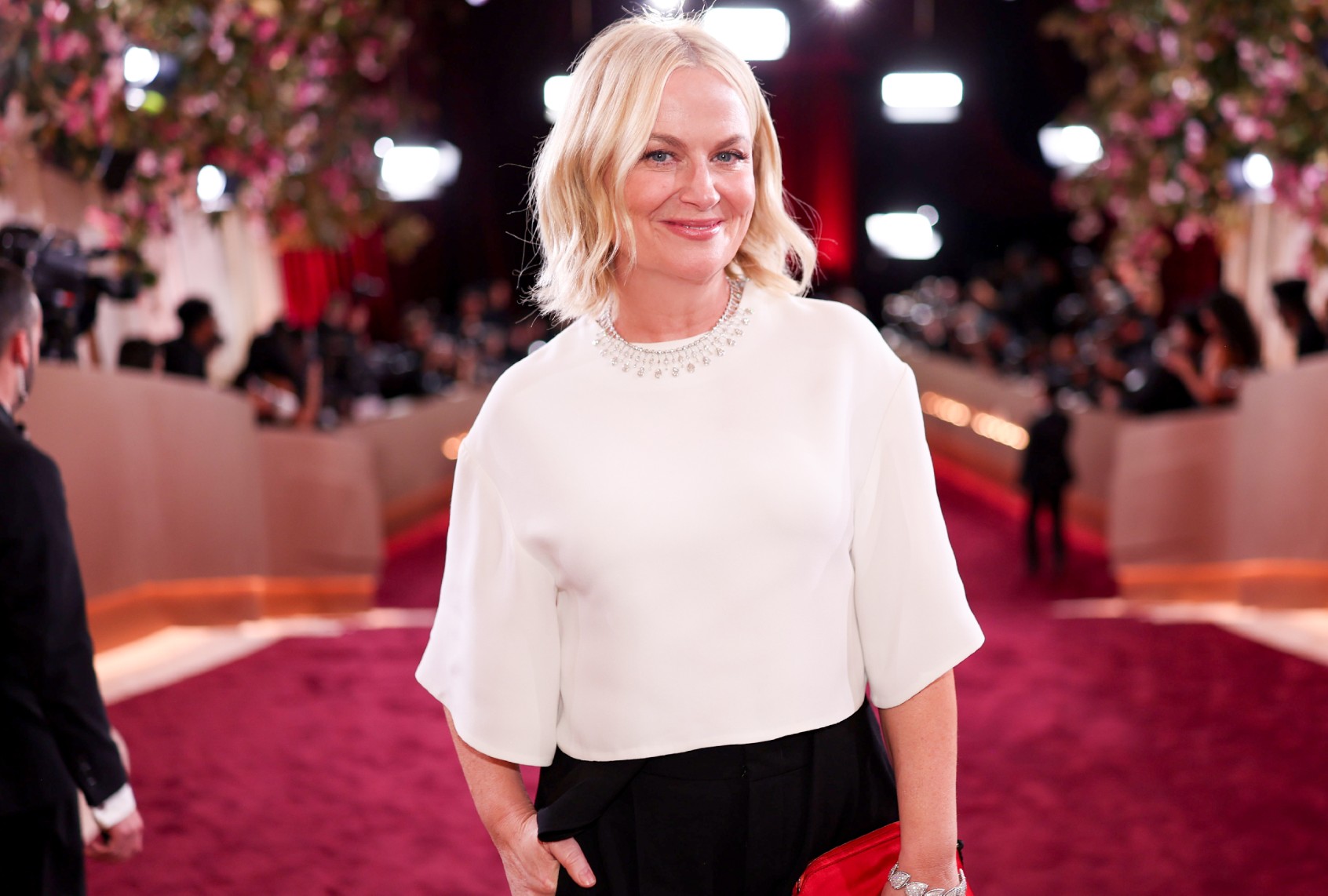
(Christopher Polk/2026GG/Penske Media via Getty Images) Amy Poehler at the 83rd Annual Golden Globes held at The Beverly Hilton on January 11, 2026 in Beverly Hills, California.
Poehler’s brand of positivity, so frequently mirrored in her “Parks and Rec” character, enrages callous conservatives because it wars with the single-minded ideology that our actions are our own and don’t affect anyone else.
But even if favoritism could’ve played a role in the voting, “Good Hang” is more than deserving of its first major accolade. Poehler’s podcast shares a basic format with hundreds of others: A famous host brings famous people into the studio to ask them questions big and small. Yet, “Good Hang” feels different. Poehler is uniquely skilled at threading the needle. As a host, she moves between dark, heavy subjects and lighthearted fare with singular ease. Maybe it’s the result of her lifelong comedy background; maybe it’s some leftover dexterity from her years playing the pollyanna icon Leslie Knope on “Parks and Recreation.” Really, it’s a combination of the two, an amalgamation of curiosity and comedy that is unique to Poehler and allows the viewer or listener (depending on what format you approach the show in) to feel like they’re engaging with a couple of friends — an elevator pitch that innumerable podcast producers have tried to follow through on, but Poehler actually delivers. “Good Hang” isn’t just another celebrity podcast; it’s a genuine service that makes affability accessible when the world needs it the most.
Though if you ask the world’s number one crybaby, Megyn Kelly, what she thinks about that, you’ll get a much different answer. The morning after Poehler’s Golden Globe win, Kelly took to the mic on “The Megyn Kelly Show” to criticize a recent episode of “Good Hang,” saying, “That’s no shock, they gave it to one of their own.” (Whether Kelly was referring to the Globes’ bias or the conservatives’ broad idea of woke Hollywood is anyone’s guess.) “It’s because she has a really, really insightful podcast, which you really feel enriched after watching. I mean, I’ve never watched it, but this is what I hear.” After watching a clip of a recent “Good Hang” episode with guest Gwyneth Paltrow, Kelly mocked, “They’re so relatable. They have busy lives . . . Stars like Gwyneth Paltrow, just like you, right?” Kelly went on to scold Poehler for a brief moment during the episode when Poehler erroneously thought Paltrow starred in the 2003 drama, “Cold Mountain,” saying that the mistake was “embarrassing and disrespectful.”
Whether she’s being herself or playing Leslie Knope, Poehler’s M.O. has long been catching more flies with honey than vinegar. Time and time again on “Parks and Recreation,” the intrepid and plucky Leslie cut through legislative red tape and won over her enemies, and the ones she couldn’t persuade always looked like cold-hearted fools. How funny that the sitcom even featured an amalgamation of Kelly and all of her bad-faith compatriots in Leslie’s frequent sparring partner, local telejournalist Joan Callamezzo. Poehler’s brand of positivity, so frequently mirrored in her “Parks and Rec” character, enrages callous conservatives because it wars with the single-minded ideology that our actions are our own and don’t affect anyone else.
Want more from culture than just the latest trend? The Swell highlights art made to last.
Sign up here
“Good Hang” is the direct opposite, with the spirit of community built directly into the show. At the top of every episode, before the primary guest is interviewed, Poehler takes a brief Zoom call with one of the guest’s friends or collaborators to get a firsthand glimpse into what makes them so special. This bit, although sweet, could get old fast. But Poehler and producers cleverly envisioned an extra step to make it even more fun, asking the friend of the friend to bring a question that Poehler can ask them during the show. This question functions as a way to disarm guests of any nerves and also gives listeners a more three-dimensional view of the episode’s subject. Not that that would be a tough thing to ascertain in the first place, given Poehler’s consummate preparation. The “Cold Mountain” gaffe was a rare instance of a “Good Hang” research flub, one that inadvertently managed to illuminate more of Paltrow’s self-perception. Confused with Nicole Kidman, Paltrow jokingly disparages herself by making a tongue-in-cheek remark that she and Kidman are so comparable — interesting, given that, at least by my own impression, Kidman and Paltrow are quite similar, even if Paltrow has largely moved away from film work. In contrast to Kelly’s point, one might even argue that Paltrow’s response shows that stars are capable of a little humility after all.
But that space for nuance left the building a long time ago. Since Donald Trump entered office, and even in the years preceding his election, America has been increasingly divided and cruel. Now, you’re either right or you’re wrong. You’re either good or you’re bad. And there’s very little room for any gray area in the middle — and certainly even fewer people who want to have an intelligent, patient discussion about these polarities. By the time “Parks and Recreation” finished its run in 2015, the show had been criticized for its relentless sunniness. Viewers and critics were tired of watching Leslie win so easily. As Emily St. James put it for the A.V. Club in 2013, “Leslie Knope shines brightest when she faces off against great difficulty. It would be great if the show she’s on remembered that every once in a while.”
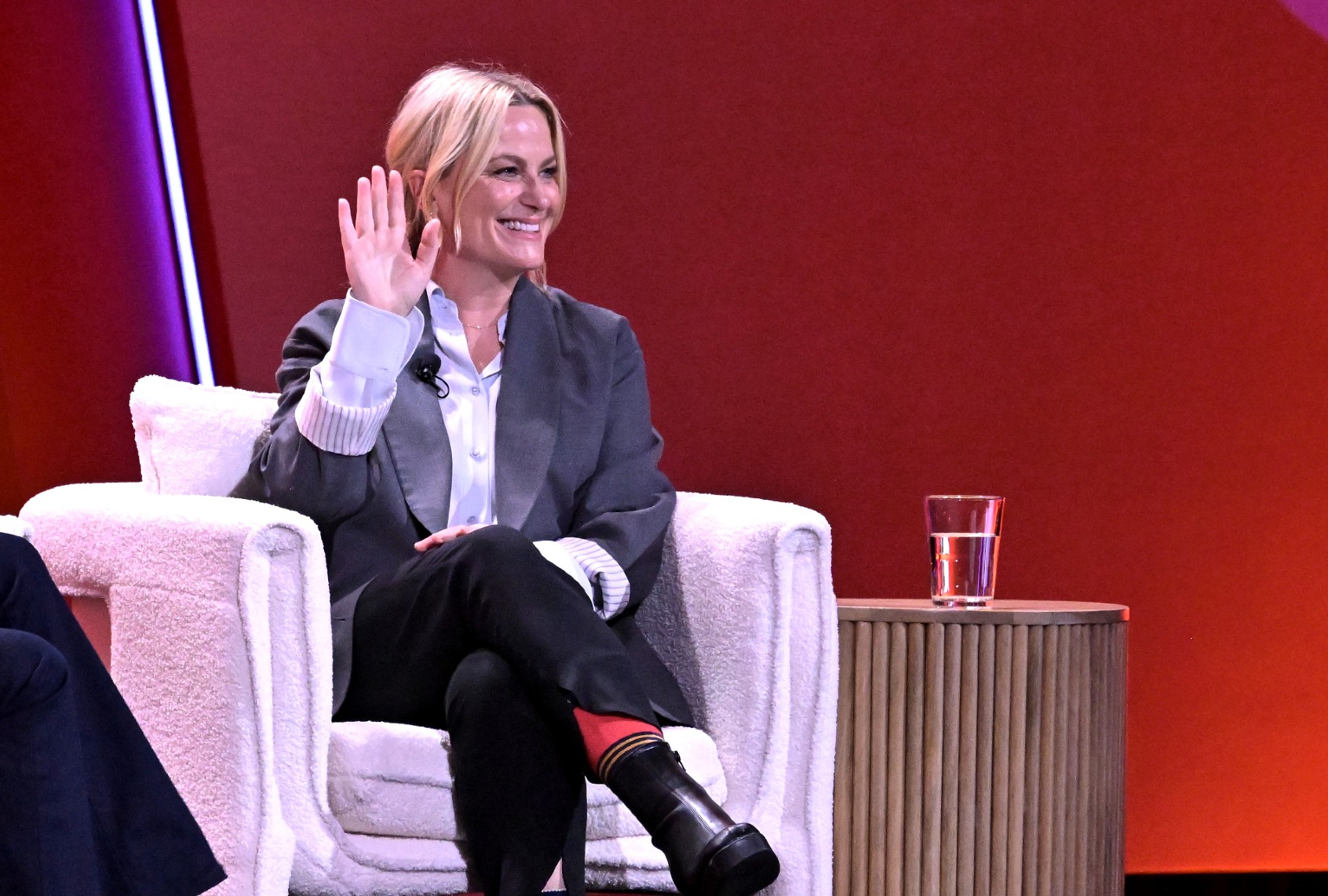
(Chance Yeh/Getty Images for HubSpot) Amy Poehler speaks onstage at “The Art of Yes, And: Amy Poehler’s Improv-Driven Success” panel during INBOUND 2025 on September 05, 2025 in San Francisco, California.
Since Donald Trump entered office, America has been increasingly divided and cruel. Now, you’re either right or you’re wrong. You’re either good or you’re bad. And there’s very little room for any gray area in the middle — and certainly even fewer people who want to have an intelligent, patient discussion about these polarities.
While I can’t disagree, I have to wonder if the response to the latter seasons of “Parks and Recreation” would be the same if they aired today. If only we knew how bad things would get one year after the show ended, and how much we would need a source of true positivity, one like “Parks,” which was optimistic while still being realistic. Even in its most cheerful, easy moments, the show rarely felt like escapism, which is the label often slapped onto much more mindless programs today. It just faced the problem of cramming a narrative into a 22-minute episode, and creating 15-22 of those episodes per season.
We need your help to stay independent
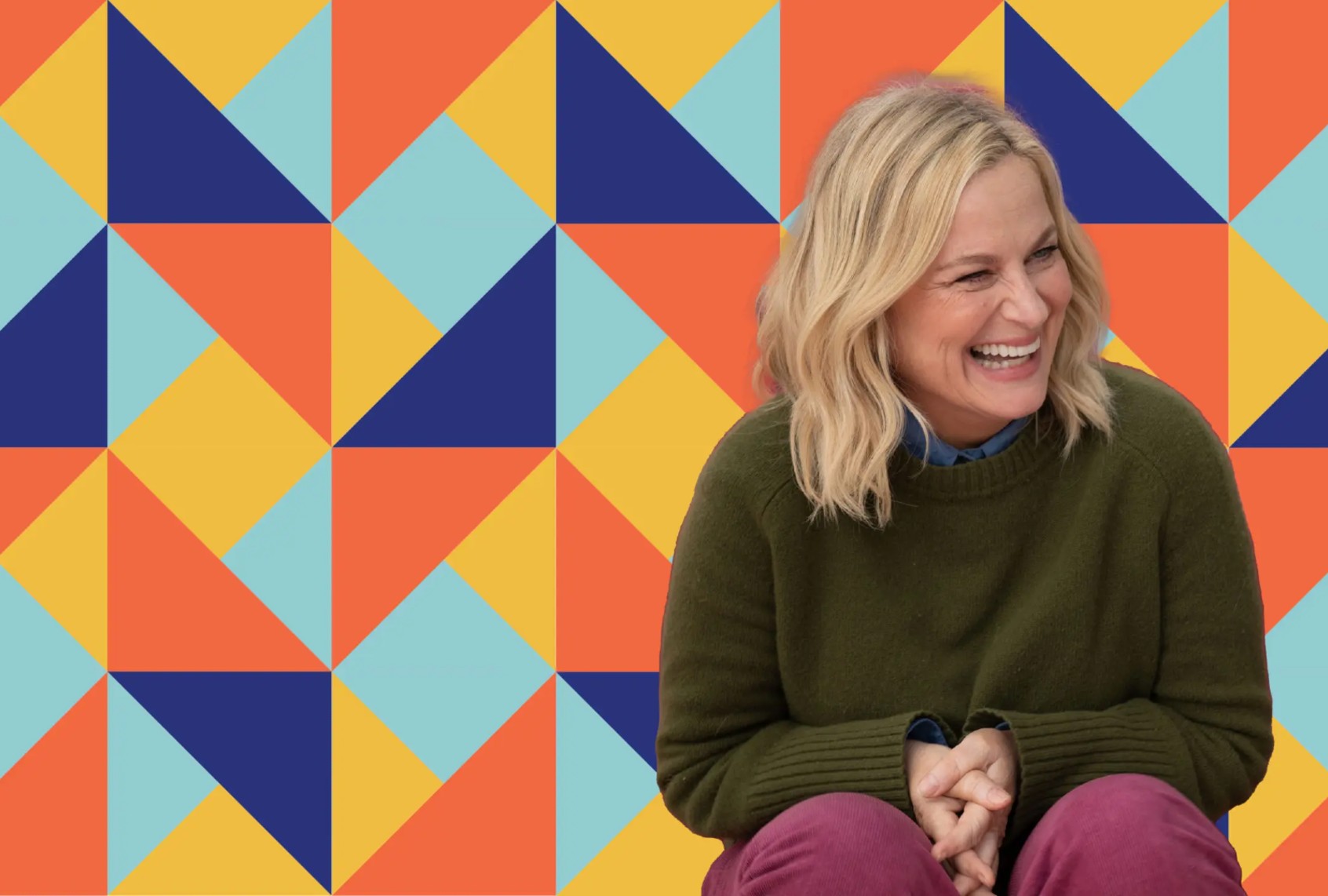
Working with real stories and real people — yes, even famous people are real people — Poehler and “Good Hang” are quickly bringing back the “Parks and Recreation” style of practical hope. The show’s branding even feels somewhat reminiscent of a simpler time, with its colorful geometric art direction and typeface adding a touch of whimsy that’s been noticeably absent from the world at large over the last decade. Even when the show dips into darkness or complicated issues, Poehler is so careful to let her guests speak, to listen and to ask thoughtful follow-up questions that always manage to steer the conversation back to the light, even if it’s not expressly intended to make that pivot.
When Poehler had her friend and “Parks” costar Aubrey Plaza on the show last August, Poehler very softly asked Plaza how she was doing since her husband, Jeff Baena, died eight months earlier. At the time of writing, it’s the only time Plaza has spoken about Baena’s tragic death, and though it was only a quick question, it showed the undeniably beautiful impact that Poehler’s show has, and how much Poehler can connect with both her listeners and her guests. At a time when building and maintaining community is so vital to our ongoing strength, their conversation was a stunning reminder of just how important and meaningful an open conversation between two friends can be, even when millions of people might be listening in.
Read more
about podcasts
