

For those of us in the greater Northeast, frigid temperatures, subzero wind chills and high piles of snow that have now turned into thick blocks of ice remain relentless. Warmth has become both a rarity and a necessity. So, what better way to seek it than in the comfort of our own kitchens?
Last week, I made a case for eating more salads this winter. And while I still believe that enjoying this season’s most prized produce items — raw and uncooked — is a great way to beat cabin fever, that doesn’t diminish the importance of indulgent, comfort meals. Soups, stews, cheesy casseroles and creamy mashed potatoes are just a few popular options that come to mind.
If you’re suffering from the persevering cold and in need of some cooking inspiration, fret not. Here to help us overcome the winter drear, one meal at a time, is Shawn Matijevich, lead chef-instructor of online culinary arts & food operations at the Institute of Culinary Education (ICE).
Here are five chef-approved meals to eat when it’s freezing outside.
“My go-to recipe is a little bit different than your typical clam chowder,” Matijevich says. “I typically just use cream and let that reduce with the clam stock I make, which has carrots, celery and leeks.”
Matijevich prefers using fresh clams, which are added after the carrots, celery and leeks have been sautéed. The clams can be added with their shells. Canned clams are another great alternative.
White wine is added to the clams and the medley of cooked vegetables before the cream is poured in. The chowder is ready once the mixture has reduced and is nice and thick.
Matijevich recommends enjoying bowls of clam chowder with your favorite crusty bread, like focaccia or toasted slices of baguette.
Braised Short Ribs and Polenta
“People are sometimes intimidated by short ribs because they’re kind of tough, but it’s really just time and liquid that does all the work for you,” Matijevich says. He recommends sourcing your short ribs from a local or specialty butcher shop as opposed to the grocery store.
To prepare, pat dry the short ribs and season generously with salt and pepper. In a large Dutch oven, heat the oil and sear the ribs evenly, making sure they’re nice and brown on all sides, before transferring them to a plate. Add your choice of aromatics to the pot. Matijevich says he likes to “bring out the fun onions,” like cipollini or pearl onions.
Add in your choice of red wine to deglaze the pot before adding in short ribs and beef stock. Matijevich prefers using homemade beef stock, but store-bought beef stock works just fine.
“I’ll bring everything to a boil and let that simmer until the short ribs are tender,” he says. The pot is transferred to the oven and cooked for about 45 minutes to an hour.
Matijevich recommends pairing the short ribs with polenta, which has been described as an ultimate comfort food.
“Polenta is really simple to make,” he explains. “I’ll bring the water to a boil and simmer the cornmeal until it’s really nice and soft. The cooked polenta doesn’t really need a lot of extra seasoning because there are tons of flavors in the short ribs and their juices.”
“I’ll typically prepare them as a side dish, maybe alongside roasted chicken,” Matijevich says. “I usually make way more than I need, so then I’ll turn it into a soup afterwards. They’re pretty forgiving in a soup.”
Matijevich’s go-to lentils to cook are French green lentils, which are smaller and rounder in size compared to green lentils. They retain much of their texture and don’t turn into “mush” when cooked, Matijevich says.
For recipe ideas, check out Mary Elizabeth Williams’ Winter Lentils, which are adapted from Susan Herrmann Loomis’s recipe posted by Epicurious. In addition to French green lentils, you’ll need a medium yellow onion, carrots, garlic, bay leaf, vegetable broth, diced cooked ham, olive oil, cracked black pepper, sea salt and za’atar.
A popular wintertime meal, lasagna is decadent yet difficult to make, contrary to popular belief. “People tend to think that lasagna is simple, but it’s actually a bit more complicated than the braised short ribs,” Matijevich says.
That’s because he recommends making your sauces from scratch, instead of buying them pre-prepared from the store.
“I’ll usually start with whatever I have in my freezer in terms of meat,” Matijevich says. “It might be some leftover braised short ribs, or I might use ground beef or sausage.” The meat is then turned into a tomato-based sauce that’s hearty and thick in consistency. Matijevich also makes a white sauce with béchamel and Parmesan cheese.
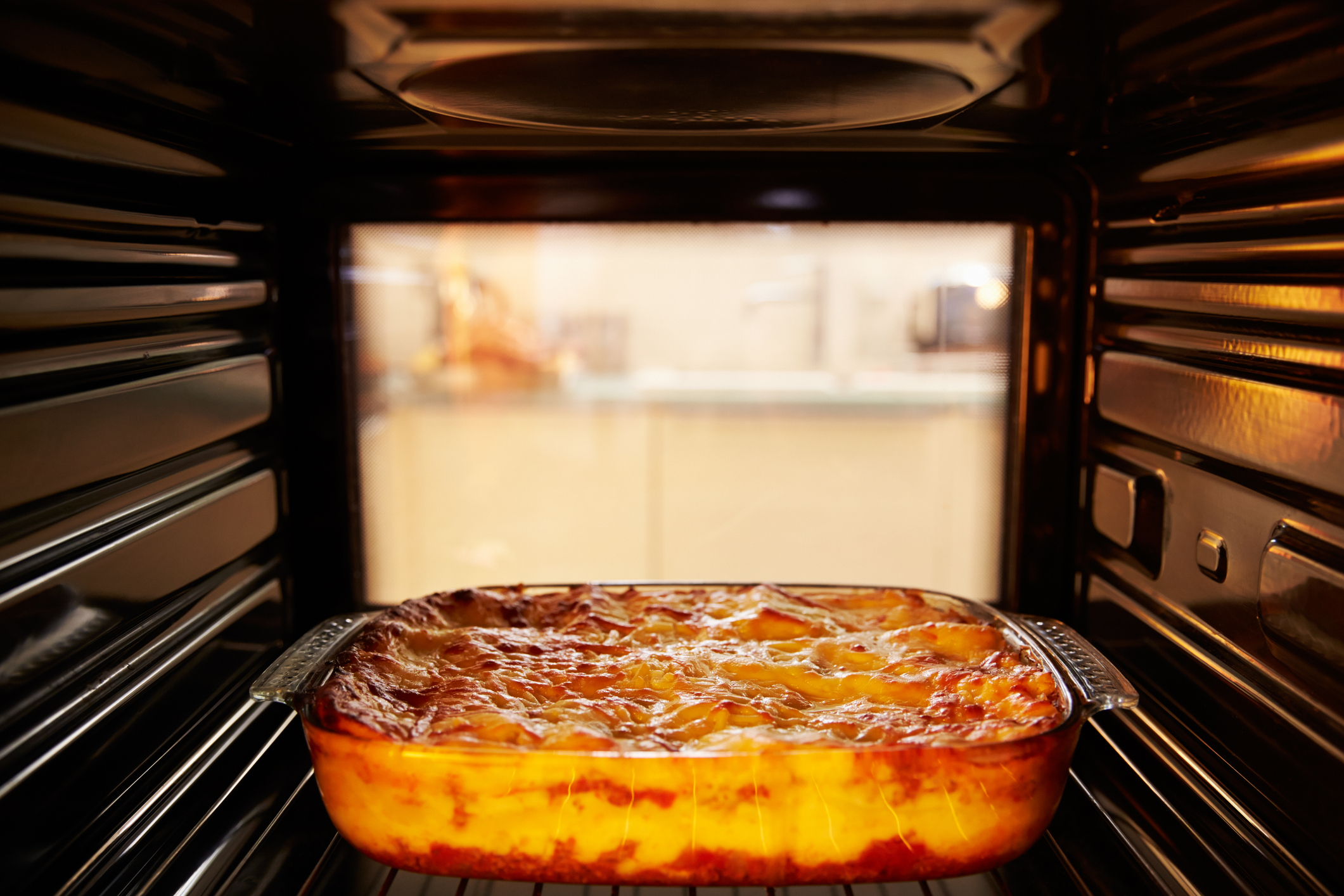
The meat sauce and white sauce are layered between fresh pasta sheets (which you can make homemade, too, if you’re feeling ambitious) and topped with grated mozzarella cheese. The pasta is baked in the oven until it’s golden, crusty around the edges and bubbly.
To make the assembly process easier, Matijevich suggests making the sauces a few days beforehand. It reduces the amount of time you’ll need to spend in the kitchen — and reduces the number of dishes you’ll need to wash after eating a meal that’s guaranteed to put you in a “food coma.”
Although many of these recipes are best made — and enjoyed — homemade from start to finish, Matijevich’s recipe for classic chicken pot pie includes two key ingredients that happen to be storebought: frozen puff pastry and Costco rotisserie chicken.
To make the pot pie, start by cooking together carrots, onion, celery and chicken. “I just take the rotisserie chicken from Costco because they’re already good and I’ll take the meat off,” Matijevich says. You can also use homemade, leftover rotisserie chicken if that’s in your fridge.
The chicken is then incorporated with chicken stock and thickened with roux, which is made by cooking equal parts fat (typically butter) and all-purpose flour together. The mixture is seasoned with herbs, like thyme and parsley, and poured into a casserole dish. A sheet of frozen puff pastry is added on top of the dish and baked in the oven.
Read more
about meal ideas:
