
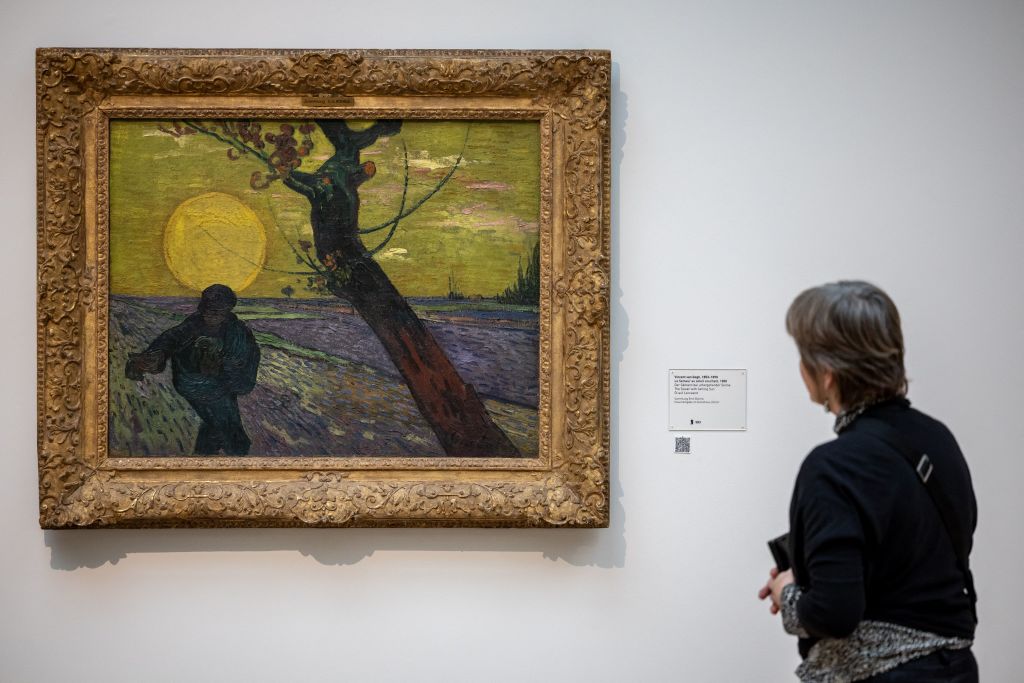

A new permanent gallery at the Musée d’Orsay is drawing renewed attention to one of Europe’s longest-running cultural and historical reckonings: what to do with thousands of artworks looted, displaced or sold under duress during the Nazi era that still have no identified rightful owners.
The space, titled “À qui appartiennent ces œuvres ? / Who Do These Works Belong To?”, showcases works from France’s national “MNR” collection (Musées Nationaux Récupération) — artworks recovered after World War II but never successfully restituted. These pieces remain in state custody while provenance research continues, sometimes decades after their recovery.
According to the museum, the goal is not only display but transparency: to make visible objects whose ownership history remains incomplete and to encourage potential heirs or claimants to come forward. The initiative is part of a broader French effort to confront unresolved cultural losses stemming from Nazi-era confiscations.
During World War II, Nazi authorities and collaborators systematically looted artworks across occupied Europe, targeting Jewish collectors, museums and cultural institutions. The U.S. Holocaust Memorial Museum describes the program as a coordinated effort to strip communities of cultural identity while redistributing art through state and black-market channels.
Today, institutions across Europe continue to grapple with the aftermath of that system. France’s national restitution commission, the CIVS (Commission for the Compensation of Victims of Spoliation), evaluates claims involving looted cultural property and recommends returns when ownership can be established.
What makes the Orsay initiative notable is not simply that it acknowledges this history, but that it embeds it physically inside a major national museum — placing unresolved provenance cases in direct view of the public rather than solely in archives or legal proceedings.
Start your day with essential news from Salon.
Sign up for our free morning newsletter, Crash Course.
Art historians say the approach reflects a broader shift in how European museums handle contested collections: less as settled heritage, and more as ongoing historical record.
In that sense, the gallery does not just display art recovered from war. It displays the unfinished nature of historical justice itself.
