

In the wake of the Trump administration’s recent cuts to public health funding, a foodborne parasite has gone rampant, contaminating everyday food items and holing up unfortunate consumers in the bathroom with explosive diarrhea.
Cyclospora cayetanensis, often referred to as just Cyclospora, has caused an ongoing and widespread outbreak of cyclosporiasis, an intestinal illness that’s typically contracted by eating or drinking feces-tainted fresh produce or water. As of July 13, the U.S. Centers for Disease Control reported more than 400 people infected with Cyclospora across Michigan, Ohio, West Virginia and Kentucky. Nearly 7,000 cases have been confirmed or are under investigation in 34 states since May 1, the agency said Tuesday.
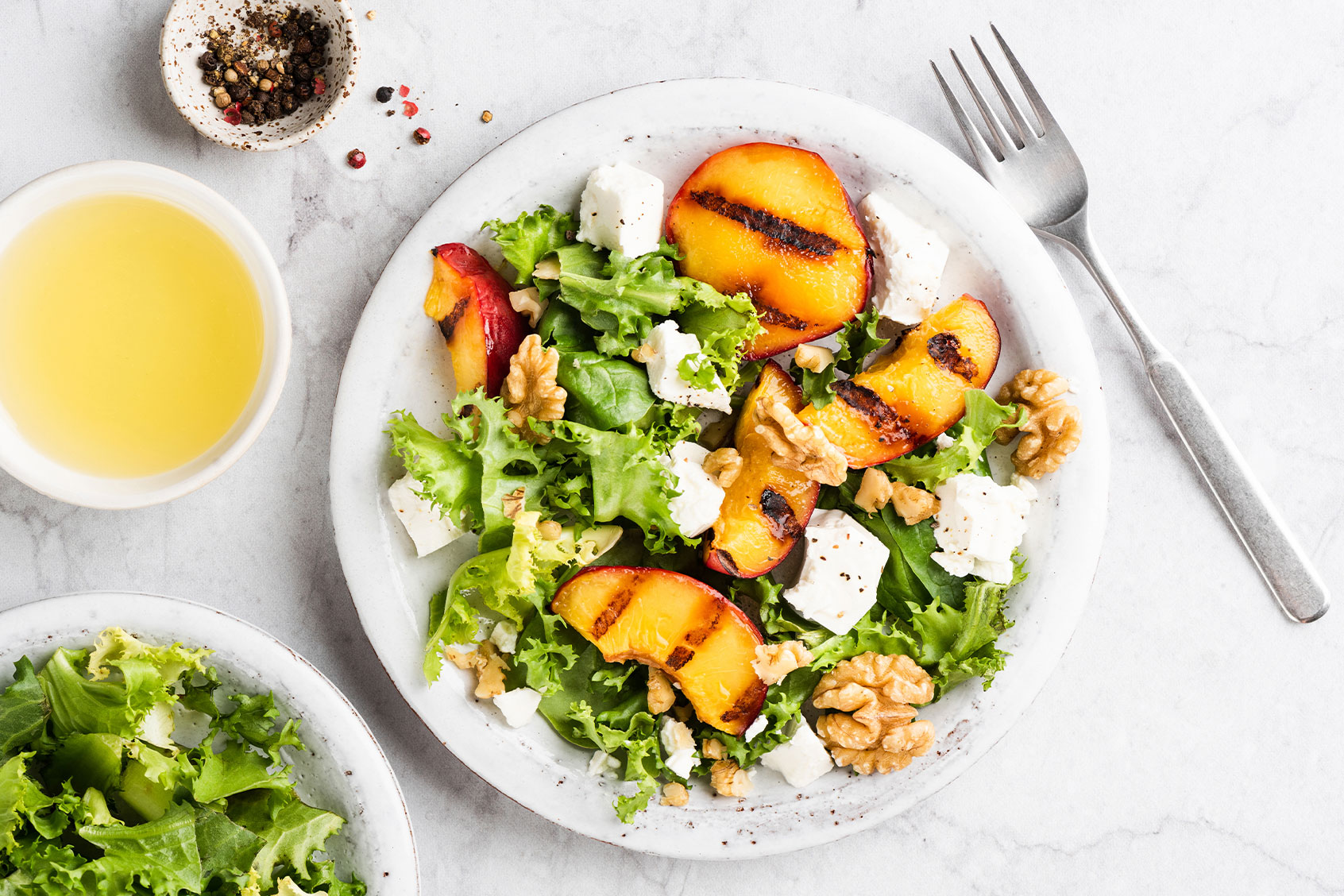
Consumers, however, have been advised to avoid several raw produce items to minimize their risks. Bagged salad mixes and kits have been linked to previous Cyclospora outbreaks in the United States and Canada, according to Michigan health officials. Same with precut or packaged lettuce, which officials urged should be bought whole and uncut. Fresh cilantro (coriander leaves), fresh basil, raspberries, snow peas and green onions are also high-risk foods.
Moldy, bruised and rotten fruits and vegetables should also be avoided.
The epicenter of the outbreak is reportedly in Michigan, where a whopping 3,762 cases have been reported by the Michigan Department of Health and Human Services since June 22.
It’s unclear what the exact source of the outbreak is. Federal health officials said the 400 cases “appear to be epidemiologically linked, suggesting that there could be a common source of these infections.” But a specific food item or culprit has yet to be named.
Want more great food writing and recipes? Sign up for Salon’s free food newsletter, The Bite.
It’s important to note that many of these foods play important roles in our diet, so eliminating them entirely isn’t beneficial in the long-run. Instead, it’s best to cook them to an internal temperature of 158°F (70°C) or higher to kill the parasite, per Michigan health officials. Simply put, this is the time to indulge in a summer cobbler, slurp on a delicious cooked sesame noodle salad, or whip up an easy garden-fresh pasta.
Practicing proper hand washing and washing all fresh produce under clean running water are also key, although they don’t eliminate the risk of contamination completely.
