

Are you having sex? Do you want to be?
These days, there are a million different possible answers to either question. Our culture has confused sex — a relatively uncomplicated, biological thing — with desire, which is an entirely different, much more complex can of worms just waiting to be opened. While the two frequently meet one another on the bed, on the floor or in a back alleyway behind that dive bar on Cherry Street after a few well-tequilas, both of these things are their own animals. It’s act versus thought, performance versus feeling. And yet, sex and desire have become irrevocably intertwined in our modern age, like two sweaty bodies, tangled together, realizing halfway through the deed that they don’t actually have as much in common as they initially thought.
In his first feature film in 12 years, “I Want Your Sex,” veteran counterculture director and perennial cool guy Gregg Araki is looking to have some fun in the technicolor midpoint where sex and desire meet. Sex has played a major role throughout Araki’s filmography, but never in quite such explicit terms as this. His characters — impulsive adolescents and young adults, slicing through their disaffection with sharp bursts of hormonal momentum — typically experience sex as a product of their furious youth. In their eyes, it’s an act of heady rebellion, more in line with the drugs and crime that permeate these underground, nihilistic worlds than it is with true romantic intimacy. So for Araki to dispose of all that to home in on sex itself, rather than building his characters and their worlds around it, there must be a good reason.
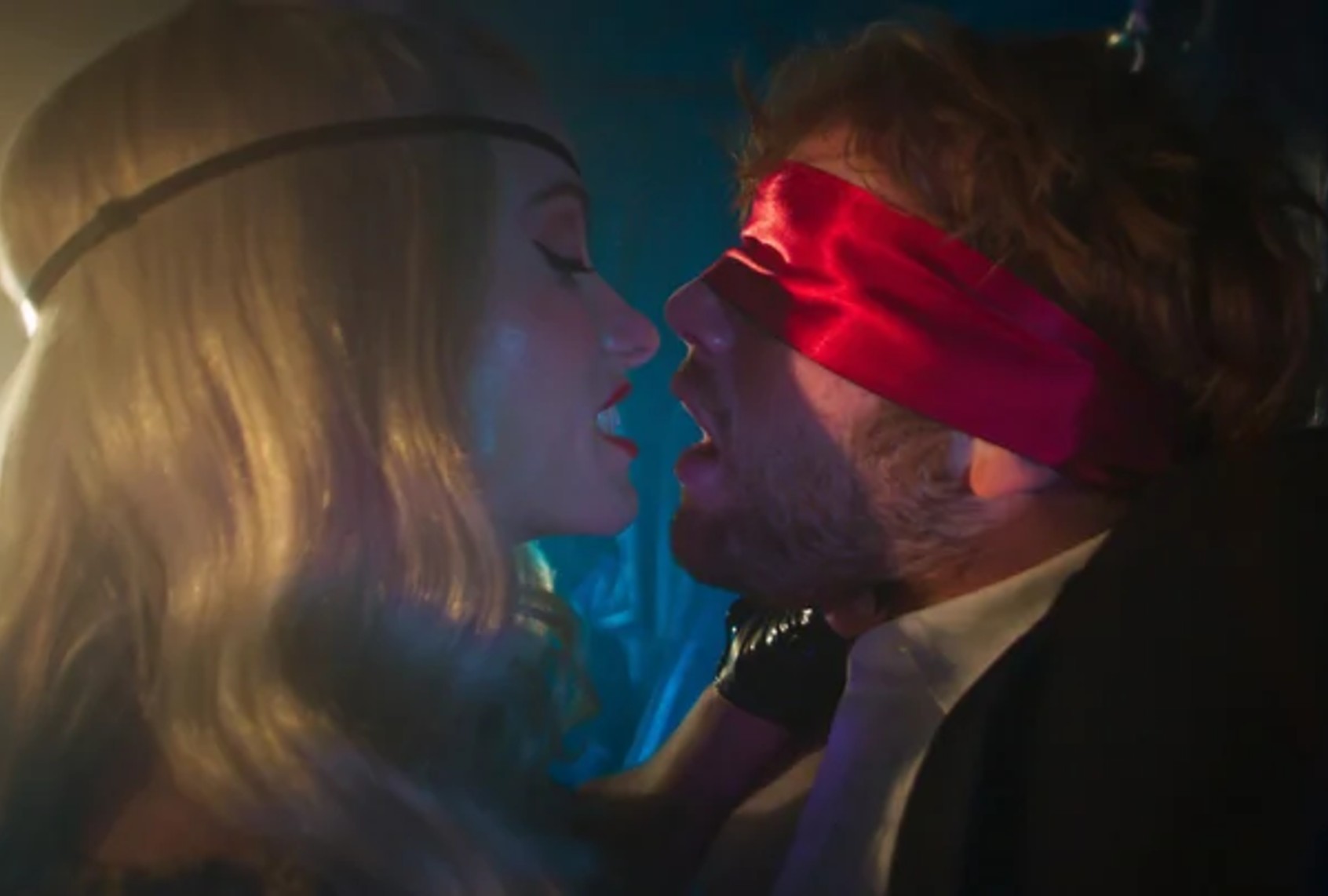
(Magnolia Pictures) Olivia Wilde and Cooper Hoffman in “I Want Your Sex”
By steeping his film in modern hypersexuality, Araki fashions a humorous how-to guide on how to find real, memorable sexual connection in a world where everything is designed to be sexy, but isn’t actually stimulating.
In short: There are plenty. The ’90s-era nihilism that threaded so many of Araki’s films has taken a hard slant toward technological despondency. Many young people act as though life begins and ends with the digital ecosystem. And even if that fact might make you depressed, scrolling will deplete one’s cynicism until it’s replaced by another attention-grabbing post. The simple fact of the matter is that, with so much time spent solitary and online, there’s less time for sex — or even the possibility of it.
And yet, sex (or at least the implication of it) is everywhere. OnlyFans is its own viable economy, with some users raking in millions per year from people who want to live the fantasy through a screen. Manufactured eroticism not only pays the bills but stops the scroll. And, of course, there’s the fact that anyone in the world can access hundreds of terabytes of porn in two measly seconds. It used to be that, if you wanted sex, you had to be forward about it, seek it out to some degree. Now, the proliferation of sex and sexuality has resulted in an ironic prudishness among digital natives, who, as a result of growing up with sex quite literally in the palm of their hands, abstain from intercourse and all the lessons and joy it has to offer. And it’s that reserve that Araki aims at with “I Want Your Sex.”
Yet, for a film with such a bold, George Michael-ripping title, “I Want Your Sex” is curiously unerotic. The characters have sex, sure, but their coitus is so instantly excessive it veers on silly. But that’s also the kind of frisky fun Araki wants his viewers to remember, the outrageous sexual dynamics that are the byproduct of our wildest adventures — exploits that don’t always begin with carnal intentions. By steeping his film in modern hypersexuality, Araki fashions a humorous how-to guide on finding real, memorable sexual connection in a world where everything is designed to be sexy, but isn’t actually stimulating.
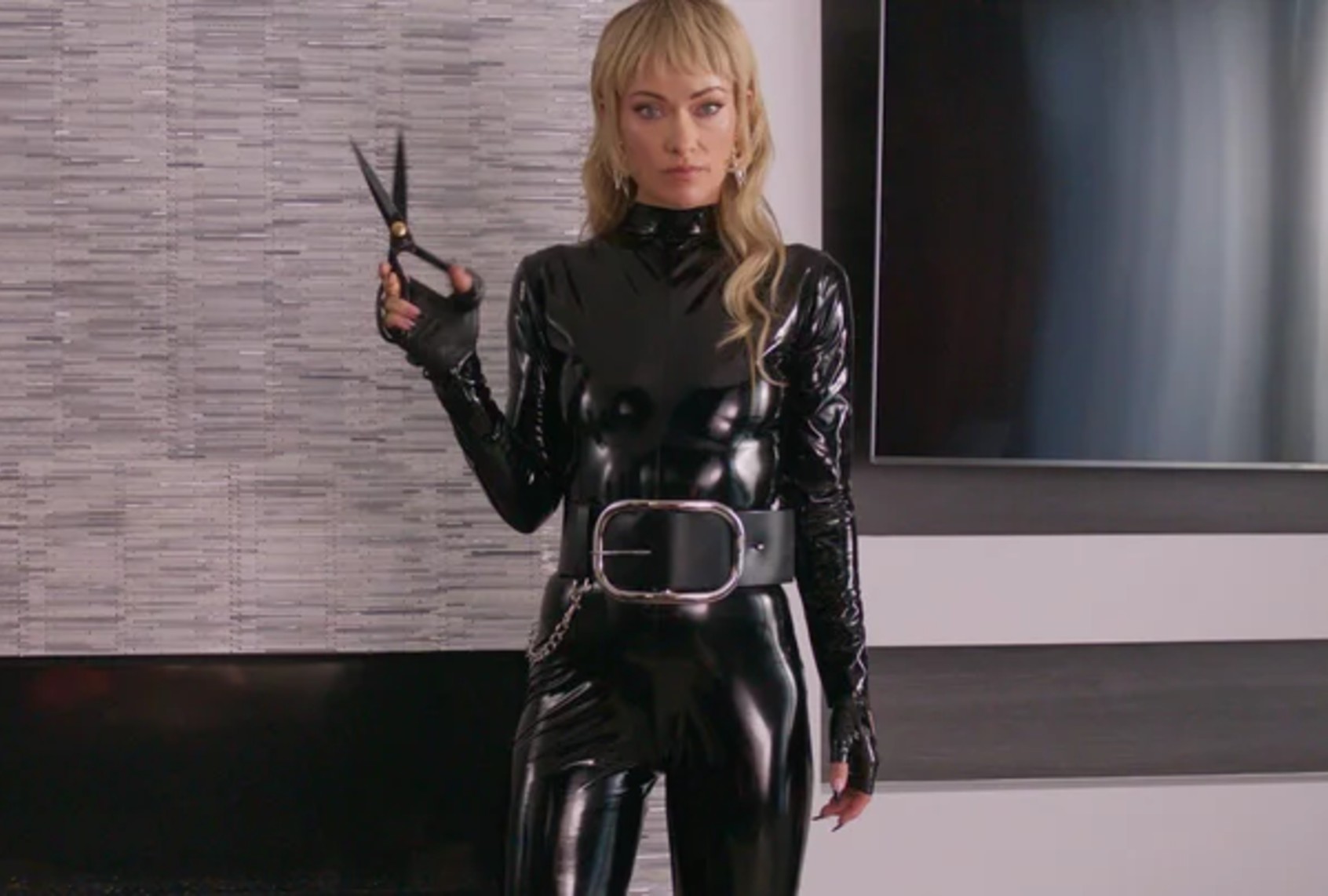
And if anyone knows stimulating, it’s hotshot mixed media artist Erika Tracy (Olivia Wilde, in her second hoot-and-holler role this summer), who’s made a name for herself in the Los Angeles art scene with a dedication to provocation. Her work is suggestive and boundary-pushing, and she’s exactly the kind of person that neurotic Gen Z art scene sycophant Elliot (Cooper Hoffman) would love to work for. After a chemistry-rich interview in her office, Erika hires Elliot on the spot — strange, considering his complete lack of experience and the spate of promising applicants that preceded him in the interview process. But Elliot doesn’t question it. Only later, when he’s tasked with chewing gum to stick onto the outline of a massive portrait of a vulva, does he learn that Erika has a habit of sleeping with her interns.
This piece of gossip soon begins to cloud Elliot’s life and better judgement. His girlfriend, the uptight med student Minerva (Charli xcx, speaking in an accent no one’s ever heard before, with a name no one’s had in 60 years — brilliant), is as cold in the bedroom as she is in the operating room. But Elliot also has no idea how to verbalize his desires. He’s of a generation that overthinks and underperforms. That is, until a wide-ranging chat with Erika in her home results in a proposition: Erika would like to enter into a consensual, primarily physical boss-employee relationship with her inferior, and use their inverse power dynamic to rock Elliot’s world: leashes, S&M, dildos, spanking, the works. But Erika calls the shots. If she says it’s over, it’s over. And there’s nothing like a suspicious, sudden disappearance to pull the plug on a burgeoning sexual connection.
Want more from culture than just the latest trend? The Swell highlights art made to last.
Sign up here
Araki’s screenplay, written alongside his “Now Apocalypse” series co-writer Karley Sciortino, hops back and forth between the time before Erika’s vanishing and immediately after. Her disappearance is mystifying and arousing — for both Elliot and the police. Elliot is abruptly without his sensual supervisor, and his loss is seismic. Left to his own devices with a new sexual skillset, yet still pining for his boss, Elliot is unsure of how to move forward. And it’s this impasse where Araki fleshes out his clever, if not entirely unique, ideas about the innate limits of the libido.
For as much handwringing as there has been about Gen Z’s attitudes toward sex — and whether they’re having it at all, which is debatable — Araki is careful not to indict the youth. He is, after all, famously still babyfaced at 66, a physical spriteliness mirrored in his bright visual aesthetics and effervescent directorial tone. Araki is very much in touch with what young people enjoy and how they operate. He simply wants more for them. Youth is wasted on the young, after all, and Araki’s mission with “I Want Your Sex” is to make it patently clear that the clock will continue to tick whether they choose to get physical or not. So why not give it a try?
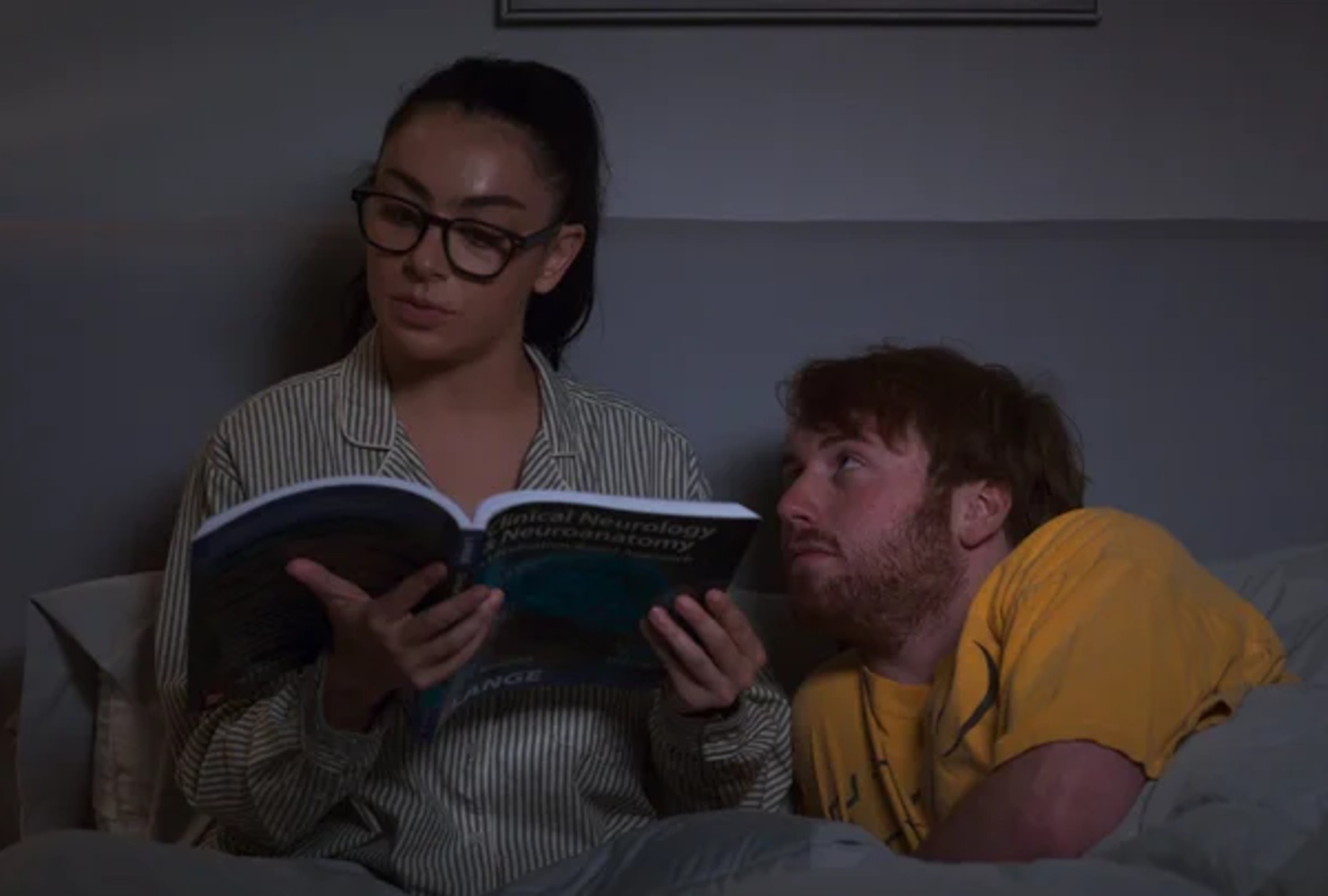
(Magnolia Pictures) Charli xcx and Cooper Hoffman in “I Want Your Sex”
Sex is great, but what we remember most is what led up to it. We recall the excitement of shared energy, the potency of possibility, the spark so palpable it culminated in something intimate and naked. That’s the kind of animal electricity that points us toward our purest selves.
Araki posits that it’s fear holding people back; not just the fear of rejection, but a broader fear of the unknown. As much as I hate to parrot the sentiments of irritable older people who grumble about every kid getting a participation trophy, it is true that we live in a world that caters to our fragile egos. Every possible result for any conceivable situation is spelled out for us via a few quick internet searches. In a time when explainers and how-to guides exist for everything, influencers tell you how to dress and what to buy, and making a phone call has become a Herculean task for many, the margin for error has grown so slim it’s invisible. That also means the potential for surprise has dwindled, too. Humans have adopted an aversion to the casual risks that used to be a part of everyday life. Hazarding heartbreak and embarrassment is too dangerous. But the alternative, as Araki suggests, is an utterly boring existence, where, either way, you’ll always wonder “what if?”
We need your help to stay independent.
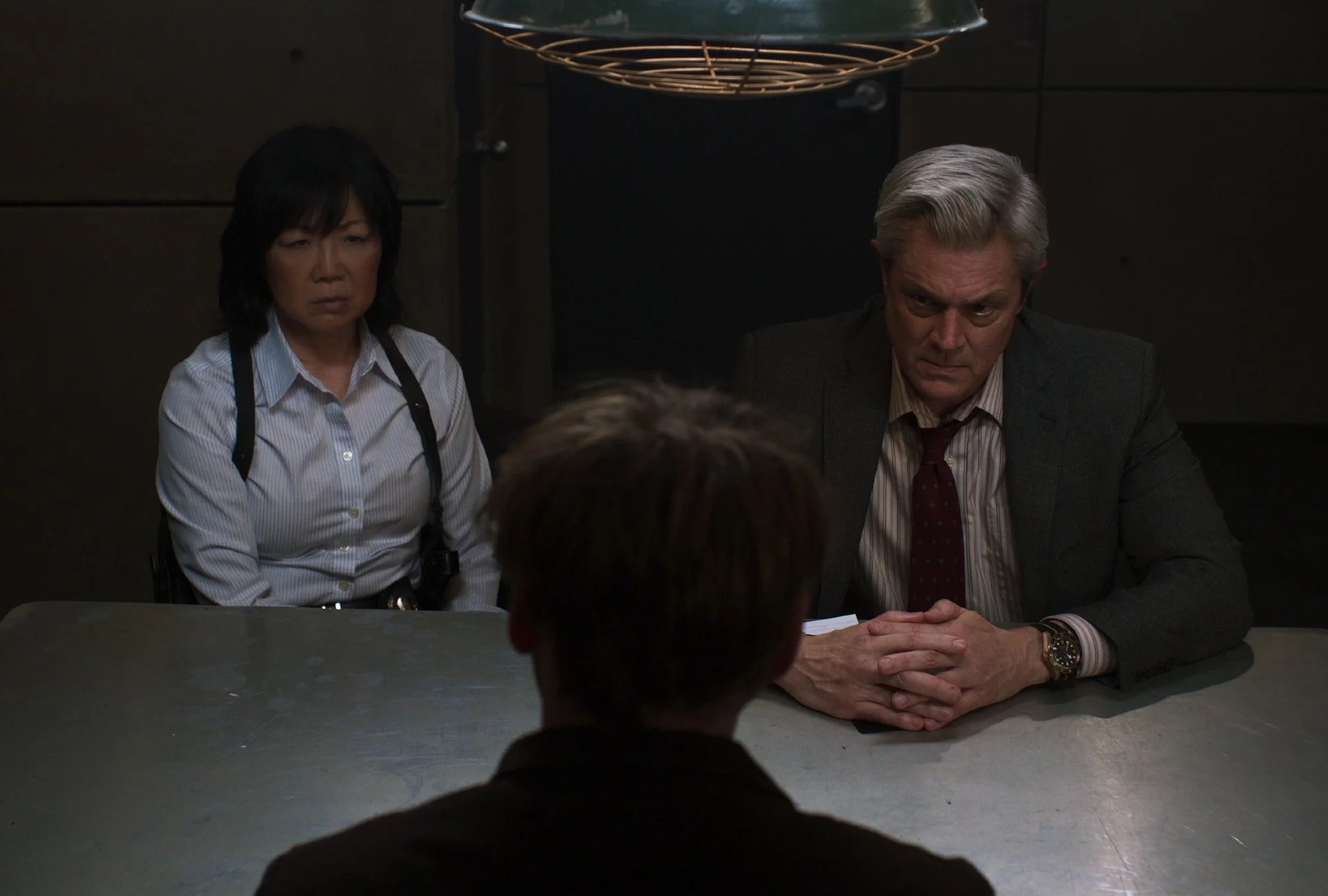
(Magnolia Pictures) Margaret Cho and Johnny Knoxville in “I Want Your Sex”
But just depicting the pleasures of sex wouldn’t be enough to quell all that fear. Members of Gen Z might just fast forward through those scenes anyway, given that they want to see less sex onscreen as it is. Though Erika and Elliot’s intercourse is raucous and sultry, it’s their unpredictable relationship outside of the bedroom that keeps their fire — and the film’s madcap pacing — fueled. Elliot runs around LA doing Erika’s menial tasks until he drops everything at her beck and call. He upends his relationship with Minerva and screws up his best friendship with his roommate, Apple (Chase Sui Wonders). And he demolishes his own ego by throwing himself into something wild and capricious headfirst. He’s chasing the spark and expanding his horizons in the process. Great sex is no longer the goal, but rather a nice bonus.
To some, it may feel like Araki is flattening complex social mores and misunderstanding the anxieties behind this era of semi-celibacy. And at times, “I Want Your Sex” does sorely miss the sharp, scrappy bite of Araki’s early films, which had far more to say than his one-track-minded latest. But there’s an amiable flair to the way Araki conveys an old adage in a new way. It’s not the destination; it’s the journey — and if anyone knows this, it’s someone whose youth was spent pursuing sex, art and feeling at risk of mistake and failure. Sex is great, but what we remember most is what led up to it. We recall the excitement of shared energy, the potency of possibility, the spark so palpable it culminated in something intimate and naked. That’s the kind of animal electricity that points us toward our purest selves. When we fear the act of sex, we don’t experience the desire that leads up to it. And when we don’t have desire, we don’t truly live.
Read more
about this topic
