Poetry
When actors read poetry
A new app puts Dominic West, Ralph Fiennes and W.H. Auden in your pocket

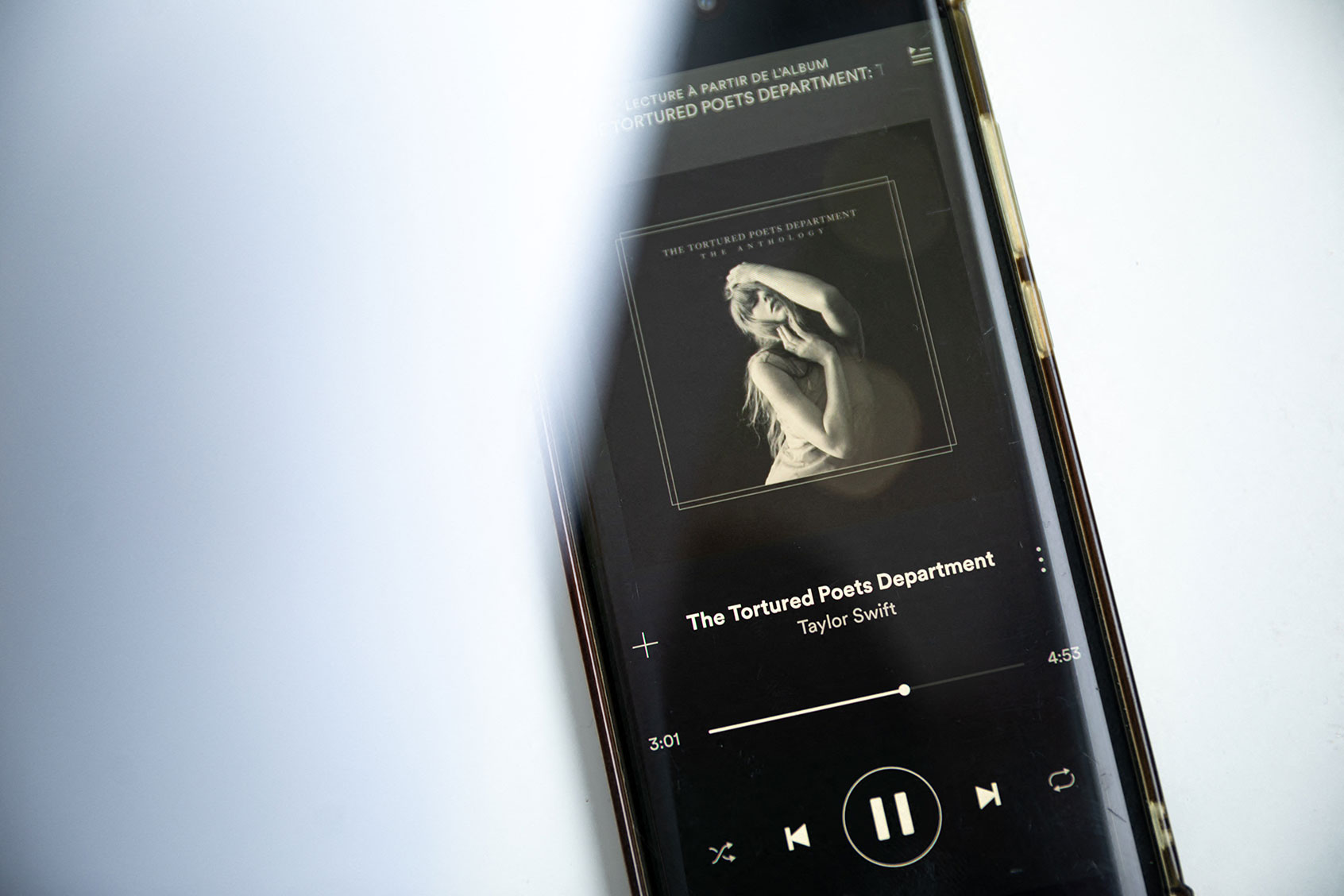
Words That Burn, a poetry app, includes audio and video from the late writer Josephine Hart’s Poetry Hour at the British Library. Beginning in 2004, Hart devoted an evening each month to a poet or two, “introducing and setting their poems in the context of their life,” and staging readings of the work from actors like Dominic West, Harold Pinter and Elizabeth McGovern.
The idea, Hart said, was that understanding “‘the life and philosophy of the poet illuminates the poetry,” which “readings by some of our finest actors then ignite.” In a video introduction, Hart contends that poetry is “the highest form of language, without a doubt.”
Words That Burn features 15 poets, and many more pairings: Dominic West reads Percy Shelley and Robert Lowell; Juliet Stevenson reads Emily Dickinson; Ralph Fiennes reads W.H. Auden. Harriet Walter reads Sylvia Plath; Charles Dance reads Elizabeth Bishop; Elizabeth McGovern reads Lowell and Marianne Moore; and so on. And the app is free, created by the Josephine Hart Poetry Foundation in her memory.

Alongside each recording, the text of the poem appears. Occasionally, while reciting, an actor will add or modify a word, changing the meaning of the text slightly, causing the listener to reflect on the difference between the original and what has been spoken. Some read quickly and brusquely, others languorously.
Dominic West inserts an extra “I” in Lowell’s “Man and Wife.” Harold Pinter is all force delivering Philip Larkin’s “Vers de Sociéte.”

Outside the simple poetry layouts, the graphics are both wonderful and ridiculous. The main navigation screen, presented as a library, features a crackling fire, mounted animal head, and ornate gold portrait frames filled with an overlarge italicized font.
The aesthetic of this room powerfully calls to mind a strange sugar plantation whodunit game that I played in the early ’90s. Other aspects of the design are more evocative of New Yorker caricatures or Monty Python.

Getting around can be tricky. Move a balloon to the center of the screen and click just once on it to select a poem. Make sure not to confuse the app into thinking you want to read the poet’s or actor’s bio yet again. I would provide more guidance here, but I don’t want to mislead you. I still get lost, myself.

Juliet Stevenson’s rendition of “I Heard a Fly Buzz — When I Died—” is particularly lovely — slow and melodious, with pauses where I didn’t expect them, underscoring the gravity of Dickinson’s verse in a whole new way.
Hart herself, as the critic Emma Garman has said, “believed in three major destructive powers: erotic obsession, grief and envy. In her six novels, she anatomized each with an unflinching boldness that was, and remains, unparalleled.” The poetry showcased here tends to reflect those and other dark preoccupations.
Gunter Grass was right
His controversial poem about Israel may have lacked elegance, but it was also a dire warning about war with Iran
Gunter Grass (Credit: Reuters/Susana Vera) With his controversial poem on Israel and Iran, Günter Grass has irritated, provoked and outraged people everywhere. As Germany’s greatest living writer and a Nobel laureate in literature, he has also raised a question both inconvenient and impolite. How can decent people support a preemptive war against Iran for moving ever closer to a limited nuclear capability and, at the same time, turn a blind eye to Israel’s extensive arsenal of existing atomic bombs?
Continue Reading CloseFormer BBC investigative journalist Steve Weissman is at work on a book, "Big Money: How Global Banks, Corporations, and Speculators Rule and How to Break Their Hold." More Steve Weissman.
Frank Browning reported for nearly 30 years for NPR on sex, science and farming. He is the author of, among other books, "A Queer Geography" and "Apples." More Frank Browning.
“The Complete Poems of Philip Larkin”: The sum of a great poet’s work
A new collection of Philip Larkin's poems assembles nearly every verse he ever wrote
There ought to be a law of literary thermodynamics describing the way text tends to provoke and inspire more text, like a rolling stone gathering moss. A great writer, or even a not-so-great one, produces his or her novels and poems and essays; then scholars publish his diaries and letters and notebooks; then critics add their analyses and deconstructions; then biographers set to work on the writer’s life. In the end, the original work seems like the mere nucleus of, or excuse for, a great textual organism, which ends up living its own life, indifferent to the desires of the person who inadvertently gave it birth.
“The Complete Poems of Philip Larkin” caps off a spectacular example of this process. When he died in 1985, at the age of 63, Larkin was famous and beloved on the strength of three short books of poems, which appeared at long intervals: “The Less Deceived” (1955), “The Whitsun Weddings” (1964), and “High Windows” (1974). The slimness of this body of work was partly responsible for its power. A garrulous poet, like W.H. Auden, suggests that the world is endlessly interesting, that many things deserve to be talked over. A costive one, like Larkin, suggests the opposite: that the world is a barren, difficult place, in which only the great and central questions are worthy of discussion.
Adam Kirsch is a writer living in New York. More Adam Kirsch.
Adrienne Rich: Moral compass
The late poet's work explored everything from feminism to the Vietnam War
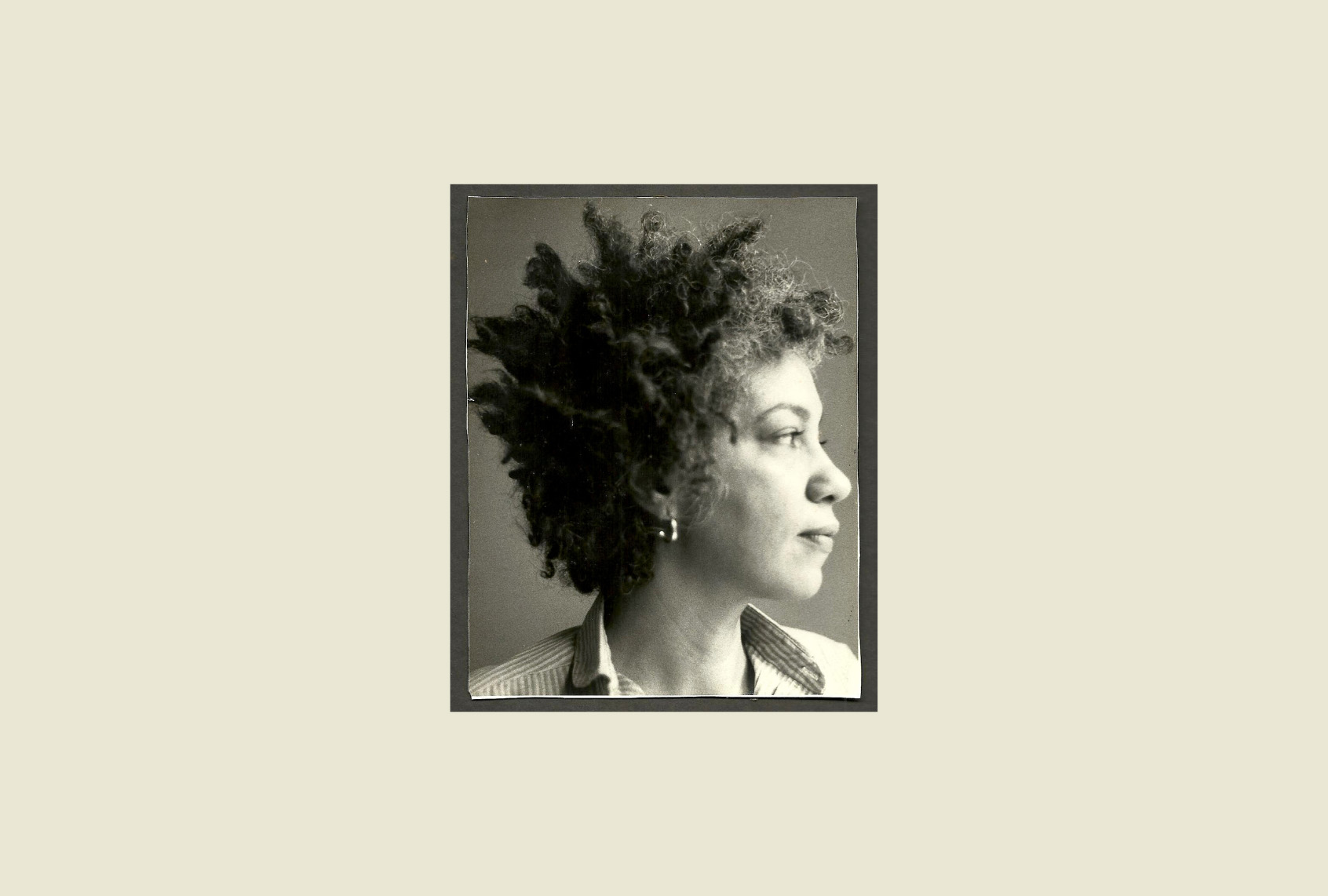
Adrienne Rich (Credit: AP) Adrienne Rich was a major American poet, cultural critic, essayist and activist. Her six decades of verse and prose helped to change what was possible, both in the writing of poetry and in the work for social, economic and environmental justice that Rich herself came to see as inseparable from what she wrote. Nobody in the history of American writing had her combination of powers, and nobody gathered the same array of otherwise disparate admirers: She is both deeply, and widely, missed.
Rich’s first books, in the 1950s, established her formal skill; W. H. Auden selected her debut, “A Change of World,” for the Yale Younger Poets prize when Rich was still an undergraduate, and some of its deftly careful work remains widely taught. She came into her own, however, beginning with “Snapshots of a Daughter-in-Law” (1963), one of the first collections of poems by anyone to bring to light the contradictions, the challenges and the frustrations of life as a woman, a mother, an intellectual and an American artist in those years: Rich in that poem imagines earlier women writers, among them Emily Dickinson, “knowing themselves too well in one another:/ their gifts no pure fruition, but a thorn … iron-beaked and purposed as a bird,/ dusting everything on the whatnot every day of life.”
Continue Reading CloseIt’s time to Occupy Poetry
Merry pranksters call the Poetry Foundation elitist and beholden to Prozac cash. Are they right, or just annoying?
(Credit: YouTube) One evening this fall, two young activists walked through the bright, modern library of the new Poetry Foundation headquarters and marched up to the glass balcony. Some 30 attendees had gathered that evening in Chicago to hear a free poetry reading, and now many turned to view long, hand-painted banners unfurling from the second floor. With solemn fanfare, the two men, members of a small rebel alliance called the Croatoan Poetic Cell, had launched their latest defense of poetry — shortly before someone at the foundation called the police.
Continue Reading CloseThe secret family life of Keats
A new biography explores the intense sibling bond that helped nurture the famed poet's work
“The Keats Brothers,” by the Stanford University professor Denise Gigante, is an account of the lives of the English Romantic poet John Keats and his brother George — yet it’s also a love story of sorts. In her preface, Gigante advises readers to “prepare for adventure.” Although that may sound like overselling, it isn’t. Her book, with its transatlantic sweep and epic narrative — including cameos from John James Audubon, Emerson, and more — offers a detailed study of the stunning vicissitudes of the brothers’ lives. Even those familiar with the poet’s timeline will see it anew through the lens of this intense sibling relationship.
Continue Reading CloseCarmela Ciuraru is the author of "Nom de Plume: A (Secret) History of Pseudonyms" (HarperCollins). She lives in Brooklyn. More Carmela Ciuraru.
Page 1 of 9 in Poetry