
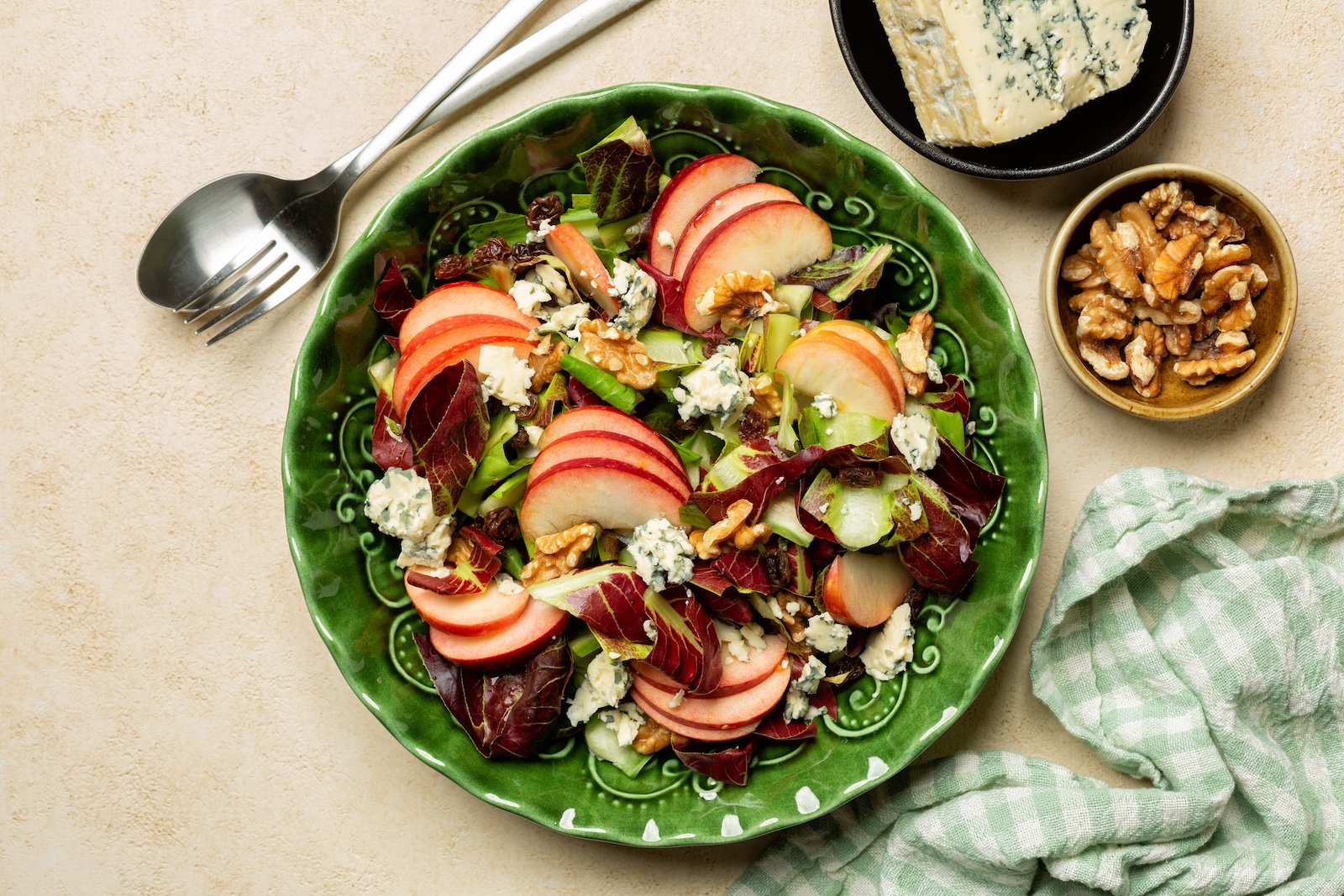

This year, somehow, I careened straight from verdant, crisp summer food — cucumber salads, crisp chicken Caesar wraps, yogurt bowls, smoothies — into the warm-orange-and-brown spectrum of winter. Pastas, curries, stews, really indulgent bowls of oatmeal; many with their requisite pops of green. It’s the kind of seasonal shift that makes you realize: I need vegetables that can stand up to winter, that won’t get lost under all this heartiness.
The inspiration for my inevitable turn toward the winter salad came during a visit to the good grocery’s produce section — aisles of beets, kale, squash and citrus glimmering under the lights — and a growing fatigue with carb-on-carb monotony. Winter salads demand a little more finesse than their warm-weather counterparts, but the effort is worth it. They are not just bowls of food; they are architecture, contrast, and comfort all in one. And if you build them with a few simple steps, they can be hearty, balanced, and endlessly satisfying.
Start with a warm anchor
When I’m building a salad in July, I like to begin with whatever tastes best raw — a tomato that barely needs a pinch of salt, or cucumbers that perk right up with a squeeze of lemon. Winter is different. A cold-weather salad wants heat at its core, something warm enough to soften the greens and make the whole bowl feel like actual food rather than penance. Roasted vegetables are the natural starting point here, and you can choose your vibe: soft and sweet like butternut squash or sweet potatoes; jammy and fragrant alliums (a little roasted garlic is bold, but worth it); crispy-edged brussels sprouts or broccoli; earthy carrots or parsnips.
The beauty is that the formula stays simple — salt, pepper, a glug of olive oil — but this is also where you get to steer the salad’s personality. A pinch of oregano and rosemary if you’re feeling classic and cozy; a dusting of five-spice for something deeper; or a drizzle of honey with orange zest and red pepper flakes if you want a little brightness. None of these are required, but each one is a tiny upgrade that nudges the whole thing in a direction.
Grab hardy greens
Once you’ve got something warm in the bowl, reach for greens that can rise to the occasion. Winter salads thrive on leaves with backbone — the kind that don’t wilt into sadness the moment they meet heat. My go-tos are peppery arugula, baby spinach, bitter-but-beautiful radicchio, a good massaged kale or thin ribbons of collard greens. And honestly? Red and green cabbage deserve more love here; they stay crisp, add color and hold onto dressing like champs.
Want more great food writing and recipes? Sign up for Salon’s free food newsletter, The Bite.
The point isn’t just to pick greens that tolerate warmth; you want ones that transform in its presence. Arugula softens into something plush and peppery. Spinach becomes silky. The edges of radicchio mellow just enough to stay interesting. Kale relaxes. Collards bloom. Warm ingredients don’t overwhelm these greens, they coax out their best selves.
One small, slightly bossy note: leaf shape matters. I’m a year-round evangelist for the chopped “spoon salad,” where everything in the bowl is scoopable and no bite requires wrestling. But in winter, that impulse borders on essential. Smaller pieces catch the warm bits, hold onto dressing and make the whole thing feel intentional. That said, your mileage may vary — I support your right to a big dramatic leaf moment if the mood strikes.
Add a cozy base
Alright, this is where my love for the winter salad really digs in its heels. Sure, there’s always a place for a minimalist little arugula number dressed with lemon, parmesan and black pepper. But winter begs for something heartier. Cozy up in the kitchen with me and spoon just a bit of warm ditalini or oven-roasted gnocchi into your bowl. Not so much that it becomes a pasta salad, just enough to make the greens feel like they’ve got backup. The kind of bowl you crave after traipsing home through slushy streets with cold fingers.
Your “cozy base” has range. Cubed sourdough or cornbread croutons, toasted panko breadcrumbs, crispy rice or quinoa, chewy farro and cooked beans. Anything that adds ballast and soaks up the warm bits without overpowering them earns a spot here. Many of these can be batched ahead and used throughout the week — though sometimes, honestly, it’s nice to let a winter salad be a whole project, an entrée you build with intention.
Add a raw crunch (and something briny for balance)
Once you’ve got warmth and heft in the bowl, reach for one or two bright, crisp elements — the raw, vegetal bits that wake everything up. Thin-sliced celery or carrots, fennel shaved translucent, a few slivers of red onion or scallions, even cucumbers if you’re craving something clean and cold. Beets, shaved brussels sprouts, anything that gives a little snap or chew, something your teeth can find.
Then pair that freshness with one small hit of something aged or brine-y. Think of it as the salad’s punctuation mark. Olives, roasted red peppers, sun-dried tomato, artichoke hearts, marinated mushrooms — each one adds a tiny jolt of savoriness that keeps the bowl from tipping too sweet or too soft. You absolutely don’t need all of them; choosing one or two from each category rounds out the flavor profile beautifully. It’s the contrast that matters. The crisp next to the cozy, the bright next to the deep.
We need your help to stay independent
Lift it with some sweetness
By the time you reach this stage, the salad is mostly built — and adding sweetness feels like setting jewels into a costume. A winter bowl becomes both more decadent and somehow fresher when there’s a little glimmer of fruit tucked inside. Go for dried fruit if you want something chewy and concentrated: cranberries, golden or black raisins, figs, apricots, dates. Or lean toward brightness with roasted grapes, thin-sliced apple, pomegranate seeds or a few citrus segments tucked into the greens. Even a spoonful of jam whisked into the dressing can give the whole bowl a lift. Winter really does need these tiny pockets of sweetness to brighten the bite, and whether you choose something caramelized and dense or something juicy and sharp, that contrast makes the whole thing sing.
Don’t forget cheese (and something nutty for good measure)
I wouldn’t be doing right by my cheesemonger training if I didn’t pause for a quick word about winter cheeses. In a cold-weather salad, you really only need one — two if you’re feeling lush — and I like to think in three big flavor lanes. There’s tang: a gorgeous goat cheese or a Vermont Invierno, all bright edges and creamy center. There’s bold: a blue or Roquefort that brings a little swagger. And there’s nutty: a good crystalline parm or Manchego that adds both salt and depth.
And speaking of nutty, a handful of toasted pine nuts, hazelnuts, pistachios, walnuts, almonds, or even chopped chestnuts never goes amiss. They add that toasty snap that makes every bite feel complete.
End with a fragrant finish
This is the moment where the whole bowl comes into focus — the fragrant little flourish that ties every warm and wintry element together. In the dressing, reach for the flavors that feel seasonal and generous: a thread of maple syrup, a squeeze of winter citrus, a splash of apple cider or its vinegar cousin, a spoonful of fig jam whisked smooth. Fold in winter herbs like tarragon, rosemary, or thyme, or add a swipe of really good mustard for heat and backbone. This is the perfume that settles over the salad and makes it feel like more than the sum of its parts.
Here is my current favorite iteration:
Ingredients
Salad
- 1 medium sweet potato, peeled and cubed
- 1 small fennel bulb, thinly sliced
- 1 cup ditalini pasta, cooked
- 1/2 cup sourdough bread crumbs, toasted
- 2 cups massaged kale
- 2 cups arugula
- 1/4 small red onion, thinly sliced
- 1/4 cup Castelvetrano olives, halved
- 1/2 cup artichoke hearts, chopped
- 3–4 oz goat cheese, crumbled
1 cup grapes, halved
Winter Vinaigrette
- 1/4 cup olive oil
- 2 Tbsp apple cider vinegar
- 1 tsp grainy mustard
- 1 tsp miso
- 1 tsp finely minced rosemary
- 1 tsp finely minced thyme
- Salt and pepper to taste
Directions
- Roast vegetables: Preheat oven to 400°F. Toss sweet potato and fennel with a drizzle of olive oil, salt, and pepper. Roast for 25–30 minutes, until tender and lightly caramelized.
- Roast grapes: Toss grapes with a tiny drizzle of oil and roast for 10–12 minutes alongside the vegetables, until just soft and starting to blister.
- Cook pasta: Meanwhile, cook ditalini according to package instructions, drain, and toss with toasted sourdough crumbs for a little extra crunch.
- Prepare vegetables: In a large bowl, combine massaged kale and arugula. Add roasted vegetables, pasta mixture, red onion, olives and artichoke hearts.
- Make dressing: Whisk together vinaigrette ingredients, then drizzle over the salad and toss gently to coat.
- Assemble: Top with roast grapes and crumbled goat cheese. Serve immediately and savor each layered bite of winter goodness.
Read more
about this topic
