
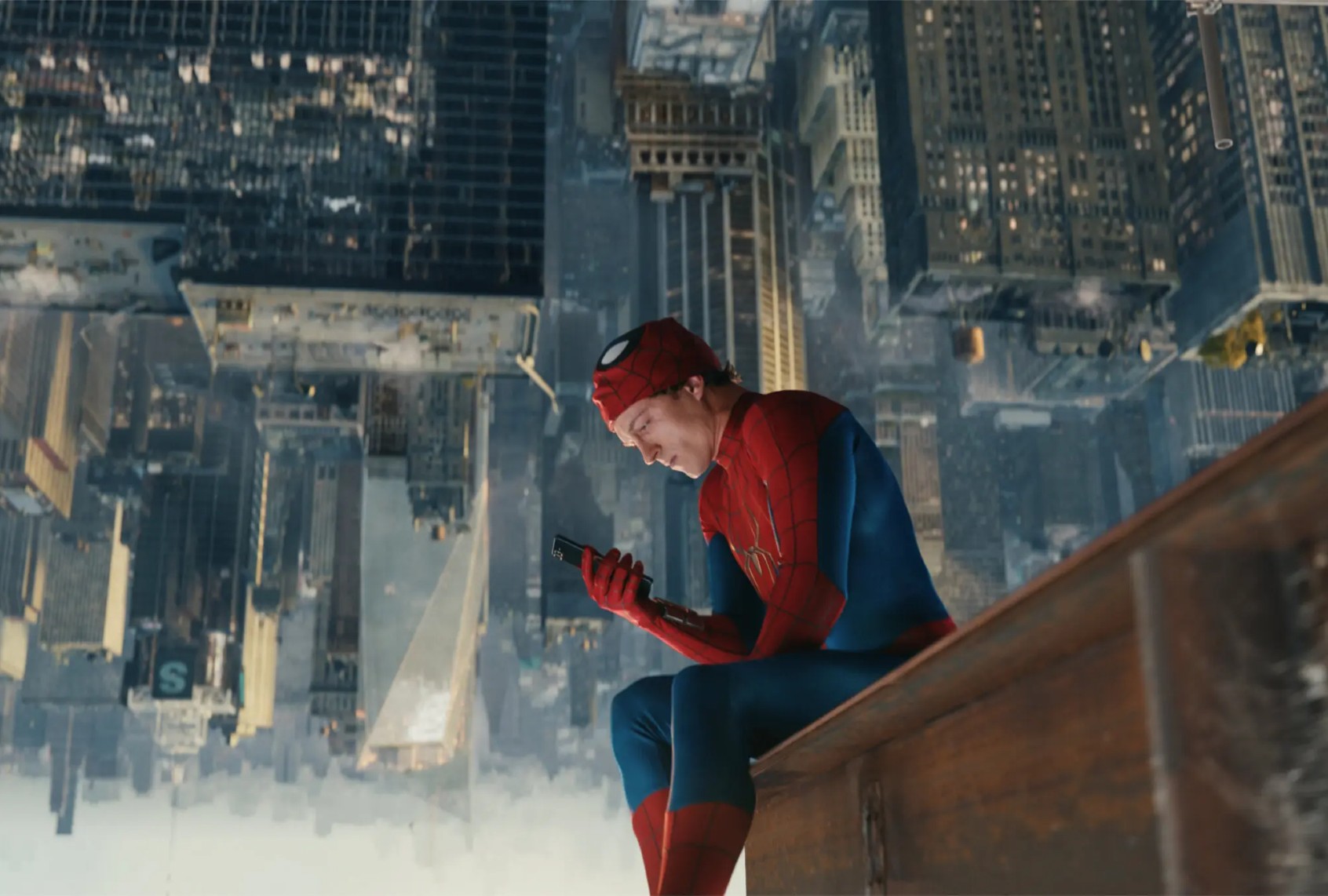

Back in 2007, long before the MasterClass franchise was a thing, Jane Espenson, one of television’s most respected and imaginative writers, wrote an essay/tutorial for The New Republic that breaks down the embraceable genre formula she calls the Chosen One.
It’s a catchy idea that explains why figures like Peter Parker, Luke Skywalker and Harry Potter have a lasting hold on their fans in ways that other heroes don’t.
Although each occupies a distinctly separate universe, Espenson says they all fit the same pattern. “They’re living a life, sometimes a fine one, often a troubled one, but certainly one governed by ordinary rules, when suddenly the curtain is pulled back and a whole new world, or a new set of rules of this world, is revealed,” she said. “And what’s more — and this is the important part — in that new world, they are something special.”
Once I read that simple recipe, it changed the way I thought about every kind of genre fiction, including superhero tales like HBO’s “Lanterns.”
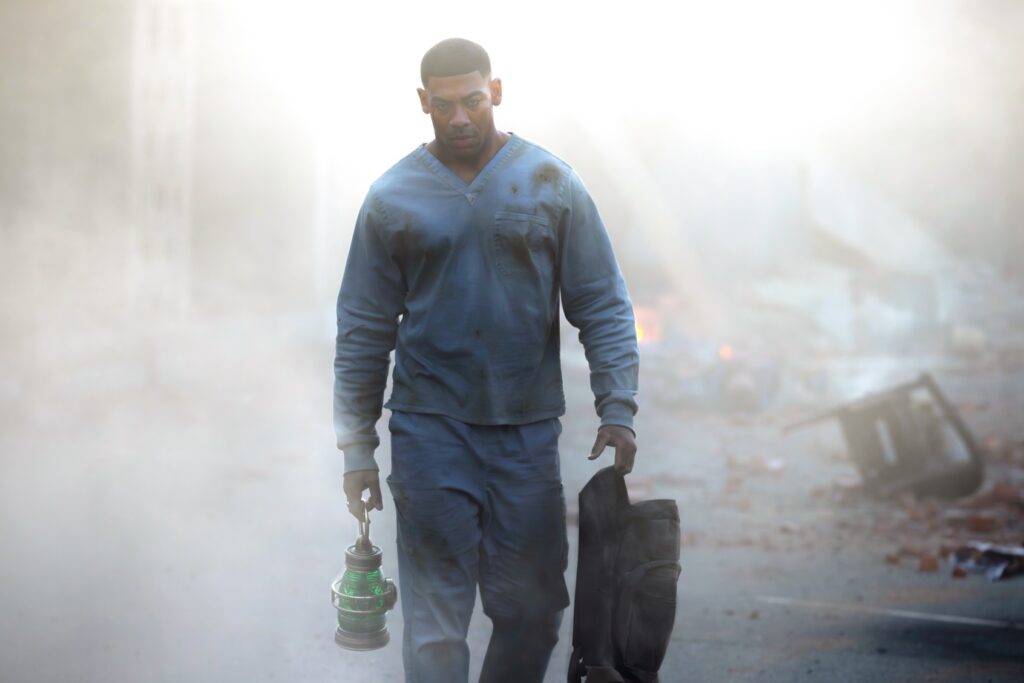
(Courtesy of HBO Max) Aaron Pierre in “Lanterns.”
The Green Lanterns don’t neatly fit into the Chosen One mold, you see. And that may explain why they seem to be less popular than other DC heroes.
I can imagine diehard Green Lantern fans firing up their rebuttals as they read this. After all, the very nature of how Green Lanterns obtain their superhuman abilities involves cosmically empowered rings choosing their wearers. Once the selected become official members of the Green Lantern Corps, they can wield their rings to create astronomical constructs. The top members of the Lantern Corps are only limited by their imagination.
But mainstream culture’s best-known Green Lanterns aren’t orphans or troubled. Hal Jordan and John Stewart are both military men. John is also an architect. They aren’t living drab or depressing lives when the Guardians of the Universe activate them — they’re faring pretty well, all things considered.
Hal and John also stand apart from other test pilots, Marines and field experts in ways that make them not merely suitable choices for superheroic duty but worthy of it. This, I think, is the difference between Espenson’s Chosen Ones and heroes like the Green Lantern. Hal, John and the rest must work to be worthy of their power.
Worthiness is a tougher bar to clear than being chosen for greatness. The Chosen Ones Espenson cites are part of a destiny ordained either by their bloodline or some greater lineage. What makes a Chosen One common in their society marks them as extraordinary once they cross the threshold into the fantastic.
And some heroes are Chosen at random. That radioactive spider that transformed Peter Parker into Spider-Man could have bitten the class moron just as easily. The tornado that transported Dorothy Gale from dusty Kansas to vibrant Oz might have swept up the village idiot instead.
The idea that anyone can suddenly be endowed with superhuman specialness simply by being in the right place at the right time is a little like daydreaming about winning the lottery. So it’s entirely understandable if most of us aren’t into the labor aspect of the Lanterns’ audition process.
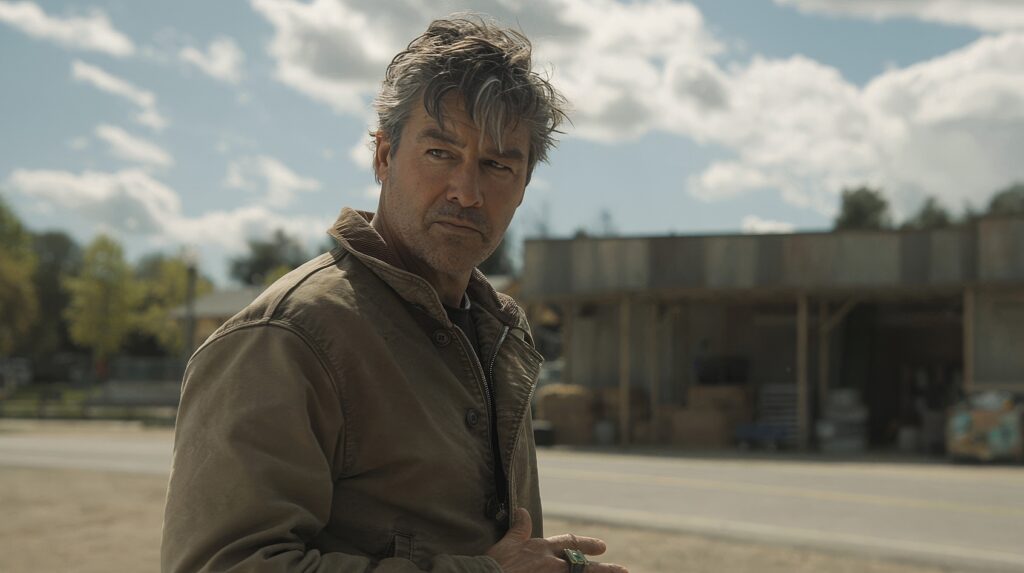
(Courtesy of HBO Max) Kyle Chandler in “Lanterns.” Courtesy of HBO Max
If the box office is a fair, measurable indicator of how the public feels about these superhero archetypes, guess what? Espenson’s theory still holds: Chosen One stories still rule.
Looking at a BoxOfficeMojo.com ranking of all the Marvel feature films to date, the only solo act to appear twice in the “Avengers” dominated top five is Spider-Man, by way of “Spider-Man: No Way Home” and “Spider-Man: Brand New Day.”
Meanwhile, the introduction of the Worthiest of Earth’s Mightiest Heroes in “Captain America: The First Avenger” ranks #52 on a very long list.
About that. Two caveats, and they’re big ones, have to do with the quality of certain heroes’ movie introductions and America’s longstanding genuflection before elites.
Mainstream culture’s relatively lower esteem for the Green Lantern is absolutely related to cartoonish interpretations of his power in live-action depictions. Comic book versions of the Green Lantern toss around the power of the cosmos. When Lantern Corps members unite their rings’ powers, they can move planets. That has never been adequately portrayed in theatrical features.
We need your help to stay independent.
In animated renditions streaming on HBO Max, the Green Lantern fares much better. Avid “Justice League” and “Justice League Unlimited” viewers recognize John Stewart as being held in equal esteem to the Big Three (i.e., Superman, Batman and Wonder Woman), especially in a crisis.
In the most recent “Superman” and 2011’s “Green Lantern” starring Ryan Reynolds, the way that Guy Gardner and Reynolds’ Hal Jordan toss around cartoonish CGI bubbles or massive green mallets falls short of conveying the Lantern Corps’ two-fisted punch of willpower and vision.
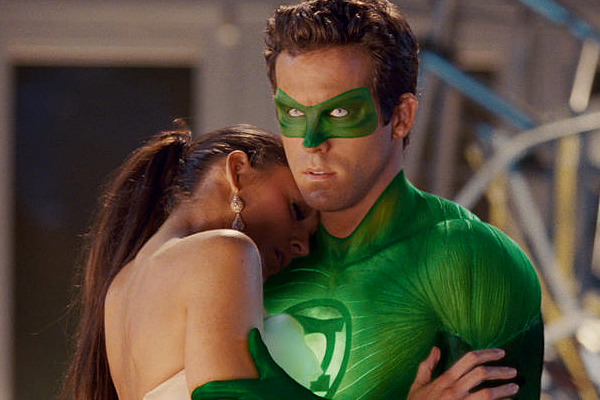
Blake Lively and Ryan Reynolds in “Green Lantern”
Also, not all heroes neatly fit into the Chosen vs. Worthy popularity equation. Superman, Wonder Woman and Thor were born to greatness. America’s most-loved fictional titans, Tony Stark and Bruce Wayne, have bottomless wealth to fund their vigilante adventures, making them especially mesmerizing to an audience raised on rags-to-riches fables.
To a man and woman, they made themselves Earth’s protectors because they have the means and muscle to take on the job. And once Stark Industries and Wayne Enterprises bankroll their respective super-squads’ fortified headquarters, they attract the universe’s talent. By their nature, Earth’s Green Lanterns are a natural fit to serve the Justice League’s governing inner circle. They’re also the only leaders who answer to other bosses. (Boo.)
Want more from culture than just the latest trend? The Swell highlights art made to last.
Sign up here
But what some perceive as a negative makes the Green Lantern legend appealing to others, especially those driven to ascend through ambition and hard work.
HBO’s “Lanterns” is the first series to explore how that idea unfurls in a society that functions like our own — that is, one in which all things aren’t equal, and superheroes have a reputation for doing as much harm as good.
Maybe “Lanterns” can inspire us with its portrayal of worthiness. But it may take more than one good show to turn the tide of the Green Lantern’s reputation. Much as we respect that with great power comes great responsibility, it’s a lot dreamier to imagine what we could do with all that might if it were simply handed to us.
“Lanterns” premieres at 9 p.m. Sunday, Aug. 16 on HBO and HBO Max.
Read more
from Salon’s Culture newsletter, The Swell
