
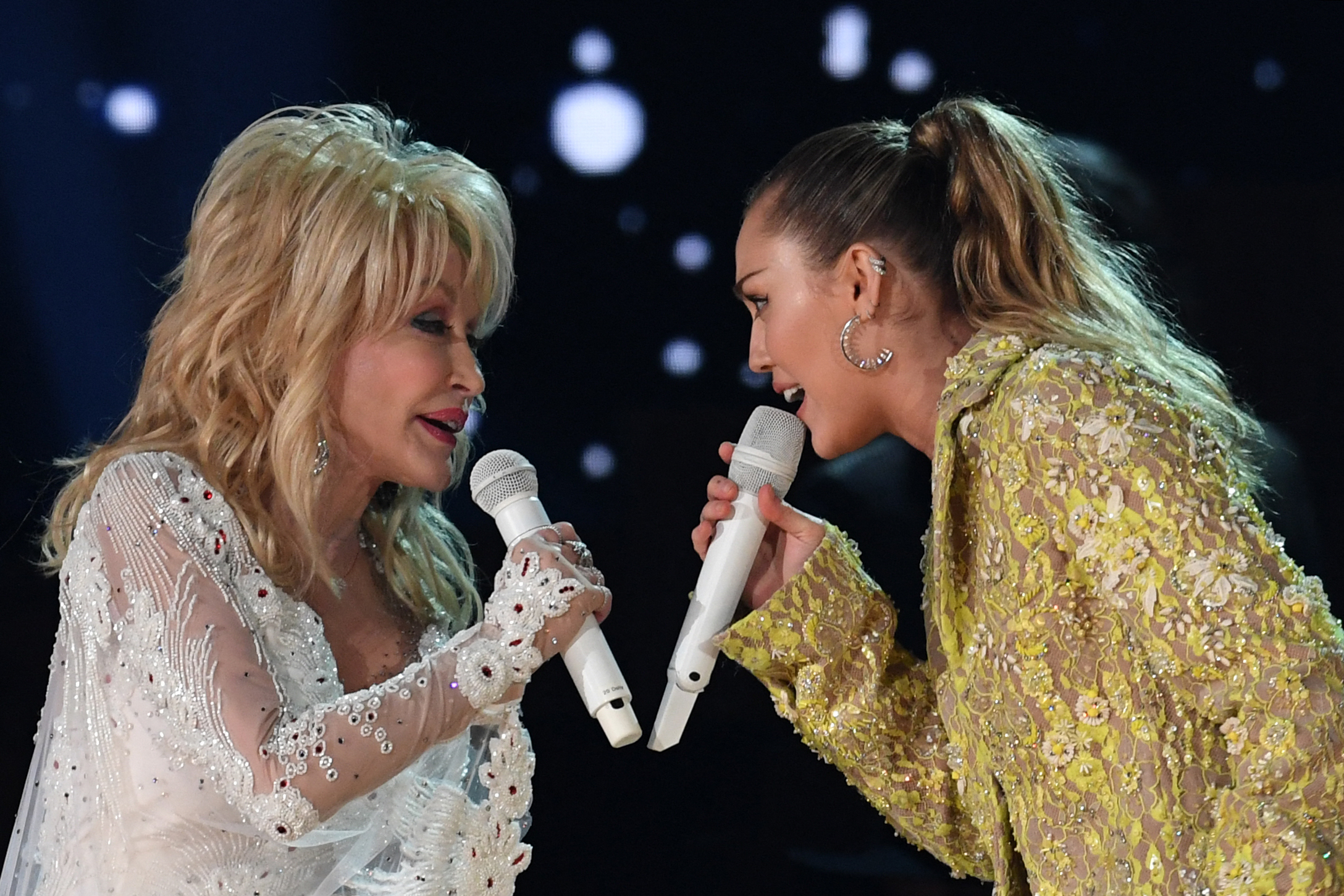

Days after Dolly Parton died, we’re still discovering ways that she made people’s lives better. Whether through her body of work or quieter philanthropic contributions, Parton made it clear she wanted the best for humankind. Everybody loved Dolly because Dolly rooted for everybody.
Trying to rank her best songs, however, is where her unifying powers hit a wall. Parton once estimated that she composed or collaborated on more than 3000 tunes in her lifetime, recording some 450 of them. That drive, talent and output won her 11 Grammys, including one for Lifetime Achievement, and earned her 55 nominations.
Ticking off essential titles without much fuss is easy, but was “Jolene” better than, say, “9 to 5”? Would you rank “Coat of Many Colors” more highly than “My Tennessee Mountain Home”? Don’t even get the Dolly Parton scholars started. Actually, I take that back – consulting her most devoted fans will open new frontiers for you.
Since I know Parton’s discography more broadly than deeply, I’m steering this musical road trip in a slightly different direction. I’m highlighting a collaboration that shows how in tune she was with every generation and peeking at a few of my favorite covers.
We’re all familiar with the most famous those: Whitney Houston’s version of “I Will Always Love You,” a song Parton originally devised as a tribute to Porter Wagoner. Since its excellence needs no explaining, here are a few others that are as worthy of our appreciation, including a heartwarming duet that epitomizes Parton’s universal appeal.
“To Daddy,” Emmylou Harris
Like many of the best covers, Harris sings this young girl’s chronicle of her long-suffering mother’s sacrifices with such natural assurance that you’d think “To Daddy” had been written for her. In fact, the deeply personal lyrics were inspired by Parton’s mother and her exhausted loyalty to a husband who strayed and took her for granted. Harris’ feather-light soprano is intoxicating, even when the story takes a sobering turn and the protagonist’s mother decides she’s had enough.
Although Parton recorded it in 1976, the track was ultimately left off that year’s album release, “All I Can Do.” She went on to include it on her 1995 compilation, “I Will Always Love You: The Essential Dolly Parton One.” Harris’ version, released in 1977, rose to No. 3 on Billboard’s Hot Country chart and is still the best-known rendition of the song.
“Rainbowland,” Miley Cyrus
Anyone who listens to this single on Cyrus’ 2017 album, “Younger Now,” can hear Parton’s bubbly voice behind that of her goddaughter, nestled between samples of phone messages the legend left for the pop songstress. But Parton also collaborated on its peppy composition and stood by Cyrus when, in 2023, a Wisconsin elementary school banned its students from performing it because of the song’s inclusive messaging and its embrace by the queer community.
One of its teachers posted about the ban on X, prompting Cyrus’s nonprofit organization, Happy Hippie Foundation, to publicly encourage the affected first-graders. “Keep being YOU,” it posted on social media. It also committed a donation to an organization that distributes LGBTQ age-appropriate books to schools for free.
We need your help to stay independent.
“There’ll Always Be Music,” Tina Turner
In 1974, Ike Turner produced Tina’s solo debut, “Tina Turns the Country On,” to broaden her fanbase beyond the R&B faithful. While Tina Turner didn’t draw many honky-tonk regulars into her fold with this big swing, the album has since won renewed appreciation for Turner’s way of returning country to its Black musical roots. No other track on the album evokes that idea better than her cover of Parton’s classic, which begins with a minimalist piano accompaniment. From there it opens up, like a flower bud warming to summer, with acoustic guitar strumming, a gentle rhythm section and a gospel choir echoing with otherworldly lightness. This is what happens when one verified great channels another: We get a hint of what heaven might sound like.
“Dagger Through the Heart,” Sinead O’Connor
Parton’s upbeat performance of this tune is deceptive. If you ignored the lyrics, which is impossible, you might not even recognize it as a heartbreak anthem. But O’Connor leaves no room for misinterpretation. While she maintains the country spirit of Parton’s delivery, O’Connor’s version drops the melodic key by a few rungs, emphasizing the hangdog lament of its protagonist cursing their foolish addiction to a faithless lover who tosses them around “like a used box of crayons.”
Whether O’Connor owns her take on Parton as wholly as she does Prince’s “Nothing Compares 2 U” is debatable. Still, her transformation of Parton’s clouded sunshine into a feral ache is stunning.
“Everyday People,” Dolly Parton and Kermit the Frog
While Parton’s most obvious Muppet counterpart is Miss Piggy, her duet with Kermit the Frog, performed on a 1987 episode of her variety show, encapsulates everything we adored about her — and him. Sly and the Family Stone’s message of overcoming prejudice and treating everyone with dignity, including ourselves, matches their steadfast dedication to making all their fans feel loved, especially children. We all recognized Dolly Parton’s specialness, but her true magic was in constantly reminding her audience that each of us is special, too.
Want more from culture than just the latest trend? The Swell highlights art made to last.
Sign up here
Read more
from Salon’s Culture newsletter, The Swell
