
Immy Humes

Can Occupy Wall Street work with the jobless?

The long-term unemployed go to a General Assembly hoping for support for their job demands. They got something else VIDEO

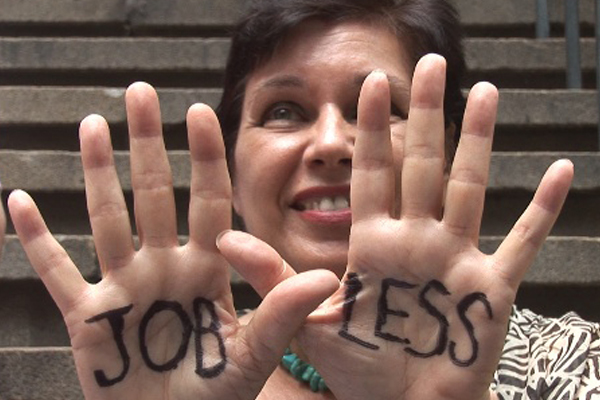
Unemployed Connie meets the occupiers (Credit: Immy Humes)

In the sixth installment of F**ked, the long-term unemployed meet the occupiers at a General Assembly in New York City, never expecting the generational and culture clash that ensues.

The 99ers’ unemployment fix

In the latest episode of our video series, jobless Americans fall in love with Occupy -- and bring their own agenda VIDEO

The 99ers to Occupy: this way to full employment

For our 99ers, an informal group of jobless New Yorkers who have exhausted their 99 weeks of unemployment benefits, the Occupy Wall Street movement came as a dream fulfilled.

As the protests took root in Zuccotti Park, the 99ers found a mass of people who care about the plight of the jobless and want to do something about it. As seen in last week’s episode of our video series, “Occupy Meets MacArthur’s Tanks,” Occupy Wall Street is just the latest in a long line of American protest movements demanding economic justice. The emergence of the Occupy movement, one 99er said, felt “like the early stages of a revolution.”

And then the question arose: What do America’s jobless want? As the video shows, the 99ers have some answers.

Occupy meet MacArthur’s tanks

Episode 4 of our video series recalls when “unemployed armies” roamed America -- and the U.S. Army evicted them VIDEO

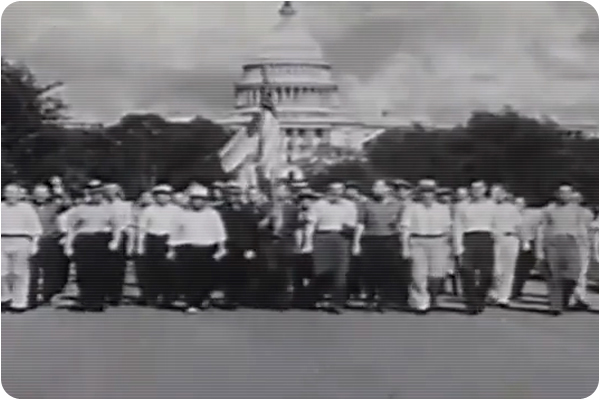
When Occupy Wall Street burst on the scene last September, the movement seemed unique and unprecedented. The latest installment of “F**ked: The United States of Unemployment,” however, traces the long history of occupation as a strategy of the unemployed. The impact these earlier movements had is rarely acknowledged, but those uprisings inspired everything from films like “The Wizard of Oz” to transformative government programs such as Social Security.

Another similarity between the “unemployed armies” of yesteryear and the Occupy movement is the brutal response by law enforcement. Witnesses expressed shock when the Oakland police sprayed tear gas at protesters and complained about the liberal use of billy clubs by cops in New York, but imagine Gen. Douglas MacArthur unleashing a deadly offensive of tanks, bayonets and torches on military veterans camping out in Washington, D.C. It’s all captured in the chilling video below.

Continue Reading Close

Is work worth it?

Unemployment brings soul-searching. In a new episode of our video series, the jobless share surprising priorities VIDEO

Certain experiences will always force a reevaluation of life’s priorities. The birth of a child, a near-death experience — or getting fired. The latest episode of Salon’s video series on unemployment in America begins with Theresa Iacovo, a laid-off truck dispatcher, reminiscing on all of the Christmases she missed during her 20-year career. “Why did I give up that time with my family that I can never give back?” she asks.

Several recent submissions to Open Salon on the topic of unemployment also question the relationship between personal fulfillment and work. Homeless Scribe aptly sums up the source of much frustration: “Fresh out of college, I expected job security in exchange for hard work. I expected fairness in exchange for loyalty. And I expected respect in exchange for respect. I lived up to my side of the bargain. It’s the other side that failed.”

While challenging the myth that unemployment equals a meaningless existence, Livia Gershon explains how the freedom of not having a job can come with more benefits than the meager compensation of, for example, a part-time shift at Wal-Mart. She writes, “An unemployed father might create a more stable home for a little while, so his wife doesn’t have to take a day off if a kid gets sick. He might also be able to watch a neighbor’s child after school, or help his parents fix their roof.”

The trick, of course, is finding balance. We would all love to chase our passions, but we can’t just ignore those pesky bills. The former employee of a Chicago law firm captures this conflict in his cathartic piece “My Unintended Vacation.” He writes, “Between temp jobs, I started spending a lot more time volunteering for a few nonprofits and found it much more rewarding than the old job — except for the money, of course.”

Continue Reading Close

F**ked: Fighting the stigma of joblessness

In the second episode of our new video series, unemployed Americans battle shame and speak out about their plight VIDEO

Tens of millions of Americans are involuntarily jobless, but being unemployed still carries a stigma.

“Many people hadn’t told their families or friends, because they were ashamed,” explains Sam Talbot, an unemployed cook, in the second installment of our new video series “F**ked: The United States of Unemployment.” “Some people didn’t want to be on camera or mentioned by name because they were ashamed or afraid they would be discriminated against by employers.”

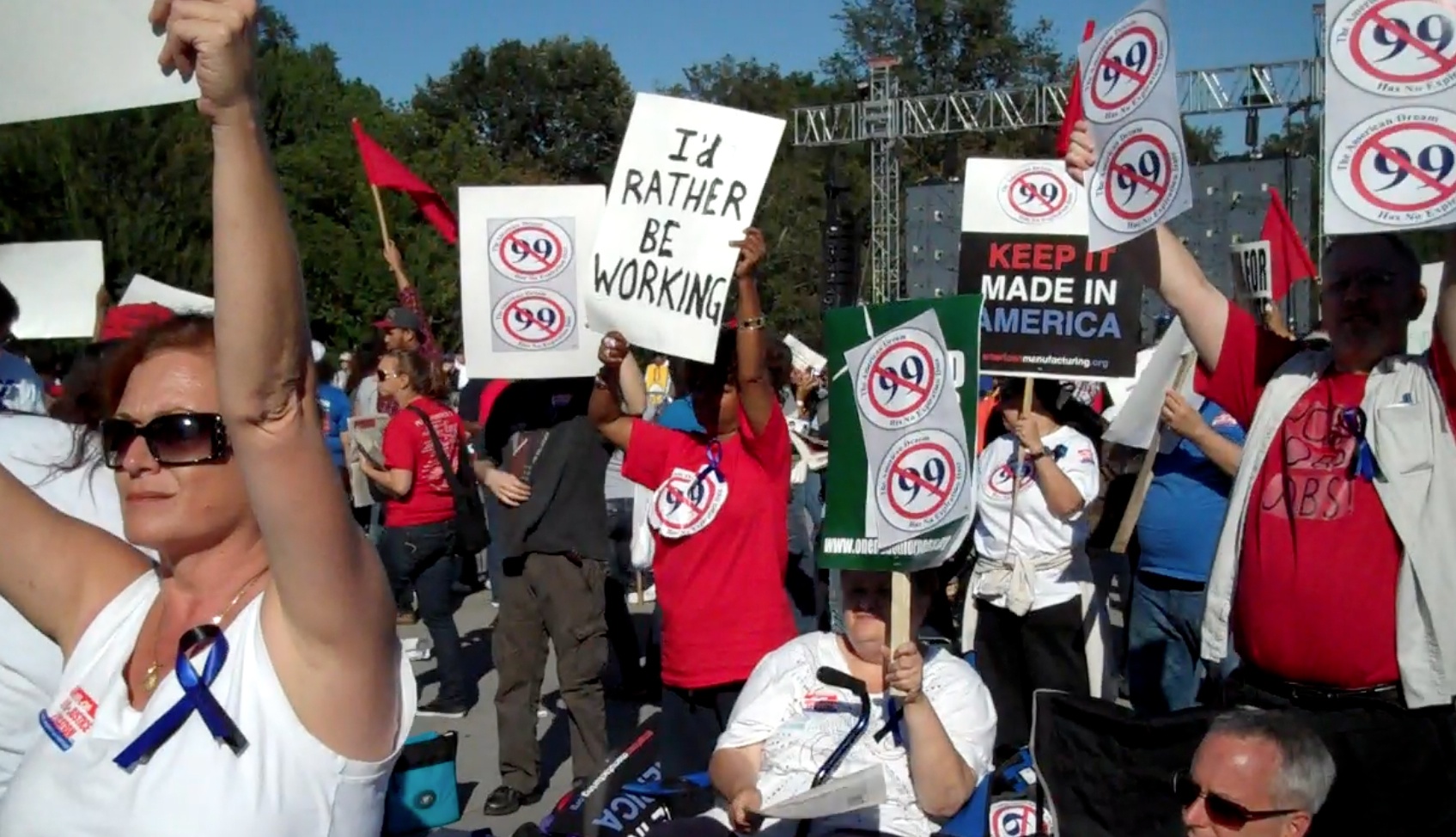
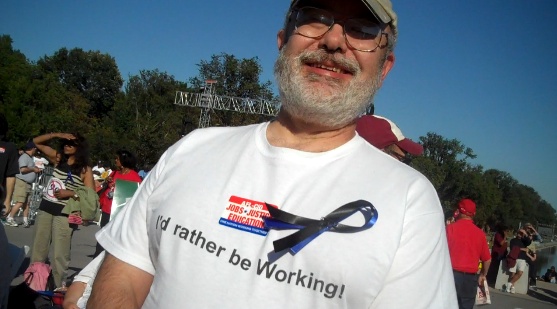
Watch the video below to see what happens when the 99ers decide to confront the unemployment stigma head-on by traveling to Washington, D.C., for the One Nation Working Together Rally:

Also, last week we posted a call on Open Salon looking for stories about how your experiences contradicted common myths about unemployment. The responses so far range from an Atlanta PR director’s unexpected plunge into joblessness during her golden years to a former auto plant supervisor’s nightmarish firing to the musings of a Fresno woman contemplating the nickels she needs to find to buy another burrito. These clever and brave essays provide a compelling challenge to the misunderstandings that continue to reinforce the painful stigma of unemployment.

Continue Reading Close

The real story of America’s unemployed

In a new video series, "F**ked: The United States of Unemployment," Salon humanizes our epidemic of joblessness VIDEO

Before “We are the 99 percent” emerged as a rally cry from Zuccotti Park to the Port of Oakland, another group identified with this number — but for a very different reason. A handful of New Yorkers whose 99 weeks of unemployment benefits had expired were frustrated that political leaders seemed resigned to a future of austerity instead of figuring out how to put Americans back to work. These “99ers” realized that if they wanted to change things, they would need to get organized and fight back.

In “F**ked: The United States of Unemployment” — a new Salon series that will chronicle this important yet largely untold story — Academy Award-nominated director Immy Humes traces the birth and evolution of the 99ers movement. Over the course of the series, Humes will explore her personal struggle with long-term unemployment, the struggles of her fellow 99ers, and confront the stigma of what it’s like to be jobless in America today.

Salon is committed to telling the story of the unemployed as part of the American Spring. At noon Tuesday (ET), we’ll publish Andrew Leonard’s story on the state of the unemployed, and ask why the jobless problem is not a more resonant political issue during this election year.

And we want to hear your stories. The Great Recession has left millions unemployed and desperately seeking work — and yet Republican candidates still recycle the same tired lines about poor work habits and food stamps. Tell us what it’s really like to be out of work in this economy on Open Salon. We’ll cross-post some of your stories here on Salon.

Continue Reading Close

Page 1 of 2 in Immy Humes