
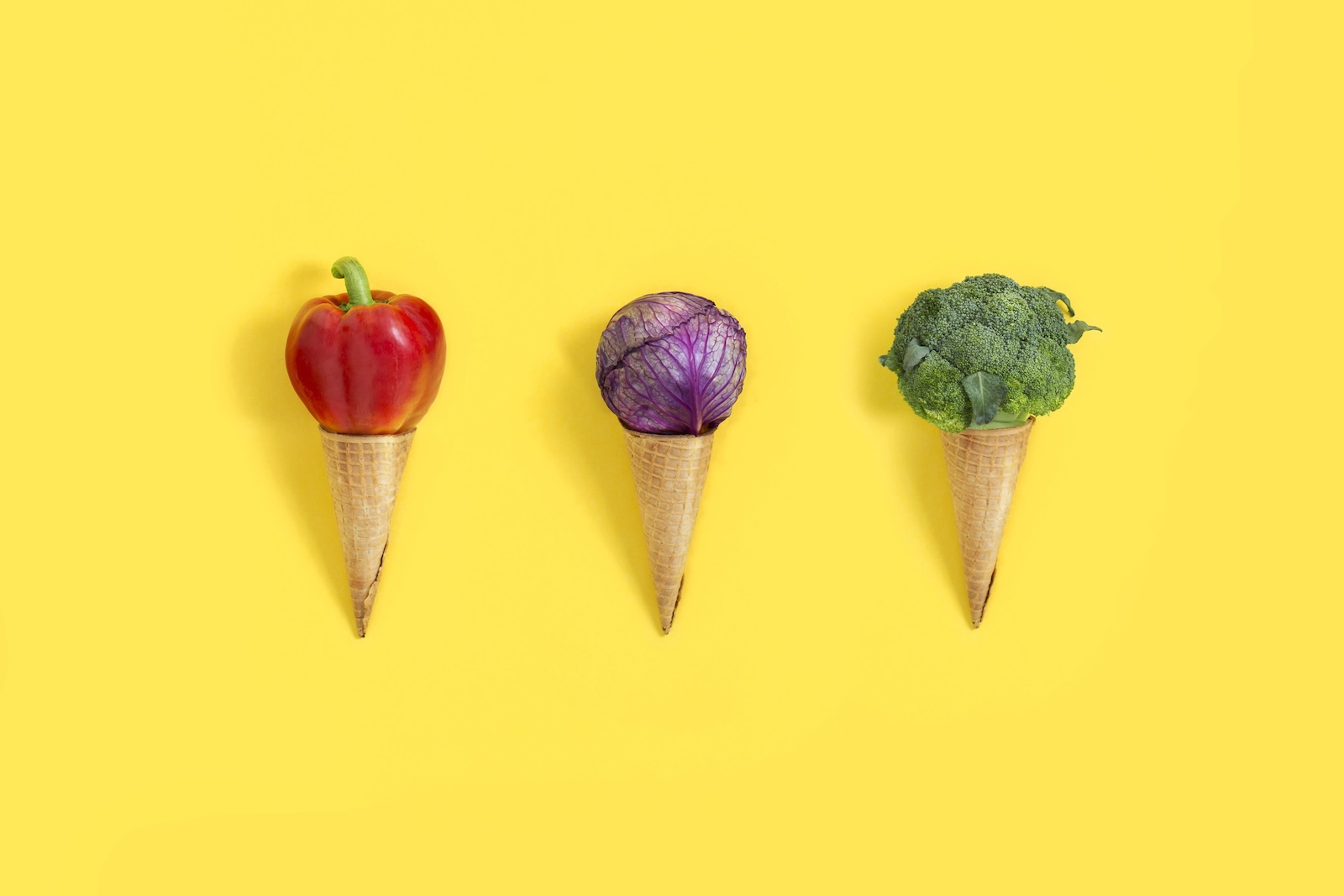

The other day, I grated two enormous zucchini into a bowl containing a quarter-can of pumpkin, brown sugar, cocoa powder and enough chopped bittersweet chocolate to make the whole operation look suspiciously like brownie batter. Which, essentially, it was. The zucchini disappeared almost immediately, leaving behind only a few green flecks and the vague knowledge that somewhere beneath all that chocolate was a respectable amount of produce.
In Chicago, we have a phrase for what happens to a hot dog after it has been loaded with tomatoes, onions, peppers and pickle: it’s been “dragged through the garden.” I had, apparently, dragged my brownies through the garden.
When I sent the recipe to a friend, she replied, “I wish I could say I was making these for my toddler to hide his vegetables. But I’m making these for me to hide my vegetables!” This struck me as both very funny and strangely revealing. Hiding vegetables is a technique we tend to leave behind somewhere around the age of dino nuggets and mashed-potato volcanoes.
Eventually, adulthood is supposed to mean meeting the vegetable on its own terms — and, preferably, enjoying it. You’re not merely supposed to eat the broccoli. You’re supposed to have matured into the kind of person who wants the broccoli.
I know this because I can make feeding myself unnecessarily complicated if I let myself. I am a food editor; I know how to make vegetables taste good. I also know how quickly “eat some vegetables” can become “eat vegetables correctly.”
Steam them. Roast them. Better yet, leave them raw. Keep them green, or whatever color God intended. Don’t bury them under cheese. Don’t cook them in cream. Don’t glaze them with honey or maple syrup — sugar! A little olive oil is acceptable, as is lemon juice. Ideally they should come fresh from your garden, eaten with just enough dirt still clinging to them to imply virtue. You do have a garden, don’t you? No? Fine. Buy organic.
Of course, eating vegetables “right” has arguably never required more infrastructure: money, time, refrigeration, access to decent produce, enough executive function to remember what’s dying in the crisper drawer and, increasingly, enough food-safety literacy to know whether this week’s bag of lettuce is involved in an outbreak.
We are, after all, coming off what many have been referring to as diarrhea-lettuce summer.
At a certain point, insisting that the vegetable also arrive pristine, seasonal and morally unimpeachable begins to feel less like nutrition advice than an elaborate entrance exam.
We need your help to stay independent.
The timing is especially unfortunate because food has begun to feel moral again in a distinctly familiar way. After a few years in which mainstream culture at least made noises about retiring the worst excesses of early-aughts thinspo, the pendulum appears to be swinging back.
GLP-1 drugs have transformed the public conversation around appetite and weight loss; “ThinTok” has given restriction a new algorithmic sheen; conspicuously thin celebrity bodies are once again objects of fascination. Even low-rise jeans (perhaps the most psychologically destabilizing garment ever invented) have escaped containment. It is hard not to feel the old message creeping back in with them: wanting less is good. Taking up less space is better.
And what you eat is, once again, evidence of what kind of person you are.
Which is perhaps why I was so susceptible to a piece of nutritional wisdom I first encountered in the lauded medical halls of Pinterest. It appeared on a peach-colored background in undulating cream script: Eat what you want, add what you need.
The sentiment struck me as both suspiciously sensible and succinct enough to survive its surroundings, so I Googled it. It turns out dietitians have been passing versions of the phrase around online for years. The idea is almost aggressively simple. Want pasta? Eat the pasta — and perhaps add peas and chicken. Want toast? Have toast, and maybe put an egg on it. The thing you want does not have to disappear before the thing you need is allowed onto the plate.
I’ve come to think of it as a practical, action-oriented cousin of intuitive eating, a framework I find genuinely generous but occasionally maddening in its abstraction.
Want more great food writing and recipes? Sign up for Salon’s free food newsletter, The Bite.
“Listen to your body” is lovely advice until you are neurodivergent, burned out, staring into the refrigerator at 8:17 p.m. or otherwise unable to locate your body’s supposedly innate wisdom about dinner. “Add what you need” gives you something to do. You don’t have to become a different eater first. You don’t even have to want the peas. You can just put them in the pasta.
A couple years before Pinterest delivered this revelation to me, chef Roy Choi gave me another version of the same permission — only a little less polite. “Disrespect the s**t out of vegetables,” he told me in an interview.
His point was that we have made vegetables too precious. We talk about “letting the ingredient shine,” as though the carrot is competing for a prestigious academic scholarship. Choi’s advice was to go the other direction: blister them, puree them, drown them in vinegar or chili, add something sweet, blend them into sauces, make them taste like the foods you already crave.
Stop treating vegetables like museum objects and start treating them like ingredients.
What I remember most, though, is that beneath all the swagger, Choi’s argument was really about self-compassion. Later in that same conversation, he described the larger project — his cookbook, “The Choi of Cooking” — as learning to have “the courage to be kind to yourself.”
That line has stayed with me just as stubbornly as the one about disrespecting broccoli. Maybe because the two ideas are not opposites at all. Sometimes kindness looks like lowering the bar just enough that you can actually step over it.
If the language of “reparenting” works for you, then fine: hide your vegetables the way you would for a picky kid you were responsible for keeping fed. If it doesn’t, the idea is simpler than that. You are also someone you’re allowed to care for. Adults build little accommodations for themselves all day long; we put the pills beside the toothbrush, buy the pre-cut fruit, turn on a podcast to make folding laundry bearable. There is no particular virtue in refusing yourself the same generosity at dinner.
Your vegetable, for what it’s worth, does not care. It does not care whether it was hidden or disrespected, whether you craved it or merely added it, whether the broccoli arrived under a glossy blanket of cheese. The zucchini I grated into those brownie-inspired muffins certainly lodged no complaint as it disappeared beneath the cocoa and dark chocolate. It was still zucchini. I still ate it.
So drag the brownies through the garden. Hide the vegetables. You’re an adult. You’re allowed to know what works on you.
Read my favorite
“eat what you want, add what you need” recipes
