Spring Sale: Get 1 Year, Save 58%

Don’t blame drug decriminalization for what the housing crisis has caused

National media outlets have trained their sights on Portland, Oregon, releasing hit piece after piece. The New York Times published no fewer than three articles about the state’s drug decriminalization in a single week. “Oregon’s experiment to curb overdoses by decriminalizing small amounts of illicit drugs is in its third year, and life has changed for most everyone in the city of Portland,” reads the subheadline of one. The mischaracterizations begin before the article does, starting out with the assertion the primary goal was to curb overdoses, reaching a fever pitch by the final clause, “and life has changed for most everyone…”

Jan Hoffman’s New York Times piece profiles Jennifer Myrle, a worker at a downtown coffee shop who recently saw a woman performing oral sex on a man in broad daylight on the street. What that has to do with drug decriminalization, no one knows. (Opioids cause impotence, if anyone is wondering.) Myrle says her downtown area can feel like “dealer central,” but that “there’s no point in calling the cops.” Though The New York Times is spuriously implying drug peddlers have free reign in the city, unpacking why Myrle sees no point in calling the police is worthy of a few sentences.

The New York Times would have you believe Measure 110 — which moved misdemeanor drug possession down to a Class E violation, similar to a traffic ticket — has given fentanyl dealers free reign, though a sale of even $5 of fentanyl remains a Class A felony. But Myrle is probably right — there’s likely no point in calling the cops. They won’t come, or can’t, depending on who you ask. In June 2023, high-priority calls took the Portland Police Bureau (PPB) an average of 21 minutes to respond, up five minutes from last year. (My aunt approached a PPB officer in the park and complained that she had called them, repeatedly, and they just never showed up. He told her they’re so short staffed they only come “if there’s blood.”)

Oregon ranks 33rd in the nation for drug overdose, with 32 states experiencing higher levels of overdose deaths, and with all 32 of those states having more punitive drug policy than Oregon.

It’s unlikely the police would respond to any of the nuisances described by Myrle, from her side-stepping “needles, shattered glass and human feces” to a man kicking off his shoes and laying down on the coffee shop’s couch, refusing to leave. Hoffman devotes a single sentence to the main point: “…that [Myrle’s] witnessing a confluence of longstanding societal problems, including mental health and housing crises.” None of what she describes has anything to do with the fact drug possession no longer warrants a misdemeanor arrest like it did in 2020. The entire rest of the article implies causality between drug decriminalization and myriad other social ills, such as homelessness, petty crime and drug overdose.

Oregon ranks 33rd in the nation for drug overdose, with 32 states experiencing higher levels of overdose deaths, and with all 32 of those states having more punitive drug policy than Oregon. It ranks last or next-to-last in access to drug treatment nationwide — a central tenet of the Yes on Measure 110 campaign, since in addition to decriminalization, it transferred most of the cannabis tax revenue into a fund for substance use services, including outpatient treatment, medications, peer mentoring, housing and harm reduction. Despite this low ranking, the state is in the bottom third for overdoses. You wouldn’t know it by reading the national coverage.

Getting the Role of Fentanyl Right

Unlike most of the country, fentanyl was never cut into Oregon’s heroin supply. (The West Coast was black tar heroin’s last stand, which didn’t lend itself to being adulterated with white powder fentanyl as easily as the white powder heroin sold on the East Coast.) When fentanyl showed up here, it showed up as just that: fentanyl. People buying the blue fentanyl pills known as “Blues,” by and large, knew they weren’t buying prescription oxycodone. It took the supply chain disruptions of pandemic-related shutdowns to finally push Oregon’s opioid market, a heroin holdover, towards fentanyl.

By the time the decriminalization element went into effect in February 2021, heroin was scarce. Oregon isn’t unique; the entire West Coast experienced a similar shift.

By 2021, heroin had nearly disappeared from the market, forcing droves of Oregonians to switch to fentanyl. It was one of the most rapid replacements in drug market history, with predictable consequences: Overdoses skyrocketed. (On the East Coast, heroin stayed on the market for years after fentanyl was first introduced, though now it’s equally absent.) The entire country saw a 17 percent increase in overdoses, though the regions that first got fentanyl around 2014 are finally seeing their rates level off. The New York Times instead wrote Oregon’s year-over-year overdose rate change and contrasted it to Vermont’s, where users are long accustomed to fentanyl in their supply.

Voters passed Measure 110 in November 2020, just as fentanyl was replacing heroin in the market. By the time the decriminalization element went into effect in February 2021, heroin was scarce. Oregon isn’t unique; the entire West Coast experienced a similar shift, profoundly affecting addiction and the dynamics on the street. Unlike the rest of West Coast states, Oregon had a unique scapegoat to blame the changes on: decriminalization.

The sole predictor of homelessness is how rent-burdened people are.

From 2020 to 2022, Oregon saw a 56 percent increase in homelessness, one of the largest jumps in the country. In Portland, homelessness jumped another 20 percent between 2022 and 2023. The point-in-time homeless count for Multnomah County in 2023 shattered the previous record, with 6,279 people identified. Of our homeless population, we have the fourth-highest rate of unsheltered people in the country, meaning people are literally sleeping outside, increasing the visibility of our crisis compared to other jurisdictions. (Only California, Mississippi and Hawaii have more people living unsheltered, yet those three states have much higher average temperatures.) Nearly 15,000 Oregonians faced eviction in 2022, with a third of those coming from Portland’s Multnomah County. With so many people sleeping outside, quality of life in the city has taken a hit.

Homelessness is often blamed on drug addiction, but the data do not agree. “Arkansas, Tennessee and Missouri have high rates of disability and West Virginia has high rates of opioid use, but those states do not have high rates of homelessness since housing costs are much lower,” writes Nicole Hayden in The Oregonian. The strongest predictor of homelessness is an increase in housing costs, full stop. Average rents in Portland increased 22.5 percent since January 2020.

Nearly 15,000 Oregonians faced eviction in 2022, with a third of those coming from Portland’s Multnomah County. With so many people sleeping outside, quality of life in the city has taken a hit.

So when fentanyl hit Portland, it hit during an unprecedented housing crisis. It meant that the suffering of our neighbors is not occurring behind closed doors, but rather right in front of our faces. People do not use drugs in public when they have an alternative to doing so. It is an act of last resort. If you want people to make better choices, give them better options. It is commonplace to see people smoking fentanyl while crouching in stoops, sitting at bus stops. It should not be like this, of course, but people who are addicted and homeless have no alternative.

Safe consumption sites would get drug use out of the public square, reducing the perception of permissiveness while simultaneously serving as a conduit to services for people who use drugs. Safe consumption sites would give people a better option for where to use the drugs they’re going to use anyway — and with better options, most make better choices. Yet the same people who lament public drug use and decry it on the evening news will oppose safe consumption sites in the same breath — literally opposing the simplest known solution to their problem.

Portland saw similar increases in crime as the rest of the nation. While many people tried to blame various types of petty crime on Oregon’s drug decriminalization, the research organization RTI International sought to parse fact from fiction. When they compared 911 calls between 2018 and 2022 from Portland, Boise, Sacramento and Seattle, they found that calls to 911 did not increase in Portland after decriminalization. Trends in Portland were similar to that of the comparison cities, with normal seasonal fluctuations. Portland’s calls for property crime directly mirrored that of Seattle’s. “Sometimes perception is not reality when it comes to public policy and specifically drug decriminalization. This appears to be one of those cases,” said Hope Smiley-McDonald, a senior sociologist and director of the investigative sciences research program at RTI.

Punitive Policies Are Part of the Problem

Another myth repeated in The New York Times is that Measure 110 has made Portland something of a mecca, a destination for drug use. Of the drug possession citations that police have issued, a whopping 95 percent went to Oregon residents, an indication that out-of-towners are not exactly flocking to the state. This is a variation on an even more pernicious notion, that progressive cities attract homelessness by being tolerant of it. A landmark study commissioned by California Gov. Gavin Newsom’s office was published by University of California, San Francisco last month. It shows 90 percent of people that are homeless in the state lost their housing in California, with 75 percent of the people still living in the same county in which they first became homeless. The poorest among us are not moving across the country in search of slightly more favorable public policies — moving is expensive.

People do not use drugs in public when they have an alternative to doing so. It is an act of last resort. If you want people to make better choices, give them better options.

Conflating drug addiction with homelessness is a long-standing practice of opponents in their attempt to victim blame. Only recently, with the passage of Measure 110, has it morphed into conflating drug decriminalization with homelessness. Officials and pundits persistently attempt to redirect our attention on the housing crisis to drug use, mental health or progressive permissiveness. Yet the fact remains: The sole predictor of homelessness is how rent-burdened people are.

The language of compassion is being hijacked by reactionaries, who assert that it’s cruel to leave people to suffer in their own addiction; that in fact, arresting and jailing them would be the kinder thing to do. (At age 24, I was sentenced to five years in federal prison for heroin. The eighth correctional officer at FCI Dublin, the nearest women’s prison to Portland outside of Oakland, California, was just arrested for sexual abuse.) Yet again this overlooks the fact that five decades into the “drug war,” the United States simultaneously incarcerates more of its residents than any other nation and loses more of them to drug overdose. Jail itself is a risk factor for drug overdose, and many jails and prisons still refuse to provide medications for opioid use disorder, the gold standard for treatment.

Addiction is defined as continued use despite negative consequences. Increasing the negative consequences through the criminal legal system has not been shown to dissuade drug use, with a Pew research report showing no correlation between arrest rates and substance use rates. Punitive policies may make the problem less visible, but no less present. Even in Oregon, naysayers are reluctant to advocate a full-scale return to the war on drugs, as that’s still being fought in 49 states and annual overdose numbers show it’s not exactly working.


Want more health and science stories in your inbox? Subscribe to Salon’s weekly newsletter The Vulgar Scientist.


Painting Oregon’s problems as exceptional is uninformed at best, deliberately dishonest at worst. While the entire nation flounders under the weight of an overdose crisis so extreme it’s bringing down our life expectancy, the only thing exceptional about Oregon is its courage to stop repeating the same failed strategies of the past. The same critical lens that is being trained on Oregon, albeit misleadingly, ought to be trained on the U.S. drug policy on a whole. From the time an “opioid crisis” was first identified, the government has taken a series of actions and policy decisions that left us with a death count 10 times higher than those early days.

While the entire nation flounders under the weight of an overdose crisis so extreme it’s bringing down our life expectancy, the only thing exceptional about Oregon is its courage to stop repeating the same failed strategies of the past.

The more nuanced of the reactionaries instead talk about carrots and sticks. We need both positive incentives (carrots) alongside negative incentives (sticks), so their logic goes. Most people who have struggled with alcohol or substances at some point in their life managed to get a handle on their problem without ever needing a stick, though. Treatment is far more successful when the person receiving it actually wants it. As for the success of carrots, Measure 110 opened up a pot of nearly $300 million to organizations across the state. To be awarded a grant, the rules were clear: All treatment had to be low barrier and the philosophy of harm reduction was valued. We watched organizations that had historically been 12-step, abstinence-only focused finally embrace medications for opioid use disorder, rapidly increasing access in our rural areas. No stick required.

Oregon has high rates of substance use disorder and low rates of treatment access, the same two facts that were used by the Yes on Measure 110 campaign. A single round of grant funding hasn’t undone decades of disinvestment, to be sure. But it has stopped incarceration, a harm that has been shown time and time again to be futile in the fight against drug addiction.

In total, 233 organizations received funding to form Behavioral Health Resource Networks in each county. Tens of thousands of Oregonians have received Measure 110-funded services. The average wage of the behavioral health workforce shot up as providers were required to pay a living wage. Drug decriminalization is just that: stopping arrests for people with low-level drug possession. It is wholly separate from petty crime or homelessness.

If “life has changed for most everyone,” it’s not because a few thousand people have been spared arrest. It’s more likely to be from the global pandemic, economic insecurity and a housing crisis. Arresting people for drug possession is what 49 of 50 states do. How well is it working for them?

Copyright, Truthout.org. Reprinted with permission.
“Racism pure and simple”: Arkansas rejects credit for AP Black History — but Europe history is fine

This past weekend, the Arkansas Department of Education alerted school districts across the state offering Advanced Placement (AP) African American Studies that it would no longer recognize the course, and that students who complete it would not receive high school credit for doing so.

The course is a pilot program, offered to a number of districts across the country at the moment with hopes of expanding it in the next couple of years. Such pilot programs are not uncommon, as they allow College Board, the company that manages AP classes, to fine-tune classes before they’re rolled out nationally. More than 200 colleges and universities have committed to recognizing the high school course for college credit.

Because of its pilot status, however, the state couldn’t approve it, officials claimed, as it supposedly violates a recently passed state law and an executive order from Gov. Sarah Huckabee Sanders (R) that forbids the teaching of subjects that purportedly push implicit bias.

It’s unclear how the state Department of Education came to the conclusion that the course would push such biases. The LEARNS Act, which became state law in March, also bans the teaching of critical race theory, which conservatives have used in recent years as a boogeyman to wrongly claim that the teaching of U.S. history from nonwhite perspectives is somehow harmful to children. The act also forbids teaching “that would indoctrinate students with ideologies,” which, again, the AP coursework hasn’t been shown to do.

“Arkansas law contains provisions regarding prohibited topics. Without clarity, we cannot approve a pilot that may unintentionally put a teacher at risk of violating Arkansas law,” a statement from Arkansas Department of Education’s Director of Communications Kimberly Mundell read.

AP classes are intended to provide college-level coursework to high school students, giving them both high school as well as college or university credits.

The announcement over the weekend came as classrooms across the state were preparing to begin the AP class on Monday. Little Rock School District announced that, in response to the state’s actions, it is “explor[ing] options that will allow students to fully benefit from [the] course” but is still deciding on what action to take next.

Emails were sent on Saturday morning to districts alerting them that the course wouldn’t be recognized toward students’ high school credit, and indicated that it would be removed from the state’s roster of course offerings.

Jim Ross, a public education watchdog, noted that AP European History would continue to be offered in the state, and described the dropping of the Black American history course “racism pure and simple.”

The action from Arkansas mirrors, in ways, similar actions taken by Florida’s Department of Education, which said that it would not allow the AP African American Studies pilot program to be offered in that state. The course, the department said in January, “is inexplicably contrary to Florida law and significantly lacks educational value.”

In response, College Board adjusted the course so that it could align with Florida’s law restricting the teaching of Black American history. The company later admitted, however, that it was a mistake to appease the DeSantis administration’s demands without pushback.

“There is always debate about the content of a new AP course. That is good and healthy; these courses matter,” College Board said in February. “But the dialogue surrounding AP African American Studies has moved from healthy debate to misinformation.”

“Our failure to raise our voice betrayed Black scholars everywhere and those who have long toiled to build this remarkable field,” College Board added.

Not just Trump: Law professors warn that Trump attorneys need to be careful about what they say too

A 90-minute court hearing on Aug. 11, 2023, that would have been routine in almost any other case was, in fact, historic. It was the first time lawyers prosecuting and defending former President Donald Trump on charges he attempted to overturn the 2020 election appeared before the federal judge in the case.

At issue in the hearing before Judge Tanya Chutkan were public statements about what in legal terms is called “discovery” – defined by the American Bar Association as “the formal process of exchanging information between the parties about the witnesses and evidence they will present at trial.” Prosecutors from the Department of Justice wanted Chutkan to bar Trump and his lawyers from releasing or commenting publicly on those materials with something called a “protective order,” because public comments could end up intimidating witnesses or tainting the pool of potential jurors. Trump’s lawyers said any limit on the right to speak about the documents violated Trump’s free speech rights.

Chutkan told Trump’s lawyers she would impose limits on what he could say. “I caution you and your client to take special care in your public statements in this case,” she said. “I will take whatever measures are necessary to protect the integrity of these proceedings.” The Conversation’s senior politics and society editor, Naomi Schalit, interviewed attorneys Thomas A. Durkin and Joseph Ferguson, law professors at Loyola University, Chicago, about the hearing.

Do people lose their First Amendment rights when they are criminally indicted?

Durkin: You don’t really lose your rights, but the discovery process requires certain restrictions on what you can do with what are essentially government documents and information. So I’m not sure that’s a restriction of the First Amendment. From what I heard, the judge said to Trump and his lawyer, certain things are going to be restricted, and some of your rights are going to be limited. I don’t see that as a horribly difficult imposition.

Ferguson: A defendant experiences this as a constraint. But Tom and I know, as longtime lawyers, if you put yourself in that situation, you’re not being constrained from doing something you otherwise have a right to do. You have put the constraint on yourself.

This is not a limitation on Trump’s standing free speech rights. They are not absolute and must operate within the confines of the competing interest of justice in this case. The initial reports are that the judge has made clear that justice trumps other considerations.

What did the judge say?

Ferguson: The judge has signaled that Trump’s rights as a criminal defendant are subject to the rules of the court. This will frame all subsequent decisions. The judge and the lawyers as officers of the court have a responsibility to ensure the integrity of the proceedings, against the backdrop of the integrity of the criminal justice system.

Trump and his team are attempting to infuse politics into the case and denigrate, delegitimize and politicize the prosecutors and the court itself and all of the players. That heightens the need for the judge to lay down the bright line. The normal concerns for a judge in these cases is the possible tainting of the jury pool, the intimidation of witnesses and other forms of interference with the process of justice.

We are not just talking only about the defendant. His lawyers have been appearing everywhere on TV. What the judge says and rules about the limitations on what lawyers can say – and her enforcement of those – may be as important as anything else here. Trump’s lawyers are his proxies not only for the case itself but for his political purposes, to try the case in the public.

Durkin: I recently said that it seemed to me Trump was looking for a mouthpiece and not a lawyer. And I think there is a fear, as Joe says, of the client dictating to the lawyers what to do. A lot of people have commented publicly how unprofessional the quotes of many of his lawyers seem to be and that they seem to be sometimes making admissions on his behalf. They don’t seem to be very experienced in dealing with the press.

Where I would probably part company a little bit with Joe is that it’s of course the defendant’s lawyers’ desire to taint the jury pool. That’s the name of the game. But there are ways to do it professionally and there are ways not to do it.

The government is pushing for a speedy trial. How does that strike you?

Ferguson: There is something bigger that’s involved here. Existing Department of Justice practice is you don’t take a matter to trial in the 60 days before an election. That is certainly on the prosecution’s mind. But one thing that those rules really don’t contemplate is the contemporary world, in which we’re in a constant state of elections and electioneering, which is certainly the case for Trump.

Durkin: It’s kind of a reverse of the typical kind of case. And the government is attempting to dump all this discovery material on the defense right away so that Trump’s lawyers can’t claim, “We need more time.”

The court session on Friday was focused on the terms of a protective order, which would determine what materials and information could be made public, right?

Ferguson: These orders are routine in any case that includes highly sensitive information or itself is a matter of major public controversy.

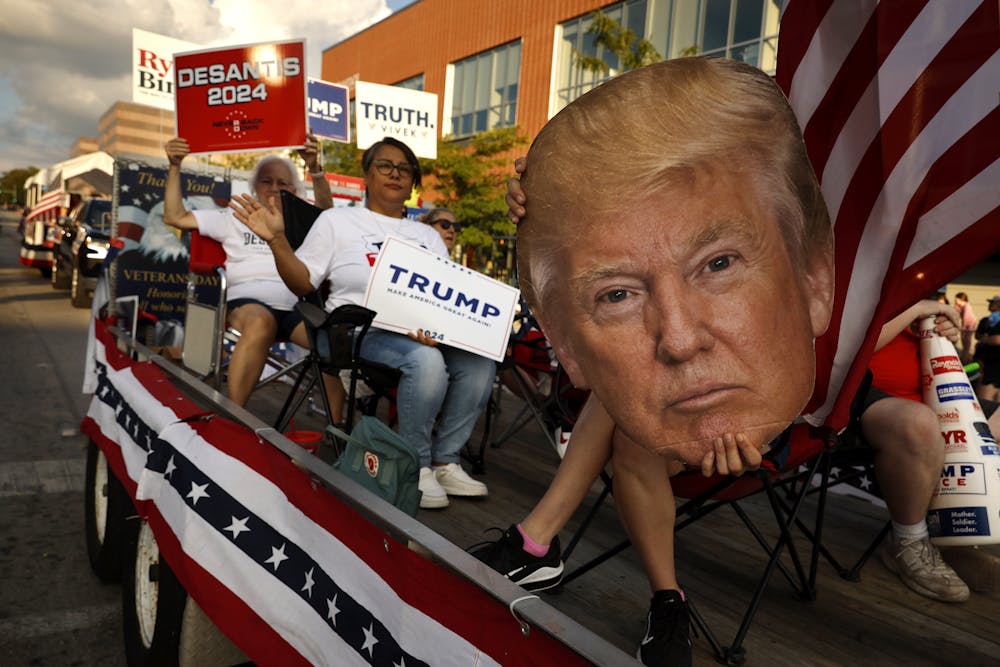
People wave Trump and DeSantis banners, along with a large picture of Trump's face, as they sit on top of a float with a red, white and blue star banner on the side of it.

Members of the Republican Party in Iowa show support for different 2024 candidates, including former president Donald Trump, at the Iowa State Fair on Aug. 9, 2023. Chip Somodevilla/Getty Images

So the hearing was about what Trump’s lawyers could say, not just Trump?

Durkin: I’m working on a case where the judge’s protective order requires that anything that’s going to be filed that is sensitive material has to be filed under seal. That greatly limits the lawyers’ ability to file speaking motions – motions with a lot of detail – in the public domain. Speaking motions, like Smith’s speaking indictment, are one of the ways a good defense lawyer can attempt to influence the jury, because you can dump documents into pleadings with impunity.

So you’re saying that lawyers can use those motions as a way to sneak in stuff that normally wouldn’t be able to get before the public.

Durkin: Yes.

What did the prosecution ask for in this hearing?

Durkin: From what I understood, the prosecution wanted everything to be labeled sensitive, which is very unusual.

If materials are labeled sensitive, you have to keep your lips zipped?

Durkin: Yes. It relates to who you can show the materials to, whether you can leave them copies, whether you have to file them under seal or not. And that’s not an uncommon fight that people have.

So the government wanted to just get this done with and call everything sensitive and not have fights about each document they’re giving the defense.

Ferguson: There are two approaches here. One is the government’s approach, which is just put the whole thing under the protective order so the defense gets immediate access, and the judge and the parties can sort out problems later as the case moves along. While the defense wants it sorted out now, which would take time and cause delay.

At one point, Trump’s lawyers said keeping all of the discovery documents secret would be giving an advantage to Joe Biden.

Ferguson: I look at that as goading the judge into conceding that what she’s doing is going to have an effect on politics. She didn’t bite – she kept a clean line here, saying, not my role, not my concern.


Thomas A. Durkin, Distinguished Practitioner in Residence, Loyola University Chicago and Joseph Ferguson, Co-Director, National Security and Civil Rights Program, Loyola University Chicago

This article is republished from The Conversation under a Creative Commons license. Read the original article.

“I’m gonna call the governor”: Video shows GOP Rep. Ronny Jackson berate police as he’s handcuffed

Bodycam footage provided by the Department of Public Safety shows a confrontation between U.S. Rep. Ronny Jackson, R-Amarillo, and law enforcement on July 29. Portions of the video do not contain audio.

Having trouble viewing? Watch this video on texastribune.org.

Sign up for The Brief, The Texas Tribune’s daily newsletter that keeps readers up to speed on the most essential Texas news.


Editor’s note: This story contains explicit language.

Newly released video shows U.S. Rep. Ronny Jackson, R-Amarillo, being slammed to the ground by police and angrily confronting a state trooper with profanity during a hectic altercation late last month at a rodeo outside Amarillo.

“You are a fucking full-on dick!” Jackson told the trooper after being brought off the ground, according to bodycam footage provided by the Department of Public Safety. “You better recalculate, motherfucker!”

Watch the full bodycam video here.

The DPS trooper, identified in a sheriff’s report as “Trooper Young,” repeatedly told Jackson that multiple people asked him to step aside so EMS could respond to a medical emergency. Jackson, a physician to two presidents, disagreed and continued to confront Young on the sidelines of the event, with bystanders physically restraining Jackson as he lunged toward the trooper, jabbing his finger and yelling profanities.

“I’m gonna call the governor tomorrow and I’m gonna talk to him about this shit because this is fuckin’ ridiculous,” Jackson told Young at one point. “Fuckin’ ridiculous.”

Jackson tweeted Monday night that he was “glad” the video was out and criticized the authorities for “incompetence,” singling out the Carson County sheriff, Tam Terry.

“I will apologize for my language, but I will not apologize for getting upset & speaking my mind considering the circumstances,” Jackson wrote. “If I had to do it again, I would still step up & act in a life-threatening situation.”

DPS released the 31-minute bodycam video — and a shorter dashcam video — Monday in response to an open records request from The Texas Tribune. There is no audio during parts of the videos, something DPS acknowledged in a letter to the Tribune without providing a reason. DPS also blurred out images of the person receiving medical care.

The dashcam video provides another angle of Jackson furiously confronting the trooper before leaving the rodeo. The video contains audio of the confrontation, which occurred near the hood of the trooper’s car, but country music drowns out the voices. One of the songs is “Irish Goodbye” by Treaty Oak Revival.

Watch the full dashcam video here.

The videos confirm most of the general narrative of a report released Friday by the sheriff, Terry. However, Jackson in the video — as well as two witnesses — dispute that he was appropriately notified that he needed to back away for EMS.

The report included accounts from multiple officers who responded to the scene late on the night of July 29 at the White Deer Rodeo. Among the claims is that Jackson threatened to beat up the trooper and later in a phone call threatened to go after Terry politically.

Jackson’s office has said he was summoned to help with a medical emergency involving a teenage girl before first responders arrived. He was “briefly detained” amid the chaos and confusion, according to his office.

His office has emphasized he was “not drinking,” though the sheriff’s report challenges that assertion.

In response to the report, a Jackson spokesperson issued a defiant statement saying he was prevented from giving medical care “due to overly aggressive and incompetent actions” by local authorities. The spokesperson, Kate Lair, said Jackson would not apologize for “sparing no effort to help in a medical emergency” in a hectic environment.

About 16 and a half minutes into the bodycam video, Jackson and other people are crouched over the person experiencing the medical emergency when the trooper appears to gesture toward Jackson to get back. Jackson eventually rises up and appears to be confronting the trooper angrily and is then led away from the trooper. Less than a half-minute later, the video shows two officers taking Jackson to the ground and handcuffing him, holding him to the ground with his face down. It is not until 50 seconds later that Jackson is shown standing again. There is no audio during that part.

Bodycam footage of U.S. Rep. Ronny Jackson being detained by officers (Excerpt)

Having trouble viewing? Watch this video on texastribune.org.

A short time later, the audio returns and the bodycam video shows Jackson confronting Young, cursing at him and leaning toward him.

“I asked you to get back and you did not get back,” the trooper said.

Their confrontation continues a couple minutes later at a different location. Jackson continued to deny that he repeatedly disobeyed orders to get back, telling Young he was “the first motherfucker” to tell him to do that.

At one point, a man tries to escort Jackson away from the trooper and calm him down.

“Walk with me!” the man said. “Goodness gracious, buddy.”

Jackson refused to walk away and stressed to Young that he “was just trying to help” and is an emergency room doctor. Young said he understood that but added that Jackson needed to listen to his commands.

“I know you’re there to help, right? But I got EMS coming on scene,” Young said to Jackson, who disputed the trooper’s timeline of events. “I said, ‘Hey, we got a car coming.’ Multiple people moved out the way. You came down on your knees and somebody was trying to put something in her mouth that didn’t need to be. We asked not to, right?”

That comment appeared to refer to part of the sheriff’s report that said Jackson tried to care for the patient by putting a gumball in her mouth as a way to elevate blood sugar. Jackson suggested to Young that he did that because she may have been hypoglycemic; Young said she was anemic and Jackson disagreed, telling Young he does not have the medical knowledge to know that.

Jackson eventually leaves the area and gets in a car to depart the rodeo. He continues to yell profanities and can be heard saying, “You fucked up, motherfucker,” as he gets in the car.

Once Jackson is off camera, people around Young can be heard asking who he is. “Someone said he’s a senator,” one said. Young appeared to be unfamiliar with Jackson.

Two witnesses, Chris and Jodi Jordan of Hereford, said they were 5 to 6 feet away from the initial confrontation. They said they do not believe Jackson received adequate notice prior to his apprehension that he needed to back away because EMS was on the way. They said officers “barely missed the concrete” when they took Jackson to the ground.

“From our view, he never saw EMS,” Jodi Jordan said. “He was away from the patient before they showed up on scene.”

The Jordans said they believed Jackson acted responsibly.

“He was simply trying to help someone,” Chris Jordan said.

The incident happened at the White Deer Rodeo, an annual event in a town by the same name about 40 miles northeast of Amarillo. An estimated 4,000 people were in attendance.

Jackson was first elected in 2020 to represent Texas’ 13th Congressional District, a deeply conservative district in the Panhandle. He served as White House doctor for Barack Obama and Donald Trump and remains an ardent supporter of Trump and his 2024 comeback campaign.


The full program is now LIVE for the 2023 Texas Tribune Festival, happening Sept. 21-23 in Austin. Explore the program featuring more than 100 unforgettable conversations coming to TribFest. Panel topics include the biggest 2024 races and what’s ahead, how big cities in Texas and around the country are changing, the integrity of upcoming elections and so much more. See the full program.

This article originally appeared in The Texas Tribune at https://www.texastribune.org/2023/08/14/ronny-jackson-dps-bodycam-video/.

The Texas Tribune is a member-supported, nonpartisan newsroom informing and engaging Texans on state politics and policy. Learn more at texastribune.org.

Nestlé recalls Toll House chocolate chip cookie dough over possible wood contamination

Nestlé USA issued a voluntary recall of “a limited quantity” of its Toll House Chocolate Chip Cookie Dough “break and bake” bar products because they may contain wood fragments, the company disclosed in a recent notice. The recall specifically concerns two batches of the cookie dough with batch code 311457531K and a best-by date of August 23, 2023, along with batch code 311557534K and a best-by date of October 23, 2023. Per Nestlé, the product was distributed at retailers in the U.S. and excludes other Nestlé varieties of refrigerated cookie dough in “break and bake” bars, rolls, or tubs, or edible cookie dough.    

At this time, no illnesses or injuries have been reported in connection with the cookie dough. Nestlé, however, advised consumers to not prepare or consume the product and instead, return it to the retailer where it was purchased for a replacement or refund.

The manufacturer is currently working with the U.S. Food & Drug Administration (FDA) on the recall and “will cooperate with them fully.” They also assured consumers that the affected cookie dough “is an isolated issue” that’s being addressed via necessary action.


Legal scholar: Key part of Trump indictment seeks “justice” for Ruby Freeman and Shaye Moss

A significant part of the indictment against former President Donald Trump and 18 co-conspirators focuses on the harassment campaign targeting Georgia election worker Ruby Freeman.

The indictment charges Trump and others with repeatedly and falsely accusing Freeman of committing election fraud, with some going as far as traveling to Freeman’s home, interacting with her neighbors and calling her over the phone. Among the individuals charged were former Kanye West publicist Trevian Kutti, Willies Lewi Floyd III of “Black Voices for Trump,” and Illinois pastor Stephen C. Lee, who allegedly conspired to solicit a false statement from Freeman about what happened during the vote count.

“In furtherance of the scheme, members of the enterprise traveled from out of state to harass Freeman, intimidate her, and solicit her to falsely confess to election crimes that she did not commit,” the indictment reads. 

The TrumpWorld allegations against Freeman originated from a video of her and her daughter, Wandrea “Shaye” Moss, another election worker, that circulated widely across right-wing media. Many members of the GOP accused the two women of engaging in election crimes, with former Trump lawyer Rudy Giuliani accusing Freeman and others of handing out USB drives at Atlanta’s State Farm Arena, where votes were being counted. Last month, Giuliani conceded that the statements he made about Freeman and Moss were false, saying that he “does not contest” the fraudulence of his accusations, which “carry meaning that is defamatory.” 

Trump personally took aim at the pair during his infamous phone call with Brad Raffensperger days before the Capitol insurrection, in which he asked the Georgia Secretary of State to “find 11,780 votes” to subvert Joe Biden’s win. During the call, the ex-president described Freeman as a “professional vote scammer and hustler.” This past January, Trump launched another attack on Freeman on his Truth Social, writing, “What will the Great State of Georgia do with the Ruby Freeman MESS?”

During her testimony before the House committee investigating Jan 6, Freeman stated that her experience was “horrible.”

“I felt homeless,” Freeman said. “I can’t believe this person [Trump] has caused this much damage to me and my family, to have to leave my home. There is nowhere I feel safe, nowhere,” she continued. “Do you know how it feels to have the president of the United States target you? The president of the United States is supposed to represent every American — not to target one. But he targeted me — Lady Ruby, a small-business owner, a mother, a proud American citizen who stood up to help Fulton County run an election in the middle of the pandemic.”

Sherrilyn Ifill, the former president and director-counsel of the NAACP Legal Defense Fund, said that the statement was on her mind as she read the indictment.

“We must never forget that Trump’s alleged crimes were not victimless crimes. And to the extent that as a former President he continues to target judges and prosecutors, the danger Trump poses has not been neutralized,” she tweeted.

Moss, who also testified, said that she faced an onslaught of death threats and racist attacks in the wake of the 2020 election. She alleged that she was told “that I’ll be in jail with my mother and saying things like ‘Be glad it’s 2020 and not 1920.'”

“I don’t want anyone knowing my name,” Moss added. “I don’t wanna go anywhere with my mom ’cause she might yell my name out over the grocery aisle or something. I don’t go to the grocery store at all. I haven’t been anywhere.

“I second-guess everything that I do,” she continued. “It’s affected my life in a major way, in every way, all because of lies for me doing my job, same thing I’ve been doing forever.”

In July, Freeman and Moss were formally cleared of any wrongdoing after Georgia officials conducted a probe into Trump and his allies’ allegations, determining that the claims were “false and unsubstantiated.” 

“We are glad the state election board finally put this issue to rest,” Raffensperger said in a statement. “False claims and knowingly false allegations made against these election workers have done tremendous harm. Election workers deserve our praise for being on the front lines.”

We need your help to stay independent

In January, President Biden awarded Freeman and Moss with the Presidential Citizens Medal, observing how the two women “found the courage to testify openly and honestly for the — to the whole country and the world about their experience to set the record straight about the lies and defend the integrity of our elections.”

“Ruby and Shaye, you don’t deserve what happened to you,” Biden continued. “But you do deserve the nation’s eternal thanks for showing the dignity and grace of We the People.”


Want a daily wrap-up of all the news and commentary Salon has to offer? Subscribe to our morning newsletter, Crash Course.


In many ways, UCLA election law expert Rick Hasen wrote in an op-ed in Slate, “the Georgia complaint is about getting justice for Freeman and Moss,” noting that the indictment more broadly “vindicates the interest of all Black voters in Georgia and across the country.”

Trump’s unfounded complaints about voter fraud were routinely targeted at cities with large Black populations, at one point specifically targeting Atlanta, Detroit, Philadelphia and Milwaukee. Though race plays a factor in special counsel Jack Smith’s election interference indictment, accusing Trump of seeking to deprive voters of the right to vote under the post-Civil War Ku Klux Klan Act, “race will be front and center in Georgia,” Hasen wrote.

“Willis’ constant presence in the public eye over the next year will be an important reminder that although Trump may have been unique in his complex racketeering conspiracy to subvert the election, this is hardly the first time Black voters have been targeted for disenfranchisement in Georgia and across the United States,” he added. “Part of Willis’ job will be to make it that much more difficult to do so the next time around.”

Marjorie Taylor Greene says new viral country song is the “anthem of the forgotten Americans”

Move over, Jason Aldean. Conservatives and right-wing personalities have chosen their newest country music artist to uplift and amplify. The song “Rich Men North of Richmond” from an unknown Virginia musician, Oliver Anthony, went viral on YouTube after it was first posted last week. Anthony now has 500 thousand followers on Instagram and 300 thousand on Twitter (now known as X) with tens of millions of views on videos posted across all social media accounts.

Three of Anthony’s songs, including “Rich Men North of Richmond,” currently hold the top three spots on the U.S. iTunes charts, bumping another conservative favorite and rallying cry: Jason Aldean’s dog whistle-laden “Try That In A Small Town.” The song has garnered more than nine million views in less than a week. The song’s lyrics address the difficulties of working-class struggle, taxes, social welfare systems and suicide rates. Anthony sings controversially: “Lord, we got folks in the street, ain’t got nothin’ to eat / And the obese milkin’ welfare.” He even alludes to Jeffrey Epstein’s child sex trafficking illegalities.

Rep. Marjorie Taylor Greene, R-Ga., said on Twitter that the song was “the anthem of the forgotten Americans who truly support this nation and unfortunately the world with their hard earned tax dollars and incredibly hard work.”

In one of his YouTube videos, Anthony said that his political views are “pretty dead center” and that both sides “serve the same master.”


Algeria is latest country to ban “Barbie” film because it “promotes homosexuality”

Algeria has banned “Barbie” after it has been shown in theaters in the country for several weeks because the film “promotes homosexuality and other Western deviances,” Reuters reported. An official source told Reuters that the Greta Gerwig billion-dollar box office hit does not “does not comply with Algeria’s religious and cultural beliefs.”

The film has also been banned in Lebanon and Kuwait because it allegedly threats conservative cultural values. Vietnam has also taken an anti-Barbie stance after the country’s officials took issue with the film’s depiction of a map that includes the “nine-dash line,” a controversial U-shaped representation of China’s territorial claims in the South China Sea.

An Algerian news site, 24H Algérie said that since the film’s release, its viewings have been sold out every day even though it has been banned for “damaging morals.” Some Algerians are protesting the ban on social media, posting their grievances along with the hashtag “#IAmBarbie.” Others have denounced the move from the culture ministry as “censorship” and “bigotry.” The culture ministry has full autonomy to block and ban films that do not abide by the country’s values.


Here are 9 signs that you have inflammation in your body. Could an anti-inflammatory diet help?

There is a lot of health buzz around the term “inflammation” right now. From new scientific discoveries to celebrities and social media influencers, it seems like everyone is talking about this important bodily process and its potential impact on our health.

Inflammaging” is a specific term you may also have seen. It’s an age-related increase in persistent, low-grade inflammation in blood and tissue, which is a strong risk factor for many conditions and diseases.

So, can an anti-inflammatory diet help reduce inflammation? Let’s take a look.


What is inflammation?

When our body becomes injured or encounters an infection, it activates defense mechanisms to protect itself. It does this by instructing our cells to fight off the invader. This fighting process causes inflammation, which often presents as swelling, redness and pain.

In the short-term, inflammation is a sign your body is healing, whether from a grazed knee or a cold.

If inflammation persists for a longer time it’s called “chronic”. That can indicate a health problem such as arthritis, heart disease, diabetes, dementia or other autoimmune disorders.  

The signs and symptoms of chronic inflammation may be present from several months to years and include:

  1. persistent pain
  2. chronic fatigue or insomnia
  3. joint stiffness
  4. skin problems
  5. elevated blood markers (such as C-reactive protein)
  6. gastrointestinal issues (constipation, diarrhea, acid reflux)
  7. depression, anxiety and mood disorders
  8. unintended weight gain or loss
  9. frequent colds or flu


What role does diet play?

The relationship between food and inflammation is well recognized. Overall, some food components may activate the immune system by producing pro-inflammatory cytokines (small proteins important in cell signaling) or reducing the production of anti-inflammatory cytokines.

A “pro-inflammatory diet” may increase inflammation in the body over the long term. Such diets are usually low in fresh produce like fruits, vegetables and wholegrains and high in commercially baked goods, fried foods, added sugars and red and processed meats.

In contrast, an “anti-inflammatory” diet is associated with less inflammation in the body. There is no single anti-inflammatory diet. Two well-recognized, evidence-backed examples are the Mediterranean diet and the Dietary Approaches to Stop Hypertension (DASH) diet.

Anti-inflammatory diets typically include the following elements:

1. high in antioxidants. These compounds help the body fight free radicals or unstable atoms, that in high quantities are linked to illnesses such as cancer and heart disease. The best way to consume antioxidants is by eating lots of fruits and vegetables. Research shows frozen, dried and canned fruits and vegetables can be just as good as fresh

2. high in “healthy”, unsaturated fatty acids. Monounsaturated fats and omega-3-fatty acids are found in fish (sardines, mackerel, salmon and tuna), seeds, nuts and plant-based oils (olive oil and flaxseed oil)

3. high in fibre and prebiotics. Carrots, cauliflower, broccoli and leafy greens are good sources of fibre. Prebiotics promote the growth of beneficial microorganisms in our intestines and can come from onions, leeks, asparagus, garlic, bananas, lentils and legumes

4. low in processed foods. These contain refined carbohydrates (pastries, pies, sugar-sweetened beverages, deep-fried foods and processed meats).


Rheumatoid arthritis, dementia, depression

There is mixed evidence for the role of anti-inflammatory diets in rheumatoid arthritis pain management. A recent 2021 systematic review (where researchers carefully group and examine the available evidence on a topic) found eating an anti-inflammatory diet likely leads to significantly lower pain in people with rheumatoid arthritis when compared with other diets.

However, the 12 studies included in the review had a high risk of bias — likely because people knew they were eating healthy foods — so the confidence in the evidence was low.

Inflammation is strongly implicated in the development of neurodegenerative diseases like Alzheimer’s disease and related dementia and evidence suggests anti-inflammatory diets might help to protect the brain.

A 2016 review showed an anti-inflammatory diet may be protective against cognitive impairment and dementia, but that further large randomized controlled trials are needed. A 2021 study followed 1,059 people for three years and observed their diet. They reported those with a greater pro-inflammatory diet had an increased risk of developing dementia.

Inflammation has also been linked with mental health, with people eating a pro-inflammatory diet reporting more symptoms of depression. Diet is the fundamental element of lifestyle approaches to managing anxiety and mental health.

More broadly, a 2021 review paper examined recent research related to anti-inflammatory diets and their effect on reducing inflammation associated with ageing. It found compounds commonly found in anti-inflammatory diets could help alleviate the inflammatory process derived from diseases and unhealthy diets.


What about turmeric?

A favorite on social media and vitamin shelves, turmeric is promoted as having anti-inflammatory benefits. These are linked to a specific compound called curcumin, which gives turmeric its distinctive yellow color.

Research suggests curcumin might act as an anti-inflammatory agent in the body but high-quality clinical trials in humans are lacking. Most of the existing studies have been conducted in lab settings using cells or in animals. So it’s unclear how much curcumin is needed to see anti-inflammatory benefits or how well we absorb it.

Overall, adding turmeric to your food may provide your body with some health benefits, but don’t rely on it to prevent or treat disease on its own.


Safe eating

Inflammation is a major factor in the link between diet and many health conditions.

Eating an anti-inflammatory diet is considered safe, likely to support health and to prevent future chronic conditions. If you are looking for tailored dietary advice or an anti-inflammatory meal plan, it’s best to speak with an accredited practising dietitian.

Lauren Ball, Professor of Community Health and Wellbeing, The University of Queensland and Emily Burch, Dietitian, Researcher & Lecturer, Southern Cross University

This article is republished from The Conversation under a Creative Commons license. Read the original article.

Experts: Trump gambit to move Fulton case to federal court may actually work — but there’s a catch

Former President Donald Trump and 18 allies in Georgia were formally charged under a statute typically linked to organized crime in connection with their actions aimed at overturning the 2020 election results in the state. 

Fulton County District Attorney Fani Willis brought the charges Monday night after a two-and-a-half-year criminal investigation into the efforts by Trump and his allies to overturn President Joe Biden’s victory in Georgia’s 2020 presidential election.

Prosecutors have alleged that the ex-president, along with lawyers and other aides, engaged in a “criminal enterprise” with the intention of maintaining his hold on power. Willis, who has a track record of relying on Georgia’s Racketeer Influenced and Corrupt Organizations (RICO) Act throughout her career, used the statute to combine several alleged crimes into one racketeering charge that carries up to 20 years in prison.

“Using RICO allows the government to piece together a mosaic of conduct by many different people in different places and times that altogether amounts to a crime,” Nathan Chapman, a professor of law at the University of Georgia, told Salon. “The fact that it was developed for organized crime, and it is charged here, may suggest to some people that the alleged crimes are ‘like’ those committed by the mob or a drug ring. I would expect Trump’s political opponents to make hay out of that.”

Two years ago, Willis enlisted the expertise of John Floyd, an experienced attorney who authored the book on Georgia state RICO laws, to aid in the investigation related to Trump, according to ABC News. This move provided insight into her potential approach to handling the case.

“RICO is a hugely important statute in Georgia,” Eric Segall, the Kathy & Lawrence Ashe Professor of Law at Georgia State University, told Salon. “It carries a minimum sentence of five years. It’s inconceivable to me that this case will go to trial because it’s inconceivable to me that Trump would roll that dice if it gets there.”

The most important thing is whether the former president can “remove” the Georgia case to federal court, Segall added. 

The “removal statute” refers to a legal provision that allows any “officer of the United States” to remove a case from a state court to a federal court if the case arises from their official responsibilities. 

This typically happens when the case involves federal law or when parties from different states are involved, and the defendant believes they would have a fairer trial in a federal court. 

In order to move the case, Trump would have to satisfy specific conditions. He would have to be considered a “federal officer,” who was performing his “official duties” and took actions within “the color of his office.”

“Colorable federal defense” and engaging in “official duties” are defined “incredibly broadly,” and can provide validity to Trump’s argument, Segall said.

Even though the most recent indictment was filed in state court in Fulton County, Ga., Trump is expected to try and “remove” the case to federal court, where he is likely to encounter a friendlier jury pool and a judge he appointed to the bench.

“Most importantly, there’s a good chance he can get the charges dismissed,” Segall said. 

We need your help to stay independent

Trump, who is running again for president in the 2024 election, has now been indicted in four separate criminal investigations this year. Earlier this month, the ex-president was indicted over his attempts to remain in the White House after losing the 2020 election. 

Now, after his most recent indictment, Trump may rely on a familiar tactic he used after being charged for falsifying business records to cover up an affair with adult film star Stormy Daniels.

Trump argued that the payments to Daniels in 2016 were connected to his duties and that the case should therefore be shifted to federal court. 

“The judge correctly said that ‘you don’t get to take this case to federal court because paying Stormy Daniels hush money cannot be an official act of the president’s. There’s nothing government about that,'” Segall said. 

Within the context of Georgia, Trump could potentially assert that, in his role as the president of the United States, his efforts were aimed at ensuring the integrity and fairness of the federal election process, he added. 

“We know that wasn’t his motivation,” Segall continued. “His motivation was he hated losing.”


Want a daily wrap-up of all the news and commentary Salon has to offer? Subscribe to our morning newsletter, Crash Course.


But states can’t criminalize the official duties of federal officials. Federal law is supreme and the issue ultimately comes down to which judge gets to decide the case, Segall said.

The nearly 100-page indictment outlines several instances in which Trump or his allies tried to reverse his election loss. Their actions include urging Georgia’s secretary of state to find enough votes for him to win the battleground state, subjecting an election worker to harassment based on baseless fraud allegations, organizing fake slates of electors and even breaching sensitive election equipment machines in Coffee County, Ga.

The 41-count indictment brings charges against some of Trump’s most trusted advisers and key allies, including his former personal lawyer Rudy Giuliani, White House Chief of Staff Mark Meadows and attorneys John Eastman, Sidney Powell, Jeff Clark, Ken Chesebro and Jenna Ellis.

Willis has said the defendants have until noon Friday, Aug. 25, to surrender to Georgia authorities. She also said she plans to seek a trial date within six months and that she intends to try the defendants collectively.

“Do not expect a trial in Georgia anytime in the near future,” Segall said. “I know she said six months. I’m here to tell you there’s almost no chance.”

He pointed to the possibility of some of the 18 defendants, who were charged alongside Trump, flipping and testifying against the former president, which would add more time. 

But if Trump tries to remove his case to federal court, this would further slow down the timeline. 

“We have a defendant being charged in four different jurisdictions in some very complicated cases,” Segall said. “As reprehensible as Donald Trump is, he has a constitutional right to due process of law and he has a constitutional right to be treated like other defendants.” 

The scheduling issues around all four of the indictments Trump is facing are going to be “complex” and “difficult” to navigate, he added. But in order to “intellectually and honestly” analyze these cases, “we’ve got to take Trump’s awfulness out of the equation and ask how do we want future presidents to be treated?”

Some precedents can be set here although it’s “very bad” to set legal precedents, he added.

“You know, they say hard cases make bad law,” Segall said. “Well, hard constitutional cases involving the president of the United States can make very bad law.”

Amid growing hunger, Americans turn to fast-food joints — whose workers say they can’t afford to eat

The lines at fast-food restaurants and food banks have both grown this summer as inflation has caused the price of basic groceries — eggs, butter, beef — to swell while pandemic-era supplemental nutrition benefits expired for millions of Americans. 

Food insecurity experts predicted this period of increased need months ago, referring to it as a “looming hunger cliff.” In June, many Americans came face-to-face with it, as the Census Bureau’s Household Pulse Survey reported that 26.5 million Americans reported food insecurity as of June 19, the most thus far in 2023 and the highest number since December 2020. The United States Department of Agriculture, which administers SNAP benefits, defines food insecurity as “a lack of consistent access to enough food for every person in a household to live an active, healthy life.” 

Across the nation, food banks have reported increased need, which really began to climb in March, the month after emergency allotments — the increased SNAP benefits that were available to families amid the pandemic — were discontinued. According to a statement from Feeding America, nearly two-thirds of responding food banks reported an increase in demand for food assistance. 

“In the latest survey, fielded between April 17 and May 1, around 95% of responding food banks reported seeing demand for food assistance increase or stay the same in March compared to February, with around 65% reporting an increase in the number of people seeking charitable food assistance,” it said. “This is the first food bank survey gauging demand since the nationwide end of a critical pandemic-era food benefit.” 

This coincides with a second-quarter increase of sales at fast-food and quick service restaurants like McDonald’s and Starbucks, as reported by the Washington Post on Monday. According to the publication, sales “increased by an average of 5.75% over the same quarter last year, according to company earnings reports for 43 major restaurant chains.” Sit-down and fine-dining chains, meanwhile, only saw an average increase in sales of 2.38%. 

Data shows that demand for fast food remains relatively stable during periods of economic depression, enough so that last year Arby’s President Jim Taylor described the burger business as being “recession-proof.” During the 2008 recession, the industry publication QSR ran a story that detailed how “quick-serve growth proves recession resistant” as system-wide sales for the Top 500 chain restaurants in the United States rose to an estimated $230.2 billion in 2008, up $7.6 billion over 2007.

That year, McDonald’s, the largest U.S. restaurant chain, grew an estimated 4.4% with sales exceeding $30 billion.

We need your help to stay independent

However, in a twist of tragic irony, as food insecurity now spikes and Americans are again turning to the drive-thru for relatively affordable meals — many of the workers who are cooking and serving that food are in the midst of major strikes because they allege that their current wages don’t cover cost of living. 

In July, hundreds of fast-food workers from Los Angeles restaurants like McDonalds and Dominos hit the picket lines to demand better conditions in their industry where, as KCRW reported, “they face some of the lowest wages, toughest working conditions, and highest levels of homelessness of any workers in LA.” Similar strikes have taken place in New York City, Las Vegas and Chicago, while data from Bloomberg Law shows that 323,000 workers from a variety of industries, ranging from fast-food to acting, have already gone on strike this year, making it the busiest year for strikes since 2000. 

The problem is a multifaceted combo-meal of competing interests: more Americans are turning to fast-food because groceries feel increasingly unaffordable and because they’ve been boxed out of needed government assistance. Meanwhile, the workers providing that fast-food both desire and deserve better wages, which corporations then argue would drive up the cost of the meals they serve. So, what’s the answer? 

Perhaps as expected, there is no easy solution. 

However, the fast-food industry is set for a reckoning in California that could have nationwide implications. As Politico reported on Monday, a decadelong quest to organize fast food workers in the state has extended into the final weeks of California’s legislative session this month. 

“It is a watershed moment that industry leaders fear could have national ramifications. As a labor stronghold, California may be best positioned to be the first state in the country to deliver the long-elusive goal of unionized fast food workers,” Politico’s Jeremy B. White wrote. “But that has unleashed a ferocious counteroffensive from a franchise industry determined to protect its business model and confine the threat to California.” 

If California fast-food workers are officially able to unionize, it could inspire other states across the country to do the same; per the report, this is something that International Franchise Association President Matt Haller is actively fighting as he is in discussions with leaders in “half a dozen” states beyond California, urging them to put a kibosh on the unionization efforts. 

In the meantime, however, you have Americans on both sides of the drive-thru window hoping they can afford to feed their families. 


Gen Z’s coming out still faces hurdles, according to TV and movies

Coming out has changed for the better for Generation Z . . . at least somewhat, according to media aimed at young adults. Young, queer characters are central to the biggest television shows and films in pop culture, capturing the new generation’s radical love approach to their identity and sexuality. And while this focus is encouraging for normalizing what queerness looks like in coming-of-age stories through earnest and nuanced lenses, it’s important to note that it is Millennial or older storytellers who are usually the ones delivering these narratives that neverthless express a practical cautiousness of society’s shortcomings.

Both projects address the complexities and the joys of coming out and the devastation that happens when that is robbed of you.

In its second season, Netflix’s British romance series “Heartstopper,” based on the graphic novel by Alice Oseman, tells the endearing love story between Charlie (Joe Locke) an out teenager who crushes on his schoolboy seatmate Nick (Kit Connor), who eventually realizes he’s bisexual and reciprocates Charlie’s feelings. By the end of the second season, Nick comes out proudly to the entire school that he is dating Charlie.

Meanwhile, Prime Video’s adaptation of Casey McQuiston’s novel “Red, White, and Royal Blue” follows the blossoming enemies-to-lovers story between early 20-somethings Alex (Taylor Zakhar Perez), the bisexual son of the President of the United States, and Henry (Nicholas Galitzine), a closeted gay grandson of the King of England (think Prince Harry if he was queer). 

Both projects address the complexities and the joys of coming out and the devastation that happens when that is robbed of you. In “Heartstopper,” Nick struggles initially because he appears to be heteronormative to everyone else and has never questioned his identity until Charlie. His bisexuality is hard for people to grasp as well because it is not so simply gay or straight but a sexuality of its own. Nick must reckon with his ideas of masculinity because of his privileged role fitting in a traditionally masculine space as captain of the rugby team.

HeartstopperJoe Locke and Kit Connor in “Heartstopper” (Teddy Cavendish/Netflix)Despite his internal conflict, Nick’s eventual coming out is received positively by his rugby teammates, peers and his parents (the only pushback he receives is from his homophobic brother). Nick’s status as a conventionally attractive, masculine, popular rugby player makes the transition easier than for others. Although Nick chooses when to disclose his sexuality and to whom, that is not the experience of Kit Connor who plays Nick, who was forced to come out as bisexual on Twitter last year when fans began speculating and criticizing his presumed sexuality.
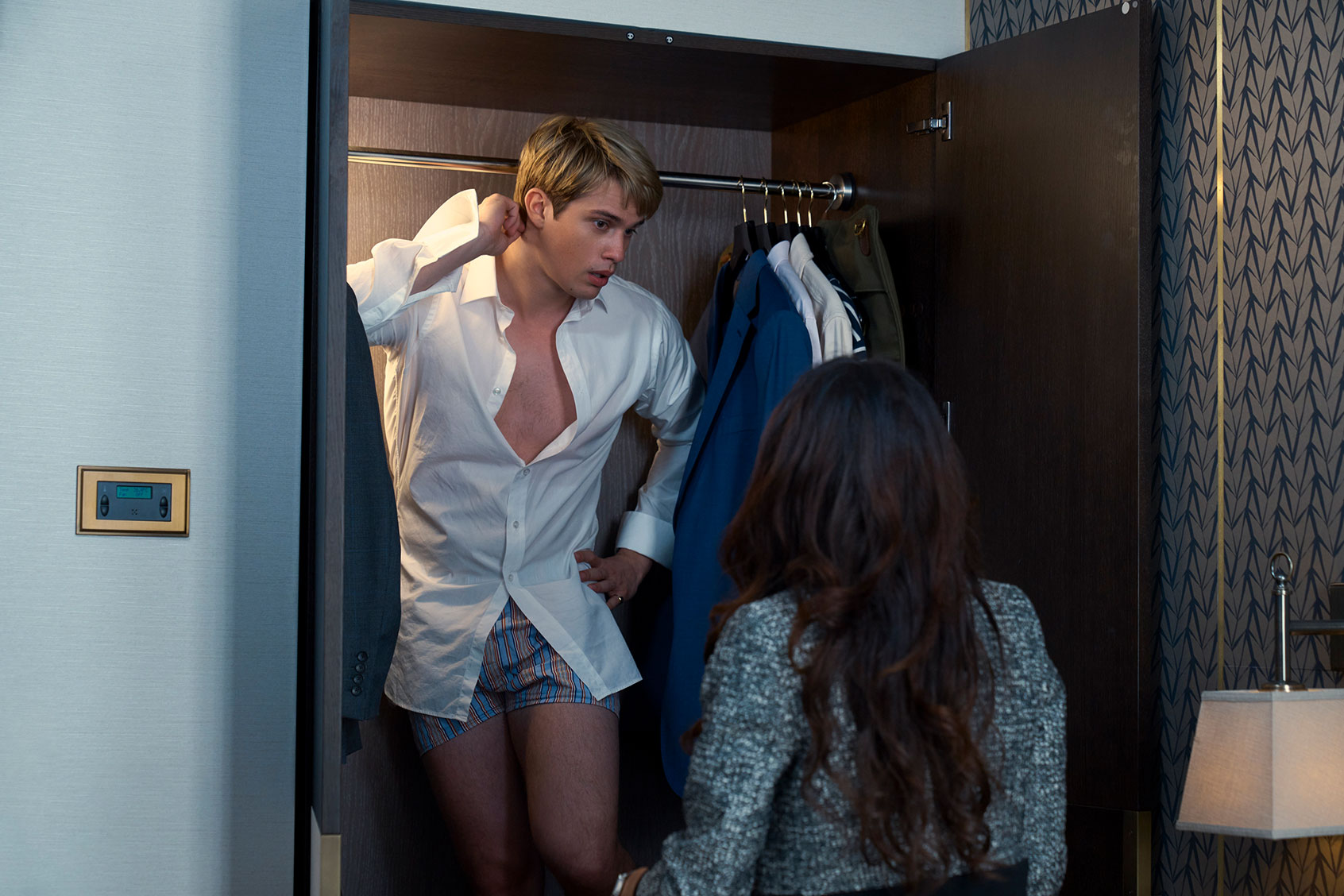
Sadly, that real-life experience is still common, which is why it resonates when it’s revealed that Charlie’s experiences coming out is more reflective of the ugliness we can see of homophobia in adolescence from other teenagers. In the series, Charlie was accidentally outed by his best friend Tao (Will Gao), which leads to bullying and eventually triggers an eating disorder in Charlie. Unlike Nick, Charlie is an outcast because of his sexuality, and it pushes him to the bottom of the social hierarchy at his school. He finds comfort in his other queer friends and eventually in his relationship with Nick.

“Heartstopper” doesn’t rest with just Nick and Charlie’s coming out, but rather delves into the stories of their diverse friend group. Their friend Elle (Yasmin Finney) comes out as transgender, but feels more comfortable after transferring to another school. As one-half of the only lesbian couple in Charlie and Nick’s school, Darcy (Kizzy Edgell) is out and proud to everyone at school and her circle of friends. But when she is at home, she is internally conflicted about how to live out her truest self with her homophobic mother. It even becomes so volatile she is kicked out and homeless at a certain point. And Charlie’s friend, Issac (Tobie Donovan) is just beginning to understand his own identity as asexual but isn’t ready to share that with anyone yet.

Red, White & Royal BlueRed, White & Royal Blue (Prime Video)On “Red, White & Royal Blue,” Alex and Henry are a little bit older, but have similar journeys to Nick and Charlie’s. Alex is already aware of his bisexuality and is open about it in private settings because he is a public figure as the president’s son. Alex is the life of the party and even though he’s partially closeted, he is very sure of his sexuality. While there is definitely reluctance to come out to his parents (Uma Thurman plays his President mom) — it is something that goes smoothly. 

Coming out is intensely personal, and is not owed to anyone.

Henry’s personal journey with his sexuality is less smooth considering the expectations set in place as a member of the royal family and its adherence to tradition. He accepts that he can never be fully out even when falls in love with Alex. However, just as he is in a better headspace within himself about his identity, he is outed when his and Alex’s texts and emails are leaked to the media, thrusting the couple’s romantic relationship into the spotlight.

Despite a sympathetic sister, Henry’s family is not as supportive as Alex’s. Henry’s grandfather as the King of England (Stephen Fry) all but forbids Henry from publicly dating another man, insinuating that it is nearly impossible to be a gay prince because of the role of the Crown and questions about the line of succession. But since this is fiction and not the real royal family (we know how this would’ve actually ended . . . look at Harry and Meghan), Alex and Henry end up together despite all the cross-cultural boundaries and obstacles.

We need your help to stay independent

Earlier this year on Netflix’s “XO, Kitty,” the YA rom-com series shot in Korea also explores how highschooler Kitty Covey (Anna Cathcart) discovers she harbors more than platonic feelings for one of her female friends and now is in a bisexual love triangle. While she is still coming to terms with these new feelings, she does reveal them to one friend – a gay boy who is currently out. The series also depicts a closeted young lesbian as one of Kitty’s schoolmates, who eventually comes out to her conservative Gen X mother. 

XOGia Kim as Yuri and Anna Cathcart as Kitty Song Covey in “XO” (Park Young-Sol/Netflix)Viewers may also recall that last season, ’80s-set sci-fi series “Stranger Things” had dropped hints that character Will Byers (Noah Schnapp) is gay and in love with his best friend Mike (Finn Wolfhard). Following this plotline, Schnapp himself came out as gay on TikTok. Meanwhile, on Hulu’s “Love, Victor,” highschooler Victor (Michael Cimino) discovers his sexuality and over the course of three seasons, he eventually comes out to his ex-girlfriend, his neighbor, his Catholic Latine family and his basketball teammates to varying degrees of receptivity.
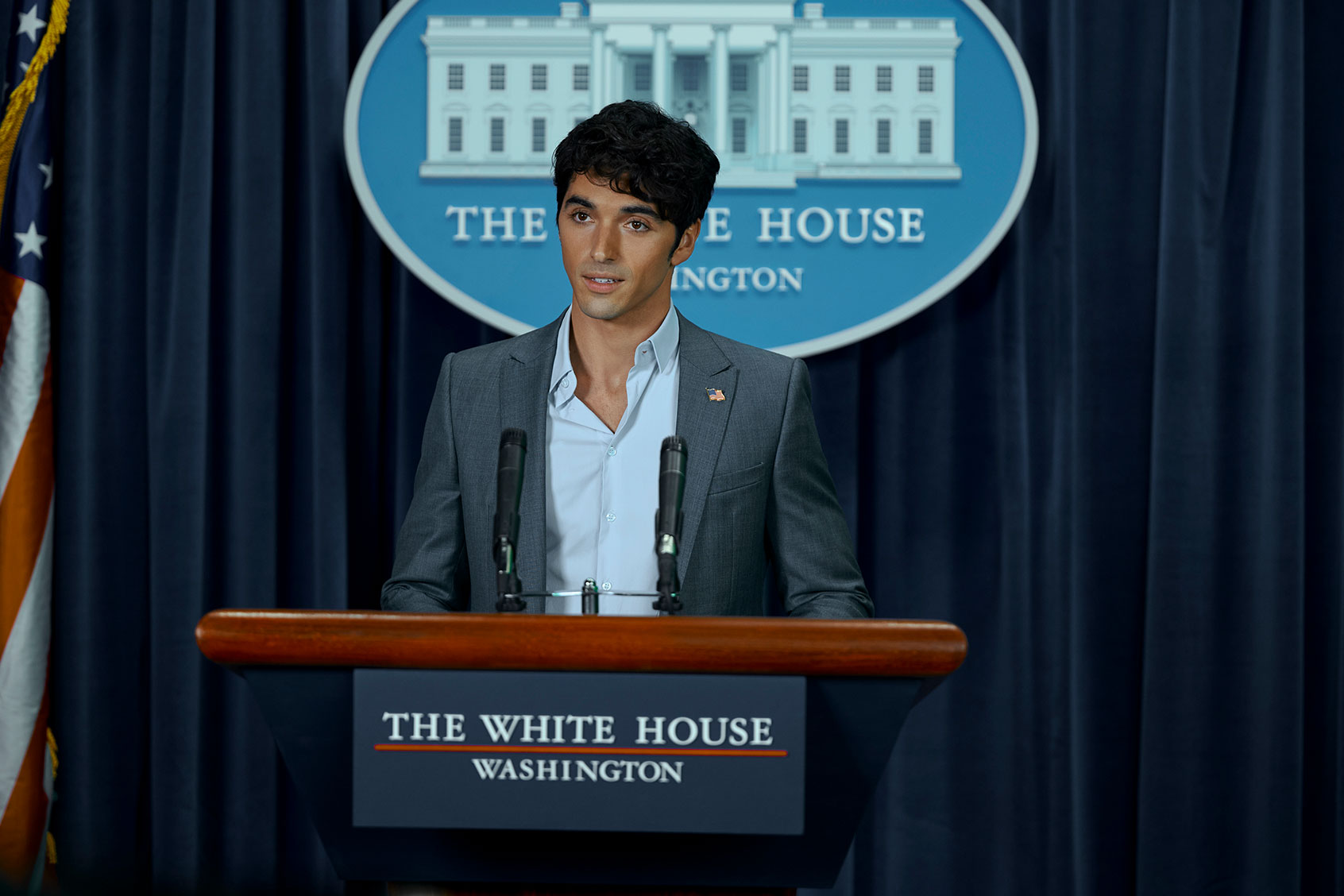
It’s clear that coming out is still a complicated process despite Gen Z’s more widespread understanding and acceptance of the gender and sexuality spectrums. How does someone come out? How does someone learn to understand their multifaceted identity? Who do you talk to about how to deal with it? Who do you come out to and with what speed? Massive strides have been made in depicting the process of coming out and how each comes with individual needs and challenges. It’s still not perfect, and these examples don’t even cover the range of complexities in coming out but it does a great job at broadening our understanding of what coming out looks like for children and young adults today.

Red, White & Royal BlueRed, White & Royal Blue (Prime Video)Despite the differences, the one common takeaway that is driven home in all of these stories is  that as much is in your control most of it is about finding peace within yourself first before it’s something to share with the whole world — and if you wanted, the whole world wouldn’t even have to know. Coming out is intensely personal, and is not owed to anyone.

In “Red, White & Royal Blue,” Alex says it best in a press conference after his relationship with Henry is outed:

The truth is, every queer person has the right to come out on their own terms and on their own timelines. They also have the right to choose not to come out at all. The forced conformity of the closet cannot be answered with forced conformity in coming out of it. This isn’t about shame. This is about privacy and the fundamental right of self-determination, which are exactly the principles on which the struggle for queer liberation has always been fought.


Georgia GOP Gov. Brian Kemp rips Trump’s plan to “exonerate” himself with “conclusive” fraud report

Georgia Republican Gov. Brian Kemp refuted Donald Trump’s repeated election fraud claims after the former president teased the release of a “large, complex, detailed but irrefutable report” that he has baselessly claimed took place in Georgia during the 2020 election. Trump vowed to present the results at 11 am on Monday at his Bedminster, N.J., resort. “Based on the results of this CONCLUSIVE Report, all charges should be dropped against me… There will be a complete EXONERATION,” Trump dubiously wrote on Truth Social.

“The 2020 election in Georgia was not stolen,” Kemp responded on X, formerly Twitter. “For nearly three years now, anyone with evidence of fraud has failed to come forward – under oath – and prove anything in a court of law. Our elections in Georgia are secure, accessible, and fair and will continue to be as long as I am governor. The future of our country is at stake in 2024 and that must be our focus.” Kemp was one of the star witnesses in District Attorney Fani Willis’ grand jury probe, along with Secretary of State Brad Raffensperger. “The most basic principles of a strong democracy are accountability and respect for the Constitution and rule of law,” Raffensperger said in a statement after the indictment. “You either have it, or you don’t.”

“Most perilous case”: Fox News legal expert warns Trump can’t “make the Georgia prosecution go away”

Fox News legal analyst Andy McCarthy warned that former President Donald Trump’s indictment by a Fulton County, Ga., grand jury is “his most perilous” case yet. McCarthy in a New York Post op-ed ahead of the indictment compared the Georgia case with Trump’s prosecution by special counsel Jack Smith and Manhattan District Attorney Alvin Bragg, arguing that the New York hush-money case “harmed no one” and although there is “significant overlap” between the D.C. indictment and the one in Georgia, “Smith’s problem is that the federal penal statutes he has invoked — relating to fraud, obstruction, and civil rights — do not clearly and narrowly target the kind of conduct in which Trump engaged.”

“Willis, by contrast, is probing serious misconduct — the duplicitous and heavy-handed schemes by which Trump tried to remain in power despite losing the election,” McCarthy wrote, predicting that Willis would have “smoother sailing” than Smith because state laws are “specifically designed to deal with election-interference conduct of the kind Trump engaged in.” Though the Fulton case isn’t as “cut-and-dried” as the Mar-a-Lago documents case, he wrote, “Willis’ case may well be more straightforward — less legally problematic — than Smith’s election interference case, and it will surely be more compelling than Bragg’s nakedly partisan business records indictment.”

“What should most concern Trump is that the Georgia case could be the most enduring of all the criminal indictments,” he added. “If Trump or another Republican were to win the 2024 election, the new president could issue a pardon or otherwise have their Justice Department drop Smith’s federal indictments against Trump… It remains to be seen whether Wills can convince a jury of Atlantans to convict Trump. But even a newly elected President Trump could not make the Georgia prosecution go away.”

Underpaid and overlooked, migrant labor provides backbone of Maryland Eastern Shore’s local economy

Every summer, people flock to Maryland to eat blue crabs. Named for their brilliant sapphire-colored claws, blue crab is one of the most iconic species in the Chesapeake Bay. The scientific name for blue crabs, Callinectes sapidus, means “beautiful savory swimmer.”

In restaurants and at home, diners pile steamed and seasoned blue crabs in the middle of a table covered in paper. Then, using small mallets, knives, bare hands and fingers, they break open the hard shells and extract the juicy meat from inside.

It is a messy experience, especially with Old Bay seasoning and beer known locally as Natty Bohs, one that is quintessentially Maryland.

Though many people know firsthand how difficult it is to pick and clean crab meat,  they often don’t realize how crab is processed when it is sold in stores already picked and cleaned. Most people also may not know that crab picking is a livelihood for many, mainly poor, women.

For generations, African American women from Maryland’s rural, maritime communities labored for crab houses on the Eastern Shore.

Today, fewer than 10 crab houses are left on the Shore. The workforce consists of mainly female migrant workers from Mexico who do the grueling job of picking crab for eight to nine hours a day, from late spring to early fall. They make on average of US$2.50 to $4.00 for every pound of crabmeat they pick.

That pay is roughly one-tenth to one-twelfth of the wholesale price of one pound — or about a half of a kilogram — of the seafood they pick, which is $35 to $44. In comparison, the Maryland minimum wage is $13.25 an hour, while the federal minimum wage is $7.25.


Rise of immigration in rural America

Over 2.1 million migrants and immigrants work in jobs growing and processing food in the United States, playing an essential role in feeding Americans.

As an anthropologist and global health researcher, my work has shown that they are part of an increasing trend in rural America. Since 1990, immigrants have been moving to small towns and rural regions at unprecedented rates, accounting for 37% of the overall rural population growth from 2000-2018.

Some rural counties, like Stewart County in Georgia and Franklin County in Alabama, have experienced growth rates of over 1,000% in their foreign-born population, which have boosted their local economies and mitigated rural population decline.

Maryland’s rural Eastern Shore, for instance, has experienced a rapid rise in immigration since 2000. From 2010 to 2019, migration was the primary source of population growth, with the foreign-born population increasing by 90%.

Many immigrants come to this region to find work in agriculture, poultry and seafood processing. Some come directly from Mexico, Central America and Haiti.

Typically, farmworkers have temporary visas and arrive in late spring and early summer and stay through the growing season. Migrant Mexican women who work in crab processing also follow the same seasonal employment pattern. Others, like those working in poultry processing plants, have settled here more permanently, either as undocumented or permanent residents.


At risk of exploitation and injury

Immigrant workers in rural regions work dangerous jobs and are exposed to pollution, deplorable living conditions and limited safety training.

Additionally, immigrant workers are among the lowest paid and lack access to health information, preventive care and medical treatment. Dry skin, cuts, scrapes, rashes, chronic pain and broken bones are common among immigrants who work in agriculture, poultry and seafood processing.

These workers also suffer from numerous invisible injuries such as discrimination, verbal harassment and physical exploitation.


Challenges to rural health

Despite the daily risk of harm, migrant workers in rural regions have limited access to health care and rely on mobile clinics, local health departments and community health centers.

But these facilities are not equipped to handle specialty care or emergencies. Nor are many of them easily accessible due to location or hours of operation. In addition, many workers cannot afford to miss work or are afraid to tell their supervisors that they need care.

Some avoid health providers altogether because they are not treated well or feel misunderstood.


Essential but undervalued

During the COVID-19 pandemic, the notion of “essential” workers became part of the nation’s vocabulary as a way to describe people required to continue in-person work under lockdown conditions. They included food industry workers.

The pandemic exposed the disproportionate numbers of immigrant workers in the agriculture, poultry and seafood industries in rural America.

It also revealed how policies enacted during the pandemic to protect public health and essential workers did little to prevent people from working in dangerous workplace conditions without adequate safeguards.

Unable to self-quarantine at home, many food production workers got sick or even died as a result of working in crowded conditions without personal protective equipment and adequate ventilation.

In many ways, the COVID-19 pandemic demonstrated the long-standing crisis of health care for immigrants in rural America.

But despite evidence that close to 2.5 million foreign-born people live and work in rural America, very little information exists on these people’s health.

This inattention by lawmakers is harmful and dangerous because it leaves health care providers and social workers with little understanding of immigrant experiences in small towns and sparsely populated rural communities.

Thurka Sangaramoorthy, Professor of Anthropology, American University

This article is republished from The Conversation under a Creative Commons license. Read the original article.

Georgia’s GOP governor can’t pardon Trump — so Fox News guest wants Republicans to change the law

Conservative activist and former Senate GOP aide Mike Davis in an appearance on Fox News Monday argued that the Georgia legislature should pass a law allowing Republican Gov. Brian Kemp to be able to pardon former President Donald Trump following his election conspiracy indictment by a Georgia grand jury. “Under the Georgia law, there is a statute that limits the Republican governor’s ability to pardon, and I think that the legislature in Georgia needs to amend that statute and give Governor Kemp the ability to pardon in this situation because this is clear election interference,” Davis said.

Though Georgia’s legislature is dominated by Republicans, Mississippi Free Press editor Ashton Pittman noted that implementing Davis’ idea “would require a two-thirds vote in both chambers to amend Georgia’s Constitution, which would then require voters to approve it on a statewide ballot.” Sherrilyn Ifill, former president & director-counsel of NAACP Legal Defense Fund, pointed out that Davis, a former law clerk to Supreme Court Justice Neil Gorsuch, “essentially argues that if adhering to the rule of law results in holding Trump to account, Georgia legislators should change their law to allow Gov. Kemp to pardon Trump.” State Rep. Eric Woods, D-Mo., argued that it is “horrifying that the Republican response to these indictments is ‘We should change the law so Trump can be pardoned’ and not ‘If Trump committed crimes, he should be punished.’ That’s the REAL banana republic stuff.”

“It looked like Armageddon”: Maui wildfire survivors describe their experience fleeing destruction

Rebecca Johnson and her roommates were sleeping when the wildfires erupted in Maui. What she awoke to early in the morning on Tues. Aug. 8 was the stuff of nightmares.

The power had gone out the night prior due to severe winds from Hurricane Dora, and electrical lines were already downed in her neighborhood in Lahaina in west Maui. One of her roommates was awake and spotted smoke rising across town. Soon after, a neighborhood gas station exploded. A police officer was going through the neighborhood telling residents to evacuate, but many couldn’t hear the advisory over the 70-mile-per-hour winds, Johnson said. She and her roommates split up, and she and one of them left on foot with nothing but the clothes on their backs and their dog. 

The island’s alert system — in which 80 green towers sound off an alarm in the case of a natural disaster — was never activated. 

“People stood there dumbfounded,” Johnson told Salon in a phone interview. “If the sirens would have gone off, we would have all left our homes [earlier], but we didn’t know what to do.”

Johnson circled the area trying to find a safe place that wasn’t in flames. But most of the highways were not traversable due to fallen debris, and the other roads were jammed with people trying to leave in a panic. Even the ocean, which some jumped into to try to evade the flames, was ablaze in some areas from oil spilled by boats, she said. Without electricity, they had no way to charge their cell phones and check for news of what was going on.

“No one had any idea where to go,” she said.

Johnson and her roommate headed to a friend’s house and they lent them an extra truck to evacuate. One of the vehicle’s windows had shattered, leaving them with no protection against inhaling the thick smoke. Driving south along the coast, they made their way to the east side of the island, watching as flames leapt across the landscape in what looked like a “fire tornado,” she said.

“No one had any idea where to go. I kept looking at the stars, praying I could still see them.”

“I kept looking at the stars, praying I could still see them,” Johnson said. “If the wind changed, we wouldn’t be able to see any more to drive.”

They finally made it to safety in Maalaea, but as is true in many surrounding communities dealing with an influx of evacuees, supplies were running low. Survivors began to share stories as it became clear that the Lahaina they knew was no more.

As of Monday, 99 people had been reported dead from the wildfires in Maui, but Gov. Josh Green said that may rise by 10 to 20 victims per day as personnel search the destruction for bodies. As of Aug. 11, 2,207 buildings in Lahaina alone had been damaged or destroyed, with 86% of those structures residential. It is already the deadliest wildfire in the U.S. since 1918.

In addition to the flames in Lahaina, other wildfires also ignited across the east side of Maui in the Kula region. It’s unclear what ignited the fires, but drier conditions linked to climate change and the invasion of nonnative plants across the island are thought to have exacerbated them.

“We never anticipated in this state that a hurricane, which did not make an impact on our islands, would cause this type of wildfire,” said Lt. Gov. Sylvia Luke, who served as acting governor while Green was away.

More than 90 people have been reported dead from the wildfires in Maui. It is already the deadliest wildfire in the U.S. since 1918.

A similar yet less severe situation occurred in Maui in August 2018 when strong winds from Hurricane Lane spread wildfires on the west side of the island that burned through 2,000 acres. A 2019 report from the Hawaii Emergency Management Agency stated that the disaster was a “real world wake-up call.”

Bob Graybosch, a retired resident that used to work in property management who moved to Maui in 2007, said the sirens did go off in 2018, but their home was not damaged.

This time around they wouldn’t be so lucky. The day the fires erupted, Graybosch watched the smoke trickle toward his and his wife’s home in Lahaina early in the morning. By the afternoon, they evacuated to a shopping center nearby, where they could see the fires spreading clearly down Puʻu Kukui, the mountain east of Lahaina. They could also see that the highway had been cut off and there was no clear way to evacuate. A nearby Safeway was using propane tanks to power a generator, and soon, they too exploded, Graybosch told Salon in a phone interview.

“I thought at that point, ‘Oh no, the last place we could go was gone,'” Graybosch said. “It’s going to burn.”

That night, a firetruck arrived to evacuate people sheltering in the shopping mall, and Graybosch, his wife, his son, his daughter-in-law, two dogs, and two cats huddled in the car to follow the firetruck to a nearby shelter.

“It looked like Armageddon,” Graybosch said. “It looked like a nuclear bomb had come through and vaporized both sides of the road in the area. It was just surreal.”

“It looked like a nuclear bomb had come through and vaporized both sides of the road in the area. It was just surreal.”

Graybosch’s family spent the night in a makeshift shelter at the Maui Prep School in Napili, but it was too remote to receive supplies, so they once again had to move. After finally getting cell service, they heard from a friend in Kihei, on the other side of the island, that said they could stay with them. On the way there, the Graybosch family passed their old house.

“It was completely disintegrated,” Graybosch said. “The biggest need now is finding housing for people that are going to stay in the Lahaina area because there’s nowhere to put them right now.”

The Federal Emergency Management Agency (FEMA) estimates rebuilding the area affected by wildfires will cost $5.52 billion. Graybosch fears this will take years. And Johnson, who managed to find a flight out of Hawaii, said many locals who stayed fear they’ll be left out of rebuilding efforts.

We need your help to stay independent

“People think their land is about to be taken over by a bunch of millionaires and they’ll never get to rebuild,” Johnson said. “They can’t just worry about survival, they also worry about [having] no chance of going home.”

In a press conference Monday, Green said emergency relief efforts were offering 36 weeks of housing to residents for free across 2,000 units, with housing renewed on a month-by-month basis.

“We don’t want people to think they’re going to be housed but suddenly asked to leave,” Green said.

Residents have already banded together to start rebuilding themselves. Hundreds of fundraising efforts have been created on crowdfunding sites like GoFundMe and individual families are sharing their stories on social media to get help and bring supplies to the island

“Hawaii is coming together so strong,” Johnson said. “They’re helping each other. … They’re getting supplies there by literally swimming them to shore. I saw a glimpse of hope when I saw that.”

Expert: Trump’s plan to counter indictment with “irrefutable” fraud proof will blow up in his face

Following Donald Trump’s Monday night indictment, his fourth in five months, the former president claimed that he would present an “Irrefutable REPORT on the Presidential Election Fraud” he persistently and baselessly claims took place in Georgia. “A Large, Complex, Detailed but Irrefutable REPORT on the Presidential Election Fraud which took place in Georgia is almost complete & will be presented by me at a major News Conference at 11:00 A.M. on Monday of next week in Bedminster, New Jersey,” Trump wrote in a Tuesday Truth Social post. “Based on the results of this CONCLUSIVE Report, all charges should be dropped against me & others – There will be a complete EXONERATION! They never went after those that Rigged the Election. They only went after those that fought to find the RIGGERS!”

National security attorney Bradley Moss mocked the idea that Trump would present a “detailed and irrefutable report that he has been holding on to for 2.5 years and never presented in any court of law.” Stephen Fowler, a reporter for Georgia Public Broadcasting, pointed out the irony in Trump’s argument, noting that he “is now arguing the new Georgia racketeering charges against him should be dropped by … making similar false claims of fraud in a way that got him indicted not 12 hours ago.” Politico legal affairs reporter Kyle Cheney pointed out that “Trump’s attempt to do a version of this in a Sept. 2021 letter to Brad Raffensperger is literally a charge in the indictment,” referring to a letter the ex-president sent to Georgia’s Secretary of State asking him to decertify the results of the 2020 election. 

Michael Bromwich, a former federal prosecutor and Justice Department inspector general, warned that Trump’s plan may backfire. “Trump’s lawyers will be hiding under the covers, and prosecutors will be listening for obstruction and witness tampering,” he wrote. “The most likely result: accelerated trial dates in DC and Georgia.”

Trump melts down on Truth Social after his tweets come back to haunt him in Fulton indictment

Former President Donald Trump and a slew of alleged co-conspirators were indicted late Monday night on racketeering charges, marking a new chapter in Fulton Country District Attorney Fani Willis‘ election conspiracy investigation.

Trump, who is facing potential legal repercussions for firing off at a number of perceived political adversaries on his social media platform, took to Truth Social on Monday night and early Tuesday morning to bemoan his latest felony charges. 

The ex-president’s campaign first released a lengthy statement condemning Willis by likening her to three other key legal figures who have pursued indictments against him, probes which Trump referred to as “corrupt Democrat attempts” that will “fail”: Manhattan District Attorney Alvin Bragg, special counsel Jack Smith, and New York Attorney General Letitia James. The statement also accused Willis of intentionally delaying her investigation in order to “maximally interfere” with Trump’s 2024 campaign efforts. 

“Like Manhattan DA Alvin Bragg, Deranged Jack Smith, and New York AG Letitia James, Fulton County GA’s radical democrat District Attorney Fani Willis is a rabid partisan who is campaigning and fundraising on a platform of prosecuting President Trump through these bogus indictments. Ripping a page from Crooked Joe’s playbook, Willis has strategically stalled her investigation to try and maximally interfere with the 2024 presidential race and damage the dominant Trump campaign. All of these corrupt Democrat attempts will fail,” the statement said.

“These activities by Democrat leaders constitute a great threat to American democracy and are direct attempts to deprive the American people of their rightful choice to cast their vote for president,” the statement continued. “They are taking away President Trump’s First Amendment right to free speech, and the right to challenge a rigged and stolen election that the Democrats do all the time. The ones who should be prosecuted are the ones who created the corruption.”

Several hours later, after repeatedly doubling down on election falsehoods, Trump responded to the news of his latest indictment, calling it evidence of an ongoing “Witch Hunt.”

“So, the Witch Hunt continues!,” Trump wrote. “19 people Indicated [sic] tonight, including the former President of the United States, me, by an out of control and very corrupt District Attorney who campaigned and raised money on, ‘I will get Trump.’ And what about those Indictment Documents put out today, long before the Grand Jury even voted, and then quickly withdrawn? Sounds Rigged to me! Why didn’t they Indict 2.5 years ago? Because they wanted to do it right in the middle of my political campaign. Witch Hunt!”

Included in the 161 violations of Georgia’s RICO Act — legislation used to target gangs, mafia, and organized groups more broadly — by Trump and his associates were 12 tweets from the former president’s personal Twitter account, @realDonaldTrump. Though Trump may have not composed each post himself, Willis’s indictment observes that all of the 12 tweets were “caused to be tweeted” by Trump, as Insider notes. 

We need your help to stay independent

Each tweet is from December 2020 or early January 2021, in the days leading up to and on the day of the deadly attacks on the Capitol. In the posts, Trump pitched baseless claims of “ballot stuffing by Dems,” “corrupt” voting processes, and alleged that “People in Georgia got caught cold bringing in massive numbers of ballots and putting them in ‘voting’ machines.”

Following the release of the Georgia indictment, some right-wingers falsely claimed that Trump was being charged for tweeting. Conservative host Charlie Kirk shared a section of the indictment citing a Trump tweet promoting a hearing discussing his baseless election fraud claims on the right-wing network OAN.

“This is not a criminal case,” Kirk tweeted on Monday night. “It is a bid to nullify the United States Constitution.”


Want a daily wrap-up of all the news and commentary Salon has to offer? Subscribe to our morning newsletter, Crash Course.


On Tuesday morning, Politico legal affairs reporter Kyle Cheney clarified potential confusion about what Trump is actually being charged for, addressing false allegations made by “Folks pretending ‘overt acts’ like tweets are standalone allegations of crime.”

“Overt acts are not standalone allegations of crime and are often perfectly legal activities but can be part of an illegal conspiracy when combined with other evidence,” Cheney wrote. 

Former U.S. Attorney Joyce Vance echoed Cheney’s explanation.

“RICO predicate acts are crimes off of a list specified by statute,” Vance wrote. “Overt acts to further the goals of the conspiracy can be acts that would be perfectly legal-making a phone call-if they weren’t in service of a criminal purpose.”

“Make attorneys get attorneys”: Trumpers face prison in Georgia — some are already starting to turn

Former President Donald Trump on Monday was indicted alongside 18 alleged co-conspirators over his efforts to overturn the 2020 election in Georgia, raising the possibility that some of those charged could cooperate with prosecutors.

A Fulton County grand jury late Monday night handed up a 41-count indictment, including 13 charges against Trump. Though different alleged co-conspirators were charged with varying crimes, all 19 are charged under the state’s Racketeer Influenced and Corrupt Organizations (RICO) statute.

The indictment says Trump and the other defendants “conspired and endeavored to conduct and participate in a criminal enterprise in Fulton County, Georgia, and elsewhere,” at one point describing it as a “criminal organization.”

Willis said in a late-night press conference that she plans to try Trump and the 18 others together. She gave them until noon on Aug. 25 to surrender or face arrest.

The defendants include former chief of staff Mark Meadows and former Trump Justice Department official Jeffrey Clark. They also include attorneys Rudy Giuliani, John Eastman, Kenneth Chesebro, Sidney Powell, Jenna Ellis, Ray Smith and Robert Cheeley.

National security attorney Mark Zaid called it a “true #MAGA moment — Make Attorneys Get Attorneys.”

Unlike other cases, there is no chance of a federal pardon because it is a state case. The RICO statute carries a minimum of five years in prison and those convicted also cannot be pardoned by the governor.

“Given the 5 year min for RICO, lots of opportunities for folks to flip and cooperate,” wrote NYU Law Prof. Melissa Murray.

“Unlike Trump, the other defendants aren’t wealthy.  They aren’t raising money from donors to pay their legal bills,” added former federal prosecutor Renato Mariotti. “Most people have their lives turned upside down by an indictment, and plead guilty to avoid ruin.”

Some TrumpWorld allies appear to already be cooperating. The indictment cites 30 unindicted co-conspirators involved in the scheme.

We need your help to stay independent

“The phrase “unindicted co-conspirator” shows up at least 89 times in the Fulton County indictment of Trump & others. Fani Willis may have some important cooperating witnesses,” tweeted former U.S. Attorney Joyce Vance.

Trump was also charged in connection to the election scheme by special counsel Jack Smith and has pleaded not guilty to all charges. But some of Trump’s alleged co-conspirators in the case are already starting to turn on each other, according to Rolling Stone.

Some of Trump’s alleged unindicted conspirators in the case have “sought to distance themselves from the efforts of others, implicitly heaping the blame for any potential criminal conduct onto fellow participants in Trump’s attempted coup,” according to the report.


Want a daily wrap-up of all the news and commentary Salon has to offer? Subscribe to our morning newsletter, Crash Course.


“It is the ‘please don’t put me in jail, put that other guy in jail’ strategy that was sure to come up at some point or another,” one attorney working in Trump’s orbit told the outlet.

Attorneys for Giuliani and Chesebro have sought to blame others on the campaign’s legal team or in Trump’s orbit. And Trump’s own lawyers have signaled that they plan to argue that Trump relied heavily on the “advice of counsel.”

“The possibility that one of Trump’s former advisers could turn state’s witness and testify against either him or his aides or close associates is already apparent to the twice-impeached former president,” Rolling Stone reported. “This summer, Trump has asked some of his political and legal advisers to name who—especially among those investigated or questioned by the special counsel’s office—they believe to be the most ‘vulnerable’ and likely to crack under pressure from prosecutors.”

Virtual clinics embrace allergy drops as an alternative to shots

For as long as he can remember, Ken Pressey has had severe allergies to cats. They would trigger hives, runny nose, and watery eyes. Still, like many of the tens of millions of people in the United States who suffer from allergies, Pressey for years did not bother getting treated, or even diagnosed. When cats came near, he just avoided them.

But that tactic has gotten tougher. During the pandemic, Pressey started dating a woman he’s now engaged to marry — and she has two cats. Being with the cats “was absolute chaos,” said the 30-year-old, who lives in Seattle. “I started having asthma attacks.”

Pressey’s primary care physician suggested allergy shots. This century-old approach, a form of immunotherapy, works by exposing the body to small, increasing doses of the culprit substance. Unlike over-the-counter pills and nasal sprays, which only relieve symptoms, shots address the root cause: They help the body build long-term tolerance to the allergens. The treatment is not a cure, but experts say it can bring relief in around 85 percent of patients who try it. And it’s not just a matter of curbing some sneezing. Beyond springtime sniffles, allergies make it hard to concentrate, leading to missed work and school. They can also disrupt sleep, trigger asthma, and contribute to mood disorders.

The procedure for alleviating this misery with allergy shots requires time and diligence. Typically, patients need injections once or twice a week for the first three to six months, then monthly jabs for three to five years. Each office visit also requires a half hour of monitoring after the shot in case of serious reactions, such as wheezing or throat swelling, which are rare but need immediate attention if they occur.

With these scheduling demands, allergy shots were a no-go for Pressey, an engineer with the United States Merchant Marines who often works overseas for months at a time. “I would not be able to keep up,” he said. While looking into alternatives, he recalled a conversation about allergy treatments while stationed in Europe several years earlier, when he heard a coworker say, “We do allergy drops. We don’t do shots. Why would you want to get stabbed by a needle?”

His colleague was referring to a form of sublingual immunotherapy, or SLIT, which builds immune tolerance to allergens administered daily under the tongue. The drops are formulated using the same liquid extracts in skin-based allergy tests, and research suggests the approach works — and is safe for patients to do at home. SLIT drops are a mainstay in Europe, Canada, and Latin America. In the United States, although some medical providers offer the drops off-label, prescribing the treatment remains limited for complex reasons related to regulatory purview and clinic revenue.

That means accessing SLIT drops can be tricky, even for highly motivated patients. “I did quite a bit of extensive reading,” Pressey said. The hardest part, he added, was finding a SLIT provider. Although he managed to connect with several doctors who offer the drops, their clinics were far away. Eventually Pressey went to a forum for allergies on Reddit, which led him to try a consult with Curex, one of more than a half dozen virtual health companies that have started selling allergy tests and SLIT directly to consumers.

Some of these companies launched during the pandemic when telehealth was rising and Covid concerns kept some allergy sufferers from going to clinic to get shots. The companies’ services focus on diagnosis and treatment of environmental allergies such as pets, dust, pollens, and grasses.

As more health services move online, patients have greater access to treatments but often sacrifice the continuity of traditional physician-patient relationships. As with other areas of medicine, finding allergy care has become a buyer-beware dilemma: Financial incentives and legal complications prevent SLIT from going mainstream with allergists, and so the challenge of making this treatment available and cost-effective has largely landed in the hands of non-allergist practitioners and business executives.


Allergen immunotherapy traces its roots to a pioneering experiment published in 1911. In that study, a pair of young British researchers rounded up patients and showed that injecting their arms with grass pollen toxins could calm their hay fever — which the researchers measured by dripping pollen extract into the patients’ eyes and noting the extent of burning and itching. With little understanding of the cells and molecules involved, physicians refined this method and, in 1954, confirmed its benefits in a double-blind trial. 

As the shots regimen gained popularity with physicians, the procedure proved quite safe overall, but news of several patient deaths in the early 1980s led some researchers to explore other ways to treat allergies without injections. Their efforts gave rise to sublingual immunotherapy — the liquid drops now offered by direct-to-consumer companies — and, initially, otolaryngologists, or ear, nose, and throat specialists saw potential in what appeared to be a gentler, more convenient allergy treatment.

Otolaryngology is primarily a surgical specialty. But allergies lie at the root of some of the complications that ENT physicians treat, and often present a roadblock. Whenever allergies cropped up as an underlying cause for his patients’ polyps and nasal disease, they “would never go for allergy therapy because, you know, it was always just shots,” said Chris Thompson, an ENT-trained head and neck surgeon in Austin, Texas, who opened his practice in 1997.

Over the next decade, research continued on sublingual immunotherapy. By 2007, there was “growing consensus that specific sublingual immunotherapy (SLIT) does actually work,” according to one review in the Journal of Allergy and Clinical Immunology. In a 2009 position paper, the World Allergy Organization acknowledged SLIT as a viable treatment. Enterprising doctors began offering this type of immunotherapy.

Still, key details about the technique, such as what doses are needed to achieve benefit, seemed murky. “You could literally go to one doctor and get something that was 10,000 times weaker than what you might get from another doctor,” Thompson said. “There was no standardization.” 

Allergists were intrigued by sublingual therapy, but very few at the time offered it in clinic. According to a 2007 survey by the American College of Allergy, Asthma, and Immunology, just 5.9 percent of practicing allergists said they were using SLIT, and by 2011 that figure had only edged up to 11.4 percent. Most respondents cited the lack of FDA-approved products as a barrier.

Nevertheless, interest in sublingual immunotherapy grew in the ENT realm. Professional societies included symposiums about SLIT at their annual meetings and formed subgroups devoted to this new approach. Some otolaryngology group meetings offer courses for physicians to get started with SLIT, Thompson said.

Thompson watched the field a while, noting SLIT’s research progress amid overall trends in allergen immunotherapy, which largely persist today. Shots, despite being the bread and butter of U.S. allergy clinics, are vastly underused. Just 2 or 3 percent of newly diagnosed patients who are recommended for the treatment, actually choose it. Relative to the hordes of patients buying over-the-counter Zyrtec, Thompson said, the number who receive immunotherapy “doesn’t even register.”

One way to make a dent, Thompson figured, was to “offer a therapy people will want.” Thompson opened a second practice, Aspire Allergy & Sinus, in 2012, with a focus on sublingual drops. By then, SLIT seemed promising, Thompson said. “We thought, gosh, this is such a great opportunity.” 

A decade later, a similar ambition is fueling direct-to-consumer companies.


There are trade-offs between in-clinic and at-home allergy testing and treatment. When it comes to allergy diagnoses, physicians typically take a detailed clinical history and then use testing, if needed, to confirm the patient’s allergies. Skin testing is the preferred diagnostic among allergists. It has a quick, visual readout — red lumps, or wheals, that form on the patient’s skin 15 to 30 minutes after getting pricked with potential allergens during an office procedure — but it can’t be done at home.

A second type of test checks a patient’s blood for immune proteins called immunoglobulin E (IgE) antibodies. IgE antibodies bind to a specific allergen — say, pollen or peanut — and trigger release of the chemical histamine, which makes people sneeze, itch, swell up, and, occasionally, go into anaphylaxis. Patients can get the blood test at a lab or, increasingly, at home; some online companies sell kits where customers use a provided finger-prick device to apply drops of their blood onto a card, which they can mail to a lab for analysis.

But blood tests can be tricky to interpret, said Robert G. Hamilton, an expert in diagnostic allergy and immunology testing at Johns Hopkins University School of Medicine. A positive result signals the presence of IgE antibody, which “means you’ve become sensitized to the substance,” he said, “but it doesn’t mean you will manifest any allergic symptoms.”

There’s another potential snag. If a patient purchases a home kit and receives results before talking with a physician, confirmation bias can creep in, said Edwin Kim, an allergist-immunologist at the University of North Carolina School of Medicine. If a patient tests positive for dust, for example, the doctor could “ask a thousand questions on dust” until they think they can prove that the patient is “dust-allergic,” he said.

Still, at-home tests and procedures can reach a far broader pool of patients, as it can be difficult to get an in-person appointment with an allergist. At Oregon Health and Science University, “we are booked out through the end of the year,” said allergist-immunologist Shyam Joshi. And at UNC School of Medicine, an academic hub that draws referrals from all over the state and even neighboring states, Kim sees firsthand how patients struggle with their treatment schedule. “We may see them as a great candidate for allergy shots, but you can’t realistically ask people to drive two, three, four hours every week, week after week,” he said.

And allergy shots are not risk-free. While the process goes smoothly for many patients, some develop red, swollen arms after their injection. Occasionally, a shot can trigger an asthma flare-up or a whole-body anaphylactic reaction, said Nikhila Schroeder, an allergist in Huntersville, North Carolina, recalling her own observations about a decade ago when administering shots during her allergy and immunology fellowship. Given all these limitations, “I started to just wonder,” Schroeder said, “Are there any other ways we could do this?”

More recently, that same realization hit Gene Kakaulin, a New York City health care entrepreneur. He was commiserating with a friend in 2018 about his allergies to cats, dust, and pollens, and how things had gotten so bad in his teen years that he tried shots. They were “a pain,” said Kakaulin. “I couldn’t stick with them.” 

By contrast, home therapy has lower time demands and less pain and risk — while still desensitizing the immune system by repeated exposures to the allergen. Both approaches produce similar immune changes, though their speed and magnitude, and the types of antibodies involved, can differ. Generally, the immune effects show up faster and stronger with shots, whereas they might take longer with sublingual treatment. It’s hard to compare these changes scientifically — especially since immunotherapy is usually a personalized treatment with dose amounts and escalations tailored to each patient, said Schroeder, whose North Carolina allergy clinic specializes in SLIT.

In studies that have tried to compare the immunotherapy approaches head-to-head, shots seem to do “the same or better” on effectiveness, said Hugh Windom, an allergist in Sarasota, Florida, and on safety, “SLIT always wins.”


Sublingual immunotherapy has been available in the U.S. for decades. SLIT drops, which can treat many different allergens together and are not covered by the Food and Drug Administration, have been offered by at least one allergy clinic since 1970, and by pioneering ENT physicians since the 2010s. In 2014, the FDA approved several tablets that dissolve under the tongue. Three tablets treat grass or ragweed allergies, and a fourth gained approval in 2017 for dust mite allergies.

Still, only about 15 percent of some 2 million allergy immunotherapy patients in the U.S. are using a sublingual version, with the majority on drops, according to market research provided to Undark by Jorge Alderete, who has advised direct-to-consumer allergy companies and other health care startups, and serves on the board of a private equity-backed allergy practice in Houston. An estimated 85 percent of U.S. allergy immunotherapy patients are receiving shots.

One reason is tradition. “We are, of course, wedded to shots because we’ve been doing them for a hundred years,” said Windom.

Another reason relates to versatility. Most allergy patients are allergic to more than one substance, yet allergists tend to prefer FDA-approved products — SLIT tablets — and they only treat a single allergen. Shots, on the other hand, can be tailored to treat many of the patient’s allergens at once. In use for more than a century, allergy shots came to be regulated by the FDA and typically get covered by insurance. SLIT drops can also be customized for multiple allergies, but since the extracts are not FDA-approved for under-the-tongue use and do not have a billing code, patients often must pay out of pocket.

Clinic revenue also plays a role. When an allergist sees a patient and recommends a medication, such as an antihistamine, they charge for a single office visit. Allergy shots bring in more revenue. (Exactly how much revenue can be difficult to estimate, as costs can vary significantly clinic to clinic.) When a patient goes on the shots, three to five years of office treatments at weekly to monthly intervals can amount to dozens of billable visits. Plus, with each visit the clinic charges for mixing the specialized treatment and administering the shot, said Alderete. From a business perspective, he said, immunotherapy is “an annuity.” 

Unlike shots, which are billed as a procedure, SLIT tablets are a prescribed drug. “If you’re going to ask an allergist, hey, do you want to do shots and make money off of it, or prescribe something to Walgreens,” Kim said, it’s understandable that tablets aren’t preferred by allergists in the U.S. Customized SLIT drops are prepared in-house at some clinics, or physicians can send the prescription to a compounding pharmacy.

In the drops form, SLIT does square well with shots on versatility — both can address combinations of allergens with adjustable dosing and escalations — but per-patient profit margins can be higher with shots, said Alderete.

This is in part because of doctors’ costs associated with purchasing and preparing the allergen extracts. Though different forms of immunotherapies use the same source material, SLIT preparations can be “significantly more concentrated than even the top doses of allergy shots,” said allergist and immunologist Sakina Bajowala, who offers both treatments at her allergy practice outside of Chicago. In one analysis of immunotherapy regimens for birch allergy, the total amount of allergen administered over the course of a year was 30 times greater with SLIT compared with shots. And office-made SLIT, Bajowala said, can make doctors’ margins even slimmer: “The more extract used, the more costly the drops.”

ENT practices are more willing to offer a less lucrative therapy because, unlike allergists, their revenue mostly comes from surgeries, so SLIT is “a bit of an ancillary service,” said Thompson.

But on the whole, SLIT drops remain far from mainstream, even as interest in this mode of treatment grows.


After hearing about his friend’s needle-free therapy — SLIT drops — Kakaulin made a round of calls to practices in New York so he could try SLIT himself. His symptoms improved “within a few months,” which helped him sleep and exercise better, he said. To this day, the drops remain a part of Kakaulin’s morning routine — “two minutes under the tongue right after brushing teeth when I shave.” 

Along the way, he co-founded Curex, one of several online allergy companies that got off the ground during the pandemic as telemedicine soared. While just 1 percent of allergy appointments took place virtually before the pandemic, that figure jumped to 54 percent one month into lockdown. Across medicine, telehealth shot up 78-fold between February 2020 and April 2020, according to an analysis, from the consulting firm McKinsey, and after a year remained 38 times higher than pre-pandemic.

Meanwhile, brick-and-mortar clinics took a hit. “A lot of allergy offices closed because of Covid concerns, and then people who were supposed to get shots were left out in the cold,” said Kim.

Direct-to-consumer allergy companies capitalized on this perfect storm, luring customers with glowing testimonials, free quizzes, and heaps of online advertising. Their social media ads showcase sublingual drops as a “convenient alternative to allergy shots” with “no trips to the doctor’s office or prickly needles.”

Some of these companies also offer allergy testing. Curex can send a phlebotomist to administer blood tests to patients with eligible zip codes. Wyndly, a company headquartered in Lakewood, Colorado, ships a $249 test kit to the customer’s home. New York City-based Nectar also sells home tests and lets patients upload results of previous allergy testing. Based on test results and a medical consult, the companies sell formulated sublingual drops on subscription plans, some at $99 per month or less. “We think there are tens of millions of Americans who could benefit,” said Kakaulin, who had helped start a prescription savings company before launching Curex in 2020.

To reach those millions of potential customers, companies that sell allergy drops face similar financial challenges as allergy practices. The average SLIT patient “produces 70 or 80 percent less revenue than an allergy shot patient,” Kakaulin said. So instead of trying to maximize per-patient profit, Curex is trying to “maximize some of our efficiencies and provide everyday low prices,” he said.

Toward this end, nationwide direct-to-consumer companies, as well as large multi-site allergy practices, can negotiate lower pricing on allergen extracts and other supplies because they order huge volumes. Small practices often do not get these discounts and thus have higher backend costs if they choose to offer off-label SLIT.

Amid these financial considerations, there’s also a mindset difference between serving patients and winning customers. With a business model that relies on “one thing,” Bajowala said, it’s in a direct-to-consumer company’s interest to create ads that say, “well, the thing we’re offering is the best, so why would you even want to consider the other thing?”

Some allergists worry that direct-to-consumer companies hasten a broader trend: the decline of the practitioner-patient relationship. When patients begin a new treatment, they “need to know when is it going to start working, how to monitor for side effects, and if there’s a problem, who are you going to go to?” said Anne Maitland, an allergist-immunologist at Icahn School of Medicine at Mount Sinai in New York City and the director of allergy and immunology at the Metrodora Institute in Salt Lake City, Utah.

At direct-to-consumer companies, details about what’s in the treatment and who’s providing the medical care are also somewhat of a black box. Pressey, the Merchant Marine with the cat allergy, said that if he were to request a consult at Curex, for instance, it would not be with the provider who did his intake. “That person doesn’t work there anymore,” he said. And if he ever wanted to stop his subscription and continue SLIT treatment elsewhere, Curex does not “give you the exact mixture that you’re getting treated for,” Pressey said.

As for staffing, Nectar relies heavily on primary care physicians with training in allergy immunotherapy, but a public relations spokesperson denied a request to interview one of these providers. Regarding the number of doctors in the Curex network, Kakaulin declined to answer. “I’d rather not talk about specifics of the business,” he said. “We’d prefer to have certain information kind of private.”

While the approach lacks transparency, patients often can’t access information in traditional health care settings, either. In a health care system that favors standardized protocols, insurance reimbursements and clinic business priorities may compel physicians to recommend certain treatments, making it hard for patients to learn about the full spectrum of options, said Schroeder, whose clinic offers SLIT using a direct-care model, where patients pay the provider directly rather than using traditional fee-for-service insurance. 

In fact, the allergy clinic might be one of the hardest places to get clear information about treatment options. That’s in part because of a lawsuit from almost a decade ago. In 2014, the American Academy of Allergy, Asthma & Immunology (AAAAI), American College of Allergy, Asthma & Immunology (ACAAI), and several other allergy groups were sued by United Allergy Services, a company that helps primary care physicians and other non-specialists diagnose and treat allergies.

The company alleged that allergists who decried UAS practices were restricting the market and limiting patient access to allergen immunotherapy. As part of a settlement, the allergy groups issued a policy statement requiring members to minimize litigation risk by complying with antitrust laws. As Matt Bell, an allergist in Fayetteville, Arkansas, explained it, the lawsuit is “why we are hesitant to talk.” The settlement terms “basically stated that AAAAI had to keep their mouths shut,” said David Stukus, an allergist at Nationwide Children’s Hospital in Columbus, Ohio, who declined to speak about specific companies or services.

And depending on where and how a patient finds SLIT, their experiences can vary widely. With rising demand for allergy care and limited allergist availability, patients can get allergy treatment from many sources besides their local allergist — including ENT practices, primary care doctors, pediatricians, urgent care, emergency rooms, naturopathic doctors, and direct-to-consumer companies. “If you do SLIT at different places, it won’t necessarily be the same. The people may have different levels of expertise,” said Schroeder, who learned the ins and outs of sublingual therapy at Allergy Associates of La Crosse, a Wisconsin clinic that has offered this treatment for environmental and food allergies since 1970. Nevertheless, she said, there’s a role for all these various avenues as long as patients understand the complexities and “know what they’re pursuing.”

So far, the direct-to-consumer drops seem to be working well for Pressey. Before starting treatment in 2021, he struggled with frequent allergy-induced asthma attacks. “I couldn’t make it 24 hours with a cat in the house,” he said in a recent interview. Now “it’s about two and half weeks before I even remember that I have asthma.” 

Pressey still has questions about the therapy and about Curex — like how long the benefits will last and whether the company will survive. Even when scouring Reddit in spring 2021, he could not find answers to these questions. Nevertheless, “I’m a firm believer in new technology,” he said. “You know what, if no one tries it, then no one will ever get the answers.”

This article was originally published on Undark. Read the original article.

Some Georgia Republicans get it: Fani Willis just did them a huge favor

Let’s hope Georgia Republicans remember the manners their mamas taught them, because if Fulton County District Attorney Fani Willis succeeds in her mission of punishing Donald Trump, they owe her a big pile of thank-you cards. I recommend 11,780 cards, one for every vote that Trump demanded that Georgia Secretary State Brad Raffensperger “find” during their infamous phone conversation on Jan. 2, 2021. They should probably include some bouquets of flowers and perhaps a peach cobbler or two. As Republican leaders on the ground in Georgia are no doubt aware, if Trump doesn’t pay for his crimes, they could very well find themselves once again being told by their party leader: Break the law for me, or lose your political career.

On Monday, the grand jury convened by Willis pushed late into the night before returning a startling, sweeping 98-page racketeering indictment that names Trump and 18 other felony defendants (as well as more than two dozen unindicted co-conspirators and “others not named”). Willis has outlined a large-scale conspiracy intended to keep Trump in power after losing the 2020 presidential election. The indictment names an all-star roster of well-known Trump confidants and advisers — including Rudy Giuliani, John Eastman, Mark Meadows, Jeff Clark, Jenna Ellis and Sidney Powell — as well as lower-level Georgia Republicans allegedly involved in the “fake elector” scheme or in breaching the voting systems in a rural county. 

It’s not just Democrats who seem to feel giddy about this. Some Georgia Republicans appear to be quietly celebrating the potential downfall of a man who seemed determined to rope all of them into a dangerous criminal conspiracy. After all, these are people, as the Washington Post reported Monday, who heard  Donald Trump Jr. present them with a choice: Risk prison for his dad or face the destruction of their careers. 

While major players in national Republican politics, including House Speaker Kevin McCarthy, have decided to die on the hill of defending Trump, many state Republican leaders in Georgia (and lots of other places) seem more interested to see Trump behind bars and out of their lives for good. Willis’ indictments appear to rest heavily on the testimony of state and local Republicans, some of whom were seen going in and out of the Atlanta courtroom Monday. In front of a jury and the nation, this makes it a lot tougher for Trump and his supporters to sell the “partisan witch hunt” narrative. One of those GOP witnesses, former Lt. Gov. Geoff Duncan, seems especially clear-headed about the fact that Trump is a parasite on his party’s hide, and will suck them dry if he’s not forcibly removed. 


Want more Amanda Marcotte on politics? Subscribe to her newsletter Standing Room Only.


“As Republicans we need to take our medicine and realize the election wasn’t rigged,” Duncan told Atlanta Journal-Constitution reporter Greg Bluestein, after giving testimony before the grand jury Monday. “Donald Trump was the worst candidate ever, in the history of our party. Even worse than Herschel Walker. And now we are going to have to pivot from there.”

Duncan’s optimism that his party can “pivot” away from Trump and recover from the MAGA infection anytime soon may be overly optimistic. All he needs to do is look at the immense power that an insurrection-friendly member of Congress from his state, Marjorie Taylor Greene, has amassed in the GOP Congress. Republicans have turned against democracy not just because of Donald Trump, but because of their own growing awareness that right’s political agenda is widely unpopular among most Americans.

We can all agree with Duncan, however, that it would be nice if Trump were too busy serving time to run for president. 

During the coup, one quote from an anonymous Republican official became immediately infamous as a symptom for the party’s failure to take Trump’s fascist yearnings seriously: “What is the downside for humoring him for this little bit of time? No one seriously thinks the results will change.”

But it’s the second part of the quote that came to mind for me during the coverage of these indictments: “He went golfing this weekend. It’s not like he’s plotting how to prevent Joe Biden from taking power on Jan. 20. He’s tweeting about filing some lawsuits, those lawsuits will fail, then he’ll tweet some more about how the election was stolen, and then he’ll leave.”

Yeah, that’s not how it went, is it? 

We need your help to stay independent

We’ve since learned how much Trump did to try to overturn the results of the election. The evidence that’s been released paints a picture of a man singularly obsessed with leading this coup. He worked the phones relentlessly, pressuring state and local officials to break the law for him. He held multiple scheming meetings with his co-conspirators. He badgered Vice President Mike Pence on Christmas Day to steal the election for him. He falsified documents, including a notarized document appealing to Justice Clarence Thomas to halt the electoral vote count. Trump worked harder on his coup, it’s fair to say, than he has ever done in either politics or business. 

Details like this offer some insight into why Duncan and other Republicans are pinning their hopes on this indictment being the event that finally break the spell Trump holds over the GOP base. It’s not just that a possible trial of Trump and the other defendants in Georgia would almost entirely feature Republican witnesses, undermining Trump’s efforts to paint this as Democratic persecution. The high drama of the evening was also a reminder of one big difference between Georgia’s state courts and the federal courts in which special counsel Jack Smith must work: Cameras. Federal courts hate ’em, but Georgia has them. 

Yes, the early part of the evening was a bit underwhelming as Judge Robert McBurney received the indictment, flipped through its pages and then joke to reporters in the room, “Was it all that you hoped it would be?” But when Willis’ 98-page whopper finally dropped shortly after 11 p.m., it was worth the wait. And there were the cameras, which weren’t present for any of the federal court proceedings. This trial, if it actually goes forward at some point in our lifetimes, will likely be on live TV.  

Trump has benefited from the camera-free atmosphere of his previous indictments, including the one he faced in New York, which tends not to permit cameras in the courtroom. We got just one set of photos from that arraignment, showing Trump’s grumpy-defendant face, and that was it in terms of evocative imagery. That essentially creates an information vacuum Trump and his propagandists can fill with lies. 

As we saw in the House Jan. 6 committee hearings last summer, the wiggle-and-lie games that Trump and his apologists play gets a lot more difficult when they’re faced with televised testimony and evidence. Trump’s dramatic self-own during his deposition in E. Jean Carroll’s civil suit was more of the same. The bullshit train tends to go off the rails during cross-examination. It’s entirely possible that relentless trial coverage, full of videos and screen captures that make clear how guilty Trump and his allies are, could do real damage to the MAGA tribe’s efforts to keep pretending their man is the innocent victim of a witch hunt. 

For the purposes of the anti-MAGA majority, TV may not matter, beyond the emotional satisfaction of watching Trump make poop-face expressions, day after day, as he faces the possibility of real accountability. MAGA is a movement based more on the rising bitterness of a shrinking right wing minority than on Donald Trump’s alleged personal charisma. If Trump disappears tomorrow, all those folks would still be out there. 

You can see why Republicans like Geoff Duncan, who still have hopes of salvaging their party, feel like they can see daylight at last. For them, Trump’s criminal conduct is the biggest threat. After all, in a purple state like Georgia (which has many deep-red regions) Republicans do just fine with the democratic system. They still win elections much of the time — Georgia has two Democratic senators, but the GOP holds the state house and controls the state legislature, and generally doesn’t need to worry about going to jail. Trump has threatened to destroy all that, pretty much permanently.

So, hey, Republicans: Don’t sign the card if you’re feeling shy, but send Fani Willis flowers, chocolates and a really nice thank-you card. She’s put a tremendous amount of work into saving your party from itself. She deserves it. 

Hemp at the crossroads: Our economy’s “green engine” is at risk

Hemp, an engine for innovation and economic advancement, faces significant threats. We stand at a pivotal moment for a new and burgeoning American industry based on producing, manufacturing and selling hemp products. Neglecting to underpin it with laws and regulations that maximize hemp’s potential could yield devastating consequences for farmers, small businesses and consumers.

You might not be attuned to the current onslaught levied against American hemp farmers and small businesses. Detractors of hemp-based products, which range from gummies and topical creams to seltzers and tinctures, argue that these goods have leveraged legal “loopholes” and that they are unregulated. The loudest anti-hemp voices come from companies and organizations whose products directly compete with hemp.

By falsely portraying the hemp industry as one that is unregulated and founded on an alleged loophole, they strive to remove hemp products from the market to boost their own profits. Lawmakers have a responsibility to rebuff such pressures, fostering instead a vigorous hemp market, one created through the diligence of farmers, the ingenuity of small businesses and the endorsement of countless consumers who have experienced and seek out hemp’s benefits.

Hemp is a model of adaptability. Its fibers contribute to the development of environmentally-friendly homes and energy-efficient batteries. Given its soil remediation attributes, hemp was grown in the aftermath of the Chernobyl nuclear disaster and several other environmental catastrophes globally. Since 1606, colonial farmers in what is now the eastern US were required by law to cultivate it. Of particular note, hemp contains compounds called cannabinoids, renowned for their health benefits. Its documented medicinal use stretches across millennia and various cultures, with hemp appearing in the US Pharmacopoeia as early as 1850.

Hemp should rank among our most valuable national resources.

Given its broad adaptability, critical utility, and deep history, hemp should rank among our most valuable national resources. It would seem natural and important for lawmakers to focus on safeguarding hemp, the farmers who nurture it and the businesses that transform it into marketable products. Yet, the reality is disheartening. Many lawmakers remain uninformed about hemp’s history, utility and the rapidly growing market it has fostered.

This gap in understanding leaves lawmakers susceptible to influential lobbying efforts by groups that perceive hemp as an economic rival. These groups have incited some state legislatures to pass laws that ban or restrict access to hemp products. Although the federal Farm Bill currently safeguards hemp’s legal status at the national level, its imminent expiration this Fall creates substantial uncertainty. These same groups are pressing federal lawmakers to enact laws that could thwart the burgeoning hemp economy throughout the country. The next Farm Bill must ensure the continued availability and expansion of hemp and its diverse markets.


Want more health and science stories in your inbox? Subscribe to Salon’s weekly newsletter The Vulgar Scientist.


Although the federal Farm Bill currently safeguards hemp’s legal status at the national level, its imminent expiration this Fall creates substantial uncertainty.

The hemp-centric wellness and consumer packaged goods (CPG) sector stands as one of hemp’s most dynamic markets. It is currently experiencing a rapid expansion. Hemp products, including edible, topical and inhalable goods, enjoy widespread availability and popularity across the nation. Just like the broader CPG category, hemp-derived products should adhere to responsible manufacturing standards, with brands held accountable for safety and quality.

At present, industry participants must maneuver through a maze of inconsistent state regulations and virtually non-existent FDA policy. Their businesses are further complicated by lobbying campaigns that spread misinformation about hemp and its regulation. In reality, the CPG sector can comfortably accommodate all players, including the hemp industry.

Lawmakers should reject fragmented, prohibition-based approaches to hemp and hemp-derived products, opting instead to support both hemp farmers and end-markets. This support can be demonstrated by maintaining hemp’s current legal definition and by mandating good manufacturing practices, comprehensive quality regulations, age restrictions and brand accountability to ensure the production of safe, top-notch hemp-derived goods.

Ignoring the value of the hemp market could lead to severe repercussions. Numerous farmers and small businesses that have invested their resources into the hemp industry would face layoffs, business loss, and even bankruptcy. The economic shockwave would ripple through local communities.

Ignoring the value of the hemp market could lead to severe repercussions.

Consumers would also suffer, losing access to a wide array of hemp products that boost their health and well-being. Overlooking hemp’s significance to the US economy and letting it be wiped out by legislation backed by anti-competitive interests contradicts the very principles that America values most, including hard work, ingenuity, innovation, progress, freedom of expression and a competitive market open to all.

Hemp and hemp products are springboards for innovation and economic growth, not legal loopholes. Hemp harbors the potential to revolutionize diverse industries while offering sustainable solutions to environmental issues. Therefore, it is crucial to safeguard the rights of hemp farmers and small businesses by enabling them to continue their vital societal contributions. Equally important is upholding consumers’ right to choose among a variety of products that enhance their lives.

We need your help to stay independent

The next Farm Bill must reaffirm hemp’s legal status and embrace the thriving markets it supports. Lawmakers should recognize hemp’s extensive potential and aim to nurture a future where innovation and opportunity prosper. By championing hemp and its manifold applications, we can stimulate job creation, spur economic growth and foster sustainable practices that advantage our communities and the planet alike.

It is time that we recognize hemp’s comprehensive potential and empower farmers, entrepreneurs and consumers to produce, distribute and use safe, high-quality products. Through hemp, we have the power to construct a healthier, more sustainable future.

Fani Willis unleashes the Kraken: Trump and 18 others indicted on racketeering charges

Former President Donald Trump and a long list of alleged co-conspirators were indicted late on Monday night on felony racketeering charges by a grand jury in Atlanta over Trump’s efforts to overturn his 2020 election loss in the state.

In a 98-page document naming 19 different defendants (as well as roughly 30 unindicted co-conspirators, along with “others not named”), Fulton County District Attorney Fani Willis outlined a large-scale alleged conspiracy to keep Trump in power through corrupt tactics following the 2020 presidential election. In addition to Trump, the indictment names well-known Trump confidants and advisers — including Rudy Giuliani, John Eastman, Mark Meadows, Jeffrey Clark, Kenneth Chesebro, Jenna Ellis and Sidney Powell — as well as several Georgia Republican officials allegedly involved in either the “fake elector” scheme or in breaching the voting systems in rural Coffee County. 

In a press conference that began at about 11:30 p.m., Willis said that Trump and the other defendants would be required to surrender in person for arraignment by Friday, Aug. 25, at 12 noon. 

Charging Trump under Georgia’s racketeering statute allows prosecutors to tie together crimes committed by different people in pursuit of one common goal. The statute carries a prison term of five to 20 years.

“So it’s a very, very serious crime and one of the things that it does is if you indict a lot of people under the RICO Act, that creates a huge incentive for people who are kind of lower the food chain to cooperate to avoid spending at least five years in prison,” Georgia State law professor Clark Cunningham told Salon. 

If Trump is once again elected president next year, he could presumably use his powers to shut down the federal indictments against him. But he would have no power to do anything about the Georgia case, which is technically a county-level prosecution.

“If he were to win the presidency or if a Republican sympathetic to him were to win … the president of the United States can’t pardon or can’t dismiss” these charges, Georgia State law professor Anthony Michael Kreis told Axios. “That puts it in a very different light from the federal cases.”

The grand jury indictment is the culmination of a years-long probe by Fulton County District Attorney Fani Willis. A special purpose grand jury started its investigation into the former president in May of 2022 and concluded its work in January. The jurors looked specifically into Trump and his allies’ repeated efforts to persuade Georgia state officials to attempt to overturn the 2020 election. 

The most famous of those efforts was the infamous phone call that Trump made to Georgia Secretary of State Brad Raffensperger in early January of 2021, in which the former president asked him to reverse the election results. 

“All I want to do is this: I just want to find 11,780 votes, which is one more that we have because we won the state,” Trump said on the call to Raffensperger, who insisted that the Georgia count was accurate.

CNN has also reported that at least one additional call by Trump to a Georgia state official was part of the investigation.

We need your help to stay independent

According to The Guardian, Willis’ investigation also included a phone call from Sen. Lindsey Graham, R-S.C., in which Graham asked Raffensperger if he had the power to throw out absentee ballots in the state. Willis also investigated Trump allies’ efforts to remove BJ Pak, a former U.S. attorney in Atlanta, after he rebuffed Trump’s efforts to overturn the election. 

The investigation also targeted the so-called fake elector scheme and various texts and documents indicating that Trump’s legal team was involved in a breach of voting systems in Coffee County, Georgia.

Ahead of the Georgia indictment, Trump was also accused of potential witness tampering after calling on former Georgia Lt. Gov. Geoff Duncan not to testify. Duncan reportedly spent more than an hour before the Fulton County grand jury earlier on Monday.

The special grand jury heard from 75 witnesses, including Republican Gov. Brian Kemp, Raffensperger, former Trump laywer Riudy Giuliani, Graham and Mark Meadows, Trump’s former chief of staff. 


Want a daily wrap-up of all the news and commentary Salon has to offer? Subscribe to our morning newsletter, Crash Course.


Three portions of the special grand jury’s report to the Fulton County district attorney were made public in February, including the introduction, conclusion and a section discussing witnesses who appeared in front of the grand jury that may have lied. The sections made it clear that the grand jury believed perjury charges were warranted for certain witnesses. 

The foreperson of the special grand jury in March told CNN that the panel was recommending multiple indictments for more than a dozen people. 

Trump, who launched his 2024 campaign for president late last year, has denied any criminal wrongdoing, and has accused Willis of being politically biased. He regularly promotes the false claim that he won the election in Georgia. 

Trump’s lawyers filed a motion in Atlanta in late March to suppress the release of the grand jury’s report, seeking to “preclude the use of any evidence derived” from the special grand jury’s investigation. The motion also requests that the office of Willis be disqualified from the case.

Fulton County Superior Judge Robert McBurney last month rejected the motion, writing Trump that can’t do anything to quash the probe since he has not been charged.

“[W]hile being the subject (or even target) of a highly publicized criminal investigation is likely an unwelcome and unpleasant experience, no court ever has held that that status alone provides a basis for the courts to interfere with or halt the investigation,” McBurney wrote.

In a footnote, the judge noted the former president’s effort to turn his legal woes “into golden political capital, making it seem more providential than problematic,” à la “Rumpelstiltskin.”

“While both sides have done enough talking, posting, tweeting (“X’ing”?), and press conferencing to have hit (and perhaps stretched) the bounds of Georgia Rules of Professional Conduct … neither movant has pointed to any averments from the District Attorney or her team of lawyers expressing belief that Trump … is guilty or has committed this or that offense,” the judge wrote.

Local law enforcement ramped up security ahead of Trump’s indictment. Fulton County Sheriff Patrick Labat vowed earlier this month that Trump would be treated like any other detainee if he is arrested.

“It doesn’t matter your status. We have a mugshot ready for you,” Labat told reporters, adding that unless “someone tells me differently, we are following our normal practices.”