Michael Jackson
Pepsi’s creepy Jackson revival
A ghoulish new campaign brings him back from the dead. Maybe it's time to stop looking backwards
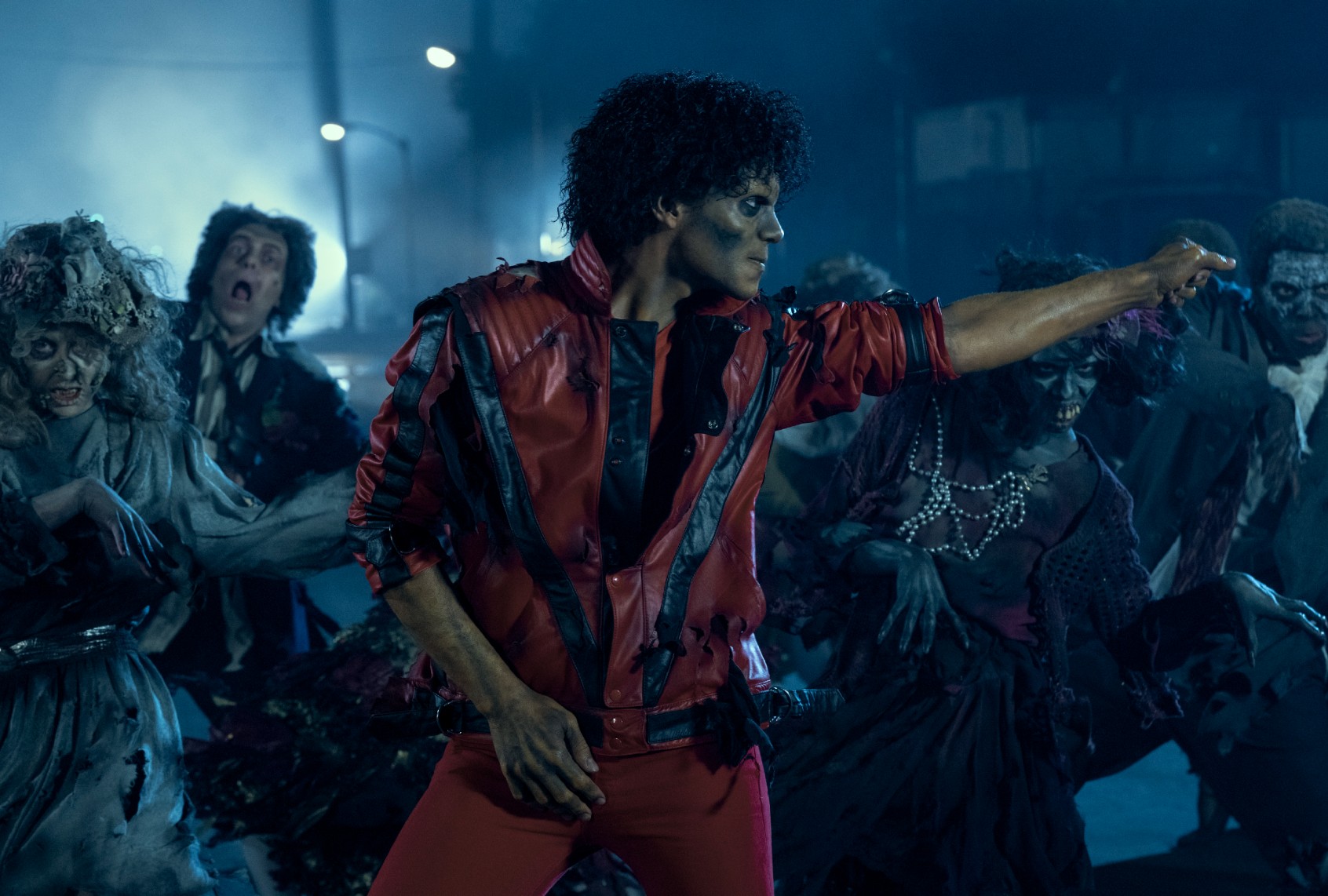
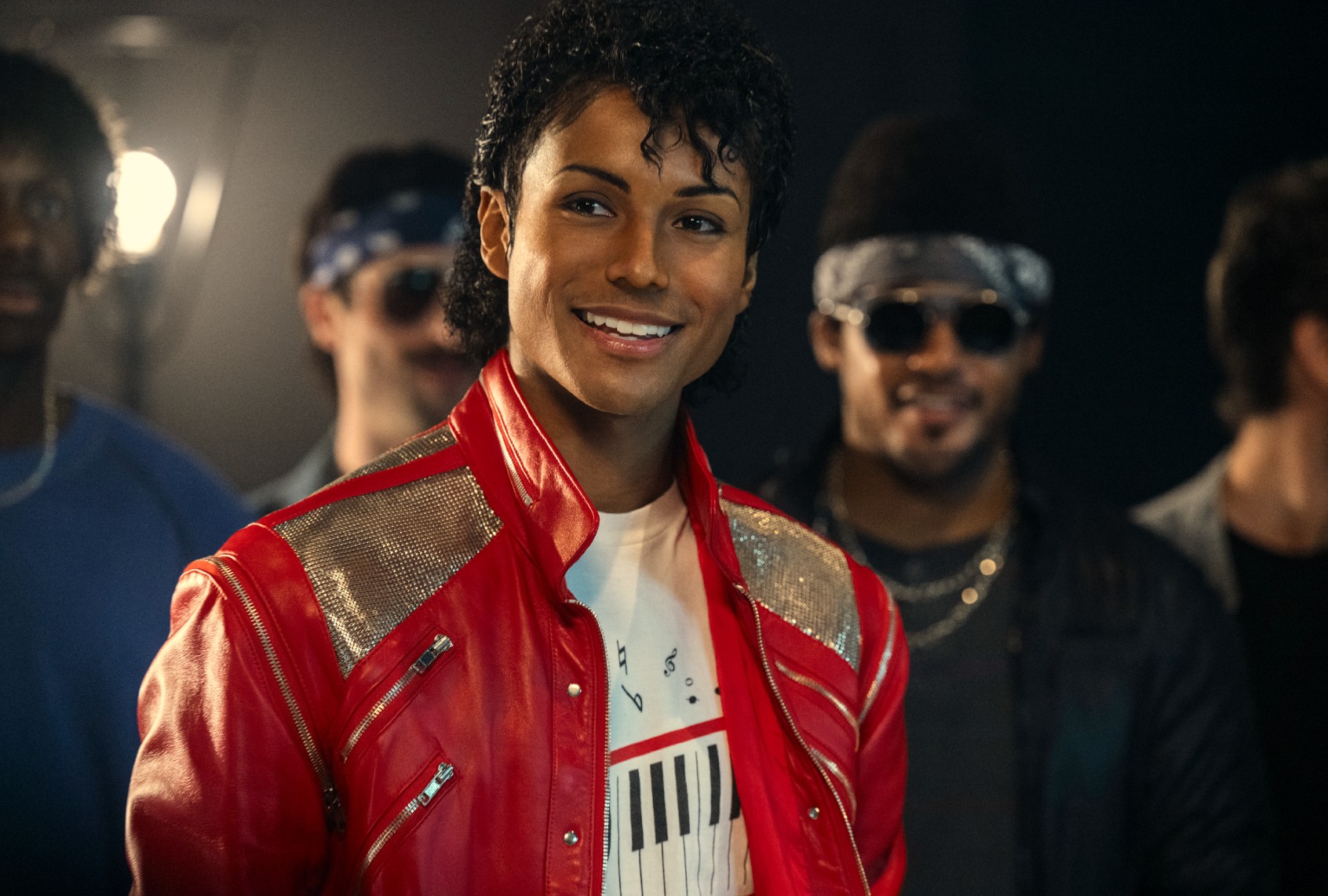
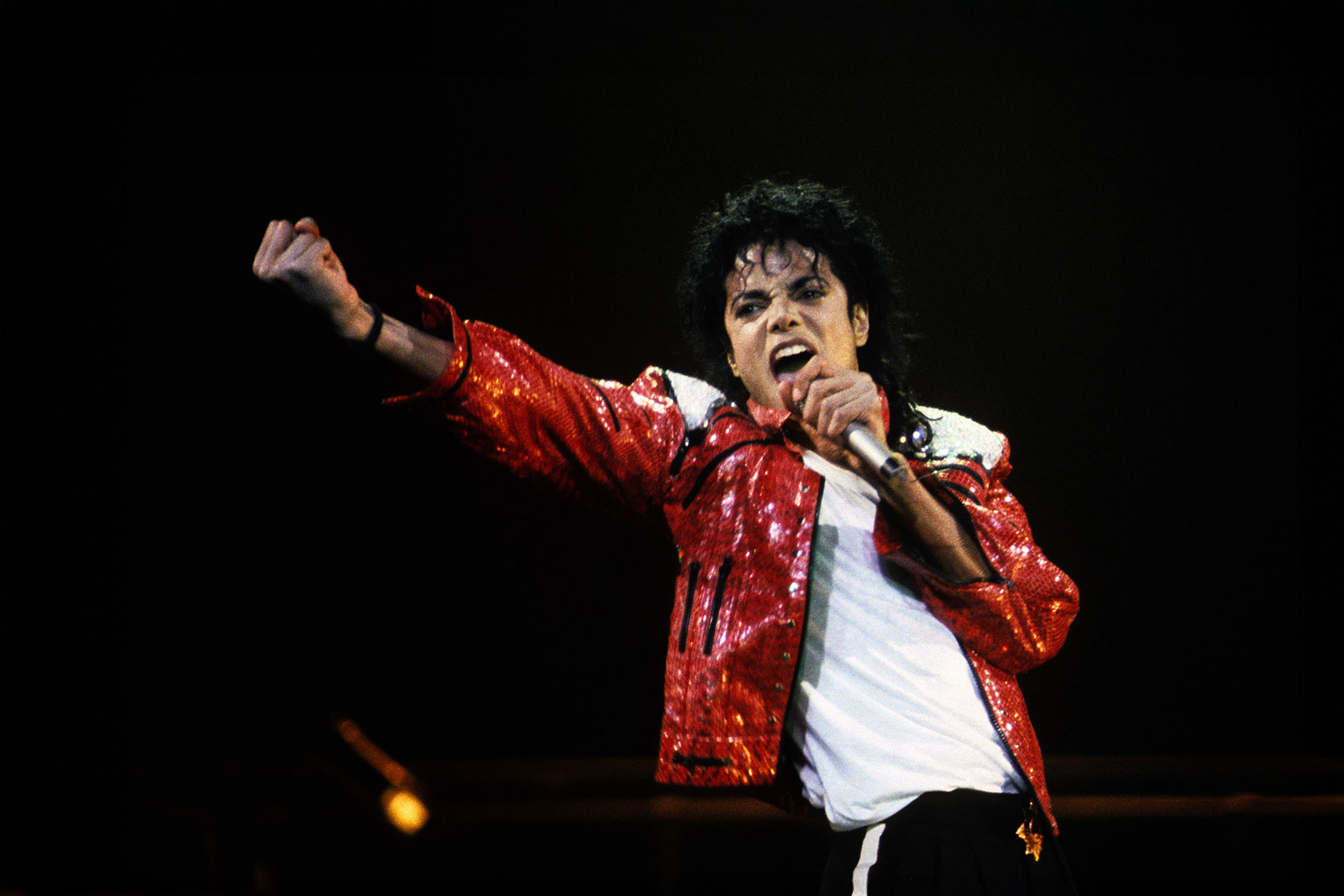
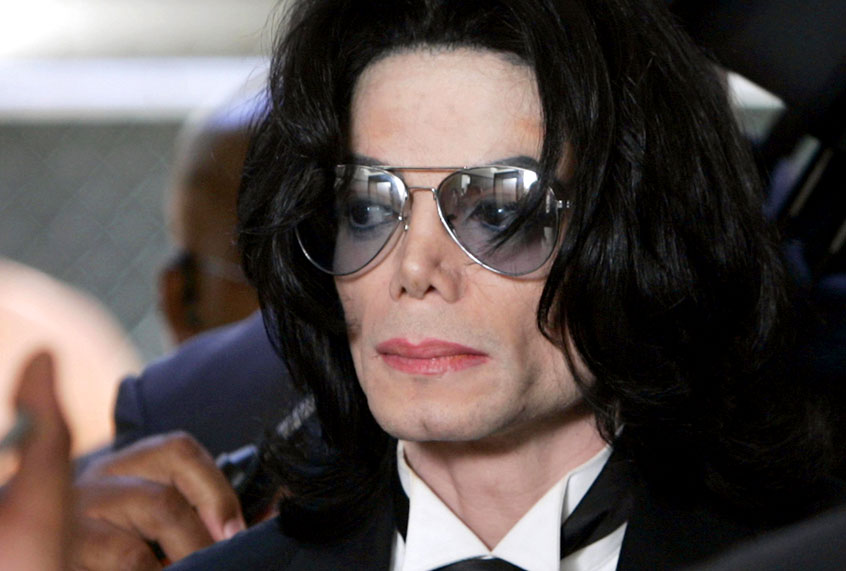
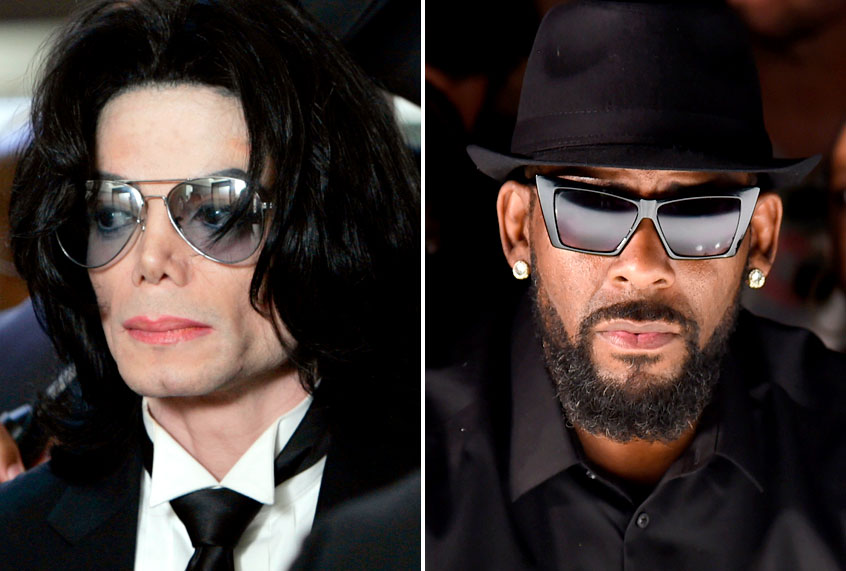
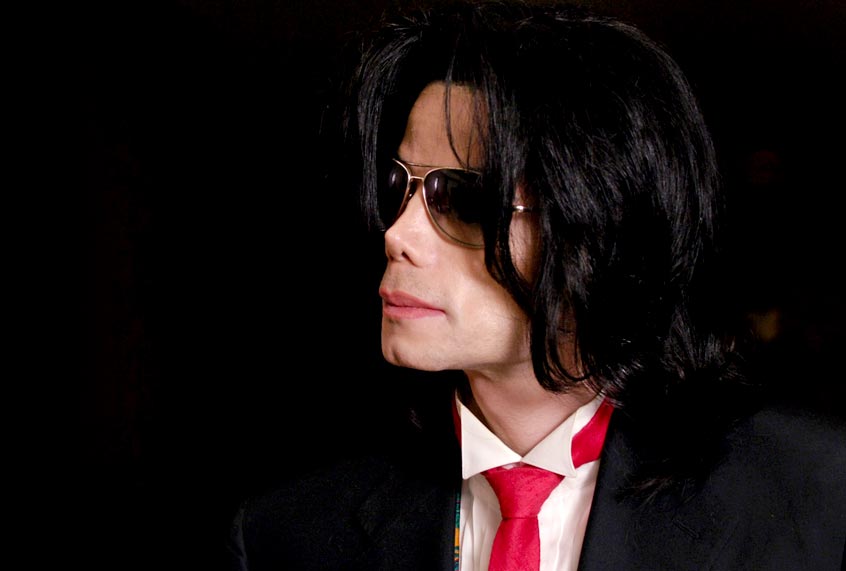
Michael Jackson (Credit: Reuters/Kimimasa Mayama) As if Michael Jackson wasn’t creepy enough when he was alive. The self-proclaimed King of Pop, who died nearly three years ago, is making a return via a new Pepsi campaign. The fabulously un-self-aware tagline? “Live for Now.”
The corporation is set to festoon one billion cans of Pepsi around the world – that’s one billion cans – with the singer’s unmistakable silhouette. It’s a bold move for a company whose most famous association with Jackson is that back in 1984, his hair caught fire filming a commercial for them. Jackson’s estate orchestrated his sponsorship resurrection, and a family spokesperson confirmed to the Wall Street Journal Thursday that “more such marketing agreements are planned.” Did anyone else just feel that collective shudder of revulsion?
Even dead, Jackson is a massive draw. He’s currently the subject of a global Cirque du Soleil tour with the horror movie title “Immortal.” And Pepsi knows that overseas – especially in markets like Asia — his brand is as ubiquitous and American as well, cola.
Bringing back the dead is a peculiar – if increasingly common – gambit. Now that the earth has run out of living celebrities, they’ve had to revive Tupac to perform at Coachella and Grace Kelly to make kissy face with Charlize Theron to sell perfume. They even had to dig up Martin Luther King Jr., to pitch for Mercedes-Benz.
There comes a time when a celebrity passes into our iconography. Today, seeing the images of Elvis and Marilyn and James Dean in different pop culture contexts barely seems any stranger than fake Abraham Lincolns selling cars in February. And why wouldn’t Jackson’s people wring a few more opportunities out of his incredibly lucrative image? Somebody’s got to pay for all those $10 million mansions.
Senior PepsiCo marketing executive Frank Cooper told the WSJ that the new campaign will be both “respectful” and “forward looking.” It may be respectful. But there’s nothing “forward” about the dead. Jackson’s image survives as an easy symbol of pop music, but the man whose life ended from propofol intoxication three years ago, whose doctor is currently serving time for involuntary manslaughter, couldn’t seem less like the right spokesman for the notion of “living for now.”
Mary Elizabeth Williams is a staff writer for Salon and the author of "Gimme Shelter: My Three Years Searching for the American Dream." Follow her on Twitter: @embeedub. More Mary Elizabeth Williams.
Did the war on drugs kill Whitney Houston?
Tony Bennett blames drug laws for the deaths of Houston and Amy Winehouse -- but misunderstands addiction
Whitney Houston and Tony Bennett (Credit: AP) It may be weeks before the exact circumstances of Whitney Houston’s death Saturday are determined, but Tony Bennett has some ideas on how it could have been prevented. Drug legalization.
Just hours after the news of the singer’s death, Bennett was at a Grammys event in the Beverly Hills Hilton – where Houston died just a few floors above – and said, “First it was Michael Jackson, then there was Amy Winehouse, and now the magnificent Whitney Houston. I’d like to have every gentleman and lady in this room commit themselves to get on government to legalize drugs … Let’s legalize drugs like they did in Amsterdam. No one’s hiding or sneaking around corners to get it. They go to a doctor to get it.”
Continue Reading Close
Mary Elizabeth Williams is a staff writer for Salon and the author of "Gimme Shelter: My Three Years Searching for the American Dream." Follow her on Twitter: @embeedub. More Mary Elizabeth Williams.
“Glee’s” lily-white Michael Jackson tribute
A tribute to the King of Pop plays it far too safe
Darren Criss in "Glee" “Glee” managed to squeeze nine Michael Jackson songs into last night’s tribute to the King of Pop. But each of them seemed timid — a cast that loves to put their own over-the-top stamp on songs presented everything very carefully. The expected songs felt largely rote and by-the-numbers, tied in many instances to the original choreography and sometimes frame-by-frame replications of his old videos. It’s as if they didn’t dare anger the Jackson estate in any way.
Continue Reading CloseWhy doctors can’t say no
Often it's easier to just say yes. But there are ways to say no that are better for both physician and patient
Conrad Murray (Credit: Reuters/Salon) Doctors routinely meet with patients who make requests for specific medicines, tests and referrals to specialists. In this era of the Internet, consumer-driven healthcare and direct-to-consumer drug marketing, this is no surprise. And while an informed patient is a good thing, what may surprise you is just how hard it is for doctors to say no when a patient makes a specific request for something he or she doesn’t really need.
Right now, Dr. Conrad Murray sits in jail because he couldn’t say no to Michael Jackson when Propofol came up in conversation between them. But even doctors who aren’t tempted by an enormous monthly retainer and access to one of the world’s biggest celebrities are challenged by the word “no.”
Continue Reading Close
Rahul K. Parikh is a physician and writer in the San Francisco Bay Area. He wrote the Vital Signs column on Salon in 2008-2009. His pop culture-medical column, PopRx, runs on alternate Mondays.
More Rahul K. Parikh.Why I miss the monoculture
We don't agree on anything the way we agreed about Prince, Nirvana and MJ -- and our cultural life is poorer for it
Michael Jackson, Kurt Cobain and Prince(Credit: AP) I love Massive Music Moments.
I live for those times when an album explodes throughout American society as more than a product — but as a piece of art that speaks to our deepest longings and desires and anxieties. In these Moments, an album becomes so ubiquitous it seems to blast through the windows, to chase you down until it’s impossible to ignore it. But you don’t want to ignore it, because the songs are holding up a mirror and telling you who we are at that moment in history.
Continue Reading Close10 year time capsule: When Michael Jackson spoke out about abuse
In February 2001, the King of Pop was trying to heal the world, one father-son relationship at a time
Ten years ago yesterday, Michael Jackson cried in front of an auditorium of Oxford students. “Childhood has become the great casualty of modern-day living,” Jackson said in a speech to the British university’s debating chambers. “My father was scared of human emotion. He never said I love you while looking me straight in the eye, he never played a game with me. But despite my earlier denials, I am forced to admit that he must have loved me.”
Continue Reading CloseDrew Grant is a staff writer for Salon. Follow her on Twitter at @videodrew. More Drew Grant.
Page 1 of 21 in Michael Jackson