Francis Lam
Is the rise of food prices all bad?
Outrage abounds over a report that companies are shrinking portions but not prices, but it might be good for us
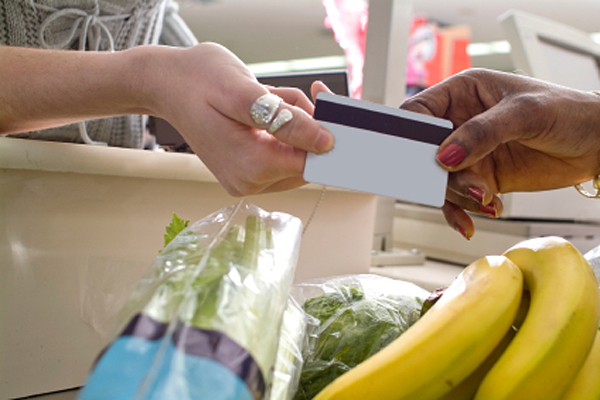
(Credit: Willie B.thomas) Slayers of elitists and other warriors of the downtrodden: Look! I bare my throat to you, fleshy and fat and ripe for the kill. But before you draw your blade, let’s talk about this for a minute. Is the increasing cost of food in America an entirely bad thing?
A recent report in the New York Times announced that American grocery store “shoppers are paying the same amount, but getting less,” and proceeded to quote a woman whose three-box pasta dinner for her large family didn’t quite satisfy. She only later realized it was because those boxes now contain 13.5 ounces of noodles, not 16.
The report goes on to catalog other shrinkages: cans of tuna going from 6 ounces to 5; buckets of ice cream going from 2 liters to 1 ½; orange juice from 64 ounces to 59, et cetera, et cetera, et cetera.
An immediate and obvious reaction is that this is an outrage — a problem that really puts the screws on people who already have trouble affording enough food to feed their families. Hunger — and the threat of hunger that policy wonks call “food insecurity” — is no joke. (Even if we’re not entirely clear on how many people are truly hungry, and what food insecurity really means.) My point is not to minimize the difficulty this kind of price inflation will create for people truly struggling to eat.
But there is something else that struck me when reading the report. It was the ice cream. And then the Reese’s mini peanut butter cups. These, and presumably many other processed and junk foods, are among the items “shrunken” this way.
Is that really so awful?
First, Americans spend a smaller percentage of their income on food than anyone, ever. In 2008, during the economic crash, we spent an average of 5.6 percent of our income to feed our families, the lowest since 1929. At this point, overeating affects many more Americans than chronic hunger, by far. (Perversely, obesity and diet-related diseases like Type 2 diabetes are actually much more common in lower-income communities, which speaks to a prevalence of junk food that confuses the line between “hunger” and “malnutrition.”) And if current trends continue, over 40 percent of Americans will be obese within the decade.
So how do we deal with this? Anyone who tells you they have a clear answer is selling you snake oil. But a big part of it has to be eating more smartly, and yes, eating less. It’s weird to say this, but maybe food should cost more. Not because we should be poorer, certainly not because we need to be protecting the profits of corporations, but because we have real trouble valuing what’s cheap.
Food, for most of us, is blessedly and cursedly cheap. It’s plentiful. And so we plow through huge dinners nightly. And so we mow down whole containers of ice cream. It’s in our nature to want to eat more. Our bodies and brains have descended from animals that have struggled, really struggled, to get enough food to survive forever. We want to pack as many calories into ourselves as humanly possible, for when the lean times inevitably come. Only we’ve engineered and marketed away most of the lean times, and yet we keep gorging.
So there may be something significant and strangely hopeful about how this food inflation is manifesting. It’s not that prices are rising per se, but that portion sizes are shrinking. That means that if you could afford a box of pasta or a bag of chips before, you can still afford one now; no one is taking all your chips away from you. But the limiting of portion size might do us some good.
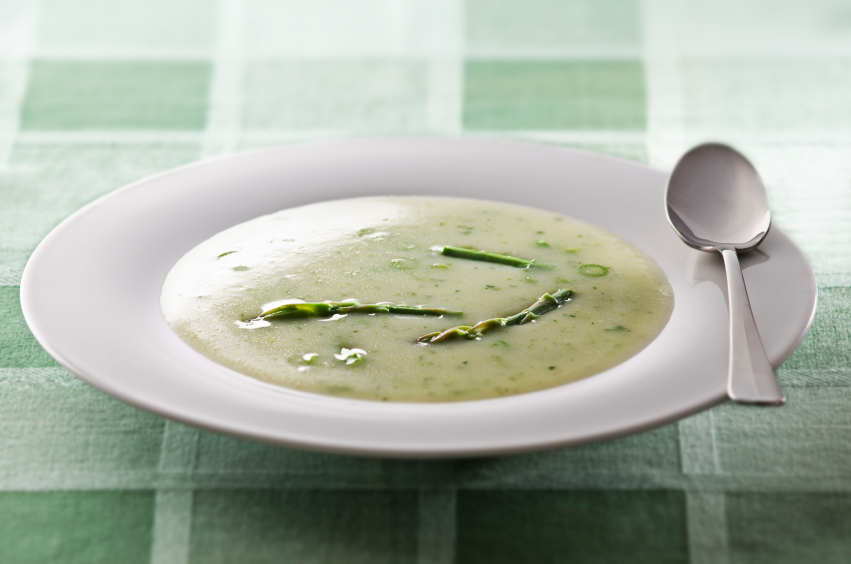
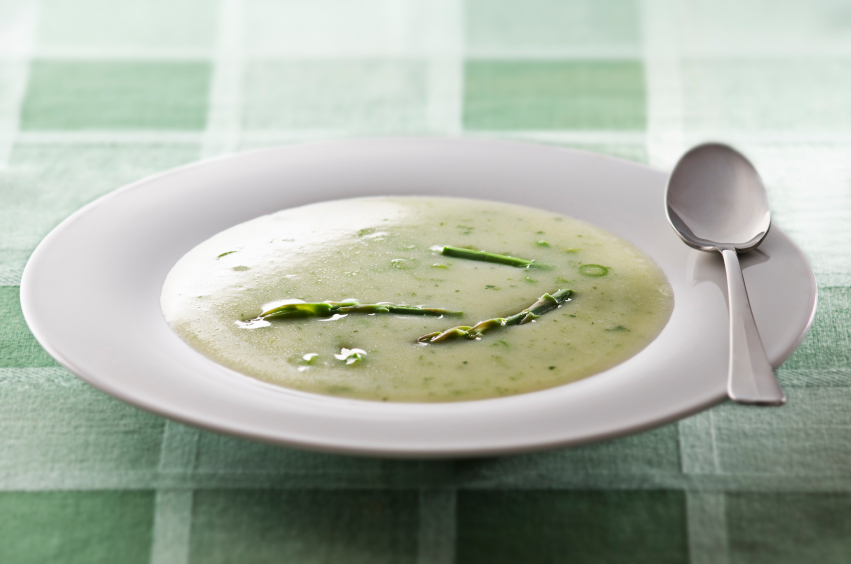
Studies by Dr. Brian Wansink at the Cornell University Food and Brand Lab regularly show that people keep eating not until they feel “full,” but rather until there is some external signal to tell them to stop. In one notable experiment, Wansink’s team rigged a bowl of soup to secretly keep refilling itself. Without realizing it, diners eating from that bowl ate 50 percent more soup on average, and some ate three times the amount of soup they might have otherwise. We eat mindlessly, as a function of habit and instinct, and so with a surplus of food, we are constantly overeating. Knowing that, maybe we don’t have to begrudge that extra couple of ounces of food companies are saving for the next bag.
Durian: The King of Fruits is an angry king
Beloved in Southeast Asia, famously stinky, I've avoided the "King of Fruit" for decades ... until now
Durian. Oh, durian. You can’t read anything about the heavy, spiky tropical fruit without finding out that “many people in Southeast Asia call it the King of Fruits,” but who are these people? And, more important, why do we assume that the Fruit King is a kind and benevolent ruler, and not, say, a violent, power-mad, empire-obsessed tyrant? Because it is.
It’s a fruit whose aroma is so strong, so lingering, so reportedly similar to a gym-full of old socks (if you’re lucky) or an unearthed cadaver (if you’re not), it pushes all else aside when it enters the room. You will know if there is a durian present, and sooner or later, no matter where you go in the house, it will have taken over.
Continue Reading CloseMussels: Your go-to sustainable seafood
They're cheap, they're tasty, they are actually good for the environment, and they're infinitely variable
Sometimes, this is the kind of chatter you hear in a coffee shop in Fancy Brooklyn:
Continue Reading CloseMan 1: “Well, how are we going to drive home the point that sustainable seafood is good? I think I should have, like, five to seven minutes to talk about it before we serve.”
Man 2: “You’re going to have to do all the talking while I cook. I have to focus on the food while I cook. Don’t let people bother me.”
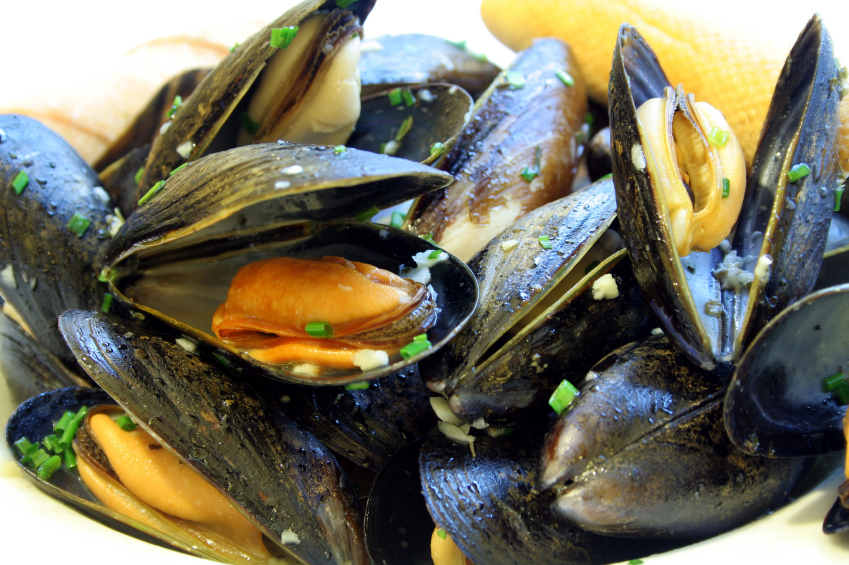
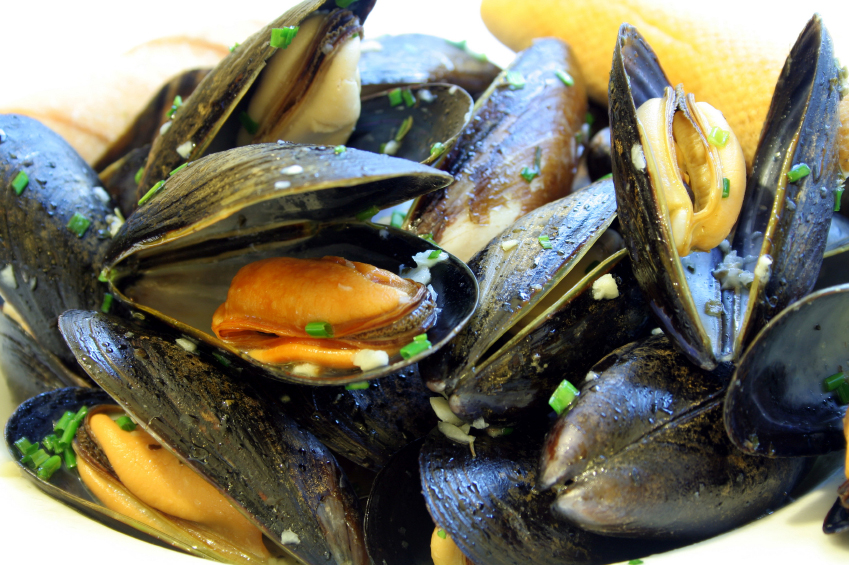
Woman: “I think mussels. We have to do mussels. They’re responsibly farmed, and they carry around their own sauce. They’re perfect.”
Man 1: “OK, but will we serve wine too? Or is just the lecture and the food enough?”
Steamed mussels recipe
Ingredients
- Aromatics, sliced or chopped, to taste (garlic, onion, shallots, ginger, lemongrass, chilies, bacon, salami, you name it. Just make sure it’s tasty stuff.)
- ½ cup wine, beer, juice, or whatever liquid you’d like (use more for a brothier dish, but the mussels themselves will release a lot of juice)
- 2 pounds mussels, cleaned (see above)
- Herbs, chopped (parsley, thyme, rosemary or others) or other delicate flavor additions, to taste (orange zest? A little more raw shallot?)
- Butter, cream, olive oil, ground nuts or other finishing touch to enrich the broth, to taste
- Lemon, vinegar or some kind of tart flavoring, to taste, if your liquid isn’t very bright
- Salt and pepper, to taste (mussels do tend to be salty, so this might not be necessary)
Salon’s Great Coffee Art contest
Send us a snap of your favorite barista's foamy brilliance, and become eligible for cool prizes
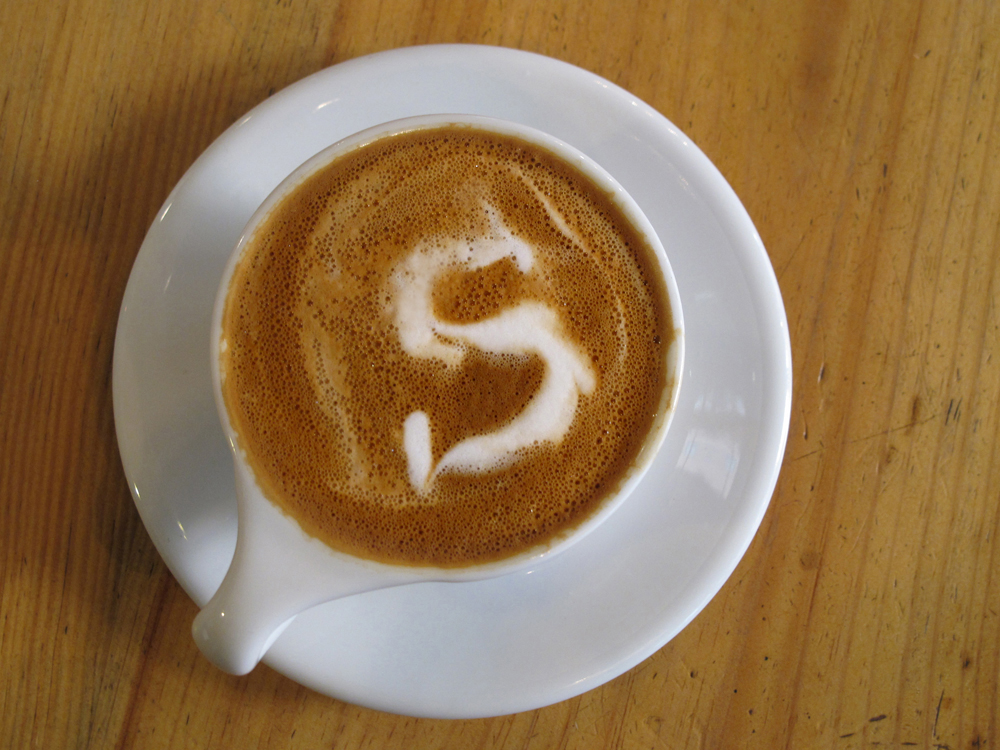
Latte art by Chuck Betz / Culture Espresso Bar Update: So sorry if the entry you sent to coffee@salon.com bounced back. Everything’s fixed! Please give it another shot.
Latte art, pouring “textured” milk into espresso to create designs — and in some cases full drawings — is one of the branches of the barista’s discipline. We’ve enjoyed our milky coffees topped with hearts, roses and leaf shapes for years, but a recent smiley bear face finally got all of Salon to wonder, How does that work?
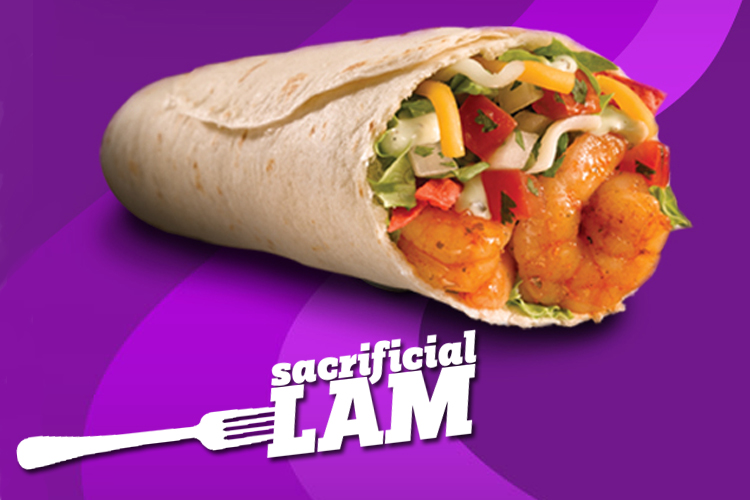
Continue Reading CloseTaco Bell’s shrimp burritos: Fishily delicious!
The ads have a class-war message, the food is suspiciously tasty, and the staff is judgmental. What a border run!
This is a phrase you don’t ever hear, but: I just read the most amazing press release. It’s from Taco Bell, it’s touting its new Pacific Shrimp Burritos, and it starts like this:
CRASHING HIGH END PARTIES JUST FOR THE SHRIMP?
TACO BELL TELLS SHRIMP CRASHERS TO DROP THE TUX AND TRY ITS SEASONAL PACIFIC SHRIMP TACOS AND BURRITOS
That’s right, people! Ditch the tails and top hat you throw on every time you have a desire for … the most commonly eaten seafood in America. (Er, it turns out Americans have eaten more shrimp than canned tuna since 2001. But that’s because WE ARE ALL MILLIONAIRES ALL THE TIME YEAH!) Maybe I’m taking this sales pitch too literally! Let’s keep reading:
Continue Reading ClosePage 2 of 53 in Francis Lam