Spring Sale: Get 1 Year, Save 58%

Mitch McConnell calls Trump an “idiot” in new Mitt Romney biography

In the upcoming biography, “Romney: A Reckoning” — written by McKay Coppins, a journalist for The Atlantic — a passage details Sen. Mitt Romney recalling a time when then-Senate Majority Leader Mitch McConnell spoke to him about Donald Trump, having nothing particularly great to say.

In an excerpt published by The Atlantic on Wednesday, the exchange between Romney and McConnell paints a pretty clear picture of how Trump was viewed by his peers while in office. In 2019, after Trump launched his #IMPEACHMITT­ROMNEY cyber campaign over a difference in opinion regarding “pressuring Ukrainian President Volodymyr Zelenskyy into investigating the Biden family’s business dealings,” Romney thanked McConnell for urging him to back off from attacking members of the Senate and an enlightening convo took place from there, according to the book. 

“It wasn’t for you so much as for him,” McConnell replied. “He’s an idiot. He doesn’t think when he says things.”

“You’re lucky,” McConnell continued. “You can say the things that we all think. You’re in a position to say things about him that we all agree with but can’t say.” 

It’s noted at the end of this section of the book that ” A spokesperson said that McConnell does not recall this conversation and that he was ‘fully aligned’ with Trump during the impeachment trial.” 

Why “Barbie” and “The Little Mermaid” made 2023 the dead girl summer

Ariel and Barbie have quite a bit in common: They’re both frozen in time, and they both yearn to live as humans do.

The fantastic seascapes and perfect dollhouses of “The Little Mermaid” and “Barbie” might appear whimsical. But I see these settings – and the characters who inhabit them – as figurations of death.

In my forthcoming book, I consider the relationship between mermaids and Barbie dolls. In the case of the 2023 films, I couldn’t help but think about how Ariel and Barbie make the same ironic choice: to leave the stasis of their deathlike existence for a human life – which ends in death.

These dead girls offer insights about living. Embracing death’s inevitability brings some freedom, as well as access to truths about time and the natural world.

“I am dead yet I live”

Ariel and Barbie are not your typical dead girls – at least in the literary sense.

The dead girl trope goes back to Shakespeare’s Ophelia, who drowns herself after being driven to madness by Hamlet’s erratic, abusive speech. But dead girls have long populated folktales about sleeping beauties and myths of goddesses traversing the underworld.

Today, the trope is often found in noirish mysteries. These narratives frequently prioritize the development of a male protagonist – a detective who grapples with his own mortality while solving a crime that regularly involves sexual violence.

David Lynch’s “Twin Peaks,” which first aired on ABC in 1990, wields this version of the trope. FBI agent Dale Cooper investigates the murder of Laura Palmer, a homecoming queen whose corpse is discovered wrapped in plastic. Though Laura Palmer has been victimized, she isn’t voiceless. She appears in flashbacks and has recorded her feelings and desires in diary entries.

In Showtime’s 2017 reboot, “Twin Peaks: The Return,” the afterlife version of Laura tells Cooper, “I am dead yet I live.”

Ariel and Barbie are their films’ protagonists, and they don’t die via murder. But they nevertheless actualize Laura’s words: Choosing flesh over immortality is to live and die, too.

Dreaming death in fish tails and pink

BarbieMargot Robbie as Barbie in “Barbie” (Courtesy of Warner Bros. Pictures)“Do you guys ever think about death?” asks the character known as “Stereotypical Barbie,” played by Margot Robbie, a few scenes into the film. The irony is that Barbie is already dead, cheerfully doomed to repeat the same pink day, devoid of food, conflict and sex.

Barbie’s dreamworld is home to many iterations of its title character, including Mermaid Barbie. There are also a number of Kens. They are coupled, but they aren’t having sex. As Stereotypical Barbie declares, Barbies don’t have vaginas, and Kens don’t have penises.

Fish tails don’t typically feature vaginas either. The virginal Ariel is stuck in her fin, fathoms below.

Ariel and Barbie don’t get periods and can’t get pregnant. They’ll also never go through menopause.

In their films, the protagonists reject dollified existences and choose human life with its opportunities for sex and unavoidable death. Ariel leaves the ocean’s eternity for the prince’s land-world after she saves him. Barbie sacrifices physical perfection – her own and Ken’s – for the possibility of authentic intimacy and the spontaneity of an aging female body. The latter leads her to visit the gynecologist’s office at the film’s conclusion.

Hollywood films promise happily ever afters, but those weren’t the main draw for audiences of “The Little Mermaid” and “Barbie.”

I think that part of what drove theater attendance this summer was a subconscious attraction to the deathlike repetition of timeless dreamworlds, whether underwater or plastered in pink.

As dead girls, Ariel and Barbie are appealing vessels because, in them, time stops: You can’t be out of time when there is no time to begin with.

A water-bound mermaid and an ageless doll present a “timeout,” especially for girls and women pressured to achieve specific education and other life goals within certain time frames. Fish-tailed mermaids and Barbie dolls are free from ticking biological and career clocks – although they imagine or play at the things determined by those clocks, too. As a doll, Barbie gets to have any and all jobs, trading one for another whenever her player gets bored. She can be a doctor, an astronaut or even president of the United States.

Audiences might go to the movies to escape reality. Yet, Barbie and Ariel choose to enter reality, leaving their respective dreamworlds. Such outcomes make the films relevant to the summer of 2023: The dead girl can’t age, but her perpetual youth signals the future’s promises, even when there is no promise of a future.

“This sad, vanishing world”

The Little Mermaid, 2023The Little Mermaid, 2023 (Disney)In her fish-tailed state, Ariel sings about wanting to know about fire and its causes, questions applicable to this summer’s reckoning with global warming. Humans have scorched the planet to fulfill a desire for, among other things, plastic – the very material that made Barbie possible.
The unprecedented heat in the summer of 2023 demands that everybody listen to another ticking clock, the one counting down to environmental ruin.

Ariel and Barbie choose to live in the world their audiences inhabit, even though the characters are fully aware that humans are destructive and cause suffering.

“The Little Mermaid” is explicit about how humans hurt the ecosystem, a critique made by Black mermaids in older folk tales and recent literature inspired by them. Ariel and Eric inevitably sail away, leaving her home under the sea and his coastal kingdom. The bittersweet ending suggests they, each equipped with knowledge of the other’s world, will carry insights about environmental harmony to other places.

“The Little Mermaid” and “Barbie,” I believe, reveal a truth found in many sacred stories. If you accept that you are dead already and that time is always passing away, you might gain the freedom to truly embrace the brief life you do have in what the Hindu deity Krishna described as “this sad, vanishing world.”

Or as W.B. Yeats wrote, “Man is in love and loves what vanishes, / What more is there to say?”

Katie Kapurch, Associate Professor of English, Texas State University

This article is republished from The Conversation under a Creative Commons license. Read the original article.

Don’t blame me: The Beyoncé and Taylor Swift reporter jobs are not what they seem

Now is your chance, Swifties and Beyhive members. USA Today is offering coveted positions that may change the trajectory of your journalism career. Brace yourselves for the job opportunity of a lifetime as the potential new Taylor Swift and Beyoncé reporter.

In similar listings posted for the Taylor Swift reporter  and the Beyoncé reporter positions, USA

Like every other job in journalism, the Swift reporter job pay won’t be paying all that well.

Today and The Tennessean (under the ownership of Gannett) are looking for an “experienced, video-forward journalist to capture the music and cultural impact of Taylor Swift. ” (Substitute similar language throughout for the Beyoncé listing.) But that’s not the only qualification they are looking for in this Swift-focused reporting job. 

The role will require a multimedia journalist to be an energetic writer, photographer and social media expert who has an “undeniable thirst for all things Taylor Swift with a steady stream of content across multiple platforms.” The journalist will be reporting on the biggest moments on the next leg of Swift’s Eras Tour so they are “looking for a journalist with a voice — but not a bias — able to quickly cultivate a national audience through smart content designed to meet readers on their terms.” 

Like every other job in journalism, the Swift reporter job pay won’t be paying all that well. The range is from $21 to $50 an hour, and compensation is based on experience and skill. Generally with such a broad range in pay posted, it’s likely they’re looking to pay someone on the lower end of the scale, despite seeking a candidate with about five years of experience and a degree in journalism. 

It sounds as if you’d be working overtime being milked as a content mule.

So does this dream job sound enticing to you? Is it calling you? If it is, you should probably hang up. For any Swiftie unfamiliar with how the journalism world operates, let me deromanticize the glamour attached to the job. First and foremost, in the last handful of years, the industry has suffered widespread layoffs, and USA Today’s owner Gannett, which owns over 200 daily newspapers and is the largest newspaper chain in the country, went under financial collapse last year. In order to fix the company’s financial dilemma — Poynter reported that the company laid off more than 600 people, forced furloughs and suspended 401 K contributions. It’s so dire that journalists employed under 50 Gannett papers also took to the picket line earlier this summer to demand an end to the cost-cutting measures slashing local newsrooms across the country. Sure, Gannett is hiring now, but longterm job security as a pop star reporter seems unlikely.

Let’s assume that in a perfect world, these glaring labor issues wouldn’t affect the way a Swift/Bey reporter would do their job. Even in that perfect world, these labor issues would still find a way to creep into the crux of the job’s responsibilities. This position requires the reporter to be a multi-skilled talent with a list of expectations that sound like they want a young, green journalist eager to work long hours and turn out content like AI software (another labor issue threatening the industry.) The job does not specify what the workflow will look like but it sounds as if you’d be working overtime being milked as a content mule.

We need your help to stay independent

As much as Swift’s and Beyoncé’s mere sneezes may count as pop culture news — how often can you write stories about these megastars without becoming unoriginal, redundant or maybe even boring? Neither artist is known to give interviews very often so the stories you’re writing about them would mostly be centered on analysis of their music and public appearances. It seems like this job could also be used to help the image-conscious singers control more of their public personas because the job will streamline seemingly positive press.

Nevertheless, my biggest gripe with the job is that they are looking for someone who has an “undeniable thirst for all things Taylor Swift” while being “a journalist with a voice — but not a bias.” Emphasis added. To me, this sounds blatantly contradictory. If they are searching for essentially a die-hard Swiftie but also a journalist, what happens when the stan has to perform journalism that requires them to critique Swift for her actions as a public figure? I don’t know if it’s blasphemous to say this but what if they also don’t like a particular performance?

There’s nothing wrong on its face with being a journalist in a niche genre that you are a fan of. I think reporting on what you love is one of the joys of the job. But this only works if you are willing to critique something or someone that you love. In this case, I’m not sure that a reporter solely focusing on Swift would be so willingly enthusiastic to write up a scathing criticism of her or her music. In the long run, the world of music journalism has bent to the whims of the hyper-consumerist digital age just like all journalism has changed to meet the demands of the digital age. I just wish the best of luck to the fresh-out-of-college 22-year-old Swiftie who’s ready to be another puppet on a string in the failing Gannett factory machine.


“Not a bad return on investment”: AOC calls out Justice Alito for luxury fishing trip with GOP donor

If Supreme Court Justice Samuel Alito were serving on a lower court, he would have been required to recuse himself from hedge fund billionaire Paul Singer's cases before the court, an ethics expert told New York Rep. Alexandria Ocasio-Cortez, D, during a House Oversight Committee hearing on third-party litigation in the nation's courts Wednesday. His failure to do so resulted in Singer's hedge fund winning ruling worth $2.4 billion after the high court returned a decision in his favor in a dispute between his hedge fund and the nation of Argentina. 

"Not a bad return on investment for a fishing trip," Ocasio-Cortez said during the hearing. The Democratic representative referenced ProPublica's report earlier this year revealing that Alito failed to disclose a 2008 luxury fishing trip in Alaska and $100,000-one-way flights on Singer's private jet to and from the destination. Since that trip, ProPublica reported, Singer's hedge fund had come before the Supreme Court at least 10 times, including in the dispute with Argentina. 

"He did not recuse himself from this case, and in fact, he used his seat on the Supreme Court after all of this to rule in Singer's favor," Ocasio-Cortez told witness Kathleen Clark, a Washington University in St. Louis law professor, gesturing to a blown-up image of Singer and Alito from the fishing trip. "And following the decision, Mr. Singer's hedge fund was ultimately paid $2.4 billion because of this ruling. Not a bad return on investment for a fishing trip there."

Ocasio-Cortez then asked Clark if a federal judge on a lower court would be required to recuse themselves if they were in Alito's shoes. "Yes, there's a federal statute — I believe its 28 USC 455 — that does require recusal by both justices and judges under certain circumstances," Clark responded after Ocasio-Cortez's time expired. The statute Clark cited requires recusal when the justice knows that he, as an individual or a fiduciary, "has a financial interest in the subject matter in controversy or in a party to the proceeding" or other interest that could be greatly impacted by a case's outcome.

Kevin McCarthy can’t satisfy the MAGA beast: Matt Gaetz threatens to hound House speaker every day

The opening of an impeachment inquiry against President Joe Biden has started a fire in Congress’ GOP as supporting members attempt to justify the probe alleging Biden’s personal benefit from his son’s business dealings, and House Speaker Kevin McCarthy, R-Calif., faces intensifying pressure from others in the right-wing base.

After McCarthy announced the full impeachment inquiry into the president Tuesday morning, House Republican Matt Gaetz, Fla., dismissed the move as a “baby step following weeks of pressure from House conservatives to do more” during a speech on the House floor, adding “We must move faster” and a promise to pursue McCarthy’s ousting absent conservative reforms he’s orioised. 

“I rise today to serve notice: Mr. Speaker, you are out of compliance with the agreement that allowed you to assume this role. The path forward for the House of Representatives is to either bring you into immediate, total compliance or remove you pursuant to a motion to vacate the chair,” Gaetz said during the speech.

“We’re either going to get compliance, or we’re going to start having votes on motions to vacate, and we’re gonna have them regularly,” he later told reporters. “I don’t anticipate them passing immediately. But I think that, you know, if we have to begin every single day in Congress with the prayer, the pledge and the motion to vacate, so be it.”

We need your help to stay independent

The far-right Florida representative is urging McCarthy to adopt a tougher approach to a range of issues from the impeachment push against the president to balancing the budget and subpoenaing the president’s son, Hunter Biden.

In a CNN appearance later Tuesday, Gaetz, though defending the inquiry,  echoed his earlier sentiments about the Speaker and noted he regrets not being able to block the debt limit deal McCarthy agreed to with President Biden earlier this year that kept the country from defaulting on its debts. He argued that if McCarthy complied with a vote on term limits, the budget and individual spending bills, he could prevent a barrage of motions to vacate.

The Florida conservative also issued a warning to McCarthy after anchor Abby Phillip questioned him about previous efforts at using “leverage” against McCarthy to prompt action, threatening repeat votes to remove him from the speakership. 

“I’m going to do it over and over again until it works, and today we saw a baby step towards that with more robust efforts towards impeachment, but I’m going to keep doing it…the American people want term limits, they want balanced budgets, they don’t want to see government funding wrapped up in like just one up or down vote,” Gaetz told Phillip. 

Republicans opened what became a months-long investigation into the Biden family’s business activities after gaining control of the House last fall. Given that the probe has failed to yield any evidence of President Biden’s wrongdoing, McCarthy’s order of an official impeachment inquiry Tuesday was also met with much rebuke from Democrats with White House spokesman Ian Sams even accusing the Speaker of “being told by Marjorie Taylor Greene to do impeachment.”

Just two nights before McCarthy’s announcement, Rep. Greene, R-Ga., shared information about the GOP impeachment effort against Biden with former President Donald Trump, who, according to an anonymous source close to him, has regularly talked by phone with members of the far-right House Freedom Caucus and other congressional Republicans to encourage the effort, The New York Times reports

“I did brief him on the strategy that I want to see laid out with impeachment,” Greene confirmed to the outlet.

She explained she told Trump that she wanted the impeachment inquiry to be “long and excruciatingly painful for Joe Biden,” adding — though excluding Trump’s response — that her ultimate goal was to have a “long list of names” of people whom she alleged were co-conspirators in the Biden family activities. 

The former president has also spoken weekly over the past month to Rep. Elise Stefanik, R-N.Y., a person familiar with the conversations told the Times. During those conversations, the third-ranking House Republican also briefed Trump on the impeachment inquiry strategy, the source added. 

Another source familiar with Trump’s thinking noted that despite encouraging an inquiry, he has not been pressing McCarthy personally but has instead been pushing several members to wipe his impeachment slate clean by potentially getting Congress to expunge them from the House record. He also has not voiced concern about the potential for the McCarthy impeachment effort to fall in Biden’s favor, two sources with direct knowledge of his private statements over several months told the Times.

Greene told the outlet that she was confident that Trump would win re-election in 2024 and that she wishes “to go after every single one of them and use the Department of Justice to prosecute them.”

While Biden’s son is under investigation by a special counsel who is expected to bring down a gun charge against him soon with the potential for other tax charges, Republicans have not shown that the elder Biden has taken official actions while vice president to benefit from his son’s financial activities or that he profited directly from his foreign business.

When questioned about what “actual evidence” Republicans had to merit the impeachment inquiry into President Biden and prove that it isn’t just enacting “political revenge” for the impeachments of Trump just at a Tuesday press conference, Rep. Scott Perry, R-Pa., appeared to respond with irritation.

“Oh, I don’t know,” Perry said. ” This is not about political revenge… You can see that the homes that the Bidens own can’t be afforded on a congressional or Senate salary. You also understand that it’s not normal for family members to receive millions of dollars from overseas interests. Those things aren’t normal.”

“If you can’t see that, if you are that blind,” the congressman concluded with a huff after listing off all the purported evidence, including a debunked claim about a Ukrainian prosecutor, the investigation claimed it found.


Want a daily wrap-up of all the news and commentary Salon has to offer? Subscribe to our morning newsletter, Crash Course.


McCarthy also got into a heated exchange with CNN Chief Congressional Correspondent Manu Raju who questioned McCarthy’s change in position regarding his starting the impeachment inquiry without a House vote after telling Breitbart earlier this month that he would call a vote before ordering the probe.

McCarthy responded by referencing former House Speaker Nancy Pelosi, D-Calif., whom he criticized for beginning an impeachment inquiry of former President Trump in the same way in 2019. He claimed that Pelosi changed the precedent for future proceedings in the House when she announced the inquiry on Sept. 24 before the House voted on the matter on Oct. 31, 2019. 

“It was withheld and good enough for every single Democrat here. It was good enough for the judge. Why would it have to be different today?” he said before detailing the allegations against Biden and reports about the Biden family.

Raju interjected, reminding McCarthy that he raised his question about the vote the Speaker had promised.

“But that’s my question to you: Why don’t you ask the other questions?” McCarthy responded before the two began to speak over each other.

When Raju told McCarthy he was curious why he changed his position, McCarthy replied, “I never changed my position.”

“You told Breitbart 12 days ago you’d have a vote,” Raju countered. McCarthy then dismissed the point, turning back to his podium to take another question. 

Were “alien mummies” really revealed in Mexico? Here’s what we know

On Tuesday, while testifying under oath in front of Mexico’s Congress, journalist and ufologist José Jaime Maussan Flota shocked the world with two boxes that he claimed contained the bodies of deceased extraterrestrial visitors. Not surprisingly, social media has been abuzz about these reports. Yet are they valid?

“They are beings, non-humans who are not part of our terrestrial evolution.”

Who is Jaime Maussan?

This isn’t the first time the controversial ufologist has made extraordinary claims about strange corpse discoveries. In 2015, Jaime Maussan led an event called Be Witness in which he unveiled what he claimed was a mummified alien body that he had supposedly discovered in Peru. The mummified body was later found to have belonged to an ancient human child. In 2017, he worked with a pseudoscience website called Gaia.com to again claim that he had found a mummified alien, a claim that also did not pan out.

What did Maussan say this time?

“This is the first time it (extraterrestrial life) is presented in such a form and I think there is a clear demonstration that we are dealing with non-human specimens that are not related to any other species in our world,” Maussan told the lawmakers.

Another translation of his remarks read, “At the moment the Pentagon has not agreed to release this information and allow congressmen to witness these biological remains. We are going to discover at this moment those bodies that, according to the scientists who are going to declare it here, are non-human beings.”

Maussan also claimed, “They are beings, non-humans who are not part of our terrestrial evolution and that after disappearing we do not [think] there is a subsequent evolution.”


Want more health and science stories in your inbox? Subscribe to Salon’s weekly newsletter Lab Notes.


“I think there is a clear demonstration that we are dealing with non-human specimens that are not related to any other species in our world.”

Who else was there?

The supposed aliens were unveiled in front of the Mexican Congress. One prominent American was present: Former Navy Lt. Ryan Graves, who testified before the United States Congress in July about UAPs (unidentified aerial phenomena, a more formal word for UFO), including some with which he said he had direct encounters while on active duty.

Where and how did they find these “aliens?”

Maussan says that the pair of mummified aliens were discovered in a diatom mine in Cusco, Peru. Maussan presented them in wooden boxes on Tuesday during the first public congressional hearings ever held by the Mexican government on UAPs.

What do the aliens look like?

The alleged extraterrestrials resemble creatures from a low-budget “E.T.” knock-off. Each alien is somewhat humanoid: A head with two eyes, a nose and a mouth, as well as a trunk with two arms and two legs. Yet each alien has a horizontally elongated head, in addition to three skinny fingers on their hands. Their eyes, noses and mouths also appear much smaller than a human’s. Maussan said that X-rays detected eggs inside one of them and that both had implants of very rare metals. One expert claimed that DNA tests found 30% of the purported bodies’ DNA was unknown.

How old are these supposed aliens?

According to Maussan, the National Autonomous University of Mexico performed carbon-14 dating on the purported bodies and determined them to be between 700 years and 1,800 years old.

So how authentic are these creatures?

Graves, who has testified that he believes UAPs are real, denounced the supposed bodies on X (formally known as Twitter.) He wrote that “after the U.S. Congressional UFO hearing, I accepted an invitation to testify before the Mexican Congress hoping to keep up the momentum of government interest in pilot experiences with UAP. Unfortunately, yesterday’s demonstration was a huge step backwards for this issue.”

He added that his own testimony was about his direct experiences and on UAP reports from commercial and military aircrew. “I will continue to raise awareness of UAP as an urgent matter of aerospace safety, national security, and science, but I am deeply disappointed by this unsubstantiated stunt,” Graves said.

“The View” host Joy Behar says Kevin McCarthy is “beholden to the dumbest wing in his party”

During a segment of “The View” on Wednesday, hosts Joy Behar and Whoopi Goldberg took turns slamming House Speaker Kevin McCarthy‘s announcement earlier this week that he is ordering House Republicans to move ahead with an impeachment inquiry into President Biden. 

“Is there anything more pathetic than this Kevin McCarthy, who is beholden to the dumbest wing in his party?” Behar said. “Can you imagine anybody in Congress speaking to Nancy Pelosi like that? She would smack them down in two seconds.” 

That comment is in reference to a clip shown earlier in the segment in which Matt Gaetz is heard firmly telling McCarthy to “dust off” a written agreement from January concerning Biden’s impeachment and “begin to comply.” 

Weighing in with her own thoughts on the efforts made to impeach the president, Goldberg said, “Do whatever you have to do. And when you get all the stuff you think you got, come to us and let us know. I wanna see.” 

Watch a clip from Wednesday’s episode here:

Seattle cop caught on bodycam mocking woman killed by fellow officer: “She had limited value”

The two top officials in the Seattle police union were caught on tape with one of them laughing and joking about the death of a woman who was hit by a police car.

Officer Kevin Dave was speeding more than 50 miles over the limit in his Seattle Police Department patrol car without his siren last January when he struck and killed 23-year-old Jaahnavi Kandula, a master’s student at Northeastern University. Her AirPods were recovered 100 feet down the road. Moments after the collision, Dave is seen on officer-worn bodycam footage speaking to another officer. “She was in the crosswalk; she saw me. She started running through the crosswalk —I slammed on my brakes—instead of staying back where she should.” Months later, national outrage is growing in response to another Seattle police officer’s comments regarding the incident, also caught on bodycam. 

“Initially he said she was in a crosswalk,” Officer Daniel Auderer, a responding officer, is heard saying in a video released Monday by the Seattle Police Department. “There’s a witness who said ‘no she wasn’t.’ I don’t think she was thrown 40 feet. I think she went up on the hood, hit the windshield, then when he hit the brakes, flew off the car.”

Auderer was on the phone with Seattle Police Officers Guild (SPOG) President Mike Solan after conducting a sobriety check on Dave. Auderer is the vice president of SPOG.

“But she is dead,” said Auderer of Kandula, who moved from Bengaluru, India in 2021

“Yeah just write a check….11 thousand dollars. She was 26 anyway, she had limited value.”

We need your help to stay independent

Auderer’s comments have been under investigation by the Seattle Police Accountability Office since Aug. 2. In a written statement, the department said the video “was identified in the routine course of business by a department employee, who, concerned about the nature of statements heard on that video, appropriately escalated their concerns through their chain of command.”  

The video was released less than a week after a federal judge ruled that a Department of Justice consent decree on the Seattle Police Department could be lifted due to improvements in instances of police brutality. The decade-long decree remains, however, in three areas, including police accountability.

“This video shows exactly why we have more to do on accountability,” Joel Merkel, Co-Chair of the Seattle Community Police Commission said. “It seemed like the officer who was joking about this pedestrian’s death and minimizing any potential investigation into the officer that struck her as flaunting accountability and that’s why we have such a huge problem.”

For his part,  Auderer claims he was mocking not Kandula but what he assumed would be the response of the City Attorney.

“I intended the comment as a mockery of lawyers. I was imitating what a lawyer tasked with negotiating the case would be saying and being sarcastic to express that they shouldn’t be coming up with crazy arguments to minimize the payment,” Auderer said in a complaint submitted to the OPA and obtained by conservative commentator Jason Rantz.

“I laughed at the ridiculousness of how these incidents are litigated and the ridiculousness of how I watched these incidents play out as two parties bargain over a tragedy,” he said. “The comment was not made with malice or a hard heart.”


Want a daily wrap-up of all the news and commentary Salon has to offer? Subscribe to our morning newsletter, Crash Course.


Police accountability advocates, however, are not buying it.  

“What it says about the police’s views on accountability provisions is the joke was ostensibly about lawyers cutting a check and accountability for police officers when they break policy or rules,” said Merkel. “He’s [Auderer] out there sworn to serve and protect our community and he’s joking about a member of our community that just died. It’s just awful and heartbreaking and just disgusting.”

The Seattle Community Police Commission, a citizen oversight board, released a statement saying that “Seattle deserves better.”

“The reported explanation that he was mocking lawyers does not make this unprofessional and inhumane conduct any better because it shows — in what was believed to be a private conversation with SPOG leadership — a callous dismissiveness toward police accountability systems that are at the heart of the City’s efforts to reform the Seattle Police Department and come out from under the Consent Decree,” the statement said.

“The family has nothing to say,” Kandula’s uncle, Ashok Mandula, told the Seattle Times. “Except I wonder if these men’s daughters or granddaughters have value. A life is a life.”

Marvel VFX workers vote to unionize

We didn’t see this coming for Phase Five.

In a multiversal move, Marvel Studios’ visual effects artists unanimously voted to unionize with the International Alliance of Theatrical Stage Employees (IATSE) on Wednesday, reports Variety

“This is historic and I’m glad to be part of it,” Thomas Barnard, VFX coordinator at Marvel, said in a statement. “Not only will this radically change the game by increasing the quality of storytelling through our work, it’s also a huge step forward for taking care of the unsung individuals who helped to build the industry.”

It’s the first time a unit of VFX workers has unionized with IATSE. The union’s next step would be to engage in collective bargaining negotiations with Marvel Studios to draft a contract.

Marvel VFX workers have been feeling the pressure lately with the increase of visual effects-heavy movies like “Ant-Man and the Wasp: Quantumania” and the upcoming “The Marvels,” and over on TV, the second season of “Loki.” The vote was a response to an increased workload and tight deadlines.

The move to unionize follows an industry-wide assessment of labor practices as Hollywood is dealing with a double strike involving the Writers Guild of America and SAG-AFTRA. (Salon’s unionized employees are represented by the WGA East.)

Food stamp work rules harm older, poor Americans

Life is getting even tougher for poor people in America. As poverty rates soar — due in part to policies such as cutting pandemic aid for poor and working-class people — new rules that kicked in September 1 only add to the suffering.

As if being poor and unable to afford food isn’t hard enough, new food stamps rules require all destitute Americans up to age 50 to work 80 hours a month for their monthly aid, under the Supplemental Nutrition Assistance Program (SNAP). Next year this will extend to 54 year-olds.

Disturbingly, Republicans originally sought to impose work requirements on all recipients up to age 65, forcing older poor people to toil for their meager food assistance.

The new restrictions “put almost 750,000 older adults aged 50-54 at risk of losing food assistance,” according to the Center for Budget and Policy Priorities (CBPP), worsening hunger and poverty for older Americans.

Already, elder poverty and hunger are severe and widespread. According to U.S. Census data, some 16.5 million Americans over age 65 — nearly one in three — are living at or below 200% of the federal poverty level. This includes more women than men, and more than half of Black and Hispanic Americans over age 65, the National Council on Aging reports.

Working after age 50 is precarious. Most workers ages 51-64 do not have continuous employment. Meanwhile, the US economy’s fastest-growing occupations, such as home health and personal care work, have 14% of older workers claiming food stamps to make ends meet.

As the CBPP explains, most SNAP recipients are already working, between jobs, or are “providing unpaid care” for children or other family members.

Research shows the new work rules are likely to diminish SNAP participation for older Americans. A 2023 study published by the American Economic Association found that “Overall program participation among adults who are subject to work requirements is reduced by 53 percent.” CBPP reports that, “Growing evidence shows that these SNAP requirements increase hardship.”

Putting the Poor and Seniors at Risk

Even before the new rules, according to the Food Research & Action Center (FRAC), “Millions of older adults who struggle against hunger are missing out on a critical program to help put food on the table” — with three in five eligible older adults losing out on SNAP benefits each month. According to the AARP, “an estimated 16 million (or 63 percent of) adults ages 50 and older who were eligible for SNAP did not participate in 2018.”

The new rules, the AARP wrote, “could worsen these barriers, increasing the risk that many older adults would not receive the SNAP benefits they are eligible for.”

Those benefits, while meager compared to people’s needs, provide low-income Americans with a critical economic and nutritional lifeline. Extensive research shows that “SNAP improves the health, nutrition, and budgets of vulnerable seniors,” according to Emily Allen of AARP.

Without this lifeline, older Americans who are denied food stamps “may be at increased risk of hunger and hunger-related health problems, such as diabetes, hypertension, and depression,” according to FRAC. “Food-insecure seniors often must choose between paying for food or medication,” according to Jim Weill, president of FRAC. SNAP, he notes, “helps ensure that seniors do not have to cut back on or skip meals altogether to pay for health care or other basic needs.”

Pushing Older Poor People to Work Longer

By design, the work-for-food policy pressures older folks back into the labor force. As harmful as the new restrictions are, they could get worse. Prior to the debt ceiling agreement, South Dakota Rep. Dusty Johnson proposed the America Works Act of 2023, seeking to extend work-for-food rules to age 65.

Johnson projected his own privileged situation onto other aging Americans: “As I approach 49 years old, I know I still have decades left of work ahead of me. My bill changes the maximum age rate… to be 65 years old, consistent with retirement and Medicare age.”

The parallels with efforts to cut Social Security are clear — both moves aim to coerce people to work longer into old age, and to reduce public benefits. The same lawmakers working to slash Social Security by pushing qualifying ages to 67 are seeking work requirements on poor seniors up to age 65.

States can ameliorate this expanded punishment of poor people by automatically enrolling Medicaid recipients in SNAP, as CBPP recommends. The state of New York’s Nutrition Improvement Project, for instance, automatically enrolls recipients of Supplemental Security Income who live alone into SNAP; and enables recipients to use their Medicaid benefit cards to access food stamps. A report found that by using data matching technology, state agencies can greatly expand access to benefits among older qualified poor people, leading to billions of dollars of assistance and local economic stimulus.

Working in old age can be engaging and rewarding, when it’s by choice rather than desperation or coercion. But as a 2022 Older Workers and Retirement Chartbook revealed, “Older workers who cannot afford to retire often face diminishing job quality and earnings as a result of loss of bargaining power.” Policies like the new SNAP work requirements coerce low-income Americans into work at older ages based on their economic desperation. It’s a harmful move that will only make life and survival harder for older poor people.

“The Other Black Girl” peeks into the hidden horrors of being the only person of color at the office

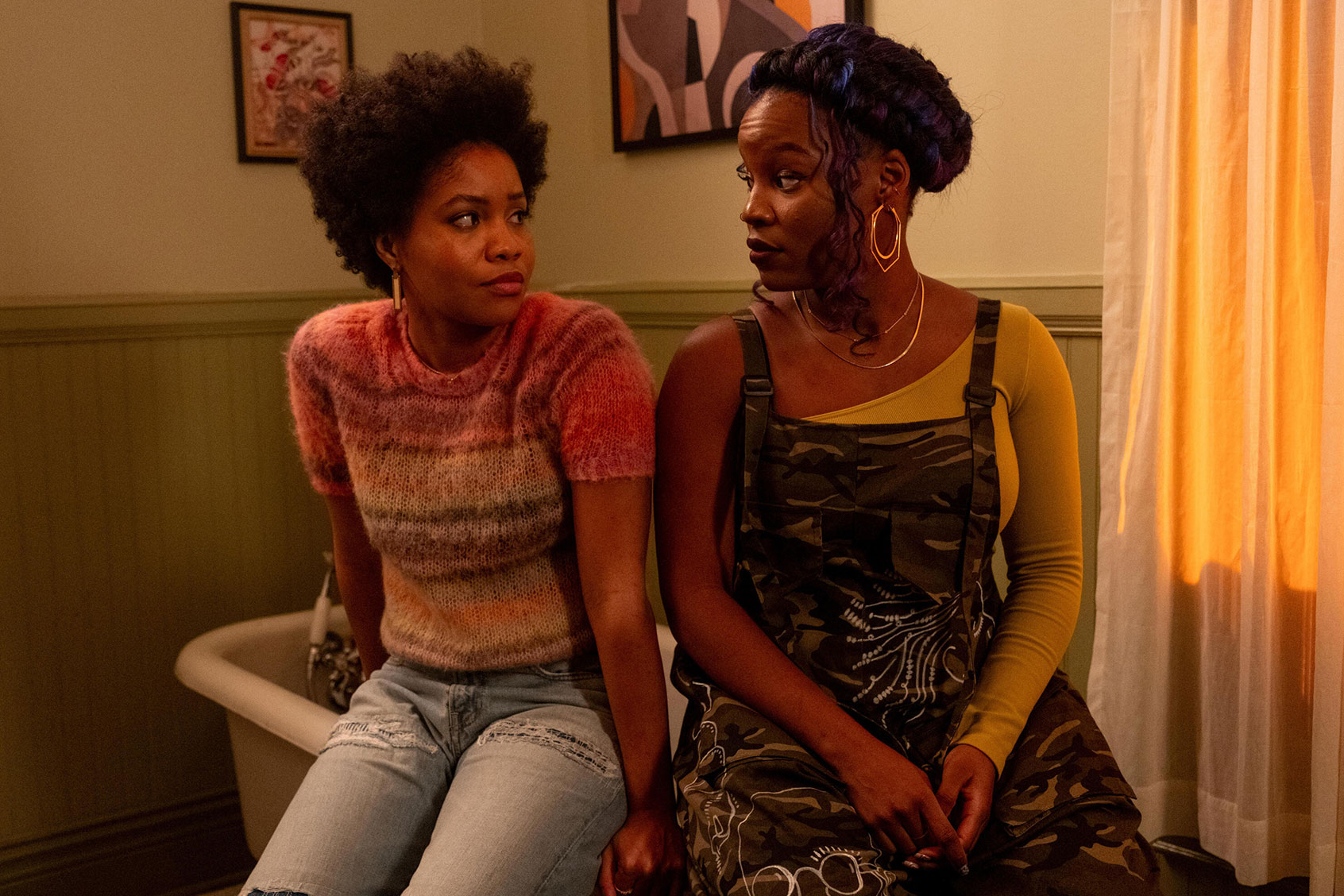
Early scenes in “The Other Black Girl” place us inside the ever-present anxiety Nella Rogers (Sinclair Daniel) experiences at work. As one of two non-white staffers at Wagner Books, a prominent New York publisher, Nella is accustomed to it.

She senses its shudder behind every interaction with her boss Vera (Bellamy Young). She can barely suppress its irritating buzz whenever her socially clumsy co-worker Sophie (Kate Owens) uses her as a test audience for her shallow journeys in allyship.  She pretends it isn’t singing in her ears when she’s surrounded in the elevator or sidelined in meetings. But its constant low-volume screech reminds her and us that she’s always being watched, always one slip-up from being sent packing.

Zakiya Dalila Harris’ debut novel, the basis for Hulu’s 10-episode series, accurately captures the stress of working while Black in a primarily white industry because she’s lived it. Nella’s travails are based on scenes from Harris’ three-year stint in Knopf Doubleday’s editorial department, but any non-white worker who’s either the only or one of few in their department may recognize her cheerful strain.

The premiere, which the author co-wrote with executive producer Rashida Jones, contains the series’ most poignant distillation of this stress. Daniel’s expressive performance welcomes the audience to flinch as she yanks between baseline honesty and the overwrought pep forcing Nella to chirp whenever Vera flings a task at her.

Only when she completely relaxes around her best friend Malaika (Brittany Adebumola) or her boyfriend Owen (Hunter Parrish) can we see how exhausting it is to constantly be on. But anyone who’s been in her place knows why she has to keep that switch flipped. If her white co-workers find Nella to be intimidating, her advancement will be limited; also, should she be grateful to have a job most people in her position would kill for?

The Other Black GirlNella (Sinclair Daniel) and Malaika (Brittany Adebumola) in “The Other Black Girl” (Wilford Harwood/Hulu)

Sometime over the past decade, it was decided that every horror flirtation must have metaphorical significance.

All this is foregrounded before Nella meets her new co-worker Hazel-May McCall (Ashleigh Murray), the titular replacement for Nella’s outgoing colleague. Nella celebrates Hazel’s hire, viewing it as proof that Wagner is finally living up to its promise to prioritize diversity after years of empty gestures.

Hazel immediately allows Nella to let her guard down – infusing a knowing purr of “girl” into exchanges where she urges Nella to “spill the tea.”  They even love the same book, “Burning Heart,” which is what attracted both to Wagner. It was edited by the author’s best friend, Kendra Rae Phillips (Cassie Maddox) who was also the only Black person to rise that high in the company since 1983. That’s also around the time that Kendra disappeared.

Given their common goals, Hazel assures Nella that she has her back. But does she? Not long after Hazel arrives, Nella finds a strange note that reads “LEAVE WAGNER NOW.”  The weirdness escalates from there.

Sometime over the past decade, it was decided that every horror flirtation must have metaphorical significance. It’s a philosophy that is more effective in some cases than others, with the line dividing success and failure narrowing down to degrees of subtlety.

That term does not accurately describe “The Other Black Girl,” but the story is infuriatingly familiar to people of color who gain entry to white spaces. Being Black and alone in those environments, whether it’s school, work or social situations, attracts assumptions about your fitness to be there regardless of your qualifications.

If you are the first – or, like Nella, the first in a long, long time – you’ll likely burn a lot of energy working twice as hard for a shot at a promotion. You tell yourself you’re doing this in part so that the next person who looks like you will have it easier.

But what if that person for whom you’ve paved the way arrives while you’re still at or near the starting line — and pits themselves against you?

We need your help to stay independent

Nella is an editorial assistant gunning for an assistant editor position, so she stays late, brings her work home with her, and comes up with ideas Vera takes credit for.

Hazel is culturally savvy and eager to ingratiate herself. She also satisfies her white co-workers’ yearning to crib parts of the Black experience, cheerfully bringing in pastries from a Harlem bakery or tying scarves in her locs. Their boss Richard Wagner (Eric McCormack) takes a shine to her immediately.

The Other Black GirlHazel (Ashleigh Murray) in “The Other Black Girl” (Wilford Harwood/Hulu)

Shortly after she joins the company, Nella offends Wagner’s star writer Colin Franklin (Brian Baumgartner) by sharing honest feedback about his book. Franklin, a white man, cooks up a Black female drug addict named Shartricia in his new novel, and Nella correctly warns her boss that it’s a PR disaster waiting to happen. But Vera doesn’t want to hear it – and neither does Franklin.

Of course, Nella only shares her thoughts at Hazel’s urging, promptly leaping from the solidarity car before it plummets off a cliff. 

This show’s twist emulsifies the supernatural into the ludicrous.

If you’ve seen “Single White Female” or any Lifetime movie from the ’90s or early aughts you may be able to guess where the plot heads. But you’d only be partially correct since the turn emulsifies the supernatural into the ludicrous.

In this, “The Other Black Girl” follows the book’s trajectory by transforming from a realistic portrayal of workplace double standards and the emptiness of inclusion pledges into a conspiracy braiding Wagner’s legacy with the politics of Black hair.

The Other Black GirlNella (Sinclair Daniel) and Hazel (Ashleigh Murray) in “The Other Black Girl” (Wilford Harwood/Hulu)

It’s bizarre enough of a device to get points for uniqueness, aided by the show’s designation as a comedy thriller hybrid. But there’s a threshold at which Harris’ original point is blunted – it happens around five or six episodes into the season. The office space gaslighting gives way to horror trickery, slackening the plot’s tension until it nearly unravels in the final act. Somehow Harris’ denouement is more fun on the page than the screen.


Want a daily wrap-up of all the news and commentary Salon has to offer? Subscribe to our morning newsletter, Crash Course.


Still, the author takes advantage of her series adaptation to expand Hazel’s humanity beyond the novel’s profile, and Murray’s portrayal strengthens the character empathetic traits. She ensures Hazel is always genuinely likable, even after her mask begins to slip, which assists the plot’s approximation of its Jordan Peele-style twist. If only the story scaffolding supporting it were as elegant as it is in similar social allegories such as “Get Out” – which is a tall order, I’ll admit.

Provided you can relax into the camp vibe once the suspense kicks into gear, “The Other Black Girl” is an easy binge that highlights its talent, especially Adebumola’s ample comedic timing. You’ll want to see her in more projects, along with appreciating Garcelle Beauvais’ strutting performance as “Burning Heart” author Diana Gordon. After stealing the spotlight in “Survival of the Thickest,” watching Beauvais chew new scenery is dessert.

That Netflix show offers comforts “The Other Black Girl” refuses to, but each is validating in its own way. This one assures people who have been in Nella’s position that they aren’t insane even as threats around her grow increasingly crazy. Whether that’s enough to merit a second season is a note yet to be written.

All episodes of “The Other Black Girl” are streaming on Hulu.

Humans are dangerously pushing the limits of our planet in ways other than climate change

Our planet is relatively massive, but it is a world of finite resources and we are quickly approaching our limits. The planetary boundaries framework establishes how safely humanity can operate within Earth’s biological and physical limitations before undermining our own ability to survive. This is why when burning fossil fuels causes global heating, scientists warn about the safe upper limits of climate change.

“You can party even when you bank account balance is declining but you cannot party forever and that is the situation humanity has brought itself into.”

Yet climate change is just one of the nine planetary boundaries that humanity must respect for Earth to remain a healthy planet for our species. Unfortunately, according to a recent study in the journal Science Advances, humanity is not merely failing to respect the climate boundary — we’re at existential risk for six of the nine planetary boundaries that exist.

“The planetary boundaries framework, introduced in 2009, identifies guardrails for humanity’s impacts on the global environment,” explained the study’s lead author Dr. Katherine Richardson, professor in Biological Oceanography at the University of Copenhagen’s Sustainability Science Centre, in an email to Salon. “Current scientific understanding suggests respecting these guardrails would minimize the risk of human activities triggering a dramatic and potentially irreversible change in global environmental conditions.”

“We can think of the Earth’s resources as the currency that supports us.”

Those “irreversible changes” could result in widespread suffering, from famine to pandemics to outbreaks of war. Although human beings need Earth’s resources to survive, if they overuse those resources, they will eventually find that the planet is no longer hospitable for them.

“We can think of the Earth’s resources as the currency that supports us,” Richardson told Salon. “The planetary boundaries framework is like a bank statement — it tells us how much of various components (resources) of the Earth system we can allow ourselves to us without greatly increasing the risk that our activities will lead to dramatic and potentially irreversible changes in the overall environmental conditions we experience on Earth.” This is why, for example, it is often said that global warming must be limited to between 1.5º C and 2º C from pre-industrial levels.

Yet the Science Advances study identifies more problems than just climate change. Humanity is causing various degrees of serious risk when it comes to land system change, freshwater change, biosphere integrity, novel entities (like plastics, pesticides, industrial chemicals, etc.) and the flows of biological and geological chemicals. There are only three planetary boundaries where it can be said humanity is still acting within a safe operating space: Ocean acidification, stratospheric ozone depletion and atmospheric aerosol loading. Yet even ocean acidification is “close to being breached,” the authors write, while “aerosol loading regionally exceeds the boundary.”

It is clearly in humanitys interest to avoid perturbing Earth system to a degree that risks changing global environmental conditions so markedly,” the authors wrote.


Want more health and science stories in your inbox? Subscribe to Salon’s weekly newsletter Lab Notes.


There are only three planetary boundaries where it can be said humanity is still acting within a safe operating space.

The researchers arrived at these conclusions after incorporating the latest scientific research into the body of work that has been accumulated around these topics since 2009. Indeed, for the planetary boundaries framework to be useful, it needs to be periodically updated. Just as a person must monitor their budget to maintain their financial health, so too must they monitor the planet’s biophysical boundaries to keep Earth at its healthiest.

“We live by using the Earth’s resources and we throw our waste into the open environment,” Richardson explained. “The Earth’s resources are limited and our demand exceeds their supply. You can party even when your bank account balance is declining — but you cannot party forever and that is the situation humanity has brought itself into.”

This is not to say that humanity’s outlook is entirely bleak. When asked if policies exist which could shift humanity away from the proverbial edge of extinction, Richardson replied “Absolutely!”

“We are already using too much biomass,” Richardson said. “We will continue to use the products of photosynthesis but we need innovation that focuses on creating photosynthesis there where it does not naturally occur (bioreactors, for example).”

Richardson added, “Support should be given to developing Earth system models that better describe the interaction between biological processes and physical processes (climate) if we really want to predict future Earth conditions. The climate crisis cannot be dealt with in isolation from the biodiversity crisis.”

One could think of these measures as medications, to use an analogy that Richardson included in the study’s press statement: “We can regard it as we do our own blood pressure. A BP over 120/80 is not a guarantee of a heart attack but it increases the risk of one. Therefore, we try to bring it down.”

“The climate crisis cannot be dealt with in isolation from the biodiversity crisis.”

This is not the first study to raise awareness about humanity approaching its planetary limits. A 2022 report by the Intergovernmental Science-Policy Platform on Biodiversity and Ecosystem Services (IPBES), a United Nations body, found that one million animal and plant species face extinction, as “billions of people in all regions of the world rely on and benefit from the use of wild species for food, medicine, energy, income and many other purposes.” 

Dr. Marla R. Emery, a scientific advisor for the Norwegian Institute for Nature Research, told Salon by email at the time that policies for improving sustainability must vary from region to region. 

“The sustainability of uses of wild species is context specific,” Emery explained. Life on our planet is threatened in a number of ways, including through hunting, fishing, gathering, harvesting, economic demands and even “the systems that are in place to regulate and govern their activities,” Emery said.

Similarly, a 2021 study published in the peer reviewed journal Communications Earth & Environment found that in many cases, human-caused factors are driving extinction at a rate that surpasses that of the Cretaceous–Paleogene extinction event — that is, the mass extinction 66 million years caused when an asteroid collided with Earth, killing most of the dinosaurs.

By analyzing the extinction rates for freshwater animals and plants, then using that data to extrapolate likely future extinction rates, the researchers learned that the average predicated rate for freshwater animals and plants today is three orders of magnitude higher than it was during the Cretaceous–Paleogene extinction event. At that rate, one-third of all the freshwater species alive right now could be extinct by 2120.

We need your help to stay independent

The summer of 2023, which was the hottest in recorded history, served as a potent reminder of the consequences of transgressing planetary limits. According to a study in the journal PNAS, if climate change continues at its current pace there will be so-called compound drought and heatwaves that will happen roughly twice a year for approximately 25 days. They will occur from eastern North America and the American southwest to eastern Africa, Central Europe and Central Asia, and will involve heatwave-caused extreme weather compounding upon itself — such as a heatwave causing droughts, wildfires, severe storms and other consequences. This year alone, the United States has experienced a record-breaking 23 natural disasters exceeding $1 billion in damages — including the Maui wildfires and Hurricane Idalia — and there are still four months left in 2023.

“It’s a ‘new abnormal’ and it is now playing out in real time — the impacts of climate change are upon us in the form of unprecedented, dangerous extreme weather events,” study co-author Dr. Michael E. Mann, a professor of Earth and Environmental Science at the University of Pennsylvania, told Salon at the time. “And it will only get worse and worse as long as we continue to burn fossil fuels and generate carbon pollution.”

“I have these dual aspects”: Lauren Boebert attempts a rebrand away from MAGA

Rep. Lauren Boebert is undergoing an in-state rebrand from a far-right firebrand of Washington, D.C. to a "bring-home-the-bacon pol" in Colorado as she prepares for a 2024 re-election bid, Politico reports. The subtle shift in her strategy — addressing Colorado policy and a local water shortage over the President Biden impeachment push — comes after she barely eked out a second-term last fall following a recount that saw her beating out Democrat Adam Frisch by just 546 votes.

Though she's not the only U.S. legislator switching up her public persona between the Capitol and her home state, her embrace of different political selves demonstrates the stakes of playing more to the MAGA base than voters in her competitive district. 

Boebert's opponent, however, is not sold on her approach. 

"When you have the worst performing race in probably 20 years, you're going to try to reset. And her team was trying to get her to reset," Frisch told Politico, noting her fight with fellow far-right Rep. Marjorie Taylor Greene, R-Ga., on the House floor earlier this year. Boebert blamed her near loss in 2022 on "harvesting" of absentee ballots — a claim heavily disputed by Colorado's Democratic secretary of state — a lack of outside help and low Republican turnout. Despite her district's strong conservative slant, the area also has a history of electing more pragmatic lawmakers. Because of that tendency, local Republicans point to her rebrand as a positive sign, and her allies hope it will be enough to for re-election in one of the party's battleground races next fall.

Frisch outraised the ultra-conservative representative in the last quarter, and his strategy has capitalized on voters' disinterest with far-right pandering by presenting Boebert as a "media-hungry extremist who's failed to deliver for her district," Politico writes. "She's not a very pragmatic person, and my assumption is that she's proud of that," Frisch told the outlet. "Her team is trying to get her to change, but people are who they are."

Could my child have low iron? And what are my options if they do?

Around 75% of infants aged six to 12 months and 25% of toddlers aged one to two years in Australia don’t get the recommended dietary intake of iron.

Despite their small size, weaning infants and children require similar amounts of iron to adults. The iron is crucial for supporting their rapid growth in blood and muscles, immunity, brain development and learning.

Untreated iron deficiency can progress to anaemia — severe iron deficiency where there are insufficient healthy red blood cells to carry oxygen around the body. Alarmingly, anaemia affects around 8% of Australian children under five and if untreated, can be associated with developmental setbacks and later cognitive deficits.

How do I know if my kids have iron deficiency?

Iron deficiency in children is often associated with vague or no symptoms, especially if it has not progressed to anaemia.

Symptoms can include fatigue, difficulty concentrating, poor behaviour, frequent infections and pica (eating non-food substances such as paper, clay or soil).

Diagnosis typically involves a blood test that screens for iron markers such as ferritin, a protein that stores iron. Doctors often recommend these tests for people who are at high risk, detailed in the figure below.


Made with Flourish


What are the first options for treatment?

When iron deficiency and anaemia are caused by a lack of dietary iron, both can often be effectively addressed through changes to the diet and oral iron supplements.

The Royal Children’s Hospital in Melbourne recommends boosting intake of iron-rich foods such as meat, fish, eggs, leafy greens and legumes and drinking less than 500mL (about two cups) of cow’s milk per day. This is because cow’s milk has been associated with reduced iron stores in young children.

Doctors might also prescribe oral iron supplements. A course of liquid or tablets would usually be recommended for a minimum of three months , during which follow-up blood tests can show how well the child is responding to the supplementation.

Existing evidence suggests supplements are a more effective way to replenish iron stores than dietary changes alone and ferrous sulfate is the most effective iron supplement for young children.

Navigating the side effects

Iron supplements are known to have some nasty side effects including constipation, nausea, diarrhea, dark stools and stained teeth. This may make compliance challenging, especially for young children. The approaches to alleviate side effects vary depending on the child.

The doctor may recommend alternative supplements as some may be better tolerated than others. Another option is to adjust the dosage, with lower dose supplements or taking it every other day.

Consuming iron supplements with food or immediately after eating can also lessen side effects. However this may result in reduced absorption and should be discussed with your doctor.

For cases where iron supplements don’t appear to be working or where compliance is an issue, iron infusions may be prescribed by your doctor. These involve injecting iron over multiple visits at a hospital and/or specialist clinic, with each session potentially lasting an hour or more.

How can I prevent iron deficiency in my kids?

To prevent iron deficiency, it’s important to keep an eye on your child’s iron intake and the factors that may influence their absorption.

For example, drinks which contain tannins (tea, coffee, chocolate drinks) may inhibit iron absorption. But vitamin C and organic acids from fruits and vegetables, as well as high-quality proteins such as those found in meat and fish, can promote absorption.

From infancy, following the national feeding guidelines will help to support your child’s iron status. This includes introducing iron-rich solid foods from around six months of age for healthy breastfed infants to replenish their iron stores from birth.

Around six months is also the prime time for introducing foods to minimise risk of food allergies, including to iron-rich foods such as seafood and nut butters.


Made with Flourish


From 12 months onwards, children’s diets should align with the Australian Dietary Guidelines, emphasising a balanced, nutritious diet encompassing a range of foods. Diets following this pattern should deliver ample iron from meats, breads and cereals, as well as iron absorption promotors such as oranges, capsicum and other fresh fruits and vegetables?.

In cases where the child is a picky eater, or where access to a diversity of foods is limited, look for fortified iron options such as in bread, drinks (for example juice for kids over 12 months and Milo for older kids) and breakfast cereals.

If your child is diagnosed with iron deficiency, remember each path to recovery is unique. Consultation with a GP or dietitian can help tailor solutions catering to their specific needs.

Yianna Zhang, Sessional tutor, The University of Melbourne; Amanda Patterson, Senior Lecturer in the School of Health Sciences, University of Newcastle, and Ken Ng, Senior Lecturer & Course Coordinator (Master of Food Science), The University of Melbourne

This article is republished from The Conversation under a Creative Commons license. Read the original article.

Sorry, Ina Garten, you’re wrong this time: The subtle power of the bay leaf

Back in December of last year, Ina Garten spoke with David Remnick on “The New Yorker Radio Hour,” and in answering a listener’s question, she shared her feelings on bay leaves — which were ambivalent.

She stated that while she uses them when a recipe calls for the leaf (or herb), she always “wonder[s] whether a bay a leaf makes a difference.” And, to be honest, she wasn’t entirely sure if they did or not. While she didn’t give the bay leaf a pointed yay or nay, Remnick summarized the conversation like this: “Ina calls BS on bay leaves.” 

This is a rarity, but it must be said: I think Ina is off-base here.  

Snickering about the flavor (or lack thereof) that bay leaves impart to many dishes is a common go-to joke across the interwebs, from Twitter to Reddit and everything in between. 

Back in 2016, Kelly Conaboy wrote for The Awl: “What does a bay leaf taste like? Nothing. What does a bay leaf smell like? Nothing. What does a bay leaf look like?  A leaf.”

She continued, unleashing a barrage of vitriol at said innocent leaf. And while she spoke with multiple chefs and people in the industry — almost all of whom espoused the positive, flavorful elements of bay leaves — she remained steadfast in her declaration that bay leaves, at large, are a “conspiracy.”

But let’s be frank: If you, too, think bay leaves are a conspiracy, chances are you aren’t cooking with the right ones. 

It all comes down to the big difference between a fresh and a dried bay leave. 

If you’re not a bay leaf enthusiast, you may have an old bottle of dried bay leaves in your pantry. Is it three years old? Is it seven years old? No one knows. You fish a leaf or two out of the jar every six months or so and return it to its home. This is the issue, though.

Don’t disparage the bay leaf if you’re using expired, brittle, flavorless bay leaves; try a fresh one and you’ll immediately recognize its subtle power. 

We need your help to stay independent

A comment from a since-deleted user in this (exceptionally titled) Reddit thread “wtf a bay leaf do” is a surprisingly poetic explanation of its hidden powers: “Bay leaves infuse dishes with a woodsy flavor that also has subtle notes of eucalyptus and clove.” 

For those completely unfamiliar with bay leaves, here’s a quick primer. A storied, ancient herb that has been used for generations, bay leaves are traditionally included in a plethora of traditional recipes.

“I do think that it is a potent form of aromatic, very necessary for soups, stews and braises,” Chef Sohui Kim tills Conaboy for The Awl. “Much like using one piece of anchovy in a pasta sauce, undetectable to to eye or even to the taste buds but packs a real je ne sais quoi, umami punch. In long slow cooking forms, I firmly believe in the power of the bay leaf.”

Furthermore, Chef Rich Landau also tells Conaboy: “Sorry, but bulls**t they are not  —  in my opinion. I truly love bay leaves, they are irreplaceable in stocks as they lend a deeper, savory, herbal element that fresh herbs don’t.”

Anthony Bourdain was also a big fan of bay leaves. 

“Count me in the ‘yes’ team. I do use bay leaves,” Bourdain said. “And yes, they are important. Particularly for cream sauces and poaching liquid (court bouillons) for fish. I can understand how some would feel they get lost in more forceful dishes like beef stew — but I think they add something. Color me old school.”


Want more great food writing and recipes? Subscribe to Salon Food’s newsletter, The Bite.


As Becky Krystal points out in The Washington Post, another issue bay detractors may be facing is that they don’t allow their bay leaves to linger and infuse their dishes for long enough. There are so many latent flavors, nuances and aromas trapped in the bay leaf — let time and heat coax them out slowly. You can also “bloom” the bay leaf in oil, much as you would any other warming spice.

By the way, bay leaves are super appealing in desserts, from cakes to glazes to even ice cream, as well as teas

If you’d really like to see just what a bay leaf actually tastes like and contributes to a dish, try steeping it in water. You’ll more immediately detect the nuances and flavors when the only contrasting note is water, as opposed to a Bolognesea chili or a soup. 

This is all to say: The bay leaf has been unfairly maligned. 

So, the next time you’re food shopping, pick up some fresh bay leaves. Also, if you have a ten-year-old bottle of bay leaves way back in the dark recesses of your pantry, do yourself (and your food) a favor and buy a new bottle!  

Give bay leaves a chance . . . I bet you’ll be pleasantly surprised.

“Kangaroo court”: Democrat slams House GOP’s “illegitimate impeachment inquiry” as a “waste of time”

House Minority Leader Hakeem Jeffries, D-N.Y., blasted Speaker Kevin McCarthy's announcement that the House of Representatives is opening an impeachment inquiry against President Joe Biden, dubbing the "illegitimate" probe "a kangaroo court, fishing expedition and conspiracy theater rolled into one."

Jeffries made the comment during a press conference with House Minority Whip Katherine Clark, D-Mass., and House Democratic Caucus Chairman Pete Aguilar, D-Calif., just hours after the California Republican's public statement on Tuesday. 

"There is not a shred of evidence that President Joe Biden has engaged in wrongdoing. There is not a shred of evidence that President Joe Biden has committed an impeachable offense. There is not a shred of evidence that President Joe Biden has committed a crime," the New York Representative said Tuesday. "This is an illegitimate impeachment inquiry. Period, full stop. It's a waste of time and taxpayer dollars." Jeffries went on to vow that House Democrats will defend Biden "until the very end," describing the president as a "good," "honest" and "patriotic man."

"House Democrats will defend President Biden today. We will defend President Biden tomorrow. We will defend President Biden next week. We will defend President Biden next month. We will defend President Biden next year. We will defend President Biden until the very end," he concluded.

Jeffries joins a number of Democrats rebuking the impeachment inquiry and McCarthy, calling out the absurdity of pursuing the inquiry when the months-long GOP probe of Hunter Biden's business dealings yielded no evidence to support the allegations against the president and criticizing the Speaker's failure to hold a vote to launch the inquiry as he said he would earlier this month. 

James Webb discovered an exoplanet that may be covered in oceans

The James Webb Space Telescope (JWST) notched another astronomical achievement in its figurative belt: It discovered carbon-based molecules in the atmosphere of an exoplanet, a planet that is far outside our solar system. This is particularly significant because the exoplanet in question, K2–18 b, is believed to contain an ocean. The Hubble Space Telescope provided the research and observations that initially suggested K2–18 b has liquid water, making it by definition a so-called “Hycean” world.

As a consequence, the carbon-based molecules in the hydrogen-rich atmosphere — specifically, the carbon dioxide and methane — could indicate that K2–18 b has the ingredients for life, which it may very well host. Just as promising, there was no ammonia in the atmosphere, which further suggests a liquid water ocean. Finally, K2–18 b is in a habitable zone.

“Our findings underscore the importance of considering diverse habitable environments in the search for life elsewhere,” Nikku Madhusudhan, an astronomer at the University of Cambridge and lead author of the paper, said in a statement. “Traditionally, the search for life on exoplanets has focused primarily on smaller rocky planets, but the larger Hycean worlds are significantly more conducive to atmospheric observations.”

This does not mean that all signs are promising for potential life on K2–18 b. It has a radius 2.6 times that of Earth and the ocean could wind up being too hot to be either habitable or liquid. But Webb is constantly teaching us more about the strange planets in other parts of the universe.

Lauren Boebert is bragging about being escorted out of “Beetlejuice”

Republican Rep. Lauren Boebert is now bragging after video of her being booted from a Denver theater for “causing a disturbance” has been made public. 

“On the way out is my favorite part of the video,” the Colorado congresswoman told the Daily Beast’s Zachary Petrizzo. 

 The Denver Post first reported that Boebert was escorted out of a Sunday night performance of the Broadway touring “Beetlejuice” at the city-owned Buell Theatre. According to an incident report, venue staff received three different complaints of Boebert and a companion “vaping, singing, causing a disturbance.” Brian Kitts, director of marketing and communications for Denver Arts and Venues, told the Post that the patrons were talking loudly and using cameras during the performance. They were warned during an intermission, but the behavior continued into the second act.

According to the incident report, as the two were being escorted from the property, they said, “stuff like ‘do you know who I am,’ ‘I am on the board,’ (and) ‘I will be contacting the mayor,'” 

A spokesperson for Boebert denied that she was vaping inside the theater but the congresswoman, who is running for reelection next year in Colorado’s 3rd Congressional District, seemingly boasted about the incident. 

“There’s nothing new about me having an overtly animated personality,” she told the Daily Beast. “After the twirl I said ‘omg, I was just Beetlejuice’d from Beetlejuice’ and started laughing hysterically.”

 “Just wait until church footage gets leaked, y’all ain’t seen nothing yet!”

Watch the video below, via NBC Denver affiliate 9NEWS:

Kevin McCarthy secures Trump’s payback — but at what cost?

On August 28th, Donald Trump had had enough of his House Republicans dilly-dallying around. So he took to his social media platform, Truth Social, and issued an order:

The Republicans in Congress, though well meaning, keep talking about an Impeachment ‘Inquiry’ on Crooked Joe Biden.Look, the guy got bribed, he paid people off, and he wouldn’t give One Billion Dollars to Ukraine unless they ‘got rid of the Prosecutor.’ Biden is a Stone Cold Crook-You don’t need a long INQUIRY to prove it, it’s already proven. These lowlifes Impeached me TWICE (I WON!), and Indicted me FOUR TIMES – For NOTHING!Either IMPEACH the BUM, or fade into OBLIVION. THEY DID IT TO US!

Speaker of the House Kevin McCarthy heard him loud and clear.

On Tuesday, McCarthy announced that he was unilaterally ordering an impeachment inquiry into the president for his term as vice president nearly a decade ago. No one was surprised that McCarthy went back on his stated principle that an impeachment inquiry can only be launched with a full vote of the House or the still binding determination by Trump’s Department of Justice which came to the same conclusion. He doesn’t have the votes to launch a legitimate inquiry so this was the only thing he could do to stave off a temper tantrum from Trump and the Freedom Caucus. He was, as he has been since the day he took the speaker’s gavel, just trying to get through the day. 

This particular day has been coming since November 2022 when the Republicans managed to eke out a very narrow victory in the House. The fact that their majority was much smaller than they expected did not daunt them any more than it daunted the House Republicans in 1998 when they unexpectedly lost seats as they pursued the impeachment of President Clinton. When Republicans want to impeach a president, they don’t care what it costs. 

We need your help to stay independent

They have already established that in the months and months of investigations they’ve waged since they got their majority, there is no evidence to support an impeachment inquiry. Nonetheless, McCarthy laid out six specific allegations which sounded as though they are proven but they are nothing but innuendo about Hunter Biden’s business about which the president has never been shown to have knowledge or involvement. And anyway, we know what this is all about, don’t we?

Either IMPEACH the BUM, or fade into OBLIVION. THEY DID IT TO US!

This is payback as anyone with eyes can see. And Trump is no doubt thrilled that they are going after Biden for the same stale lie that got him impeached the first time. The so-called investigation revolves around the disproved nonsense about then Vice President Biden demanding the Ukrainians fire a prosecutor to help his son’s business in Ukraine. The timeline doesn’t line up any better now than it did when Trump was trying to sell it to Ukrainian President Volodymyr Zelensky in his “perfect phone call.” Maybe he thinks that having an impeachment tying Biden to the case will prove him innocent of wrongdoing and lead to the “expungement” of his impeachment. (McCarthy has said that he’s all for it even though expungement isn’t a thing.)

When Republicans want to impeach a president, they don’t care what it costs.

But it has some other utility for the Republicans.

Trump instinctively projects his own shortcomings and problems on his enemies and then attacks them which is what he’s doing with the “Biden Crime Family” thing. I don’t know what specific psychology is at work, but it serves a tactical purpose for him and his allies by muddying the water and contributing to the widespread cynicism in American life that leads people to think everyone is corrupt and there’s nothing to be done about it. 

It’s already worked to some degree in this case. According to a recent CNN poll, “61% say they think that Biden had at least some involvement in Hunter Biden’s business dealings, with 42% saying they think he acted illegally, and 18% saying that his actions were unethical but not illegal.” 

There is literally no evidence of any of that. Well played, Republicans, well played.

McCarthy also got the impeachment inquiry demand off the table to appease the extremists in his caucus but some of them don’t seem to be appeased. Florida Rep. Matt Gaetz has been agitating for impeachment for months and threatened on Monday to make a motion to vacate the chair the next day, essentially calling for a no-confidence vote for McCarthy if the speaker didn’t step up. After McCarthy did as he asked, Gaetz still took to the floor and had this to say:

https://x.com/Acyn/status/1701633496953815386

You just can’t please some people. In the meantime, Rep. Marjorie Taylor Greene, R-Ga., who has been filing impeachment papers against Biden since the first day of his presidency is angry that Gaetz is taking credit:

https://x.com/RepMTG/status/1701611682722930990


Want a daily wrap-up of all the news and commentary Salon has to offer? Subscribe to our morning newsletter, Crash Course.


Greene might have a point. She had dinner with Trump on Sunday and met with McCarthy on Monday so she may very well have brought McCarthy an offer he couldn’t refuse from Mar-a-Lago. 

The truth is that there just aren’t enough votes to impeach Biden in the House and there will never be enough votes to convict him in the Senate. They can draw this out over months to keep it in the headlines and hope that something shakes loose as it did when the Benghazi investigation turned up Hillary Clinton’s personal email server. The media will be paying very close attention out of a misplaced belief that they must treat this sideshow with the same seriousness they treated the Trump impeachments. 

Conventional wisdom has it that McCarthy is terrified of losing his job so he’s dancing as fast as he can to please the crazies and the normies as well as their Dear Leader. But hard-right Colorado Rep. Ken Buck, a vocal and unexpected opponent of opening the impeachment inquiry (and he’s taking some heat for it) isn’t intimidated by Gaetz and his crew because he doesn’t think McCarthy has anything to worry about. He told CNN’s Anderson Cooper that all this ostentatious talk of “leverage” isn’t going to dislodge the speaker because there’s no one else who wants McCarthy’s job. 

Normally I would think that’s ridiculous. There are always ambitious politicians. But I think Buck has a point. There is no one stupid enough to want the job who could also be elected. We already know that from the night of the endless speaker votes last winter. Right now, it’s the worst job in the world and that means McCarthy has a freer hand than it appears. Maybe that threat Gaetz and his pals are holding over McCarthy’s head is just another act in the ongoing performance art installation otherwise known as the House Republican caucus. 

Navigating new Alzheimer’s drugs can be confusing and expensive. So do they really help patients?

For decades, attempts to treat or slow Alzheimer’s disease (AD) — a brain disorder that causes dementia through damage to brain cells and other changes in the brain — have been dispiriting failures. America’s aging baby boom population, among other demographic and historical factors, is expected to increase the number of Americans with the disease. Currently, around 55 million people worldwide have the condition — roughly the population of Colombia — while 500,000 new cases are diagnosed in the U.S. each year.

But two new and one potential U.S. Food and Drug Administration (FDA) approvals of drugs might be a sign that the dominant theory of the disease, long disappointing, is panning out at last. The drugs work by removing a substance found in the brains of people with the disease, but it remains to be seen whether this is the answer to AD’s devastating and ultimately fatal symptoms of cognitive decline.

“Our hope is that these are firsts for our field,” Dr. Maria Carrillo, chief science officer of the Alzheimer’s Association, told Salon in a video call about the new and upcoming medication approvals. 

First there was aducanumab (sold as Aduhelm by Biogen), approved by the FDA in June 2021. The first new drug for Alzheimer’s in twenty years, it’s a monoclonal antibody given as an infusion once a month to patients with mild cognitive impairment or dementia. Aducanumab targets beta-amyloid plaques — hard accumulations of the protein between neurons — a phenomenon found in the brains of people with AD, as well as in people who died without ever exhibiting signs of the disease.

Despite this seeming breakthrough, a big question remains: how well does the drug actually work? Although aducanumab breaks up these clumps of protein, there isn’t evidence that it changes the course of the disease, nor that it slows cognitive decline in a clinically significant way. But it’s the first drug to target the processes that are believed to lead to Alzheimer’s.

Controversies around this approval included the resignation of three members of the FDA committee that advised in November of 2020 against authorizing the drug without further study.

Two phase III trials for aducanumab were halted in March 2019 following a “futility analysis,” meaning it didn’t seem likely that continuing the trials would find it worked any better than placebo. But by October of that year, researchers reported a small cognitive benefit from higher doses in reducing the formation of beta-amyloid plaques in one of the studies, which allowed the drug to receive FDA fast-track approval.

This means full approval will only come after successful post-approval studies conducted by Biogen. Controversies around this approval included the resignation of three members of the FDA committee that advised in November of 2020 against authorizing the drug without further study, after the agency went ahead and approved it the following year.

Rob Howard, a professor of old age psychiatry at University College London, told MedPage Today at the time that “Regrettably, the FDA has ignored high quality scientific evidence of non-efficacy provided by the large and carefully conducted phase III studies. They’ve effectively approved an expensive placebo with unpleasant side effects on the basis of action against brain amyloid levels, an action that has already been shown to have little or no effect on cognitive and functional decline with this and earlier agents.”

To this day, critics remain unhappy about the FDA approvals for reasons of effectiveness, risk and its extremely high cost. But there are other options for Alzheimer’s.

Next there’s lecanemab (sold as Leqembi), approved just this spring, the first Alzheimer’s drug to show an impact on disease progression. However, the benefit this confers, on average, is slight, and in fact it might be hard to say if an individual patient was experiencing benefit or not.

Like its predecessor, lecanemab has proven controversial. Of the 1,795 participants in the clinical trial that led to accelerated approval for the drug, some thirteen percent experienced dangerous brain swelling or bleeding, with two deaths linked to brain bleeds. This makes it extremely hard to weigh unquantifiable benefits against a real risk of harm. Even worse, those who are genetically predisposed to Alzheimer’s or who are taking blood-thinning medications are at greater risk.


Want more health and science stories in your inbox? Subscribe to Salon’s weekly newsletter Lab Notes.


Other processes that seem to be involved in AD include insulin resistance, immune dysfunction, neurovascular problems, hypertension (which can cause beta-amyloid build-up in the brain) and inflammation. Repurposed drug candidates targeting these processes that are being studied by scientists range from Viagra to the diabetes medication metformin. Carrillo also notes that her organization is involved in other areas of research, including lifestyle prevention.

Of the 1,795 participants in the clinical trial, some thirteen percent experienced dangerous brain swelling or bleeding.

Still, the association, which is the main research-involved Alzheimer’s organization in the United States, sees amyloid plaques and misfolded neurofibrillary proteins (called tau tangles) as not just associated with AD, but as early markers of future disease. The goal of course is to prevent Alzheimer’s before it starts, but failing that, to turn it from a terminal disease to a manageable condition.

“The core underlying biology are beta-amyloid and tau tangles,” Carrillo asserted.

Hence their excitement about the third new medication, Eli Lilly’s donanemab, which has no brand name yet. Like the others, donanemab targets specific parts of the process of beta-amyloid forming clumps or plaques in the brain. Trial results published in July in the journal JAMA showed significant impact on clinical progression of the disease after 76 weeks in patients who already showed both mild Alzheimer’s symptoms and the characteristic accumulation of amyloid plaques and tau tangles.

For this reason, the Alzheimer’s Association is advocating for the same speedy approval and access to the drug. But again, critics urge greater caution and diligence in not letting approvals run ahead of the evidence for efficacy and safety (it caused brain swelling in nearly a quarter of patients who received it, and many stopped due to nausea).

Expensive antibody-driven therapies like Leqembi allow drug companies to recoup their investment in the short term — even if the drugs later prove essentially useless.

One such critic is Gregg Gonsalves, an associate professor of both epidemiology and law at Yale and a researcher on public health and health equity (not, he stresses, an Alzheimer’s researcher like his fellow critics of the beta-amyloid clearing drugs). Gonsalves argues that expensive antibody-driven therapies like Leqembi allow drug companies to recoup their investment in the short term — even if the drugs later prove essentially useless. It’s a strategy that promotes the idea that any drug is better than no drug (if only for companies’ bottom lines), something most patients facing eroding cognition would be likely to support, if only out of desperation.

Gonsalves is a veteran of the ’80s struggle of patients to secure access to new, still-experimental drugs for AIDS — while ensuring they actually worked and carried low risks. Back then, that involved a parallel track process. Interestingly, it was proposed by then National Institute of Allergy and Infectious Disease director Anthony Fauci, who many now recognize for his work during the COVID-19 pandemic, and pushed for by activists like Gonsalves. It allowed certain AIDS patients to be given access to experimental drugs without interrupting the ongoing clinical trials process.

“What we have now is companies saying the only way you’re gonna get these drugs is if you push the FDA to approve them. So basically, they’re holding patients hostage.”

From the point of view of activists like Gonsalves, this represented a bargain: “we would get drugs not on the market that showed potential clinical benefit with the caveat that within the very short term you can tell us that the drugs actually had clinical effect.”

By contrast, “What we have now is companies saying the only way you’re gonna get these drugs is if you push the FDA to approve them. So basically, they’re holding patients hostage,” Gonsalves said.

Dr. Carrillo doesn’t see it that way at all, noting that the drugs have met endpoints established years earlier in the process through negotiation between the FDA and the drug companies. And she points out that even the possibility of a few months of delayed progression of the disease as a result of being able to access this medication — even though in an individual patient it might be hard to know if it can be attributed to it or not — may be incredibly meaningful.

We need your help to stay independent

Critics also point to the long history of beta-amyloid research failures, and even to fraudulent work, including tampering with and cut-and-pasting of images in an important and highly-cited 2006 paper to make the results — which showed one type of beta-amyloid protein as causing Alzheimer’s in rats — appear stronger. Still, although this and other data irregularities and conflicts of interest don’t mean that beta-amyloid plaques and tau protein tangles are irrelevant. Not at all — still the question remains what exactly is going on, and whether or not they are driving the development of AD.

And for that, despite patients’ and families’ natural eagerness for treatments, we may need far more basic research — something everyone in the field agrees on.

“We don’t need hope,” said Gonsalves. “We need drugs that work.” 

Companies are claiming to be “plastic neutral.” Is it greenwashing?

For years, companies have been trying to offset their greenhouse gas emissions with carbon credits. Now, they want to do the same thing for their plastic pollution.

A growing number of companies are claiming “plastic neutrality” through the purchase of so-called plastic credits, tradable units that typically each represent 1 metric ton of plastic waste that’s been removed from the environment. These credits, sold by dozens of unregulated businesses and nonprofits, are supposed to complement companies’ internal plastic reduction strategies while also funding waste collection in the developing world. 

Companies as varied as Burt’s Bees, Nestlé, and the pet food brand Nature’s Logic have vowed to neutralize at least some of their plastic footprint using credits. The beauty product company Davines, for example, says that for every piece of plastic it sells to consumers, it funds the removal of an equivalent amount of plastic from coastal areas in Indonesia, the Philippines, and Brazil. 

“We are reaching a 1:1 balance between the plastic we use and the plastic we remove from the environment,” the company says on its website

But does plastic waste collection in one part of the world really “offset” the impacts from ongoing plastic production, use, and disposal somewhere else? Some experts and environmental groups are skeptical. They worry that plastic credits place a disproportionate emphasis on managing, rather than reducing, plastic garbage. Some say credits are just a way for polluters to burnish their reputations without taking responsibility for the plastic they produce.

“Frankly, it’s all greenwashing,” said Kevin Budris, advocacy director for the nonprofit Just Zero. “The only real solution to the full suite of plastic pollution problems is to stop making so much plastic in the first place.”

If you look at most of the plastic crediting initiatives out there — and there are a lot — most of them offer a similar value proposition: Plastic credits can help fund waste collection in the developing world.

Here’s how they work: A crediting organization funds a project that purports to collect plastic pollution, or prevent it from escaping into the environment. This could be a beach or river cleanup that collects low-value, nonrecyclable plastic waste and disposes of it in a controlled landfill. Or it could be a program to pay “waste pickers,” the uncontracted workers who make their living by collecting refuse from dump sites and the natural environment and selling it to recyclers. The main requirement is that activities funded by plastic credits would not have taken place otherwise: They have to be “additional,” in the industry parlance.

That crediting initiative then measures the amount of waste collected and posts the appropriate number of credits in a registry, usually one credit per metric ton. Companies buy those credits, and by doing so they support the underlying plastic collection activity.

According to Peter Hjemdahl, co-founder of the plastic crediting initiative Repurpose Global, this financing from the private sector is “critical” for cleaning up plastic waste and “empowering” waste pickers. After all, many parts of the world lack formal waste management infrastructure to deal with domestically generated trash, let alone the 14 million metric tons of plastic that enters the ocean each year and may wash up on their shores.

Hjemdahl claims companies want to fund these activities because their employees have “moral consciousness.” But there are other, more practical reasons companies might want to buy plastic credits: According to Thierry Sanders, co-founder and director of the crediting company Circular Action BV, polluters that have to comply with “extended producer responsibility,” or EPR, laws — policies that make companies financially responsible for dealing the pollution they cause — can use plastic credits to demonstrate that a certain percentage of the plastic they sell is ultimately collected and recycled. In Vietnam, for example, an EPR law enacted last year set mandatory recycling targets for a range of products, including plastic packaging. Any company wanting to sell plastic packaging could use plastic credits to prove that the required percentage of its sales was eventually recycled. (At least, they could prove that a certain amount of plastic was recycled; it would be nearly impossible to prove it was their plastic that was collected and turned into new products.)

The current reality, however, is that most parts of the world don’t have EPR laws — which leads to the third and perhaps most salient reason companies are interested in plastic credits: for their marketing value. Credits are “more for corporations that want to make specific claims,” said Vincent Decap, co-founder of a crediting initiative called Zero Plastic Oceans.

Indeed, many plastic crediting programs have a prominent section of their website explaining how companies can use credits to make green marketing claims, or affix proprietary labels to their products. Repurpose Global notes on its website that eco-friendly labels help products “scale significantly faster.” PCX, another crediting organization, encourages brands to “wear your badge with pride,” because doing so will help consumers “know you’re the real deal.”

Most of these badges and labels involve some kind of offsetting language, like “plastic neutral,” “net circular plastic,” and “net-zero plastic to nature.” Similar to carbon credits, these claims generally mean that a company has purchased enough plastic credits to “offset” whatever plastic pollution it contributes to the world. In this way, the impact of one plastic bag sold to the public — and potentially littered into the ocean — is supposedly neutralized by the collection of an equivalent amount of plastic pollution by weight.

There are concerns that neutrality will be used to justify ongoing plastic use and production, since the phrase implies that plastic production can be impact-free as long as it is “canceled out” with credits.

The problem, however, is that not everyone believes those neutrality claims are the real deal. First is an equivalency concern: Unlike with carbon molecules, which one can reasonably assume will all behave similarly in the atmosphere, not all plastics are created equal. Plastic film is the most lethal form of plastic to marine life and is extremely difficult to remove from the environment and recycle. Plastics labeled with a number 3, 6, or 7 may be more likely than others to release hormone and endocrine disruptors. Meanwhile, PET water bottles, labeled with the number 1, aren’t as dangerous to natural environments and tend to get recycled. Yet crediting programs may ignore these differences, using the collection of one polymer to ostensibly neutralize the impact of another.

More broadly, there are concerns that neutrality will be used to justify ongoing plastic use and production, since the phrase implies that plastic production can be impact-free as long as it is “canceled out” with credits. To the contrary, plastic — which is made from fossil fuels — causes harms at every stage of its life cycle. Oil and gas extraction can create air and groundwater pollution that harms people living nearby. Manufacturing can release additional pollution that disproportionately impacts low-income communities and people of color, and plastic products sitting on supermarket shelves can leach toxic chemicals into people’s food and beverages. 

According to Alejandra Warren, co-founder and executive director of the nonprofit Plastic Free Future, these impacts are by no means erased when a plastic producer in one country pays for garbage to be removed from another country’s shoreline. “Plastic credits do not address the ongoing and future environmental injustices caused by the plastics industries around the world,” she told Grist. 

Plastic crediting organizations are not oblivious to these concerns, especially as the carbon market has become engulfed in controversy over alleged greenwashing and “phantom” carbon credits that don’t actually cancel out ongoing greenhouse gas emissions. By selling potentially fraudulent carbon offsets, some lawyers say carbon crediting organizations have put themselves at risk of a “wave of litigation” from consumer protection lawsuits. According to the legal nonprofit ClientEarth, plastic creditors may be exposing themselves to the same risks.

Some crediting organizations are trying to distance themselves from those controversies by moving away from neutrality claims and toward something called a “contribution model,” in which companies pay for plastic credits without the goal of claiming plastic neutrality. Rather than bearing a “net-zero plastic” label, a product might read, “This company paid for the removal of 5 tons of plastic litter in 2022.”

That kind of label describes “what’s actually happening,” said Alix Grabowski, director of plastic and material science for the nonprofit WWF, “versus this vague term of ‘neutral,’ which no one knows what it really means.” She said it would be helpful for regulators like the Federal Trade Commission, which enforces the United States’ consumer protection laws, to step in with some clearer guidelines on these kinds of environmental claims. Others are hopeful that an initiative called the Plastic Footprint Network, composed of consulting groups, plastic crediting initiatives, and a small number of nonprofits, will rally the industry around a common set of standards.

Decap, whose organization Zero Plastic Oceans offers companies a label that reads “ocean-bound plastic neutral,” said he hopes to switch to contribution-based labels by sometime next year. That way, he said, “we will not have this stain from what’s happening in the carbon market, which is honestly pretty ugly.” Hjemdahl also said more contribution-based language is needed, although he didn’t say whether or when Repurpose Global would phase out its plastic neutrality labels.

Regardless of the kinds of claims companies make about plastic credits, they remain controversial. Credits represent a waste management approach to addressing the plastic pollution crisis, rather than the strict controls on plastic production that many experts and environmental advocates would prefer to focus on. 

Hjemdahl, with Repurpose Global, said reducing plastic production needs to be prioritized “first and foremost,” but also said that choosing one over the other creates a “false dichotomy” that is “actively allowing polluters to thrive amid the lack of clarity from practitioners.” According to him, plastic reduction “is not going to have an impact by itself if there is no infrastructure to actually collect waste in the first place.”

Environmental advocates, on the other hand, say it’s the other way around: Even the sincerest efforts to ramp up waste collection and recycling will be futile in the face of the plastic industry’s plans to triple plastic production by 2060 — a scenario that’s expected to generate 44 million metric tons of plastic pollution annually. “If reduction and cleanup efforts are pursued simultaneously, but cleanup efforts are getting even an equal amount of attention, then those are resources and efforts that are misplaced,” said Budris, with Just Zero.

He and others argue that cleanups like those encouraged by plastic credits align with the petrochemical industry’s “sophisticated greenwashing” strategy to build good will among consumers and policymakers so they can justify not imposing caps or reductions on the production of plastic. This dynamic has played out prominently in negotiations for a global plastics treaty, in which oil-producing nations have called for more cleanups and recycling as an alternative to a cap on plastic manufacturing. It’s also manifested in industry-led cleanup initiatives like the Alliance to End Plastic Waste, whose fossil fuel and petrochemical company members, including Exxon Mobil and Shell, have a vested interest in keeping the world dependent on plastics. 

Budris called it “preposterous” to frame plastic credits as a way to support waste pickers in the developing world. So much of the plastic waste that pickers deal with, he said, can be traced to the fact that they’re “drowning in a tide of single-use plastic” whose production they had no say in or control over.

“If these companies really want to do something to improve waste management in the Global South,” he added, “they need to just stop making so much plastic. That’s the easiest route to addressing so many of these issues.”


PragerU’s Confederate classroom propaganda: Co-opting history to prop up modern insurrectionists

It’s ironic that the team at PragerU hates communism so much since they produce dishonest agitprop that rivals anything the Soviet Union’s most shameless propagandists produced. The “curriculum” — a word that really overrates what’s now being used as educational materials in public schools in Florida and Oklahoma — is so overloaded with right-wing lies that debunking them all is nearly impossible. So many hats off to the team at Media Matters for combing through the extensive video library of the non-accredited right-wing disinformation mill run by Rush Limbaugh wannabe Dennis Prager. The cartoon videos aimed at children, which are also being considered for classrooms in Texas and New Hampshire, promote a wide-ranging amount of B.S. meant to poison children against reality: Videos that lie about climate change, glamorize genocide, fear-monger about urban life, and deny human rights abuses around the globe. There’s even a video in which an American bigot compares being criticized online to the plight of Soviet dissidents thrown in a gulag. 

It’s all terrible, but I want to pull on one thread that especially illustrates why it is that conservatives are so obsessed with rewriting the past. It’s not just that their snowflake-delicate egos can’t stand the idea that their white ancestors may have done bad things. It’s because lies about history are so useful for justifying ongoing lies about our present day. In this case, there’s an important connection between the “Lost Cause” mythology embedded in PragerU videos and the attempts to whitewash Donald Trump’s attempted coup that led to the insurrection of January 6. 

The “Lost Cause” refers to a now multi-century effort of Confederate apologists to erase and distort the history of American slavery and the Civil War. The lies that fuel it have changed over time and place, but the basic false narratives have stayed the same: Slavery wasn’t so bad. The Civil War was no big deal. And Southern racism was exaggerated. 

We need your help to stay independent

PragerU creators are smart enough to know that they can’t get away with some of the dumber lies pushed by Confederate apologists — such as claiming that the North started the war — but the basic false premise of the Lost Cause is all over their videos. They portray the Civil War, which killed 1 out of every 40 Americans, like a minor political disagreement between good buddies. 

The videos also embrace the “slavery was no biggie” attitude of Confederate apologists. They even show Frederick Douglass, a famous abolitionist, making excuses for slavery by claiming it was “a compromise to achieve something great.” In reality, Douglass gave a speech in 1852 in which he declared, “your shouts of liberty and equality” are a “hollow mockery” and “a thin veil to cover up crimes which would disgrace a nation of savages.”

There’s a direct line, built on white supremacy, between the Confederates then and Trump’s insurrectionist army now. 

There are many more appalling examples. Indeed, you get the impression they would teach “Gone with the Wind” as if it were a history textbook, except PragerU isn’t super keen on asking kids to read. An especially insidious video portrays President Abraham Lincoln taking a forgive-and-forget approach to the South

No doubt PragerU would claim it was just a coincidence, but this video came out in February 2023. Trump had announced he was running for president again, even though he really should be ineligible under post-Civil War anti-insurrection constitutional law. The Oath Keepers had been convicted and the Proud Boys were beginning trial on charges of seditious conspiracy for their role in the Capitol riot. The country’s debate over how to deal with our current crop of racist insurrectionists had really started heating up. At this precise moment in time, PragerU put out a video misleadingly portraying Lincoln as an anti-accountability figure. The fake “Lincoln” in this video, frankly, sounded quite a bit like the Proud Boys begging for forgiveness at their sentencing hearings.

The favorite slogan of the Lost Cause is, unsurprisingly, a sinister one: “The South will rise again.” Trump, with his usual narcissism, has remade the slogan in his own image, declaring, “I am your retribution.”

Conservatives are usually the first to say that you shouldn’t commit the crime if you can’t do the time. But apparently, they make a big exception for efforts to topple American democracy for the cause of white supremacy. It’s no coincidence that a number of insurrectionists waved Confederate flags on January 6.

As political scientist Anthony DiMaggio explained at Salon, “white supremacist politics were a significant factor in the Jan. 6 insurrection,” just as preserving white supremacy was the reason for the Civil War. There’s a direct line, built on white supremacy, between the Confederates then and Trump’s insurrectionist army now. 

Another important tie between the Confederates and the current MAGA movement is the fear and loathing of Black voters. Trump’s entire Big Lie tapped into racist assumptions about who is and isn’t a “legitimate” citizen. He repeatedly labeled voters in cities with large Black populations as “frauds,” unsubtly tapping into white resentment over having to share power with Black people. Notably, John Wilkes Booth decided to assassinate Lincoln after hearing the wartime president give a speech affirming support for Black suffrage. PragerU put this unsubtle “let’s just forget this ever happened” message into the mouth of a man literally murdered by the same forces they’re making excuses for. 


Want more Amanda Marcotte on politics? Subscribe to her newsletter Standing Room Only.


We’re not just debating history when we talk about whether to portray the Confederates as well-meaning people who made a minor mistake versus the reality, which is that they were white supremacists who killed hundreds of thousands of people in a treacherous war to defend a violently racist institution. We’re also debating our current reality and how we should understand the current movement of white nationalists who are eager to commit domestic terrorism on behalf of Trump. 

The favorite slogan of the Lost Cause is, unsurprisingly, a sinister one: “The South will rise again.” Trump, with his usual narcissism, has remade the slogan in his own image, declaring, “I am your retribution” at campaign rallies. t’s one of the many reasons why Confederate propaganda of the sort PragerU creates is so dangerous. The argument they ascribe, unfairly, to Lincoln is that absolution will heal divisions. In reality, white supremacists are openly plotting their next assault on multi-racial democracy. They want to be forgiven, even as they vow to keep committing the same crimes. What kind of lesson is that to teach children?

“Weak on the merits”: Legal expert says Trump request for judge’s recusal “very unlikely to succeed”

Former President Donald Trump’s legal team filed a motion Monday seeking the recusal of the judge assigned to his 2020 election subversion case in Washington D.C., saying that her previous statements about Trump indicate her bias.

Trump lawyers John Lauro and Todd Blanche referred to two sentencing hearings overseen by U.S. District Judge Tanya Chutkan, during which she strongly condemned the January 6, 2021 Capitol attack while imposing sentences on convicted rioters. 

During one of these hearings, which took place in October 2022, Chutkan told the defendant that the people who “mobbed” the Capitol on Jan. 6 showed “blind loyalty to one person who, by the way, remains free to this day.” In another hearing, in December 2021, Chutkan told a defendant that the “people who exhorted you and encouraged you and rallied you to go and take action and to fight have not been charged.”

His attorneys argued that the statements, which were made prior to Trump’s indictment in the election interference case, called into question Chutkan’s ability to “administer justice neutrally and dispassionately.”

We need your help to stay independent

“Although Judge Chutkan may genuinely intend to give President Trump a fair trial—and may believe that she can do so—her public statements unavoidably taint these proceedings, regardless of outcome,” Trump’s lawyers wrote. “The public will reasonably and understandably question whether Judge Chutkan arrived at all of her decisions in this matter impartially, or in fulfillment of her prior negative statements regarding President Trump.”

Trump is now asking Chutkan to direct the court clerk to randomly assign this case to another district judge, The Wall Street Journal reported. At the same time, he is asking her to expedite the review of his recusal request and refrain from making rulings on any other pending motions in the meantime.

“Frequent recusal requests are usually a sign of poor client control, because they are often counterproductive.”

But legal experts believe that Trump’s motion is “very unlikely to succeed” since it was not filed in a timely manner.

“Not only is the motion weak on the merits, but it’s late,” Lee Kovarsky, a University of Texas law professor and expert in the removal statute, told Salon. “You have to file a recusal motion at the earliest practicable moment, and Trump’s known about all of this stuff since the case was assigned to Judge Chutkan.”

On top of this, the bar for recusal is “extremely high” and even more so for judicial remarks made in the course of adjudicating cases, Kovarsky added.

“Much of [Trump’s] litigation strategy doubles as a media strategy,” he continued. “That’s all this is. It’s a way of riling his coalition up. I doubt his lawyers even wanted to file it.”

Chutkan, a Barack Obama appointee who was randomly assigned to Trump’s case, has a reputation for imposing harsh sentences on some of the Jan. 6 defendants, even exceeding prosecutorial sentencing recommendations. She has described the violence that unfolded on Jan. 6 as an attack on American democracy and has expressed concerns about the potential for future political violence. But her comments about the attack on the Capitol aren’t enough to have her be recused from the case, according to legal experts. 

“Chutkan’s comments were in the course of a totally different proceeding, and indicate that she has opinions about the guilt of people who provoked the January 6 riot,” Andrew Fleischman, Atlanta defense attorney, told Salon.


Want a daily wrap-up of all the news and commentary Salon has to offer? Subscribe to our morning newsletter, Crash Course.


Trump, who has a history of requesting the recusal of judges assigned to his cases, has tried this legal strategy before with at least two judges. 

In a civil lawsuit filed by Trump in Florida against ex-Justice Department officials, Hillary Clinton, and other Democrats, alleging a RICO conspiracy in the 2016 election, Trump asked for the judge’s recusal since they had been appointed by President Bill Clinton. Last year, US District Judge Donald Middlebrooks denied this request, but Trump has since revived it, according to CNN

Trump also tried to have the judge presiding over his New York criminal case, connected to hush money payments, removed. Trump claimed that Judge Juan Merchan should recuse himself because his daughter worked in political consulting, including the Biden campaign and Vice President Kamala Harris’ campaign in 2020. However, Merchan denied this request last month.

“Frequent recusal requests are usually a sign of poor client control, because they are often counterproductive,” Fleischman said. “In theory, you might create an issue on appeal if the judge does not recuse, but federal courts are so deferential to judges in most instances that you would need a much stronger argument to have a shot. To the extent that there is a strategy here, there’s always the hope that the judge might say something impolitic in response to the motion that would give you an independent basis for recusal, but I suspect the aims are mostly political.”

In move to slash CDC budget, House Republicans target major HIV program Trump launched

More than four years ago, then-President Donald Trump declared an ambitious goal that had bipartisan support: ending the HIV epidemic in the United States.

Now, that Trump program is one of several health initiatives targeted for substantial cuts by members of his own party as they eye next year’s elections.

Pushing a slate of conservative political priorities that also takes aim at sex education for teens, health worker vaccine mandates, and more, Republicans in the House of Representatives have proposed a spending bill that would cut $1.6 billion from the Centers for Disease Control and Prevention — one-sixth of the agency’s budget.

The proposal would zero out the agency’s share of the Trump HIV plan, which was more than a third of the program’s budget in the current fiscal year. It would also eliminate funding through other channels, such as the Health Resources and Services Administration’s Ryan White HIV/AIDS Program.

With another budget fight and potential government shutdown looming Oct. 1, the specific proposal is unlikely to clear Congress. Still, former CDC officials said they fear it is the opening bid on what could nonetheless be debilitating reductions to a strained agency that has lost some public support in recent years.

The cuts come on the heels of other recent reductions at the CDC, triggered by the eleventh-hour debt-ceiling deal, to its budgets for childhood vaccination programs and prevention of sexually transmitted infections. And they provide an early opportunity for the CDC’s new director, Mandy Cohen, to show how well she can convince members of Congress to protect the agency’s interests in a polarized political landscape.

“Public health is being politicized to a point that’s never been seen,” said Kyle McGowan, of consulting firm Ascendant Strategic Partners, who served as chief of staff at the CDC during the Trump administration. Cutting public health spending “is not smart,” he said. “These culture wars are now leaking into and harming public health.”

He called the proposed cuts unprecedented in their targeting of bipartisan public health initiatives.

“Public health is being politicized to a point that’s never been seen.”

The House Republican spending proposal, which came from members of the Labor, Health and Human Services, Education subcommittee, also targets programs that have drawn the ire of conservative lawmakers, such as those that focus on climate change and gun violence research.

“Cuts to the Centers for Disease Control and Prevention are as outrageous as they are dangerous,” said Connecticut Rep. Rosa DeLauro, the highest-ranking Democrat on the subcommittee.

But Rep. Kay Granger, the Texas Republican who chairs the House Appropriations Committee, said the bill “works to responsibly fund programs that help improve the health and lives of the American people. It also holds agencies accountable when there has been a history of poor performance or controversial activities.”

Granger and the chair of the subcommittee that drafted the bill, Rep. Robert Aderholt (R-Ala.), did not respond to requests for further information.

The House Appropriations Committee has yet to mark up and vote on the measure, which would also need the approval of the full Republican-controlled House and Democratic-controlled Senate. The Senate Appropriations Committee has approved its own health spending bill, which largely maintains existing CDC funding for HIV and would require the two chambers to work together to produce a consensus measure.

And any spending measure would also need the signature of President Joe Biden, whose most recent budget proposal included a request for $850 million to reduce new HIV cases.

The CDC declined to comment on the possible cuts, saying it would be premature to do so amid the ongoing budget process.

The Trump administration’s HIV program launched in 2019 with the goal of cutting new infections nationwide by 90% by 2030. It has sent more than $1.7 billion, through different federal health agencies, to HIV hot spots around the country.

But the program has run into significant headwinds. The covid-19 pandemic diverted the attention of public health officials. Plus, red tape, along with persistent stigma and discrimination fueled by anti-LGBTQ+ messaging from politicians, have many health officials worried it won’t meet its ambitious goals.

House Republicans said the HIV program, well shy of its first main milestone, in 2025, hasn’t met its goals.

“This program has demonstrated a lack of performance data based on outcomes, insufficient budget justifications, and vague spend plans. The initiative has not met its original objectives,” the Republican-led subcommittee wrote in a report that KFF Health News obtained but could not independently verify as official. Granger and Aderholt did not respond to requests to verify the document.

Trump’s Ending the HIV Epidemic initiative isn’t the only Republican-created HIV program being targeted.

A number of key provisions in the President’s Emergency Plan for AIDS Relief, known as PEPFAR, are set to expire on Sept. 30. The program, which funds HIV and AIDS prevention around the world, has saved millions of lives, and is widely seen as a public health and foreign policy success. It was launched in 2003 under then-president George W. Bush.

But discussions about reauthorizing the program have been derailed by Republican claims it finances abortion. PEPFAR won’t immediately stop its work, but missing the deadline could signal an uncertain future for the program, experts say.

Regarding the Trump HIV initiative, service providers say any budget reductions would slow the progress it has made in the fight against the disease.

“There’s a lot at stake here,” said Justin Smith, of Positive Impact Health Centers, an Atlanta-area HIV clinic. Smith has helped Georgia public health officials plan the distribution of Ending the HIV Epidemic funds among the four priority counties in the state.

Smith said the proposed cuts would be “quite devastating” for the work being done in Cobb, DeKalb, Fulton, and Gwinnett counties in metropolitan Atlanta. That work has included ramping up HIV testing and PrEP, or preexposure prophylaxis, programs, as well as expanding care for transgender people living with the virus.

The South has the highest rate of new HIV diagnoses in the country, and many Ending the HIV Epidemic target areas are in the region.

In Louisiana, which has two of those HIV priority areas, the program has helped reduce the number of late HIV diagnoses and maintain levels of viral suppression, said Samuel Burgess, the director of the state’s STI and HIV prevention program.

Even if the budget cuts don’t survive the legislative process fully intact, it’s “very concerning” that lawmakers would even propose such a cut, Burgess said.

HIV policy advocates are pushing back on the House Republican proposal. In July, the Federal AIDS Policy Partnership sent a letter to House appropriators warning of its potential impact.

“We are deeply concerned that this bill will not only stop progress being made to achieve the goals set forth by former President Trump in 2019, but will exacerbate the HIV epidemic which has plagued our nation for 40 years,” they wrote.

Cohen, who started with the CDC in July, is familiar with the budget process, having spent time in top leadership positions within the U.S. Department of Health and Human Services.

But she’s new to the CDC and, regardless of her inside-the-Beltway experience, will need time to get up to speed, which could potentially leave the agency vulnerable, said McGowan. “It’s a difficult time to have a leadership change at the CDC,” he said. But he added that “Dr. Cohen is doing a great job meeting with everyone on the Hill, both Democrats and Republicans.”

The fights over HIV programs concern Tom Frieden, who served as CDC director under former President Barack Obama. He estimated he made more than 250 trips to Capitol Hill over nearly eight years to sell the agency’s work to lawmakers.

He called the Atlanta-based CDC’s location outside of Washington a “double-edged sword.”

“People used to say to me, ‘Gee, isn’t it great, we’re not bugged by politicians down here in Atlanta?'” Frieden said.

While the location helps cushion the agency from politics, he said, it also makes it harder to get support from members of Congress.

But the CDC’s response to covid pulled it back into the political fray. Frieden said he is hopeful the Democratic-controlled Senate will act as a “hard stop” against the Republican attacks — but he warned that substantial cuts can slip through the cracks.

“It’s always a risk that some important stuff at the eleventh hour doesn’t happen,” Frieden said.