Mike Madden

What to watch in tonight’s primary elections

Halter vs. Lincoln, Sharron Angle, Nikki Haley and other highlights of a wild day of primaries in 12 states

  • more
    • All Share Services

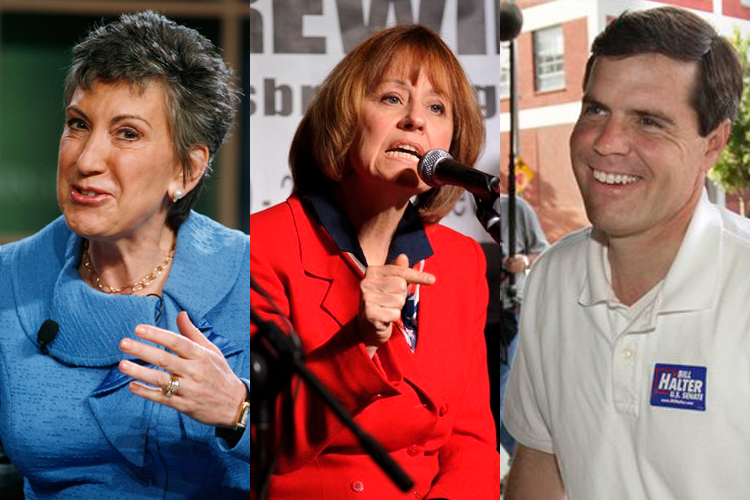
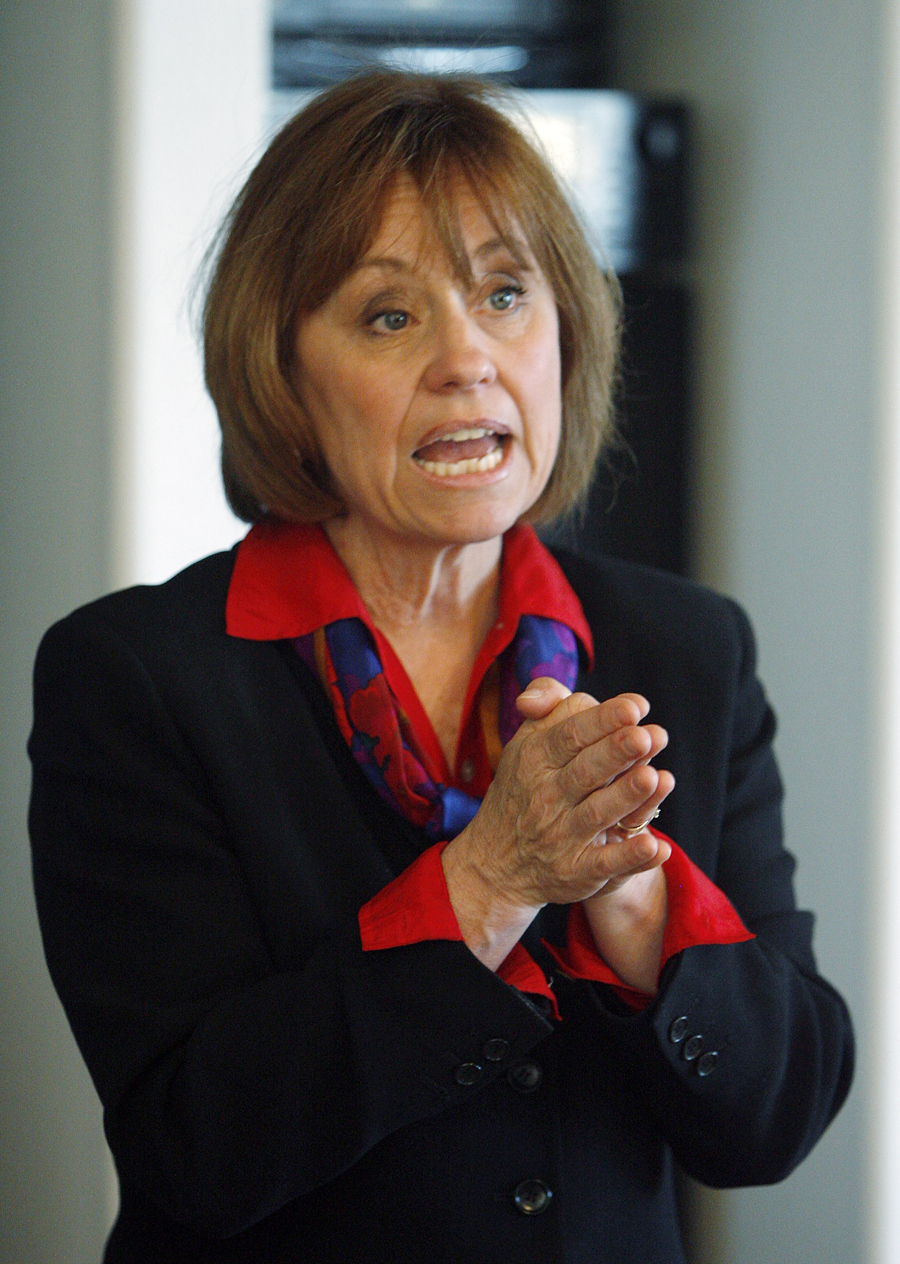
What to watch in tonight's primary electionsCarly Fiorina, Sharron Angle and Bill Halter

The political world hasn’t seen a primary day like today since the 2008 presidential election. By the end of the night, Republicans will have chosen a challenger to Senate Majority Leader Harry Reid, in Nevada; Democrats will have finally settled a nasty civil war in Arkansas; and the world will know whether we’ll still have Nikki Haley to kick around any longer.

With closely watched elections in California, Nevada, Arkansas and South Carolina (and less well-known contests in eight other states), here’s a guide — in chronological order — of what to watch for as the returns come in.

South Carolina The GOP primary for governor has been dirty even by Palmetto State standards — which is saying quite a bit, considering this is the place where George W. Bush fended off John McCain 10 years ago in the presidential election by spreading false rumors that he had an illegitimate black love child. (Though it’s not entirely clear why that hurt McCain so much, since South Carolina did love Strom Thurmond.) Nikki Haley, the preferred candidate of Mitt Romney, Sarah Palin and South Carolina first lady Jenny Sanford, is up in polls — although two different Republican political consultants in the state have claimed they had affairs with her, in an attempt to shoot her candidacy down. One of them works for a rival, Lt. Gov. André Bauer, who demanded Gov. Mark Sanford resign last year after his escapade to Buenos Aires (and who had to deal with rumors about his own sex life when Sanford allies, in revenge, evidently fanned a whisper campaign that Bauer was gay). But it’s not all about sex; last week, a Bauer supporter, state Sen. Jake Knotts, attacked Haley, whose Sikh parents immigrated from India, by saying, “We’ve already got a raghead in the White House, we don’t need another raghead in the governor’s mansion.”

None of the attacks seem to have done much to slow down Haley, who — as the endorsement from Palin, in particular, shows — is plenty conservative. She could go on to become the state’s first female governor if she wins. Democrat Vincent Sheheen leads his party’s field, but chances are that race is heading to a runoff. The GOP fight would, too, if no one gets 50 percent of the vote.

Also in South Carolina, GOP Rep. Bob Inglis — who has infuriated Tea Party activists over the last year, condemning Rep. Joe Wilson’s “You lie!” shout and pushing back on healthcare reform demagoguery — could lose his primary to conservative Trey Gowdy. And Democrats will pick a challenger to Sen. Jim DeMint, though DeMint’s seat in November is about as safe as you get. Polls close at 7 p.m. Eastern.

Virginia Republicans have a crowded, disorganized field of candidates vying to take on freshman Democratic Rep. Tom Perriello, who’s so hated by Tea Party types that someone apparently tried to blow up his house during the healthcare debate (though they went after his brother instead by accident). The likely winner, state Sen. Robert Hurt, isn’t much beloved by the conservative grass roots, either, since he voted for a tax increase in 2004. So an independent, Jeff Clark, might also run — which could help protect Perriello. Polls close at 7 p.m. Eastern.

Arkansas Sen. Blanche Lincoln could be the third incumbent in the Senate — and fifth member of Congress — to lose a primary this year, in a runoff against Lt. Gov. Bill Halter for the Democratic nomination for the seat Lincoln holds. Unions and liberal activists have raised — and spent — millions of dollars on Halter’s behalf, seizing the chance to punish Lincoln for her frequent splits with the party’s base. Lincoln barely beat Halter in a May 18 primary, but fell short of 50 percent. Now the momentum (and the polls) appear to have swung Halter’s way. If Lincoln wasn’t able to seal the deal the first time around, observers wonder, how will she do it tonight?

Turnout could be significantly lower than in the primary, and Halter’s allies think that means he’ll win; his voters seem to be more committed than Lincoln’s. But that’s not necessarily the way the equation works. “If you’re not sold on the incumbent at this point, your vote is likely going to go to the challenger,” says Janine Parry, a political science professor and director of the Arkansas Poll at the University of Arkansas. “But it could also be on the flip side — it could be that a runoff to a primary attracts a different sort of crowd,” one in which only longtime Democrats, used to ignoring their disagreements with Lincoln in the name of holding the seat, show up.

Republicans think they’ll wind up the winners no matter what. Either Halter wins, and they can immediately blast him as a union-backed liberal, or Lincoln wins, and she heads into the general election against the GOP’s John Boozman roughed up and low on cash. But Democrats are hoping the state’s history — it rarely votes for Republicans except at the presidential level — will make November competitive. Also, Democrats have runoff elections in two House districts, and Republicans have one in a third. Polls close at 8:30 p.m. Eastern.

Nevada There’s almost no way Reid can win reelection this fall — except with some help from Republicans. Which the GOP may be about to provide, in the Senate primary tonight.

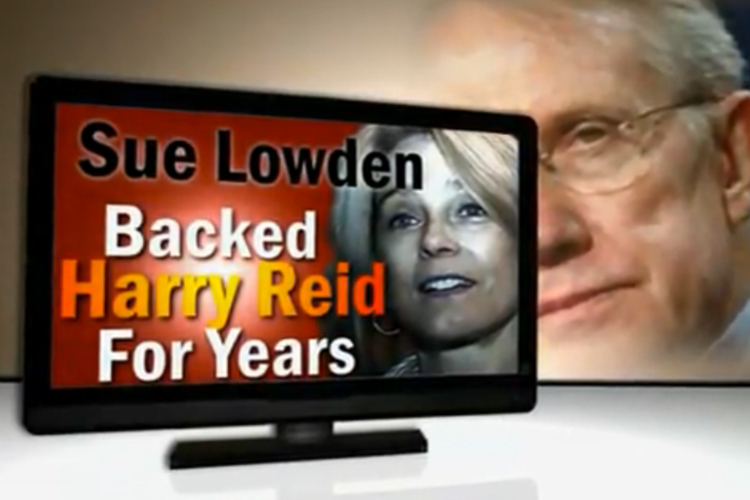
The establishment favorite, Sue Lowden, thinks trading chickens for medical services is a sound healthcare policy. The surging Tea Party choice, Sharron Angle, is eccentric and hasn’t ever faced much serious political competition. A third candidate, Danny Tarkanian (son of the former UNLV basketball coach), has been quiet lately. Polls show Angle may be leading, which Reid’s campaign is thrilled about. By far the most conservative candidate, she’s got the backing of local and national Tea Partiers, but not much else. With Gov. Jim Gibbons and Sen. John Ensign both facing scandals, the GOP is in disarray in Nevada — meaning what should be a prime opportunity to knock off the Senate Democrats’ boss for the second time in a row may slip away. (Meanwhile, Gibbons could lose his own primary to hold onto that job.) That would put Nevada in the same company as Kentucky — places where conservative fervor has actually hurt Republican chances, not helped. Reid has bounced back a bit in recent polling, and once he starts spending some of the $9 million he’s got in the bank, he could be in even better shape. Polls close at 10 p.m. Eastern.

California Former HP CEO Carly Fiorina looks like she’s got the GOP Senate primary locked up — which is fine with Democrats, who think Sen. Barbara Boxer would be able to fend her off this fall. Fiorina seems to have crushed rivals Tom Campbell (running a socially liberal, fiscally conservative campaign) and Chuck DeVore (the Tea Party pick), even after running one of the strangest campaign ads of the election cycle:

But ads like that one could make unifying the Republican Party to take on Boxer tougher this fall. And Fiorina, in the course of proving her conservative bona fides, has drifted into territory that California’s blue-tinged electorate may not go for — she thinks, for example, that people on the federal no-fly list should be able to buy guns, and has been outspokenly anti-choice and anti-gay marriage.

In the governor’s race, meanwhile, another business tycoon-turned-Republican, Meg Whitman, is likely to steamroll opponent Steve Poizner. Like Fiorina, Whitman’s campaign is at least partly powered by her own wealth; unlike Fiorina, Whitman — the former CEO of eBay — is breaking records along the way. (She’s put $71 million of her own money into the race, paying her chief consultant, Mike Murphy, $90,000 a month.) Whitman would go on to face Democrat Jerry Brown, who leads in polls looking at November — at least until millions of dollars in ads start raining down on him.

Democrats have their own competitive race to watch in California — Rep. Jane Harman, a Blue Dog and a hawk on national security, faces a serious challenge from progressive Marcy Winograd. Winograd got a third of the vote in a 2006 race; in the rematch, with anti-incumbent fever sweeping the country, she could do better. Polls close at 11 p.m. Eastern.

Other races to watch Iowa Republicans will nominate a candidate to take on Gov. Chet Culver, a Democrat who faces the same general malaise his party is struggling with around the country. The choice is between former Gov. Terry Branstad and a more conservative rival, Bob Vander Plaats, who chaired Mike Huckabee’s presidential campaign in the state two years ago. In Maine, both parties have crowded primaries to choose candidates to replace Gov. John Baldacci, a Democrat. And in a conservative district in Georgia, voters in a special election will choose a replacement for Rep. Nathan Deal, a Republican who resigned to run for governor — but Democrats can’t win the seat, as today’s vote is a runoff between two conservative Republicans who finished at the top of the ballot last month.

This week in crazy: Tony Hayward

BP may not know how to clean up the devastating oil spill, but its CEO sure knows how to whine about it

  • more
    • All Share Services

This week in crazy: Tony Hayward

When you’re the guy at the top of the corporate ladder that’s ultimately responsible for spewing millions of gallons of oil into the Gulf of Mexico (and, soon, probably fouling the East Coast as well), it’s not easy to make your reputation even worse than it already is. But Tony Hayward didn’t get to become CEO of BP by doing what was easy.

And so this week, more than a month into the horrific Gulf oil spill, Hayward managed to sink to a new low.

“There’s no one who wants this over more than I do,” the beleaguered oilman told the “Today Show” on Sunday. “You know, I’d like my life back.”

Watch here:

Just like that, anyone who — after weeks of watching BP dissemble, block photographers from the spill and launch an endless succession of failed remedies with dopey names — didn’t already want to aim a junk shot at Hayward must have lost whatever sympathy they had for him. Eleven oil workers were killed in the explosion that sank BP’s rig; the Gulf of Mexico may be permanently ruined; thousands of fishers and shrimpers have lost their livelihood; birds, fish and turtles are dying by the score; some people are starting to wonder if nuking the Deepwater Horizon might be the best way to stop it. And poor Hayward wants his life back.

Then again, can you blame him? That life he wants back is pretty cushy. BP paid Hayward $6 million last year — a 41 percent raise over the year before, even though the company’s profits fell 45 percent.

Every penny of which he must feel he earned. After all, despite a safety record far worse than any of its major competitors, BP somehow pulled off a cynical greenwashing ad campaign, marketing itself as environmentally friendly and declaring itself “beyond petroleum.” So what if it turned out the only thing green about BP was its flowery logo? Hayward, CEO since 2007, had steered the company into a new, Orwellian branding strategy, where merely saying it was taking precautions against accidents and spills was enough.

That magical thinking apparently carried over into the way he processed the spill. Well after scientists had started saying the Deepwater Horizon explosion was already the worst environmental disaster in the nation’s history, Hayward tried to minimize the whole thing. The spill wouldn’t be so bad, he declared, because the Gulf is a “very big ocean.” In fact, it would likely turn out to be a “very, very modest” disaster. (Besides, haven’t you seen our logo? Of course we’re not responsible for the biggest oil spill the U.S. has ever seen!)

Still, it’s one thing to lie about how much oil your company is dumping, and it’s another thing altogether to make yourself seem like the pitiful protagonist of the whole story. And sure enough, by the end of the week, BP’s new PR armada had realized Hayward was making things worse.

So a lengthy apology of sorts was placed (in the sympathetic nest of the Wall Street Journal’s Op-Ed page), and the CEO presumably learned to stop whining.

Maybe now, instead of worrying about what Hayward is going to say next, BP can get back to worrying about how to stop the spill and clean up its mess. Which is what really matters — not poor Hayward’s disrupted routine. After all, Tony, we’d all like our lives back. Unfortunately, thanks to BP, this disaster shows no sign of going away anytime soon.

Continue Reading Close

Poll: Bill Halter should beat Blanche Lincoln Tuesday

Lower turnout than in last month's primary could be bad news for Sen. Blanche Lincoln, the incumbent

  • more
    • All Share Services

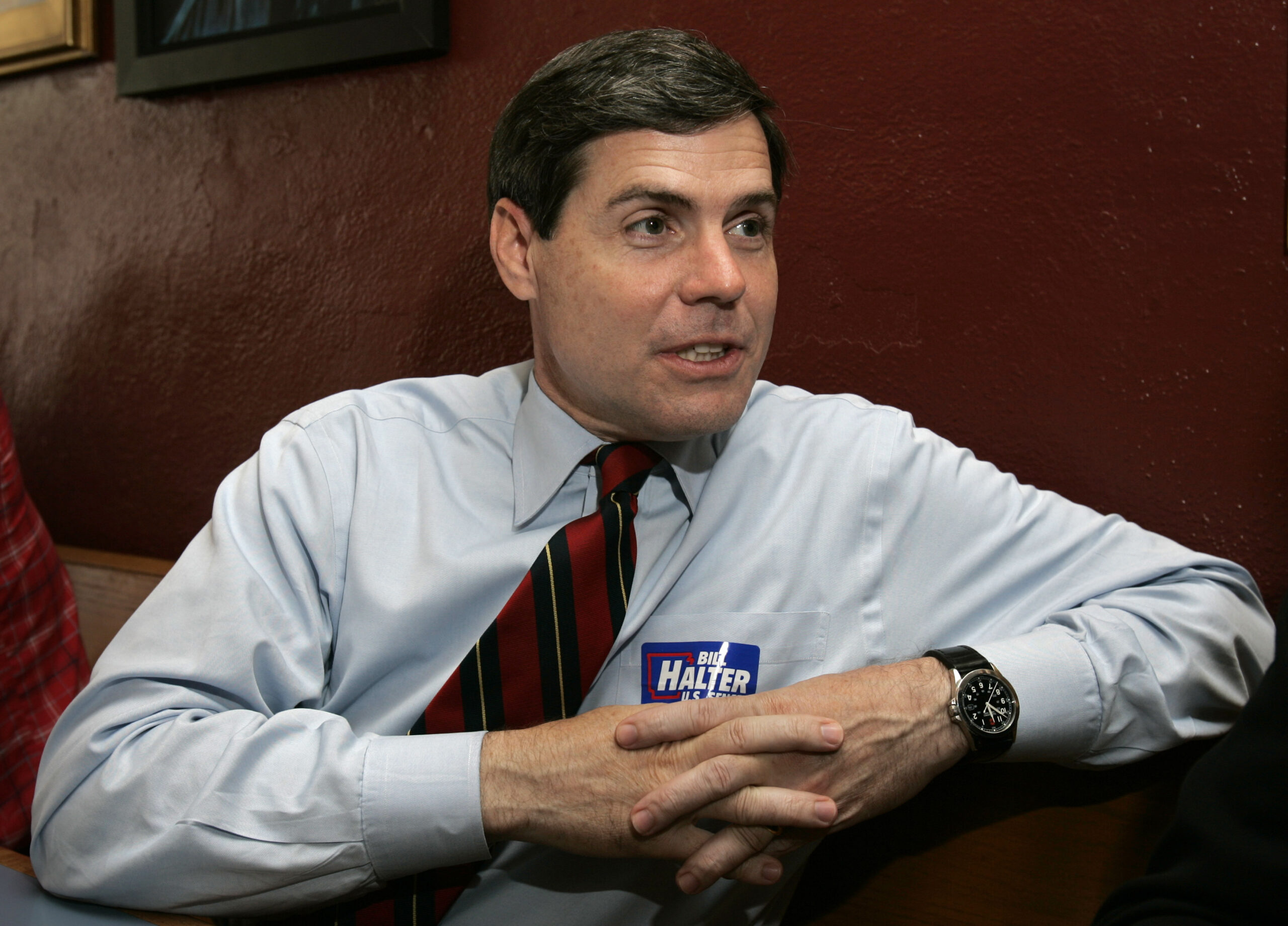
Poll: Bill Halter should beat Blanche Lincoln TuesdayIn this photo taken May 25, 2010, Arkansas Lt. Gov. Bill Halter in North Little Rock, Ark. (AP Photo/Danny Johnston)(Credit: Danny Johnston)

Sen. Blanche Lincoln could be the next incumbent to lose a party primary on Tuesday, when she faces Lieutenant Gov. Bill Halter in a run-off for the Arkansas Democratic nomination.

The first round of voting last month left Lincoln short of the 50 percent threshold needed to win the nod outright — as a surprising 13 percent of votes went to D.C. Morrison, seen as a protest candidate — and set up Tuesday’s election. Turnout next week could be far lower than in the first round, though, which probably doesn’t bode well for Lincoln. The most committed voters are likely to be the ones who want a change; that probably means they’re backing Halter.

A new poll out Friday by Research 2000 for the Daily Kos showed Halter leading, 49-45 — slightly up from last week’s result. Among people who voted for Morrison who plan to turn out again, Halter led by 10 points.

Lincoln’s campaign has been pushing harder and harder on the idea that Halter is the candidate of outside interests, not Arkansans, playing up his support from MoveOn.org and big labor unions (which, though they have members in Arkansas, aren’t wildly popular there).

Take a look at her new ad Friday, featuring Bill Clinton bashing labor:

Lincoln aides sent out a memo late Thursday, reminding reporters that MoveOn had helped raise nearly 60 percent of the money Halter has taken in since jumping into the race. “Bill Halter has shown that he is in the pocket of liberal groups outside Arkansas who are trying to make an example out of Sen. Lincoln,” Lincoln spokeswoman Katie Laning Niebaum wrote.

Meanwhile, the Halter campaign — sounding increasingly confident lately — plans to send him out most of this weekend on an RV tour of the state, repeating a similar tour he did just before the May 18 vote. “This poll shows that Arkansans want change,” Halter campaign manager Carol Butler said in an e-mail responding to the Kos survey. Early voting started earlier in the week, and Halter aides said they were targeting their supporters to get them to the polls ahead of time if possible. “This race is very close, and I urge all of our supporters to take their friends and family to go vote. They have three days left to vote, two candidates but only one choice for change.”

Continue Reading Close

White House made itself vulnerable to bogus bribe charges

If the administration had actually managed to get Joe Sestak and Andrew Romanoff out, the story would be dead

  • more
    • All Share Services

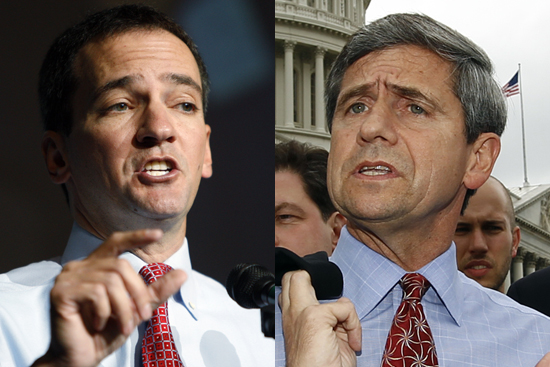
White House made itself vulnerable to bogus bribe chargesDemocratic Senate candidate Andrew Romanoff and Pennsylvania Congressman Joe Sestak

There is, without a doubt, a major scandal hidden in the news that the White House suggested to both Joe Sestak and Andrew Romanoff that the administration might be able to help them find jobs if they didn’t run for Senate in Pennsylvania and Colorado. But it’s not the scandal cable news anchors and blaring headlines would have you believe.

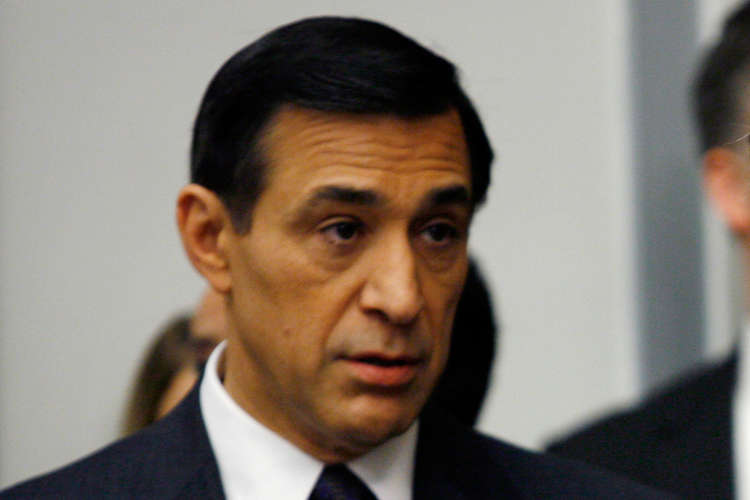
Ignore Republicans, like Rep. Darrell Issa, who want you to think there’s been some nefarious violation of the law here. After all, there’s no indication any actual promises of jobs were made — which means even former Bush administration officials are saying there doesn’t seem to be any evidence of any crime. (And Romanoff had already applied online for jobs with the administration when deputy White House chief of staff Jim Messina contacted him to discuss options.) What the disclosures about Sestak and Romanoff really show is that the White House political machine isn’t doing its job very well.

The only reason anyone’s talking about this stuff now, in fact, is because Sestak managed to knock off the Obama administration’s preferred candidate, party-switching incumbent Arlen Specter. Had Sestak lost, the fact that Bill Clinton floated the possibility of a job last summer in a failed attempt to clear the field for Specter would — maybe — merit a line in Sestak’s Wikipedia page. But as soon as he won, Republicans seized on the offer as a chance to embarrass the White House, which had campaigned on promises of transparency and ethics. (Of course, Obama never promised that “ending business as usual” would mean an end to the very basic concept of giving politicians something they want in order to sweeten a deal to make them do something they don’t want to do, but never mind that.)

When previous administrations used the same tactic, no one ever got upset. Take Karl Rove, for example. Eight years ago, Rove and then-Vice President Dick Cheney convinced Tim Pawlenty (at the time serving as Minnesota House majority leader) not to run in a GOP primary for the Senate against Norm Coleman. Why didn’t anyone accuse Rove of shady deals then? At least in part because it actually worked — Pawlenty stayed out. But it would be fairly naïve to assume Cheney and Rove made no promises at all in exchange. Rove, though, didn’t let that stop him from blustering recently that Sestak is either a liar or protecting a felon.

Unlike the early days of the George W. Bush administration, though, when President Obama’s aides give orders to Democrats around the country, they don’t necessarily seem to listen. In Pennsylvania, they couldn’t keep Sestak out (though it wasn’t entirely clear that, in June 2009, anyone in the White House thought Sestak posed a serious threat). In Arkansas, Lieutenant Gov. Bill Halter ignored the establishment’s preference to let Sen. Blanche Lincoln slide without a challenge. In Colorado, Romanoff wouldn’t even take a job he’d already applied for instead of challenging Sen. Michael Bennet. The administration also failed to lure their preferred candidates into races in Illinois, North Carolina and Florida — not to mention Delaware, where Vice President Biden’s own son decided not to run for the Senate — and had no luck trying to muscle New York Gov. David Paterson out. (The New York Times took care of that for them, it turned out.)

So the disclosures this week have Democrats grumbling (though still only under condition of anonymity) about a political operation that seems to have fallen asleep since the 2008 campaign. “What became news was that they let [the job offers] become news,” says one Democratic strategist who has worked with a campaign the White House tried — and failed — to quash. “This is not new, this is not news, there is nothing untoward or unusual. Reading about it on the front pages is the mistake that happened.” Another strategist admits there’s a “competence argument” that’s more compelling than any of the legalistic ones the GOP is pushing. (The White House didn’t immediately respond to a question about the administration’s political operation.)

Which is why the Republican protests might, in the end, be smarter than they look. It’s a tough sell to convince anyone except overeager cable bookers that there’s any real criminal controversy here. It’s far easier to turn the whole mess into yet another embarrassing problem for the administration — especially with Rod Blagojevich about to go on trial for corruption charges stemming from his own efforts to sell Obama’s old Senate seat. This isn’t about sending anyone to jail. It’s more about scoring political points. Unfortunately for the White House, their bumbling attempts last summer to go about the day-to-day business of politics made it easy for the GOP to turn things around on them now.

Continue Reading Close

Arrest in Florida could be bad news for Crist

The former GOP boss in Florida is charged with corruption -- and Charlie Crist helped put him in the job

  • more
    • All Share Services

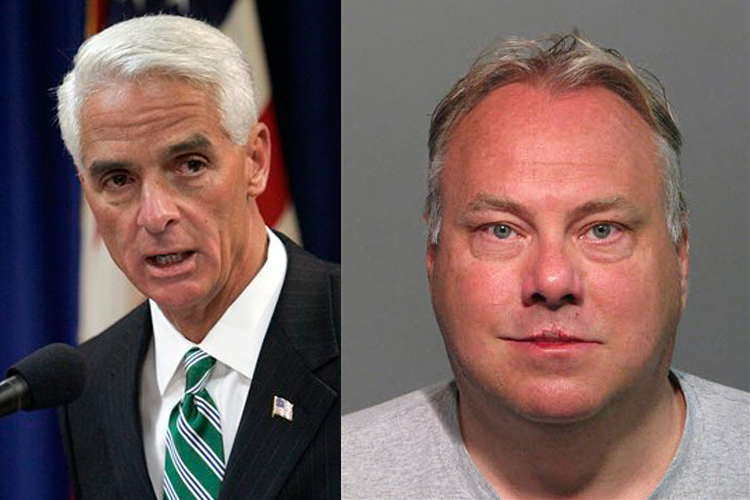
Arrest in Florida could be bad news for CristFlorida Gov. Charlie Crist and former state Republican Party chairman Jim Greer.

The arrest of former Florida Republican Party chairman Jim Greer might still be bad news for Gov. Charlie Crist, even though he fled the party weeks ago.

Florida authorities say Greer took at least $125,000 in GOP funds for his own personal use, and they charged him with four counts of grand theft, one count of money laundering and one count of running an organized fraud scheme. Officials say Greer set up a company, Victory Strategies, and hired it for the Florida party to raise money — and keep 10 percent of what it brought in. Greer had resigned his post in February, facing questions about the party’s extravagant credit card spending.

But Crist had been a patron of Greer’s, taking advantage of his post as governor to install him as chairman of the state party. Crist pushed hard for Greer in 2007, after Greer had raised money for Crist’s gubernatorial campaign the year before.

Worse, the documents filed in the case by authorities make clear that Crist’s campaign was aware that Greer had the state party bill them $30,000 for polling by Victory Strategies — which the campaign never ordered, and never paid. The party had already paid Greer’s firm for the poll. So the state party’s chief financial officer, Richard Swarttz, “sought repayment on several occasions from the Crist campaign for the [Victory Strategies] poll,” an affidavit filed by the Florida Department of Law Enforcement says. The Crist campaign “recall this bill being forwarded to them, but they denied payment for it because they did not know anything about a poll done by the [state party] for the campaign.”

Which means, potentially, Crist’s aides could have stumbled onto evidence of the scheme before authorities did. And that could mean the arrest becomes an issue in the Senate race this fall. Crist’s campaign did not immediately return a call for comment on the affidavit Wednesday.

Crist himself, speaking to reporters in Florida, said the whole thing caught him off guard. “It’s surprising,” he said. “Sometimes you’re disappointed by people.” He also said he didn’t feel complicit.

Democrats, though, were already trying to stick the whole mess on Crist. “Governor Crist is trying to walk away from his Republican past, but that past will forever haunt him, especially on days like today,” Rep. Kendrick Meek, who’s running against Crist in a three-way Senate race with Republican Marco Rubio, said in a statement. “The governor expects a free pass and will claim ignorance and innocence, but those statements will not stand.”

Continue Reading Close

2010: Not the year for party-switchers

Parker Griffith and Arlen Specter both learned that establishment support won't help you avoid voters' fury

  • more
    • All Share Services

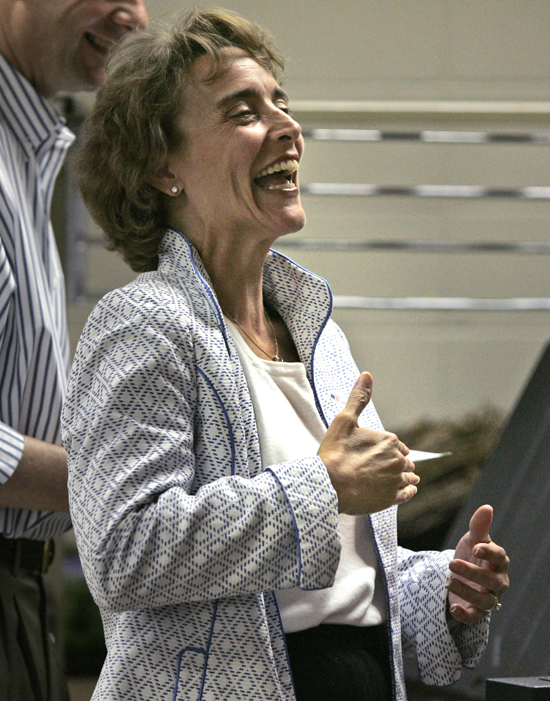
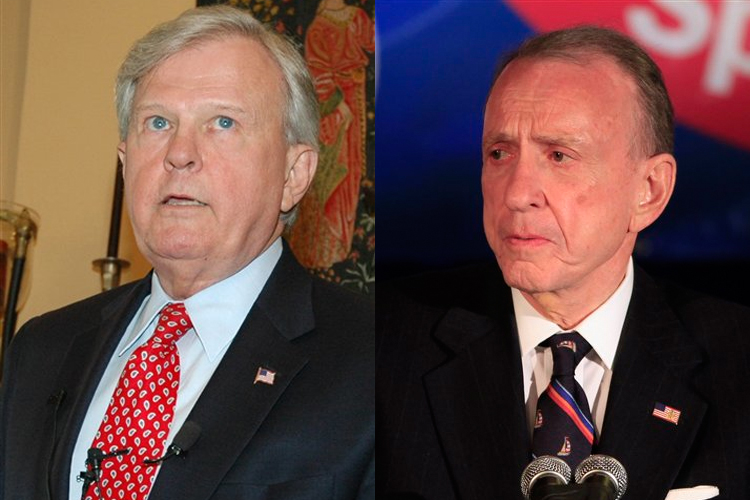
2010: Not the year for party-switchersRep. Parker Griffith (R-Ala.) and Sen. Arlen Specter (D-Pa.)

It should have been obvious all along that party-switching Rep. Parker Griffith was heading to defeat in Tuesday’s Alabama GOP primary. (And actually, to many Democrats hoping for Griffith to fall, it was.) Politicians have been getting away with jumping from one side of the aisle to the other for a long time — but 2010 is clearly not the year for it.

Griffith quit the Democratic Party in December, citing healthcare reform — and a generalized dislike for, oh, pretty much everything the party stands for — as his reason. The Republican establishment welcomed him with open arms, trumpeting the leap as another good omen for the GOP’s November 2010. (Mostly open arms, that is, except when they accidentally attacked him in party-funded mailings.) At the time, Griffith seemed to be making the right move — Democrats had stalled in their push for the healthcare bill, President Obama (never particularly popular in Griffith’s district) was watching his approval ratings plunge and elections the month before had mostly gone well for the GOP. But on the ground back home, activists weren’t so quick to get on board. In Madison County, Alabama, the local party endorsed anyone but Griffith in a three-way race. The Tea Party blasted Griffith, calling him a Republican in name only — which was hard to refute, since he’d only been a Republican for a few months.

The fate Griffith met Tuesday night — defeated handily, with main rival Mo Brooks winning more than 50 percent even with a third candidate on the ballot — mirrored what had already happened to Sen. Arlen Specter among Pennsylvania Democrats. Specter switched parties last April, at a moment that seemed as good for Democrats as Griffith’s leap seemed bad. Both candidates admitted part of the reason they jumped was to help themselves win reelection, but Specter was more nakedly calculating; he wasn’t ready, he said, to let Pennsylvania’s conservative GOP primary voters have the final say on whether he would continue to represent the state in the Senate. The conventional wisdom then was that Republican Pat Toomey would have rolled right over Specter in a GOP primary, but that Specter would probably be able to beat him in the general election.

Democrats in the state, though, weren’t as easily persuaded. Rep. Joe Sestak resisted establishment efforts to muscle him out of the race (including, yes, by dangling the prospect of some kind of job) and perservered even though longtime donors were advised by power players in the state that they shouldn’t give his campaign any money. And lo and behold, on a rainy primary day, Specter lost.

Of course, northern Alabama Republicans don’t have that much in common with union activists, liberals and the other die-hard Pennsylvania Democrats who turned out there last month. But what they both do seem to share is an unwillingness to go along with establishment marching orders without question. So far this year, that’s been the overwhelming trend — just ask Charlie Crist or Trey Grayson, chased out or defeated by their party base despite backing from national Republicans, or Sen. Bob Bennett, beaten soundly in Utah’s GOP convention before the primary even came along.

So Griffith’s loss Tuesday might be troubling for both parties. For Republicans, of course, it’s just the latest sign that the Tea Party folks the GOP has been depending on for energy in 2010 might spin farther and farther out of the party establishment’s sphere of influence. (And at some point, if your ground troops refuse to take any orders at all, are you really better off having them on your side?)

But for Democrats, who have been cheering Brooks on in hopes of avenging Griffith’s betrayal, there’s a hidden downside, too. Optimistic strategists in Washington keep saying that the mood in the country isn’t anti-Democratic, it’s anti-incumbent. Griffith’s defeat might prove them right — and they could still wind up having a brutal Nov. 2. After all, there are far more Democratic incumbents trying to hold onto their jobs this year than Republicans. If voters are really in a “throw the bums out” mood, which Tuesday’s result seems to add more evidence is the case, that math adds up to bad news for Democrats down the line.

Continue Reading Close

Page 2 of 130 in Mike Madden