Spring Sale: Get 1 Year, Save 58%

“That’s not an accurate take”: Biden spokesman torches Fox News’ Peter Doocy at White House briefing

National Security Council spokesperson John Kirby pushed back after Fox News correspondent Peter Doocy suggested that President Joe Biden would rather companies drill for oil in Venezuela than in the United States.

At a White House press briefing on Monday, Doocy reframed news that the U.S. government had lifted some oil sanctions in Venezuela because of humanitarian concerns.

“Why is it President Biden would rather let U.S. companies drill for oil in Venezuela than here in the U.S.?” Doocy asked.

“That’s not an accurate take,” Kirby replied diplomatically.

“Earlier this month, he said no more drilling!” Doocy exclaimed.

“The president has issued 9,000 permits for drilling on U.S. federal lands,” Kirby pointed out. “9,000 being unused. There are plenty of opportunities for oil and gas companies to drill here in the United States.”

“Our expectation is that there won’t be a whole lot of oil coming out of there and it will have to be shipped to the United States,” he added.

“Does the president think there is some benefit to the climate to drill oil in Venezuela and not here?” Doocy pressed.

“It has nothing to do with a benefit to the climate,” Kirby said of the sanctions relief. “Again, there are 9,000 unused permits here in the United States on federal land that oil and gas companies can and should take advantage of. 9,000! And we’re talking about one there in Venezuela.”

Watch the video below from Fox News. You can also watch at this link.

Look who came to dinner: Nick Fuentes (and Ye) want to push GOP toward full-on Nazism

Earlier this year, Nick Fuentes, the young leader of the virulently white nationalist, antisemitic and misogynist America First/”groyper” movement, announced during an obscure livestream that his “legacy is going to be, basically, Hitler 2, 3 and 4 in America.” It was just one among thousands of intentionally inflammatory comments Fuentes has made over the years, including vulgar jokes denying the Holocaust, gleeful use of the n-word, calls to burn women alive, and more. Yet none of that was enough to stop Donald Trump from welcoming Fuentes to his Mar-a-Lago residence for dinner late last week, alongside apparent 2024 presidential candidate Ye (formerly Kanye West) and Ye’s new campaign director, disgraced alt-lite star Milo Yiannopoulos. 

Since the dinner, examples of Fuentes’ vile comments have proliferated online, particularly his abundant antisemitic and Holocaust-denying statements. In one recent livestream, Fuentes warned: “When it comes to the Jews, here’s the silver lining: it tends to go from zero to 60,” and so therefore, “The Jews had better start being nice to people like us, because what comes out of this is going to be a lot uglier and a lot worse for them than anything that’s being said on this show.” In another, he said that Jews could be allowed to live in the “Christian country” that is America, “but they can’t make our laws.” In October, he told Jews to “get the fuck out of America,” charging that they “serve the devil” and are “an antichrist.”

Last February, when Fuentes presided over the third meeting of his America First Political Action Conference (AFPAC) in Florida, he praised Vladimir Putin’s invasion of Ukraine, praised the founder of the white supremacist group American Renaissance, and to top it off, praised Adolf Hitler himself. 

In the aftermath of the dinner, Trump has tried to cautiously downplay the meeting, posting on his platform Truth Social that he didn’t know who Fuentes was. Other Republicans have been equally tight-lipped. As Axios reported Monday, nearly two dozen Republican legislators asked to respond to the news declined to comment, and those lawmakers who did weigh in did so by equivocating, suggesting, for instance, that Trump needed to exercise “better judgment in who he dines with,” as Kentucky Rep. James Comer said. Right-wing commentator Candace Owens, an ally of Ye’s, posted on Twitter on Friday that she’d played no role in connecting him with Yiannopoulos or Fuentes, but took care to note that didn’t mean she was taking “a personal shot at either of them.” 

This is hardly the first time that Fuentes has rubbed elbows with prominent Republicans. Over the last few years, Fuentes’ AFPAC gathering has drawn a number of GOP leaders, and this year that number was higher than ever before. Marjorie Taylor Greene, R-Ga., served as the surprise guest. Rep. Paul Gosar, R-Ariz., who had addressed AFPAC before, spoke to the gathering this year by video. Appearances were also made by former Iowa Rep. Steve King, Idaho Lt. Gov. Janice McGeachin, Arizona state Sen. Wendy Rogers, former Maricopa County Sheriff Joe Arpaio and others. In the post-conference controversy, Rep. Matt Gaetz, R-Fla., waded into the fray to defend Fuentes, describing the outspoken Holocaust denier and white nationalist as a “charismatic internet personality” who might be an ethno-nationalist but also had some “well-informed and thought-provoking” perspectives.

Fuentes’ movement has also made other inroads, as Salon has previously reported. Last year, failed Texas Republican gubernatorial candidate Don Huffines hired a staffer from the groyper orbit. This spring, a Salon investigation revealed that the Catholic right media outlet Church Militant — which has also had close ties to Yiannopoulos — was working  to recruit Fuentes’ followers into its youth-focused activist arm, and that multiple Church Militant staffers had connections to the movement. 


Want a daily wrap-up of all the news and commentary Salon has to offer? Subscribe to our morning newsletter, Crash Course.


On Monday, in response to the controversy, Church Militant posted a statement on Twitter about Yiannopoulos, writing that “Milo has never been an employee” but that instead the outlet’s relationship with him had “been of a spiritual/theological nature — helping him abandon a sinful life and return to his Catholic Faith.” (In fact, Yiannopoulos wrote multiple pieces for the outlet, hawked its merchandise on Church Militant shopping shows and emceed a high-profile protest rally the outlet held in late 2021 to protest the church’s leadership.) They had “no comment” on his return to political activism.

For Fuentes, the current controversy seems less like a setback than like the elevation of his hateful movement to its highest standing yet. Since the dinner, Fuentes and his allies have hinted that he is joining Ye’s presidential campaign, perhaps as communications director. On Friday, Ye posted a short video clip of himself delivering the traditional opening line for Fuentes’ show. The same night, Yiannopoulos posted a message during Fuentes’ show suggesting that Fuentes would begin working on the campaign this week. 

Jan. 6 organizer Ali Alexander — who also posted claims that Fuentes is joining Ye’s campaign — has spent the last five days publishing a string of defenses of Fuentes on Telegram: He called Fuentes a friend, urged right-wingers who don’t like Fuentes to “just remain silent,” and called on groypers to help correct the “optics” around Fuentes by spamming Twitter with a video arguing that Fuentes is not, in fact, a racist. 

In a livestream on Saturday, Alexander also defended Fuentes against charges of hate speech and antisemitism by adding some of his own — talking about the “fundamental disunity” between a “culture that is predominantly Anglo-Saxon in tradition and the Jewish people,” and saying, “Ye is completely enamored with Nick because Nick is very talented at articulating what I think is the third way in dealing with the challenges that Christendom faces with Jewish power.” 

Alexander also used the livestream to issue a surprisingly curt warning to Trump: “I need the former president to know that his Truth post was inappropriate, it was unbecoming and I’m not going to allow it, frankly,” Alexander said, referring to a post in which Trump referred to Ye as a “seriously troubled man, who just happens to be black.” Alexander continued, “You gotta watch your mouth when you’re talking about my Christian brothers in an un-Christian way.” 

“Ye is completely enamored with Nick [Fuentes] because Nick is very talented at articulating … the third way in dealing with the challenges that Christendom faces with Jewish power.” 

Continuing on to argue that the Mar-a-Lago dinner served as a reminder to Trump not to neglect his white base, Alexander continued, “Trump’s got to choose: Which way, Western man? Which way? Are you going to try to do a toned-down, subdued announcement so you can run acceptable to Rupert Murdoch, or are we going to bend Fox News, bend Newsmax, bend [The] Post Millennial, bend Steve Bannon into realizing that this party is permanently the America First party?” 

That seeming ultimatum resonated with the observations of other commentators, who noted that the entire story of the Trump-Fuentes dinner points to a larger shift on the right: A growing sense that the Trump coalition or movement of 2016 is gone, but that Trumpism as a movement should continue not only to survive, but push the party further rightward. 

In two (since-deleted) posts on the far-right social media website Gab, founder and CEO Andrew Torba — himself a noted antisemite — declared, “2016 Trump is never coming back…The goal now is to shift the Overton Window further right, like 2016 Trump did. That won’t happen with 2022 Trump, but it could continue to happen with Ye. We need to shift all of our memetic energy for the 24 primaries to Ye if he announces a run.” 

In another post, which Yiannopoulos subsequently shared on Telegram, Torba wrote, “Nick and Ye didn’t discredit Trump’s 2024 campaign with that dinner meeting. Trump did that himself by having the most boring low energy announcement speech in history. He did so by continuing to suck the boots of the Jewish powers that be who hate Jesus Christ, hate our country, and see us all as disposable cattle according to their ‘holy’ book. Trump WILL start putting Jesus Christ first in His campaign messaging or he WILL be left in the dust of someone who does. It’s that simple. We’re done putting Jewish interests first.” 

Andrew Torba of Gab accused Trump of “continuing to suck the boots of the Jewish powers that be who hate Jesus Christ, hate our country, and see us all as disposable cattle according to their ‘holy’ book.”

On Telegram, the official Gab.com account has leaned heavily into explicit antisemitism since the dinner.on Monday. In one post on Monday, Torba wrote, “It really is this simple. We will destroy the GOP before we allow another Zionist bootlicker to ‘represent us.'” In another, Torba forwarded a post from notorious antisemitic Catholic traditionalist E. Michael Jones, which read, “If Trump can’t stand up to the Jews, there is no point in voting for him.” 

As Kris Goldsmith of Veterans Fighting Fascism put it on Twitter, “after that [Mar-a-Lago] dinner, Trump recognizes that if he doesn’t show the neo-nazi part of his base a bigger platform, they’ll leave him.

Ben Lorber, a research analyst at Political Research Associates who has tracked Fuentes and his groyper movement for three years, noted that Ye’s presidential campaign, should it last, likely wouldn’t have the traditional goal of winning or even necessarily getting the candidate on the ballot. Rather, he continued, it could serve as a new platform for a provocateur who has always described his ultimate goal as pulling the conservative movement as far right as possible — “kicking and screaming…into a truly reactionary party.”

“Fuentes can use Ye as a platform to add open, explicit antisemitism into the Right’s already toxic brew of Soros, ‘groomer,’ anti-globalist, cultural Marxist & other ‘implicit’ antisemitic conspiracy discourse — with the scaffolding of Christian nationalism,” Lorber wrote on Twitter. “Conservative leaders can watch closely, see which interventions gain traction & adopt them for their own use.” 

In that context, Yiannopoulos gave voice to a sense of excitement on the far right around Ye’s candidacy, writing on Friday: “It’s real. Everything you are feeling is real. It’s 2015 again and the best is yet to come.” 

Elon Musk berated advertisers for fleeing Twitter — and it badly backfired: report

Twitter is hemorrhaging advertisers, and new CEO Elon Musk’s efforts to retain them have backfired spectacularly.

The tech entrepreneur’s first month as Twitter owner has chased off half of the company’s top 100 advertisers, who have paused spending over concerns about content moderation and the firing of most of its ad sales team, and Musk has been unable to strong-arm them into returning, reported the Financial Times.

“He seems to put off even those advertisers who wanted him to succeed,” said one top advertising agency executive.

Twitter’s ad business team has been cut so deeply that many agencies no longer have a point of contact at the company, and four industry insiders said they have received little or no communication in recent weeks, while others complain the ad systems aren’t working properly since Musk took over.

“Tech issues on campaign management . . . mean it’s completely unreliable as a platform to use,” said Gabby Krite, head of digital operations at The Kite Factory.

Musk has tried to personally call the chief executives of some brands that have pulled advertising to berate them, according to one senior industry insider, but that has backfired as some companies have decided to cut spending to the bare minimum to avoid further confrontation.

“It is quite unique,” said a senior executive at a big four advertising agency. “The turmoil, the damage, nothing of this magnitude has happened before — never.”

Musk’s management, along with his near-daily controversial tweets, have left him with only one option to save the company he paid $44 billion to purchase in a deal finalized Oct. 27, according to industry insiders.

“Musk’s best chance of bringing advertisers back to Twitter is to appoint a new CEO,” said Darren Savage, chief strategy officer at Tribal Worldwide. “Particularly, one who understands what Twitter is, has the credibility with advertisers, and users — and is then left alone to do their job.”

“None of this will work”: Trump attacks new special counsel’s sister-in-law in Truth Social meltdown

In his latest meltdown on Truth Social, former President Donald Trump criticized new special counsel Jack Smith as a “hit man” and a “fully weaponized monster,” claiming without evidence that he is under tremendous pressure from his family to prosecute him. 

Trump shared a post by one of his right-wing allies claiming that Smith’s sister-in-law, who is reportedly a psychologist, compared experiencing the same feelings of dread she felt after the 9/11 attacks to what she felt after Trump won the White House. The post alleges that she told her “crying, sobbing” patients to “resist” and “fight” Trump’s administration. 

“—And I’m supposed to get a fair shake from this person, who’s under tremendous pressure from his family, but he is actually worse than they are?” Trump wrote. “Can Republicans, and fair-minded people, generally, allow this to happen? Jack Smith is nothing less than a hit man for Obama, his Attorney General Eric Holder, and Andrew Weissmann. Weaponization. Our Country is in big trouble, a real mess!” 

Attorney General Merrick Garland appointed Smith, a war crimes prosecutor, to oversee Justice Department investigations related to Trump’s handling of sensitive documents found at his Mar-a-Lago residence and his efforts to overturn the 2020 election.

Trump has called the move by the Justice Department a “horrendous abuse of power” and described the process as a “RIGGED SCAM”. In a previous post, he referred to Smith as a “Radical Left Prosecutor,” who is controlled by former Attorney General Eric Holder and former President Barack Obama. 

In other posts, he has questioned why the Justice Department has not raided other presidents’ homes. 

“….When will you invade Bill and Hillary’s home in search of the 33,000 emails she deleted AFTER receiving a subpoena from the U.S. Congress?” Trump wrote. “When will you invade the other Presidents’ homes in search of documents, which are voluminous, which they took with them, but not nearly so openly and transparently as I did?”


Want a daily wrap-up of all the news and commentary Salon has to offer? Subscribe to our morning newsletter, Crash Course.


Trump claimed that he “did nothing wrong on January 6th” and nothing wrong by taking classified documents to his Florida home. 

Unlike 2017, Trump won’t be protected by the same political and legal conditions that allowed him to come out of Robert Mueller’s Russia investigation unscathed, Axios reported

The Justice Department policy that barred Mueller from indicting a sitting president does not apply to Trump anymore since he is no longer in office and his tactic of threatening to fire DOJ officials is also no longer available to him, according to Axios. 

“I was described by Steve Bannon … as a pit bull,” former top Mueller prosecutor Andrew Weissman tweeted. “Jack Smith makes me look like a golden retriever puppy.”

Former federal prosecutor Glenn Kirschner also weighed in on the matter, posting an analysis to his YouTube channel, saying that Trump’s attacks on Smith’s wife are a “sign of desperation.”

Trump has gone after documentary filmmaker Katy Chevigny, who worked as a producer on Michelle Obama’s “Becoming,” and also donated $2,000 to President Joe Biden’s 2020 presidential campaign, according to FEC filings.

He posted screenshots to Truth Social, claiming that the Justice Department is being weaponized against him and called Smith a “hard-line Radical Left Special Counsel.”

“Think about it,” Kirschner said. “If the target of an investigation could create a conflict by attacking the prosecutor’s spouse, and then maybe somehow convincing people that the prosecutor’s gotta go, well, wouldn’t that just encourage guys like Donald Trump to go after the prosecutor’s spouse? Or family member? None of this will work.”

Kirschner added: “So if you take Trump’s argument to its logical conclusion, if a prosecutor’s spouse is political in any way … the prosecutor cannot prosecute anybody who’s a Republican or a Democrat.” 

Several of Trump’s allies have joined him in criticizing Smith’s wife’s views as a conflict of interest, but failed to apply the same level of scrutiny when it was revealed that Ginni Thomas, the wife of conservative Supreme Court Justice Clarence Thomas, was involved in efforts to reverse President Joe Biden’s victory in the 2020 election.

McCarthy worries GOP rebelling against him could result in Democrats “picking who the speaker is”

Rep. Kevin McCarthy, R-Calif., recently issued a warning to his Republican colleagues about the dangers of “playing games” over the next five weeks.

On Monday, November 28, McCarthy appeared on Newsmax with host Sean Spicer. During the interview, he explained how Democratic lawmakers could still end up deciding the next Speaker of the House if Republicans opt to play political games during such a critical time.

The conversation began with Spicer acknowledging how some Republican lawmakers have already expressed interest in voting against McCarthy being the next House Speaker.

“We’ve had a couple of these folks that say that they won’t vote for you on the show,” Spicer said. “When we ask them what they want. They list a couple rules, and concessions that they want. And we say, well, if you get those concessions, will you vote for McCarthy, ‘Well, we’re not sure.'”

McCarthy weighed in with his take on the intraparty battle currently brewing within the Republican Party.

“Well, then who do you want your candidate to be? ‘We don’t know that.’ You know, one can’t one of those people suggested Jim Jordan, he supporting you, Marjorie Taylor Greene is supporting you, Donald Trump supporting you.

You’ve raised, what, $500 million? Some of these people, you’ve actually funded their races. The thing that I don’t understand is I don’t envy your task. These folks aren’t giving you a target. I get your point. There’s no alternative. Everybody has voted for you. The conference has spoken. And as James Comer at the top of that clip said, you know, you’ve earned the opportunity. You were the quarterback, the coach that led them to the big game and won.”

“So the question is, going back to what Lindsay said. You’ve got five people that you’ve laid out all your cards out there. What is it that you are able to say to them that is going to change them at this point to get you 218?” Spicer asked.

McCarthy recalled what happened the last time Republican lawmakers controlled the chamber. “Well, we have to listen, but you have to listen to everybody in the conference because five people on any side can stop anything when you’re in the majority. I think when you look at the past history, when Paul Ryan ran, he had more people vote against him in the conference, and then they voted for him on the floor.”

The California lawmaker went on to discuss their plan of action going forward as they close the year out to prepare for 2023. “We got five more weeks. We’re working through our conference rules today,” he explained. “We want to make sure that everybody has input, but we have to speak as one voice. We will only be successful if we work together or we’ll lose individually.”

He added, “This is very fragile that we are the only stopgap for this Biden administration. And if we don’t do this right, the Democrats can take the majority. If we play games on the floor, the Democrats could end up picking who the speaker is.”

According to McCarthy, now is a time for “calmer” lawmakers to take centerstage. He added, “So I think at the end of the day, calmer heads will prevail. We’ll work together to find the best path forward. And I believe at the end of the day, since I’ve been leader, all we’ve done is been able to gain seats. We have not lost seats.”

He concluded, “We’ve won seats each and every time where the rest of the Republicans have lost. So I think at the end of the day, we’ll find the right path and we’ll make the American public proud of what we’re able to accomplish and turn this economy back around because we’re going to focus on the people, not on politics.”

“Uncomfortable”: Kanye West storms out of interview after “slightest” pushback on his antisemitism

On Monday, TMZ reported that pro-Trump rapper Kanye West, known by the mononym “Ye,” stormed off an interview with a right-wing podcaster after being asked about his recent anti-Semitism controversies.

The incident was captured on video — although they deny that Ye’s decision to leave the set was over the questions he was being asked.

“Ye went on Tim Pool’s podcast Monday, where he was joined by radical right-wing extremist Milo Yiannopoulos and controversial and proud white nationalist Nick Fuentes … and it didn’t take long for the conversation to get uncomfortable,” said the report. “Kanye starts railing on the Jews and after a few minutes of ranting, Tim starts to push back in the slightest way … and that’s all it takes for Ye to hop out of his chair and bolt for the exit.”

“Later on during the podcast, a producer says Ye, Milo and Nick all left together in a car … claiming Ye told producers he wasn’t angry with Tim, but his issue was getting cut off,” noted the report.

Ye, who is considering a run for president to the right of former President Donald Trump, has seen much of his business empire collapse following his anti-Semitic behavior, including a social media proclamation he was going to “go death con 3 ON JEWISH PEOPLE,” and promotion of the Black Hebrew Israelite movement, which baselessly claims the real “original tribes” of Israel were Black Africans and modern-day Jews are imposters.

Despite all of this, and despite the potential threat of competition against him, Trump held a dinner meeting at Mar-a-Lago with Ye and Fuentes earlier this month, sparking national controversy.

Treating long COVID is rife with guesswork

Medical equipment is still strewn around the house of Rick Lucas, 62, nearly two years after he came home from the hospital. He picks up a spirometer, a device that measures lung capacity, and takes a deep breath — though not as deep as he’d like.

Still, Lucas has come a long way for someone who spent more than three months on a ventilator because of covid-19.

“I’m almost normal now,” he said. “I was thrilled when I could walk to the mailbox. Now we’re walking all over town.”

Dozens of major medical centers have established specialized covid clinics around the country. A crowdsourced project counted more than 400. But there’s no standard protocol for treating long covid. And experts are casting a wide net for treatments, with few ready for formal clinical trials.

It’s not clear just how many people have suffered from symptoms of long covid. Estimates vary widely from study to study — often because the definition of long covid itself varies. But the more conservative estimates still count millions of people with this condition. For some, the lingering symptoms are worse than the initial bout of covid. Others, like Lucas, were on death’s door and experienced a roller-coaster recovery, much worse than expected, even after a long hospitalization.

Symptoms vary widely. Lucas had brain fog, fatigue, and depression. He’d start getting his energy back, then go try light yardwork and end up in the hospital with pneumonia.

It wasn’t clear which ailments stemmed from being on a ventilator so long and which signaled the mysterious condition called long covid.

“I was wanting to go to work four months after I got home,” Rick said over the laughter of his wife and primary caregiver, Cinde.

“I said, ‘You know what, just get up and go. You can’t drive. You can’t walk. But go in for an interview. Let’s see how that works,'” Cinde recalled.

Rick did start working earlier this year, taking short-term assignments in his old field as a nursing home administrator. But he’s still on partial disability.

Why has Rick mostly recovered while so many haven’t shaken the symptoms, even years later?

“There is absolutely nothing anywhere that’s clear about long covid,” said Dr. Steven Deeks, an infectious disease specialist at the University of California-San Francisco. “We have a guess at how frequently it happens. But right now, everyone’s in a data-free zone.”

Researchers like Deeks are trying to establish the condition’s underlying causes. Some of the theories include inflammation, autoimmunity, so-called microclots, and bits of the virus left in the body. Deeks said institutions need more money to create regional centers of excellence to bring together physicians from various specialties to treat patients and research therapies.

Patients say they are desperate and willing to try anything to feel normal again. And often they post personal anecdotes online.

“I’m following this stuff on social media, looking for a home run,” Deeks said.

The National Institutes of Health promises big advances soon through the RECOVER Initiative, involving thousands of patients and hundreds of researchers.

“Given the widespread and diverse impact the virus has on the human body, it is unlikely that there will be one cure, one treatment,” Dr. Gary Gibbons, director of the National Heart, Lung, and Blood Institute, told NPR. “It is important that we help find solutions for everyone. This is why there will be multiple clinical trials over the coming months.”

Meanwhile, tension is building in the medical community over what appears to be a grab-bag approach in treating long covid ahead of big clinical trials. Some clinicians hesitate to try therapies before they’re supported by research.

Dr. Kristin Englund, who oversees more than 2,000 long covid patients at the Cleveland Clinic, said a bunch of one-patient experiments could muddy the waters for research. She said she encouraged her team to stick with “evidence-based medicine.”

“I’d rather not be just kind of one-off trying things with people, because we really do need to get more data and evidence-based data,” she said. “We need to try to put things in some sort of a protocol moving forward.”

It’s not that she lacks urgency. Englund experienced her own long covid symptoms. She felt terrible for months after getting sick in 2020, “literally taking naps on the floor of my office in the afternoon,” she said.

More than anything, she said, these long covid clinics need to validate patients’ experiences with their illness and give them hope. She tries to stick with proven therapies.

For example, some patients with long covid develop POTS — a syndrome that causes them to get dizzy and their heart to race when they stand up. Englund knows how to treat those symptoms. With other patients, it’s not as straightforward. Her long covid clinic focuses on diet, sleep, meditation, and slowly increasing activity.

But other doctors are willing to throw all sorts of treatments at the wall to see what might stick.

At the Lucas house in Tennessee, the kitchen counter can barely contain the pill bottles of supplements and prescriptions. One is a drug for memory. “We discovered his memory was worse [after taking it],” Cinde said.

Other treatments, however, seemed to have helped. Cinde asked their doctor about her husband possibly taking testosterone to boost his energy, and, after doing research, the doctor agreed to give it a shot.

“People like myself are getting a little bit out over my skis, looking for things that I can try,” said Dr. Stephen Heyman, a pulmonologist who treats Rick Lucas at the long covid clinic at Ascension Saint Thomas in Nashville.

He’s trying medications seen as promising in treating addiction and combinations of drugs used for cholesterol and blood clots. And he has considered becoming a bit of a guinea pig himself.

Heyman has been up and down with his own long covid. At one point, he thought he was past the memory lapses and breathing trouble, then he caught the virus a second time and feels more fatigued than ever.

“I don’t think I can wait for somebody to tell me what I need to do,” he said. “I’m going to have to use my expertise to try and find out why I don’t feel well.”


This story is from a reporting partnership that includes WPLN, NPR, and KHN.

KHN (Kaiser Health News) is a national newsroom that produces in-depth journalism about health issues. Together with Policy Analysis and Polling, KHN is one of the three major operating programs at KFF (Kaiser Family Foundation). KFF is an endowed nonprofit organization providing information on health issues to the nation.

Subscribe to KHN’s free Morning Briefing.

“He has the right to remain silent”: Legal experts say Trump’s Truth Social post may be “evidence”

Former President Donald Trump appeared to admit to taking secret national security documents home to Mar-a-Lago in a lengthy Truth Social rant on Monday.

Trump spent much of the day lashing out at new special counsel Jack Smith, who was tapped by Attorney General Merrick Garland to oversee the Justice Department’s investigations into classified documents seized from Mar-a-Lago and Trump’s role in the Jan. 6 Capitol riot. Trump repeatedly falsely equated bringing the documents to his residence to the standard process the National Archives and Records Administration used to preserve presidential documents for past officeholders’ presidential libraries.

While attempting to discredit Smith as a “hit man for Obama” and a “fully weaponized monster,” Trump falsely insisted that he is innocent “unless the six previous Presidents did something wrong also.”

“When will you invade the other Presidents’ homes in search of documents, which are voluminous, which they took with them, but not nearly so openly and transparently as I did?” Trump wrote in another post, seemingly admitting to taking documents home, unlike past presidents whose documents were overseen by the National Archives.

Trump has repeatedly falsely claimed that former Presidents Barack Obama, Bill Clinton and George H.W. Bush took “millions” of documents from the White House. “All of these Trump claims are false,” a CNN fact-check noted last month. The National Archives issued a rare statement rejecting Trump’s attacks, stating that claims that “indicate or imply that those Presidential records were in the possession of the former Presidents or their representatives, after they left office, or that the records were housed in substandard conditions, are false and misleading.”

Legal observers cited the false claim as potential evidence in a possible prosecution.

“Imagine Trump’s lawyers may not love the final line of his latest Truth Social post,” tweeted Washington Post reporter Josh Dawsey.

National security attorney Brad Moss said the post could be entered as an “exhibit” into evidence at a potential trial.

“He has the right to remain silent,” Moss wrote.


Want a daily wrap-up of all the news and commentary Salon has to offer? Subscribe to our morning newsletter, Crash Course.


“I love when a (future) defendant unequivocally admits to the crime,” wrote former federal prosecutor Glenn Kirschner, adding that a potential jury should return the “ONLY verdict consistent [with] the evidence.”

Trump’s defense has repeatedly shifted since the FBI search of Mar-a-Lago in August, baselessly claiming that the FBI may have “planted evidence” and oscillating between claims that the documents were his personal property, that the documents are privileged and that he declassified the documents before leaving office. Trump’s attorneys have provided no evidence that any documents were declassified or planted in court and the FBI had already filtered out potentially privileged documents before Trump asked for a special master review — which was ordered by Trump-appointed Judge Aileen Cannon but appears to be doomed on appeal.

Mary McCord, a former acting assistant Attorney General for National Security, explained on MSNBC that Trump had undercut his defense.

“Even if there was a Pollyannaish defense, he has destroyed it with his own changing stories,” she said. “I think he is going to say his defense to what he said today in that Truth Social post is ‘Oh, no — again I do everything transparently and openly, of course, it wouldn’t be anything I had any knowledge of what was unlawful. Otherwise, why would you not be trusted?’ But at some point, that just doesn’t hold up anymore.”

Former federal prosecutor Andrew Weissmann, who drew Trump’s ire as well on Monday for having served on former special counsel Bob Mueller’s team, predicted that Trump’s lawyers were “having palpitations” because his statement “completely belies the defense of the documents were planted.”

“He seems to be saying, ‘Oh, I, openly and notoriously took these documents, but I believed they were my personal documents,'” Weissmann told MSNBC. “That the mere act of taking them from the White House sort of magically transmogrified them to be my personal documents. That is belied by the fact that, of course, he didn’t have the power and he has said inconsistent things with that latest defense as has his lawyer, where they agreed that these were documents that belonged to the Archives.”

A work-from-home culture takes root in California

Even as pandemic lockdowns fade into memory, covid-19 has transformed California’s workplace culture in ways researchers say will reverberate well beyond 2022.

According to new data from the U.S. Census Bureau, working from home for some portion of the week has become the new normal for a large segment of Californians. The data shows high-income employees with college degrees are more likely to have access to this hybrid work model, while lower-income employees stay the course with on-site responsibilities and daily commutes.

At a basic level, that means low-wage workers will continue to shoulder greater risks of infection and serious illness as new covid variants sweep through job sites, alongside seasonal waves of flu and other respiratory viruses. Multiple studies have found that covid took its greatest toll in low-income neighborhoods, whose workers were deemed essential during early pandemic lockdowns — the farmworkers, grocery clerks, warehouse packers, and other service employees who continued to report to work in person.

In addition, researchers say the shift will ripple across the broader economy in ways big and small, as more employees have the flexibility to live farther from a job site and as workplace traditions like lunch outings and bar nights fade or evolve.

The U.S. Census Bureau interviewed roughly 260,000 Americans from June through October, including about 20,000 Californians, as part of a wide-ranging questionnaire called the Household Pulse Survey. Surveyors asked dozens of questions about pandemic-era lifestyle changes, including some about working from home.

The survey found that nearly 20% of California adults lived in households in which at least one person had telecommuted or worked from home five days or more in the previous week. About 33% of California adults lived in households in which someone had worked from home at least one day the previous week.

Nationwide, the survey found that almost 30% of adults lived in households in which at least one person worked from home for some portion of the previous week. About 16% lived in households in which someone worked from home at least five days the previous week.

The results mark a notable shift from previous Census Bureau surveys that asked about working from home, though in different terms. In 2019, before the pandemic, about 6.3% of employed Californians and 5.7% of employed Americans said they “usually worked from home.”

Researchers who specialize in workforce issues said the findings mirror their own and are indicative of a cultural upheaval that will outlive the pandemic.

Jose Maria Barrero is an academic economist and a co-founder of WFH Research, which is documenting the shift toward working from home. Before the pandemic, about 5% of workdays in the U.S. were conducted from home, according to his group’s analyses. In contrast, its surveys this year show that about 30% of working days in the U.S. are now work-from-home days.

The 2022 survey by the Census Bureau revealed disparities in the kinds of families that are adapting to hybrid work, mostly centered around income.

About 64% of California adults in households with annual incomes of $150,000 or higher said at least one household member had worked from home some portion of the week. Nearly 40% of adults in those high-earning households said a household member had worked from home five days a week or more.

By comparison, just 15% of California adults in households with annual incomes of less than $50,000 said a household member had worked from home at least part of the week.

“It’s very hard for you to work remotely if you are a barista in a coffee shop or you’re working in a manufacturing plant,” Barrero said. “The sorts of jobs that people with low education tend to do are jobs that require them to be physically present.”

Racial disparities also exist. Nearly 45% of California adults who identify as Asian and 40% who identify as white lived in households in which someone worked from home some portion of the week, compared with 26% of Black adults and 21% of Latino adults.

The connection between income and hybrid work played out nationally, as well. States with greater portions of high-income residents tended to have more workers who reported telecommuting.

For example, fewer than 20% of adults in Alabama, Arkansas, Kentucky, Louisiana, Mississippi, and West Virginia lived in households in which at least one member had worked from home the prior week. The median household income in each of those states last year was between $48,000 and $56,000.

By comparison, 35% or more of adults in Colorado, Maryland, Massachusetts, Minnesota, New Jersey, Oregon, Utah, Virginia, and Washington lived in households in which at least one member had worked from home. The median household income in each of those states last year was between $71,000 and $91,000.

The disparities also clustered along educational lines. About 56% of California adults with a bachelor’s degree lived in households in which someone worked from home at least one day during the prior week, compared with 17% of California adults with only a high school degree.

The gaps will have consequences.

Andra Ghent, an economist at the University of Utah who studies work-from-home patterns, said tens of millions of Americans are settling into “hybrid” arrangements, in which they work from home a few days a week and occasionally go into the office. Before the home-work option, she said, many didn’t want to live too far from the urban core, concerned that commutes would become unmanageable. But with routine daily commutes out of the picture, many will move to the suburbs or exurbs, where they will have more space, she said.

On the one hand, commuting less, particularly by car, is often good for the health of the environment, Ghent noted. “But if people move to places where the usual mode of transit is cars instead of something that’s more pedestrian- or cyclist-friendly or more likely to use public transit, that’s not such a good thing,” Ghent said. “It sort of increases our urban sprawl, which we know is not good for sustainability.”

When higher-income people move away, cities lose a valuable source of tax revenue. That could exacerbate challenges in urban areas, as resources for social programs and infrastructure shrink. To avoid that fate, cities will need to make themselves attractive places to live, not just work, Barrero said.

“What you don’t want to be is a city of basically office towers, and everybody at the end of the day leaves, and there’s nothing to do in evenings and on weekends,” he said. “Because that means that basically all of the people can be remote or hybrid.”

The migration to telecommuting also allows employers to look to other states or even other countries for hires. Tobias Sytsma, an associate economist at the Rand Corp., recently authored a report detailing how U.S. companies may increasingly “offshore” remote work to employees abroad.

In addition, higher-income workers could see their wages rise or fall, depending on where they live, Sytsma said. High-paid workers in San Francisco will compete for remote jobs with lower-paid workers in places like Fresno, California, or Boise, Idaho.

“So we should start to see these wages fall in cities like San Francisco and New York and Seattle, where they’re already really high,” Sytsma said, “and we’ll probably start to see them rise in more rural areas.”

Barrero said employers recognize that many people have found they prefer working from home — and that it gives companies leverage to ask workers to accept less money in exchange.

He said his research also indicates that today’s work models — for both at-home and on-site employees — are likely to endure for months and years.

“We’ve had in our survey a question asking people, ‘Is this the long-term plan that your employer has, or are you still waiting to implement part of the plan?'” Barrero said. “And consistently we get more than 80% of people saying that they’re already following the long-term plan.”


Phillip Reese is a data reporting specialist and an assistant professor of journalism at California State University-Sacramento.

This story was produced by KHN, which publishes California Healthline, an editorially independent service of the California Health Care Foundation.

KHN (Kaiser Health News) is a national newsroom that produces in-depth journalism about health issues. Together with Policy Analysis and Polling, KHN is one of the three major operating programs at KFF (Kaiser Family Foundation). KFF is an endowed nonprofit organization providing information on health issues to the nation.

Subscribe to KHN’s free Morning Briefing.

House Democrats “pass the torch”: But Hakeem Jeffries is no upgrade on Nancy Pelosi

Images of passing the torch can be stirring.

John F. Kennedy reached heights of inaugural oratory in 1961 when he declared that “the torch has been passed to a new generation of Americans.” Three decades later, when Bill Clinton won the presidency, a Newsweek headline proclaimed “THE TORCH PASSES.” The article underneath glorified “a film clip that made its way into a widely seen campaign ad: a beaming, 16-year-old Bill Clinton on a sun-drenched White House lawn, shaking the hand of his and his generation’s idol, John F. Kennedy.”

Weeks later, when Time magazine named Clinton “Man of the Year,” its cover story carried the headline “THE TORCH IS PASSED.”

The Clinton presidency went on to carry the torch for corporate-friendly measures. The NAFTA trade pact destroyed many well-paying union jobs; “welfare reform” harmed poor women and their families; a landmark crime law fueled mass incarceration; Wall Street deregulation led to the financial meltdown of 2007-2008.

Now, the top of the Democratic Party is passing torches on Capitol Hill. When outgoing Speaker Nancy Pelosi announced two weeks ago that she would step back from the leadership of House Democrats, she said: “The hour has come for a new generation to lead.” But in what direction?

Pelosi quickly endorsed Rep. Hakeem Jeffries of New York to replace her as leader. NBC News offered the common media frame: “Pelosi made history as the first female speaker of the House, while Jeffries, the current Democratic Caucus chairman, would become the first Black leader of a congressional caucus and highest-ranking Black lawmaker on Capitol Hill.”

You can count on much of the mass media to shower the 52-year-old Jeffries with accolades, largely supplied by fellow Democrats. But a closer look reveals a problematic record.

Early on, before becoming a New York state legislator, Jeffries worked for years as a corporate lawyer. In Congress, while he has taken a few progressive positions like co-sponsoring Medicare for All and voting to cut 10 percent of the military budget, his emphasis has been in sync with the party establishment.


Want a daily wrap-up of all the news and commentary Salon has to offer? Subscribe to our morning newsletter, Crash Course.


“I’m a Black progressive Democrat concerned with addressing racial and social and economic injustice with the fierce urgency of now,” Jeffries told the Atlantic in August 2021. But during the same interview, Jeffries added: “There will never be a moment where I bend the knee to hard-left democratic socialism.” (Ironically, Jeffries was echoing the “fierce urgency of now” phrase from Martin Luther King Jr., who was a democratic socialist.)

Jeffries likes to jab leftward. In 2016, he called Sen. Bernie Sanders a “gun-loving socialist with zero foreign-policy experience.” A 2018 profile in The Economist — headlined “High Hopes for Hakeem Jeffries” — concluded that he “is nearly as moderate as a safe-seat Democrat gets.” The article pointed out: “Though he supports the principle of universal healthcare coverage, he speaks of ‘the importance of market forces and getting things done in a responsible fashion.’ Quoting Ronald Reagan approvingly, he suggests this means promoting a flourishing private sector outside the ‘legitimate functions’ of government.”

During the 2022 election cycle, Jeffries helped form the Team Blue PAC, whose main priority is to help Democratic incumbents defeat Squad-like primary challenges from the left.

Jeffries takes umbrage at negative press portrayals to such an extent that his office tries to quash critical assessments. When I wrote in a HuffPost piece in January 2019 that “Jeffries has been more attentive to serving corporate power than the interests of voters in his Brooklyn district,” the response was swift and angry. Jeffries’ communications director and senior adviser at the time, Michael Hardaway, fired off emails to HuffPost, claiming that my characterization was “factually inaccurate and easily disproven.” Despite the escalating fulminations, the HuffPost editor explained that he saw “no reason to correct or update the piece.” 

Jeffries has not been a sponsor of the Green New Deal (which Pelosi famously denigrated in 2019: “The green dream or whatever they call it, nobody knows what it is, but they’re for it, right?”). He also has not co-sponsored the Green New Deal for Cities Act.

During the latest election cycle, Jeffries joined forces with one of the most corporate and vitriolic anti-progressive Democrats in the House, Rep. Josh Gottheimer of New Jersey, to form Team Blue PAC. Its priority — to protect the party’s incumbents against Squad-like primary challengers from the left — was summed up last winter in a Rolling Stone headline over an article about Jeffries’ initiative: “Top House Democrat Unveils Plan to Beat Back Progressive Rebellion.”

Last year, The American Prospect reported, Jeffries was conspicuously absent from efforts to support public housing in his home city: “When all [other] New York City House Democrats sent a letter to Pelosi urging her to protect all $80 billion for public housing in the BBB [Build Back Better bill], Jeffries was the only member not to sign that missive, especially surprising given that New York Dems are known to act as a bloc.”

Jeffries is a member of the Congressional Progressive Caucus, the magazine noted, but that affiliation should not be taken at face value: “Jeffries is a mute member of the CPC, the largest caucus in the party, but has recently chosen to ally himself with its more conservative factions. And while the party’s moderate wing has moved left on everything from foreign policy to social welfare, Jeffries has not moved with it.”

In fact, Hakeem Jeffries is thoroughly corporate, As The Intercept reported four years ago, after he won a close race against Rep. Barbara Lee to become chair of the House Democratic Caucus, “Jeffries is heavily backed by big money and corporate PACs. Less than 2 percent of his fundraising comes from small donors, who contribute less than $200, according to Federal Election Commission records.”

While in his fourth term, “Jeffries was the leading congressional recipient of hedge fund money in 2020,” The American Prospect reported last year:

He banked $1.1 million from the financial sector, real estate interests, and insurance industry in the 2019–2020 cycle. Everyone from JPMorgan Chase to Goldman Sachs to Blackstone contributed. Zimmer Partners, a hedge fund, is one of Jeffries’s top donors in 2021. From the outset, he has governed with those interests at heart. While Democrats were reconsidering their coziness with Wall Street, he broke ranks to vote with the financial services world, including on a high-profile measure literally written by Citigroup lobbyists in 2013 that killed the Dodd-Frank “swaps push-out” rule, allowing banks to engage in risky trades backed by a potential taxpayer-funded bailout.

Thirty years younger than the outgoing speaker, Jeffries is a fitting symbol of the media’s eagerness to herald generational change for Democrats in Congress. But investigative journalist Alexander Sammon has provided an apt summary: “Barely in his fifties, Jeffries is young numerically, but aligned with an older mode of Democratic politics, and has repeatedly distanced himself from the younger crop of Democrats that is almost categorically more progressive (and more popular). He’s made a reputation for himself as the party’s future by becoming a foremost representative of its past.”

When a torch passes, we might be glad to “meet the new boss.” But we should discard illusions. That way, hopefully, we don’t get fooled again.

Trickle of COVID relief funds helps fill gaps in rural kids’ mental health services

NELSONVILLE, Ohio — The Mary Hill Youth and Family Center’s building has long been at a crossroads overlooking this rural Appalachian city, but its purpose has evolved.

For 65 years, residents of Nelsonville and the rolling hills of southeastern Ohio traveled to the hilltop hospital seeking care. Then, in 2014, the 15-bed hospital, which was often without patients, closed.

Later, the three-story brick building reopened as a hub for health services. With the help of several funding sources, Integrated Services for Behavioral Health, a nonprofit social service agency, transformed the building into a site for mental health treatment, primary and dental care, and food pantry access.

In June, the organization opened a 16-bed residential mental health treatment program on the former hospital’s top floor. The program serves children in rural southeastern Ohio and gives families an option besides sending their kids far away — sometimes out of state — for residential care.

“For a long time, we’ve been trying to figure out, ‘How do we support services being delivered more locally?'” said Samantha Shafer, CEO of Integrated Services for Behavioral Health. “Because when you have the programs here, the work you can do with families is more successful, health outcomes are better.”

Efforts to offer residential mental health services at Mary Hill Center, and in other rural Ohio towns, were boosted, in part, by a tiny share of Ohio’s $5.4 billion allotment from the American Rescue Plan Act, a federal covid relief law that was passed in 2021.

Congress gave $350 billion to state, local, and tribal governments as part of ARPA, allowing states to decide how they would use the funds. So far, dozens of states have allotted a relatively small portion to improving mental health resources. Ohio is one of a small group of states that further divided their allocation to spend a portion on children’s mental health care.

Experts said that using ARPA funds is just one way for states to support children’s behavioral health during what health professionals have called “a national emergency in child and adolescent mental health,” which was worsened by the pandemic. In an effort led by the American Academy of Pediatrics, multiple organizations wrote to the Biden administration in October, urging it to declare a federal national emergency over children’s mental health.

“At the time that ARPA came out, we were really trying to figure out, as a country, how the mental health, behavioral health systems could be bolstered, because, in my opinion, the systems are really broken,” said Isha Weerasinghe, a senior policy analyst at the Center for Law and Social Policy, a national, nonpartisan group that advocates for policies that help people with low incomes. “And what ARPA was able to do was to provide some foundational dollars to help bolster the systems.”

The center has said that ARPA’s funding provisions are “insufficient to counter deep systemic and historic inequities” in mental health care. Nonetheless, Weerasinghe said an opportunity exists for the money to have a long-term impact on children’s mental health care if applied to organizations that have demonstrated a commitment to maintaining children’s well-being in their communities.

States have until 2024 to allocate their ARPA funding and until 2026 to use it. According to the latest quarterly analysis by the Center on Budget and Policy Priorities, a left-leaning think tank in Washington, D.C., most states have either completed or nearly completed their allocations. Among states, the median allocation to support mental health services is about 0.5%, based on the CBPP data. For states in the Midwest region, the median is about 3%.

The CBPP numbers showed that by August the mental health allocations varied widely in the mostly rural states where suicide rates repeatedly eclipse the national average by double or more. In some of those, including Montana, South Dakota, and Wyoming, officials allocated less than the nationwide median. Meanwhile, lawmakers in Colorado steered nearly 11% of the state’s money toward mental health.

Of the $84 million Ohio officials dedicated to pediatric behavioral health facilities, $10 million will go to rural counties in the state’s southeast. That is less than half a percent of the state’s $5.4 billion ARPA allotment. But clinicians hope it will help address gaps in Appalachian Ohio’s mental health services for children.

In recent studies, the Public Children Services Association of Ohio, a nonprofit advocacy group, found that because of gaps in services, some children with behavioral health needs in Ohio were placed out of state or in a distant county for care. The association surveyed the public children’s services agencies in 19 counties and found that for most of their cases in 2021, the agencies made many calls before finding a residential treatment facility placement for a child.

In April, Ohio Gov. Mike DeWine signed an executive order providing $4.5 million to youth residential treatment facilities to increase their capacity.

In Nelsonville and the rural, hilly country that surrounds it, ARPA money has played a minor role in expanding services.

The new residential treatment facility at Mary Hill Center, which serves 10- to 17-year-olds, was designed for 16 beds. But as of September, because of staffing shortages, the facility operated at limited capacity and had served a maximum of five children at once.

Shafer said non-ARPA money paid for most of the renovations needed to open the floor, but about $1 million from ARPA will help upgrade elevators and bathrooms.

Her organization will use an additional $7 million to build another residential treatment facility — its program modeled after Mary Hill Center’s — in Chillicothe, a city about 55 miles west of Nelsonville. That facility will have capacity for 30 beds, but it will start with a cap of 15. Construction is set to begin in January.

Services at the residential facility in Chillicothe will primarily be reimbursed under a new Medicaid program called OhioRISE, which will pay for behavioral health treatment at psychiatric facilities for young people. But the facility will also treat children who aren’t enrolled in Medicaid.

Before the rural Ohio projects were approved for ARPA funding, they were each reviewed by Randy Leite, executive director of the Appalachian Children Coalition, a nonprofit that advocates for children’s health. He decided which proposals for ARPA-funded projects from the Appalachian region were presented to Ohio’s Department of Mental Health and Addiction Services.

“I told people in Columbus I could give them $300 million of ideas to spend money on, but a lot of that wasn’t practical and doable,” Leite said. Instead, he focused on ideas that were “shovel-ready” — so they could be completed within the ARPA spending time frame — and sustainable.

“A lot of the sustainability is tied to services that are reimbursable,” he said.

Leite and the coalition presented Ohio officials with about $30 million in ARPA investment recommendations, including a project meant to expand telehealth capacity in schools. State officials approved only about a third of the total requested. The money went to the Integrated Services for Behavioral Health facilities and Hopewell Health Centers, a federally qualified health center that received about $1.5 million. That money will pay for renovations to its 16-bed child crisis stabilization unit in Gallia County, south of Nelsonville; an expansion of its day treatment program; and enhancements to its school-based mental health programs — including one in Nelsonville’s school district.

“For students to learn, they have to have good physical and mental health,” said Sherry Shamblin, chief strategy officer of Hopewell Health Centers. “Those supports are really needed for kids to be able to take good advantage of their education opportunities.”


KHN (Kaiser Health News) is a national newsroom that produces in-depth journalism about health issues. Together with Policy Analysis and Polling, KHN is one of the three major operating programs at KFF (Kaiser Family Foundation). KFF is an endowed nonprofit organization providing information on health issues to the nation.

Subscribe to KHN’s free Morning Briefing.

As the outdoor industry ditches ‘forever chemicals,’ REI lags behind

Last week, REI Co-op stores around the country closed for Black Friday. It’s a company tradition dating back to 2015, where the outdoor retailer asks customers to “opt outside” rather than participate in a post-Thanksgiving shopping spree. 

But there’s one thing that REI hasn’t yet opted out of: a class of compounds known as “forever chemicals.” By using these chemicals in its water-resistant outdoor clothing, a coalition of nonprofits and health experts says REI is needlessly polluting the environment and damaging people’s health.

“It’s ironic that a company like REI … is selling products that are contaminating some of the most beautiful and wild places,” said Mike Schade, a program director for the nonprofit Toxic-Free Future. Similar companies such as Patagonia have already committed to phasing out per- and polyfluoroalkyl substances — known as PFAS — and Schade’s organization is calling on REI to do the same.

PFAS comprise a class of chemicals that have been used in consumer products since the mid-19th century — often to give stain- and water-resistant properties to products like nonstick cookware, food packaging, and outdoor clothing. The problem, however, is that PFAS are linked to cancer, metabolic disorders, reduced fertility, and other health problems. Plus, they don’t break down once they escape into the environment, hence the nickname “forever chemicals.” Scientists are now finding PFAS just about everywhere they look — in drinking water, in breastmilk, in people’s bloodstreams. Even rainwater is now contaminated with unsafe levels of PFAS.

PFAS “tend to get into everything” and pose serious risks to public health, said Jimena Díaz Leiva, science director for the nonprofit Center for Environmental Health. They’re released not only by shearing off of contaminated materials like clothing, but at the manufacturing stage, where large quantities may enter the environment through wastewater or airborne particles.

REI is hardly the only company whose products have tested positive for PFAS. Toxic-Free Future organizers say they are targeting REI because it’s a large and well-respected outdoor retailer. REI doesn’t just produce its own lines of clothing, but also sells items from a huge array of other brands: The North Face, Patagonia, Arc’teryx, Mammut, and Black Diamond, just to name a few. Some of these brands have already committed to phasing out PFAS. Still, Schade said REI could nudge them to move faster by screening products for PFAS, in addition to phasing the toxic materials from its own product lines.

REI has “a massive influence over the policies of the companies whose products they sell,” Schade said. “Requiring their suppliers to ban PFAS in their products … can have a ripple effect across the outdoor industry.”

REI says on its website that it’s already stopped using two of the most well-studied “forever” compounds — so-called “long-chain” PFAS known as PFOA and PFOS — and replaced them with short-chain PFAS “where viable alternatives do not yet exist.” But researchers warn short-chain PFAS may be just as problematic as their long-chain counterparts in terms of the threats they pose to environmental and human health.. 

In response to Grist’s request for comment, REI said it was “in the process of eliminating all remaining PFAS from our own products,” but it didn’t address questions about a timeline for that transition. 

REI hasn’t elaborated publicly on the barriers it faces as it moves away from PFAS. But accounts from other retailers describe a similar problem: It’s been hard to find PFAS replacements that are equally effective when creating durable outdoor products. 

PFAS worked “really, really well,” said Matt Dwyer, vice president of product impact and innovation for the outdoor clothing company Patagonia, which plans to eliminate PFAS from its products by 2024. For years, his company and others relied on the now-infamous class of chemicals to make rain gear waterproof — either by applying the chemicals externally in a “durable, water-repellent” finish, known in industry-speak as “DWR,” or by weaving them into a waterproof membrane that can be sandwiched between layers of fabric.

Early replacement candidates didn’t measure up, Dwyer said, likening them to “an artist’s hammer and chisel” next to the “dynamite” of PFAS. The alternatives also resulted in product side effects that compromised sustainability in other ways: Some early versions of a PFAS-free finish caused garments to fall apart, increasing concerns over textile waste

Still, some brands seem to have found sufficient solutions to move forward. Retailers including Marmot and Mountain Hardwear have released successful lines of PFAS-free items. Officials from Polartec, which makes fabrics for companies including Black Diamond and The North Face, switched to PFAS-free DWR treatments in July 2021 and has noted “no loss of performance from a water repellency or durability standpoint.” The outdoor brand Jack Wolfskin says they’ve already gone PFAS-free.

Swedish outdoor brand Fjällräven, which claims to be PFAS-free except for its zippers, says the only thing PFAS-free technologies seem unable to do is repel oil. But that’s a compromise the company says it’s been willing to make to address an urgent threat to public health and the environment. 

Why do these companies report such success while others haven’t? It’s unclear, since competitive clothing brands are generally tight-lipped about their PFAS replacements. Lydia Jahl, a science and policy associate for the nonprofit Green Science Policy Institute, said companies may be resistant to the costs of switching their product lines, or they may be running into supply chain issues. (Large fabric suppliers may not be ready to ditch PFAS, even when the retailers buying their materials are.) 

Some experts argue the challenges companies say they face when eliminating PFAS are overblown; after all, people have been making clothing for extreme sports since long before PFAS became ubiquitous. Back then, companies used wax-like finishes to keep water from soaking through their clothing. The British Air Force simply used tightly-woven cotton fabric.

In addition to bringing back some of those older techniques, today’s retailers have a growing number of options to replace PFAS. Fabrics from Marmot and Jack Wolfskin are using polyurethane, a kind of plastic material, to help repel water. Other companies use brand-name treatments like Empel and Bionic Finish Eco that market themselves as environmentally friendly. 

“There are alternatives,” Jahl said. “If they invest and put more resources into it, there are really good materials chemists … who can figure out the replacements for these companies.”

Schade, meanwhile, is hoping state legislation will force companies’ hands. California recently enacted a law to eliminate “intentionally added” PFAS from most apparel by 2025, and — because companies are unlikely to create separate product lines just for California — the law is expected to set a national industry standard. REI says it supports the law, which won’t apply to outdoor clothing for “severe wet conditions” until January 1, 2028.

Washington state is also eyeing stricter regulations for PFAS; the Evergreen State’s Democratic governor, Jay Inslee, signed a bill this spring that is expected to result in a quicker phaseout of the toxic substances, although a timeline hasn’t yet been specified.
“We are hopeful that these policies will prompt REI to reformulate their products,” Schade said — ideally, faster than the laws require. “The company has shown it can both do well and do good at the same time,” he said, pointing to its commitments on climate change and other hazardous chemicals. “We’d like to see REI be a leader and do the right thing to tackle chemicals that have polluted the drinking water for millions of Americans.”

Editor’s note: Patagonia is an advertiser with Grist. Advertisers have no role in Grist’s editorial decisions.

High food prices could have negative long-term health effects on Canadians

The Ontario Student Nutrition Program, which feeds 28,000 students at 93 participating schools, has been hit hard by inflation and is in need of more funding and volunteers. The school breakfast that used to cost $1.20, now costs more than $2.

A recent study from the non-profit Angus Reid Institute found nearly 60% of Canadians are struggling to provide food for their families. When they can afford to buy food, many cannot afford to buy enough, or buy the food they want.

They end up skipping meals, eating old and low-quality foods, visiting different grocery stores to find cheaper options, which results in insufficient nutrition. A Dalhousie University study of 5,000 Canadians found that 23.6% of the population cut back food purchases and 7.1% skipped meals due to inflation.

Overspending on food

Generally speaking, moderate inflation is not bad. The Bank of Canada targets a 2% inflation rate — the midpoint of its 1 and 3% range. The Bank of Canada influences the inflation rate by manipulating the interest rate.

However, the current high inflation is different — the Bank of Canada itself has acknowledged this. In a recent speech, the central bank’s governor, Tiff Macklem, said “high inflation is making life more difficult for Canadians, especially those with low or fixed incomes.”

Food, shelter and transportation account for more than 60% of a household’s expenses. If only food prices were subject to high inflation, households would be able to divert income from shelter and transportation to cover it. At the moment, however, high inflation spans across all three areas, meaning Canadians are having trouble putting food on the table, keeping a roof over their heads and affording transportation.

A pie chart showing how much the average Canadian household spends on expenses including food, shelter and transportation
According to the Consumer Price Index, food, shelter and transportation account for over 60% of a household’s expenses. (Statistics Canada), Author provided

The amount of money that middle-income households spend on transportation and food makes them vulnerable. But the recent interest rate increases are not helping low-income people either. Canadians spend the highest proportion of their income (nearly one-third) to keep a roof over their head. The recent increases in lending rates have driven up housing costs.

Canada’s Food Price Report indicates that, historically, Canadians spend less than 10% of their income on food. But that has changed — Canadians now spend 16% of their income on food. The report also states that the food inflation index has outpaced general inflation over the last 20 years. The price of a typical grocery bill rose by 70% between 2000 and 2020.

Canadian health suffering

A key side-effect of rising food price inflation is its impact on health and nutrition. When the cost of food increases, it restricts the availability of nutritious foods for low-income people. Eventually, this can lead to long-term impacts on human health and puts added pressure on Canada’s already strained health care system.

According to research from the University of Toronto, an insecure food supply increases vulnerability to a variety of diseases and health conditions, including infectious diseases, poor oral health, injuries and chronic conditions like depression and anxiety, heart disease, hypertension, arthritis and chronic pain.

Similarly, a study by researchers from the Harvard Center for Population and Development Studies, found that nutrition, especially in the postnatal state, is the most important factor affecting human growth. This indicates that shorter adult height in low- and middle-income countries is linked to environmental conditions like nutrition.

We need to pay special attention to food price inflation because it has the potential to have long-lasting effects on future generations’ physical and mental health. Our children are our future — we have no room for compromise with their food and nutrition. Today’s malnourished children will result in tomorrow’s malnourished nation.

Co-ordinated effort required

It is essential to make policymakers and governments aware of this devastating situation so they can take the necessary steps to combat rising food prices. Governments and policymakers must ensure Canadians have access to affordable, nutritional food.

As a short-term solution, Canadians should consider buying seasonal and frozen foods, growing foods themselves and replacing meats with legumes. To tackle food price inflation from a systemic perspective, policymakers should index social welfare amounts with inflation as quickly as possible to prevent unpredictable food price hikes for social welfare recipients.

Lastly, businesses should not take advantage of people’s desperation by increasing food prices. Canada’s three biggest grocery chains have been posting massive profits recently. They could use these profits to offset some of the cost of food price inflation. There is no silver bullet for tackling the high food price inflation effectively, but it will require a co-ordinated effort from all sides — governments, businesses and households.

Shahidul Islam, Associate Professor, Department of Anthropology, Economics, and Political Science, MacEwan University

This article is republished from The Conversation under a Creative Commons license.

Republicans don’t care that Trump’s a white supremacist — just that he’s indiscreet about it

After seven years of Donald Trump being America’s main character, we’ve developed a tedious routine to react to fresh reminders of Trump’s sympathies for neo-Nazis and other fascists. First, Trump gaslights in response, pretending any racism is being projected onto him by the “fake news.” Other Republicans run from reporters or play dumb about what’s going on. GOP base voters, who either fully agree with Trump’s racist views or don’t care enough to hold it against him, dig in their heels and refuse to reconsider their cult-like worship of the former president. Eventually, the media realizes, once again, that having an overt white nationalist leading the GOP doesn’t actually move the needle much for their horse race coverage, and so they too give up on the story — at least until the next dust-up, when we start the cycle all over again.

The latest reminder of Trump’s racial views: He had dinner with Ye, formerly Kanye West (whom Vox dubs “a poster child for antisemitism and white nationalism”) and Ye’s new Holocaust-denying buddy Nick Fuentes. As I write this, we’re in the middle of the process where Trump pretends it’s an accident he keeps buddying up with people who espouse neo-Nazi ideologies. We’re also going through the motions of the media expressing outrage at GOP silence, while Republicans lay low, knowing this too will pass. 


Want more Amanda Marcotte on politics? Subscribe to her newsletter Standing Room Only.


But not all Republicans are keeping mum. Indeed, a surprising number of them are going on the record criticizing Trump about his dinner with a man who declared, during the racist riot in Charlottesville in 2017, “The rootless transnational elite knows that a tidal wave of white identity is coming.” But these complaints about Trump are hardly evidence that the GOP leadership has developed a conscience and now rejects the racism that fuels Trump and his movement. On the contrary, this comes across loud and clear: GOP leaders don’t care about Trump’s moral depravity. They only care that his indiscretion huts their party’s electoral chances. 

“This is just another example of an awful lack of judgment from Donald Trump, which, combined with his past poor judgments, make him an untenable general election candidate for the Republican Party in 2024,” former New Jersey governor Chris Christie told the New York Times. Christie suggested that Trump had Fuentes over because it “feeds the hunger he feels for the attention he’s missing since he left the presidency.”

Note what’s not in Christie’s statement: Any suggestion that it is wrong for Trump to signal his affinity with white nationalists. Christie seems more disgusted with Trump’s attention-seeking behavior than with Trump’s racism. But mostly, Christie’s concern appears to be that Trump lacks the political judgment to realize that open white supremacy alienates swing voters.

A widely shared editorial in the highly conservative Wall Street Journal echoed the assumption that the main problem with white supremacy is not that it’s evil, but that it’s politically damaging to their preferred party. “Donald Trump’s presidential campaign is barely two weeks old, and already it has his trademarks of bad company and bad judgment,” the paper’s editorial board complained. They went on to describe this as “an example of his usual lack of organization and discipline,” predicting “the next two years will inevitably feature many more such damaging episodes.”


Want more Amanda Marcotte on politics? Subscribe to her newsletter Standing Room Only.


“Republicans who continue to go along for the ride with Mr. Trump are teeing themselves up for disaster in 2024,” they conclude. Not mentioned: That white supremacy is reprehensible, regardless of its impact on the GOP’s electoral outcomes. Nor did they mention that rising white nationalism has led to mass murders in places like El Paso, Texas, Pittsburgh, Pennsylvania, or Buffalo, New York. Nor did they note that ongoing attacks on democratic systems are rooted in white nationalist assumptions about who is and isn’t a legitimate American. 

“Well, he certainly needs better judgment in who he dines with,” Rep. James Comer said when confronted on “Meet the Press.” The Kentucky Republican then refused to condemn Trump or white nationalism as an ideology, even as he said he personally would have not taken the meeting. “But that’s my opinion,” he hastened to add, signaling that alliances are more a matter of personal taste and not basic decency. 

From one perspective, it’s smart for Republicans to demur on the moral questions and instead focus on the political downsides of Trump’s behavior. That Trump is a racist is hardly news, and it’s clear the vast majority of Republican voters don’t have a problem with it. For a large chunk of Trump supporters, his unsubtle white nationalist leanings are why they remain loyal, putting him in the unprecedented position of being a losing incumbent who appears to have a lock on the next presidential nomination. Republican leaders can’t convince those voters to give up on Trump because of ethical concerns, but they may be able to persuade them that Trump simply can’t win anymore. 

Still, it speaks volumes that the few GOP leaders willing to criticize Trump at all only do so by framing him as a threat to the GOP’s future while ignoring the larger threat he poses to the nation. Republican voters may drape themselves in the flag and other symbols of patriotism, but this rhetoric shows their leaders believe they will put party before people every time. For Republicans, the issue is never that Trump stands against American values like equality or democracy. It’s that his authoritarian, white supremacist views offend some number of Americans who might otherwise be inclined to vote for their party. In the end, GOP leaders send the message that the problem with Trump’s overt racism is not that it’s wrong or damaging, but that it’s inconvenient to white conservatives. 

GOP-led Arizona county refuses to certify election; democracy advocates vow to sue

Pro-democracy advocates are expected to sue a rural, Republican-dominated Arizona county after a pair of GOP officials on Monday refused to certify this month’s electoral outcomes despite a complete lack of evidence of miscounting.

Heeding the calls of former President Donald Trump and other prominent Republicans who have repeatedly lied about voter fraud and advocated for rejecting the popular will, the Cochise County Board of Supervisors declined to certify the results of the Nov. 8 midterm elections in which Democratic candidates won races for governor, secretary of state and state attorney general.

“There is no reason for us to delay,” said the board’s Democratic chair, Ann English, who was outvoted by the county’s two Republican supervisors, Tom Crosby and Peggy Judd.

In a 2-1 vote, the board called for “a Friday meeting to have further presentation on the accreditation of the voting machines,” according to Arizona Republic reporter Mary Jo Pitzl. Crosby demanded “presentations” from Democratic Secretary of State and Gov.-elect Katie Hobbs as well as “people who spoke Nov. 18 about alleged issues with accreditation.”

In the words of Democratic election attorney Marc Elias, “The only presentation Cochise is going to get is in a courtroom.”

Elias, the founder of Democracy Docket, said the county “will be sued” for missing Monday’s legally mandated deadline to approve the official vote tally.

Hobbs’ office had previously pledged to sue if the county missed the deadline. Prior to Monday’s vote, Arizona’s election director, Kori Lorick, said in a statement that the secretary of state “will use all available legal remedies to compel compliance with Arizona law and protect Cochise County voters’ right to have their votes counted” if the board refused to fulfill its “nondiscretionary duty.”


Want a daily wrap-up of all the news and commentary Salon has to offer? Subscribe to our morning newsletter, Crash Course.


Following the vote, Sophia Solis, a spokesperson for Hobbs, told the Associated Press that “the Board of Supervisors had all of the information they needed to certify this election and failed to uphold their responsibility for Cochise voters.”

According to NPR, Crosby and Judd’s move jeopardizes the votes of more than 47,000 residents in the GOP-dominated jurisdiction in southeastern Arizona, near Tucson. Solis told the news outlet that the secretary of state’s office intends to file a lawsuit on Monday.

As NPR reported:

Many election watchers have been raising concerns that Republican officials may disrupt the process for making the election results official after GOP leaders in Cochise County voted on November 18 to wait to decide whether to certify the results until the legal deadline on Monday.

They cited claims about the certification of election equipment, which Lorick confirmed had been tested and properly certified. Still, Crosby and Judd have called for a meeting on Friday to discuss the claims.

In the opposite corner of Arizona, another Republican-controlled county — Mohave County — may end up following Cochise County’s lead in not certifying election results. Last week, GOP officials there said they want to hold off on making a decision until Monday’s deadline in order to make a political statement. They recessed their meeting Monday and are set to resume their discussion later in the day.

Elsewhere in the country on Monday, Pennsylvania’s Luzerne County Board of Elections also refused to certify the midterm results.

“Certifying election results is a ministerial task,” Elias tweeted. “This is what election subversion looks like in 2022.”

Suggesting that another lawsuit is coming, Elias wrote on social media that right-wing board members in Luzerne County should ask their counterparts in Arizona’s Cochise County “how well this ends for them.”

The number of babies hospitalized for COVID-19 went up recently. Here’s why

Since its first appearance, the severity of COVID-19 seemed to scale with age: older adults had higher mortality rates and risks, as opposed to the young. That’s what makes a new report from the Centers for Disease Control and Prevention (CDC) so alarming, as it notes a surprising spike in COVID-19 hospitalizations for infants under six months old during the omicron variant wave, which spanned from June 2021 to August 2022.

Fortunately, the reason for this increase is not because COVID-19 is adapting to infect the young better; but rather, because children under six months old are too young to be vaccinated. The report highlights the need to take precautions that might prevent COVID-19 from spreading to one’s family, particularly when a family has one or more infants.

Despite the popular misconception that COVID-19 is harmless to children, the CDC report reminds the public that the disease “can and does cause severe and fatal outcomes in children.” The study was based on data collected in 13 states during the period when the omicron BA.2/BA.5 strain was dominant (December 19, 2021–August 31, 2022), infants under six months old struggled because they were not vaccinated. Within that period of time, the number of weekly hospitalizations per every 100,000 infants fluctuated from 2.2 per week to 26 per week, with a weekly average of 13.7. Moreover, there was an elevenfold increase in infant hospitalizations at the wave’s peak, as the 2.2 per week figure occurred in the week ending April 9, 2022 and the 26 per week figure occurred in the week ending July 23, 2022.

The average weekly hospitalization rate, 13.7, is almost the same as the average hospitalization rate during this period for adults aged 65–74 years: 13.8. This means that, because young infants are not vaccinated and do not have previous infectious to build up their immune systems, they need particularly strict precautions to be kept safe from COVID-19 infections.

The authors also noted a difference between infections from the omicron phase and infections from the delta phrase.

“This does not necessarily mean that infections with the Omicron variant of SARS-CoV-2 are more severe than infections with the Delta variant of SARS-CoV-2; rather it might reflect the greater transmissibility of the SARS-CoV-2 Omicron variant relative to the Delta variant,” Dr. Sarah Hamid, corresponding author of the CDC report, told Salon by email. “Unlike older age groups, young infants are not protected from disease through vaccination or prior infection and so are more susceptible to severe outcomes such as hospitalization.”

The study itself explains there are a number of reasons why there were so many hospitalizations among infants, particularly during the omicron wave.


Want more health and science stories in your inbox? Subscribe to Salon’s weekly newsletter The Vulgar Scientist.


“Multiple factors likely contributed to high COVID-19–associated hospitalization rates among young infants during the omicron variant–predominant period,” the authors explain, listing among them the fact that the omicron variant was unusually infective and had high community transmission rates. In addition, there is a “relatively low threshold for hospitalizing infants for signs and symptoms consistent with COVID-19 (e.g., fever) relative to that in older children.” Finally, the reality is that infants cannot be vaccinated until they are at least six months old.

“Because infants are more likely to be immunologically naïve, and vaccines are not approved for infants aged [less than] 6 months, maternal COVID-19 vaccination during pregnancy might help to protect young infants,” the authors add. Studies have found that pregnant mothers who take two doses of a “primary monovalent mRNA COVID-19 vaccination series” may benefit, as doing so “has been estimated to be 52% effective against COVID-19 hospitalization among infants aged [less than] 6 months.”

“The public should be aware that inadequate vaccination amongst adults and vaccine eligible children can put our youngest babies at risk for severe illness and hospitalization.”

Dr. Georges Benjamin, executive director of the American Public Health Association, told Salon by email that “while it was well know that infants could get COVID-19, the risk of disease severe enough for hospitalization has often been understated. This study documents that the disease is not benign in infants and demands a strategy to protect them under the age of 6 months where vaccination is not available.”

Benjamin, who was not involved in the study, added that “the public should be aware that inadequate vaccination amongst adults and vaccine eligible children can put our youngest babies at risk for severe illness and hospitalization.”

The risks of COVID-19 are still being stressed by other public health officials, including the nation’s top infectious disease expert Dr. Anthony Fauci.

“I don’t care if you’re a far-right Republican or a far-left Democrat, everybody deserves to have the safety of good public health and that’s not happening,” Fauci told NBC’s “Meet the Press” on Sunday.

Children appear to be equally or possibly more likely than adults to have long-term symptoms after contracting COVID-19 and clearing it — a condition informally known as long COVID. A recent study found that 10 percent of children with COVID-19 become “long haulers,” so named because patients initially only suffer mild infections before developing serious long-term symptoms. Another recent study found that children with COVID-19 are more likely to develop to suffer from seizures and epilepsy than those who developed influenza infections. In June, a study in the journal JAMA Network Open that children whose mothers developed COVID-19 infections while they were pregnant with them were more likely to have neurodevelopmental issues.

Herschel Walker, running for U.S. Senate in Georgia, still gets tax break on $3 million Texas home

Herschel Walker, the former Dallas Cowboys running back and Republican candidate running for a U.S. Senate seat in Georgia, is slated to get a tax break on his $3 million residence in a Dallas-Fort Worth suburb — potentially running afoul of Texas tax law.

According to Tarrant County property and tax records, Walker claimed a homestead exemption on his four-bedroom home in Westlake in 2021 and is expected to do so again this year— even after he registered to vote in Georgia last year. Walker has since voted in two elections there, CNN reported.

The exemption saved Walker more than $1,200 on his property tax bill last year, records from the Tarrant County tax assessor-collector show, and would net him more than $1,500 in savings this year.

Walker’s Texas homestead exemption might also raise questions about his Senate run in Georgia. He is in a runoff with U.S. Sen. Raphael Warnock, the Democratic incumbent, in a race to determine just how tightly Democrats will control the Senate for the next two years. The U.S. Constitution requires officeholders to live in the state in which they’re elected.

Under Texas law, homeowners can claim a homestead exemption — which exempts a certain amount of a home’s value from taxation — only on their primary residence. But homeowners may continue to claim the exemption if they “do not establish a principal residence elsewhere … intend to return to the home … [and] are away less than two years,” according to the state comptroller’s office.

Walker bought the house in Westlake in 2011, according to Tarrant County appraisal records. He has claimed the exemption on his Texas home since 2012, records show, allowing him to pay a lower tax bill toward the city of Westlake and Keller Independent School District. School districts make up the bulk of any given Texas homeowner’s tax bill.

Spokespeople for Walker and the Tarrant County tax assessor-collector did not immediately return requests for comment.

Homestead exemptions have been fraught territory for Texas politicians in the past.

Just this year, The Texas Tribune reported that U.S. Rep. Vicente Gonzalez, a McAllen Democrat, and his wife had double-dipped on property tax breaks for at least eight years by claiming homestead exemptions on two homes — saving them at least $2,300 in property taxes on the second home. A Gonzalez spokesperson said the congressman would pay back taxes on the second property.

Then-Gov. Rick Perry, a Republican, said he would pay back $183 in property taxes on a home where his daughter lived while attending Texas A&M University after news media in 2009 reported he had claimed an exemption on the home.

Lt. Gov. Dan Patrick, a longtime GOP opponent of property taxes, had to repay $595 in taxes while working as a talk show host in 2005 after he received exemptions on two properties in the Houston area, the Houston Chronicle reported.

Disclosure: Texas A&M University and the Texas comptroller of public accounts have been financial supporters of The Texas Tribune, a nonprofit, nonpartisan news organization that is funded in part by donations from members, foundations and corporate sponsors. Financial supporters play no role in the Tribune’s journalism. Find a complete list of them here.

“Catastrophic impact on the Israeli-Palestinian conflict”: Extremist becomes Israeli security chief

Itamar Ben-Gvir, a far-right Israeli lawmaker who was convicted of incitement to racism against Arabs and supporting a terrorist organization in 2007, is poised to become Israel’s national security minister after reaching a deal Friday with incoming Prime Minister Benjamin Netanyahu’s Likud party.

Haaretz reported that the agreement between Likud and Ben-Gvir’s Jewish Power party is the first Netanyahu “has signed with another party as part of the coalition negotiations following this month’s elections, which saw his bloc winning the majority of votes.” Under the terms of the deal, Reuters observed, Ben-Gvir “will have an expanded security portfolio that will include responsibility for Border Police in the occupied West Bank.”

Ben-Gvir hailed the new agreement as an “important step” in the process of establishing “a full right-wing government.”

To advocates of Palestinian rights, the news was deeply alarming if not surprising, given the expectation that Ben-Gvir would receive a key post in what’s expected to be Israel’s most right-wing government ever.

“The nightmare materializes,” tweeted writer Abe Silberstein.

The Foreign Affairs Ministry of the Palestinian Authority said Ben-Gvir’s elevation to national security minister could have a “catastrophic impact on the Israeli-Palestinian conflict” and further undercut the prospects of future diplomatic talks.

The Financial Times notes that Ben-Gvir is “a disciple of Meir Kahane, a rabbi who wanted to strip Arab-Israelis of citizenship and whose party was designated a terrorist organization by the U.S.”

“Ben-Gvir was on the fringes of Israeli politics until he entered parliament last year,” the newspaper added. “At the time, Netanyahu said that Ben-Gvir—who until a couple of years ago kept in his house a picture of Baruch Goldstein, who massacred 29 Palestinians in a mosque in 1994—was not fit to serve as a minister. However, as Ben-Gvir’s popularity surged in the run-up to this year’s poll, Netanyahu changed tack and acknowledged that the 46-year-old lawyer was likely to become a member of his cabinet.”

As the Jerusalem Post reported at the time of Ben-Gvir’s 2007 conviction, “The self-declared Kahane spokesman was found guilty for carrying signs that read, ‘Expel the Arab enemy’ and ‘Rabbi Kahane was right: The Arab MKs are a fifth column.'”

“He was acquitted on similar charges for chanting ‘Death to the Arabs’ after a Jerusalem bombing, and for stating that outlawing the [far-right extremist] Kach movement was a joke,” the outlet added.

Military pledged to remove unexploded bombs from this island — native Hawaiians are still waiting

For the better part of two years, Liliu Ross had lived in a one-room tin-roofed shack in the rural outer reaches of Hawaii’s Big Island. It had no running water and no electricity. But it provided shelter for Ross as she raised sheep and grew crops on land that her Native Hawaiian ancestors once called home. From the open fields and gentle slopes of her five-acre farm lot, she marveled at the stunning views of nearby Mauna Kea, one of the world’s tallest island mountains. Still, there were challenges to living under such conditions. At night she read by candlelight, and during the day she bathed outside with water she warmed in a pot over a fire.

So, in 2014, Ross secured a loan under a special program funded by the U.S. Department of Housing and Urban Development to help Native Hawaiians build or purchase homes on Native lands. An architect created drawings for a two-bedroom, one-bathroom house, complete with energy-efficient appliances and a covered lanai. And she even picked the location for the new home.

Within months, though, her plan collapsed. Ross learned in a phone call from her builder that HUD had imposed a freeze on federal housing funds throughout the region. As it turned out, her property had been part of the Waikoloa Maneuver Area, a 185,000-acre site that was used by the U.S. military for live-fire training in the 1940s. Troops had fired an unknown number of grenades, mortars and other munitions that failed to explode, and many of the potentially deadly weapons remained, hidden beneath years of soil and vegetation buildup. Federal authorities wanted to ensure the land was safe to use.

But the funding freeze had sweeping consequences. Other prospective borrowers on Native lands soon found they could no longer obtain government-insured mortgages, the only type available on such properties. The freeze also meant that local and state governments could not tap the main sources of federal funding to develop affordable housing in the region — a critical need in a state with one of the most expensive housing markets in the nation. The action effectively thwarted a century-old promise by the federal government to return Native Hawaiians to their ancestral lands.

Money would flow again, HUD decided, after the military removed any unexploded ordnance, or UXO, and state regulators vouched for the land’s safety.

Eight years later, though, Ross is still waiting. The now-64-year-old farmer continues to live in the same shack. She is one of hundreds of Native Hawaiians who are unable to secure housing on lands that the government set aside for them in a trust. Many have already waited years — and sometimes decades — for the opportunity to build homes, farms and ranches.

“People are getting old, people are dying,” said Mary Maxine Kahaulelio, a prominent Native Hawaiian activist who lives near the UXO zone. “This is another form of delay for Hawaiians.”

No one can say for sure when relief will arrive. In one area, the state initially projected that the construction of 400-plus homes would be completed by next year. It paved streets, poured sidewalks, erected street lights and installed fire hydrants and road signs. But in 2015 it halted construction amid the federal funding freeze; not a single home has been built. Today, weeds and other vegetation are slowly overtaking the empty lots.

The U.S. Army Corps of Engineers, which is leading the remediation effort, has been plagued by shoddy work and multiple regulatory disputes, according to an investigation by the Honolulu Star-Advertiser and ProPublica. In one case, after state regulators raised concerns, the Corps rebid a contract to assess the UXO risk on the largest Native parcel in the region, prolonging a process that is years behind schedule.

The previously unreported details, laid bare in interviews and hundreds of pages of documents obtained through public records requests, provide further evidence of how government agencies have bungled the timely return of Native Hawaiians to their ancestral lands. The Star-Advertiser and ProPublica reported in 2020 and 2021 how the state was largely bypassing low-income and homeless Hawaiians because of the pricey homes it developed and how the federal government effectively circumvented a reparations law, depriving the program of prime properties suitable for housing. Today, more than 28,000 beneficiaries — the term for people who are at least 50% Hawaiian — are currently waiting for lots statewide, including nearly 6,000 seeking housing on the Big Island.

For its part, Army Corps officials said they are committed to clearing the Native lands as soon as possible. “Keep in mind we’re trying to help,” said Loren Zulick, who until recently served as the Corps’ program manager for Waikoloa, in an interview. But, he added, “our driving factor is to clean up contamination and protect human health and the environment.” In a written response to the news organizations’ findings, the Corps said it is “committed to getting the remediation done right to ensure these areas are safe” and that every acre that goes through the process “is a success toward restoration of lands.”

HUD also defended its Waikoloa policy, saying in a statement that it was developed “to ensure the safety of all occupants of HUD housing, including Native Hawaiians.”

Local leaders, however, say the government needs to move faster to fulfill its obligations to Hawaii’s indigenous people.

“It’s just common sense, common courtesy, basic values everyone is taught as children: If you break it, fix it,” said Robin Danner, chair of the Sovereign Council of Hawaiian Homestead Associations, the largest beneficiary group in the state. “We have the most powerful military on the planet. It’s just unacceptable that the UXO debacle is still ongoing, truly hurting families, keeping them from using our land.”

A Deadly History

After World War II broke out, the U.S. used large swaths of undeveloped land in the Waikoloa region for so-called live-fire exercises, in which Marines trained in battle-like conditions with artillery shells, rockets, grenades, tank rounds and other arms. It was one of several places in Hawaii that the military used for such training. Officials estimated that about 10% of the munitions failed to detonate during the Waikoloa maneuvers, so before leaving in 1946, the military conducted a cleanup operation. Technicians methodically walked the grounds looking for unexploded arms and debris, which were then destroyed or hauled away.

But over the years, there have been a handful of accidents. In 1954, two ranch workers were killed and three colleagues injured when an old mortar shell exploded near them. The accident prompted another round of cleanup, but that effort failed to catch many remaining munitions too: In 1983, two more people, soldiers involved in a military exercise, were injured when an old shell exploded.

Despite the risks, development marched forward throughout the region. The UXO status of the lands was hazy in those early decades, before the Corps took on a formal role. Many property owners assumed that the prior cleanups made their land safe to develop, and those who were unsure hired UXO experts to guide construction. Coastal resorts, shopping centers, residential subdivisions, parks and other developments gradually popped up.

Among the developers was the Department of Hawaiian Home Lands, which manages nearly 12,000 acres within the UXO zone as part of the land trust. It was set up in 1921 by Congress to help a people then headed toward extinction. The state took over management in 1959 as a condition of statehood. Under the program, anyone who is at least 50% Native Hawaiian is entitled to lease land for $1 a year and either build or buy a home on it. Over the years, scores of beneficiaries did so within Waikoloa. Both the state and federal governments, as overseers of the trust, are legally bound to ensure the program’s success.

Government remediation efforts picked up again in the 1990s, after federal legislation resulted in the Army Corps being given responsibility for clearing former defense sites such as Waikoloa. And building continued without controversy until 2014, when a Native Hawaiian beneficiary in Puukapu, the same community where Ross lives, applied for a home loan to renovate his residence, as others had before him. This time, though, the lender rejected his application, largely because an appraiser noted that the property was in a UXO zone.

The loan denial alarmed local HUD officials, whose agency had provided millions of dollars each year to DHHL for lot development and housing assistance, including loans to eligible Hawaiians to purchase or build homes on trust land. Federal officials told the Star-Advertiser and ProPublica that they were previously unaware of the unexploded ordnance issue, which local and state environmental reviews had not adequately addressed. DHHL said it conducted such a review before starting construction on a nearby subdivision in 2012, but that it didn’t uncover any UXO. Nevertheless, once HUD learned of the potential contamination problem in the region, it imposed a freeze on funding and HUD-backed mortgages until safety concerns were addressed.

To comply with the policy, DHHL began putting UXO disclosure provisions in the new land leases it awarded to Native Hawaiian beneficiaries. The designation prevented those leaseholders from obtaining government-insured mortgages until the UXO problem in their specific community was resolved. In fact, some lenders had already stopped lending on Native lands in the Waikoloa area.

Regulators Raise Red Flags

Hundreds of Native Hawaiians looked to the Army Corps to step up its work so the freeze could be lifted. Months, however, turned into years. “My balloon is deflated,” said Leolani Kini, 65, whose plans to build a home on the Big Island are on hold. “It’s heartbreaking for me every day.”

Kini and other Hawaiians were counting on the Army Corps to review two key areas.

One was Puukapu, the mostly rural area where Ross lives and Kini wants to move. It’s the largest trust parcel in the UXO zone and includes nearly 450 lots leased by beneficiaries. The other area was Lalamilo, the location of the unfinished 400-home subdivision.

Given the limitations of technology and other factors, all parties acknowledge, it’s impossible to remove all munitions from the UXO zone. Hawaii’s rugged terrain and high iron levels, for instance, interfere with the digital equipment used to search for buried bombs. Instead, the cleanup goal is to reduce the UXO risk to “negligible.” But over the past several years, state health department documents reveal its regulators have raised significant questions about how the Corps performed its assessments in both areas.

In Puukapu, the department issued a scathing response to an initial Corps report, saying “there appears to be intentional efforts to omit and obscure relevant data.” Regulators also objected to the Corps’ finding in the 2018 report that the UXO risk was acceptable and no further action was needed.

“They basically were saying, ‘Hey, we’re done,'” said Sven Lindstrom, the health department regulator who oversees the Corps’ remediation work. “And we were like, ‘Whoa, whoa, whoa. No, we need to talk about this more. You need to allay our concerns that there might still be hundreds of munitions items at this site.'”

The Corps took two years to respond, and after that it had to hire another contractor to help complete the report, which still isn’t finished.

In Lalamilo, regulators questioned the effectiveness of new technology the Corps is using to detect munitions, as well as the reliability of its past sweeps of the area. The skepticism was driven by a series of discoveries by workers in other parts of the UXO zone that the federal agency had previously designated as clear. In 2018, for example, they discovered large fragments on the ground and a foot-long projectile just steps away from a low-income apartment complex. The old shell, which still had the potential to explode, was buried just three inches below the surface.

To allay concerns, the Corps analyzed nine past sweeps of the area that includes Lalamilo. The results, however, were far from reassuring. As it did in Puukapu, the agency backed away from its initial assessment, telling the state it had low confidence in the effectiveness of its prior work. The Corps is now doing a new, more comprehensive sweep of Lalamilo, using state-of-the-art equipment, and is discussing the data with regulators as the work progresses. The technology dispute, however, remains unresolved.

Meanwhile, Native Hawaiian beneficiaries regularly drive by the subdivision site, just off the main road into Waimea. About a dozen told the Star-Advertiser and ProPublica that they often wonder when the project will get back on track. The site’s 2012 groundbreaking sign, which is still standing, touts the name of Gov. Neil Abercrombie. He left office eight years ago.

In response to questions from the news organizations, the Corps acknowledged that the remediation process is time-consuming. But the agency won’t sacrifice quality for speed, according to Lt. Col. Ryan Pevey, who heads the Corps’ Hawaii operations. “At the end of the day, it’s about the safety of the people of Hawaii and the environment,” he said in an interview. The Corps said it is highly confident that the Puukapu assessment, once completed, will allay the state’s concerns and show that hundreds of UXO will not be left in the ground.

The trust lands have been getting special attention in recent years, officials added. “It is a priority for us to try to help the Department of Hawaiian Home Lands with their needs for people who are trying to get loans on their properties,” said Zulick, the former Waikoloa program manager.

The Corps said Lalamilo is currently ranked No. 1 among its Waikoloa priorities and Puukapu is third, designations that direct resources to expedite the UXO work. Just a few years ago Puukapu was No. 22 — a reflection of the fact that the area had not been used as intensively for live-fire training as other sectors, according to the Corps. Some beneficiaries believe no remedy is needed in Puukapu. They say people have worked the land there for decades without incident, and many express frustration that the Corps is taking so long to assess a site they believe is safe.

William J. Aila Jr., who oversees DHHL and the 203,000-acre land trust, reflected on the balance that must be struck to successfully resolve the UXO problem. “Obviously, we would like to see this effort proceed faster, but we understand the Army Corps has a process, and we want them to do a thorough job,” Aila said in a statement.

Native Hawaiians Pay the Price

Native Hawaiians are paying the price for the delays — sometimes, quite literally.

Shirley Gambill-De Rego, a Big Island mortgage manager, recalled the case of a man who, after learning of the UXO delay, paid a private company $25,000 to sweep his mother’s land in Puukapu so he could get a loan to replace her aging home. Given that his mother was elderly, the man concluded that he couldn’t afford to wait for years for the Army Corps to do its job, said Gambill-De Rego, who ultimately helped the family get financing for construction. The new home was completed about seven years ago. The mother has since died.

Others have also had to dip into their own pockets.

Rocky and Kamala Cashman moved to Puukapu with designs for a new home in 2014. The retirees, who were in their 70s at the time, set up shop in a temporary trailer, expecting to live there for a year at most while workers constructed their new prefabricated home. But just before building began, their bank canceled the loan because it was no longer insurable due to the UXO problem. Other lenders subsequently turned them down as well. As a result, the trailer became their home for the next five years.

The rented camper, which measured 240 square feet, had just enough room for a king-sized bed, a bathroom and a small refrigerator. The couple made meals with a toaster oven, microwave, electric frying pan and rice cooker. While the living situation was cramped, Kamala Cashman said, it was offset, in part, by the natural beauty of their five-acre lot, which featured expansive mountain views. “We made it work,” she said.

The financial cost, though, was significant. On top of renting the trailer, the Cashmans paid to lease two shipping containers to hold their household belongings and a third to store the wood and other materials for their new home. Their total five-year rental tab came to about $60,000.

Then, in 2019, the Council for Native Hawaiian Advancement, an advocacy organization for Hawaii’s indigenous people, stepped in. The group agreed to lend the Cashmans $300,000 through a program designed to assist Hawaiians unable to get more conventional financing. The council approved the loan even though the UXO assessment in Puukapu was still ongoing.

“I knew if we didn’t step in and help, this family would still be in the trailer,” said Kuhio Lewis, the council’s chief executive officer.

The Cashmans moved into their new home in 2020. The three-bedroom, three-and-a-half-bath cedar-and-redwood residence spans about 2,500 square feet of living space — more than 10 times the size of their rented trailer — and features a dome-shaped great room and a wraparound balcony facing Mauna Kea.

“It’s sad that it took five years for us to move into something that should’ve happened in a few months,” said Kamala Cashman, who is now 81.

“That shouldn’t be happening at their age,” added Noe Aiu, Cashman’s daughter.

The HUD freeze is impacting Native Hawaiians in other ways too.

Those who have wanted to sell their homes in the region have had to look for all-cash buyers because of the unavailability of financing. And some have been unable to refinance existing mortgages, which prevented the homeowners from taking advantage of record-low interest rates in 2021. Rates have since rebounded to two-decade highs.

The result, advocates say, has been that Native Hawaiians have been deprived of building financial equity during a period in which Hawaii real estate values have soared. If any other group were denied such an opportunity, government officials would “move mountains to turn that faucet back on,” said Rolina Faagai, vice chair of Hawaiian Lending & Investments, a beneficiary-run organization that helps Hawaiians obtain mortgages on trust lands. “Not for our community. Why is that?”

A Plea for Help

Given how long beneficiaries have suffered under the freeze, Native Hawaiians and their advocates are now calling for the Corps and the state’s congressional delegation to expedite remediation.

“They’ve got to prioritize this,” said Lewis, head of the Native Hawaiian advocacy council, citing the state and federal governments’ long-standing legal duty to beneficiaries as overseers of the land trust. “This is a trust obligation to Native Hawaiians, an obligation that is being unfulfilled, unmet.”

The Star-Advertiser and ProPublica reached out to Hawaii’s four members in Congress about the Waikoloa cleanup process. Just two responded: U.S. Sens. Mazie Hirono and Brian Schatz.

Hirono did not answer the news organizations’ questions but issued a general statement saying more needs to be done to ensure the governments’ trust obligations are fulfilled.

Schatz was more specific. In written responses, he said he would push for more funding to speed up the cleanup effort to help ensure no one waits longer than needed. “It’s a dangerous job that understandably takes time,” he said of the remediation work. “But for beneficiaries, every delay in the process has a real impact.”

In recent years, Congress has approved additional monies for Waikoloa, according to Schatz, who sits on the Senate’s appropriations committee. A decade ago, the project was getting about $10 million annually. This year, the total hit more than $18 million, a record, Schatz said. Much more, however, is needed. The Corps estimates $375 million will be required to finish the job.

Danner, the beneficiary leader, urged DHHL to help supplement the remediation effort. “If the lots were good enough to issue to our families, then they are good enough for DHHL to spend resources to clear the lands for safety,” she said. But the department, which received a record $600 million from the state this year to boost the Native Hawaiian homesteading program, said the federal government is obligated to pick up the tab and should.

For now, Ross continues to wait. Several years ago, she added a second room to her shack and now has running water and a power generator. But she is losing hope that she’ll ever see an actual house.

“There’s a lack of concern for the Hawaiian people,” she said. “So we’ll just continue to be successful on our trust land.”

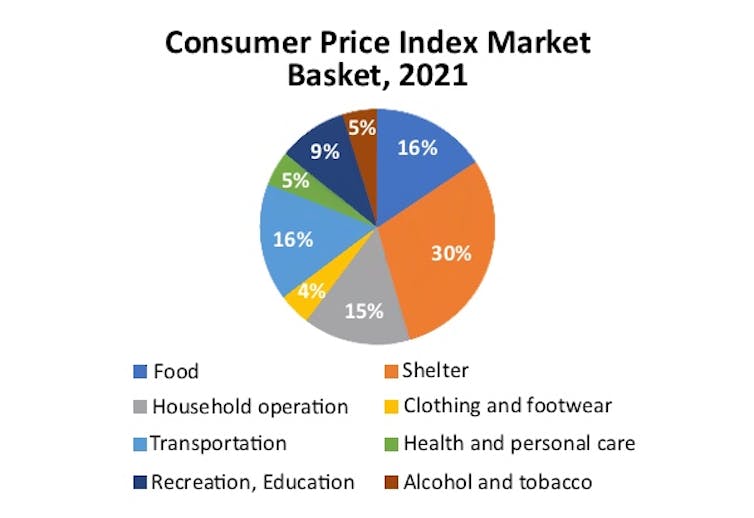
She made it happen: Irene Cara was the voice of ambition – both its power and limits

Her voice was the voice of the 1980s: ragged, with a raw touch of intensity, of desperation, but also, soaring and victorious. Triumphant. This was the voice of someone who swore they would make it. And did. But the world makes you make it again and again, requires you to prove yourself endlessly until the end. 

Irene Cara sang the theme song for the 1980 film “Fame“— and she was fame embodied, America’s favorite myth of hard work and perseverance. All myths have dark sides, difficult lessons and truths. Cara died on Thursday at the age of 63, her publicist Judith A. Moose confirmed.CNN and others reported Cara died at her home in Florida. A cause of death has not yet been released.

Wanting to be a singer and performer, I watched “Fame” over and over as a child, perhaps as a cautionary tale. The film, following students attending what was then known as New York’s the High School of Performing Arts from audition through graduation, is not short on nudity, abuse, drug references, homophobia and racism. But in a sea of talented and struggling kids, Cara shone as the best. Her character is a singer, pianist and dancer — a triple threat, as Cara was too. She will always embody the time period of my childhood, but more that, Cara will forever be the voice of ambition, singing of the pull and power of desire, of fighting for and getting exactly what you want.

Cara was born Irene Escalera on March 18, 1959 in the Bronx. (The year was a subject of some dispute, as The New York Times reported.) The daughter of a Puerto Rican factory worker and musician, and a Cuban cashier, she was a finalist in the child pageant “Little Miss America” and started performing young on Spanish-language television. She attended the Professional Children’s School in Manhattan, ironically, a school mocked by the public school students in “Fame.” By 13, she appeared regularly on the children’s public television program “The Electric Company.” After appearing in “Sparkle” and “Roots: The Next Generation,” she was barely older than a teenager when she starred as Coco Hernandez in “Fame,” the film for which she also sang the title song.

Four years later, in 1984, she earned an Oscar and Golden Globe for co-writing “Flashdance . . . What a Feeling,” the title track of the Jennifer Beals film “Flashdance.” Her vocal performance also won her a Grammy. Cara’s other awards include an NAACP Image Award, a Billboard Year-End Award and multiple Grammy Awards and nominations. 

Irene CaraIrene Cara, star of the hit movie “Fame,” on the Soul Train stage, episode 337, aired 10/4/1980. (Soul Train via Getty Images)As Coco in “Fame,” Cara is a driven and determined young star. She does the work, poring over trade magazines. She’s also practical, convincing a fellow student to start a band with her because the gigs are steady and she’s interested in managing their business. Her character has a pure love of art, all art. She’s the first one to start singing the cafeteria improv “Hot Lunch Jam,” the music flowing from her. She dances spontaneously in a puddle in the subway station after school. Coco’s earnest love carries the movie. Cara’s voice is the film’s connective thread, as resonant in the emotional piano ballad “Out Here On my Own” as in the rousing title track with its disco beats. Coco’s journey is also the most compelling. Out of all the students, she’s real.

“Take your passion/And make it happen” felt less like a catchy phrase and more like a prayer.

“I’m just killing time here, waiting for my opportunity,” she explains, matter-of-factly. “It’s coming. I keep my eyes open.” Despite her no-nonsense attitude (she calls herself “a professional” and says, knowingly, “life comes down hard”), Coco’s open eyes are also wide. Too wide.

Her character pays a price for ambition. A young woman of color, she’s preyed upon by an older white man who lies to her, telling her he’s a filmmaker when in reality, he sexually exploits her. It’s the most difficult scene to get through in the often-grim film, Cara weeping on the black and white viewfinder of the predator’s camera, and it’s one of the last scenes too. Coco’s story is not resolved. We see her next and only at graduation, when she sings resolutely. If there’s a happy ending, we don’t know it.

Though “Flashdance” is Beals’ film, a star-making turn where Beals plays a steelworker by day and bar dancer who dreams of dance school at night, Cara is its voice, and as such, its beating but broken heart. How many kids danced to “Flashdance . . . What a Feeling,” twirling about like Beals (or her stand-ins) in their bedrooms? We couldn’t have yet known the years, hard work and heartache behind lyrics like, “I can have it all, now I’m dancing for my life,” but we believed her forceful truth. “Take your passion/And make it happen” felt less like a catchy phrase and more like a prayer, a spell Cara was casting of dreams.

Lee Curreri; Irene CaraBruno Martelli (Lee Curreri) tries to convince Coco Hernandez (Irene Cara) that they should form a rock band, in a scene from ‘Fame’, directed by Alan Parker, 1980. (United Artists/Archive Photos/Getty Images)Both “Flashdance” and “Fame” are about working class young people trying to make it in the performing arts, not exactly known as a welcoming stage to anyone but the rich and connected. But “Make it happen,” Cara purred. 

Cara remained a star who burned brightly and young. 

She did make it happen for herself, releasing six studio albums and appearing on dozens of other albums and soundtracks. But her own sitcom, NBC’s 1981 “Irene,” was never picked up by the network. She acted on stage and on screen, but dealt with intense legal troubles after filing a lawsuit against her former record company in 1985, accusing them of withholding her royalties. Almost a decade later, she was finally awarded $1.5 million. People reported that in that time, “she fled the spotlight, mired in an eight-year legal battle. . . and disenchanted by the experience.” Cara said she lost her savings to the lawsuit, telling People the music world “virtually blacklisted [me]. All of a sudden, I was hearing stories about how difficult I was to work with, ridiculous rumors about drugs and what a diva I was.”


Want a daily wrap-up of all the news and commentary Salon has to offer? Subscribe to our morning newsletter, Crash Course.


She performed, including voiceover roles in films, but a band she formed in the late ’90s, Hot Caramel, only released one album. Cara remained a star who burned brightly and young. That kind of fatalism tinges her early hits, like in “Fame” when she swears “I’m gonna live forever.” It’s stirring because you know it’s fleeting. Power like that radiates hot and fast. As Cara sings at the end of “Fame,” at Coco’s high school graduation, “I’ll burn with the sun . . . In time, we will all be stars.” 

Remember her name. 

Should older seniors risk major surgery? New research offers guidance

Nearly 1 in 7 older adults die within a year of undergoing major surgery, according to an important new study that sheds much-needed light on the risks seniors face when having invasive procedures.

Especially vulnerable are older patients with probable dementia (33% die within a year) and frailty (28%), as well as those having emergency surgeries (22%). Advanced age also amplifies risk: Patients who were 90 or older were six times as likely to die than those ages 65 to 69.

The study in JAMA Surgery, published by researchers at Yale School of Medicine, addresses a notable gap in research: Though patients 65 and older undergo nearly 40% of all surgeries in the U.S., detailed national data about the outcomes of these procedures has been largely missing.

“As a field, we’ve been really remiss in not understanding long-term surgical outcomes for older adults,” said Dr. Zara Cooper, a professor of surgery at Harvard Medical School and the director of the Center for Geriatric Surgery at Brigham and Women’s Hospital in Boston.

Of particular importance is information about how many seniors die, develop disabilities, can no longer live independently, or have a significantly worsened quality of life after major surgery.

“What older patients want to know is, ‘What’s my life going to look like?'” Cooper said. “But we haven’t been able to answer with data of this quality before.”

In the new study, Dr. Thomas Gill and Yale colleagues examined claims data from traditional Medicare and survey data from the National Health and Aging Trends study spanning 2011 to 2017. (Data from private Medicare Advantage plans was not available at that time but will be included in future studies.)

Invasive procedures that take place in operating rooms with patients under general anesthesia were counted as major surgeries. Examples include procedures to replace broken hips, improve blood flow in the heart, excise cancer from the colon, remove gallbladders, fix leaky heart valves, and repair hernias, among many more.

Older adults tend to experience more problems after surgery if they have chronic conditions such as heart or kidney disease; if they are already weak or have difficulty moving around; if their ability to care for themselves is compromised; and if they have cognitive problems, noted Gill, a professor of medicine, epidemiology, and investigative medicine at Yale.

Two years ago, Gill’s team conducted research that showed 1 in 3 older adults had not returned to their baseline level of functioning six months after major surgery. Most likely to recover were seniors who had elective surgeries for which they could prepare in advance.

In another study, published last year in the Annals of Surgery, his team found that about 1 million major surgeries occur in individuals 65 and older each year, including a significant number near the end of life. Remarkably, data documenting the extent of surgery in the older population has been lacking until now.

“This opens up all kinds of questions: Were these surgeries done for a good reason? How is appropriate surgery defined? Were the decisions to perform surgery made after eliciting the patient’s priorities and determining whether surgery would achieve them?” said Dr. Clifford Ko, a professor of surgery at UCLA School of Medicine and director of the Division of Research and Optimal Patient Care at the American College of Surgeons.

As an example of this kind of decision-making, Ko described a patient who, at 93, learned he had early-stage colon cancer on top of preexisting liver, heart, and lung disease. After an in-depth discussion and being told that the risk of poor results was high, the patient decided against invasive treatment.

“He decided he would rather take the risk of a slow-growing cancer than deal with a major operation and the risk of complications,” Ko said.

Still, most patients choose surgery. Dr. Marcia Russell, a staff surgeon at the Veterans Affairs Greater Los Angeles Healthcare System, described a 90-year-old patient who recently learned he had colon cancer during a prolonged hospital stay for pneumonia. “We talked with him about surgery, and his goals are to live as long as possible,” said Russell. To help prepare the patient, now recovering at home, for future surgery, she recommended he undertake physical therapy and eat more high-protein foods, measures that should help him get stronger.

“He may need six to eight weeks to get ready for surgery, but he’s motivated to improve,” Russell said.

The choices older Americans make about undergoing major surgery will have broad societal implications. As the 65-plus population expands, “covering surgery is going to be fiscally challenging for Medicare,” noted Dr. Robert Becher, an assistant professor of surgery at Yale and a research collaborator with Gill. Just over half of Medicare spending is devoted to inpatient and outpatient surgical care, according to a 2020 analysis.

What’s more, “nearly every surgical subspecialty is going to experience workforce shortages in the coming years,” Becher said, noting that in 2033, there will be nearly 30,000 fewer surgeons than needed to meet expected demand.

These trends make efforts to improve surgical outcomes for older adults even more critical. Yet progress has been slow. The American College of Surgeons launched a major quality improvement program in July 2019, eight months before the covid-19 pandemic hit. It requires hospitals to meet 30 standards to achieve recognized expertise in geriatric surgery. So far, fewer than 100 of the thousands of hospitals eligible are participating.

One of the most advanced systems in the country, the Center for Geriatric Surgery at Brigham and Women’s Hospital, illustrates what’s possible. There, older adults who are candidates for surgery are screened for frailty. Those judged to be frail consult with a geriatrician, undergo a thorough geriatric assessment, and meet with a nurse who will help coordinate care after discharge.

Also initiated are “geriatric-friendly” orders for post-surgery hospital care. This includes assessing older patients three times a day for delirium (an acute change in mental status that often afflicts older hospital patients), getting patients moving as soon as possible, and using non-narcotic pain relievers. “The goal is to minimize the harms of hospitalization,” said Cooper, who directs the effort.

She told me about a recent patient, whom she described as a “social woman in her early 80s who was still wearing skinny jeans and going to cocktail parties.” This woman came to the emergency room with acute diverticulitis and delirium; a geriatrician was called in before surgery to help manage her medications and sleep-wake cycle, and recommend non-pharmaceutical interventions.

With the help of family members who visited this patient in the hospital and have remained involved in her care, “she’s doing great,” Cooper said. “It’s the kind of outcome we work very hard to achieve.”

We’re eager to hear from readers about questions you’d like answered, problems you’ve been having with your care, and advice you need in dealing with the health care system. Visit khn.org/columnists to submit your requests or tips.

KHN (Kaiser Health News) is a national newsroom that produces in-depth journalism about health issues. Together with Policy Analysis and Polling, KHN is one of the three major operating programs at KFF (Kaiser Family Foundation). KFF is an endowed nonprofit organization providing information on health issues to the nation.

Subscribe to KHN’s free Morning Briefing.

We’re told to “eat a rainbow” of fruit and vegetables. Here’s what each color does in our body

Nutritionists will tell you to eat a rainbow of fruit and vegetables. This isn’t just because it looks nice on the plate. Each color signifies different nutrients our body needs.

The nutrients found in plant foods are broadly referred to as phytonutrients. There are at least 5,000 known phytonutrients, and probably many more.

So what does each color do for our body and our overall health?

Red

Red fruits and vegetables are colored by a type of phytonutrient called “carotenoids” (including ones named lycopene, flavones and quercetin — but the names aren’t as important as what they do). These carotenoids are found in tomatoes, apples, cherries, watermelon, red grapes, strawberries and capsicum.

These carotenoids are known as antioxidants. You will have heard this name before, but you might not remember what it means. It has something to do with “free radicals,” which you’ve also probably heard of before.

Free radicals are formed naturally in our body as a byproduct of all our usual bodily processes, such as breathing and moving, but they also come from UV light exposure, smoking, air-pollutants and industrial chemicals.

Free radicals are unstable molecules that can damage proteins, cell membranes and DNA in our body. This natural but damaging process is known as oxidation or oxidative stress. This contributes to aging, inflammation and diseases including cancer and heart disease.

Importantly, antioxidants “mop up” the free radicals that form in our body. They stabilize the free radicals so they no longer cause damage.

Increasing antioxidants in your diet lowers oxidative stress and reduces the risk of many diseases, including arthritis, type 2 diabetes, heart disease, stroke and cancer.

Orange

Orange fruits and vegetables also contain carotenoids, but slightly different ones to red veggies (including alpha and beta-carotene, curcuminoids and others). These are found in carrots, pumpkins, apricots, mandarins, oranges and turmeric.

Alpha and beta-carotene are converted to vitamin A in our bodies, which is important for healthy eyes and good eyesight. Vitamin A is also an antioxidant that can target the parts of your body made of lipids (or fats) such as cell membranes.

The vitamin A targets the free radicals building up around our cell membranes and other areas made of lipids, reducing the risk of cancers and heart disease.

Yellow

Yellow fruit and vegetables also contain carotenoids, but they also contain other phytonutrients including lutein, zeaxanthin, meso-zeaxanthin, viola-xanthin and others. These are found in apples, pears, bananas, lemons and pineapple.

Lutein, meso-zeaxanthin and zeaxanthin have been shown to be particularly important for eye health and can reduce the risk of age-related macular degeneration, which leads to blurring of your central vision.

These phytonutrients can also absorb UV light in your eyes, acting like a sunscreen for the eyes and protecting them from sun damage.

Green

Green fruits and vegetables contain many phytonutrients, including chlorophyll (which you probably remember from high school biology), catechins, epigallocatechin gallate, phytosterols, nitrates and also an important nutrient known as folate (or vitamin B9). These are found in avocados, Brussels sprouts, apples, pears, green tea and leafy vegetables.

These also act as antioxidants and therefore have the benefits as described above for red veggies. But this group also provides important benefits in keeping your blood vessels healthy, by promoting something called “vasodilation.”

These phytonutrients help make our blood vessels more elastic and flexible allowing them to widen or dilate. This improves blood circulation and reduces blood pressure, reducing our risk of heart and other vessel complications and disease.

Folate is recommended before pregnancy because it helps reduce the risk of neural tube defects (such as spina bifida) in babies. Folate helps the development of the foetal nervous system during the first few weeks of pregnancy, as it has been shown to promote healthy cell division and DNA synthesis.

Blue and purple

Blue and purple produce contain other types of phytonutrients, including anthocyanins, resveratrol, tannins and others. They are found in blackberries, blueberries, figs, prunes and purple grapes.

Anthocyanins also have antioxidant properties and so provide benefits in reducing the risk of cancer, heart disease and stroke, as explained under red fruit and veg.

More recent evidence has indicated they may also provide improvements in memory. It is thought this occurs by improving signaling between brain cells and making it easier for the brain to change and adapt to new information (known as brain plasticity).

Brown and white

Brown and white fruits and vegetables are colored by a group of phytonutrients known as “flavones,” including apigenin, luteolin, isoetin and others. These are found in foods such as garlic, potatoes and bananas.

Another phytonutrient found in this color of vegetables, particularly in garlic, is allicin. Allicin has been shown to have anti-bacterial and anti-viral properties.

Most of this research is still at the lab-bench and not many clinical trials have been done in humans, but lab-based studies have found it reduces microorganisms when grown under laboratory conditions.

Allicin has also been found in systematic reviews to normalize high blood pressure by promoting dilation of the blood vessels.

How can I get more veggies in my diet?

Colored fruit and vegetables — and also herbs, spices, legumes and nuts — provide us with a plethora of phytonutrients. Promoting a rainbow of fruit and vegetables is a simple strategy to maximize health benefits across all age groups.

However, most of us don’t get the recommended amount of fruit and vegetables each day. Here are some tips to improve your intake:

1. When doing your fruit and vegetable shopping, include a rainbow of colors in your shopping basket. (Frozen varieties are absolutely fine.)

2. Try some new fruit and vegetables you haven’t had before. The internet has tips on many different ways to cook veggies.

3. Buy different colors of the fruit and vegetables you normally eat like apples, grapes, onions and lettuces.

4. Eat the skins, as the phytonutrients may be present in the skin in higher amounts.

5. Don’t forget herbs and spices also contain phytonutrients. Add them to your cooking, as well. (They also make vegetables more appealing!)

Evangeline Mantzioris, Program Director of Nutrition and Food Sciences, Accredited Practicing Dietitian, University of South Australia

This article is republished from The Conversation under a Creative Commons license.

Florida woman sues Kraft Heinz over microwave time for single-serving mac and cheese

A Florida woman has sued Kraft Heinz, which owns Velveeta, alleging that the company misled customers regarding the amount of time it takes to prepare a single-serving cup of macaroni and cheese.

According to a class-action lawsuit filed earlier this month, plaintiff Amanda Ramirez claims that she wouldn’t have purchased Velveeta Shells & Cheese from the supermarket had she “known the truth” about the product. In the filing, Ramirez alleges that “the statement of ‘ready in 3 1/2 minutes’ [which is found on the product packaging] is false and misleading because the Product takes longer than 3-and-a-half minutes to prepare for consumption.”

Ramirez claims the extra steps for which the packaging calls increase the total preparation time (though she didn’t indicate by how much) to the point that she wouldn’t have purchased the product had she known otherwise. These include removing the pouch of cheese powder, stirring in water and allowing the cheese sauce to thicken.

“As a result of the false and misleading representations, the Product is sold at a premium price, approximately no less than $10.99 for eight 2.39 oz cups, excluding tax and sales, higher than similar products, represented in a non-misleading way, and higher than it would be sold for absent the misleading representations and omissions,” the filing said.

The 15-page lawsuit seeks more than $5 million in damages and looks to cover consumers in Alabama, Alaska, Georgia, Iowa, New Mexico, North Carolina, South Carolina, Tennessee, Utah and Virginia who purchased the single-serving shells and cheese. The suit indicates that there are at least 100 such customers who purchased the product during the statute of limitations period.

This is only the latest alleged “food fraud” lawsuit to make it to court, including Subways’ infamous #Tunagate scandal.


Want more great food writing and recipes? Subscribe to Salon Food’s newsletter, The Bite.


However, the most pertinent example may be from this past October, when Barilla found itself in hot water following news of a class-action lawsuit in which consumers took umbrage with the slogan “Italy’s No. 1 brand of pasta.” Save “a few exceptions,” Barilla pasta sold in U.S. stores is actually manufactured in facilities located in Ames, Iowa, and Avon, N.Y.

The lawsuit claimed that “Barilla misrepresents its Italian origin” because its packaging features the colors of the Italian flag, “perpetuating the notion that the products are authentic pastas from Italy.” Barilla, meanwhile, has stated that “the wording on the box clearly states: ‘Made in the U.S.A.'”

While Barilla had pushed to dismiss the suit as meritless, a judge ruled that the case could move forward in December. As The Takeout reported at the time, the ultimate decision could  “impact labeling standards in the future.”

In an emailed statement to NPR, Will Wright — one of Ramirez’s lawyers — said that’s what his firm was attempting to accomplish.

“There are a lot of people that may feel this is just a little fibbing and not really a case and I get that,” he wrote. “But we are striving for something better. We want corporate America to be straightforward and truthful in advertising their products.”

He added: “My firm also represents clients in what most would say are more compelling cases (arsenic in baby food, etc.) but we don’t feel corporations should get a pass for any deceptive advertising. The consumers deserve better.”

Meanwhile, Kraft Heinz told the publication in a written statement that the lawsuit was not only “frivolous,” but it would also “strongly defend against the allegations in the complaint.”

It will be up to a judge in the coming weeks whether the case will be dismissed — which is likely what Kraft Heinz will push for — or move forward.


When malpractice occurs at community health centers, taxpayers pay

Silvia Garcia’s 14-year-old son was left permanently disabled and in a wheelchair after a community health center doctor in New Mexico failed to diagnose his appendicitis despite his complaint of severe stomach pain. The teenager’s appendix ruptured before he could get to a hospital, and complications led to septic shock.

Akimbee Burns had a Pap smear at a community health center in Georgia that showed abnormal cells. But she was not told of the results. About eight months later, she was diagnosed with cervical cancer that had spread to her lymph nodes. She died within two years, at age 38.

Rhonda Jones’ baby was left brain damaged after her Chicago-area medical team, which included community health center doctors, failed to perform an emergency cesarean section quickly enough even though Jones was at high risk for labor complications.

These three incidents — alleged in court documents as part of malpractice lawsuits that were settled without admission of wrongdoing — are among 485 payouts made nationwide involving community health centers from 2018 through 2021. The settlements and judgments totaled $410 million paid to the patients or their families, according to federal data released to KHN through a public records request.

But none of those health centers, and none of the doctors, paid anything. U.S. taxpayers picked up the tab.

The nation’s 1,375 federally qualified health centers, which treat 30 million low-income Americans, are mostly private organizations. Yet they receive $6 billion annually in federal grants, and under federal law their legal liabilities are covered by the government, just as those of the U.S. Department of Veterans Affairs and the Indian Health Service are. That means the centers and their employees can receive immunity from medical malpractice lawsuits and the federal government pays any settlements or court judgments.

As a result, the public is often unaware of malpractice allegations against those centers. The health centers and their employees are not named as defendants in the lawsuits, and the government does not announce when it pays to settle cases or court judgments.

“People should know if these doctors or centers are harming their patients,” said Deirdre Gilbert, national director of the nonprofit National Medical Malpractice Advocacy Association, a consumer advocacy group.

In addition, attorneys who have represented plaintiffs in lawsuits against health centers say federal rules handcuff patients with a short statute of limitations — two years — and do not allow punitive damages.

“The deck is stacked in the government’s favor,” said Regan Safier, a Philadelphia attorney who won a $41.6 million court judgment in 2018 in a case of a birth injury involving a community health center doctor.

Tragedies Hidden From View

From 2018 through 2021, the median payment for malpractice settlements or judgments involving health centers was $225,000, according to the data from the Health Resources and Services Administration, which oversees the community health centers. In 68 of the 485 payouts, the total was at least $1 million.

Many of the lawsuits against health centers involved allegations of misdiagnosis or dental errors. Most large awards were for birth injuries or cases involving children.

Silvia Garcia brought one of those cases. In December 2015, she took her 14-year-old son to First Choice Community Healthcare in Albuquerque, New Mexico, to be treated for severe stomach pain and fever, according to a lawsuit she filed against the government.

The doctor felt the boy’s abdomen but ordered no diagnostic tests, the family alleged. The physician advised Garcia to take the boy to the hospital if his pain worsened.

Two days later, she took him to a hospital emergency room. There, doctors found that his appendix had ruptured. He had developed septic shock that led to brain damage and acute injury to his kidneys.

The teenager was hospitalized for eight months.

Garcia settled the case for $6.8 million, most of which went into a special fund that can be paid out for future medical expenses.

First Choice and Garcia declined to comment. The government said the settlement was not an admission of fault.

Community health centers pushed for — and won — government malpractice protection in the 1990s. They argued their revenues were limited and malpractice insurance would divert money that could better be used for patient care.

The centers differ from other health clinics because they get a federal grant each year. They also receive higher reimbursements from Medicaid and Medicare than do private doctors. In return, the centers are not allowed to turn anyone away, and the fees charged to low-income patients are on a sliding scale. Nearly half of the centers’ patients are covered by Medicaid, and 20% are uninsured.

Malpractice lawsuits are a risk for all health care providers and are just one barometer of quality of care. The settlements and court judgments against the health centers don’t measure the clinics’ overall performance.

Even lawyers who have sued on behalf of health center patients acknowledge the importance of the facilities. Rhode Island plaintiff attorney Amato DeLuca said that the health centers serve a vital role in the health industry and that he had found “a lot of really wonderful, extraordinarily capable people that do a really good job” at the centers. 

Yet everyone must be held accountable for mistakes, DeLuca said.  

Akimbee Burns’ case is an example of a missed diagnosis, according to the lawsuit she filed against the U.S. government. Burns, who made $11 an hour at a utility company, had a Pap smear in 2016 at South Central Primary Care Center, a community health center in Ocilla, Georgia. The test results showed abnormal cells, but she was not informed of the results, according to the complaint. She inquired about the test several times in the following months but still was not informed about the results, she alleged.

About eight months later, the staff at a different health care facility diagnosed advanced cervical cancer. She filed a lawsuit alleging the community health center had been negligent. She underwent radiation and chemotherapy. But she died in April 2019, leaving behind two children, including one minor.

After her death, the government and her estate settled for $2.1 million.

South Central Primary Care Center did not respond to requests for comment, and the government denied any wrongdoing.

Roadblocks for Patients

A patient alleging medical malpractice by a health center must first submit claims to the U.S. Department of Health and Human Services for review. The government can make a settlement offer or deny the claim. If the claim is denied or not settled, or a six-month review period expires, the patient may sue in federal court under the Federal Tort Claims Act, or FTCA.

To get that federal protection, health centers must have quality improvement and risk management programs and must show regulators that they’ve reviewed the professional credentials, malpractice claims, and license status of their physicians and other clinicians.

Ben Money, a senior vice president for the National Association of Community Health Centers, said the process improves care and directs scarce operating dollars toward the needs of patients, versus costly malpractice coverage.

“There are rigorous safeguards in place to ensure that health center grantees are in compliance and that patients are getting the very best care,” he said. “FTCA makes health centers more vigilant on quality and not less.”

About 86% of community health centers were covered under the FTCA for medical malpractice coverage as of September, said Christy Choi, a spokesperson for the Health Resources and Services Administration.

She said the government has implemented “robust quality improvement and patient safety efforts” as part of the program.

The system makes collecting damages more difficult for patients than if they went to state courts for malpractice suits, said attorneys involved in cases against health centers. In addition to the prohibition against punitive damages, such cases are decided by federal judges instead of juries. The lack of a jury is important, they added, because judges are less likely to be swayed by emotion and that can mean lower dollar amounts in the awards.

Plaintiffs are also at a disadvantage because the federal government has unlimited resources to defend cases, unlike the patients and their attorneys, said Christopher Russomanno, a Miami attorney.

“These cases cost hundreds of thousands of dollars for us to get ready for trial,” said Jack Beam, the Illinois attorney who represented Rhonda Jones. “Our record was $900,000 in case costs.”

All these factors can make finding a lawyer an obstacle for patients.

Deborah Dodge, a Missouri lawyer, said some attorneys are reluctant to take the cases because the government caps their fees at 25% of the settlement amount. In contrast, plaintiff attorneys often take about 40% in successful state court malpractice cases.

Rhonda Jones was one of those who received a settlement. Her baby was transported to a children’s hospital soon after being born by emergency cesarean section at West Suburban Medical Center in the Chicago area in December 2016, according to her lawsuit. The baby, Alayna, was treated for brain damage from a lack of oxygen, and she now has cerebral palsy.

Jones showed signs of a high-risk delivery when she arrived at the hospital nearly 39 weeks pregnant: She was 40 years old, this was her 11th child, and she had severe preeclampsia and possibly gestational diabetes.

Her lawsuit alleged that she was not adequately monitored at the hospital and that surgery was not performed in time to prevent injury to Alayna.

Jones agreed to a $21 million settlement, $15 million of which was paid by the federal government because some of the doctors involved were employed by PCC Community Wellness Center. The health center and the hospital declined to comment. In court filings, the government and hospital denied wrongdoing.

The money — most of which is in a trust overseen by the court — provides for Alayna, who will require care throughout her life.

“Before what happened to Alayna, I loved them,” Jones said of the health center where she had gone for several of her previous pregnancies. “They were great for me because they would be open late at night when I was working.”

“I still would tell someone to go to PCC because maybe they will get the right doctors when they go to have their baby,” Jones added.

Alander Rocha and KHN reporter Colleen DeGuzman contributed to this article.

KHN (Kaiser Health News) is a national newsroom that produces in-depth journalism about health issues. Together with Policy Analysis and Polling, KHN is one of the three major operating programs at KFF (Kaiser Family Foundation). KFF is an endowed nonprofit organization providing information on health issues to the nation.

USE OUR CONTENT

This story can be republished for free (details).

KHN (Kaiser Health News) is a national newsroom that produces in-depth journalism about health issues. Together with Policy Analysis and Polling, KHN is one of the three major operating programs at KFF (Kaiser Family Foundation). KFF is an endowed nonprofit organization providing information on health issues to the nation.

Subscribe to KHN’s free Morning Briefing.