Spring Sale: Get 1 Year, Save 58%

Scientists radically rethink how the Himalayas formed millions of years ago, adjusting their age

Standing at nearly 9,000 meters tall and growing more each day, the Himalayas are the world’s largest and also youngest mountain range. It notably includes Mount Everest, which staggers above sea level at 8,850 meters (29,035 feet) high. But a new study shows they might be closer to an adolescent than a child — forming 15 million years prior than was once believed. 

It was long held that the Himalayas, which stretch from Afghanistan to Myanmar along the border of China and India, formed between 40 and 50 million years ago when the Eurasian and Indian tectonic plates collided. But research published in the journal Nature Geoscience found that before this collision shot up mountainous rock across the region, the Himalayas already stood tall — at about 60% of their height today, said study author Daniel Ibarra, Ph.D., an assistant professor of environmental science at Brown University. 

“It implies that you don’t need this continent-continent collision to achieve this high topography,” Ibarra told Salon in a phone interview. “This has implications for other places around the world, such as Nevada around the same time, as well as some of the pre-Andean elevations in South America.”

The Himalayas influenced how species on the Asian and Indian subcontinents mixed and were key to the formation of certain climate cycles, like monsoons and the long-term carbon cycle, which keeps the Earth’s temperature balanced and also creates fossil fuels.

“The fact that there’s already a high Tibet starting at 60 million years pushes the origin of those biogeochemical cycles back even further.”

Rewinding the mountain range’s date of formation means scientists will need to rethink assumptions that were made about all of these ancient climate models, said study author Page Chamberlain, Ph.D., a professor of geochemistry at Stanford University. Now that that date has been pushed back to between 61 and 63 million years, “when you start to correlate all these different things, you now need to use a new number — a number that’s a lot older,” Chamberlain told Salon in a phone interview.

Around the time of their formation 60 million years ago, the world was much warmer and an explosive asteroid collision had just wiped out the dinosaurs. Ecosystems were starting to recover from the impact, mammals came into the fossil record and soon, primates would emerge.


Want more health and science stories in your inbox? Subscribe to Salon’s weekly newsletter The Vulgar Scientist.


“The lines of Tibet after the dinosaurs influenced a lot of the earth’s history, even driving the overall cooling trend that started after the dinosaurs died [and continues] till today,” Chamberlain said. “The fact that there’s already a high Tibet starting at 60 million years pushes the origin of those biogeochemical cycles back even further.”

By detecting this isotope in the rocks of the Himalayas, they were able to determine the altitude and age that the mountain range once was.

To determine the age of the mountain range, Chamberlain and his team used a technique called triple oxygen isotope analysis. Isotopes are alternate forms of the same element with different masses. Various manipulations of an element, like boiling, crystalizing or evaporating, change which isotope floats to the top or sinks to the bottom of a substance. The locations of heavier and lighter isotopes that were discovered in the Himalayas could therefore provide clues into how tall things were at various points in the mountain range’s history.

Only two forms of oxygen, oxygen 16 and oxygen 18, are typically used in isotope analyses, but Chamberlain’s method also measures a third isotope, oxygen 17, which is an extremely rare form of the molecule that makes up just 0.04% of the world’s oxygen. By detecting this isotope in the rocks of the Himalayas, they were able to determine the altitude and age that the mountain range once was. 

“There was no way to measure early Tibet because the kind of rocks you need to do that don’t exist there,” Chamberlain said. “But using this particular measurement opens up a whole new way to do this.”

We need your help to stay independent

Previously, this technique was used to determine the temperatures of the oldest oceans on Earth and measure the evolution of the hot springs in Yellowstone National Park. In the future, the method can also be used to trace how things like evaporation and lakes changed over time, Ibarra said.

“It’s going to be exciting to see how the ability to measure triple oxygen isotopes can help us answer these big-scale earth system questions about how mountains have influenced climate and the carbon cycle over a long time period,” Ibarra said.

New Alzheimer’s drug raises hopes — along with questions

The FDA has approved Leqembi, the first disease-modifying treatment for early-stage Alzheimer’s and a precursor condition, mild cognitive impairment. Medicare has said it will pay for the therapy. Medical centers across the country are scrambling to finalize policies and procedures for providing the medication to patients, possibly by summer’s end or early autumn.

It’s a fraught moment, with hope running high for families and other promising therapies such as donanemab on the horizon. Still, medical providers are cautious. “This is an important first step in developing treatments for complex neurodegenerative diseases, but it’s just a first step,” said Ronald Petersen, director of the Mayo Clinic’s Alzheimer’s Disease Research Center in Rochester, Minnesota.

Unanswered questions abound as this new era of treatment begins for mild cognitive impairment and early-stage Alzheimer’s. Will Leqembi’s primary benefit — a slight slowing of decline in cognition and functioning — make a significant difference to patients and family members or will it be difficult to discern? Will its effects accelerate, decelerate, or flatten out over time?

Will demand for Leqembi (the brand name for lecanemab), a monoclonal antibody that requires infusions every two weeks, be robust or restrained? How many older adults in their 70s and 80s will be able and willing to travel to medical centers for infusions twice a month and have regular MRI scans and physician visits to monitor for potential side effects such as brain bleeds or swelling?

Even with Medicare coverage, how many people will be able to afford the suite of medical services required, including cognitive tests, infusions, doctors’ appointments, MRI scans, genetic tests, and spinal taps or PET scans to verify the presence of amyloid plaques, a hallmark of Alzheimer’s and a precondition for receiving this therapy?

Will primary care physicians start routinely screening older adults for mild cognitive impairment, something that doesn’t happen currently?

These questions aren’t surprising, given that these dementia treatments are opening uncharted territory. Here’s some of what people should know:

Leqembi basics. Leqembi is very effective at removing amyloid plaques (a protein that clumps between neurons) from people’s brains. But it doesn’t reverse cognitive decline or prevent future deterioration.

In a briefing document, Eisai, the company that makes Leqembi, said clinical trials showed a 27% slower rate of decline for people taking the drug. But when raw scores on the cognitive scale used to measure results are considered (4.41 for the Leqembi group at the end of 18 months versus 4.86 for the placebo group), the rate of improvement was 9%, according to Lon Schneider, a professor of psychiatry, neurology, and gerontology at the University of Southern California’s Keck School of Medicine.

Benefits may be hard to detect. Research suggests that patients notice a “clinically meaningful” change in cognitive performance — a noticeable alteration in their ability to think, remember, and perform daily tasks — when scores rise at least 1 point on an 18-point scale used to measure Leqembi’s impact. But the change detected after 18 months for patients taking this medication was only 0.45%.

“That’s a minimal difference, and people are unlikely to perceive any real alteration in cognitive functioning,” said Alberto Espay, a professor of neurology at the University of Cincinnati College of Medicine.

In slightly more than 1 in 4 cases, there were also infusion-related side effects — chills, aches, nausea, vomiting, a spike or drop in blood pressure, and more.

Petersen has a different perspective since many patients have told him they’d be happy to put off getting worse. “If we can keep these patients stable for a somewhat longer period of time, that’s meaningful,” he told me.

Side effects are common. The drugmaker reported 17% of patients taking Leqembi experienced swelling in the brain and 13% had brain bleeds. Most of these side effects occurred during the first three months of treatment and resolved without serious consequences four months later.

In slightly more than 1 in 4 cases, there were also infusion-related side effects — chills, aches, nausea, vomiting, a spike or drop in blood pressure, and more.

A little-discussed side effect is a reduction in brain volume associated with Leqembi and other anti-amyloid therapies. “We don’t know what this will mean to patients long term, and that’s concerning,” Espay said.

Because people with the APOE4 gene variant, which raises the risk of Alzheimer’s, are also at higher risk of Leqembi side effects, physicians at major medical centers will recommend genetic testing as they evaluate potential patients.

Not all patients will qualify. “I’m very carefully selecting the patients I think will be appropriate, focusing on people with mild cognitive symptoms who are otherwise healthy,” said Erik Musiek, an associate professor of neurology at the Washington University School of Medicine in St. Louis.

He has about 20 patients ready to start treatment once Washington University starts offering Leqembi, perhaps by early autumn. Delivering this therapy “is going to be challenging, and I think we need to err on the side of caution,” he said.

Costs for Leqembi are difficult to calculate since Medicare officials haven’t announced what the government will pay for services.

In Los Angeles, UCLA Health has set up a multidisciplinary group of specialists, similar to a cancer tumor board, to undertake comprehensive reviews of patients who want to take Leqembi, said Keith Vossel, director of UCLA’s Mary S. Easton Center for Alzheimer’s Research and Care. They will disqualify people with evidence of more than four microbleeds on brain MRIs, those taking blood thinners, and those with a history of seizures.

At the Mayo Clinic in Minnesota, a new Alzheimer’s therapeutics clinic will carefully assess potential patients over three to four days and treat only people who live within a 100-mile radius. “We’ll start with patients who are fairly healthy and follow them very closely,” Petersen said.

At Mount Sinai School of Medicine in New York City, Mary Sano, director of Alzheimer’s Disease Research, is concerned about older patients with mild cognitive impairment who want to take Leqembi but don’t have evidence of amyloid plaque accumulation in their brains. “We’ll only treat people who are amyloid-positive, and I’m afraid this could lead to people feeling like we’re not taking care of them,” she said. About 40% to 60% of patients 58 and older with mild cognitive impairment are amyloid-positive, research indicates.

Also of concern are patients who have moderate Alzheimer’s or early-stage cognitive impairment due to vascular dementia or various metabolic causes. They, too, would not be able to take Leqembi and may well be disappointed, Sano noted.

Costs could be considerable. Costs for Leqembi are difficult to calculate since Medicare officials haven’t announced what the government will pay for services. But the University of Southern California estimates that a year’s worth of care, including the $26,500 cost of the medication, could total about $90,000, according to Schneider.

A separate analysis by the Institute for Clinical and Economic Review suggests that all the medical services necessary to administer the drug, monitor patients, and undertake needed testing could total an average of $82,500 yearly on top of Leqembi’s direct cost.

Assuming a patient copayment of 20%, that would mean at least $18,000 in out-of-pocket spending. While many older adults have supplemental insurance (a Medigap plan or employer-sponsored retiree coverage) to cover these costs, nearly 1 in 10 Medicare beneficiaries lack this type of protection. And it remains to be seen what policies private Medicare Advantage plans will put in place for this medication.

We’re eager to hear from readers about questions you’d like answered, problems you’ve been having with your care, and advice you need in dealing with the health care system. Visit kffhealthnews.org/columnists to submit your requests or tips.

KFF Health News is a national newsroom that produces in-depth journalism about health issues and is one of the core operating programs at KFF—an independent source of health policy research, polling, and journalism. Learn more about KFF.

EPA approved a fuel ingredient even though it could cause cancer in virtually every person exposed

The Environmental Protection Agency approved a component of boat fuel made from discarded plastic that the agency’s own risk formula determined was so hazardous, everyone exposed to the substance continually over a lifetime would be expected to develop cancer. Current and former EPA scientists said that threat level is unheard of. It is a million times higher than what the agency usually considers acceptable for new chemicals and six times worse than the risk of lung cancer from a lifetime of smoking.

Federal law requires the EPA to conduct safety reviews before allowing new chemical products onto the market. If the agency finds that a substance causes unreasonable risk to health or the environment, the EPA is not allowed to approve it without first finding ways to reduce that risk.

But the agency did not do that in this case. Instead, the EPA decided its scientists were overstating the risks and gave Chevron the go-ahead to make the new boat fuel ingredient at its refinery in Pascagoula, Mississippi. Though the substance can poison air and contaminate water, EPA officials mandated no remedies other than requiring workers to wear gloves, records show.

ProPublica and the Guardian in February reported on the risks of other new plastic-based Chevron fuels that were also approved under an EPA program that the agency had touted as a “climate-friendly” way to boost alternatives to petroleum-based fuels. That story was based on an EPA consent order, a legally binding document the agency issues to address risks to health or the environment. In the Chevron consent order, the highest noted risk came from a jet fuel that was expected to create air pollution so toxic that 1 out of 4 people exposed to it over a lifetime could get cancer.

In February, ProPublica and the Guardian asked the EPA for its scientists’ risk assessment, which underpinned the consent order. The agency declined to provide it, so ProPublica requested it under the Freedom of Information Act. The 203-page risk assessment revealed that, for the boat fuel ingredient, there was a far higher risk that was not in the consent order. EPA scientists included figures that made it possible for ProPublica to calculate the lifetime cancer risk from breathing air pollution that comes from a boat engine burning the fuel. That calculation, which was confirmed by the EPA, came out to 1.3 in 1, meaning every person exposed to it over the course of a full lifetime would be expected to get cancer.

Such risks are exceedingly unusual, according to Maria Doa, a scientist who worked at EPA for 30 years and once directed the division that managed the risks posed by chemicals. The EPA division that approves new chemicals usually limits lifetime cancer risk from an air pollutant to 1 additional case of cancer in a million people. That means that if a million people are continuously exposed over a presumed lifetime of 70 years, there would likely be at least one case of cancer on top of those from other risks people already face.

When Doa first saw the 1-in-4 cancer risk for the jet fuel, she thought it must have been a typo. The even higher cancer risk for the boat fuel component left her struggling for words. “I had never seen a 1-in-4 risk before this, let alone a 1.3-in-1,” said Doa. “This is ridiculously high.”

When asked why it didn’t include those sky-high risks in the consent order, the EPA acknowledged having made a mistake.

Another serious cancer risk associated with the boat fuel ingredient that was documented in the risk assessment was also missing from the consent order. For every 100 people who ate fish raised in water contaminated with that same product over a lifetime, seven would be expected to develop cancer — a risk that’s 70,000 times what the agency usually considers acceptable.

When asked why it didn’t include those sky-high risks in the consent order, the EPA acknowledged having made a mistake. This information “was inadvertently not included in the consent order,” an agency spokesperson said in an email.

Nevertheless, in response to questions, the agency wrote, “EPA considered the full range of values described in the risk assessment to develop its risk management approach for these” fuels. The statement said that the cancer risk estimates were “extremely unlikely and reported with high uncertainty.” Because it used conservative assumptions when modeling, the EPA said, it had significantly overestimated the cancer risks posed by both the jet fuel and the component of marine fuel. The agency assumed, for instance, that every plane at an airport would be idling on a runway burning an entire tank of fuel, that the cancer-causing components would be present in the exhaust and that residents nearby would breathe that exhaust every day over their lifetime.

In addition, the EPA also said that it determined the risks from the new chemicals were similar to those from fuels that have been made for years, so the agency relied on existing laws rather than calling for additional protections. But the Toxic Substances Control Act requires the EPA to review every new chemical — no matter how similar to existing ones. Most petroleum-based fuels were never assessed under the law because existing chemicals were exempted from review when it passed in 1976. Studies show people living near refineries have elevated cancer rates.

“EPA recognizes that the model it used in its risk assessments was not designed in a way that led to realistic risk estimates for some of the transportation fuel uses,” an agency spokesperson wrote. For weeks, ProPublica asked what a realistic cancer risk estimate for the fuels would be, but the agency did not provide one by the time of publication.

New chemicals are treated differently under federal law than ones that are already being sold. If the agency is unsure of the dangers posed by a new chemical, the law allows the EPA to order tests to clarify the potential health and environmental harms. The agency can also require that companies monitor the air for emissions or reduce the release of pollutants. It can also restrict the use of new products or bar their production altogether. But in this case, the agency didn’t do any of those things.

“EPA recognizes that the model it used in its risk assessments was not designed in a way that led to realistic risk estimates for some of the transportation fuel uses,”

Six environmental organizations concerned about the risks from the fuels — the Sierra Club, Natural Resources Defense Council, Moms Clean Air Force, Toxic-Free Future, Environmental Defense Fund and Beyond Plastics — are challenging the agency’s characterization of the cancer risks. “EPA’s assertion that the assumptions in the risk assessment are overly conservative is not supported,” the groups wrote in a letter sent Wednesday to EPA administrator Michael Regan. The groups accused the agency of failing to protect people from dangers posed by the fuels and urged the EPA to withdraw the consent order approving them.

Chevron has not started making the new fuels, the EPA said.

Separately, the EPA acknowledged that it had mislabeled critical information about the harmful emissions. The consent order said the 1-in-4 lifetime cancer risk referred to “stack air” — a term for pollution released through a smokestack. The cancer burden from smokestack pollution would fall on residents who live near the refinery. And indeed a community group in Pascagoula sued the EPA, asking the U.S. Court of Appeals in Washington, D.C., to invalidate the agency’s approval of the chemicals.

But the agency now says that those numbers in the consent order do not reflect the cancer risk posed by air from refinery smokestacks. When the consent order said stack emissions, the EPA says, it really meant pollution released from the exhaust of the jets and boats powered by these fuels.

“We understand that this may have caused a misunderstanding,” the EPA wrote in its response to ProPublica.

Based on that explanation, the extraordinary cancer burden would fall on people near boats or idling airplanes that use the fuels — not those living near the Chevron refinery in Pascagoula.

Each of the two cancer-causing products is expected to be used at 100 sites, the EPA confirmed. ProPublica asked for the exact locations where the public might encounter them, but Chevron declined to say. The EPA said it didn’t know the locations and didn’t even know whether the marine fuel would be used for a Navy vessel, a cruise ship or a motorboat.

In an email, a Chevron spokesperson referred questions to the EPA and added: “The safety of our employees, contractors and communities are our first priority. We place the highest priority on the health and safety of our workforce and protection of our assets, communities and the environment.”

Doa, the former EPA scientist who worked at the agency for three decades, said she had never known the EPA to misidentify a source of pollution in a consent order. “When I was there, if we said something was stack emissions, we meant that they were stack emissions,” she said.

During multiple email exchanges with ProPublica and the Guardian leading up to the February story, the EPA never said that cancer risks listed as coming from stack emissions were actually from boat and airplane exhaust. The agency did not explain why it initially chose not to tell ProPublica and the Guardian that the EPA had mislabeled the emissions.

The agency faced scrutiny after the February story in ProPublica and the Guardian. In an April letter to EPA administrator Michael Regan, Sen. Jeff Merkley, the Oregon Democrat who chairs the Senate’s subcommittee on environmental justice and chemical safety, said he was troubled by the high cancer risks and the fact that the EPA approved the new chemicals using a program meant to address the climate crisis.

EPA assistant administrator Michal Freedhoff told Merkley in a letter earlier this year that the 1-in-4 cancer risk stemmed from exposure to the exhaust of idling airplanes and the real risk to the residents who live near the Pascagoula refinery was “on the order of one in a hundred thousand,” meaning it would cause one case of cancer in 100,000 people exposed over a lifetime.

Told about the even higher cancer risk from the boat fuel ingredient, Merkley said in an email, “It remains deeply concerning that fossil fuel companies are spinning what is a complicated method of burning plastics, that is actually poisoning communities, as beneficial to the climate. We don’t understand the cancer risks associated with creating or using fuels derived from plastics.”

Merkley said he is “leaving no stone unturned while digging into the full scope of the problem, including looking into EPA’s program.”

He added, “Thanks to the dogged reporting from ProPublica we are getting a better sense of the scale and magnitude of this program that has raised so many concerns.”

The risk assessment makes it clear that cancer is not the only problem. Some of the new fuels pose additional risks to infants, the document said, but the EPA didn’t quantify the effects or do anything to limit those harms, and the agency wouldn’t answer questions about them.

Some of these newly approved toxic chemicals are expected to persist in nature and accumulate in living things, the risk assessment said. That combination is supposed to trigger additional restrictions under EPA policy, including prohibitions on releasing the chemicals into water. Yet the agency lists the risk from eating fish contaminated with several of the compounds, suggesting they are expected to get into water. When asked about this, an EPA spokesperson wrote that the agency’s testing protocols for persistence, bioaccumulation and toxicity are “unsuitable for complex mixtures” and contended that these substances are similar to existing petroleum-based fuels.

The EPA has taken one major step in response to concerns about the plastic-based chemicals. In June, it proposed a rule that would require companies to contact the agency before making any of 18 fuels and related compounds listed in the Chevron consent order. The EPA would then have the option of requiring tests to ensure that the oil used to create the new fuels doesn’t contain unsafe contaminants often found in plastic, including certain flame retardants, heavy metals, dioxins and PFAS. If approved, the rule will require Chevron to undergo such a review before producing the fuels, according to the EPA.

But environmental advocates say that the new information about the plastic-based chemicals has left them convinced that, even without additional contamination, the fuels will pose a grave risk.

“This new information just raises more questions about why they didn’t do this the right way,” said Daniel Rosenberg, director of federal toxics policy at NRDC. “The more that comes out about this, the worse it looks.”

In Switzerland, I learned the secrets of the world’s best chocolate

The truffle is the size of a golf cart. It sits beneath an enormous, dripping whisk suspended from the ceiling. The chocolate — 370 gallons of it — is real. The Swiss may be known for their neutrality, but at the Lindt Home of Chocolate, the vibe is one of colossal dominance. 

“Some people dream of seeing the Eiffel Tower or Big Ben. I wanted to get a selfie under that pterodactyl-sized whisk.”

The supermarket-friendly Swiss chocolatier — which also owns Ghirardelli and Russell Stover and officially operates as Lindt & Sprüngli — has for over 175 years been one of the most familiar and beloved brands in the world. Earlier this year, Tasting Table ranked it at the top of its list of best chocolate, outperforming more expensive and gourmet names like Scharffen Berger and Jacques Genin.

It’s easy to understand why — aside from the variety of flavors and quality of the chocolate itself, Lindt’s real secret weapon is it silkiness. As Tasting Table explains, their chocolate is “high-quality, creamy, and delicious,” with truffles that “are the definition of smooth and offer the perfect amount of chocolate filling in every bite.” And because Lindt chocolate has long been a staple in my own kitchen and, usually, my purse, it was inevitable I’d have to make a pilgrimage while studying in Switzerland for a few weeks. Some people dream of seeing the Eiffel Tower or Big Ben. I wanted to get a selfie under that pterodactyl-sized whisk.

Swiss chocolate isn’t limited to Lindt, of course. There’s the duty-free shop classic, Toblerone, one the first milk chocolate brands in the world and in my opinion the greatest. There’s Teuscher, which makes some of the most elegant and beautifully packaged truffles on earth. There’s Ragusa, the choice of hazelnut obsessives. There’s Callier, a bar that can inspire Proustian reveries across generations of Eurail clutching backpackers. (If you never ate a Callier bar for breakfast, did you even a do a semester abroad?) When I go to the supermarket here, the amount of real estate devoted to chocolate in relation to all other foods is roughly in proportion to the dimensions it occupies in my own mind. Here in this famously restrained nation, where I have yet to get a decent pour of wine anywhere, they are downright excessive about their chocolate. 

How did chocolate become, as the Lindt Chocolate Competence Foundation describes it, “embedded it into the national identity”? Belgium, the Netherlands and Ecuador are world class about the stuff too, but in terms of per capita consumption (they’re number one), production (200,000 tons a year) and quality (consistently award-winning), Switzerland hits the sweet spot. So if you want to know what makes Swiss chocolate so special, I think it’s practice.

We need your help to stay independent

The Swiss weren’t the first Europeans to taste the Mesoamerican delicacy, or the first to sweeten and popularize it back home — that distinction goes to the Spaniards. But what the Swiss did, with a combination of precision and passion, was to innovate its production and techniques. 

In the 19th century, the Swiss were enthusiastic about turning chocolate into an industry, launching some of the first chocolate factories in the world. Callier, the oldest still operational chocolate brand in Switzerland, notes that by the time they launched around 1819, the Vevey region was already home to at least seven other chocolate factories. That kind of competition and demand encouraged achievement. Swiss chocolatier Phillip Suchard and his chocolate company pioneered the melanger, a granite grinding machine that turns sugar and cocoa into a smooth paste. His countryman Daniel Peter is credited with inventing milk chocolate, introducing Nestlé ‘s then-new sweetened condensed milk to amp up the sweetness and creaminess of his product. It was Jean Tobler’s eponymous company that had the bright idea of incorporating classic Italian torrone into chocolate, and also became one of the first in the world to package chocolate in portable, breakable, sharable bars. 

Then there’s Lindt. Did you ever bite into a piece of chocolate that felt crystalized and gritty? If not for Rodolphe Lindt, it might always be that way.

(Mary Elizabeth Williams)It was Lindt who developed the conche machine, and with it the process of, as the company itself explains, “mixing, stirring and aerating of the heated liquid chocolate to eliminate unwanted acidity and bitterness” while making it smooth and fragrant. When you think of the most buttery, melt in your mouth chocolate you’ve ever had, wherever in the world it’s from, that flavor experience is informed from Swiss technology and expertise.

And Lindt knows this about itself. Its classic ad campaigns tend to feature three recurring images: silky undulating chocolate, an intense chocolatier surveying a gold whisk, and a woman who looks like she’s just opened up her seventh chakra. At the Lindt Home of Chocolate, you will see all of these things.

The Lindt experience is a relatively new attraction in the otherwise cathedral and cobblestone strewn Zurich area. Opened just three years ago, its origins go back a decade, when the Lindt Chocolate Competence Foundation was established to, among other objectives, “safeguard Switzerland’s position as a center of excellence for chocolate making over the long term” and “further consolidate Swiss chocolate-making expertise.” In April, the Home of Chocolate passed over one million visitors. 

“‘It’s educational!’ I thought as I stuffed another shard into my mouth.”

Part learning center, part Willy Wonka, the space features a cafe, a factory, the largest Lindt store in the world and a museum where visitors can learn about “the Swiss cultural heritage of chocolate” — with plenty of opportunities for tasting along the way. After all, how else are guests supposed to learn the distinctions between white, milk and dark chocolate, or how chocolate is blended and molded?

“It’s educational!” I thought as I stuffed another shard into my mouth. 

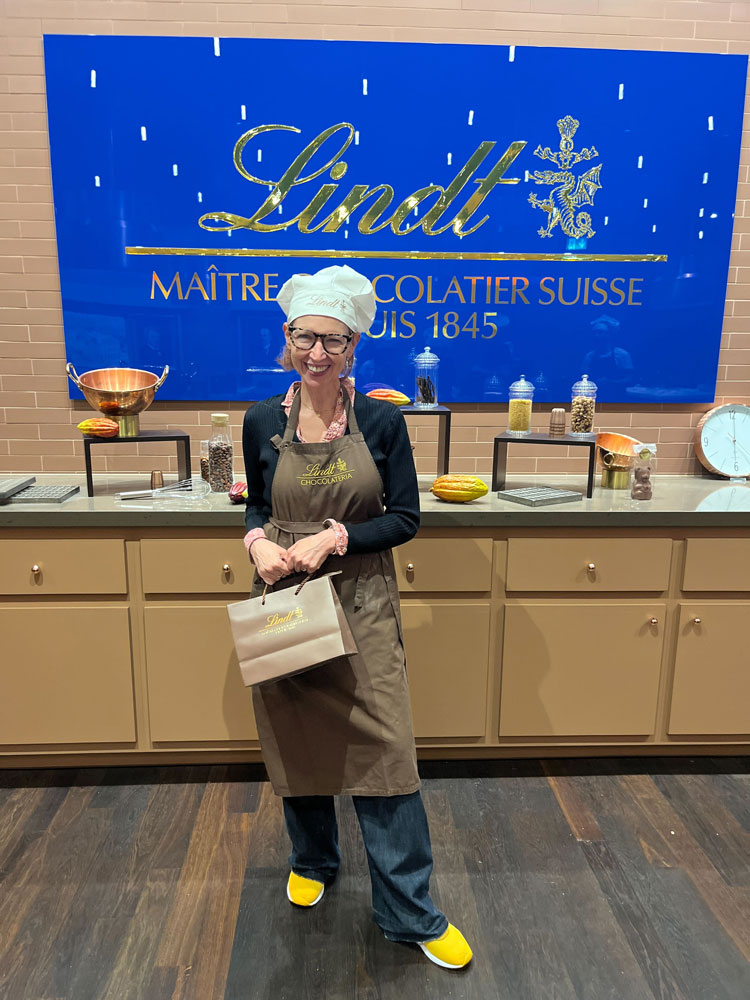
There are also classes, where guests can create “precious chocolate bars,” chocolate lollipops and figures, or champagne truffles. I had come to make my own version of Lindt iconic truffles, my own small scale models of the behemoth in the lobby. 

Lindt understands that its guests are not there for some Marcus in Copenhagen professional training session, but instead a bit of technically competent instruction with a high wow factor. And so, after leading our group into a pristine antechamber where we donned crisp toques and cocoa colored aprons, our chef gave the signal, and an enormous brown door opened to reveal a gleaming copper kitchen. There was actually a swell of music at this point, stirring the precise stir of “Am I in a movie?” emotion one gets when entering Disney World.

Inside, we were all given a tray of round chocolate shells, which we learned to fill with ganache, seal with meticulously tempered milk or dark chocolate, and gently enrobe in powdered sugar. The resulting drizzles and smears around my station confirmed that I’m not destined for a new career, but the raw materials assured the final product would still be epic. 

(Mary Elizabeth Williams)Throughout the class, our instructor talked about how the chocolate is kept smooth and at the right temperature, why certain chocolates from their brand will taste different depending on where they were manufactured (It’s the milk; it’s the cows; it’s the grass), the different shelf lives of our truffles depending on whether they are milk or dark chocolate, and how best to store chocolate. Keep it somewhere cool and dark, but avoid the refrigerator if possible to avoid picking up other food aromas and tastes, and to defray affecting the texture.

He also advised us to try one of our truffles immediately, and another in a few hours to note how the flavors meld and change over time. No one protested. I have eaten a lot of spectacular chocolate in my life, and I am not messing around when I say that when that freshly made champagne truffle hit the roof of mouth, I felt at one with the universe.

Later, as I gently plopped my truffles into a white cardboard box and clasped it shut with a gold seal, I considered how fitting it would be to bring the chocolates to share with my classmates on the first day. But that would have meant less for me, and I just couldn’t bring myself to do it. It didn’t matter, though. Every day since, there have been little plates of truffles and miniatures laid out along the conference table for us to nibble on while we do our work — assortments from Frey and Ragusa and, naturally, Lindt. We eat it all up. This is Switzerland, after all. They’ll make more. 


Dogs have a Lyme disease vaccine, so why don’t humans?

Growing up in rural Pennsylvania, I was often warned by adults to be careful of ticks if I ever played outside. Like so many other children, the main tick-related boogeyman that I was taught to fear was the dreaded Lyme disease. Readily identifiable by the angry red bullseye rash it often leaves on patients, Lyme disease can also cause severe headaches, fever, shooting pains, muscle and joint aches, facial palsy, which is drooping of one or both sides of the face, and nerve pain.

“There was previously a vaccine for humans (in fact one of the vaccines for dogs is very similar to the prior human vaccine).”

Lyme is also a disease for which — if you’re a dog — there is a vaccine. Humans, however, are not so lucky, which raises provocative questions about why we don’t have a cure for a disease that, according to some estimates, infects nearly half a million Americans each year. Yet COVID-19 vaccines were developed in less than a year from the virus first came to international attention.

Furthermore, the problem seems to be getting worse, as many experts agree that human-caused changes to the environment are likely to make ticks a big problem for humanity going forward. As such, it would seem necessary to at least explore the possibility of a human vaccine for Lyme disease. So what gives?

“There was previously a vaccine for humans. In fact, one of the vaccines for dogs is very similar to the prior human vaccine,” Dr. Linden T. Hu, a professor of immunology at Tufts Medical School, told Salon by email. Unfortunately, the human vaccine, which was called LYMERix, suffered from low sales due to the need for three doses and a yearly booster. It was eventually withdrawn from the market due to what the Centers for Disease Control and Prevention (CDC) described as “insufficient consumer demand.”

“There is still much to be learned about Lyme disease. It is a complex bacterial infection and we are still learning about all the possible complications that can ensue.”

Even if LYMERix had stayed widely available, however, Hu noted that the vaccine also suffered from “imperfect efficacy of protection and a concern that was raised over the possibility of the vaccine causing an autoimmune arthritis (which later proved to be unfounded.)”

Lyme disease expert Dr. Tania T. Dempsey wrote to Salon that the history of that vaccine and its difficulties has been widely discussed in medical literature, if for no other reason than in the two decades since the vaccine’s withdrawal “it has become apparent that Lyme disease cases are on the rise and there is an urgent need for a human vaccine.”

Dempsey outlined the three types of products being considered, including a Lyme vaccine called VLA15, which is now in phase 3 trials and “uses a similar method to the previous vaccine by targeting the outer surface protein A (OspA) of Borrelia burgdorferi, the bacteria that cause Lyme disease.”

Another, known as “Lyme PrEP,” is a “pre-exposure prophylaxis,” which means it offers protection before encountering the virus. It’s similar to a medication used for treating the HIV virus. Lyme PrEP is only at a very early stage of clinical testing. known as phase 1, but if it worked would be a monoclonal antibody that could be given to a person as a shot that kills the bacteria in a tick’s gut before the human is infected.

Finally, there is the 19ISP mRNA vaccine, also in an early stage of development, which makes it impossible for a tick to attach to a human by helping the immune system recognize a tick’s saliva and also causes enough sensation that the person is likely to notice being bit. Ticks are specially evolved to be extremely stealthy, so their victims may not notice being bit for days.

All three of these present different strategies for defending against Lyme, but many questions still exist about this enigmatic disease.

“There is still much to be learned about Lyme disease,” Dempsey pointed out. “It is a complex bacterial infection with different stages of effects on the human body and we are still learning about all the possible complications that can ensue.”

Indeed, Lyme disease may be an illness that a patient must reckon with for their entire life, developing chronic symptoms in what is known as Chronic Lyme Disease or Post-Treatment Lyme Disease syndrome.

“This is an area of controversy but recent research supports the presence of persister forms of Borrelia burgdorferi resistant to standard antibiotic treatment,” Dempsey explained. “There is currently an active search for new drugs or repurposing of old ones for targeting chronic, persister infection.”


Want more health and science stories in your inbox? Subscribe to Salon’s weekly newsletter The Vulgar Scientist.


“Vaccines will not affect the increase in geographic range we are seeing and the risks that people face year after year.”

Hu, while reiterating that the Pfizer human vaccine is in Phase 3 and is similar to the previously approved vaccine, added that for the new vaccine to succeed it “requires fewer doses and protects for longer than one year. Vaccines that prevent against other diseases that can be co-transmitted with Lyme disease would also be useful.”

One might also add that it needs to be capable of rapid mass production, analogous to what the United States pulled off during the COVID-19 pandemic. Experts already anticipate that as climate change worsens, ticks are going to expand their range — and tick-borne illnesses like Lyme disease will become more prevalent.

“Over the last 20 to 30 years, tick populations around the world have been expanding their geographic range, and the warming of the planet is prolonging tick season in many places causing an increase in the prevalence of tick-borne disease like Lyme disease,” Wendy Adams, research grant director at the Bay Area Lyme Foundation, told Salon by email. Indeed, there are practical consequences to how this expansion in the ticks’ range will impact the spread of the diseases that they so often carry.

“Since humans and dogs are not important to the lifecycle of the causative organism for Lyme, vaccines will not affect the increase in geographic range we are seeing and the risks that people face year after year,” Hu explained. “To affect those, we would need to control the infection in the ticks, mice and birds that carry the disease in the wild.”

Until that happens, humans need to follow best practices if they are bitten by a tick to protect themselves from any diseases that the insects may carry. Adams elaborated on what the Bay Area Lyme Foundations recommends once someone can confirm they have been bitten by a tick. First and foremost: Get tested.

“That way, you will know the potential pathogens that could have been transmitted, depending on the length of time the tick was attached,” Adams explained. “This is important because some pathogens are not treated by antibiotics, and they would require a different drug regimen. It’s important to note that ticks can be so tiny that they are missed, and sometimes the tick you see is not the one that infected you.”

Manchego: A cheese that is worth the pain

Life is about hierarchies. Everyone subscribes to some type of hierarchy, even the ones who swear they don’t. Mine goes: God, my wife, our daughter  — and then Manchego.Yes, Manchego. “Oh God, I am so thankful for Manchego,” is what I should be saying when I pray. 

A type of cheese ranking so high is weird for me because I shouldn’t have it. I have lactose intolerance, which means I can’t fully digest the sugar in milk. As a result, I sweat, get the bubble guts, cramp up and my belly rounds out like I swallowed a globe. But still, I eat Manchego as if it is on the verge of extinction.

I’m not a scientist but my basic observations have taught me that white people get way more excited when they see a piece of cheese than any Black person does and that is probably because Black people are more likely to struggle with dairy products. The Boston Children’s Hospital reported that “80 percent of all African-Americans and Native Americans are lactose intolerant.” 

And knowing this, I still chose Manchego, and will continue to do so. 

I met the cheese on a beautiful fall night at the Charleston, a fine dining restaurant in the Harbor East section of Baltimore. My wife, who was then my date, lit up like a liberal at a Birkenstock sale when the waiter made rounds with a glass case that was loaded with all kinds of cheeses of infinite shapes, colors and smells. “Is that…” her eyes gleamed,  jaw dropping to the floor, as she placed both of her tiny hands over her heart. “Is that Manchego?” she asked. 

“What’s Manchego?” I said, like a pedestrian, “Sounds gross, like a rare form of snot. Can I order another gimlet with you?” 

The waiter nodded. My wife rolled her eyes way up in her head. 

“Manchego is the best cheese you will ever have.” The server nodded in agreement again, placing a healthy hunk onto my wife’s plate.  She carefully carved a thin piece and aimed it in my direction. And I guess the stars were aligned, because I chose a wine pairing with my four-course meal that night and was already enjoying a full bodied red zin, one that paired perfectly with the rock of cheese I was about to consume. That first nibble felt like I had just bit into a piece of vacation. 

From that day, I continued to buy the expensive cheese and chipped off nuggets to enjoy with my wine–– red, white or whatever, it works. And then one day, I had a crazy realization, a vision that allowed me to see myself doing more with this cheese. Yes, it can be expensive. However, so is life and I should be working to enjoy it more. 

My journey started with eggs — I fried a few egg whites and applied some shaved Manchego as a self-melting garnish. Delicious. 

“I know you’re not using that expensive cheese on some eggs,” my wife said sniffing it out like a little Manchego addict.

I chose omission buried in laughter and the Houdini exit. “Have a blessed day, baby, I have to run to work!”

And then I tried this with sautéed spinach and opinions. Delicious again. And then on my grits, and on a burger (which I think the world should try). Then on a turkey sandwich and then once on a grilled cheese, even though that would be a habit no one could afford. And, of course, I keep eating it on its own. 

I’ve eaten it so much that I think it doesn’t even make me sick anymore either. That, or it’s so good that the cheese is worth the pain.

Prosecutors have messages linking Trump’s team to Georgia voting system breach

Prosecutors investigating potential shadiness relating to Trump’s team making efforts to fiddle with the 2020 election results in Georgia have gained access to text messages and emails proving that to be the case. 

According to a CNN exclusive that broke early Sunday,  “Investigators in the Georgia criminal probe have long suspected the breach was not an organic effort sprung from sympathetic Trump supporters in rural and heavily Republican Coffee County – a county Trump won by nearly 70% of the vote.” They’ve also “gathered evidence indicating it was a top-down push by Trump’s team to access sensitive voting software,” per sources familiar with the matter.

Per the outlet’s reporting, “the text messages and other court documents show how Trump lawyers and a group of hired operatives sought to access Coffee County’s voting systems in the days before January 6, 2021, as the former president’s allies continued a desperate hunt for any evidence of widespread fraud they could use to delay certification of Joe Biden’s electoral victory.” According to the text messages obtained by CNN, “Six days before pro-Trump operatives gained unauthorized access to voting systems, the local elections official who allegedly helped facilitate the breach sent a ‘written invitation’ to attorneys working for Trump. This letter of invitation was also shared with attorneys and an investigator working with Giuliani during this time. 

QAnon’s weirdest obsession: Why does the radical far right fear the Masons?

In my most recent nonfiction book, “Operation Mindf**k: QAnon & the Cult of Donald Trump,” I focused extensively on a “QTuber” named Rick Rene, because I viewed him then and now as the perfectly imperfect microcosm of the entire messed-up QAnon universe, which perceives the Democratic Party as an elaborate cover for Satanic/Masonic pedophiles seeking to transform the Earth into a “one-world government.”

In an email he sends out to all new subscribers, Rene relates his superhero origin story: “I’m a dad and a Christian and love the Bible. I used to fill my time teaching Bible classes at my church and coaching my kids in sports.” Then his son, he says, started sending him links to various online right-wing conspiracy theorists. They “seemed pretty out there,” Rene writes, definitely not material he was seeing “from the Mainstream Media or the News Apps on my phone.” But the more he listened, Rene says, the more he “became intrigued enough to research these ‘crazy theories,'” or, in the now-familiar phrase, to do his own research. Rene claims he didn’t vote for Trump in the 2016 Republican primary (another familiar theme) but soon had “taken ‘the red pill,'” which in QAnon speak means choosing to believe that everything Donald Trump says is true, along with a lot of other implausible things Trump doesn’t quite say. 

Rene no longer teaches Bible classes at his church. Instead, he advocates for the destruction of American intelligence agencies. In his Sept. 30, 2021, episode, Rene casually said of the FBI that we need to “blow it up and start over again from scratch!” On July 6, 2021, he waxed poetic about what he hoped would be the imminent destruction of the Washington Monument and the Statue of Liberty. 

Why would a purportedly churchgoing, God-fearing Texas patriot pray for the violent destruction of such American landmarks? Because he and thousands of other evangelicals believe they were secretly constructed by Freemasons, who are essentially Satanists, and therefore must be obliterated. 

This rhetoric has led not just to increased threats against such landmarks but to actual acts of destruction. On July 6, 2022, a curious monument known as the Georgia Guidestones (often referred to as “America’s Stonehenge”), one of that state’s most popular tourist attractions, was largely destroyed in a late-night bombing under the cover of night. That came just a few weeks after Republican gubernatorial candidate Kandiss Taylor (whose red, white and blue campaign bus was emblazoned with the slogan “JESUS GUNS BABIES”) had announced that destroying the “Satanic” guidestones was a key element of her platform. 

Stonehenge was built by pagans, the Washington Monument was built by Masons and the Statue of Liberty was built by the French. All are Satanic (according to QAnon theory) and must be destroyed.

An AP news report on the Georgia bombing quoted Katie McCarthy of the Anti-Defamation League observing that conspiracy theories “do and can have a real-world impact. These ideas can lead somebody to try to take action in furtherance of these beliefs. They can attempt to try and target the people and institutions that are at the center of these false beliefs.”

Rene could barely contain his exuberance while commenting on the Georgia bombing in his podcast the next day. It was “exciting,” “amazing” and “awesome,” he declared, and despite security camera footage showing a man placing an object at the base of one of the stones, it might not have been a bombing at all. 

Guys, this is, to me, just awesome, particularly if this ends up being lightning or something natural versus a bombing to show that God is not putting up with this. He told us he’s going to take these down, and He is going to. … This is the blessing, guys. We see these [prophetic] words coming true. … I believe the Stonehenge of Europe will be on the horizon as well, the Washington Monument, the Statue of Liberty, and many, many other things in the D.C. area will be destroyed.

Let’s try to untangle the logic here, if that’s even the word for it. Stonehenge was built by pagans; therefore, it’s Satanic and needs to be destroyed.

The Washington Monument was built by Freemasons; therefore, it’s Satanic and needs to be destroyed.

The Statue of Liberty was built by the French; therefore, it’s Satanic and needs to be destroyed. 

Ironically enough, the Georgia Guidestones were apparently conceived by an Iowa doctor with far-right beliefs about race and religion. QAnon folks like Rick Rene and Kandiss Taylor either don’t know that, don’t believe it or don’t care. No one has ever accused extreme right-wing conspiracy theorists of being good at understanding actual history.

*  *  *

Rick Rene’s obsession with eliminating “Masonic monuments” is by no means unique. I’m not exaggerating for effect or trying to be funny when I say that people who believe as Rene does think that Freemasons are perhaps the most destructive and poisonous influence infecting America today. Anti-Masonic prejudice, while a 19th-century hangover in many ways, is still common among certain strata of evangelical Christians, and this fear is being actively stoked by the QAnon movement. Those who hold antisemitic beliefs are often anti-Masonic as well, since they believe that Kabbalism, or Jewish mysticism, is a central pillar of Freemasonry. 

Adolf Hitler explicitly attacked “Jewish Freemasonry” in his infamous manifesto “Mein Kampf,” and according to the U.S. Holocaust Memorial Museum, Nazi policy toward the Freemasons moved rapidly from discrimination to outright elimination. It was at first limited to merely excluding those who refused to sever their Masonic connections but soon ramped up to far more aggressive measures. By 1935, even conservative Masonic lodges that had promised loyalty to the regime had been dissolved and had their assets confiscated. 

Nazi propaganda continued to link Jews and Freemasons; Julius Streicher’s virulent publication Der Stürmer (The Assault Trooper) repeatedly printed cartoons and articles that attempted to portray a “Jewish-Masonic” conspiracy. Freemasonry also became a particular obsession of the chief of Security Police and SD, Reinhard Heydrich, who counted the Masons, along with the Jews and the political clergy, as the “most implacable enemies of the German race.” In 1935 Heydrich argued for the need to eliminate not only the visible manifestations of these “enemies,” but to root out from every German the “indirect influence of the Jewish spirit” — “a Jewish, liberal, and Masonic infectious residue that remains in the unconscious of many, above all in the academic and intellectual world.”

The Nazis mounted anti-Masonic exhibitions in Paris, Brussels and elsewhere in occupied Europe. Wartime Nazi propaganda claimed that a Jewish-Masonic conspiracy had provoked World War II and was behind the policies of Franklin D. Roosevelt.

To this day, conspiracy theorists such as Holocaust denier Michael A. Hoffman essentially believe that the Freemasons are the puppet masters of the New World Order, the Jews are the puppet masters of the Freemasons, and both groups worship Satan. Satanism is, of course, running rampant in the modern world.

We need your help to stay independent

More than 20 years ago, I ordered one of Hoffman’s self-published pamphlets about a series of alleged assassinations he blames on the Masons. The supposed victims were Capt. James Morgan, an anti-Masonic writer who disappeared under mysterious circumstances in 1826; Joseph Smith, founding prophet of the Church of Jesus Christ of Latter-day Saints (aka the Mormons); and Edgar Allan Poe. I was somewhat able to follow Hoffman’s fractured account of the first two alleged murders, but his accusations regarding Poe’s death are another story. His central evidence seemed to be Poe’s famous story, “The Cask of Amontillado,” in which a man named Montresor bricks up a drunken man named Fortunato, evidently an old friend, behind a wall of masonry. According to Hoffman, the Freemasons interpreted this parable as an affront and decided to get back at Poe by murdering him three years after the story was published. 

Why did the Masons murder Edgar Allan Poe (according to one conspiracy theory)? The answer lies in “The Cask of Amontillado.”

I wrote Hoffman a letter asking him to explain this evidently unhinged notion, claiming that I was a professor at Cal State Long Beach and that my academic colleagues were skeptical about his claims. That wasn’t true. I wasn’t even a student at the school then — but ironically enough, I actually am a professor there now. I suppose I shouldn’t have bothered, but Hoffman’s response was instructive: He wrote back an extended rant about the stupidity of college professors and claimed he had adequately explained the whole thing and no further elaboration was necessary. He did not, of course, offer any concrete evidence that the Masons had murdered Poe.  

If you’re thinking that someone like Hoffman is a fringe character at the outermost edge of the far right, well, sure. But the fact of the matter is, such people are not as fringe as they used to be. Once upon a time, this kind of quasi-Nazi paranoia was only found in DIY ‘zines and on the dark web. QAnon changed all that, galvanizing the lunatic fringe and propelling its views into the mainstream of the Republican Party. Threats of violence against Freemasons, and acts of vandalism against their lodges, have increased considerably all over the world during the last few years. Consider these examples, all drawn from an eight-month period:

On July 10, 2022, a Tennessee firefighter set a Masonic lodge on fire. Two weeks earlier, on June 27, a man broke into the Scottish Rite Masonic Center in Houston and held two men hostage, claiming, according to a local news report, that “he wanted to talk to them [the Freemasons] about their belief system.”

Less than a month before that, on June 2 or 3, two large sphinx sculptures located at the entrance of the Scottish Rite Temple in Washington, D.C., were “severely damaged” and smeared with “filth.”

The Masonic temple in San Bernardino, California, was heavily damaged in an arson fire on March 13, 2022 — after nearly being destroyed in another arson attack just over a year earlier. A few weeks earlier, on Feb. 18, a man was arrested for vandalizing Masonic lodges across central Illinois, causing “massive damage.”

In an especially instructive example across the Atlantic, on New Year’s Eve of 2021, someone tried to burn down the Grand Lodge of Ireland. Anti-vaccination graffiti was spray-painted on the sidewalk directly outside. According to the Irish Times, “The graffiti is understood to be a reference to mRNA, the technology used in some Covid-19 vaccines.” Philip Daley, grand secretary of the lodge, told the newspaper that there had been previous demonstrations by anti-vaccination activists outside his hall and other Masonic halls in Ireland. “The view is that we created the virus and we are part of the new world order and we have to be stopped,” he said.

*  *  *

Christopher Hodapp, author of “Heritage Endures” and other books about Masonic history, has expended considerable effort on tracking perpetrators of anti-Masonic crimes as well as professional agitators who spread anti-Masonic propaganda. In a Feb. 15, 2022, blog post, Hodapp wrote about Pastor Greg Locke of Tennessee, “who regularly urges his audiences to ‘destroy everything Masonic,'” and had recently held a book-burning event in Florida, “consigning ‘Harry Potter’ and ‘Twilight’ books to the flames (along with, by the way, ‘Fahrenheit 451,’ with absolutely no sense of irony whatsoever). Declaring Freemasonry to be Satanic … his anti-Masonic rant from that event has been endlessly forwarded” on social media.

As a Religion News article explains in depth, Locke also claimed he had identified a group of “full-blown, spell-casting” witches within his church, two of them members of his wife’s Bible study group. “In recent years Locke has used his sermons to attack LGBTQ people, accuse Democratic politicians of child abuse, spread claims about election fraud, denounce vaccines and claim that the COVID-19 pandemic is a hoax,” the article continued.


Want a daily wrap-up of all the news and commentary Salon has to offer? Subscribe to our morning newsletter, Crash Course.


All of this brings us to perhaps the main reason Freemasons and Democrats are so often accused of being pedophiles by these unhinged conspiracy theorists. As I wrote in “Operation Mindf**k,” “Among corporations and intelligence agencies — not to mention certain high-profile political figures — it’s standard operating procedure to accuse your opponents of offenses you yourself are committing.” For the sake of completism, I should have added “churches” to the list. 

Considering the sexual abuse scandals within the Catholic church and the Southern Baptists, I find it strange that so many Christians are concerned about Freemasons and Shriners and “the Illuminati” molesting their children.

Considering the massive scale of the sexual abuse scandals within the Roman Catholic Church and the Southern Baptist Convention — by far America’s two largest religious denominations — I find it strange that thousands of supposedly devout Christians are so concerned about Freemasons and Shriners and “the Illuminati” molesting their children. How many documented cases of child abuse involving Freemasons are there, and how does that compare to the documented cases of child molestation among the Protestant and Catholic clergy? If you’re one of those God-fearing, churchgoing “digital warriors” who yearns to help Q and his cohorts wipe out all the demonic pedophiles behind the U.S. government, you are statistically far more likely to find a pedophile abuser preaching the gospel behind a pulpit on Sunday morning than among the modest crowd eating potato salad in a Masonic Lodge on a random Monday night.

To be fair, not all the anti-Masonic perpetrators and agitators mentioned above can be identified as white racists or Christian nationalists. That’s part of the genius of QAnon, from a propaganda standpoint. This particular conspiracy theory has successfully repackaged hundreds of years of antisemitic and anti-Masonic disinformation into a secular religion that extends its influence among all sorts of people who would never spend 10 seconds listening to a religious fanatic like Pastor Locke.

 In a recent interview with the Times Union of Albany, New York, historian Mitch Horowitz, author of “Occult America” and “Uncertain Places,” observed that “with the advent of QAnon, we may be a whisker away from a new Satanic Panic”:

That movement swept the United States and Britain in the 1980s and early ’90s on account of a cultural myth and canard that child-sacrificing Satanic cults were at work. In time, and after some really tragic and disruptive criminal trials and false accusations, media coverage exposed the Satanic Panic as a widespread hoax and a kind of cultural spasm. It may have been a reaction against changes in the workforce and the economy, in particular women entering the workforce en masse, and people turning to childcare centers and other alternative forms of daycare.

This theme has reasserted itself through the work of Alex Jones and people adjacent to the QAnon movement, and it’s now commonly encountered online. And despite the news coverage and the widespread debunking of the Satanic Panic, we seem to be going through this cultural amnesia in which we’re revisiting it.

*  *  *

Every weekday afternoon, on the Los Angeles talk-radio station KFI, a pair of  conservative hosts named “John and Ken” take to the air to berate what they perceive to be the ultra-liberal views of “hack, snowflake Democrats.” I’ve listened to John and Ken intermittently for the past 20 years, and I’ve never heard John admit to being wrong about anything.

Sometime in August of 2020, when my five-part series about the madness of QAnon began appearing on Salon, John expressed frustration and confusion as to why anyone would waste time writing about the subject. The people who had burrowed deep into QAnon conspiracy theories, he said, were basement-dwelling “morons” who couldn’t have any effect on the real world and certainly not on national politics.

On Jan. 7, 2021, I heard John admit that he had been badly wrong about that one. 

In the months before the 2020 election, pundits on both the left and the right were encouraging “reasonable” people to ignore QAnon. Among the many comments posted by Salon‘s readers in response to my initial articles were numerous pleas that I should stop drawing attention to all this silly, right-wing gooney-bird nonsense. Didn’t I know I was just giving voice to a despicable cause?

Not long ago, I received a message via my website directed to “the dude who wrote ‘Cryptoscatology: Conspiracy Theory as Art Form,'” which would be me. The correspondent was concerned that “the PTSD of the Trump Admin sure seems to have driven you into the arms of DNC group-think conformity” and went on to claim that Q followers were “victims of state abuse, their good intentions weaponized against them, and they should be pitied for their gullibility and lack of media sophistication. The belief that they represent our national demons, or god forbid a domestic terror threat, is a divisive tool that distracts from the actual powers that threaten the Bill of Rights, among many other things.”

While I agree with this person’s concluding claim that “sh*t is not normal,” the message was accompanied by a link to a nonsensical 20-minute video that attempted to convince its viewers that Ashli Babbitt’s death during the Jan. 6 Capitol riots was “a charade staged by law enforcement actors.” The windows of the Capitol building, according to the video, were made of “Hollywood glass” — they broke far too easily after being smashed by hordes of enraged Christian patriots! — and the blood seen on Babbitt’s face after she was shot could only have been the result of “a Hollywood squib.” 

This was very likely another example of a conspiracy theorist getting lost in the ethereal hall of mirrors known to many students of the genre as “Chapel Perilous,” a hazard I warned my readers about in the introduction to “Cryptoscatology,” the same book this correspondent had apparently enjoyed. Had this person trapped themselves in a labyrinth with no exit? I wouldn’t be surprised. QAnon has been a dead end for many “digital soldiers,” the five-star roach motel of embittered conspiracy buffs. 

*  *  *

Full disclosure: I became a Freemason in 2002 and a 32nd Degree Scottish Rite Freemason in 2004. Ever since, I’ve been amused and bemused by the emotions that people display when the subject comes up. First of all, most people have never heard of Freemasonry, but those who have generally react as if they’ve just discovered I was a member of House Slytherin. Either they know almost nothing about the subject, or what they think they know has been so distorted by misinformation and disinformation that it might as well be fantasy.

Most people have never even heard of Freemasonry, but those who have often react as if I’d told them I was a member of House Slytherin.

According to Jay Kinney, co-author of “Hidden Wisdom: A Guide to the Western Inner Traditions,” “Freemasonry as it evolved in the 18th century was influenced by the Enlightenment and … incorporated the emerging ideas of brotherhood, freedom of thought, and freedom of association.” Maybe that’s a simple explanation as to why so many authoritarians and outright fascists have been so hostile toward Freemasonry and its traditions throughout the years.

Several years ago, a woman asked me with complete sincerity if Freemasons really controlled the world from behind the scenes. One of my students told me that he’d always assumed Freemasonry was connected to white supremacy. I told him that well over 90 percent of my lodge were people of color. I don’t think he believed me. But after Donald Trump was elected president, I began to notice a radical tonal shift in these anti-Masonic attitudes. 

In 2015, I interviewed my friend Richard Schowengerdt, a longtime Mason who was a Defense Department engineer for more than 50 years. Where did the intense bigotry against Masons come from, I asked him? After all, the supposed “secrets” of Freemasonry haven’t been secrets for a long time; you can read about them in any number of books and online sources. Richard told me that 

The governments of many countries were afraid of Masonry because it openly taught freedom and the concepts of the Renaissance, freedom of thought and all of this, and I’d say more than 50 percent of it was political. The leaders of these countries were afraid of Masonry, that it would take away their power and eventually they would crumble, you know? Through the Renaissance and the upheaval of Protestantism, through Martin Luther and all that, Freemasonry changed the world. Masonry and a lot of the esoteric groups were associated with people like Martin Luther and anyone who might upset the Roman Catholic hierarchy. … [T]he other half of it was, there were some fears such as you’ve mentioned: the occult and practices that were considered to be devilish, but almost all of this was fabricated by people who were dead set against Masonry and wanted to discredit it in any way they could find.

The most paranoid anti-Masons I’ve encountered, either online or in the real world, have never bothered to speak to a Freemason. Their attitudes are based on misinformation they’ve absorbed through the internet thanks to extremist platforms like 4chan and 8kun, where QAnon and other 21st-century right-wing ideologies were born.

One of my creative writing students at CSU Long Beach — who admitted that he spent much of his free time burrowing into internet rabbit holes devoted to dubious conspiracy theories — told me that he and two friends had attempted to attend a Masonic Lodge meeting despite not being members. They had even rented tuxedos in hopes of slipping past the imaginary dragons at the gate, but even so their infiltration was not well planned. When they arrived, they were informed by the sole Mason in the building that monthly meetings were still being held remotely. He then gave them the code for the Zoom meetings, so they could follow along from home. 

“So we went home and managed to enter the Zoom meeting,” my student told me in hushed tones. “It was incredible! These Masons kept talking about a ‘chili cookout’ they were planning in some remote park out in the middle of nowhere. We knew ‘chili cookout’ had to be code for something else, but we couldn’t figure out what. That’s why that old Mason guy gave us the code to crash the meeting. He knew we couldn’t figure it out! We think it had something to do with Pizzagate, like maybe ‘chili cookout’ was code for some weird pedophilia ritual. What do you think?”

I didn’t even bother to tell him that I was a Mason, and that sometimes — in fact almost always — a chili cookout is only a chili cookout. He wouldn’t have believed me anyway.

Jenna Lyons brings introvert representation to “The Real Housewives of New York City”

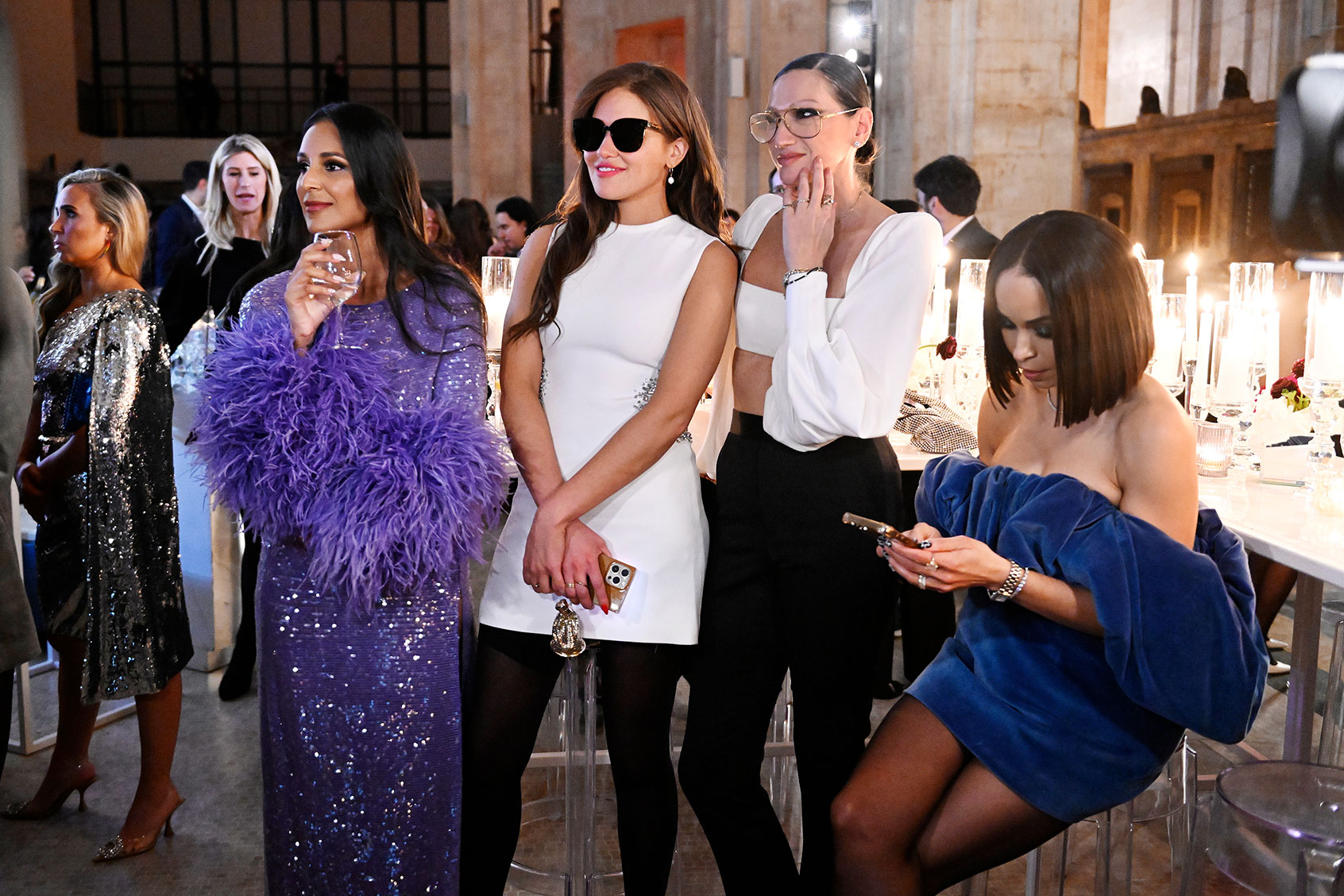
Bravo’s “Real Housewives” has reached its “Real World” era. Having based seasons in most major cities, the show has come back around to eat its tail by way of the franchise’s first reboot, recasting “The Real Housewives of New York City” with a younger and far more diverse cast of apple holders looking to take a bite out of the previously established format. But for one new addition to Season 14 — former J.Crew big wig and current LoveSeen businesswoman Jenna Lyons — the experience has proven to be less palatable compared to that of her five co-stars, due in large part to the fact that she’s not only “RHONY’s” first out lesbian, but the first introvert to brave the ratings-mandated demand for getting in the mix and cementing your position therein through pot stirring and chitchat. So much chitchat. Which, as any introvert knows, results in a desperate need for alone time in order to recharge an internal battery that reality TV is not designed to be considerate of. 

She was never given an example of how to be an open or social person, so she tends to keep to herself to avoid awkward situations.

As she’s said herself, both in the season’s first few episodes, as well as in related press, it’s somehow easier to balance a high-profile career and low-key personality when she’s operating on her own schedule, under her own terms. Being under contract to socialize on demand while the cameras are rolling is quite another thing. The twist is, while she appears visibly pained in many scenes to be doing so, she’s not only providing representation for the queer community — a noted benefit of taking the gig in the first place — but for other introverts around the world who are watching her and thinking, “I see you, Lyons. I feel your pain.” 

As an introvert, I can easily put myself in Jenna’s shoes, although I’d never be able to afford them. Having lived and worked in half a dozen cities, New York remains my favorite because it affords the unique ability to disappear in a crowd. Compared to other places I put in time — take Olympia, Washington for instance — benefits like more affordable housing and less crowded sidewalks don’t outweigh introvert deterrents like tight-knit communities *shudder* and dealing with a smaller population, which often results in a greater chance of more people being all up in your business. In New York, you can fuel your social battery just by walking to the subway and then retreat back to your apartment building, cohabitated by neighbors you — in shared, peaceful agreement — have never met.

Throughout her career, and what she’s publicly shared of her social life, Jenna seems to have learned how to reap the benefits of such an introvert-friendly city, but as a part of “RHONY” it’s abundantly clear that “to each their own island” has different meaning to the extroverted ladies she shares screen time with. For them, NYC is a place to be seen. For Jenna, it’s a place to hide in plain sight. As the season progresses, we see her struggle to keep up walls that Bravo’s formatting is designed to take down as she grapples with navigating an element of the city she can no longer retreat from, lest she be exposed as being “different” and receiving more attention for that fact when she’s already uncomfortable with the amount she’s receiving in the first place.


Want a daily wrap-up of all the news and commentary Salon has to offer? Subscribe to our morning newsletter, Crash Course.


Appearing on a segment of “The View” in July, Jenna talked about growing up with a mother who was diagnosed late in life with Asperger’s Syndrome, describing her often cold demeanor as being a factor in her own difficulties with making friends. To hear her describe it, she was never given an example of how to be an open or social person, so she tends to keep to herself to avoid awkward situations. When asked by one of the hosts if the experience of being on “RHONY” helped her to learn how to form friendships, she said, “Not at all.” 

“I thought I was gonna do better,” she went on to say. “I was at the helm of this very large company. I’ve worked with a lot of people. But what I realized was that I paid all of those people. It’s really different. Everyone listens to you and likes what you say when you pay them. This has been a very different experience for me. I’m not good in groups.”

The Real Housewives Of New York CityJenna Lyons and Sai De Silva in “The Real Housewives Of New York City” (Charles Sykes/Bravo)In an essay for Oprah Daily, she mentions being diagnosed at seven months with a rare genetic disorder called incontinentia pigmenti as being another factor that contributes to her feeling the need to isolate, as she spent so much of her life being bullied for it. She writes, “Some people have neurological damage. I have bald spots, scarred and hyperpigmented skin (especially behind my knees and under my arms), and almost no eyebrows or eyelashes. Maybe worst of all are my teeth. Until 10th grade, when I had veneers bonded onto them, I only had about 13 very small, cone-shaped teeth, and huge gaps in the rest of my mouth.” She’s since paid a great deal of money to get a whole new upper set of teeth, which she requested be modeled after those of the actress Julianne Moore.

Just like the experience of living in New York is different for introverts than it is for extroverts, the experience of watching Jenna in Season 14 is different as well. Identifying a great deal with her personality, and where she’s coming from, I can pick out her introvert “tells” like one would a poker player’s. Diverting attention by asking questions of someone else, thus steering the conversation elsewhere. Going to the bathroom alone while at a restaurant to steal a quick recharge. Touching her face a lot because she doesn’t know what to do with her hands. You’d have to know it to spot it. Watching Jenna suffer through a girl’s trip is like watching someone change a tire for the first time with no instruction. Her castmates can’t relate to any of this, and the friction caused there is one of the most compelling aspects of the season. It also lets introverts like me know that if she can very obviously hate all of this so badly, and still do it. We can too. Maybe not with this large of an audience, but like, in general.

Is it strange? Or is it charming?

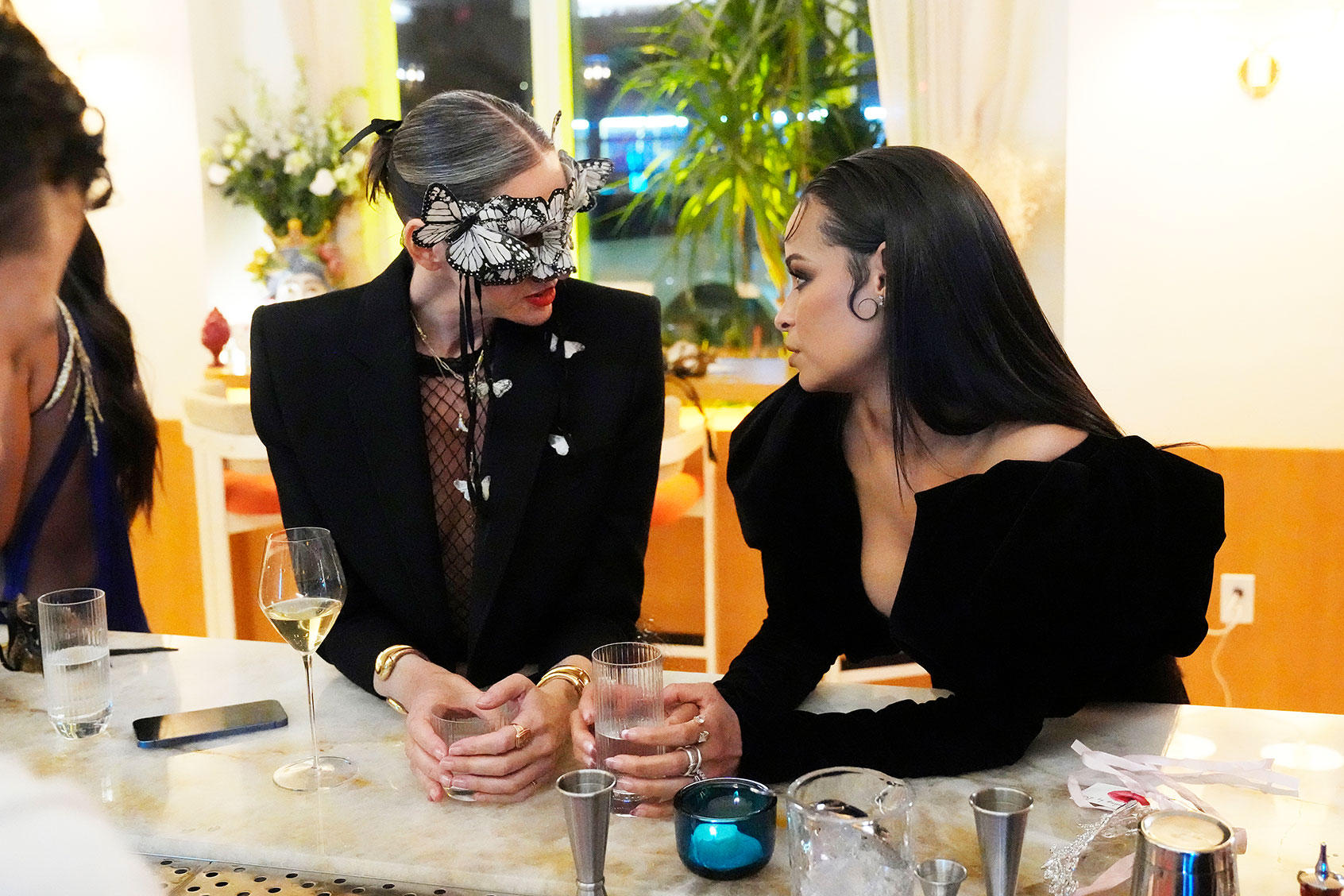
In the first episode of the season, “New Era, New York,” Jenna visits castmate Jessel Taank at her house and, if judging by my own experience in doing such a thing — which an extrovert wouldn’t give an extra thought to as an everyday, non-taxing event — she likely had to go home and take a long nap afterward. While there, she flips that switch that most introverts are able to switch for a fixed amount of time to be social, because that’s what was required of her to make it through smoothly. She meets Jessel’s husband. She cracks jokes to give the illusion of being comfortable. And at one point she grabs an Oreo out of a jar in the kitchen and munches on it while speaking. Like a crack in the Matrix, this last bit could have gone one of two ways. Is it strange? Or is it charming? You see Jessel and her husband exchange looks over this and there’s a moment of tension before they decide to laugh. Charming. It’s charming. Oh good. Jenna’s safe. But, again, based on experience, I can almost guarantee that she thought about this moment later, wondering if she’d made a mistake. Worrying about it. She loses her footing a bit again when meeting Jessel’s mom, taking a bit too much comfort in her warm embrace and visibly welling up behind the eyes as she walks away. “Your mom’s awesome,” she says. Later, she admits that she wished she’d had one just like her. 

The Real Housewives Of New York CityJessel Taank, Brynn Whitfield, Jenna Lyons and Sai De Silva in “The Real Housewives Of New York City” (Noam Galai/Bravo)“Most girls in this group think that Jenna Lyons is a total enigma,” Erin Lichy, this season’s Jill Zarin-esque member says in a confessional tied to Jenna hosting a get together at her own apartment. “She does weird, like, quirky things. Like, she doesn’t like dill but she loves parsley. She loves olives, but not the black ones . . . she’s a little bit of an oddball.” All examples of being “quirky” that only an uber-normal person could make. Someone who has never encountered a truly weird thing in their life. 

Jenna’s struggles are seen in each following episode. In Episode 2, “Oh Christmas Tree,” she gets grief for fleeing Erin’s vacation home in the Hamptons in the middle of the night without saying goodbye. Returning the next morning with coffee and the excuse that she needed to be up early for a call. I bet that night alone felt amazing. It also reminded me of a camping trip I took with friends about 10 years or so ago where I left our shared tent in the middle of the night to sleep in the car, just to be alone. Again, I get it. In other instances throughout, she fiddles with her phone while others are yakking away and is always just a bit on the outskirts. Present. But ever so distant.

As the season goes on, it will be interesting to see the rifts just being herself causes. Difficult for her to have lived through, sure. But refreshing for introverts, or anyone really, in a vulnerable way we haven’t seen since the days of Carole Radziwill in her stint on the original “RHONY.” With such close familial proximity to The Beales of Grey Gardens (she was once married to the son of Lee Radziwill, Jackie Bouvier Kennedy Onassis’ sister. Jackie was a cousin of Edith Beale) you’d have thought “Housewives” reached its eccentric peak with her. But with further peeling of the apple, we now have Jenna, our introvert queen. Let’s hope she sticks around for Season 15. And if she can’t bear to continue, at least we got this one extreme crash course in faking it to make it, not when it comes to business, but in going toe to toe with professionally social people and coming away drained, but still chargeable. An introvert’s definition of resilience.

Marjorie Taylor Greene’s campaign manager to pay $25k for Ohio train disaster scam

A settlement announced earlier this week calls for Isaiah Wartman, manager of  Rep. Marjorie Taylor Greene‘s 2020 campaign for Congress, to pay restitution in the amount of $25,000 for misappropriating funds donated to the victims of February’s East Palestine train derailment. 

According to The Guardian, Wartman and his business partner Luke Mahoney benefited from the fraudulent Ohio Clean Fund, which raised $149,000 in funds that were expected to go to the Second Harvest Food Bank of the Mahoning Valley — giving only $10,000 and pocketing the rest. Per the outlet’s reporting, ” [they] must each pay $22,000 in restitution as well as $3,000 in investigative costs and fees as part of a settlement with the Ohio attorney general’s office, which prosecuted the case. Meanwhile, the settlement calls for a co-founder of the fake charity, Michael Peppel, to pay a $25,000 civil penalty and be banned from starting, running or soliciting for any charitable organization in the state.”

“I have said from the beginning that we will continue to fight for the people of East Palestine, which is exactly what we did here,” Ohio’s attorney general, Dave Yost said in a statement. “These scammers preyed on generous donors to try to line their own pockets, but ultimately were stopped and shut down.”

Long COVID is devastating and far from rare. As infections rise again, why are we still ignoring it?

On May 11, 2023, the federal public health emergency declaration for COVID-19 came to an end. Only a few months later, and cases are already starting to surge across the country again . This decision was made despite emerging science surrounding long COVID – a condition in which symptoms of the disease linger for months or even years. While the general public ignores and downplays the risk of SARS-CoV-2, the virus that causes COVID, long COVID may well prove to be one of the biggest health problems of the 21st Century, presenting a real risk that a secondary pandemic of chronic illness will be overlooked.

While things seem to be getting back to normal for most people, those with long COVID are still suffering – and this suffering will likely continue on indefinitely if nothing is done to change course.

As previously reported by Salon, an alarming scientific pattern is revealing itself across intersecting areas of research, which suggests that long COVID could be linked to neurodegenerative diseases like Parkinson’s – having to do with the misfolding of alpha-synuclein proteins in the human nervous system. This misfolding is possibly triggered by an initial COVID infection and can lead to unwanted accumulation of alpha-synuclein and the formation of Lewy bodies, resulting in neurological disorders.

It’s imperative that we follow this trail of science all the way through to the end. We can hope it’s disproved, but ignoring it will leave us headed in the direction of disaster: debilitating, chronic, irreversible health conditions — or what some are calling a “mass-disabling event.”

However, as a result of the Public Health Emergency Act expiring, COVID research and tracking has become more difficult. Coverage for tests, contact tracing, research funding, data reporting – it’s all been thrown out the window, along with what little COVID precaution was left. Yet every COVID infection still puts an individual at risk of developing long COVID – which, according to the data, is increasingly likely among the less vaccinated and the more times you’ve contracted the virus.

It remains unclear whether certain COVID variants have greater potential to cause long COVID, but what is clear is that long haulers (people with long COVID) often report symptoms that line up with what those going through the prodromal (subclinical) phases of various brain diseases describe – meaning that long COVID patients are quite possibly experiencing the early stages of neurodegeneration.

Long COVID patients are quite possibly experiencing the early stages of neurodegeneration.

Take, for example, the prodromal stage of Parkinson’s disease, which can last for decades prior to clinically-diagnosed Parkinson’s. Before diagnosable motor deficits emerge, prodromal Parkinson’s patients (though standard practice in medicine can’t officially recognize them as such) report symptoms like loss of smell, autonomic dysfunction (POTS, hypertension, hypotension, etc.), loss of sensation in the skin (small fiber neuropathy), gastrointestinal issues, urinary dysfunction, visual anomalies (retinal microvascular alterations), depression/apathy, sleep disorders, hormonal changes, and microclotting (amyloid fibrin microclots), among others.

These symptoms are often only recognized in connection with neurodegeneration retrospectively, after an official Parkinson’s diagnosis, and correlate with increased risk of cardiovascular disease, diabetes and certain autoimmune diseases.

According to the National Institutes of Health (NIH) more than a decade ago (2011), 98.8% of Parkinson’s patients interviewed in a study reported experiencing strange (prodromal) symptoms for an average of 10.2 years prior to receiving their initial Parkinson’s diagnosis, which is consistent with Braak’s hypothesis suggesting that Parkinson’s is triggered by the inhalation of a pathogen like a virus or toxin.

Yet today, prodromal Parkinson’s patients still can’t get diagnosed until developing the characteristic motor deficits of clinical Parkinson’s disease. This precludes them from treatments and therapies that could possibly prevent or delay the progression of the disease, or at least ease their suffering. Instead, their symptoms are dismissed and overlooked due to the lack of a detectable underlying biological mechanism. Essentially, they are told that the symptoms are in their head or unrelated to a more serious condition.

The parallels between the early Parkinson’s symptoms outlined above and the symptoms reported by long COVID patients are undeniable.

This is a clear failure of the medical community, as it leaves patients feeling lost, without a course of action. The root cause of their symptoms, as is the case for all early-stage synucleinopathies (diseases involving misfolded alpha-synuclein), can’t be detected by standard diagnostics tools. And as diagnoses can’t be made by doctors based on patient testimony alone, there are limited systems in place to effectively tackle the problem.

The parallels between the early Parkinson’s symptoms outlined above and the symptoms reported by long COVID patients are undeniable. Although few want to admit it, these parallels likely go beyond two sides of the same coin. If the evidence bears out, then long COVID and prodromal Parkinson’s could be the same side of the same coin. To be blunt, this means that long COVID patients may actually be miscategorized early-stage Parkinson’s patients.

But rather than entertain the idea that the consequences of COVID are far from over, we have collectively chosen to avoid the discussion of what could be causing long COVID. Sure, there’s been plenty of reporting done on the personal and harrowing stories of those with long COVID – it’d be hard to avoid the topic altogether when there are millions out of the workforce due to long COVID – but, rarely, if ever, is a scientific explanation for long COVID proffered in plain language to the general public.

There’s a reason as to why this science isn’t being widely discussed. The hyper-politicization of COVID, brought about by then-President Trump at the pandemic’s onset, coupled with years of pandemic fatigue, has made it a largely untouchable issue.


Want more health and science stories in your inbox? Subscribe to Salon’s weekly newsletter The Vulgar Scientist.


This suppression of science is taking place across all levels of government and on both sides of the aisle, but for different reasons. Politicians have no desire to raise more alarm about COVID. On the Left, politicians risk being labeled alarmist, paternalistic or weak. Even popular left-leaning commentators like Bill Maher have been outspoken critics of the COVID response – a sentiment shared by a vast swathe of Americans who want their children in school, the freedom to enter a store without a mask and the security of employment without vaccine mandates.

And on the Right, politicians who are generally all too willing to use fear to drum up outrage and support won’t touch long COVID – despite how scary the link to Parkinson’s might be – because it goes against the narrative they’ve pushed from the beginning: that reacting to COVID does more harm than good. So, that makes long COVID an issue that neither party wants to address. Better to secure your seat for the next election cycle, appease your constituents, then add to the basket of innumerable problems our country is already facing.

The decision to end the public health emergency gave license to individuals, companies and countries to stop caring about COVID.

The medical community has largely done the same thing: appease and equivocate. Just as prodromal Parkinson’s patients would almost surely prefer to be diagnosed early on, even if there’s nothing to be done in terms of treatment, than get bounced around the medical system for a decade, from specialist to specialist, before finally developing the necessary symptoms to be taken seriously, long haulers would greatly benefit from gaining a scientific understanding of what’s causing their symptoms. Even many doctors may lack awareness when it comes to long COVID.

U.S. government and international institutions, too, have failed to properly address long COVID. The Center for Disease Control and Prevention (CDC), NIH and World Health Organization (WHO) all signed off on ending the public health emergency posed by COVID-19. Obviously, the world wants COVID to be over – and living in fear of a virus is far from compatible with the American ethos – but wanting something to be true does not make it so.

Regardless of Dr. Tedros Adhanom Ghebreyesus, the WHO chief, stressing that COVID remains a global threat, and similar such statements made by U.S. government officials, the decision to end the public health emergency gave license to individuals, companies and countries to stop caring about COVID.

This is problematic on two fronts. First, considering COVID’s tendency to mutate and the fact that only 20% of the U.S. population is up to date on their vaccines, a death surge could still occur under certain circumstances. Secondly, even if initial COVID infection is no longer a major threat, long COVID can still develop even after minor infection in otherwise healthy individuals.

After the SARS-1 pandemic of 2003, many survivors reported long-term mental health problems and chronic fatigue, symptoms of which were largely dismissed.

We may have too much faith in these institutions. Whether it’s the WHO’s mishandling of Ebola, the CDC’s own admittance of its botched pandemic response or the NIH’s lack of urgency in establishing methods for detecting Parkinson’s earlier on, the takeaway is an obvious need for institutional reform, as we continue to repeat the mistakes of the past.

After the SARS-1 pandemic of 2003, many survivors reported long-term mental health problems and chronic fatigue, symptoms of which were largely dismissed as post-traumatic stress disorder (PTSD). Scientists then started looking into underlying biological mechanisms that can cause long-term psychiatric morbidities. That was 20 years ago – a perfect timeframe for assessing whether any of the SARS survivors with long-term symptoms went on to develop a neurodegenerative disease, like Parkinson’s.

While no one appears to have specifically looked into whether SARS-1 increased the risk of Parkinson’s, studies do show that the long COVID of today shares trends with the long SARS of two decades ago. A longitudinal analysis of SARS survivors found that sequelae (secondary symptoms) persisted 18 years later. It was also found that sleep disorders were prevalent among chronic post-SARS patients, which is a strong indicator of neurodegeneration. The H1N1 pandemic of 2009 also resulted in an uptick of sleep disorders. Therefore, perhaps the Mayo Clinic and Parkinson’s Foundation observing a steady rise in the incidence of Parkinson’s disease over the previous decades isn’t entirely a coincidence.

The mistakes of the past are currently being remade with long COVID. The combination of institutional ineptitude and bureaucracy, the politicization and polarization of the COVID debate and pandemic fatigue has prevented very serious and legitimate science about the potential long-term dangers on COVID infection leading to neurodegenerative issues from entering the mainstream discussion.

The Disability Management Employer Coalition (DMEC) has been on the front lines of the long COVID battle, as they attempt to guide employers and employees through the challenges of upsurging disability due to long COVID, which has increased employer medical costs beyond that of any other chronic illness and intensified an already-problematic mental health crisis in America. According to Nomi Health, cited by DMEC, employer spending on long COVID is already 26% higher than the average spending on diabetes, a chronic illness that inflicts massive costs.

Projections indicate that long COVID will have a massive negative impact on the labor force and economycosting the economy billions in lost wages. With an estimated 16 to 34 million Americans experiencing long COVID, a labor shortage is an area of real concern, as the chances of returning to full employment after a six-month absence due to injury or illness is around 55%. Extend that time to one year, and chances drop to 32.2%, and after two years, it falls to less than 5%.

“My biggest frustration is that we still struggle with a uniform definition of long COVID.”

KFF Health News reported that, with more than a million claims still unprocessed, the Social Security Administration (SSA) identified about 40,000 disability claims that “include indication of a COVID infection at some point.” The severity of COVID’s long-lasting effects should thus be a matter of national concern from an economic perspective, if not for the mere sake of public health.

After seeing so many severe COVID cases in their intensive care units, Dr. Panagis Galiatsatos, director of the Tobacco Treatment Clinic and associate professor of medicine at Johns Hopkins University and his colleagues started a post-COVID clinic to follow up with survivors dealing with complex lingering issues.

“What was fascinating,” Galiatsatos told Salon, “is we would screen [patients] from head to toe, and sometimes we’d find complications from COVID that we could identify given a disease. Yes, you have lung scarring. Yes, you have high blood pressure from this. Yes, for diabetes. But then there was a cohort that all had tests come back unremarkable. I couldn’t find a test to match their symptoms. And then suddenly we began to find others throughout the country.”

Galiatsatos’s clinic continues to care for long COVID patients today. When asked what kind of biomarkers he looks for when treating long COVID patients, he said, “My biggest frustration is that we still struggle with a uniform definition of long COVID. And to me, long COVID should be different from say a post-COVID complication. Post-COVID to me means if I can identify with a modern test a post-viral complication that isn’t exclusive to COVID. Many viruses can do this.” These sorts of conditions are typically treatable.

A diagnosis based on exclusion takes 3 to 6 months – that’s a lot of time to be suffering and potentially unable to work without qualifying for disability.

“From my standpoint,” Galiatsatos went on, “long COVID is a disease of exclusion … There’s no biomarker for me to say: ‘this is exclusive to long COVID’ … So the challenge we have is the fact that if we don’t have a uniform, unified definition [of long COVID], you’re going to get a lot of noise that’s going to fail moving good trials ahead.”

A diagnosis based on exclusion takes 3 to 6 months, according to Galiatsatos – that’s a lot of time to be suffering and potentially unable to work without qualifying for disability. Never mind the months it can take just to get into these types of clinics. 

The takeaway from this: there are two subtypes of “long COVID.” One falls into the category of post-COVID complications. For example, respiratory-related issues due to lung scarring. The other is long COVID in a more concerning sense: a condition of chronic symptoms that can’t be traced to an underlying source. It’s this diagnosis by exclusion form of long COVID that has the potential to be the early stages of a neurodegenerative disease. But hopefully diagnosis by exclusion will not be the required approach for much longer, as diagnostically detecting misfolded alpha-synuclein non-invasively in living patients is becoming possible.

If long COVID has a neurological impact, then it’ll be much harder to treat than current policy would have us believe. Right now, medical experts, employers, insurers and individuals are treating long COVID as a condition that can be solved through time and therapy — but what if this is not the case for millions of long COVID patients? What if COVID variants continue to cause long COVID and increase the risk of neurodegeneration in those who get infected? 

If long COVID has a neurological impact, then it’ll be much harder to treat than current policy would have us believe.

This would mean that acute COVID infection is likely the least of our worries. It’d mean physical therapy won’t do much to address your long COVID symptom of post-exertional malaise. It’d mean that a fair number of long haulers won’t recover sufficiently to return to work. It’d mean that 5 to 10, possibly 20 years, from now, COVID will exact its real toll, when Parkinson’s-like diseases explode.

Galiatsatos said, “If we knew back in the ’90s, for instance, what we know now about Epstein-Barr virus causing multiple sclerosis, you better believe we’d have done a lot more to prevent that from happening.”

This is our chance to do more, to act strategically rather than reactively, but the window of opportunity is closing. So what can be done?

According to Galiatsatos, “We need to depoliticize COVID in general, stop with these political attacks. We need to come together and realize that long COVID is robbing people of their lives. They might be alive, may be existing, but they’re not living.”

“If we knew back in the ’90s, for instance, what we know now about Epstein-Barr virus causing multiple sclerosis, you better believe we’d have done a lot more to prevent that from happening.”

When pressed on specifics, he said, “Long COVID needs a multidisciplinary team … But the healthcare system doesn’t want that. If we can depoliticize long COVID and use it to transform medicine into what it should be for people when you have a disease that transcends one or more organs, then at least we could start caring for these patients now.”

Other doctors and scientists at the world’s most prestigious universities and medical centers should all be considered part of this multidisciplinary strategy for understanding the mechanisms of long COVID. Dr. David Putrino, Director of Rehabilitation Innovation for the Mount Sinai Health System, is currently working to develop innovative technology solutions for individuals in need of better healthcare accessibility. Mitchell Miglis of Stanford and Christopher Gibbons of Beth Israel Deaconess are both clinicians and researchers studying autonomic dysfunction. They’ve been focusing on the putative link between peripheral nervous system synucleinopathies, small fiber neuropathy, and autonomic dysfunction (especially POTS).

Then there’s Birgit Högl at the Medical University Innsbruck, Austria, a clinician and researcher focusing on rapid eye movement (REM) sleep behavior disorder and related biomarkers. This sleep behavior disorder is a strong predictor of a developing Parkinson’s-like disease. Head of the sleep clinic and research group, and vice director of the Department of Neurology, she’s involved in ongoing large-scale clinical trials exploring the relation between COVID, sleep disorders and neurodegenerative diseases. The combined research from figures like these will be the key to beating long COVID before a large portion of the population potentially develops an irreversible (neurodegenerative) disability.

Perhaps most crucially, a new skin test has proven effective at detecting alpha-synuclein clumps (the misfolded proteins in the nervous system that indicate a disorder), thereby providing a means of clinically diagnosing synucleinopathies like Parkinson’s at far earlier stages. This needs the full weight of funding behind it, with the aim of rolling out these skin biopsies on long COVID patients. If atypical alpha-synuclein is detected across long COVID patients, it’d be convincing evidence that the condition is the beginning of a developing neurodegenerative disease. This could be a real game changer – something the world should genuinely be hopeful about. But, with the COVID emergency over, wide-scale skin testing may be harder to achieve. If possible, this diagnostic tool should be built into regular doctor visits for both the sick and healthy.

Similarly, recent research in the Lancet’s Infectious Diseases revealed that the drug metformin, a diabetes medication, is an effective treatment for preventing severe COVID infection as well as long COVID. Findings showed that “Outpatient treatment with metformin reduced long COVID incidence by about 41%, with an absolute reduction of 4.1%, compared with placebo.” The study concludes by stating, “Metformin has clinical benefits when used as outpatient treatment for COVID-19 and is globally available, low-cost and safe.”

Efforts should be taken to make this drug known and readily available to the public. However, the non-emergency status of COVID again makes this a difficult task. As metformin should be used immediately following a positive COVID test, we need a system in place that encourages the continual monitoring of COVID infections. The U.S. will likely never live up to the impressive COVID data tracking of countries like Japan and Korea, but as it stands now, there’s almost no infrastructure in place to encourage self-monitoring. Even if an individual is COVID conscious (seemingly rare these days), taking metformin after a positive test would require a visit to the doctor’s office to receive a prescription.

We need your help to stay independent

Given metformin’s effectiveness, and the relative lack of risk associated with the drug, if public officials aren’t going to reinstate free COVID testing centers, then the least we can do is make metformin over-the-counter for easier accessibility.

“We need better public health messaging too,” Galiatsatos said. The public must start learning about long COVID in a productive way and advocate for a change in strategy. The current state of things is leaving a lot of long COVID patients to feel abandoned, while the rhetoric surrounding the topic is engendering the generalized belief that many with long COVID are malingers rather than sufferers of a debilitating condition.

The evidence indicates that, at least in some cases, long COVID is primarily a brain disease. Admitting this is the first step to carrying out a proactive and fully-informed approach to living in a world with endemic COVID.

As research progresses, our understanding of long COVID will improve, guiding public policy decisions and speeding up responses to emerging COVID variants. Determining the biological mechanisms underlying long COVID will facilitate the rapid development of diagnostics tools and treatments. At present, it’s vital, however, that we take heed of the worst-case scenario – long COVID may be a neurodegenerative condition and a precursor to Parkinson’s (or a similar) disease. Let’s look into this like our lives depend on it.


You don’t love live shows: I have questions for concertgoers who record everything

I can be very honest about how I feel about concerts, but it’s time for those who record entire shows to share their true feelings as well.

In full transparency, nothing about this article is satirical. I hate concerts. I know, as a Black man who grew up in the ’90s, which is often referred to as the Golden Era of Hip-Hop, I’m supposed to love concerts. I should have a collection of Black Moon and Wu-Tang t-shirts and Tupac and Biggie bobbleheads next to a photo album with laminated copies of my first Jay-Z tickets. Well, I would’ve saved my Jay-Z tickets if I could go back in time; he’s the exception not the rule, but other than that, I can’t stand concerts. 

I don’t like the crowds. The struggle to find parking takes years off of my life. The seats are always too tight, even in the VIP section, and the overpriced food sucks, the overpriced drinks suck, and every line is so long. Ridiculously long – like, how long does it take to buy and serve chicken tenders and canned margaritas? And this isn’t the worst. The parking, food and drink doesn’t compare to the etiquette of so-called concert lovers, who always feel a need to venture away from the seats they paid for.  

Songs sound better coming out of my Sonos or Apple headphones than some super loudspeaker that could give me tinnitus.

My seats – there is always a person in my seat, leaving me with two highly uncomfortable options. Option one is forcing my way through the aisle with my camera light on, shining that light on the person sitting in my chair and telling them to move as they explain the mix-up and how they made a mistake and sat in the wrong chair. Option two is having the usher embarrassingly escort them out of this section they knew they should not have been in, causing everyone in the row to miss a portion of the concert because they felt a need to get more for their buck. I hate both options equally, but it must be done because I always try to buy the seats with the most legroom. It never fails. I always end up having to play this awkward game of musical chairs, and for what? If I’m being sincere, I’m not even sure I like live music. 

Streaming technology has revolutionized how we engage music. Songs sound better coming out of my Sonos or Apple headphones than some super loudspeaker that could give me tinnitus. And I can stream those songs from home, where the food and drinks are always great and priced just right. At this point, you’re probably thinking, why does he go if this guy hates concerts so much? The answer is straightforward: I am married, and my wife loves live music. 

She only prefers live music; if she had it her way, Patti LaBelle would sit in her passenger seat and scream high notes of, “Daydreaming and I’m thinking of you,” into her ear, as she drove to work in the morning. This year she has seen Erykah Badu with her close friend, Anita Baker, and Babyface with our moms, in addition to SWV, Jodeci, Dru Hill twice, Janet Jackson, and we are going to see Usher.

Are you a documentary filmmaker? Because that’s the only suitable usage for all of that excess footage. 

Thinking of the seats make my knees ache, but I’m a good husband, so if it makes her happy, then I proudly go, attempt to dance with her in between those tight-a** seats, and smile as if I am as excited as a Supreme Court Justice at a Trump rally. These concerts ultimately make me happy because she’s content. I know my wife is content, because she is present the entire time, singing every song word for word as she drifts into a place only big enough to hold her in the music. My wife does not pull out her phone, become distracted by other concertgoers or sit down really. Because of that, her actions leave me questioning other people who attend concerts – people who don’t seem to be as engaged as her. 

So many claim to love concerts, like my wife, but I feel like they don’t really enjoy the show, more like me – mainly because they’re spending their time recording the entire event. To better explain my thoughts, I compiled a list of questions I have for people who have the need to document live shows.

  1. Does your arm hurt? These shows are four hours long, and you keep a steady right hand with your camera angled perfectly, even throughout intermissions. How are you able to do that? Do you train? Do you own a Bowflex or a Shake Weight?
  2. Are you trying to steal dance moves for you to use in your own show? 
  3. How many gigs does your phone have? Mine starts acting up after it passes 5,000 photos, so how does your phone operate smoothly with 5,000 hours of video? Is that why people buy Android phones, for their ability to hold 72,000 hours of HD footage? Should I trade my iPhone in? 
  4. Are you a documentary filmmaker? Because that’s the only suitable usage for all of that excess footage. 
  5. Do you ever really go back and watch the three to 10 hours of film you just recorded? 

When I tell my friends I hate concerts, they try to make me feel bad. But do those people who record entire shows enjoy themselves? Do they love concerts, or are they just looking for something to do in hopes that it will hurry up and end? I need answers.


Will Gitmo always be with us? The Forever War’s forever legacy

There can be little question that the grim prison at Guantánamo Bay, Cuba, which still shows no sign of closing anytime soon, is a key legacy — in the worst sense imaginable — of America’s post-9/11 forever wars. I’ve been covering the subject for decades now and that shameful legacy has never diminished. 

Last month, in response to a column I wrote for TomDispatch — one of dozens, I’m sad to say, that I’ve done on Guantánamo over these endless years — I received a surprise email: an invitation to attend a meeting at the British Parliament. A group known as the All Party Parliamentary Group for Closing the Guantánamo Bay Detention Facility, formed this April, was gathering for the second time. Its stated purpose is “to urge the U.S. administration to close the Guantánamo Bay detention facility, to ensure the safe resettlement of those approved for release, and to ensure that due process is expedited for all the remaining prisoners.” Nine members of the House of Parliament and four members of the House of Lords have already joined the group.

Thirty men remain in custody at that infamous American prison in Guantánamo Bay, Cuba. Sixteen of those detainees have finally been cleared for release; they are, that is, no longer subject to criminal charges or considered a potential danger to the United States and yet they still remain behind bars. Three other prisoners have never either been charged with a crime or cleared for release. Ten more are still facing trial, while one has been convicted and remains in custody there. For the APPG, the release of those 16 cleared detainees is a paramount goal. 

That meeting I attended included a handful of MPs from all parties, as well as leading figures from British organizations that have been supporting justice for Guantánamo’s detainees for decades. Also present were two former detainees. One was Moazzem Begg, among the first prisoners released in 2005 and repatriated to England, where he is now a senior director at CAGE, an advocacy group focused on the remaining Gitmo detainees. In 2006, he published “Enemy Combatant: My Imprisonment at Guantánamo, Bagram, and Kandahar,” an early account of the injustices and cruelties in America’s war-on-terror prisons. The other was Mohamedou Salahi, whose book “Guantánamo Diary” led to the dramatic film “The Mauritanian” about his life at that infamous prison. A third former detainee, Mansoor Adayfi, author of “Don’t Forget Us Here,” had been transferred from Gitmo to Serbia in 2016. Though invited to attend, his visa wasn’t approved in time. 

That meeting was but one of several recent events in which organizations outside the United States have issued detailed impassioned calls for this country to finally address the ongoing nightmare it created so long ago at Guantánamo. 

Site visits and U.N. reports

In April, Patrick Hamilton, the head of the International Committee of the Red Cross, made a site visit to Guantánamo and issued “a rare statement of alarm.” It was, as New York Times reporter Carol Rosenberg pointed out, the ICRC’s 146th visit to the prison since it opened in January 2002. That short statement urged American officials to address the deteriorating health of the prisoners there, concluding, “The planning for an aging population,” it concluded, “cannot afford to wait.”.

Then, in mid-June, the U.N. Human Rights Council followed up its own site visit by issuing a comprehensive, devastatingly critical report. Fionnuala Ni Aoláin, that council’s special rapporteur on the promotion and protection of human rights and fundamental freedoms while countering terrorism, focused on the potential war crimes and “crimes against humanity” committed against the detainees during and after their time at that island prison, now in its 21st year of existence. 

Ni Aoláin was the perfect person for the job. She’s long defended human rights and international law, with a particular focus on issues of justice and human dignity. In 2013, she co-edited “Guantánamo and Beyond: Exceptional Courts and Military Commissions in Comparative Perspective.” Her 2023 report, clear, fact-based, and measured in tone, is in many ways a step above that of any of its predecessors. 

The U.N. Human Rights Council’s new report focuses on the potential war crimes and “crimes against humanity” committed against the detainees during and after their time at Guantánamo.

Hers was, of course, anything but the first U.N. report to address the sins of Guantánamo. In 2010, the U.N. Human Rights Council prepared a detailed report on “global practices in relation to secret detention in the context of countering terrorism.” It focused on violations of international law carried out globally, often involving exceptionally cruel treatment and outright torture. Alongside sections on countries throughout Africa and the Middle East that abused captives, the torture and misuse of prisoners in the American war on terror at CIA black sites around the world and Guantánamo Bay took center stage. The study focused special attention on the lack of accountability when it came to Americans who had implemented or abetted the mistreatment and secret detention of prisoners.

Twelve years later, in March 2022, Ni Aoláin, five years into her role as special rapporteur, wrote a follow-up to the report, highlighting “the abject failure to implement the recommendations” of that study and the “tragic and profound consequences for individuals who were systematically tortured, rendered across borders, arbitrarily detained, and deprived of their most fundamental rights.” Her update “reiterates the demand that accountability, reparation, and transparency be implemented by those states responsible for these grave human rights violations.”

Now, she has issued her new 23-page report, adding significantly to the debate over liberty and security that has defined discussions over Guantánamo since its birth in January 2002.

A singular report

A notable distinction between this report and those that preceded it is the access the special rapporteur was granted by the Biden administration. It was, in fact, the first visit ever to Guantánamo by an independent U.N. investigator. After two decades in which administration after administration placed severe restrictions on journalists as well as non-governmental and international organizations when it came to covering that prison, the Biden administration granted Ni Aoláin remarkably full access “to former and current detention facilities and to detainees, including ‘high value’ and ‘non-high value’ detainees.”

The interviews she conducted with those still imprisoned there were both confidential and unsupervised. She was allowed to deal with “military and civilian personnel, military commission personnel, and defense lawyers.” She also “interviewed victims, survivors, and families of victims of the September 11, 2001 terrorist attacks, former detainees in countries of resettlement or repatriation, and human rights and humanitarian organizations.” Ni Aoláin commended the Biden administration for allowing such unprecedented access. “Few states,” as she puts it, “exhibit such courage.” 

In the process, she drew a uniquely sweeping picture of Guantánamo — from the period after the horrifying 9/11 attacks through the widespread and gruesome torture of prisoners at CIA black sites to the grim details of detention at Gitmo itself to the often unjust and harmful fates of the detainees who were finally released to the persistent challenges that lie ahead. It’s the first report to tie together, historically as well as legally, the many grim pieces of the post-9/11 story that have previously been underappreciated.  

We need your help to stay independent

Like its predecessors, Ni Aoláin’s report reiterates the sins of Guantánamo: the physical and psychological abuse and outright cruelties committed there and the lack of any access to justice for its prisoners. She also reminds us that “the vast majority of the men rendered and detained there were brought without cause and had no relationship whatsoever with the events that took place on 9/11.” She calls out the United States for its widespread ongoing violations of human rights and international law and mentions numerous times that the way it dealt with its detainees amounted to “cruel, inhuman, and degrading treatment.” 

Her report, however, also potentially shifts the never-ending discussion of Guantánamo to new ground.

Putting the focus on the prisoners 

As a start, Ni Aoláin looks beyond policymaking to the more subtle forms of injustice and harm that became the daily essence of Guantánamo. She particularly focuses on what she calls the “arbitrariness” and the damage it has caused. “Arbitrariness,” she concludes, “pervades the entirety of the Guantánamo detention infrastructure,” leading to a persistent lack of predictability in treatment. While Standard Operating Procedures do exist when it comes to “detainee reception and transfer, restraints, cell block searches, mess operations, religious accommodations, and medication distribution,” the deeper reality has been one of constant, cruel and unpredictable deviations from those SOPs.

In fact, “arbitrariness, confusion and inconsistency” define life at Guantánamo and have only been exacerbated by the secrecy with which those SOPs are guarded, further intensifying the cruel and inhuman treatment that has always defined that prison. Ni Aoláin suggests that it’s finally time for transparency to come to Gitmo. For example, many of the detainees suffer from the long-term effects of torture, a past all too lacking in transparency, and neither they nor their lawyers have access to their unclassified medical files.

The use of torture at Gitmo, Ni Aoláin argues, was also a “betrayal of the rights of victims” of the 9/11 attacks, making the holding of trials impossible and making both accountability and closure inconceivable.

She underscores her focus on finally bringing humanity to Gitmo by arguing that the widespread abuses Americans committed over the years, including by setting up a prison offshore of American justice, also significantly impacted the families of those who were killed in the attacks of Sept. 11, 2001. She begins with torture, suggesting “that the systematic rendition and torture at multiple (including black) sites and thereafter at Guantánamo Bay, Cuba — with the entrenched legal and policy practices of occluding and protecting those who ordered, perpetrated, facilitated, supervised, or concealed torture — comprise the single most significant barrier to fulfilling victims’ rights to justice and accountability.” In her view, the use of torture was “a betrayal of the rights of victims,” too, by making the holding of trials impossible to this day and so making both accountability and closure inconceivable for the victims’ families.  

While widening the lens to include a larger pool of victims, Ni Aoláin also widens the time frame. The mistreatment of detainees at Gitmo, she emphasizes, continues to this day. “Regrettably,” she writes, “the vast majority of detainees continue to experience sustained human rights violations beginning with the very process of transfer to the country of return or resettlement.”

In fact, the transfer of former prisoners from that prison to countries like the United Arab Emirates, Serbia, Kazakhstan and Slovakia has often resulted in yet more degradation, including utter social ostracism, the inability to obtain work or even additional transfers to countries where yet more cruel and inhuman treatment has subsequently occurred. Sadly, for those “released” from that prison, the term “Guantanamo 2.0” best describes their situations. 

One case in particular has been a focal point for the APPG in London: Ravil Mingazov, a Russian citizen granted asylum in Britain. He was captured in Pakistan in 2002. Accused of being associated with al-Qaida and the Taliban, he would then be transported to Gitmo where he remained until 2017 when he was cleared for release to the UAE. After his arrival there, however, he was again imprisoned, despite assurances that his release would include rehabilitation and support for rebuilding his life. He’s now been detained there for six years. In 2021, reports circulated that the UAE was trying to send Mingazov back to Russia, where he would face probable imprisonment and mistreatment. To make matters worse, for the past two years, his family has had no news of him. 


Want a daily wrap-up of all the news and commentary Salon has to offer? Subscribe to our morning newsletter, Crash Course.


Ni Aoláin also highlights American attempts to destroy certain parts of Guantánamo and so functionally erase the record of what went on there. She calls instead for “the preservation and access to both prior and present detention sites,” as well as medical records and digital evidence. The crimes committed at Guantánamo, she emphasizes, need to be kept on the record and addressed, adding that “the U.S. government has an ongoing obligation to investigate the crimes committed [there], including an assessment of whether they meet the threshold of war crimes and crimes against humanity.” 

Worse yet, redress for the victims of the 9/11 attacks and their families remains lacking. They continue to need treatment in ways not provided for and she recommends a “comprehensive audit of existing medical support (physical and psychological) for victims and survivors” and a commitment “to comprehensive lifelong holistic support for survivors.” 

Succinct, measured and profoundly disturbing, her report calls for a way forward that directly addresses the crimes of the past, including the need for public apology, compensation to former detainees and the shutting down of that infamous prison. Her message: After all these years, even decades, the harm and the crimes associated with Guantánamo are still unending.  

Where we are now

While the U.N., the ICRC, the British Parliament and various nongovernmental organizations focus on Guantánamo’s sins and its painful legacy, the U.S. continues to fail to close the prison, even though the need for closure was acknowledged in 2006 by no less than its “founder,” President George W. Bush. On July 14, when the House passed its version of the latest National Defense Authorization Act, it not only kept in place a prohibition on the use of funds to close Guantánamo but extended a congressional ban on using such funds to transfer detainees to the U.S. or six countries in the greater Middle East, making the end of Gitmo that much harder. 

With her steady hand and deployment of facts, Ni Aoláin is unsparing in her conclusions about the injustice and perpetual cruelty that still is Guantánamo. Yes, she appreciates any movement forward, even at this late date, including “the openness and willingness” of the Biden administration to allow her to visit the prison. Still, she couldn’t be clearer on what, 21 years later, is needed: accountability for the perpetrators and restitution for the victims.

Closing the prison, if it ever actually happens, will not be enough. Sadly, even such an act will not bring true closure to the sins of America’s forever prison.

This cult-favorite pasta sauce is being acquired by Campbell’s — and its fans are heartbroken

A sizable subset of spaghetti fans congregated online last week week to mourn the potential demise of Rao’s Homemade — the famed jarred pasta sauce brand that was acquired by food giant Campbell Soup Company on Monday. Well, to be specific, Rao’s still exists as a brand. But Sovos Brands, the maker of Rao’s pasta sauces, was purchased by Campbell’s as part of a mass takeover that also includes Michael Angelo’s Frozen Foods and Noosa Yogurt.

The deal is set in stone at this point, considering that both companies entered an agreement for Campbell’s to acquire Sovos for $23 per share in cash — which amounts to a total value of about $2.7 billion. It’s a major win for Campbell’s, who makes Prego sauce and Goldfish crackers alongside its namesake soups. And it’s a major win for Sovos Brands, who will reap the benefits of Campbell’s established supply chain and will see increased distribution of their products.

However, a number of Rao’s fans fear their favorite jarred sauce will experience a forthcoming downgrade, worrying that as production goes up the quality will go down. Rao’s has been touted as the best pasta sauce to exist on this planet. Seriously, no other jarred pasta sauce can compare. Barilla Marinara? Classico Marinara with Plum Tomatoes? Bertolli Traditional Marinara? Nah, they’re not even on the same level. So it makes sense why so many ardent lovers of the brand are wary of what’s to come.

You could say Rao’s fandom is quite cult-like. Of course, it’s not literally a cult. But those who stand by the brand truly stand by it. So much so that they’re unwilling to accept that there’s anything better than Rao’s on the market. Take it from Bon Appétit’s Alex Delany, who explained that the reason why Rao’s reigns supreme is because of its short yet simple ingredients list.

“Rao’s uses high quality tomatoes and olive oil, without any added preservatives or coloring. The rest of the ingredients won’t surprise you: salt, pepper, onions, garlic, basil, and oregano. You know, the stuff you’d expect to be in tasty marinara,” Delany wrote. “And the biggest omission from that list is added sugar. Which already tells you something about how it tastes.”

Delany added that the sauce is “very well-balanced” on the sweet front and, overall, tastes very homemade. And out of all its listed ingredients, Rao’s uses a generous amount of olive oil: “You can see it sitting right on top of the sauce, before you even crack open the jar. We love that commitment to the fatty, olive oil-y side of the sauce. That fat is the key to a fantastic, well-rounded marinara.”

We need your help to stay independent

It’s no wonder why Rao’s is Ina Garten’s go-to jarred sauce. “Of course it’s always good to make it yourself, but I find Rao’s is fantastic, so store-bought’s good, too,” Garten said in a 2019 interview with TODAY. Rao’s is also a must-have amongst Costco shoppers. And, it was ranked number one on TODAY’s list of best jarred pasta sauces. Simply put, Rao’s is the “boss of the sauce.”


Want more great food writing and recipes? Subscribe to Salon Food’s newsletter, The Bite.


Following Rao’s acquisition, fans took to the Costco subreddit to voice their disappointment. Many Redditors expressed an urgency to stock up on jars of the sauce as soon as possible. “I bought some a few weeks ago when it was on sale, I usually have 3-4 jars in case cause I just LOVE the stuff. I’ll have to check expiry dates on them but I’ll need to grab some more,” wrote one user.

Another wrote, “Rao’s has been my go to sauce when I didn’t feel like making one myself.” And one heartbroken user simply said, “That sucks. All we have used in [the] past 15-20 years.”

It’s still too early to say what’s in store for Rao’s future; neither Rao’s nor Campbell’s has indicated any plans for a formula change. But hopefully, fans of the sauce can continue enjoying it to its fullest.

From masculinity to race, Apple’s basketball series “Swagger” addresses “so much more than sports”

In an ideal world “Swagger” would benefit from the hype that was built around fellow Apple TV+ series “Ted Lasso.” That recently ended hit proved that the appeal of a show set in the sports world lies not in any team but in the people who comprise it. 

“Swagger” also follows the more widely played and obsessed-over sport of basketball, taking inspiration from NBA player Kevin Durant‘s upbringing, but using his experience as a framework to examine accountability, brotherhood and masculinity. These are deeper issues than the themes of hope and kindness that propelled Apple’s soccer comedy to the audience mountaintop. 

“This show is so much more than sports.”

They’re also presented with a profundity and infectious warmth thanks to O’Shea Jackson Jr.’s portrayal of determined youth basketball coach Ike “Icon” Edward, Isaiah Hill as his star player Jace Carson, and Oscar-nominee Quvenzhané Wallis as Jace’s best friend Crystal Jarrett who, like him, is a basketball prodigy. Even so, its audience is still building. The good news is that more people are catching this ball when it’s passed to them.

Stellar acting flows through the outstanding cast of “Swagger,” and each game’s drama, delivered via cinematography that swoops, flows and places the audience inside the action on the court as opposed to recreating the spectator’s experience. 

One can easily get that perspective on ESPN, which “Swagger”creator Reggie Rock Bythewood understands. Where live sports broadcasts fall short is in conveying the personal and societal pressures always looming in the background for each player. 

The first season of “Swagger” introduces Jace as a 14-year-old training for greatness in Seat Pleasant, Md., a Washington D.C. suburb, while the second picks up with Jace in his senior year at a predominately white and wealthy prep school called Cedar Cove. He’s also on the cusp of turning 18 and deciding on which college to attend, which should be a simple decision. He’s a top student and a nationally recognized star athlete. Recruiters are circling.

But as Jace’s profile rises, an assault he and other teammates committed against a sexually abusive coach comes back to haunt him, setting off an arc wherein the school’s white board vacillates between standing behind Jace and the team or making an example of them. At the eye of this, Storm Jackson Jr.’s Ike finds himself facing off against Orlando Jones’ Emory Price, the school’s athletic director and an ardent proponent of W.E.B. DuBois Talented Tenth theory.

All of this sets up the season’s themes of respectability politics versus raw integrity and what is lawful versus what’s right and just alongside subplots dealing with race and class discrimination, social media judgment and one character’s burgeoning sexual identity.

As Bythewood told Salon in a recent interview, conducted in his capacity as the show’s executive producer and an episodic director, once people realize “Swagger” dives into these themes through the work one of TV’s most engaging casts — and cinematography that makes the sport feel alive — they don’t simply understand it, they become dedicated fans. He talked about this, and why the “Swagger” staff refers to installments as mazes as opposed to episodes in the following interview.

This interview has been lightly edited for length and clarity.

It’s difficult to persuade people to watch a show about sports unless they’re sports fans. But I’ve heard more people talking about this show in the second season than the first, and I realize from your perspective there’s a mixed blessing with that. 

You know, my family and I went next door to our neighbor’s house for dinner, and it was really interesting. The woman is Iranian, and her husband is Israeli. And somewhere in the middle of the conversation, they talked about “Swagger.” He was trying to convince his wife that she should watch, and she said she’s not really into sports. So they started having a debate in front of us about how this show is so much more than sports. It’s about growing up. It’s about social issues. So it was really interesting to have this little snapshot of what I really think is going on . . .  what’s really worked in our favor is exactly what the husband was doing, which was like word of mouth. Like, just take a look. It’s basketball. But truthfully, it’s really about kids growing up in America and growing up in the world. The other thing that’s really surprising, and very pleasing, is that women are finding it. You know, guys like it but oh my god, women are just taking it to a whole new level.

SwaggerSwagger (Apple TV+)

One of the things that I thought this season did wonderfully was encapsulate all these themes in an idea that’s introduced in the first episode: Is democracy a journey or a destination? Can you talk about how that was developed as this season’s unifying element?

One of the things that we do on “Swagger” is to hold a mirror up to society. And in a contemporary setting, this question of democracy, this question of who has a voice, who has the right to have a voice, is prevalent. So when we look at placing them at a school like Cedar Cove, it becomes a template for America. It becomes an institution that challenges diversity, that challenges inclusion, that challenges giving everyone a voice. So in really wanting to make this an entertaining show, with amazing basketball, there’s always an undercurrent of, how do we treat children in this country? And what’s happening in the world outside of “Swagger”?  

Were there any specific moments or phenomena as you were writing the season that you wanted to weave into the story? 

“The worst thing to be in the world is a victimizer. The second worst thing to be is a victim.”

Absolutely. The attack on critical race theory is a big one. And here’s the thing, it’s always like this interesting push and pull between politics and personal life. So there’s a portion of the story that’s inspired by Kevin Durant’s life, and also a big portion of the story is inspired by my children’s life. In particular, our youngest son is a baseball player, plays [Division-1] ball at UCLA, and he went to a prep school. And at the time that he was going there, there really started to be a lot more inclusion in terms of the materials they were reading, the academics, and Black authors. Now, my oldest son, who’s three years older, went to the same school. And when he was there was like a fight to make the curriculum more inclusive. 

. . . Also, by the way, there was an article written a few years ago that we talked about – and this is not the Deep South, this is Los Angeles – an article where a lot of wealthy white parents thought wokeness had gone wild. So clearly it was just something that my kids were dealing with, my young men, and so it found its way organically in the storytelling.

This season did a wonderful job of showing that Cedar Cove has a class hierarchy and a racial hierarchy. Also, the inclusion of Orlando Jones’s character as the person who’s both holding back Ike but also is this necessary bridge to the school board reflects a conversation about the class divide within the Black community. Putting it into a storyline featuring a white upper-class majority in an elite prep school adds a different perspective. 

I don’t want to give away details about the finale, but you brought it around in a way where Orlando’s character was not so changed – he didn’t reject W. E. B. DuBois. At the same time, he also recognized that those teachings were not all they were promoted to be.

We’ve had great leaders in this country. Two in particular, W.E.B. Dubois and Booker T. Washington . . . they saw their role as Black men, of what Black America needed to do and progress differently. Now, [Malcolm X and Martin Luther King] had differences. So often it’s usually you have to choose one or the other, you know. But we’re not a monolith. We can all be Black and have different points of view. That doesn’t mean we’re villains because we think differently. But in the best-case scenario, a character like Ike is right, and a character like Ike is wrong. And a character like Emory is right, and Emory is wrong. And so really it’s just wanting to both be right and both be wrong and seeing where that takes us. 

So much of the season revolved around the beating from the first season coming back to haunt Jace and the various reactions as to whether people viewed it as justice, or it’s purely a crime that they should be punished for. Did you adopt any particular guidance in terms of how you wanted to present the nuances surrounding that incident and building that storyline?

Yeah, there were a couple of things. One, I thought about what happened to Allen Iverson when he was in high school. There was this big fight in Virginia in a bowling alley and some people got hurt. And some people said Allen Iverson took part in it . . . There were certainly a lot of people that took part in it, but Allen Iverson as a star player was plucked as one of the people that they decided they were gonna make an example out of him.

I thought about that a lot in Season 1. But here in Season 2, I also just really wanted to hone in [sic] on this question of, “Are we free?”  Again, so much of it is me looking, like taking cues from my sons. 

Another thing that happened, that sounds like a small thing, but it’s actually a pretty big thing for me emotionally: My son Toussaint played a baseball game in Compton and was driving home from that in the Valley. And he got pulled over by a police officer. Once it was done, he told me about it.

And by the way, as pullovers go, it was a positive experience.

“Even our characters are standing on the shoulders of our ancestors.”

But as a parent, Gina and I had different reactions, I think Gina was really nervous and uptight because he didn’t do anything, he just got pulled over. But I felt a sense of relief, of like, OK, everything I taught you, how I’ve told you to handle yourself, how I’ve told you to be polite, but be strong, like everything that you sort of tell your kid how to handle those encounters. I sort of felt like, OK, cool, like, it’s a rite of passage. And I felt, “OK, you’re gonna be OK.” And it’s a weird thing to sort of live with as a Black parent. 

One of the things that I tell my kids — they’re young men now — is that the worst thing to be in the world is a victimizer. The second worst thing to be is a victim. So we talk about these things, we talk about our real-life experiences. And certainly, we’re aware of what’s happening in the news. 

I did not come into the [season] by the way, knowing that we were going to do one of our – you know I call them mazes instead of episodes – we didn’t go in knowing that one of our mazes was going to take place in a detention center. But in the course of the conversation, I talked about my experience with other players at the detention center and talked with one of my writers who had been incarcerated for a little while, and for me, like creating an atmosphere where our real-life experiences can impact a character’s experiences, that’s when the magic starts to happen. And it requires a lot of trust in the writers’ room to go that way. But ultimately, I would feel I would tell you, that’s our secret sauce.

SwaggerSwagger (Apple TV+)

For people who are going to be reading this, can you explain why you call your episodes mazes?

First of all, the opening image of “Swagger” is this hand-drawn maze that Jace’s father gives to him, and “maze” becomes a metaphor for life. It becomes a metaphor for the lives of all our characters, to say that, you know, life is not a straight line. It has twists, turns, obstacles and opportunities – it’s a maze. And so it’s a way to look at their journey. 

Along with that, it’s also a way that we can look at society. And then we can say, as storytellers, it’s not just this snapshot. This is really the fabric of America – like this idea of a maze incorporates the Civil Rights movement, the Reconstruction Era. It incorporates everything we saw in 2020. 

And so when we start thinking that way, it obligates us to understand that even our characters are standing on the shoulders of our ancestors. So I really love approaching it in that way. 

Then it impacts all of our storytelling. Cinematically, within the world, it’s all part of this maze, the way we shoot the basketball games. Even in the production design, there are maze-like things that are – sometimes it’s the fabric on the bedspread. It’s just really inspired so much of how we approach our storytelling.

I realize this is an imperfect analogy, but so many people went nuts over “Ted Lasso” after they discovered that it’s a comedy about a sport that’s not about the sport, but about the people who play it, coach it and are invested in it. People connected to its message of kindness and belief. If there were an equivalent message that you think “Swagger” is preaching, what would it be?

The urgency of community. The urgency of community. If there’s anything that I want the audience to walk away with, it’s that none of us gets where we get to alone. 

And I would say the urgency of community as it impacts children.

Season 1 starts out with our main character being 14 years old. Part of our research was to look at the most famous 14-year-old American history: Emmett Till. And we really had to take that on of like, how do we treat kids in our country? That’s a big theme here. And so even as we’re placing them in basketball, and it’s a team sport where no one wins alone, no one loses alone, it’s a team. But part of it also is to give a view from every seat in the house – from coaches, to parents, to sneaker company representatives, you know, all of the different fabrics that make up this game. You know, what we’ve all heard for decades is, “It takes a village.” It does take a village, but another way to say it is it takes a community. And so what you see in “Swagger” is the urgent cry for community as it surrounds children who are often under attack by what’s going on in this country today.

All episodes of “Swagger” are streaming on Apple TV+.

(The Directors Guild of America ratified a labor contract with Alliance of Motion Picture and Television Producers in June, while the Writers Guild of America and SAG-AFTRA, the guild representing, film and TV actors, remain on strike against the AMPTP. Salon’s unionized employees are represented by the WGA East.) 


Eclipsed genius: Despite modest progress, sexism and racism persist in science

When Margaret Rossiter, Ph.D. began digging around for evidence of women’s contributions to science in the 1970s, she hit a wall pretty quickly. 

“People said there weren’t any women scientists,” Rossiter, a professor emerita at Cornell University, told Salon in a phone interview. “[They said] you’ll never find anything and you’re wasting your time.”

But time would prove them wrong. Rossiter persisted and ended up uncovering a paper trail of letters and documents that illuminated the lives of hundreds of women forgotten in science history. Some worked as volunteers in laboratories and research settings, invisible in the public eye, with their contributions overshadowed by those of their male colleagues. Others were recognized as professors or scientists, but parallel research in other corners of the globe conducted by men took home the glory instead. Rossiter named the phenomenon in which women’s work in science is repressed or denied the “Matilda Effect,” and it persists today.

The examples of how women’s contributions to science are largely overlooked are myriad. There’s Eunice Foote, a scientist studying the greenhouse gas effect in 1856, three years before John Tyndall, the “father of climate science,” was credited with discovering it. And there’s Ada Lovelace, who is said to have programmed the first computer in 1843, but wasn’t recognized for her work until the late 20th century.

Take Nettie Stevens, an American geneticist that discovered sex chromosomes while studying mealworms in 1905. Although this discovery has historically been attributed to E.B. Wilson, their research was published around the same time. The two also frequently exchanged correspondence.

Although huge steps have been made toward equity today, women in science still make less money than male scientists and are underrepresented in STEM.

As historian Stephen G. Brush writes in “The History of Science Society”: “Wilson probably did not arrive at his conclusion on sex determination until after he had seen Stevens’ results. … Because of Wilson’s more substantial contributions in other areas, he tends to be given most of the credit for this discovery.”

About three decades later in 1938, Lise Meitner — along with her colleague, Otto Hahn, and her nephew, Otto Frisch — discovered nuclear fission, which would later be used by J. Robert Oppenheimer. (Another woman physicist, Chien-Shiung Wu was part of the team that developed the atom bomb but was excluded from the Nobel Prize award her male colleagues received.) After Meitner, who was Jewish, fled Germany during World War II, Hahn published the work in her absence and was awarded the Nobel Prize in 1944.

“Regardless of how you cut it, women get less credit than men.”

Although huge steps have been made toward equity today, women in science still make less money than male scientists and are underrepresented in STEM (science, technology, engineering and mathematics.) A 2022 study published in Nature also found women still aren’t getting the credit they deserve and are “significantly less likely” to receive authorship when working on a scientific study. 

“Regardless of how you cut it, women get less credit than men,” said study author Julia Lane, Ph.D., a professor at the NYU Wagner Graduate School of Public Service. “We followed up with a survey … and what struck us was the strength of the response of the survey. It was completely consistent and people were writing in how passionately they felt about being excluded.”

That study didn’t break down whether credit was given where credit was due for women of color or gender nonconforming people. Yet both groups face additional barriers to entering science and getting published. In addition to wage gaps and underrepresentation, a person’s zip code has been shown to influence the quality of their education, while systemic racism in schools dissuades some aspiring scientists from pursuing higher education in the first place.

In one qualitative study that surveyed Black women scientists about their experiences in STEM, one respondent said: “I have not even thought of my gender because my color has been so significant.”


Want more health and science stories in your inbox? Subscribe to Salon’s weekly newsletter The Vulgar Scientist.


Nevertheless, women of color have been working to solve science’s greatest mysteries for more than a century. In 1915, Alice Ball, a Black Hawaiian chemist, discovered the world’s leading leprosy treatment before antibiotics, which was nicknamed the “Ball Method.”

Ball died in her 20s before publishing her work, but after her death, two colleagues at the College of Hawaii, Arthur Dean and Richard Wrenshall, published her research in a couple of papers and even renamed her method the “Dean Method.” In the 1970s, other researchers discovered Ball’s work in archives, but she wouldn’t be fully recognized until 2022 when the Hawaiian governor declared Feb. 28 Alice Augusta Ball Day.

Racheida Lewis, Ph.D., an assistant engineering professor at the University of Georgia, told Salon in a phone interview that she was one of four women and one of four Black people in her graduating class. Academia can sometimes practice gatekeeping, she said, particularly against first-generation scholars.

“Most of my teachers were older white men that had this idea of, ‘If you don’t understand what I say in class, maybe this isn’t for you,'” Lewis said. “That was really disheartening. To think, at the beginning of the semester, you come in wanting to learn everything you can and you get to a point where you just need to survive.”

Although more and more women and women of color are getting published, they are still not cited as frequently as male researchers — something that signifies colleagues value the work and leads to recognition in the scientific community, Lewis added.

“You may have all these publications,” she said. “But if no one is reading it …  someone might make a similar discovery or conclusion and try to take credit for it, not recognizing the work that was already done by someone else.”

We need your help to stay independent

Today, women represent 27% of professions in STEM, which is up from 8% in 1970. Efforts are being made to level the playing field in academia and improve access for women and women of color in science. Lewis said intentional collaboration between experienced and new researchers, especially first-generation scholars, is one way to bridge the gap.

After all, innovation and creativity are both improved by diversity. And more recognition and representation will ensure this generation of women scientists is not forgotten.

“When we talk about the next generation and being supportive of them, what does that actually mean?” Lewis said. “It’s important to think about how we can make more scientists and great contributors in our field and be able to advance our society.”

Is eating raw cookie dough really that bad for you? Nutrition experts weigh in

I don’t use the term “guilty pleasure,” but if I did, I think my affinity for ravenously consuming raw cookie dough might fall squarely within that scope. 

My brother and I, on many an occasion, have furtively, mindlessly snacked on cold cookie dough, passing a sleeve of store-bought cookie dough back and forth, enjoying the crisp of the chocolate chips, the toothsomeness of the dough itself, the notes of brown sugar and everything else that makes the bite so darn enjoyable. 

There’s a perfect midpoint, maybe five or ten minutes after pulling it from the fridge, when the dough is ideal and pliable, but still with a chill. Once it warms or comes to room temperature, though, the ephemeral moment has passed … time to throw it back in the fridge to re-chill and enjoy again later. 

What we do not enjoy, however, is the pesky presence of well-known boogeymen like raw egg and flour, which are obviously not two items that should be eaten with such vigor. Of course, for many who enjoy the raw dough for me, it’s supremely preferable to an actual cooked cookie there’s often a a flippant, “Oh well, an infinitesimal amount of raw egg can’t hurt!” 

But, alas, there’s the rub: It most definitely can. 

We need your help to stay independent

According to Frances Largeman-Roth, RDN, nutrition expert and author of Everyday Snack Tray,  while the severity of adverse effects differ, it’s generally advised to steer clear of uncooked egg and flour overall.

“For many people, eating raw cookie dough won’t be an issue — most of the time,” Largeman-Roth said. “But if you’re immune compromised, pregnant or a young child, your risk of getting sick is higher.”

She continued: “Honestly, getting a food-borne illness from cookie dough or raw or undercooked meat or eggs can be life-threatening, so it’s absolutely not worth the risk.” 

While many often assume that the egg is the enemy of fervent raw cookie dough consumption, the flour is actually possibly even more of a culprit. As Deborah Malkoff-Cohen, a registered dietician, tells me via e-mail, “People do not think of flour as ‘raw,’ but it has not been treated to kill germs that cause food poisoning like E.Coli and Salmonella. We hear about Salmonella all the time with raw eggs but eating raw, uncooked flour can also introduce bacteria into your gastrointestinal tract.” 

In recent years, though, many edible cookie doughs have popped up on store shelves and in small storefronts, often with trendy monikers or differing spellings of the word dough. Frankly? I haven’t enjoyed a single one, which often leads me back to the wonders of pure, unadulterated, containing-raw-eggs-and-raw-milk cookie dough. But what about making your own? 

Eggs, actually, should be pasteurized or omitted entirely, according to both Malkoff-Cohen and Largeman-Roth. From a taste perspective, the egg is basically entirely obsolete in a raw preparation. It only comes to life and lends its magic powers to the cookie once it’s cooked, so omitting it in a raw capacity will be negligible, frankly. 

According to Malkoff-Cohen says that “the protein in cooked eggs is 180% more digestible than raw.” As such, she recommends making edible cookie dough with all the usual ingredients, but omitting eggs and heat-treating (a.k.a cooking) your flour prior to adding it to your dough. It can even just be microwaved! No need to turn on the oven at all.


Want more great food writing and recipes? Subscribe to Salon Food’s newsletter, The Bite.


Largeman-Roth recommends going with a vegan cookie dough made with garbanzo beans or white beans. Interestingly, Largeman-Roth also notes that all cookie doughs in ice cream are “made with pasteurized eggs and treated flour,” which is how they’re made safe to eat and why you’re able to scoop up a pint (or a few) at the grocery store.

Not looking to whip up some on our own? There are also some standby, reliable brands — including Nestlé Toll House, one of my absolute faves — which also now sells an edible variation of their iconic, storied dough. There really is no reason to continue to eat raw cookie dough containing nefarious ingredients when there is such an ample amount of edible, safe doughs on the market, in stores and potentially right in your own kitchen.

So, if you’re asking if there’s a way to make this inherently “guilty pleasure” not guilty whatsoever, then the answer is a big, loud, resounding “yes.” And that’s most certainly something to celebrate perhaps even with some (edible) raw cookie dough?

Will “godlike AI” kill us all — or unlock the secrets of the universe? Probably not

Since the release of ChatGPT last November, apocalyptic warnings that AGI, or artificial general intelligence, could destroy humanity have been all over the news. “AI poses ‘risk of extinction,'” says “leaders from OpenAI, Google DeepMind, Anthropic, and other AI labs,” the New York Times reported last May. The previous month, TIME magazine published an article by the leading “AI doomer,” Eliezer Yudkowsky, who declared that “the most likely result of building a superhumanly smart AI, under anything remotely like the current circumstances, is that literally everyone on Earth will die.” Similarly, an AI researcher named Connor Leahy told Christiane Amanpour in an interview for CNN that the prospect of AGI killing off the entire human population was “quite likely.”

At the very same time, the prospect of “God-like AI” has also inspired a flurry of utopian proclamations. Tech billionaire Marc Andreessen claims that advanced AI will radically accelerate economic growth and job creation, leading to “heightened material prosperity across the planet.” It will also enable us to “profoundly augment human intelligence,” cure all diseases and build an interstellar civilization. The CEO of OpenAI, Sam Altman, echoes these promises, arguing that AGI will make space colonization possible, create “unlimited intelligence and energy” and ultimately produce “a world in which humanity flourishes to a degree that is probably impossible for any of us to fully visualize yet.”

All of this might seem unprecedented. There are so many dire warnings of imminent extinction in the news right now, sometimes paired with equally wild predictions that a new era of radical abundance lies just around the corner. Surely something big is happening. Yet this isn’t the first time that notable scientists and self-described “experts” have announced to the public that we’re on the cusp of creating a magical new technology that will either annihilate humanity or usher in a utopian world of unfathomable wonders. We’ve been here before, and what happened? In every case, the outcome was much less sensational than people were led to believe. Often, the hype turned out to be a giant nothingburger.

To put the frenzied hype around AGI into historical perspective, let’s revisit one such episode from the early 20th century. Understanding that history will demonstrate that what we’re seeing now is nothing new.

It began with the discovery of radioactivity in 1896 by the French physicist Henri Becquerel. What is radioactivity? Let’s start by imagining that you place a chunk of iron in direct sunlight for a few hours and then move it to a dark room. If you touch the iron right after moving it inside, it will feel pretty hot, right? But with each passing minute its temperature will drop, until it returns to room temperature.

This is simple enough: The iron rod absorbed energy from the sun and then re-radiated it in the form of thermal energy, which we experience as heat. Without the sunlight — an external source of energy — the temperature of the rod will equilibrate to the  temperature of its environment.

Now let’s imagine a different chunk of metal. We place it in a dark, cool room for several days, only to discover that it’s actually radiating energy on its own. That’s what Becquerel found: The metal called uranium will give off a slight glow even if it’s kept in a dark room with no external source of energy. This glow can’t be seen with the naked eye, but if you place the uranium next to a photographic plate, an image of it will appear even if the uranium has been stored  in a pitch-black room for weeks at a time. How can it radiate energy without an external source?

Becquerel’s observation didn’t get much attention at first. That all changed after Marie Curie discovered that radium, another type of metal, also produced energy on its own — but in much greater quantities. In fact, you can literally see radium glowing with the naked eye in a dark room. Curie coined the word “radioactivity” to denote this phenomenon, though she had no idea how or why it was happening. A metal that could produce its own internal energy at first seemed like a violation of the laws of physics.

An explanation finally came in 1901 from a pair of physicists, Frederick Soddy and Ernest Rutherford. Their discovery was mind-blowing: Some atoms in the radioactive metal spontaneously turned into atoms of a completely different kind of metal, and each time that happened, a small amount of energy was released. That’s how these metals produce energy without an external source: Uranium atoms, one at a time, morph into atoms of a different metal, thorium, through a process called radioactive decay. Atoms of thorium, which is also radioactive, then decay into other types of atoms, including radium, until the entire clump becomes a “stable” — that is, non-radioactive — form of lead, the heavy metal formerly used  in paint and gasoline. That ends the process of radioactive decay, which has produced energy from beginning to end. 

What physicists Soddy and Rutherford realized was that nature itself is an alchemist, “transmuting” materials into other types of materials through the spontaneous process of radioactive decay.

In previous centuries, alchemists had tried to convert one type of metal into another, usually lead into gold, with a notable lack of success. What Soddy and Rutherford realized was that nature itself is an alchemist, “transmuting” materials into other types of materials through the spontaneous process of radioactive decay. Indeed, when Soddy realized what was going on, he shouted to his colleague: “Rutherford, this is transmutation!” Rutherford then shot back: “For Mike’s sake, Soddy, don’t call it transmutation. They’ll have our heads off as alchemists.” Alchemy had long since lost any respectability among professional scientists, and Rutherford didn’t want to jeopardize their careers.

An even more significant discovery happened a year later, in 1902, when Soddy and Rutherford found that the amount of energy produced by radioactive decay was enormous — not in “absolute” terms but “relative” to the size of the atoms. As historian Spencer Weart writes, the duo’s research “showed that radioactivity released vastly more energy, atom for atom, than any other process known.”

Exactly how much energy does radioactive decay produce? The answer is given by Albert Einstein’s famous equation E=mc2, first published in a 1905 paper that introduced his “theory of special relativity.”

That equation says two important things about the peculiar nature of our universe: First, it states that mass and energy are equivalent. They are “different manifestations of the same thing,” as Einstein explained in a 1948 interview. No one at the time believed that — mass and energy were clearly different types of phenomena, it was assumed, but Einstein showed that this commonsense intuitive idea was wrong.

Second, the equation states that small amounts of mass are equal to enormous amounts of energy. To calculate the amount of energy contained in some quantity of mass, you first square the “c,” which stands for the speed of light (a very large number), and then multiply the resulting number — the c2 — by the amount of mass in question. The result is the amount of energy you get if that mass is converted into energy. In Einstein’s words, the E=mc2 equation shows “that very small amounts of mass may be converted into very large amounts of energy.”

We need your help to stay independent

This means that atoms contain a colossal storehouse of energy — “atomic energy,” as it was called at first, although “nuclear energy” is more common today. This atomic energy is what radioactive materials give off when they spontaneously decay: As the atoms of one type of metal transmute into atoms of another, they lose a little bit of mass, and this lost mass is converted into energy. That’s how radioactive metals like uranium and radium produce their own internal energy, without any external source.

The implications of this extraordinary discovery were profound. If there were some way to extract, harness or liberate this great reservoir of atomic energy, then tiny amounts of mass could be used to power entire civilizations. Atomic energy could usher in a new era of endless abundance, a post-scarcity world in which the energy available to us would be virtually “inexhaustible.” As Soddy declared in a popular book published in 1908,

A race which could transmute matter would have little need to earn its bread by the sweat of its brow. If we can judge from what our engineers accomplish with their comparatively restricted supplies of energy, such a race could transform a desert continent, thaw the frozen poles, and make the whole world one smiling Garden of Eden. Possibly they could explore the outer realms of space, emigrating to more favourable worlds as the superfluous to-day emigrate to more favourable continents.

Elsewhere he claimed that, by releasing the energy stored in atoms, “the future would bear as little relation to the past as the life of a dragonfly does to that of its aquatic prototype,” and that “a pint bottle of uranium contained enough energy to drive an ocean liner from London to Sydney and back.”

One prominent scientist prophesied that nuclear energy would “almost instantaneously change the face of the world … the poor will be equal to the rich and there will be no more social problems.”

Journalists ate all this up, raving about the transformative potential of atomic energy on the pages of leading newspapers and magazines. “When Rutherford and Soddy pointed out that radioactive forces might be the long-sought source of the sun’s own energy,” Weart writes, “the press took up the idea with relish. Instead of sustaining future civilization with solar steam boilers, perhaps scientists would create solar energy itself in a bottle!” One of the most prominent scientific voices of his day, Gustave Le Bon, prophesied that “the scientist who finds the means of economically releasing the forces contained in matter will almost instantaneously change the face of the world,” adding that “the poor will be equal to the rich and there will be no more social problems.”

By the 1920s, most people — including many schoolchildren — were familiar with the idea that atomic energy would revolutionize society. Some even predicted that controlled transmutation might produce gold as an accidental by-product, which could make people rich while solving all our energy woes. Exemplifying hopes that a Golden Age lay just ahead, Waldemar Kaempffert wrote in a 1934 New York Times article that although we couldn’t yet unlock the storehouse of energy in atoms, a method would soon be discovered, and once that happened, “probably one building no larger than a small-town postoffice of our time will contain all the apparatus required to obtain enough atomic energy for the entire United States.”

This was the utopian side of the hype around radioactivity. Yet just as sensational were the apocalyptic cries that the very same phenomenon could destroy the world — and perhaps even the entire universe. In 1903, two years after discovering transmutation, Soddy described our planetary home as “a storehouse stuffed with explosives, inconceivably more powerful than any we know of, and possibly only awaiting a suitable detonator to cause the earth to revert to chaos.” Le Bon worried about a device that, with the push of a button, could “blow up the whole earth.” Similarly, in a 1904 book, scientist and historian William Cecil Dampier wrote that

it is conceivable that some means may one day be found for inducing radio-active change in elements which are not normally subject to it. Professor Rutherford has playfully suggested to [me] the disquieting idea that, could a proper detonator be discovered, an explosive wave of atomic disintegration might be started through all matter which would transmute the whole mass of the globe into helium or similar gases.

This is the idea of a planetary chain reaction: a process of contagious radioactivity, whereby the decay of one type of atom triggers the decay of other atoms in its vicinity, until the entire earth has been reduced to a ghostly puff of gas. Human civilization would be obliterated.

Some even linked this possibility with novae observed in the sky — sudden bursts of light that dazzle the midnight firmament. What if these novae were actually the remnants of technological civilizations like ours, which had in fact discovered the dreaded “detonator” referenced by Rutherford? What if novae were, as one textbook put it, “brought about perhaps by the ‘super-wisdom’ [i.e., the technological capabilities] of the unlucky inhabitants themselves?”

This was not a fringe idea. Frédéric Joliot-Curie, the son-in-law of Marie Curie, even mentioned it in his Nobel Prize speech, delivered in 1935 after he and his wife, Irène, discovered a way to cause radioactive decay to occur in otherwise non-radioactive materials, a phenomenon known as artificial radioactivity. “If such transmutations do succeed in spreading in matter,” Joliot-Curie declared to his Nobel audience,

the enormous liberation of usable energy can be imagined. But, unfortunately, if the contagion spreads to all the elements of our planet, the consequences of unloosing such a cataclysm can only be viewed with apprehension. Astronomers sometimes observe that a star of medium magnitude increases suddenly in size; a star invisible to the naked eye may become very brilliant and visible without any telescope — the appearance of a Nova. This sudden flaring up of the star is perhaps due to transmutations of an explosive character like those which our wandering imagination is perceiving now — a process that the investigators will no doubt attempt to realize while taking, we hope, the necessary precautions.

At the extreme, some even reported to the public that “eminent scientists” thought this chain reaction of radioactive decay might spread throughout the universe as a whole, destroying not just our planet but the entire cosmos. By the 1930s, Weart notes, “even schoolchildren had heard about the risk of a runaway atomic experiment.”

Or perhaps radioactivity would bring about a dystopian nightmare: As Rutherford liked to say, “Some fool in a laboratory might blow up the universe unawares” by triggering a planetary chain reaction.

These were the grandiose promises and existential fears associated with radioactivity. They were promulgated by leading scientists, amplified by the media and so widely discussed that even children became familiar with them. What lay ahead, people were told, was a utopian world of limitless energy in which all societal problems will be solved. Or, on the other hand, radioactivity could bring about a dystopian nightmare in which, as Rutherford liked to say, “some fool in a laboratory might blow up the universe unawares” by inadvertently triggering a planetary chain reaction through some artificial radioactivity process. 

The parallels with the current hype around AGI are striking. Today, one finds prominent figures like Andreessen and Altman proclaiming that AGI could solve virtually all our problems, ushering in a utopian world of “heightened material prosperity across the planet,” “unlimited intelligence and energy” and human flourishing “to a degree that is probably impossible for any of us to fully visualize yet.”

At the same time, Altman notes that the worst-case outcome of AGI could be “lights-out for all of us,” meaning total human extinction, caused not by a planetary chain reaction but by a different exponential process called “recursive self-improvement,” which some believe could trigger an “intelligence explosion.” These doomsday prophecies have been further amplified by AI researchers like Geoffrey Hinton and Yoshua Bengio, both of whom won the Turing Award, often called the “Nobel Prize of Computing.”

Meanwhile, the media has lapped up all this hype, both utopian and apocalyptic, amplifying these warnings of existential doom while also declaring that AGI could revolutionize our world for the better.


Want a daily wrap-up of all the news and commentary Salon has to offer? Subscribe to our morning newsletter, Crash Course.


Historians of science and technology have seen this all before. The details were different, but the hype wasn’t. If the past is any guide to the future, the push to create AGI by building ever-larger “language models” — the systems that power ChatGPT and other chatbots — will end up a giant nothingburger despite the grand proclamations all over the media.

Furthermore, there is another important parallel between radioactivity in the early 20th century and the current race to create AGI. This was pointed out to me by Beth Singler, an anthropologist who studies the links between AI and religion at the University of Zurich. She notes that just as the dangers of the everyday uses of radioactivity were ignored, the harmful everyday uses of AI are being ignored in public discourse in favor of the potential AI apocalypse.

Not long after Marie Curie wowed audiences at a major scientific conference in 1900 with vials of radium “so active that they glowed with a pearly light,” a physician who studied radioactivity with Marie Curie, Sabin Arnold von Sochocky, realized that adding radium to paint caused the paint to glow in the dark. He co-founded a company that began to manufacture this paint, which was used to illuminate aircraft instruments, compasses and watches. It proved especially useful during World War I, when soldiers began to fasten their pocket watches to their wrists and needed a way to see the time in the dark trenches to synchronize their movements.

Exposure to the gamma rays emitted by radium poses a radiological hazard, however, which very likely caused Sochocky’s own death at age 45. Worse, as Singler points out, throughout the 1910s and 1920s many women who painted these watches in factories owned by Sochocky and others came down with radiation poisoning; some died and others became extremely ill. Some, such as Amelia Maggia, died after suffering a number of horrendous health complications. Several months after Maggia quit her dial-painting job, “her lower jawbone and the surrounding tissue had so deteriorated that her dentist lifted her entire mandible out of her mouth.” She passed away shortly after that. 

The victims of this new industry, the women poisoned or killed who were known as the “radium girls,” were collateral damage of the push to get rich off radioactivity.

The victims of this industry were called the “radium girls,” as most factory workers were young women. They were the unwitting collateral damage of a push by Sochocky and others to get rich off the hype surrounding radium. In reality, the radium industry both generated huge profits and caused great harm, leaving many workers with devastating illnesses and killing many others.

Similar points can be made about the race to create AGI. Lost in the cacophony of grand promises and apocalyptic warnings are myriad harms affecting artists, writers, workers in the Global South and marginalized communities.

For example, in building systems like ChatGPT, OpenAI hired a company that paid Kenyan workers as little as $1.32 per hour to sift through some of the darkest corners of the web. This included “examples of violence, hate speech, and sexual abuse,” leaving many workers traumatized and without proper mental health care. OpenAI also used, without permission, attribution or compensation, an enormous amount of material generated by human writers and artists, which has resulted in lawsuits for intellectual property theft that are now going to court. Meanwhile, AI systems like ChatGPT are already taking people’s jobs, and some worry about widespread unemployment as OpenAI and other companies develop more advanced AI programs.

While some of this has been reported by the media, it hasn’t received nearly as much coverage as the dire warnings that AGI is right around the corner, and that once it arrives, it may kill everyone on Earth. Just as the rush to cash in on radium destroyed people’s lives, so too is the race to build AGI leaving a trail of damage and destruction. 

The lesson here is twofold: First, we should be skeptical of claims that AGI will either bring about a utopian paradise or annihilate humanity, as scientists and crackpots alike have made identical claims in the past. And second, we must not overlook the many profound harms that AGI hype tends to obscure. If I had to guess, I’d say that AGI is the new radium, that the bubble will burst soon enough, and that companies like OpenAI will have achieved little more than hurting innocent people in the process.

AOC pushes for federal ethics investigation into Clarence Thomas’ “gift” habit

On the heels of numerous examples of Supreme Court Justice Clarence Thomas accepting lavish gifts from donors making their way through the news cycle, Alexandria Ocasio-Cortez is calling for a federal ethics investigation into his hands-in-pockets habit. 

According to The Guardian, five House Democrats led by AOC drafted a letter to US attorney general, Merrick Garland stating, “We write to urge the Department of Justice to launch an investigation into Clarence Thomas for consistently failing to report significant gifts he received from Harlan Crow and other billionaires for nearly two decades in defiance of his duty under federal law.” The letter was co-signed by Jerrold Nadler of New York, the ranking Democrat on the House judiciary committee; Jamie Raskin of Maryland, a professor of constitutional law; Ted Lieu of California; and Hank Johnson of Georgia.

“No individual, regardless of their position or stature, should be exempt from legal scrutiny for lawbreaking,” the letter furthered. “As a supreme court justice and high constitutional officer, Justice Thomas should be held to the highest standard, not the lowest and he certainly shouldn’t be allowed to violate federal law . . . The Department of Justice must undertake a thorough investigation into the reported conduct to ensure that it cannot happen again.”

How Robbie Robertson’s hidden Indigenous and Jewish heritage influenced The Band’s mournful songs

The word “mythic” appears in nearly every appraisal of the recently deceased Robbie Robertson‘s immense contribution to popular music. As the New York Times phrased it in the announcement of his death Wednesday, “The chief composer and lead guitarist for The Band offered a rustic vision of America that seemed at once mythic and authentic.” Robertson’s music with The Band, featuring Levon Helm on drums and vocals, poured the foundation for the construction of the genre with the awkward name Americana. Everyone from Bob Dylan, who briefly employed The Band as his backup group, to Lucinda Williams cites The Band as essential to their musical formation. Robertson was Canadian, and yet his exploration of America’s diverse musical terrain – rock and roll, gospel, blues, country, jazz – emerged as one of the most definitive.

The irony does not end with Robertson’s Canadian origin. During his most influential years with The Band, Robertson was living his own myth. “I never talked about my heritage much,” Robertson told an interviewer in 2017 while promoting the publication of his memoir “Testimony.” His mother was Indigenous, having spent her childhood years on a Six Nations Reserve outside of Toronto. She told her son, “Be proud that you’re an Indian, but be careful who you tell.” Having spent time in a school – not a residential one, but still oppressive – that tried to “take the Indian out of the Indian,” Robertson’s mother was painfully aware of the threat of racism. She indicated to Robertson that outwardly expressing his Indigenous ancestry would invite hatred, harassment and eventually lead to his exclusion from institutions and networks crucial to mainstream success. 

To complicate matters, Robertson would also learn that he was Jewish. His mother confessed that the man he believed was his biological father was actually his stepfather, and that his birth parent was a professional gambler who died in a hit-and-run accident. Throughout his childhood and early adulthood, Robertson suffered through, what he called, “an undertoned racism and antisemitism” – hateful remarks from people who did not know his heritage, and disrespectful “jokes” from those who did. His most beautiful memories of infancy and adolescence involved routine visits to the Six Nations Reserve with his mother. A “great joyous feeling of connection” electrified those visits, and it allowed him to observe relatives, most especially his mother, who could “enter and leave two different worlds.” 

She told her son, “Be proud that you’re an Indian, but be careful who you tell.”

Robertson largely kept these memories as secrets, acting on his mother’s practical advice to never trust easily and to preemptively guard against the slings and slander of racism. 

The search for home and the struggle for belonging surges through the best of The Band’s music. Their most iconic song, “The Weight,” depicts a wayfarer’s travels through Nazareth, Pennsylvania, and makes the most of the town’s eponymous replication of the city in Israel where many Biblical scholars believe Jesus Christ spent his formative years. Like Mary and Joseph seeking shelter for their child, the singer of “The Weight,” whether it is Levon Helm or, in cover versions, Mavis Staples or Aretha Franklin, hopes to find relief from the weight of the world; hopes to find home. 

Robertson’s rollicking guitar struggles for sonic space over the Dixieland jazz of “Ophelia,” The Band’s broadcast of nostalgia for a home that is lost. “Ashes of Laughter / The ghost is clear / Why do the best things always disappear,” Helm sings with emotive enunciation of Robertson’s mournful lyrics. 

Levon Helm’s vocals are at their most plaintive and resonant on “The Night They Drove Old Dixie Down,” a now controversial song that aches with sadness and loss. It tells the story of a poor white Southerner during the last year of the Civil War. While it never glorifies slavery or secession, it exorcises a spirit of mourning. Robertson’s lyrics, with Helm’s soulful delivery, sketch a man whose brother died in a battle, and who questions his community’s future after witnessing the wreckage of war. “The Night They Drove Old Dixie Down” manages to capture a universal feeling of grief. Joan Baez, Jerry Garcia, soul legend, Solomon Burke, and other progressives committed to the cause of racial justice, performed the song without pangs of contradiction. The song’s universality emanates out of Robertson’s placement of home – its power and destruction – at the center of its lyrical and emotional world. 

“The Weight,” “Ophelia” and “The Night They Drove Old Dixie Down” are three of many songs that will forever live in the annals of rock and roll history, and continue to inspire singer/songwriters, especially in the Americana genre that Robertson helped to invent. One cannot help but wonder what might have happened if Robertson ignored his mother’s advice and wore his Indigenous pride on his sleeve. 

The BandGarth Hudson, Robbie Robertson, Levon Helm, Richard Manuel and Rick Danko of The Band pose for a group portrait in June 1971 in London. (Gijsbert Hanekroot/Redferns/Getty Images)

The 1960s and ’70s all-Native band, Redbone, did not produce music as brilliant as The Band, but they were talented musicians with an ear for a hit melody, as they demonstrated with the successful single, “Come and Get Your Love.” In 1973, they released as a single, “We Were All Wounded at Wounded Knee,” a protest song depicting the massacre of Lakota Sioux Indians in 1890. It was a hit in Europe, but failed to chart in the US. Many radio stations banned the song from the airwaves. 

“Robbie Robertson, in song and eventually in activism, did not know how to remain silent.”

Given the severity of racism and antisemitism in the 1960s and ’70s, it is likely that if Robertson wrote songs like “We Were All Wounded at Wounded Knee,” he would not have anywhere near the success or influence that has led to every major publication paying tribute to his undeniable artistry after his death. Many of the ongoing conversations about representation in popular culture that provoke whines of so-called woke tyranny from right-wing propagandists neglect to acknowledge the repression pervasive throughout major industries only a few decades ago. Mothers advised their children to conceal their Indigenous heritage, LGBTQ artists often had no choice but to remain in the closet for fear of bankruptcy, and Black, Asian and Latino artists had to proceed with caution so as not to seem “too Black,” “too Asian,” or “too Latino.” The actor Martin Sheen regrets taking the career advice of managers, agents, and publicists who convinced him to drop his “too ethnic” birthname, Rámon Antonio Gerardo Estévez. 

Robbie Robertson, in song and eventually in activism, did not know how to remain silent. 

In 1987, Robertson released his first solo record. Robertson explains that without the considerations of The Band to take into account, and with the realization that he had to “say something knew,” he decided to write and sing about his history, and the history of his people. The song that closes the album “Testimony” sounds like an like enraged rendition of Peter Gabriel’s “Sledgehammer.” With gospel joy, a horn section and a raucous assembly of backup vocalists, including Bono, Robertson announces that he is ready to “bear witness,” shouting that he has learned that “you have nothing to lose but your chains.” 

The songs that precede “Testimony” amplify protest against the injustices in Indigenous history. “Testimony,” in that respect, is conclusive, but it also functions as a declarative preview. In 1994, Robertson would release, as soundtrack for a documentary history about Native history, “Music for The Native Americans.” “Ghost Dance” mourns the genocide of Native people and the near extinction of bison, while “It is a Good Day to Die” celebrates Indigenous resistance, from the warriors of the 19th Century to the American Indian Movement of the 1970s. The soundscape of the record hovers between the past and the present. Robertson manages to deftly weave synthesizers, modern production techniques and rock and roll guitar with traditional Native instruments, chants and melodies – creating a musical representation of the ancestors he loved during his youth; those he described as entering one world and exiting another. 

We need your help to stay independent

Robertson’s musical experimentation and politics grew more radical on his next record, 1998’s “Contact from the Underworld Redboy.” The title derives its inspiration from a slur that bullies screamed at him as a child. A mesmerizing record, Contract” advances the modern and traditional fusion Robertson began to cultivate on “Music for The Native Americans.” At its core is electronica, and the rock guitar is only ornamental. Robertson sampled Native chants, interviews with Indigenous leaders and even the words of Leonard Peltier, an American Indian Movement leader who is in prison for the murder of an FBI Agent, but whom many legal scholars and Native activists believe is innocent. 

A 2018 survey from The Reclaiming Native Truth project found that 40 percent of respondents believed that Indigenous people no longer exist. Echo Hawk, a consultant to the project, decried the results as illustrative of the dangers associated with “lack of representation.” Reclaiming Native Truth also ridicules the tendency to treat Native peoples as dinosaurs – some species that once roamed the Earth, but no longer lives in the modern world. For decades, the only pop cultural examples of Natives were in stereotyping Westerns. Unlike contemporary television, with programs like “Reservation Dogs” and “Dark Winds,” in earlier eras of entertainment, it was rare to see a Native character not riding a horse. Robertson’s music paying tribute to Indigenous history and life made brilliant use of cutting-edge musical technique to place the Native struggle at the heart of modern society. 

In the records that followed, up to and including 2019’s “Semantic,” Robertson continued to perform songs that honored and navigated Indigenous tradition, culture and spirituality. 

In earlier eras of entertainment, it was rare to see a Native character not riding a horse.

Taking his testimony into libraries and classrooms, Robertson wrote a children’s book in 2015, with illustrator David Shannon, “Hiawatha and the Peacemaker.” The book tells the story of how the five Iroquois Nations of what would become known as North America laid down their arms, and made peace after many years of war. They not only found unity, but developed a system of governance that functioned as an inspirational model for Benjamin Franklin, Thomas Jefferson and the other Constitutional framers of the United States. “The Great Law will be more powerful than any man,” Robertson writes, quoting The Peacemaker. His words would eventually echo in the voice of John Adams who envisioned the United States as having a “government of laws, not men.” 

Written with a profound, but accessible sense of poetry, Robertson measures the emotional and historical depth and significance of Iroquois peace treaty, and the aspiration for justice that succeeded before the arrival of white settlers and colonialists. “Peace, power, and righteousness shall become the new way,” Robertson quotes The Peacemaker as proclaiming not once, but three times in his children’s book. It is worth nothing that the story in Robertson’s book is exactly the kind of history under assault in Florida, Texas, Tennessee and other states with Republican leadership. 

During his own life, Robertson activated a promise of peace and righteousness beyond the arts, making contributions to the Indigenous struggle for water rights, return of land, and access to higher education through the American Indian College Fund.


Want a daily wrap-up of all the news and commentary Salon has to offer? Subscribe to our morning newsletter, Crash Course.


As explanatory of his coming into consciousness, Robertson would often quote his late friend, the radical Indigenous poet and activist, John Trudell. “Here we have people that the old world doesn’t exist anymore — they’ve done everything in their power to kill the old world so they’ve taken that 90 percent away and got rid of it,” Trudell told Robertson when reflecting on trauma among Native people, “Then you’ve got this people they don’t fit into the new world and in some cases you’re just not welcome. So here we have these people lost between two worlds.”

Acting on his mother’s advice to keep his Indigenous identity quiet, Robertson found success in the new world, but never lost his soulful and political affinity for the old world. Obsessed with the search for home, he made music, whether with The Band or as a solo artist, that improvised a map for vagabonds without a precise set of directions. He found his sanctuary in songs, spirits and poetry – in the sounds and words that haunt the mysterious in-between. His music acts as a tour for anyone who would like to visit.

Immune boost or over-the-counter poison? Why your “health” supplements may do more harm than good

“They’re taking this black liquid, and apparently parasites come out when you use the bathroom. That’s what they claim,” dietician Steph Grasso told her horrified followers recently on her TikTok, describing a tincture-like product that is being marketed as a health supplement. “They’re taking this to de-bloat and detox their body.”

But, as Grasso went on to explain, “Some researchers claim that those ‘worms’ that they’re seeing is actually part of their lining of their intestine.”

Clearly, a gut-melting liquid is going to do the opposite of improving your health. Yet you can buy this product, described as beneficial for “intestinal flora,” from multiple sites with just one click.

“57.6% of adults aged 20 and over reported using a dietary supplement in the past 30 days” 

Ashwagandha for anxiety. Magnesium for tense muscles. Comfrey for period pain. Vitamin C to fend off a cold. Popping vitamins, mixing powders into our smoothies and sipping teas that promise certain benefits is a way of life for the majority of us. The CDC’s most recent data estimates that “57.6% of adults aged 20 and over reported using any dietary supplement in the past 30 days.” For women, that percentage shoots up to 63.8%. And nearly 14% of us take four or more supplements.

Naturally, it’s a staggeringly lucrative business. We spend over $50 billion a year on powders, pills, gummies and beverages aimed at providing extra nutrients, balancing our health and improving our lives — and that figure has grown by nearly $10 billion in the last five years alone.

Nonetheless, many critics describe this industry as virtually unregulated, as they don’t fall under the same scrutiny of the Food and Drug Administration (FDA) like pharmaceutical drugs — not that so-called Big Pharma is flawless, either. The May 2022 issue of the American Medical Association’s Journal of Ethics, for example, was devoted to the risks of “underregulated supplements,” cautioning that “labeling about content and claims about purpose, safety, or efficacy are best regarded as marketing.”

It begs the question: are our ostensibly healthy habits doing more harm than good?

“Patients ask all the time, ‘What supplements should I be taking?'” Dr. Jeffrey Linder, chief of general internal medicine in the department of medicine at Northwestern University Feinberg School of Medicine told Northwestern Now last year, adding. “They’re wasting money and focus, thinking there has to be a magic set of pills that will keep them healthy.” Instead, he said, “We should all be following the evidence-based practices of eating healthy and exercising.” 

And wasting money or feeling no measurable benefits may be about as good as it can get with certain supplements. In April, TruVision Health — a “wellness” brand with a “weight management” angle — issued a recall for 12 of its products for containing “possibly unsafe” stimulants. Symptoms the FDA warned that some users reported included “chest pain, chills, diarrhea, dizziness/lightheadedness, fatigue, headache, high blood pressure, high heart rate, jitters, nausea, nervousness, rash, stomach pain or upset, sweating and vomiting.”

Two months later, in June, “tens of thousands” of canisters of the popular, Jennifer Anniston-endorsed brand Vital Proteins’ Collagen Peptides were recalled over concerns “that shards of a broken plastic lid contaminated the product.” And when Lori McClintock, the 61 year-old wife of U.S. Rep. Tom McClintock died suddenly in 2021, the immediate cause of death given was dehydration due to gastroenteritis.


Want more health and science stories in your inbox? Subscribe to Salon’s weekly newsletter The Vulgar Scientist.


Later, however, her death certificate was amended to add more specificity, that her condition was the result of “adverse effects of white mulberry leaf ingestion.” Mulberry is a common, typically harmless herb that is sold in tea or capsule form — often as a weight loss supplement. 

“It is important to be aware of the potential risks and side effects associated with certain supplements,” says Susanne Mitschke, CEO and Co-founder of Citruslabs. “Some supplements may interact with prescription medications or may not be safe for individuals with certain medical conditions.

For example,” she explains, “St. John’s Wort can interact with many prescription medications, including antidepressants, birth control pills and blood thinners. Vitamin K can interfere with blood thinners such as Warfarin and reduce their effectiveness. Magnesium can interfere with some antibiotics and may also interact with medications used to treat high blood pressure. Iron supplements can interfere with the absorption of some antibiotics, thyroid medications and some types of chemotherapy drugs. CoQ10 can interact with blood thinners and certain medications used to treat high blood pressure and heart disease.” 

When “big wellness” is everywhere we turn, it can be tempting to self-medicate in the seemingly safe space of a drugstore aisle or a browser window. But that methodology can be at best imprecise, especially when it comes to whatever new “promising” herb or ingredient is trending on TikTok. But in the vitamin and supplement world, the claims around many of these ingredients are simply not backed up with solid, peer-reviewed evidence.

There’s also often very little information to help you determine the quality of the ingredients on the bottle — or if they’re even in there at all. When a 2018 report from the US Government Accountability Office looked into “memory enhancing” supplements, including the tree extract Ginkgo biloba and fish oil, they found “two of the three memory supplement products tested either did not contain their stated ingredients or did not contain the ingredient quantity stated on the label.” One of them didn’t contain any Ginkgo at all.

There is, for many of the millions of us taking vitamins and supplements, a kind of magical, aspirational thinking around them. And if we confine ourselves to the relatively safe and sometimes helpful things, there’s likely no problem. I take a Vitamin D supplement on my doctor’s recommendation, based on my health history and needs. It doesn’t make me feel any different, but I haven’t shattered any bones lately.

“Some people would benefit with a vitamin or mineral supplement,” says Joan Salge Blake, Program Director and Clinical Professor, Nutrition at Boston University College of Health & Rehabilitation Sciences. “Pregnant women need to have folic acid, because it can help reduce the risk of birth defects and babies. Vegans that should be taking a supplement, especially vitamin B 12, or making sure they have enough fortified foods. But now we get into these dietary supplements that make claims that are confusing to the consumer. They can say, ‘Vitamin C is needed for a healthy immune system.’ That’s great, but that doesn’t mean that this product is going to boost your immune system.”

“These supplements make claims that are confusing to the consumer. “

I’m admittedly the kind of serenity chasing consumer who’s intrigued by those $90 GOOP supplements with clever names like High School Genes, aimed at “women who feel like their metabolism might be slowing down” or Why Am I So Effing Tired? which promises “to help support balance in an overtaxed system.” And with lofty claims that they’re relying on the “best doctors and experts” who “work tirelessly in their fields on protocols to help as many patients as possible,” products like these seem to confidently stride the line of alternative and medicine — even if the products are not evaluated by the FDA, nor “intended to diagnose, treat, cure or prevent any disease.”

During an intense period a few months ago, I decided to experiment with a celebrity approved “de-stress” supplement that promised to “Calm your mind and fight mental fatigue.” I’d been drawn in by the promise of a cocktail of “L-tyrosine, GABA, ashwagandha and rhodiola rosea root,” despite not knowing what any of those things really are or purportedly do.

In retrospect, I can see some of the logic behind the ingredient list — Mount Sinai explains that in the body, L-tyrosine is “an essential component for the production of several important brain chemicals called neurotransmitters, including epinephrine, norepinephrine, and dopamine.” For the treatment of depression, however, “Studies have found that it has no effect.” Likewise, the neurotransmitter gamma-aminobutyric acid (GABA) helps slow down the nervous system and calm it, but Cleveland Clinic notes that “It’s not known what effects — if any — taking dietary GABA supplements may have on your brain.”

Just because your body can make something that helps you feel good, it doesn’t necessarily follow that ingesting more of it is helpful. We have endogenous opioid peptides in our bodies, but we don’t pick up cute little bottles of morphine at Target. And just because something claims to be “natural” doesn’t make it good for you. That’s why we don’t make salad with belladonna. Unfortunately for me, all my bottle of supplements did for me was make me nauseated.

We need your help to stay independent

So what can we do, when we all just want to feel better? Registered dietician Meaghan Greenwood suggests, “Do your research and choose reputable brands. Look for third-party certifications, such as the United States Pharmacopeia (USP) or ConsumerLab.com, that verify the purity and potency of the supplement.”

Dr. Julie Guider, founder of My Good Gut, notes, “To ensure safety, consult with a healthcare professional before taking any supplements, especially if you have underlying health conditions or are taking other medications.” And Joan Salge Blake advises remembering that “Just because it’s over-the-counter, doesn’t mean that it is not without risk.” She also suggests you eat your vegetables. “I don’t want you spending your hard earned money on supplements that have no health benefit, or potentially harm,” she says, “when you can take that money and go buy some produce.” 


Compassionate Christian authoritarianism: The leftist utopia the right thinks will save the church

Last week, The Atlantic published a plan to reverse Christianity’s decline in popularity. But there is a problem with what Christian author Jake Meador proposes: is that it is the same old conservative Christian patriarchy that caused the decline — only in disguise.

Meador starts by observing:

“Nearly everyone I grew up with in my childhood church in Lincoln, Nebraska, is no longer Christian.”

I also spent most of my life in Lincoln, and I also know a lot of people there who are no longer Christian. Judging by our mutual friends on Facebook, some of the ex-Christians Meador knows are the same people that I know. I wonder if he talked to any of them about why they left Christianity?

Rather than draw on the experiences of any of those actual people, Meador writes about the hypothetical experiences of a couple of “composite characters” from a forthcoming Christian book called “The Great Dechurching.” These composite people are busy with childcare, work, or friendships that take up their Sunday mornings. Yet, they want to attend church, Meador assures us. Because the book isn’t out yet, we can’t examine the social science that this assurance is supposedly based on. We must accept on faith that “a typical evangelical dechurcher” is someone who would be going to church if they could. Meador appears to assume that, aside from a few victims of abuse, people don’t have a problem with church itself. They simply cannot find the time to attend.

This isn’t a new idea. Back in 2000, the book “Bowling Alone” documented a reduction in in-person community involvement of all kinds – bowling leagues, churches, labor unions, etc. – starting in the US in the 1960s. The pressures of work and childcare are one explanation that the book found for this decline. It is no surprise that, like other community organizations, churches continue to get squeezed out of the public’s dwindling free time. The fact that this is happening to Christianity in particular is not newsworthy.

We need your help to stay independent

But, the simple inability to schedule time in a church pew doesn’t explain why Meador’s childhood friends rejected the Christian religion entirely. They could have kept the faith in their hearts and homes, but they apparently didn’t. For someone who wants to forestall Christianity’s decline, Meador says remarkably little about why these people left.

To his credit, Meador does acknowledge that abuse survivors have an understandable reason to leave religion. “Numerous victims of abuse in church environments can identify a moment when they lost the ability to believe, when they almost felt their faith draining out of them,” he writes.

Conservative Christians already control the state’s social safety net. They choose to let the needy suffer. They are not going to suddenly build a well-functioning safety net — much less a Marxist utopia — if their religion takes even more power over people’s lives.

Abuse does explain a disturbing share of deconversions. In 2021, the Nebraska attorney general uncovered credible allegations of the sexual abuse of hundreds of children in the state, and speculated that many more were abused but not discovered because of a cover-up in which “those in authority chose to place the reputation of the church above the protection of the children.”

Still, victims of abuse aren’t numerous enough to explain the mass outflow of people from Christianity. Meador can comprehend an acute crisis of faith following the betrayal of abuse. He’s also aware that many people give up belief less dramatically, “less like jumping off a cliff and more like driving down a slope.” Yet he puts forth no idea of their motivations to stop believing.

However, the reasons people leave religion have been investigated.

In a cross-cultural survey in Psychology of Religion and Spirituality published in 2022, people most often explained that they outgrew religion intellectually, or that they rejected it because of problems like sex abuse scandals, hypocrisy, and hatefulness toward particular social groups. Similarly, in an online survey by Baptist News Global, the most popular initial reason for leaving American Christianity was the religion’s mistreatment of LGBTQ people. Other common explanations were the bad behavior of believers, the religion’s lack of intellectual coherence, Christianity’s obsession with politics, and its maltreatment of women.

Speaking with the ex-Christians in my social group in Lincoln, I’ve heard these same explanations many times. Yet I have never spoken to anyone who attributed their deconversion simply to their busy schedule. Nor do the surveys record this as a common reason.

The sexism and homophobia that often drive people away from the religion are the very reasons that Christianity appeals to Meador. In its mission statement, Meador’s blog is “committed to Nicean orthodoxy as well as the orthodox teachings of Scripture and the church concerning sex and gender.” He is a “complementarian,” a Christianese word for sacred sexism. Like the “separate but equal” regime of the Jim Crow South, complementarians pretend to regard men and women as equal while also saying (and doing) things that plainly treat women as inferior. His blog is full of typical reactionary material on gender, pining for the days “when our country still knew what marriage was and what men and women are” and opposing divorce.

To justify these beliefs, conservative Christians sometimes claim their paternalism protects women and children. But it does not. In July, a 26-year-old man in Lincoln was charged with posing as a 17-year-old high school student using a fake birth certificate and other “incredibly well-crafted, fraudulent documents.” Zachary Scheich faces two counts of sexual assault and one count of sex trafficking of a minor, having allegedly solicited sex from school children as young as 13. Scheich is a pastor’s son. His father, Jeff Scheich, preaches at Christ Lincoln, a multi-campus conservative church that excludes women from leadership. Pastor Jeff advocates for “conversion therapy” of gay people; his denomination regards gay relationships as “intrinsically sinful.”

I do not blame Jeff Scheich for the allegations against his son; this situation would be a nightmare for any parent. Instead, I bring up these events as a demonstration that moralizing against gay people and women does not work to keep vulnerable people safer. Someone raised with these conservative sexual beliefs may go on to commit horrific acts. This example is not particularly unusual — it just happened to be the example that occurred in Lincoln during the same week that Meador published in The Atlantic. Consider it a snapshot of the dysfunctional Christianity that Meador calls us to embrace.


Want a daily wrap-up of all the news and commentary Salon has to offer? Subscribe to our morning newsletter, Crash Course.


Rather than fix the prejudices that plague Christianity or address the abuse that he acknowledges but quickly discards, Meador has another suggestion:

“A healthy church can be a safety net in the harsh American economy by offering its members material assistance in times of need: meals after a baby is born, money for rent after a layoff. Perhaps more important, it reminds people that their identity is not in their job or how much money they make; they are children of God, loved and protected and infinitely valuable.”

As his ideal of this safety-net church, Meador picks a small Bruderhof religious commune in New York where, he writes, “members do not have privately held property but share their property and money.” The Bruderhof movement prohibits divorce, same-sex relationships, and all sex outside marriage. I’m sure the enforcement of these rules is simplified when the rule-makers have total control over all property. Laws against divorce were historically easy to enforce before women could have independent finances.

He writes that churches are in decline because they “aren’t asking nearly enough” from people. Meador wants Christianity to become a full-immersion experience. He imagines this ideal church lovingly caring for people’s needs — and incidentally exercising considerable financial and social control over people’s lives.

He tries to make it sound cozy: 

“What is more needed in our time than a community marked by sincere love, sharing what they have from each according to their ability and to each according to their need, eating together regularly, generously serving neighbors, and living lives of quiet virtue and prayer?”

Of course, “each according to their ability and to each according to their need” is a famous saying of Karl Marx. Meador’s anti-capitalist feelings come through when he complains about how work takes people away from church. What he doesn’t say in The Atlantic – but does say on his blog – is that he’s also opposed to capitalism because it causes women to work outside the home. He says paid labor is “hostile to life, care, and the design of women’s bodies” because it gives women something to do other than bear and raise children. The utopia he appears to want is actually a misogynist dystopia.

I don’t think I need to explain that Marxism is pretty unpopular in Nebraska. The state’s conservative Christian voters are conditioned to use the words “socialism” and “cultural Marxism” as the ultimate insults for anything that seems progressive or tolerant. The power structure they elect is extremely capitalist and brutally Christian. Nebraska’s governor, Jim Pillen, is an agribusiness multimillionaire who thinks transgender people represent “Lucifer at its finest.”

In May, Pillen vetoed millions of dollars of social safety net spending from the state’s already “austere” Republican-drafted budget. This includes cuts to Medicaid, rural housing assistance, a gun safety study, child welfare spending, and reductions to a program to provide court-appointed advocates for children who suffer abuse.

Hence, conservative Christians already control the state’s social safety net. They choose to let the needy suffer. They are not going to suddenly build a well-functioning safety net — much less a Marxist utopia — if their religion takes even more power over people’s lives. Much the same is true in all red US states: they each have a highly Christian government that hates taking care of people’s needs.

Meador proposes a seemingly-compassionate Christian authoritarianism. The compassionate portion of his proposal will never be implemented. It can only serve to make authoritarianism more palatable. It only appears compassionate if you overlook its sexism and homophobia. To be charitable to Meador, perhaps he does not realize that no real-world conservative Christians will ever follow his advice. Nonetheless, he proposes a false bargain: cede power to conservative Christianity, and in return, get a promise of a social safety net that Christianity will never deliver.

I’m not sure why The Atlantic chose a sexually conservative Marxist to represent the future of American Christianity. But they’re not alone; in the immediate aftermath of the Supreme Court’s Dobbs decision overturning Roe v. Wade, the New York Times ran an essay by a conservative Christian woman who argued that outlawing abortion will help to bring about a compassionate, feminist Christian society that truly cares about women and children. But her proposal has the same problem as Meador’s: powerful conservative Christians have never actually shown a willingness to create the compassionate policy that she suggests.

These authors are promoting nothing more than the Christian patriarchy that Republicans on the religious right have long promoted; they’ve just decorated it with leftist ideas like Marxism and feminism. Their musings are as substantial as a late-night bull session in a college dorm room. Their only proposal to reverse the decline of Christianity is to do even more of the stuff that drove people away.

The ocean is shattering heat records. Here’s what that means for fisheries

Scientists first spotted the Blob in late 2013. The sprawling patch of unusually tepid water in the Gulf of Alaska grew, and grew some more, until it covered an area about the size of the continental United States. Over the course of two years, 1 million seabirds died, kelp forests withered, and sea lion pups got stranded.

But you could have easily missed it. A heat wave in the ocean is not like one on land. What happens on the 70 percent of the planet covered by saltwater is mostly out of sight. There’s no melting asphalt, no straining electrical grids, no sweating through shirts. Just a deep-red splotch on a scientist’s map telling everyone it’s hot out there, and perhaps a photo of birds washed up on a faraway beach to prove it. 

Yet marine heat waves can “inject a lot of chaos,” said Chris Free, a fisheries scientist at the University of California, Santa Barbara. It’s not just gulls and sea snails that suffer. Some 100 million Pacific cod, commonly used in fish and chips, vanished in the Gulf of Alaska during the Blob. In British Columbia and the Pacific Northwest, salmon runs – and the fishing industry that depends on them – floundered. The acute warming also triggered a toxic algal bloom that disrupted the West Coast’s lucrative Dungeness crab business. 

“It occurred in this place where we have some of the best-managed fisheries in the world, and it still created all these impacts,” Free said.

The Blob was the largest and longest-lasting marine heat wave on record. It might also have been an early glimpse of what’s to come. Fish farms in Chile, scallop operations in Australia, and snow crab pots in Alaska have already fallen victim to oceanic overheating. The economic toll from a single occurrence on fisheries and coastal economies can be as hefty as $3.1 billion. The northeastern Pacific Ocean has experienced several hot spells over the past decade — including the Blob 2.0 — and it’s still experiencing one. As a result, six of the last seven Dungeness crab seasons in California have been delayed. Scientists predict more fisheries will collapse in coming years as climate change — and the ongoing El Niño weather pattern warming the Pacific — spurs more marine heat waves 

“I’m really worried,” said William Cheung, director of the Institute of Oceans and Fisheries at the University of British Columbia. “This year we already know the temperature is crazy high.” 

As the planet warms, marine heat waves have grown more frequent and more severe. The world’s oceans have absorbed 90 percent of the heat trapped in the atmosphere by greenhouse gasses, and are as hot as humans have ever measured them. During a hotspot in late July, water off the southern tip of Florida reached 101 degrees Fahrenheit — toasty enough to fill a hot tub. 

“That’s the highest water temperature I’ve ever heard of in the ocean,” said Steve Murawski, a fisheries biologist at the University of South Florida who has studied oceans for 50 years. “Fish species in particular are great canaries in our collective coal mine.”

Marine heat waves can form in a number of ways, but in general they’re caused by changes in how the air and ocean currents move. When the wind weakens, the sea temperature tends to rise because warm surface water doesn’t evaporate as easily, and colder water doesn’t get churned up from the deep. 

Shifts beneath the surface can trigger heat waves, too. One appeared off the west coast of Australia in 2011 when a streak of warm water, some 100 miles wide and 3,000 miles long, surged south. It brought so much warmth from the tropics that ocean temperatures in the region rose almost 11 degrees Fahrenheit above normal. The extreme conditions stuck around for about three months, killing shellfish and forcing scallop and crab fisheries to close. To this day, the kelp forests, which provide crucial habitat for marine creatures like lobsters, haven’t recovered, said Alex Sen Gupta, an ocean and climate scientist at the University of New South Wales.

As the sea grows warmer, marine heat waves are more likely to tip temperatures past the threshold at which coral, kelp, and other marine life can survive. In western Australia, heat waves as intense as the one in 2011 occur roughly once every 80 years. They could arrive as often as once a year by 2100 if countries continue pumping carbon dioxide and methane into the air at high levels. Researchers pegged the chances of the Blob having re-emerged as strongly as it did in the Pacific Ocean in 2019 at less than 1 percent if it weren’t for human-caused warming. 

How global warming alters the wind and ocean patterns that spawn marine heat waves remains an “open question,” said Mike Alexander, a climate scientist at the National Oceanic Atmospheric Administration. Yet he and Sen Gupta don’t doubt that planetary warming and rising ocean temperatures are making marine heat waves worse. 

Fish that prefer cold water, like cod and salmon, are particularly vulnerable to heat waves. Warm water forces them to work harder, which means they need more food to sustain themselves. At the same time, it can make prey less accessible — say, by keeping the zooplankton salmon feast upon from rising to the surface for an easy supper. 

The heat also can restrict Pacific cod spawning habitat. Amid extreme heat in the Gulf of Alaska, their numbers tanked between 2013 and 2017. The population struggled to recover, so in 2020 the federal government closed the commercial season for the first time. The fish hauled out of the Gulf of Alaska have accounted for as much as 18 percent of the Pacific cod caught around the world. “It’s kind of devastating,” longtime cod fisherman Frank Miles, based in Kodiak, Alaska, told NPR at the time. 

The cod harvest has since reopened, but other fisheries haven’t been as resilient. In 2021, Canada closed 60 percent of its commercial Pacific salmon harvests, which support an industry that employs more than 6,000 people in British Columbia. 

As many as 30 million sockeye salmon migrated up British Columbia’s Fraser River in 2010. A decade later, only 291,000 salmon returned. The fish are declining for a number of reasons, but scientists say extreme ocean heat is a major culprit

“We’re really seeing substantial declines in salmon productivity,” said Catherine Michielsens, chief of fisheries management science at the Pacific Salmon Commission. She said there’s a “real concern” that British Columbia is witnessing the end of its commercial salmon fisheries.

A researcher holds a Pacific cod.

A researcher holds a Pacific cod after putting a satellite tag on it. NOAA Fisheries

It’s easy to focus on the heat during a heat wave, but high temperatures aren’t the only threat to fisheries. These weather patterns can cause a cascade of ecosystem changes, from algal blooms to shifting whale feeding grounds, that can wreak havoc on the fishing industry. That’s what happened in late 2015, at the tail end of the Blob. California, Oregon, and Washington delayed their Dungeness crab seasons — one of the West Coast’s most valuable seafood harvests — because the warm water spurred the growth of toxic algae, which catapulted a neurotoxin called domoic acid up the food chain. The crabs were more or less fine, but anyone who ate one might have wound up in the emergency room vomiting, lost some short-term memories, or even died. 

When California finally opened its crab season after a four-month closure, West Coast fisherfolk had lost an estimated $97.5 million compared to the previous year. But the Blob added more trouble to the mix. The warm water pushed krill, humpback whales’ main grub, toward the coast and into crabbers’ territory. “There was this intense overlap between the Dungeness crab fishery and humpback whales that led to an enormous spike in humpback whale entanglements in crab-fishing gear,” Free said. 

California’s Dungeness harvest rebounded with a strong catch in late 2016 and 2017, but it continues to face closures and delays due to concerns about toxic algae and trapped whales — a stark contrast from the pre-Blob era, when there were very few closures, Free said. “It’s putting the fishery on sort of a precipice right now.”

Two crabbers stack crab pots in a parking lot in California

Chris Swim and Nick White stack crab traps in the parking lot of the Pillar Point Harbor on November 5, 2015 in Half Moon Bay, California. Justin Sullivan / Getty Images

The northeastern Pacific is not the only place where fisheries are feeling the heat. One place of particular concern is the Gulf of Maine — in the northwest Atlantic Ocean — which has experienced a marine heat wave every year since 2012, according to Kathy Mills, a fisheries ecologist at the Gulf of Maine Research Institute. 

The Gulf of Maine is like a sink with two faucets: one has cold water moving south from the Labrador Sea, the other has warm water from the tropics moving north along the Gulf Stream. But in recent years the Gulf Stream, a strong current that travels from the Caribbean up the East Coast and across the North Atlantic to Europe, has shifted northward, and the Labrador Current has gotten warmer, Mills said. “Instead of turning them on in the balance they used to be on, now we’re turning on the hot water more, and the cold water is not as cold as it used to be.” 

The result is that Maine lobsters, a bounty worth $725 million last year, have been growing faster and shedding their shells earlier. In the short term, the heat has been a boon for those who pluck them from the water, as it spurs growth and boosts lobster numbers. Business has been “booming,” Mills said. But if the trend continues, the critters might be forced to expend so much energy that they won’t be able consume enough food to reproduce or survive. 

“Now we’re getting to a point where the temperatures have been so warm for so long, and they are continuing to increase,” Mills said. “We might already be seeing signs that the population is turning off its growth trajectory because of temperature.” One of those signs is that lobster babies are becoming less prevalent. The heat appears to be a reason, among others, that lobster fisheries have already collapsed farther south, where the ocean is warmer, in southern New England.

There’s a silver lining, though: Lobsters that forage on cooler seabeds farther north, off the coast of Canada, might benefit from the heat; in fact, those populations have already been turning up in larger numbers. At the same time, “a whole suite” of species from warmer waters in the mid-Atlantic, such as longfin squid and black sea bass, both of which support multi-million-dollar commercial fisheries, have appeared a lot more frequently in the Gulf of Maine, where they used to be quite rare, said Mills. 

On the West Coast, a similar range shift is happening with California market squid — footlong, white-and-purple mollusks. (You may have tasted the mild meat of a market squid if you enjoy calamari.) Ever since the Blob, the squid have been seen as far north as Alaska, well beyond their usual habitat in the seas off Mexico and California. The heat wave has ended, but the squid are still hanging out up north. There is talk of opening a new fishery

“There are always going to be winners and losers,” Murawski said.

This article originally appeared in Grist at https://grist.org/extreme-heat/marine-heatwaves-record-ocean-temperatures-fisheries/.

Grist is a nonprofit, independent media organization dedicated to telling stories of climate solutions and a just future. Learn more at Grist.org


Experts: Elon Musk offers “economic incentive” to spew “most shocking and hateful” rhetoric on X

Several far-right conspiracy theorists with a history of spreading falsehoods and hate online are now earning thousands of dollars from X’s new ad revenue-sharing program, alarming extremism experts who say this initiative is being used to incentivize hateful messages. 

Elon Musk, the owner of X – the platform previously known as Twitter –  announced in February that eligible creators would be paid a share “for ads that appear in their reply threads.” To qualify, users need to have at least five million impressions on their posts in each of the last three months, according to Rolling Stone

“Taking some of these folks who are the most incendiary online, who are spewing some of the most shocking and hateful and dangerous rhetoric online, if they are adding an economic incentive for those people, it’s also signaling that that kind of content is not just okay, but it is lucrative,” Yael Eisenstat, Anti-Defamation League vice president and head of the Center for Technology and Society, told Salon.

That is something that will lead to “very serious consequences” in the real world, and begs the question if X will ever prioritize safety, Eisenstat added.

The payouts come shortly after Meta, the parent company of Facebook and Instagram, introduced Threads, a new platform that attracted more than 100 million sign-ups in just five days, according to Insider. Some experts have said that the platform has the potential to become Twitter’s next top rival.

Dom Lucre, a far-right conspiracy theorist who was banned from Twitter just last month for posting a screenshot from a video involving child sexual abuse and then had his account reinstated within 24 hours, has announced that he is now benefiting from the platform’s ad revenue sharing initiative, Media Matters found

“It’s outrageous that people sharing child sexual abuse or pushing misogyny and other forms of hatred are now actually getting paid to promote hate, lies and conspiracy theories,” said Heidi Beirich, co-founder of the Global Project Against Hate and Extremism. “Obviously, this just means we will see far more of this given the profit motive. It also obviously put the lie to any claims by X corp that they are cleaning up the site.”

Since Musk’s ownership of X, the platform has reinstated previously banned right-wing extremists and relaxed its policies on hate speech and disinformation. Twitter saw nearly a fivefold increase in the use of the n-word and the most engaged tweets were overtly antisemitic soon after Musk acquired ownership. 

“We’re talking about all kinds of white supremacists, anti-semites, Holocaust deniers, conspiracy theorists, QAnon enthusiasts – they’ve all been let back on the platform since this change of ownership,” Eisenstat said. “So you take that and then you couple it with some of them even being verified… and now they get algorithmically boosted into our feeds and some of those folks are also now claiming to receive ad revenue earnings from the platform.”

The first payments to creators started on July 13, with Musk confirming that “revenue payout to content creators will be cumulative from when I first promised to do so in February.”

Several Twitter influencers, including right-wing personalities, shared that the platform has told them to anticipate substantial payments in their Stripe accounts. Some users are expecting tens of thousands of dollars.

Already, influencers like Andrew Tate, who is facing rape and human trafficking charges in Romania, said he was being paid $20,397.

The right-wing commentator Ian Miles Cheong, who once accused an innocent Black man as the “number one suspect” in the shooting of two police officers, said he received over $16,259 from Twitter.

“I hear some asking, ‘Why aren’t liberals and leftists getting paid for Twitter? Why is it just people Elon seems to like?'” Cheong tweeted. “Oh I don’t know, could it be because they boycotted Twitter Blue, refused to sign up for monetization, and staged failed walkoffs to Mastodon and elsewhere?”

We need your help to stay independent

Right-wing YouTuber Benny Johnson, who also oversees the Productions Department at Turning Point USA, said he was receiving $9,546. 

“Twitter Monetization For Creators Is REAL,” Johnson tweeted, announcing his nearly $10,000 paycheck. “I would typically never share personal financial info but creators need to know that @elonmusk means BUSINESS supporting the creator economy.”

Conservative commentator Rogan O’Handley, an anti-trans right-wing influencer known as DC Draino, shared a screenshot saying he would be paid $7,036. 

“There’s actually no way for us to truly, independently verify who’s receiving revenue or how much, so we only have their public statements claiming that they are. … This is incredibly concerning,” Eisenstat said. 

But what’s more concerning is the “normalization” of anti-semitism, conspiracy theories and extremism on mainstream platforms that claim to prioritize public safety, she added, which creates an “extra dangerous situation.”

“Discourse on the platform is actually going to get worse. And that is saying something because Elon Musk has already re-platformed extremists and doesn’t seem to care how hateful the material on the site is,” Beirich said. “This new program is going to mean more hate and conspiracy content being posted, and more people being exposed to it. And that will mean more people radicalized into extremist beliefs.”

A second round of ad revenue-sharing payouts was sent to creators on August 7.


Want a daily wrap-up of all the news and commentary Salon has to offer? Subscribe to our morning newsletter, Crash Course.


Lucre, who has pushed Pizzagate and QAnon conspiracy theories, shared a screenshot showing that he had earned about $2,400 from the platform.

“I get 472 Million impression every 28 days, he tweeted. “I was the #1 trending topic on Twitter last month.”

John Sabal, a conspiracy influencer known online as “QAnon John”, announced that he received his “first payout” from the ad revenue program and earned over $1,200.

“The fact is Twitter is starting to look more and more like an unregulated hate site,” Beirich said. “It’s tragic the company has abandoned efforts to make the platform a space for decent conversation.”

X is going to start resembling unregulated sites like Telegram and 4chan, which are filled with extremist material, she added, pointing to the “profitable business model” that the platform is using to peddle conspiracy theories and misinformation, Beirich predicted.

“Given section 230, X corp is largely exempted from any legal repercussions from promoting extremist content,” Beirich said. “But the ethical implications are clear. This will actually shut down speech as those targeted by the far right abandon the platform and it will expose more people to extremist materials.”

A 2023 Anti-Defamation League Online Hate and Harassment Report found that online hate and harassment surged this year by twelve percentage points from 40% in 2022 for adults. More than half (52%) of all American adults reported experiencing hate or harassment online at some point in their lives. 

The report called on social media companies to enforce hate and harassment policies and suggested that legislators mandate transparency reporting and outlaw doxing. 

“While it is true that we have, unfortunately, a lot of work to do in Congress to actually ensure that there are some sort of accountability mechanisms for any of the social media or tech companies, it doesn’t mean that there shouldn’t be some existing laws that should apply to all owners of tech platforms,” Eisenstat said.