Spring Sale: Get 1 Year, Save 58%

With Chef Dorothy Overstreet’s genius oven roux trick, anyone can make this iconic gumbo recipe

Chef Dorothy Overstreet — owner and executive chef at Kitchen on Main in Daphne, Alabama — has brought casual yet fine-dining cuisine to her laid back, bayside community. A classically trained, Le Cordon Bleu chef  where she graduated top in her class — Overstreet serves French cuisine with a twist. 

She will tell you she merely honed her skills while attending culinary school thanks to all she learned from her parents. Her food is heavily influenced by growing up in Bayou La Batre (the seafood capital of Alabama) and by all the gifted cooks in her family. In effect, she has created her own fusion: classic French cooking with nods to Asian, Creole and Cajun cuisines. Her menu is innovative and inspired, with the freshest ingredients each season has to offer. She is known both for her steaks as well as her seafood, all of which is highest quality and cooked to exquisite perfection.

Although not quite as hidden anymore, Kitchen on Main remains a true gem. 

Chef Dorothy OverstreetChef Dorothy Overstreet (Stephanie Spradling)
Kitchen on Main is cozy, seating about 40 to 50 at full capacity, with exposed brick walls, white table cloths and candles. Despite being the perfect spot for a romantic dinner for two, it also has the friendly feel of a neighborhood restaurant you might stop in for a drink at the bar. There is always laughter and the pleasing sounds of people enjoying themselves, both from the patrons dining and from the folks on payroll. It has great energy which you can feel as soon as you walk through the door.       

Raised by exceptional cooks, Chef Dorothy developed a love and passion for cooking at an early age and has loved feeding people for as long as she can remember. Before attending Le Cordon Bleu, Dorothy made her living as a songwriter in Nashville. She was known for always having something hot and homemade simmering on the stove and ready to share with her co-writers during breaks. Thanks to the songs she wrote and co-wrote — featured in films, television and on various artists’ albums  her royalties funded her culinary education and ultimately helped her open Kitchen on Main. 

Similar to music, cooking relaxes her and helps her wind down. Even now that she has the restaurant and spends most of her days cooking, she is still an avid cook at home. 


Want more great food writing and recipes? Subscribe to Salon Food’s newsletter, The Bite.


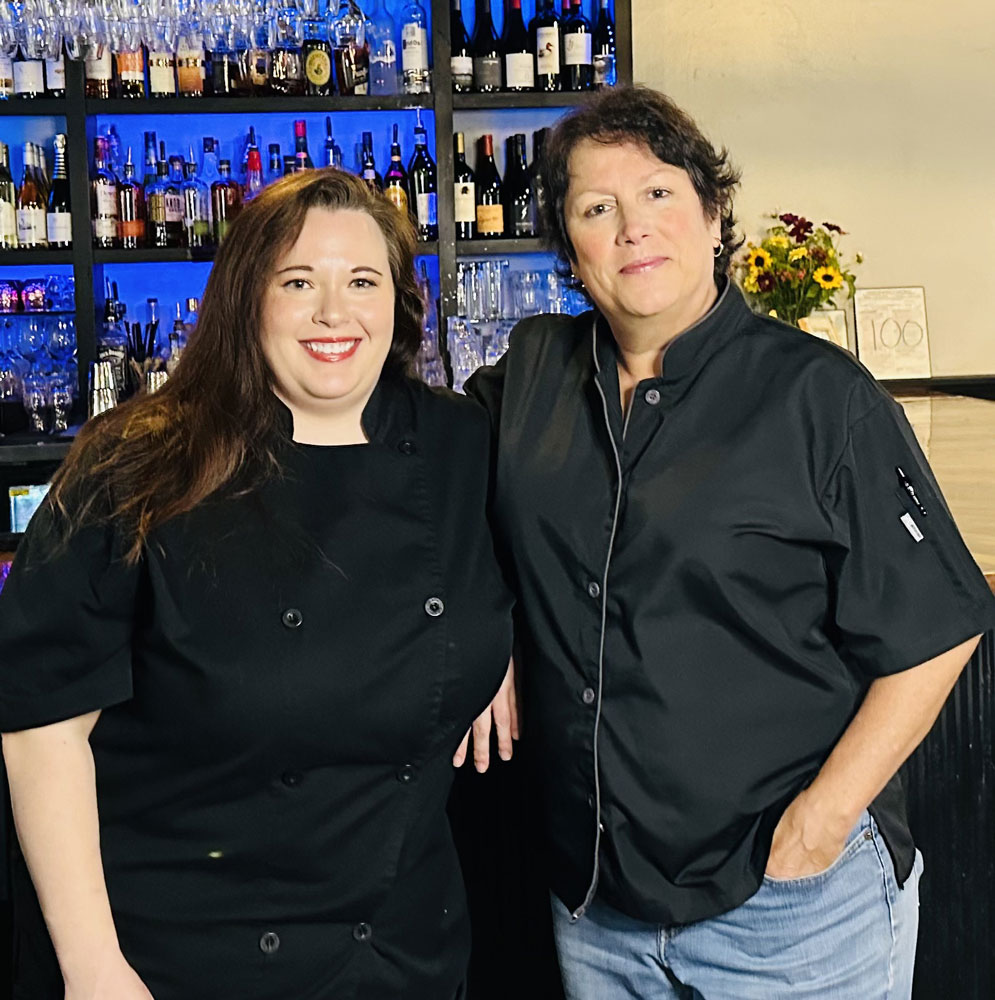
Chef Dorothy has an entirely female cooking staff; her line chef, expo chef and sous chef are all women. In fact, her sous chef, MaRanda Malone, has been with her since day-one and she and Chef Dorothy collaborate and create together. This gumbo recipe is actually a result of that combined ingenuity, as well as incorporating Chef Dorothy’s late father Emory Overstreet’s recipe. 

Kitchen on Main Chef-owner Dorothy Overstreet and sous chef MaRanda MaloneKitchen on Main Chef-owner Dorothy Overstreet and sous chef MaRanda Malone (Stephanie Spradling)
Gumbo is the perfect excuse for a party because it’s an all day affair. It’s also made much easier with the help of folks with whom you love spending time. On a gumbo-making day, it’s common to start early chopping up vegetables and preparing the shrimp. By noon and perhaps after a Bloody Mary, it’s time to face the roux and so it goes step by step until your clothes and hair smell like all the aromas from the pot. Because Gumbo is a special at Kitchen on Main, Dorothy and MaRanda choose a time when they can both devote an entire day to making it together.

Born from the marriage of West African stew and French bouillabaisse, Gumbo has not only been around for hundreds of years, but its countless variations shine a light on every family’s heritage. Some families make chicken and sausage gumbo; others only use seafood. Some prefer a dark roux (the fattened, cooked flour that is the base for Gumbo), while others like a lighter, spicier or smokier roux. The only thing everyone agrees on is that gumbo must include the Holy Trinity: bell peppers, onion and celery!

Dorothy’s technique of browning her flour in the oven is genius, as many cooks have to start over time and again after burning their roux on the stove. Having extra browned flour on hand is always a good idea in case you want to make a bit more roux at any point.

I am shocked and full of gratitude to have been given such a beloved and up to now secret recipe to share. It is worth every bit of effort to make this delectable, coastal Southern, comfort food staple.

Chef Dorothy’s Seafood Gumbo
Yields
12 servings
Prep Time
1 hour
Cook Time
4 hours

Ingredients

3 green bell peppers, diced

1 large onion, diced

3 to 4 garlic cloves, minced

2 stalks celery, diced

2 cups prepared roux (recipe follows)

3 bay leaves

8 ounces dry white wine, such as pinot grigio or Sauvignon blanc

1 cup shrimp stock (recipe follows)

1 large can or 1 1/2 small cans diced tomatoes with juice

1 pound fresh or frozen cut okra, blanched or quick boiled and set aside 

5 pounds peeled and deveined large shrimp, about 36 — 40 (save shells for stock)

1 lb. Lump crabmeat, drained

1/2 lb. Jumbo lump crabmeat, do not drain


For roux:

2 to 4 cups all-purpose flour

Shortening, lard or oil


For shrimp stock:

Oil

Saved shrimp shells

Salt

Water


To season: 

Gumbo file (a thickener and a seasoning made from sassafras)

Salt and pepper

Old Bay seasoning

Tony Chacheres seasoning

Crystal or Tabasco hot sauce


Optional garnishes:

Cooked crab claws and/or shrimp

Parsley, freshly chopped

Scallions, freshly chopped

Directions

  1. Make roux: Preheat oven to 425 degrees Fahrenheit. Line a sheet pan with parchment and sift flour onto pan. Brown the flour in the oven, checking after 10-15 minutes. You will smell a nuttiness and start to see the flour brown to the shade of peanut butter. Remove from the oven and allow to cool down.

  2. Next, add equal parts fat and flour — 1 cup shortening, lard or oil to 1 cup of the just cooked oven-browned flour — to a heavy bottomed pan (cast iron works well) over medium heat. Be sure to use a high smoke point oil or fat. Butter is not recommended.

  3. Stir constantly. Cook your roux until it is the color of a hazelnut shell — a little darker than milk chocolate but not as dark as dark chocolate — and it will have the consistency of a light fudge. It is important not to overcook it because you will cook out its ability to thicken the gumbo. You’ll only need about a cup of roux in this recipe, so you can freeze leftover roux in an airtight container to use later. 

  4. Make shrimp stock: After peeling your shrimp, set aside the shells. In a tablespoon of oil, sauté the shells only (not the shrimp!) 2 to 3 minutes over medium low heat, then add about 8 cups of water and a pinch of salt. 

  5. Press down on the shells with a wooden spatula a few times then allow to simmer 5 to 7 minutes. 

  6. Make gumbo: In a large stockpot, sauté green pepper, onion, garlic, celery and roux together until vegetables are soft.

  7. Add bay leaves, wine, shrimp stock and tomatoes. Bring to a low boil then reduce to simmer.

  8. Add seasonings, starting with less than a teaspoon of gumbo file and salt and pepper to taste. (Save the Old Bay, Tony Chacheres seasoning and hot sauce for later.)

  9. Add okra. Cook for about 2 hours, low and slow, stirring often. It should be thicker than a soup but not as thick as a sauce. It should cover the back of a spoon, but still run off.

  10. Add seafood (shrimp and crabmeat) about 1 hour before serving and make sure to rinse shrimp again just before adding them to the gumbo. Adjust seasonings after seafood has been added.

  11. Serve the gumbo: Serve with long grain, white rice prepared per package directions, but with 1/2 water, 1/2 chicken stock and a pat of butter.

  12. Top with optional garnishes.

“You are not entitled to it”: Jordan hearing blows up after he withholds “whistleblower” testimony

Judiciary Chairman Jim Jordan’s, R-Ohio, hearing on the “weaponization” of federal agencies against conservatives, namely former President Donald Trump and his supporters, on Thursday descended into disarray after a Democrat questioned the credibility of one of his witnesses.

The “weaponization” subcommittee hearing began with testimony from self-proclaimed “whistleblowers” from the FBI, who claim that the bureau engaged in corrupt, political misconduct.

Rep. Debbie Wasserman Schultz, D-Fla., however, called out the credibility of FBI agent Stephen Friend, who had his security clearance revoked by the bureau.

“You… claim that your top secret security clearance was improperly revoked. Yet an independent investigation concluded that you demonstrated a number of security concerns, which included that you refused to execute a court-ordered arrest warrant, and when you downloaded documents from intelligence systems to an unauthorized removable flash drive,” Wasserman Schultz said.

“The cherry on top could be your unauthorized recording of executive management, which, as I’m sure you know, violates Florida law, along with your unsanctioned interviews with Sputnik News, established by the Russian government in 2014 and fully owned by the Kremlin and Putin’s cronies,” she continued.

“I think it’s clear who is weaponizing government,” she added.

Following the witness statements, Wasserman Schultz and fellow Democrat, Virgin Islands Del. Stacey Plaskett, questioned Jordan during a heated exchange about why Democrats had not been shown parts of the testimony,

“It’s my understanding that the minority in this committee under the rules is entitled to the same testimony, information, documents that the majority is entitled to,” Wasserman Schultz said. “So I mean, I’m not aware that you’re able to withhold information from the minority.”

“When it comes to [FBI] whistleblowers, you’re not,” Jordan replied.

“That’s not right,” another Democrat called out. “We gave you all the information we had.”

The representatives then talked over each other until another Republican called for Jordan to return the room to order.

As Jordan began to speak again, Wasserman Schulz insisted on a reponse, saying “I’m inquiring.”

“And I’ve told you that when it comes to whistleblowers, you are not entitled to it,” Jordan said, cutting her off.

“Mr. Chairman, these individuals have been determined not to be whistleblowers,” Wasserman Shultz responded. “These are not whistleblowers. They’ve been determined by the agency not to be whistleblowers. Are you deciding that they’re whistleblowers?”

“Yes, the law decides,” Jordan quickly replied.


Want a daily wrap-up of all the news and commentary Salon has to offer? Subscribe to our morning newsletter, Crash Course.


On Thursday morning Jordan had reportedly defended another witness, suspended FBI Special Agent Garret O’Boyle, slated to take the stand during the hearing. In March, The New York Times revealed that O’Boyle received payment from an ally of the former president.

“We’re talking a lot about the point of this press conference, the point of the hearing is to talk about how the FBI is politicized, but do you think it’s appropriate for some of these whistleblowers, including two who will get your hearing today, to be paid by one of the former president’s closest advisors?” a reporter asked Jordan about the matter during the morning press conference. “Kash Patel, who actively—”

“They got a family. How are they supposed to feed their family?” Jordan shot back, interrupting the correspondent. “Four hundred and fifty days the FBI has kept these, uh, has kept Mr. O’Boyle in, in limbo where he can’t work without pay. He’s got four kids. He was selected to come to this special unit they were forming here in Virginia.

“He moves his family and the day he gets here, the day he gets here, they say, ‘Hey, we’re suspending your clearance.’ And they won’t let him get access to his furniture, his clothes, and he’s got a two-week-old newborn child,” Jordan continued. “I mean, you gotta be kidding me. Of course, they’re gonna, they’re gonna do whatever they can to feed their family and I don’t fault them for that.”

Is sugar actually “better for you” than artificial sweeteners?

This week, the World Health Organization (WHO) advised that “non-sugar sweeteners should not be used as a means of achieving weight control or reducing the risk of noncommunicable diseases” such as diabetes and heart disease.

Artificial sweeteners are either natural compounds or synthesized compounds that taste sweet like sugar — and are are up to 400 times sweeter by weight — but provide no or negligible energy. As a comparison, sugar has 17kj (or four calories) per gram, so one teaspoon of sugar would have 85 kilojoules.

Several types of artificial sweeteners are used in Australia. Some are synthetic, others are extracted from foods such as monk fruit and the stevia plant.

So, what do the new WHO guidelines mean for people who have switched to artificial sweeteners for health reasons? Should they just go back to sugar?


Promoted for weight loss

As a practicing clinical dietitian in the 1990s, I remember when artificial sweeteners began to appear in processed foods. They were promoted as a way of substituting sugar into food products that may lead to weight loss.

A can of sugar-sweetened soft drink contains on average about 500kj. Theoretically, the substitution of one sugar-sweetened can of soft drink with an artificially sweetened can of soft drink every day would reduce your weight by about 1kg per month.

But research over the past few decades shows this doesn’t hold up.


What’s the new advice based on?

The WHO has based its recommendation on a systematic review it has conducted. Its objective was to provide evidence-based guidance on the use of artificial sweeteners in weight management and for disease prevention.

Weight management is important, given obesity increases the risk of diseases such as diabetes and certain types of cancer, which are the leading cause of death globally.

The WHO’s systematic review included data from different types of studies, which give us different information:

  • 50 were randomized controlled trials (when scientists intervene and make changes — in this case to the diet — while keeping everything else constant, to see the impact of that change)

  • 97 were prospective cohort studies (when scientists observe a risk factor in a large group of people over a period of time to see how it impacts an outcome — without intervening or make any changes)

  • 47 were case-control studies (another type of observational study that follows and compares two groups of otherwise matched people, aside from the risk factor of interest).

Randomized controlled trials provide us with causal data, allowing us to say the intervention led to the change we saw.

Prospective cohort and case-control only give us associations or links. We can’t prove the risk factors led to a change in the outcomes — in this case, weight — because other risk factors that scientists haven’t considered could be responsible. But they give great clues about what might be happening, particularly if we can’t do a trial because it’s unethical or unsafe to give or withhold specific treatments.

The WHO’s systematic review looked at body fatness, non-communicable diseases and death.

For body fatness, the randomized controlled trials showed those consuming more artificial sweeteners had slightly lower weight — an average of 0.71kg — than those consuming less or no artificial sweeteners.

But the cohort studies found higher intakes of artificial sweeteners were associated with a higher BMI or body mass index (0.14 kg/m2) and a 76% increased likelihood of having obesity.

The prospective cohort studies showed for higher intakes of artificial  sweetened beverages there was a 23% increase in the risk of type 2 diabetes. If artificial sweeteners were consumed as a tabletop item (that the consumer added to foods and drinks) there was a 34% increase in the risk of diabetes.

In people with diabetes, artificial sweeteners did not improve or worsen any clinical indicators used to monitor their diabetes such as fasting blood sugar or insulin levels.

Higher intakes of artificial sweeteners were associated with an increased risk of type 2 diabetes, cardiovascular disease and death in the long-term prospective observational studies that followed participants for an average of 13 years.

But artificial sweeteners were not associated with differences in overall cancer rates or premature death from cancer.

Overall, while the randomized controlled trials suggested slightly more weight loss in people who used artificial sweeteners, the observational studies found this group tended to have an increased risk of obesity and poorer health outcomes.


Does the review have any shortcomings?

The WHO’s advice has led to some criticism because the randomized controlled trials did show some weight loss benefit to using artificial sweeteners, albeit small.

However the WHO clearly states its advice is based on the multiple research designs, not just randomized controlled trials.

Additionally, the WHO assessed the quality of the studies in the review to be of “low or very low certainty”.


Are they unsafe?

This advice is not suggesting artificial sweeteners are unsafe or should be banned. The WHO’s scientific review was not about chemical or safety issues.


So are we better off having sugar instead?

The answer is no.

In 2015, the WHO released guidelines on added sugar intake to reduce the risk of excess weight and obesity. Added sugars are found in processed and ultra-processed foods and drinks such as soft drinks, fruits drinks, sports drinks, chocolate and confectionery, flavored yogurt and muesli bars.

It recommended people consume no more 10% of total energy intake, which is about 50 grams (ten teaspoons), of sugar per day for an average adult who needs 8,700kj a day.

The WHO’s recommendation is in line with the Australian Dietary Guidelines, which recommends no more than three serves of discretionary foods per day, if you need the extra energy. However it’s best to get extra energy from the core food groups (grains, vegetable, fruit, dairy and protein group) rather than discretionary foods.


So what do I drink now?

So if artificial and sugar in drinks are not advised for weight loss, what can you drink?

Some options include water, kombucha with no added sugar, tea or coffee. Soda and mineral water flavored with a small amount of your favorite fruit juice are good substitutes.

Milk is also a good option, particularly if you’re not currently meeting you calcium requirements.

Evangeline Mantzioris, Program Director of Nutrition and Food Sciences, Accredited Practicing Dietitian, University of South Australia

This article is republished from The Conversation under a Creative Commons license. Read the original article.

“Looks like an assault”: MAGA Republican manhandles protester at press conference

Rep. Clay Higgins, R-La., shoved a protester away from a news conference hosted by Republican lawmakers outside of the U.S. Capitol on Wednesday after the activist, who was recording, interrupted the event to ask lawmakers questions.

As protester Jake Burdett filmed Rep. Paul Gosar, R-Ariz., Higgins calmly approached him and introduced himself. 

“Clay Higgins, I represent south Louisiana,” Burdett’s footage shows the congressman saying. “All I’m asking you to do is just peacefully stand by with your camera and I promise you—look at me—I’ll come talk to you straight up and answer all your questions. Fair enough?”

But when Burdett went to ask Rep. Lauren Boebert, R-Colo., whose recent filing for divorce made headlines this week, if her martial split was connected to her restaurant’s tainted food, Higgins came back.

In video from Burdett and other bystanders, Higgins is seen approaching Burdett and pushing him away from the conference.

“Uh-uh. Uh-uh. No. You’re out. You’re out,” he is heard saying.

“Aren’t you a congressperson, touching me?” Burdett asks in the video. “Get off me! You’re hurting me!”

Burdett told The Daily Beast that Higgins didn’t release him from his grasp until Capitol Police interjected. They questioned him across the street for what the 25-year-old said was a half hour with someone eventually confirming that he was not being detained.

The Maryland activist said that he wasn’t injured in the incident but felt “scared, intimidated, powerless, defenseless.”

He said later in the interview that he couldn’t push back, citing concerns over who the police would side with.

“Like, who do I think the cops are going to crack down on: me, or the congressperson?” he said.

“It’s one thing for anybody to do that,” Burdett said of Higgins’ behavior. “But for a sitting U.S. congressperson to think that that’s OK—it just shows an extra level of entitlement, that they feel they’re untouchable and the law doesn’t apply to them.”


Want a daily wrap-up of all the news and commentary Salon has to offer? Subscribe to our morning newsletter, Crash Course.


In a brief statement to KATC, Higgins reportedly defended his actions, saying that “Activist was a 103M,” referencing a police code for “disturbance by mental person.”

“Threatening. He was escorted out and turned over to Capitol Police. Textbook,” the statement continued.

Burdett had initially gone to D.C. to attend Sen. Bernie Sanders’, I-Vt., Medicare For All rally and decided to stay when he saw another press conference with Gosar and Boebert being set up in the same spot immediately afterward.

“I figured I’d ask them some tough questions,” he said. “Bird-dog them, whatever you want to call it.”

The progressive activist, who was charged with wiretapping in 2019 for allegedly live-streaming a meeting at a Maryland congressperson’s office but agreed to a plea deal, returned home Wednesday evening after wondering if he’d be detained, and is determining what he’ll do next.

“I’m absolutely evaluating my options here, and if it looks like there is a strong case for assault and [there is] an attorney willing to take on the case, I am absolutely prepared to press charges,” he said.

Burdett has also taken his concern to Twitter where he has asked attorneys online to weigh in amidst support from other users.

“This is me in this video,” he wrote in a quote tweet. “Do any attorneys feel that this was assault, and would be willing to help me pursue legal action?

Andrew Laufer, aNew York civil rights attorney, responded in the affirmative and advised Burdett to file a police report.

“Looks like an assault to me,” tweeted former U.S. Attorney Joyce Vance.

The CDC will no longer track COVID-19 cases. Is that a mistake?

In a move that marks a turning point in the COVID-19 public health crisis, the Centers for Disease Control and Prevention’s (CDC) Covid Data Tracker, a once-revered source of information regarding the number of COVID-19 cases in the United States, has made its penultimate update. The final one will occur on June 1, 2023, to reconcile historical data; after that, the CDC will no longer track such numbers, at least not comprehensively.

When the SARS-CoV-2 virus first swung tore across the world, the CDC’s COVID-19 Data Tracker emerged as a beacon of statistical knowledge, illuminating the changing landscape of transmission within American communities. Its real-time updates, which counted cases and deaths daily, were a lifeline for individuals seeking clarity in a time of uncertainty.

In October 2022, after two years of publishing daily, the tracker shifted to weekly updates. But now, because the country’s public health emergency declaration is expiring, the CDC will no longer be tracking COVID-19 case counts — not even on an occasional basis. Instead, it will merely track hospital admissions and wastewater samples, which only account for 40 percent of the population.

In other words, this marks the end of the federal government’s effort to comprehensively track COVID-19 cases in the United States.

The shift in COVID-19 surveillance certainly marks a big moment in the pandemic — one in which rising case counts no longer matter, but instead only hospitalizations and deaths. Is this the right move? Or does this herald the beginning of a new era of ignorance — in which the federal government is intentionally ignoring data regarding a virus that remains the fourth leading cause of death, and which has and continues to maim countless Americans?

Public health experts are torn over the CDC’s decision. Some agree it was a mistake to cease tracking cases, or have related concerns.

But most of the experts with whom Salon spoke agree that the shift in tracking won’t make that much of a difference because the country’s tracking system was never very robust in the first place.

“Are we going to see another strain, family, and variant that will challenge whatever immunity that’s been built up in the population?”

Dr. Eric Topol, Director of the Scripps Research Translational Institute and a professor of molecular medicine, told Salon the U.S. has never done a “very good job” of tracking COVID-19 cases in the first place, and this latest change in CDC tracking is “just an extension of that.”

“I think that the big issue right now is, are we going to see another strain, family, and variant that will challenge whatever immunity that’s been built up in the population?” Topol said. Topol believes that wastewater tracking and leaning on genomics sequencing — which is when scientists are able to detect a particular variant and determine its lineage — should help in the event that another variant emerges. 

In September 2020, the CDC launched the National Wastewater Surveillance System (NWSS) as a means of tracking the presence of the coronavirus in wastewater samples collected across the country. The CDC said this type of surveillance can stand in as an “early warning that COVID-19 is spreading in a community.” Wastewater tracking involves sampling a community’s wastewater systems before waste is treated, and then analyzing those samples in a lab to measure the concentration of SARS-CoV-2 virus RNA; the data is then sent to the appropriate public health agency, and those agencies submit it to the CDC. Such wastewater sampling was crucial for detecting surges in various communities; intriguingly, it was also used to great effect to trace how often commercial aircraft wastewater contained the virus. (Planes, it seems, typically carry at least one passenger who is positive for COVID-19.) 

Topol clarified that ideally public health agencies like the CDC would know that a variant was widely circulating before the point at which people were being sent to the hospital because of it. 

“Obviously, you want to catch [a new variant] long before you see an increase in hospitalizations,” Topol continued. “So I do think we have in place the surveillance tools, and we’ve never done a good job of tracking infections or transmission, and that’s been a problem for some time.”

Dr. Amesh Adalja, a Senior Scholar at the Johns Hopkins Center for Health Security, agreed with the CDC’s decision, calling it a “justified change.” He also added CDC counts have always been a “major underestimate,” and became even more so with the rise of at-home testing. As Salon previously reported, most positive at-home tests weren’t officially counted in public health numbers, as consumers rarely report those to any centralized agency database. Hence, as at-home tests became more popular, the overall daily CDC counts became more inaccurate.


Want more health and science stories in your inbox? Subscribe to Salon’s weekly newsletter The Vulgar Scientist.


Topol agreed. “The CDC put out all sorts of obfuscated maps telling members [there was] a low rate of transmission when it was actually high, and it’s been very confusing and it’s been that way for quite some time,” he said. “The virus is going to be with us for years to come, the resources are limited, and it would be better if we took the resources and put it into getting better treatments, better vaccines, and ways to treat long COVID.”

Essentially, tracking COVID-19 cases, Topol said, isn’t something that public health officials should “double down on,” since they weren’t tracked very well in the first place.

Likewise, Monica Gandhi, an infectious disease doctor and professor of medicine at the University of California, San Francisco, told Salon she thinks this is an appropriate move by the CDC.

“Early in the pandemic, when there was little population immunity to the coronavirus, hospitalization rates roughly resembled case rates (although at a lower amplitude and more concentrated among older people),” she told Salon via email. “However, immunity to the virus leads to protection from severe disease (not all infections) and so cases and hospitalizations have become ‘decoupled’ over time.”

Gandhi agreed that the federal government lost its ability to accurately track cases due to the increased access to at-home tests.

“Many people with mild symptoms are not tested and so case counts would not be accurate anyway,” Gandhi said. “At this point, like any other endemic virus, we have to track the extent of severe disease or hospitalizations to see if a new variant has emerged that is more virulent or immune evasive, for instance.”

“This is a virus that is still dangerous,” LaVeist said. “There’s always the chance that there will be another variant.”

Gandhi noted that Singapore shifted to tracking hospitalization admissions in September 2021 after they weathered the delta variant surge. She said that COVID-19 related deaths are the lowest they have ever been (since March 2020) across the world.

Conversely, Thomas LaVeist, Dean of the School of Public Health at Tulane University, told Salon society has seemed to move on from COVID-19 and that policymakers are following suit. However, he still has his concerns regarding the end of tracking case counts.

“This is a virus that is still dangerous,” LaVeist said. “This is a virus that we haven’t had new problematic variants recently, but there’s always the chance that there will be another variant.” LaVeist said it would be his preference that the CDC tracks news cases, but recognized it’s difficult to do with at-home testing.

Topol said this all boils down to the CDC’s inability to have a “central control data flow,” which would have been the best case scenario.

“We’re not organized as a country, we’re balkanized . . . and that is shown throughout the pandemic,” Topol said. “We don’t have the ability to track data like many other countries. Obviously, we’re a very large country, but we don’t have a national registry — we have to rely on large health systems.”

Moving forward, for those who want to stay up to date with hospital admissions being tracked, the CDC directs people to new landing pages for hospitalizations, emergency department (ED) visits, and death data.

“Very serious wrongdoing”: Expert says FBI just pulled the “rug out from under” Jordan’s witnesses

The FBI revoked the security clearance of three agents over concerns regarding the Jan. 6 insurrection on Wednesday ahead of two of their scheduled testimonies before the House Judiciary subcommittee investigating what Republicans call the “weaponization” of federal agencies against conservatives, The New York Times reports.

In a letter written by a top FBI official to congressional investigators on Wednesday, the bureau said that the agents — Marcus Allen, Stephen Friend and Brett Gloss — participated in the riots on Jan. 6 or expressed views following the attack that called into question their “allegiance to the United States.” The letter, which was sent to subcommittee Chairman Jim Jordan, R-Ohio, came a day before Allen and Friend were set to testify before the panel. 

Russell Dye, a spokesperson for Jordan, called the FBI’s clearance actions “a desperate attempt to salvage their reputation” that comes “before brave whistle-blowers testify about the agency’s politicized behavior and retaliation against anyone who dares speak out.”

Over the last several months, Republican lawmakers have been sourcing FBI agents who they believe support their claim that federal agencies turned against former President Donald Trump and his supporters before and after the insurrection with some agents coming forward as self-described whistleblowers to attest to the ways the bureau was biased against conservatives.

The FBI has suspended Allen, Friend and Gloss while it investigates their cases, according to congressional investigators.

Friend’s top-secret clearance was revoked on Tuesday after the 12-year FBI employee refused to participate in the SWAT arrest of a Jan. 6 suspect facing misdemeanor charges last summer over concerns that the raid would be an excessive use of force.

“I have an oath to uphold the Constitution,” Friend told his supervisors when he declined to join the Aug. 24, 2021, operation in Jacksonville, Fla. “I have a moral objection and want to be considered a conscientious objector.”

According to records from the Department of Justice, Tyler Bensch, who was accused of being a member of a right-wing militia group connected to the Three Percenter movement, was the suspect arrested in Jacksonville on Aug. 24. Friend reportedly omitted details about Bensch when refusing to participate in the raid, neglecting case documents that say Bensch posted a video of himself outside the Capitol on Jan. 6 in body armor and a gas mask with an AR-15 style rifle, and that witnesses had seen Bensch carrying a similar weapon at other times.

The letter said that Friend “espoused an alternative narrative about the events at the U.S. Capitol” while conferring with his supervisors about his refusal. It also noted that he had downloaded files from FBI computers to an unauthorized flash drive but didn’t specify which kinds of documents they were.


Want a daily wrap-up of all the news and commentary Salon has to offer? Subscribe to our morning newsletter, Crash Course.


Gloss’ security clearance was revoked two weeks ago due to the FBI’s determination that he violated a federal law against entering a restricted area of Capitol grounds while marching with a pro-Trump mob during the Jan. 6 attack.

The bureau also found that Gloss had provided “false and/or misleading information” about what he witnessed and whether he was in the restricted area that day, and that he failed to report his presence near the Capitol despite one of his supervisors advising him to do so, according to the letter.

Gloss has not been charged with any crimes and denies the claims. However, his statements contradict images he took on Jan. 6 and publicly shared videos of the insurrection, the letter said.

“Mr. Gloss’s refusal to provide full, frank and truthful answers to lawful questions of security officials in connection with a personnel security or trustworthiness determination should result in an adverse clearance action,” it said.

Allen’s top-secret security clearance was revoked last year because he “expressed sympathy for persons or organizations that advocate, threaten or use force or violence,” the letter said, citing the FBI’s findings.

The letter said that investigators found Allen had emailed his colleagues from his bureau account months after the Capitol riots, instructing them to “exercise extreme caution and discretion in pursuit of any investigative inquiries or leads pertaining to the events of” Jan. 6. Allen also sent an email linking to a website that said “federal law enforcement had some degree of infiltration among the crowds gathered at the Capitol,” which he said raised “serious concerns” about the government’s participation in the attack.

In addition to these findings, the bureau determined that Allen had failed to provide relevant information to agents investigating the insurrection about its participants, noting that when another agent requested he research a suspect, Allen reported that he found no evidence that the person had engaged in criminal activity.

The other agent closed the case based on Allen’s findings, the letter said, but it was later reopened after another agent found public information showing that the suspect had assaulted police during the attack.

“Looks like this FBI letter to Congress pulls rug out from under Jim Jordan’s witnesses for Thursday’s weaponization subcommittee hearing,” tweeted Ryan Goodman, a professor at New York University School of Law. “Letter details allegations of very serious wrongdoing that would be cause for their suspension from FBI.”

“Blatantly unconstitutional”: Angry parents sue Florida school district for banning books

PEN America, an organization that seeks to protect free expression, and book publisher Penguin Random House are suing a Florida school district over its banning of several book titles, alleging the district did so for political rather than practical purposes.

The lawsuit also lists the authors of the books that have been banned in the Escambia County School District as co-litigants, as well as parents of children who attend schools there who say the book bans are unfair to their kids.

The removal of the books, which include 10 titles that center around racial and/or LGBTQ identities, is a violation of the litigants’ First Amendment rights, the lawsuit claims.

“Books have the capacity to change lives for the better, and students in particular deserve equitable access to a wide range of perspectives,” said Nihar Malaviya, CEO of Penguin Random House. “Censorship, in the form of book bans like those enacted by Escambia County, are a direct threat to democracy and our constitutional rights.”

“The targeted book removals we are seeing in Escambia County are blatantly unconstitutional attempts to silence and stigmatize,” added Nadine Farid Johnson, Managing Director of PEN America Washington and Free Expression Programs. “The government should not foster censorship by proxy, allowing one person to decide what ideas are out of bounds for all.”

The lawsuit notes that books were banned after just one person complained about them in the county. The board decided to act upon that complaint, banning the books in spite of a district review committee deeming them acceptable for educational use.

Books mentioned in the lawsuit that were banned include “The Bluest Eye” by Toni Morrison, “Lucky” by Alice Sebold, and “The Perks of Being a Wallflower” by Stephen Chbosky, among others.

The lawsuit also purports that the person filing the complaint was inspired to do so in part by a right-wing website that lists titles like-minded people can target in their own localities for banning, lending credence to the idea that this was a political decision on the district’s part.

Within the complaint, the litigants cite a 1982 Supreme Court decision, Board of Education v. Pico, which recognized that school administrators “possess significant discretion to determine the content of their school libraries,” but that decision-making on what types of content should or should not be included “may not be exercised in a narrowly partisan or political manner.”

“That is exactly what is happening in Escambia County,” the lawsuit states. “Books are being ordered removed from libraries, or subject to restricted access within those libraries, based on an ideologically driven campaign to push certain ideas out of schools.”

Although he is not listed as a defendant in the lawsuit, Gov. Ron DeSantis (R) is largely responsible for the outcome of this and other book bans in the state. DeSantis, along with his GOP legislative allies in Tallahassee, has signed into law a number of bills that create huge impediments for teachers to give lessons on race and racism, as well as LGBTQ topics or people.

Such draconian laws have led to schools and educators taking drastic actions in order to be compliant with them. Teachers in some districts in the state, for example, have had to cover up bookshelves with construction paper, to comply with requirements that books not be offered to children until a designated “media specialist” approves of them.

In another Florida school district, a graphic novel version of the Diary of Anne Frank was banned, purportedly for containing lewd images, in spite of the fact that those images were based on the original text written by Frank herself. Other historical Holocaust-related content has also been removed elsewhere in the state.

A recent review of Social Studies textbooks seeking approval from the Florida Department of Education found that 35 percent of texts were rejected, on the dubious grounds of purportedly containing false material or content that went against state standards. Of the books that were approved, the vast majority of them were forced to edit sections on racial justice in order to be allowed, including the removal of references to the police murder of George Floyd and the Movement for Black Lives.

“One thing is abundantly clear — Governor Ron DeSantis is committed to erasing our history and unraveling our democracy by indoctrinating our children and stripping away our fundamental freedoms,” said NAACP President and CEO Derrick Johnson, in response to texts being rejected or altered.

Wicked game: Kevin McCarthy’s debt-ceiling “crisis” is political theater at its worst

What the hell are we playing?

House Speaker Kevin McCarthy, Senate leaders Mitch McConnell and  Chuck Schumer and Vice President Kamala Harris all joined President Biden at the White House Tuesday to discuss the looming problem of the debt ceiling.

Sometime in the next two weeks the U.S. could default on its debt, supposedly rendering the nation in the eyes of the world — and particularly its adversaries — an unsafe trading partner, a pariah in the world community, a leper with spots, a nation in decline. Fire and brimstone coming down from the skies, rivers and seas boiling, human sacrifice, dogs and cats living together, there will be plagues and mass hysteria … real Peter Venkman end-of-the-world stuff.

Prior to the meeting, Biden dismissed those apocalyptic concerns and told the world that defaulting on the national debt “is simply not an option,” adding that “policy differences between the parties” were not an excuse for a drastic fiscal meltdown.

As he met with the vice president and congressional leaders of both parties in the Oval Office, Biden smiled, smirked and encouraged pool photographers to take pictures. “Hello, folks. Get a good picture of all of us. We’re having a wonderful time. Everything is going well,” he laughed. His smirk continued as he dismissed an inane question from a pool reporter about the nonexistent “crisis” on the border after the end of Title 42. “Yeah, right,” he seemed to say.

As the president spoke, Schumer, Harris and McCarthy looked as if they were emerging from a Thorazine-induced haze. They were sluggish and quiet. Only Biden looked like he was having any fun.

As recently as Monday, McCarthy accused Biden of actually wanting a default, thereby pushing the nation into the abyss. Actually, it was only Donald Trump, in his recent CNN town hall, who publicly endorsed such a juvenile gesture. We might just have to “do a default,” Trump exclaimed. That angered many, but should have surprised no one. Trump has a reputation for not paying his bills anyway. 

Maybe Kevin McCarthy was just dazed from the dizzying effects of trying to manage the crazies in his own party while cutting a deal with the White House. Maybe he just likes playing the blame game. Maybe he’s an idiot.

We might have to “do a default,” suggested Donald Trump in his CNN town hall. That should have surprised no one: He has a reputation for not paying his bills.

After laughing with and at the White House reporters, Biden dismissed them while the shrill voice of a junior wrangler with delusions of grandeur herded the press out the door. “I don’t have any comment to make,” Biden said, in direct contrast to the comments he had just made. “We’re just getting started and will be available at the sticks when this is over.”

McCarthy, McConnell and Schumer showed up outside the West Wing afterward, with McCarthy claiming that the government had 15 days to avoid disaster, “curve” spending and “grow the economy.” Yes, we all know he probably meant to say “curb” spending, but McCarthy — bless his heart! — has never been accused of being overly sentient. He repeated the gaffe at least once more. Some of us laughed.

He never once mentioned that it was the Republican majority in Congress that put the country on the brink of default. He blamed Democrats but neglected to mention that the tax breaks Republicans gave to the richest Americans are a major part of the problem. Maybe he thought no one would figure that out. Then again, maybe he doesn’t understand it himself.

Someone who actually does understand, along with Biden, is Mitch McConnell, the Senate Republican leader. He walked up to the reporters gathered at the sticks outside the West Wing and made quick work of the controversy. “We’re not going to default. We know it. They know it,” he said.


Want a daily wrap-up of all the news and commentary Salon has to offer? Subscribe to our morning newsletter, Crash Course.


OK then. So what the hell are we doing? 

That one’s easy. Our political leaders are scaring the hell out of the country for two weeks while wrangling over budget cuts that could have been avoided if Congress had acted responsibly in the first place. For the next two weeks the White House and Congress will do this dance, with each side hoping not to give up too much before they cut a last-minute deal to keep the store open. They’ve told us that much.

McConnell and Biden are veteran dealmakers, while McCarthy is there to mouth the talking points of the fanatics. He’s claimed he wants to “make a deal” for two months and is now happy that the White House has appointed underlings to handle the debt negotiations. McConnell simply said he’ll back whatever deal is made, neglecting to mention that he’ll probably have to broker the deal that will save McCarthy’s rancid political hide.

All this game-playing either goes over the head of most members of the press or we’re just playing along ourselves. I only say that because of the recent revelation that a member of the White House press corps recently supplied questions to the president ahead of a press conference, thereby turning the event into a scripted reality show. Maybe that’s what we’re all seeing right now — a political spectacle that mocks reality.

We were at it again on Wednesday morning, with reporters asking meaningless questions about “red lines” in the negotiations. As often as the Republicans and Democrats tell us they won’t negotiate through the press, that doesn’t keep us from trying to get them to do exactly that. No one asked the obvious question: If both the president and the Senate minority leader say that defaulting on our debt is not an option, then what game are they playing? We keep hearing how failure to reach an accord will be disastrous, while both sides say, out the other sides of their mouths, that such a failure simply won’t occur. So the induced fear of economic collapse is a diversion. But to what end?

Our political leaders are scaring the hell out of the country for weeks while wrangling over budget cuts that could have been avoided if Congress had acted responsibly in the first place.

Meanwhile, Biden is headed to Japan for the G7 annual summit. He’s gotten criticism for leaving the U.S. while negotiating the debt ceiling crisis, but National Security Council spokesman John Kirby told reporters on Tuesday that the president can walk, talk and chew bubble gum at the same time. So he’s apparently capable of handling both the G7 summit and looming global threats from Russia and China, while simultaneously working the debt ceiling talks from the other side of the world. Then again, Biden is also canceling part of his trip — to Australia and Papua New Guinea — to come home and deal with the debt. So which is it? He can or can’t handle both simultaneously? It’s just another sleight of hand and twist of fate.

According to several members of the president’s staff, along with foreign reporters, representatives of the G7 nations and a few stray members of the press corps and general public who are still capable of rational thought, our partners and allies have “expressed no concerns” about the U.S. paying its debt, “but they all certainly realize the importance of the issue to our credibility and leadership,” as I was told on background. If our allies aren’t expressing any concern, then why are we? Again, it’s an eminence front. It’s a put-on.

It’s as if we were watching an underwater ballet performed by circus monkeys on acid. After four years of the abnormalities of the Trump administration we have returned to the usual game playing in D.C. It’s almost as if we can’t handle the mundane aspects of negotiating with a common goal in mind. Of course we won’t default. Both sides agree on that. Wait — both sides agree? How is that possible? The fun for them is in arguing the fine details — not the big picture. That’s quite a change from the Trump years. It almost seems … normal?

As for the press, after four years of being hounded, threatened and subjected to an acrimonious bully with no understanding of reality or established political protocol, we’ve all taken a dive for the appearance of normalcy generated from the White House and exemplified by these crisis negotiations with Congress — over what both Biden and  McConnell insist is no crisis at all.

Got it. 

But this fantasy is not reality. On Tuesday,  Rep. Gerry Connolly, a Virginia Democrat, reported that two of his staffers were sent to the hospital after someone came into his district office, apparently looking for him, and attacked them with a baseball bat. Politics in this country is now a contact sport. That is reality. 

Donald Trump — a name which will live in infamy or, better still, not at all — continues to push division, screaming that he’s been framed, railroaded and treated like a pariah because he’s our savior. He continues to foment violence and anger while his cult acolytes are all too happy to dish it out in his name.

Election results Tuesday gave us more signs that Trump’s influence is waning. Republicans lost high-profile races in Jacksonville and Colorado Springs. “It’s a hopeful sign that the political tide is turning against MAGA extremism,” tweeted Democratic operative Jon Cooper. 

But in Kentucky, while Democratic Gov. Andy Beshear easily won renomination, the Republican he’ll face is Daniel Cameron — endorsed and supported by none other than Donald Trump.

Cameron offered a “big thank you” to Trump at his election-night party and capped it with a claim that sent chills down the spines of voters, as well as a loud round of guffaws. “Let me just say, the Trump culture of winning is alive and well in Kentucky,” Cameron said — without a hint of irony in his voice.

We can only hope Donald Trump’s “culture of winning” does continue, not just in Kentucky but all over the country, where people are waking up to the reality that Trump’s winning amounts to a loss for all of us. 

When that finally happens,  the question, “What are we playing?” will again be one we can ask without fear that our country is unraveling before us.

“Very damaging”: Legal experts say new Mar-a-Lago evidence could “blow up” in Trump’s face at trial

The National Archives is set to hand over 16 records to the Justice Department undercutting former President Donald Trump’s claim that documents he took home to Mar-a-Lago were automatically declassified, CNN reports.

Trump has repeatedly claimed that he could automatically declassify any documents, even arguing that he had the power to declassify records with his mind. He told a CNN town hall last week that “they become automatically declassified when I took them.”

Days after the town hall, acting Archivist Debra Steidel Wall sent a letter to Trump informing him that the agency will turn over records “concerning whether, why, and how you should declassify certain classified records.”

Trump tried to block special counsel Jack Smith from gaining access to the records, citing a privilege claim that was rejected by Wall, who noted in the letter that Smith is “prepared to demonstrate with specificity to a court, why it is likely that the 16 records contain evidence that would be important to the grand jury’s investigation.”

The records “may provide critical evidence establishing the former president’s awareness of the declassification process,” CNN reported, and “may also provide insight into Trump’s intent and whether he willfully disregarded what he knew to be clearly established protocols.”

Trump attorney Jim Trusty claimed in an interview with CNN that Trump “relied on the constitutional authority as commander-in-chief… to effectively declassify and personalize” the documents he took home.

Trump has also claimed there was a “standing order” to declassify documents he took home. But 18 former top Trump administration officials told CNN they were unaware of such an order, calling the claim “ludicrous,” “ridiculous” and a “complete fiction.”

“It has never been a serious legal claim that Donald Trump could declassify documents whenever he wanted without any process, but reports that prosecutors obtained documents showing Trump and advisors knew well the actual process could be very damaging,” warned Noah Bookbinder, a former federal prosecutor and president of the watchdog group Citizens for Responsibility and Ethics in Washington.

The report shows “Jack Smith is taking direct aim at Trump’s ‘declassification by mere thought’ defense,” tweeted Renato Mariotti, a former federal prosecutor.

“Showing the jury the actual process makes it harder for Trump to use that defense,” he wrote.


Want a daily wrap-up of all the news and commentary Salon has to offer? Subscribe to our morning newsletter, Crash Course.


The National Archives letter said that the agency would turn over the documents by May 24 “unless prohibited by an intervening court order.”

CNN legal analyst Elie Honig predicted that Trump would try to challenge the move in court.

“He’s very likely to challenge it in court and he’s very unlikely to prevail,” he said, noting that Trump has repeatedly tried and failed to block testimony and the transfer of documents in court over dubious privilege claims.

“He has lost all of these cases!” Honig said. “His record is, essentially, zero wins on executive privilege, all losses. And if he challenges this, he’ll have another one in the loss column.”

Former U.S. Attorney Joyce Vance explained that Trump’s account is simply “not how declassification works.”

“One suspects if there is a trial in this case, there will be people who will have worked in the intelligence community. They will do a powerful job of explaining to the jury that declassification isn’t a privilege that makes the president’s life easier,” she explained on MSNBC. “That’s how Donald Trump seems to treat it. This is a remarkable trust that the public places in the commander in chief, this notion of what information is so important that releasing it to the wrong people could do grave damage to our national security.”

“That’s the language that underlies this notion of top secret classified information,” Vance added. “Trump is so cavalier in his treatment of this. This is the sort of thing that you can see blowing up in his face in a trial setting.”

Lauren Boebert’s divorce exposes the dark little secret of red state life

When so much Republican behavior these days is too gross to be funny, there’s something downright refreshing about old-fashioned Christian right hypocrisy. This time, it comes from Rep. Lauren Boebert of Colorado, a biological human being who nonetheless sounds exactly like ChatGPT channeling a Breitbart comment section. Boebert built her career on sanctimonious, though often incoherent, lectures on the supposed threats to the family of leftist sexual “depravitieslike same-sex marriage or contraception use. She also filed for divorce last month, a fact that only got into the press this week. This follows other comical examples of Boebert’s “family values,” such as celebrating teen pregnancy or standing by her now-to-be ex-husband after he exposed himself to teen girls in a bowling alley

Her choice to leave Jayson Boebert might be the first sign that there’s functioning brain activity in Lauren Boebert’s skull. As the bowling alley story suggests, the guy is a creep. He started dating then-Lauren Roberts when she was 16 and he was 22 years old. She dropped out of high school to give birth to their first child at 18. They got married two years later. During this time, he was arrested on domestic violence charges after a fight with her. In August, he was still at it, getting the cops called on him for reportedly threatening neighbors.

His behavior when she finally served him divorce papers was reportedly more of the same. As the Daily Beast reports, “He chased away a process server with an expletive-laden tirade and let his dogs loose when he was served with the divorce papers.” Jayson Boebert denies the process server’s description, including the mention of alcohol consumption. He told the Daily Beast that “divorce is sad.” In a statement, the congresswoman defended Jayson Boebert: “Our divorce is a private matter, but the misrepresentations must be addressed. Jayson deserves his privacy, not slanderous stories.”

This story is tasty gossip. But it’s also a window into an aspect of red state life that hasn’t been much discussed, one which is likely fueling the ugly surge in misogynist rhetoric and policy being pushed by Republicans, especially the men. The dark little secret of red state life is there’s a lot of Lauren Boeberts out there: Conservative women who disavow feminism, but, when given a shot at more independence for themselves, gladly use hard-won rights like divorce and abortion. Republican men are getting increasingly angry about even this minor loss of control over women.

The results are ugly. A sexual predator is the frontrunner for the Republican nomination. Abortion bans keep getting passed, despite being wildly unpopular. And now there’s even a GOP push to make it harder for people — mostly women — to file for divorce. 

Her choice to leave Jayson Boebert might be the first sign that there’s functioning brain activity in Lauren Boebert’s skull.

As is well known, the average age of a woman on her wedding day has been creeping up for decades, from about age 20 in 1950 to nearly 29 years old in 2022. This trend is more pronounced in blue states, but only by a small amount. Even in the reddest states like Alabama and Mississippi, women are, on average, over 25 when they tie the knot. The age women give birth for the first time has also risen to about age 30. Again, it’s a little higher in blue states, but not by much. 

All of this is because American women, whether they live in liberal or conservative communities, have decided it’s best to have a strong measure of personal independence. Women now outnumber men in the college-educated labor force. Two-thirds of mothers are breadwinners or co-breadwinners for their family, with 41% of mothers being the primary or sole breadwinner. Nearly a quarter of children live in a single parent household — and most of those are single mothers. 

As anyone who is connected to conservative communities could tell you, conservative women may denounce feminism, but still feel it’s important to be self-sufficient. The story they tell themselves is that it’s not political, but pragmatic: Finding a good man is hard. It’s safer and smarter to be able to take care of yourself and keep your options open. Life without men is often, frankly, easier. Statistics even show that single mothers have more free time than married mothers.

Women of all political stripes will take their shot when they get a chance to escape bad marriages. Boebert isn’t even the only anti-feminist loudmouth in the House GOP caucus who blew up her marriage, once she got elected and got more interesting options. In April 2022, Rep. Marjorie Taylor Greene of Georgia trolled feminists by declaring women are the “weaker sex,” made from Adam’s rib to serve as “our husband’s wife.” But, of course, she’s not talking about herself. She appears to have left her husband shortly after getting elected, and official divorce proceedings started in September

Unsurprisingly, male leaders of the GOP do not view it as merely an apolitical expression of “independence” when conservative women make use of hard-won women’s rights. Instead, they’re reacting like Jayson Boebert flipping his lid on a process server handing him divorce papers, i.e. they are not happy about it.


Want more Amanda Marcotte on politics? Subscribe to her newsletter Standing Room Only.


The most obvious manifestation of this misogynist tantrum is in the overturn of Roe v. Wade and the subsequent explosion of abortion bans being passed by Republican-controlled legislatures. These bans aren’t just unpopular with Democrats. In red states, voters have repeatedly rejected abortion bans, only to have male-dominated GOP legislatures force them on the population anyway, even by blocking the rights of voters to weigh in directly. In many cases, female Republican leaders seem downright stunned at how extremist their male counterparts are on this issue. In South Carolina, for instance, female Republicans in the Senate joined with Democrats to block an abortion ban, often acting as if it just occurred to them that all this anti-abortion talk from their party was serious. 

The dark little secret of red state life is there are a lot of Lauren Boeberts out there.

It’s not just abortion, however. As Tessa Stuart at Rolling Stone reported, “Republicans across the country are now reconsidering no-fault divorce,” even though it’s been legal in most states for decades. State Republican parties are adding the repeal of no-fault divorce to their party platforms, and even the national party looked at the issue in 2016. (And probably would have taken it more seriously if their candidate, Donald Trump, wasn’t twice-divorced.) The reason isn’t mysterious: 70% of divorces in the U.S. are initiated by women.

As journalist Lyz Lenz writes in her newsletter, “Maybe 70 percent of women file for divorce because having a husband adds seven extra hours of housework, work that a wife is expected to do. Maybe it’s because women, despite also having full-time jobs, still do the majority of childcare and housework.” A lot of women are sick of it — even women who claim to disagree with feminism. But it’s also no surprise that men aren’t going to let all that free labor get away from them so easily.

A lot of the culture war issues that wind up Republicans are, to them, mostly abstractions: Drag shows they don’t go to, “woke” pop culture they don’t consume, books about racism they don’t read, cosmopolitan lifestyles in big cities they don’t visit. But, when it comes to gender and power, the struggle is keenly felt, even in Republican households. Right-leaning women may talk trash about feminism, but, as Republican men often learn the hard way, even conservative women have their limits on how much crap they’ll take from men. This is about keeping power over their own wives and daughters, not just controlling some strange women who live far away. Boebert and Taylor Greene may insist their divorces are merely “personal,” but as any feminist could tell you, the personal is political, baby. 

Another Trump win in his proxy war with Ron DeSantis

On Tuesday night, as the results of Kentucky’s GOP gubernatorial primary trickled in, it became clear that state Attorney General Daniel Cameron wasn’t the only winner in the race. Former President Donald J. Trump, who endorsed Cameron early on in a rare alignment with Kentucky Sen. Mitch McConnell, was also taking a victory lap — and not just because of Cameron’s win. The election results also represented Trump’s latest victory in his proxy war with Florida Gov. Ron DeSantis, his likely rival in the 2024 Republican presidential primary.

Cameron’s win was resounding. As of Wednesday morning, with more than 99 percent of precincts reporting, he had claimed 48 percent of the Republican vote, with agriculture commissioner Ryan Quarles receiving 22 percent and Trump’s former United Nations Ambassador Kelly Craft trailing in a distant third at 17 percent. Out of the 12-person field, the Cameron-Craft rivalry commanded the most attention, largely due to the scorched earth tactics of both campaigns and a staggering $9.3 million of personal money Craft and her coal magnate husband invested in her bid. 

Her campaign appearances and television and internet ads were steeped in right-wing culture war rhetoric, particularly against transgender Kentuckians, and seemed to echo DeSantis’s targeting of LGBTQ+ youth and calls to “fight back against woke indoctrination.” On Monday evening, after a weekend poll showed her trailing Cameron, Craft received a last-minute endorsement from DeSantis — a surprise move that ensured the primary would be seen as a new front in his battle with Trump. 

Craft’s lopsided loss is embarrassing for both candidates and represents a grave miscalculation on the part of DeSantis. Cameron — Kentucky’s first independently elected Black statewide officeholder (former Lt. Gov. Jenean Hampton was the first Black statewide elected official and Republican Gov. Matt Bevin’s running mate) and the first Black nominee for governor in either party — will face incumbent Democratic Gov. Andy Beshear, who was ranked in a recent Morning Consult poll by registered voters as one of the most popular governors in the country, in November. Cameron is expected to face renewed criticism for his handling of the 2020 Breonna Taylor case, in which three members of the grand jury reported his office did not allow them to consider homicide charges against the police officers who shot and killed the 26-year-old in a deadly raid on her Louisville apartment. Last year, the Department of Justice brought civil rights violation charges against four of the officers involved in her death, which fueled racial justice protests across the country.


Want a daily wrap-up of all the news and commentary Salon has to offer? Subscribe to our morning newsletter, Crash Course.


As Cameron’s victory was declared, Trump World began to crow about the results and what they could mean for the GOP presidential primary. “President Trump is the leader of the Republican Party,” Alex Pfeiffer, spokesman for Trump’s super PAC MAGA Inc., tweeted. “The results in Kentucky’s Republican gubernatorial primary tonight reaffirm that. Republican voters stand with President Trump, not Ron DeSantis. It’s time to unite around Donald Trump.”

Trump himself couldn’t resist taking a victory lap on Wednesday morning with a post on his Truth Social platform that goaded DeSantis and misspelled Cameron’s first name. “Congratulations to a ‘star’ in Kentucky, Danial Cameron, who easily won the Republican Nomination for Governor. He had my Complete and Total Endorsement. The DeSanctimonious backed candidate came in a DISTANT third. Ron’s magic is GONE!”

As Cameron’s victory was declared, Trump World began to crow about the results.

Until Monday evening, DeSantis had stayed out of the Kentucky race, even as tensions with Trump escalated in recent weeks. While polls show the former president with a commanding lead over DeSantis, who has yet to announce his candidacy but is expected to do so in June, Trump has been relentless in his criticism of the Florida governor in interviews, campaign email blasts and Truth Social posts. According to a recent analysis by Reuters, 40 percent of Trump’s attacks on DeSantis have focused on policy, including Social Security, Medicare and foreign policy, a marked change from the usual Trump playbook. 

The remaining percentage places Trump in the more familiar territory of personal attacks, including a 40-second ad released last week in which Trump stated that DeSantis needed a “personality transplant.” Trump’s latest insult arrived in an interview with The Messenger that was published Monday. “He’s very disloyal…He’s got no personality. And I don’t think he’s got a lot of political skill.” DeSantis, perhaps not wishing to antagonize Trump supporters, has mostly responded with veiled jabs and has so far left the bare-knuckle combat to third-party groups such as Never Back Down, a super PAC aligned with him that labeled Trump’s CNN Town Hall “an hour of nonsense.”

In the final weeks of the Kentucky primary, Cameron continued to tout Trump’s endorsement despite the former president’s serious legal woes and persistent election denialism. On April 4, Trump was indicted in Manhattan for 34 counts of falsifying business records. Last week, a jury found that he sexually abused the writer E. Jean Carroll and awarded her $5 million in damages. He also faces potential indictments from Fulton County, Georgia for efforts to overturn the 2020 election and from the Justice Department in separate investigations for inciting the Jan. 6 insurrection and his handling of classified documents and potential obstruction of justice. 

On Sunday night, two days before the primary, Cameron held a brief tele-rally with Trump. In his election night victory speech, the Republican nominee thanked the former president and declared, “The Trump culture of winning is alive and well in Kentucky.”

The final poll released over the weekend before the election showed Cameron handily winning over Craft. Despite that forecast, DeSantis hoped he could lend a hand — and apparently couldn’t resist the temptation to go head-to-head by proxy with Trump at the eleventh hour. His endorsement was delivered to prospective GOP voters via a robocall in which the Florida governor hailed Craft’s conservative bona fides and framed her as the strongest Republican to run against Beshear, “a woke liberal governor who’s put a radical agenda ahead of Kentuckians.”

This represents yet another misstep for DeSantis, who has exhibited growing pains during his emergence on the national and international stages.

“The stakes couldn’t be higher,” DeSantis said. “I know what it takes to stand up for what’s right, and Kelly Craft’s got it. She’s proven it. I’m strongly encouraging you to go out and vote for my friend Kelly Craft. Kelly shares the same vision we do in Florida. She will stand up to the left as they try to indoctrinate our children with their woke ideology. Kelly will fight against crazy ESG policies that are trying to end the coal industry in Kentucky, and Kelly’s going to do everything in her power to end the fentanyl crisis that is hurting Kentucky families. When you vote tomorrow … vote for Kelly Craft and get Kentucky on the path to becoming a free state like Florida.”

Given the timing of DeSantis’s intervention, the primary never had the chance to be an all-out battle between the Florida governor and Trump. Despite his effusive endorsement of Cameron in June 2022 in which he hailed the attorney general as “a young star…born before our very eyes,” Trump did not visit the Bluegrass State and confined his presence to the tele-rally. Taken together with Cameron’s polling lead, this makes DeSantis’s decision to endorse Craft all the more curious in terms of political calculation and strategy, and will doubtless lead to more questions about his electoral acumen and viability. It also represents yet another misstep for DeSantis, who has exhibited growing pains during his emergence on the national and international stages. 

During a recent four-country trade mission that saw him visit the UK, Japan, South Korea and Israel in an effort to establish his foreign policy credentials, DeSantis’s high-profile appearance in London before British business interests and representatives was characterized as “low-wattage” and “horrendous.” According to POLITICO, one attendee noted, “His message wasn’t presidential.” Another observed, “Nobody in the room was left thinking ‘this man’s going places.'”

That remains to be seen. DeSantis’s expected campaign announcement next month could easily give him more juice, and his supporters predict he will be more willing to punch back against Trump. If so, Kentucky’s primary will likely be a footnote in their battle for the GOP nomination. For now, based on Tuesday’s election results, the loyalties of Kentucky’s Republican voters, at least, seem to remain with Donald Trump. 

Cleaning up plastic pollution on Earth isn’t impossible. A new UN report explains how

Plastic pollution arguably poses as much of a threat to humanity’s survival as climate change. It enters our food and water, and therefore our bodies, and has been linked to diseases from infertility to cancer. Plastic pollution is also clogging up our ocean, with giant piles and random junk alike destroying the lives of millions of sea turtles, seabirds and marine mammals. The plastic pollution problem is so insidious that so-called microplastic particles have even made their way into our blood. Needless to say, experts agree that the problem is extremely serious and needs to be solved.

“This can be achieved by accelerating three key shifts – reuse, recycle, and reorient and diversify – and actions to deal with the legacy of plastic pollution.”

But experts say the plastic pollution problem may not be intractable. At least that’s the conclusion of a recent report from the United Nations. Their analysis claims that the problem of plastic pollution can be ameliorated if human beings act now.

The in-depth report lays out methods for managing the massive accumulation of plastic waste on Earth. After all, putting a plug in the deluge of plastics entering our environment every day is only one part of the challenge; the other part is cleaning up the mess that has already been made. The study’s authors offer a complex web of solutions that range from regulations on industries which create and use plastics to creating financial incentives for businesses to remove existing plastics in the environment.

“The way we produce, use and dispose of plastics is polluting ecosystems, creating risks for human health and destabilizing the climate,” Inger Andersen, Unep’s executive director, said in a statement. “This report lays out a roadmap to dramatically reduce these risks through adopting a circular approach that keeps plastics out of ecosystems, out of our bodies and in the economy.

Andersen added, “Crucially, the report demonstrates that the transformation would provide economic and social wins. Governments and the private sector would save money and hundreds of thousands of new jobs would be created.”


Want more health and science stories in your inbox? Subscribe to Salon’s weekly newsletter The Vulgar Scientist.


One of the primary reasons that experts are concerned about plastic pollution is that many plastic polymers contain chemicals known as “endocrine disruptors.” As their name indicates, endocrine disruptors can interfere with the production of hormones in the body. Many endocrine disruptors commonly used in plastic polymers have been linked to precipitously plummeting sperm counts all over the world.

“First society needs to identify and agree we have a very serious problem; this takes time like climate change,” Bjorn Beeler, general manager and international coordinator at IPEN — International Pollutants Elimination Network — told Salon by email last year. “Scientists knew in the 1970s/80s climate change was coming due to [greenhouse gas] emissions, and now we are discussing adaptation and [the] climate crisis 40+ years later (late). So to curb the threat, we need to define the problem, then turn off the toxic chemical tap.”

If rates of human sperm counts continue to fall as they have been over the past few decades, the human species could face a mass infertility crisis by the end of the century. Although it is not confirmed that plastic pollution is entirely responsible for this crisis — other factors from the obesity epidemic to widespread alcohol and drug use may also play a role — many scientists believe it is implicated.

Dr. Shanna Swan, a professor of environmental medicine and public health at Mount Sinai School of Medicine in New York City who has been a trailblazer on this issue, explained why for Salon last year.

“Chemicals in plastic (phthalates, bisphenols and others) as well as pesticides, lead and other environmental exposures are linked to impaired reproduction including sperm count and quality,” Swan explained. “Some, like phthalates and BPA, have a short half-life in the body (4-6 hours), so it is possible to reduce the body’s exposure if we can stop using products containing these.”

Until the problem is contained, studies indicate that the average human will continue to consume the equivalent of one credit card worth of plastic each week. Most of this is in the form of microplastics, or a plastic particle that is five millimeters or less across or in length.

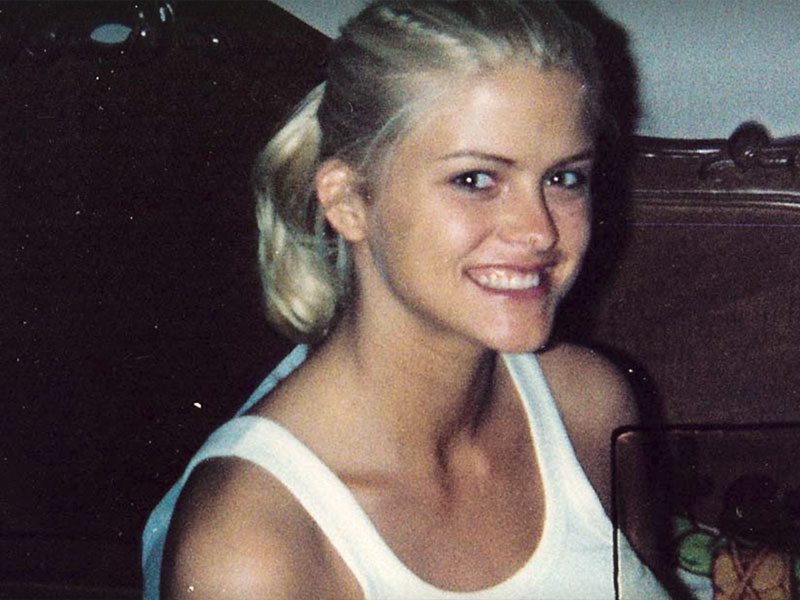
7 heartbreaking Anna Nicole Smith revelations from Netflix’s documentary “You Don’t Know Me”

You wouldn’t expect most rags-to-riches tales to begin with loss and end with more loss. But for Anna Nicole Smith, that was her reality — an ongoing tragedy fueled by exploitation, public scrutiny and invasive, toxic tabloids.

The actress, model and former Playboy Playmate quickly made a name for herself in Hollywood, despite her humble beginnings in rural Texas. On paper, Smith had the life she always dreamed of, all while being happily married and reaping the benefits of motherhood. But in reality, she was plagued by personal tragedies and trauma, which later fueled her alcohol and drug addiction. 

More than 15 years after her demise, Smith’s heartbreaking life story is being recounted in Netflix’s documentary, “Anna Nicole Smith: You Don’t Know Me.” The nearly two-hour-long showcase intertwines archival audio recordings of Smith with intimate interviews of her immediate family members (including her brothers and uncle) along with her closest acquaintances and companions. By the end of the documentary, we see a more painful side of Smith, sans the glamour and glossy editorial photos.

From Smith’s pained relationship with her biological father to the loss of her son, here are the seven most heartbreaking revelations from “Anna Nicole Smith: You Don’t Know Me”: 

01
Smith’s lonely marriage at 17
Anna Nicole Smith: You Don't Know MeAnna Nicole Smith in “Anna Nicole Smith: You Don’t Know Me” (Photo courtesy of Netflix)
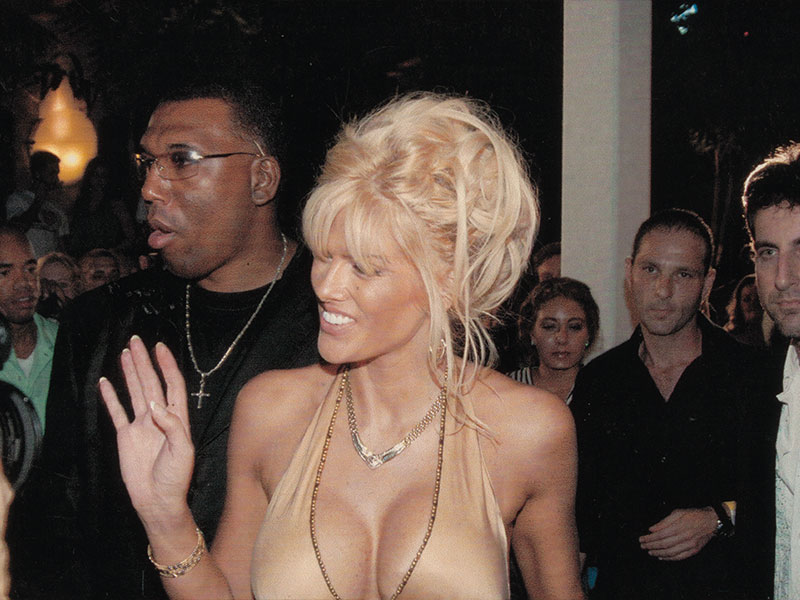
Born Vickie Lynn Hogan in Houston, Texas, Smith moved to Mexia, Texas, to live with her maternal aunt as a teenager. As recalled by her mother, uncle and brother, Smith was known for her great beauty and allure from a very young age. She eventually dropped out of high school during her sophomore year and began working at Jim’s Krispy Fried Chicken, where she met her husband — 16-year-old Billy Wayne Smith.


The pair tied the knot in 1985 and had their first child, Daniel Wayne Smith, the following year. “And I thought, ‘Well if I have a baby, I’ll never be lonely again,” Smith said in an old audio recording featured in the documentary. “So I flushed them pills down the toilet, and I got pregnant. I had my son Daniel. And then, I’m not lonely, and I love him.”


Smith and Billy’s relationship was short-lived. The pair parted ways in 1987, although they reportedly didn’t officially divorce until 1993. Smith and her son, who was six months old at the time, left for Houston, where she began working as a stripper at the Executive Suite club.

02
Smith’s substance abuse began early
Anna Nicole Smith: You Don't Know MeMaurice “Big Moe” Brighthaupt and Anna Nicole Smith in “Anna Nicole Smith: You Don’t Know Me” (Photo courtesy of Netflix)

Missy Byrum, a former stripper at the Executive Suite club and friend of Smith, said the model was hooked on Valium, Xanax, Lortabs, Vicodin and Klonopin after she underwent breast augmentation surgery.


“From that time on, she was always taking them,” Byrum recalled. “There was nothing she could do to stop it, you know. Being with her was like a roller-coaster ride. It never got boring, I’ll say that to you.”

03
Smith unofficially married a woman
Anna Nicole Smith: You Don't Know MeMissy” and Anna Nicole Smith in “Anna Nicole Smith: You Don’t Know Me” (Photo courtesy of Netflix)
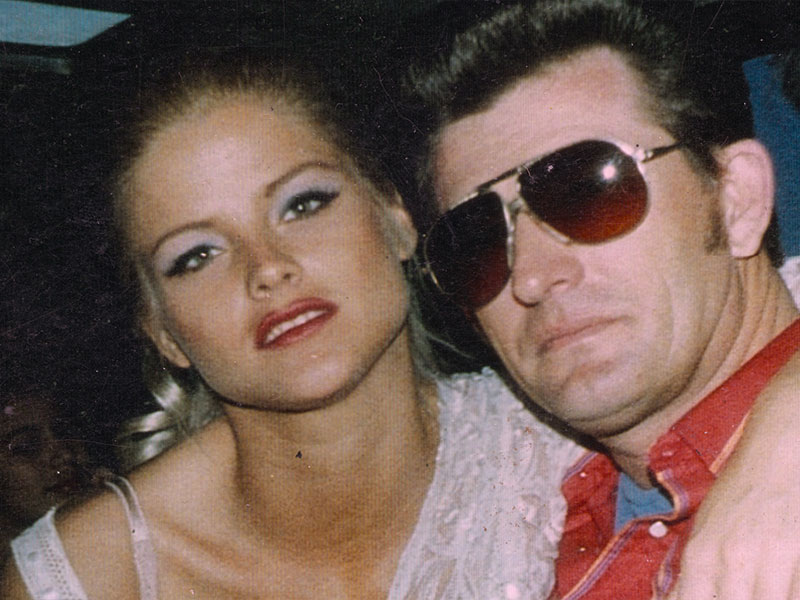
In addition to being coworkers and best friends, Byrum revealed that she and Smith were “real sober lovers,” despite their occasional drug and alcohol-fueled hookups.


“I was not her first female lover,” Byrum said. “But I knew it would not last. She needed more love than one human being could ever give her.”


According to Byrum, the pair’s relationship grew more “dependent” when Smith asked her to take care of Daniel as she took on more modeling and acting gigs. “We became lovers, you know? And I mean real sober lovers — it was a conscious thing,” Byrum added. “She said that she loved me.”


She continued, “We’d now been through some bad relationships, both of us, with men. We decided that we just didn’t need men. We were gonna raise Daniel together.”


Byrum said Smith later proposed to her in 1993: “She gave me a set of wedding rings, and we got married in the backyard by the pool with champagne.” The marriage, however, was not legally officiated.


“I wore the rings. She wanted me to have a baby with her. But I always knew it wasn’t ever going to work out,” Byrum recalled. “Because she was never, ever going to settle down with one person.”


As Smith’s addiction worsened, so did her relationship with Byrum, who ultimately left Smith when her situation grew more dire.


“She just needed to be adored — she needed more love than any one human being could give her.”

04
Smith claims her estranged father tried to have sex with her
Anna Nicole Smith: You Don't Know MeAnna Nicole Smith and Donald Hogan in “Anna Nicole Smith: You Don’t Know Me” (Photo courtesy of Netflix)

After years of living with just her mother and aunt, Smith got in touch with her biological father Donald Eugene Hogan and brother Donnie Hogan via a private investigator. The trio formally met in 1993, when Smith invited them to the Playboy Mansion in Los Angeles to celebrate her being awarded Playmate of the Year. Smith was elated to finally have a father figure in her life, but her happiness was soon cut short.


“I wanted Vickie to know the truth,” recalled Donnie. “My father is not the type of guy you want to be alone with, or say . . . or feel safe. You’re not gonna feel safe. I mean he’s a monster.”


When Donnie was just 16 years of age, his father had told him the story of how he raped his wife’s sister, who was a child at the time. Donnie said his father was “very scary” and that he was incredibly afraid of him.


As for what happened between Donald and his daughter, Byrum said that Smith eventually claimed that her father had tried to have sex with her shortly after meeting her for the first time.


“I was really sad to see that for her because I know how happy she was when she met him,” Byrum said.”‘Cause she had all these ideas in her head of what he was like and what it was gonna be like, and she was just so, so disappointed.”


When asked if his father had assaulted his sister, Donnie denied the allegation before admitting, “That would be like him. But is it true? It couldn’t be. I was there every step of the way. But you know what? I wouldn’t put it past him. I mean, I guess I wasn’t there all the time.”

05
Smith received no inheritance from her late billionaire husband
Anna Nicole Smith: You Don't Know MeAnna Nicole Smith in “Anna Nicole Smith: You Don’t Know Me” (Photo courtesy of Netflix)
Smith’s personal life became of public concern (and scrutiny) when she married billionaire J. Howard Marshall II, an oil tycoon. The pair tied the knot when Smith was 26 years of age and Howard was 89.


Following Marshall’s death, Smith was embroiled in legal drama with her former stepson, E. Pierce Marshall, over her late husband’s wealth. J. Howard’s will and trust did not include Smith, even though she claimed that he had made promises to award her his fortune. Both Smith and Marshall’s other son, J. Howard Marshall III, sought to overturn the will and trust. But, ultimately, they were both unsuccessful as they lost their cases during a six-month Texas state court jury trial.


Smith later declared bankruptcy in California and was awarded $474 million from Howard’s estate by a California federal court. The decision, however, was overturned by The U.S. Court of Appeals for the Ninth Circuit, which asserted that a federal bankruptcy court did not have jurisdiction to decide on state probate matters.


Smith’s legal battles continued well after her death and eventually reached the Supreme Court. Howard K. Stern — Smith’s attorney, agent and domestic partner — continued to fight on behalf of her estate but in 2011, the Supreme Court posthumously ruled against Smith.


In the end, neither Smith nor her estate received any inheritance from the Marshall family.

06
Smith “was a wreck” when her son died from an overdose
Anna Nicole Smith: You Don't Know MePol’ Atteu in “Anna Nicole Smith: You Don’t Know Me” (Photo courtesy of Netflix)

On Sept. 10, 2006, just three days after Smith gave birth to her daughter Dannielynn Birkhead, son Daniel passed away at the age of 20 years old. His cause of death was an accidental overdose of a fatal combination of methadone and two antidepressants, per reports.


“She was a wreck. She was incoherent. She couldn’t talk. She didn’t wanna live,” said Pol’ Atteu, a friend and personal designer to Smith. “Daniel was the reason why she wanted to get out of Mexia, Texas. Everything that she did was for Daniel.”


Atteu continued, “Every single conversation was what she did wrong, blamed herself the whole time. She said, ‘I just wanna die. I don’t deserve to be here. It should’ve been me. It should’ve never been him. It should’ve been me.'”

07
Smith died from an accidental overdose of nine prescription drugs
Anna Nicole Smith: You Don't Know MeAnna Nicole Smith in “Anna Nicole Smith: You Don’t Know Me” (Photo courtesy of Netflix)

On Feb. 8, 2007, four months after Dannielynn’s birth and Daniel’s death, Smith was found unresponsive at the Seminole Hard Rock Hotel & Casino in Hollywood, Florida. The Seminole Police Department in Florida ruled Smith’s death “an accidental overdose with no other criminal element present.” 


A toxicology report revealed that Smith had ingested chloral hydrate, a sedative and hypnotic pharmaceutical drug, along with several prescription drugs, including Clonazepam, Lorazepam, Oxazepam and Valium. Eight of the eleven drugs found in Smith’s system were actually prescribed to Stern and not Smith. All of the prescriptions were written by Smith’s psychiatrist Dr. Khristine Eroshevich, who along with Stern were seen heating some of the drugs to “turn them into liquid and inject Smith,” according to Smith’s former nannies.


On Feb. 8, 2021, Eroshevich “surrendered her medical license to the Medical Board of California in response to charges of gross negligence, repeated negligent acts, and failure to keep patient records,” per the Psychiatric Crime Database.

“Anna Nicole Smith: You Don’t Know Me” is currently available for streaming on Netflix. Watch a trailer for it below, via YouTube:


House Democrat flips the script on the GOP for “failing to keep the halls of Congress crime free”

House Democrats slammed Rep. George Santos, R-N.Y., who was indicted on 13 felony charges last week, during the Oversight and Reform Committee’s hearing about crime in Washington, D.C. on Tuesday. 

The Justice Department criminally charged the freshman congressman with seven counts of wire fraud, one count of theft of public funds, three counts of money laundering and two counts of making materially false statements to the House of Representatives last Wednesday, following an investigation prompted by reports that he had fabricated parts of his biography during his 2022 campaign.

During Tuesday’s hearing, Santos’ fellow congressional newcomer, Rep. Jasmine Crockett, a Democrat from Texas, admonished House Republicans for failing to take action against Santos even after his indictment.

“My Republican colleagues want to talk about keeping DC streets crime free. They can’t even keep the halls of Congress crime free,” she began, adding “My freshman colleague has just been indicted on 13 counts — 13 felony counts — but have they exhibited any courage to say, ‘You know what, we will disallow this in our body, we will make sure that we expel this individual.’ They have not.”

“So, what I don’t want to hear is that they care about crime, because if they did, they would start by cleaning up our own House and mind our own business, instead of coming after D.C.,” Crockett continued.

Rep. Melanie Stansbury, D-N.M., echoed Crockett’s sentiments, further rebuking Republican lawmakers for seeking to discuss crime in the nation’s capital in the first place.

“We’re here talking about crime while one of our colleagues from across the aisle, who’s been indicted on 13 criminal counts, is not only at large after being bailed out of a New York jail, he is walking around this Capitol voting,” she said of Santos, who was released on a $500,000 bond after pleading not guilty to the charges.

“And the people of D.C. do not have representation in these halls. It’s outrageous. It is absolutely outrageous,” she added.

Megyn Kelly pooh-poohs Harry and Meghan’s “near catastrophic” paparazzi car chase

Prince Harry and Meghan Markle — formally known as the Duke and Duchess of Sussex —  were pursued by photographers in New York on Tuesday night in what’s being referred to as a “near catastrophic car chase.”

The royals were stateside to attend the Ms. Foundation’s Women of Vision annual gala at the Ziegfeld Ballroom, during which Markle was honored by Gloria Steinem for her, “global advocacy to empower and advocate on behalf of women and girls,” according to Good Morning America. Markle’s mother, Doria Ragland, was also in attendance and was with the duke and duchess after the festivities as they are said to have circled the city fleeing numerous cars driven by paparazzi for over two hours — a time frame that is now being widely disputed by members of the press and witnesses at the scene.

On Wednesday’s episode of “The Megyn Kelly Show” on SiriusXM, Kelly weighed in on the alleged chain of events as recounted by Harry, Meghan and their representatives — expressing doubt and throwing shade.

“Meghan Markle and Prince Harry say that they were in a ‘near catastrophic car chase,’ . . . what does that mean? Near catastrophic is what we all have every time we look down to change the radio while driving our cars,” the conservative journalist jabbed.

After reading news briefs of the chase, giving stink-eye the whole way through, Kelly remarks on the couple’s request for aggregates to avoid using paparazzi photos from the incident saying,  “Sorry, you two, but you’re in America now. And in America the press has the right to photograph you when you’re in a public place.”

For many, the news of Prince Harry being involved in such a paparazzi-instigated situation as what reportedly took place harkens back to the one that led to the tragic death of his mother, Princess Diana, in 1997 — and while this is a similarity not lost on Kelly, it does little to soften her opinion on the matter.


Want a daily wrap-up of all the news and commentary Salon has to offer? Subscribe to our morning newsletter, Crash Course.


“Most of us who are public figures go through something like this multiple times, and we don’t run to our PR agents and have them release a statement playing the victim,” Kelly says. 

Focusing attention on Markle specifically, Kelly later says, “This woman hasn’t seen a paparazzi she wants to avoid. Who are we kidding?”

Watch a clip from “The Megyn Kelly Show” below:

“Shame”: Protests and outrage as former Democrat paves the way for North Carolina abortion ban

House Republicans in North Carolina overrode Democratic Gov. Roy Cooper’s Saturday veto of a 12-week abortion limit — with the critical help of a former Democrat — sparking outcry from progressive North Carolina legislators and abortion rights advocates.

The Republican-controlled General Assembly completed the final part of the override vote after a three-fifths majority voted in its favor in the Senate earlier Tuesday. The decision makes the 12-week ban on abortion access law in the state, a major victory for Republican legislators who needed every GOP lawmaker’s support in order to enact the law, the Associated Press reports.

Cooper reportedly convened with several Republicans last week in an effort to persuade at least one to side with him on the override, which would be enough to maintain his veto. However, four of the Republicans he targeted — including Rep. Tricia Cotham, R-N.C., who switched from being a Democrat last month — voted against him.

The new abortion limit is set to take effect July 1, additionally instituting exceptions for rape or incest through 20 weeks of pregnancy, “life-limiting” fetal anomalies in the first 24 weeks, and maintaining an existing exception for circumstances that endanger the life of the pregnant person.

The General Assembly’s decision was immediately met with outcry from pro-choice protesters. A video from Anderson Clayton, the North Carolina Democratic Party chair, showed advocates chanting, “Shame,” in the legislative building’s gallery.

“After the vote was taken tonight, folks in the gallery were loud,” she tweeted alongside the video. “Our right to our own bodies was just voted on. and tonight, the people just yelled. we’re tired, that’s for sure, but more than that, we’re angry. we’re motivated. and there’s a movement behind us.”

Following Tuesday’s vote, Gov. Cooper released a statement on the override, assuring constituents that he will do “everything I can to protect abortion access in North Carolina because women’s lives depend on it.”

“Strong majorities of North Carolinians don’t want right-wing politicians in the exam room with women and their doctors, which is even more understandable today after several Republican lawmakers broke their promises to protect women’s reproductive freedom,” the statement began.

Mackenzie Reedybacon, the chair of the Cabarrus County Democratic Party in North Carolina, expressed her disappointment in a statement shared to Twitter, reminding constituents of the work they did to canvas for the county’s first Democratic representative in over 20 years in an effort to instill hope.

“I’m at a loss for words right now,” Reedybacon wrote. “Y’all did everything right. Last year, you knocked doors and made calls morning, noon and night. You organized your precincts and neighborhoods. you donated your time, talent and treasure to see candidates’ visions realized.”

“And yet — we have just seen one of the most restrictive, regressive abortion bans in recent state history rushed through the Senate and House to become law,” she added. “Please know that all of our work is not erased or undone because of this bill. In fact, the Republican-led legislature is scared by how effective we can be when we work together.”

Rep. Deborah Ross, D-N.C., also shared a video to Twitter in response to the override vote, attempting to galvanize viewers to “fight back at the ballots.”

“Republicans have betrayed the people of North Carolina & turned back the clock 50 years,” she wrote in the tweet. “But this fight isn’t over. Republicans will feel the ramifications of this abortion ban at the ballot box.”

Victor Shi, the youngest elected Biden delegate and a former White House intern, echoed Ross’ sentiments in a thread.

“Hey, North Carolina: congratulations. You, once again, have pissed off more women & young people than you could possibly imagine by overriding the governor’s veto of a 12 week abortion ban. Women & young people will respond appropriately in 2024. Just wait & see,” he said.

Cotham, who has championed abortion rights in the past and even sought an endorsement from Planned Parenthood South Atlantic during her 2022 campaign, also drew a plethora of criticism for her role in the override. Her party switch supplied the North Carolina GOP with the support they needed to gain veto-proof seat majorities in both chambers of the General Assembly.

“Rep. Tricia Cotham LIED. Rep. John Bradford LIED. Rep. Ted Davis LIED. All three of these Republicans promised voters that they would protect their right to choose. All three of them voted to override the veto on SB20 last night. North Carolinians deserve better. #ncpol,” Democratic state Rep. Wesley Harris said in a Tweet reacting to the news Wednesday morning.

The president and CEO of Planned Parenthood, Alexis McGill Johnson, also admonished Cotham, linking to a Saturday story from Jezebel on the Republican state representative’s former aides’ response to her “abortion betrayal.” 

“⁦@triciacotham is not just playing politics with the lives of North Carolinians. She is playing petty. What an utterly disgraceful lack of leadership!,” Johnson said.

The article details the former staffers’ devastation and confusion over Cotham’s vote and party change, with one former aide claiming that Cotham saw an opportunity “to be the new shiny object in the Republican Party” because she felt under-appreciated and unsupported by her Democratic colleagues.

Cotham released a lengthy statement on her decision after the vote late Tuesday, saying that the bill “strikes a reasonable balance” that “represents a middle ground that anyone not holding extremist positions can support.”

The News & Observer in North Carolina also reported that Cotham mouthed “I see you,” to the protestors being escorted from the House gallery following the vote.

Vaccines using mRNA can protect farm animals against diseases traditional ones may not

While effective vaccines for COVID-19 should have heralded the benefits of mRNA vaccines, fear and misinformation about their supposed dangers circulated at the same time. These misconceptions about mRNA vaccines have recently spilled over into worries about whether their use in agricultural animals could expose people to components of the vaccine within animal products such as meat or milk.

In fact, a number of states are drafting or considering legislation outlawing the use of mRNA vaccines in food animals or, at minimum, requiring their labeling on animal products in grocery stores. Idaho introduced a bill that would make it a misdemeanor to administer any type of mRNA vaccine to any person or mammal, including COVID-19 vaccines. A Missouri bill would have required the labeling of animal products derived from animals administered mRNA vaccines but failed to get out of committee. Arizona and Tennessee have also proposed labeling bills. Several other state legislatures are discussing similar measures.

I am a researcher who has been making vaccines for a number of years and I started studying mRNA vaccines before the pandemic started. My research on using mRNA vaccines for cattle respiratory viruses has been referenced by social media users and anti-vaccine activists who say that using these vaccines in animals will endanger the health of people who eat them.

But these vaccines have been shown to reduce disease on farms and it’s all but impossible for them to end up in your food.


Traditional animal vaccine approaches

In food animals, several types of vaccines have long been available for farmers to protect their animals from common diseases. These include inactivated vaccines that contain a killed version of a pathogen, live attenuated vaccines that contain a weakened version of a pathogen and subunit vaccines that contain one part of a pathogen. All can elicit good levels of protection from disease symptoms and infection. Producing these vaccines is often inexpensive.

However, each of these vaccines has drawbacks.

Inactivated and subunit vaccines often do not produce a strong enough immune response and pathogens can quickly mutate into variants that limit vaccine effectiveness. The weakened pathogens in live attenuated vaccines have the remote possibility of reverting back to their full pathogenic form or mixing with other circulating pathogens and becoming new vaccine-resistant ones. They also must be grown in specific cell cultures to produce them, which can be time-consuming.


Each type of vaccine has pros and cons.


There are also several pathogens — such as porcine reproductive and respiratory syndrome virus, foot and mouth disease virus, H5N1 influenza and African swine fever virus — for which all three traditional approaches have yet to yield an effective vaccine.

Another major drawback for all three of these vaccine types is the time it takes to test and obtain federal approval to use them. Typically, animal vaccines take three or more years from development to licensure by the U.S. Department of Agriculture. Should new viruses make it to farms, playing catch-up using traditional vaccines could take too long to contain an outbreak.


Advantages of animal mRNA vaccines

All cells use mRNA, which contains the instructions to make the proteins needed to carry out specific functions. The mRNA used in vaccines encode instructions to make a protein from a pathogen of interest that immune cells learn to recognize and attack. This process builds immunological memory, so that when a pathogen carrying that same protein enters the body, the immune system will be ready to mount a quick and strong response against it.

Compared to traditional vaccines, mRNA vaccines have several advantages that make them ideal for protecting people and farm animals from both emerging and persistent diseases.

Unlike killed or subunit vaccines, mRNA vaccines increase the buildup of vaccine proteins in cells over time and train the immune system using conditions that look more like a viral infection. Like live attenuated vaccines, this process fosters the development of strong immune responses that may build better protection. In contrast to live attenuated viruses, mRNA vaccines cannot revert to a pathogenic form or mix with circulating pathogens. Furthermore, once the genetic sequence of a pathogen of interest is known, mRNA vaccines can be produced rather quickly.

The mRNA in vaccines can come in either a form that is structurally similar to what is normally found in the body, like those used in COVID-19 vaccines for people or in a form that is self-amplifying, called saRNA. Because saRNA allows for higher levels of protein synthesis, researchers think that less mRNA would be needed to generate similar levels of immunity. However, a COVID-19 saRNA vaccine for people developed by biopharmaceutical company CureVac elicited less protection than traditional mRNA approaches.

Merck’s Sequivity is currently the only saRNA vaccine licensed for use in animals and it is available by prescription to protect against swine flu in pigs.


Persistence of mRNA vaccine components

All mRNA vaccines are made in the laboratory using methods that were developed decades ago. Only recently has the technology advanced to the point where the body doesn’t immediately reject it by activating the antiviral defenses intrinsic to each of your cells. This rejection would occur before the immune system even had the chance to mount a response.

The COVID-19 mRNA vaccines used in people mix in modified nucleotides — the building blocks of RNA — with unmodified nucleotides so the mRNA can hide from the intrinsic antiviral sensors of the cell. These modified nucleotides are what allow the mRNA to persist in the body’s cells for a few days rather than just a few hours like natural mRNAs.

New methods of delivering the vaccine using lipid nanoparticles also ensure the mRNA isn’t degraded before it has a chance to enter cells and start making proteins.

Despite this stability, mRNA vaccines do not last long enough within animals after injection for any component of the vaccine to end up on grocery store shelves. Unlike for human vaccines, animal vaccine manufacturers must determine the withdrawal period in order to obtain USDA approval. This means any component of a vaccine cannot be found in the animal prior to milking or slaughter. Given the short lifespan of some of the agriculture animals and intensive milking schedules, withdrawal periods often need to be very short.

Between the mandatory vaccine withdrawal period, flash pasteurization for milk, degradation on the shelf and the cooking process for food products, there could not be any residual vaccine left for humans to consume. Even if you were to consume residual mRNA molecules, your gastrointestinal tract will rapidly degrade them.

Several mRNA vaccines for use in animals are in early stages of development. Merck’s USDA-licensed Sequivity does not use the modified nucleotides or lipid nanoparticles that allow those vaccine components to circulate for slightly longer periods in the body, so long-term persistence is unlikely.

Like in people, animal vaccines are tested for their safety and effectiveness in clinical trials. Approval for use from the USDA Center for Vaccine Biologics requires a modest level of protection against infection or disease symptoms. As with all animal vaccines, future mRNA vaccines will also need to be fully cleared from the animal’s body before they can be used in animals for human consumption.


mRNA vaccines for more farm animals

Whether mRNA vaccines will displace other vaccine types for livestock is yet to be determined. The cost of manufacturing these vaccines, their need to kept very cold and warm up before use to avoid degradation and the efficacy of different types of mRNA vaccines all still need to be addressed before large-scale use can take place.

Traditional vaccines for food animals have protected them against many diseases. Limiting the use of mRNA vaccines right now would mean losing a new way to protect animals from pesky pathogens that current vaccines can’t fend off.

David Verhoeven, Assistant Professor of Vet Microbiology and Preventive Medicine, Iowa State University

This article is republished from The Conversation under a Creative Commons license. Read the original article.

How being funny became Krysten Ritter’s “eureka moment” that led to her acting career

In 1980 in the small town of Wylie, Texas, there was a murder that has produced two limited series in the past year. The latest, “Love & Death” on HBO Max, is produced by 11-time Emmy Award winner David E. Kelley of “Big Little Lies” and stars Elizabeth Olsen as Candy Montgomery, a woman who kills her friend Betty Gore, played by Lily Rabe, after she has an affair with Betty’s husband, Allan, played by Jesse Plemons.

Krysten Ritter plays Sherry Clecker, a real person who was a loyal friend to the ax-slinging Candy. Ritter’s Sherry adds levity to the dark, tense and suspenseful “Love & Death.” “Even when we’re doing something that’s really dark, I always like to find the flip of that,” Ritter shared with me on “Salon Talks.”

From “Jessica Jones” to “Don’t Trust the B—- in Apartment 23” (which Ritter would do “again, a million times”), no matter the genre, comedy and women with toughness always find their way into Ritter’s work. “There is that through line where the characters are strong, and have agency, and aren’t exactly wallflowers,” Ritter said. “I think that that is something that is just me.”

Early on, Ritter explained, she worked with acting teachers who tried to get her to “hold still” and “slow down,” but by resisting that advice and remaining true to her rambunctious, fast-talking self, she has carved out a catalog of memorable characters who often express that back to the viewer.

Watch the “Salon Talks” episode with Krysten Ritter here, or read our conversation below to hear more about “Love & Death,” Ritter’s favorite hobbies to do in between takes (she has lots) and what’s up next for her, including a new book and “Orphan Black: Echoes.”

The following interview has been lightly edited for clarity and length.

What did you know about Candy Montgomery before you signed on and how does your character fit into her story?

I didn’t know anything about this story before. I met with our wonderful director, Lesli Linka Glatter, and David E. Kelley, and read the scripts. Everything was super top secret. I couldn’t believe that it was a true story, and the scripts were so fantastic, and this is a really amazing group of actors, group of producers, and I was in immediately. I play Sherry Cleckler, who is also a real person, Candy Montgomery’s best friend and business partner and her confidant as she is making some pretty bad decisions.

Speaking of this cast and crew, the writers and producers of this show really wanted to distinguish it from true crime, and the true crime genre. How did that inform your work as an actor? 

“They were trying to get me to hold still and slow down. I’m glad that I didn’t let that happen.”

I just tried to play the character in a fun, truthful way. She reminded me, personally, of my real life Aunt Sharon, who was a singer in the choir at church, and we’re from a small town similar to this, and she just had this way about her, and she was also a beautician. My character’s a beautician, and she had this way of walking and talking and, as soon as I read the script, that’s the thing that popped out at me. So, that’s why I wanted to play this character, and I just kept that in mind, and didn’t pay attention too much to what everybody was going for. For me as an actress, you focus on what you’re doing, and it being truthful, so that’s what I tried to do going into this.

It was a really fun opportunity to play a character with a little bit of levity in an otherwise very dark story about murder, an affair and drama. I thought it was an opportunity for me to have a little fun, and play a character that was going to be a little bit of a breath of fresh air when she was coming on screen.

The Betty Gore murder happened in 1980, so this show is also a time piece. I loved the music specifically that we got to hear in the series. What is it about the story that grabs our attention today and still resonates with us today?

I think that’s a really good question. It’s timeless in that people are in their lives and feel bored sometimes, and everybody wants something, the grass is always greener. We’re all seeking happiness, and this was a time and a place that was really special. You’re right, the music is so fun in the show. Also, the hair and the makeup and the wardrobe. We had an amazing costume designer, amazing hair and makeup girls, and just really got to transport to a different time.

Was there anything that really helps you get into that time period in particular?

“S**t goes down in little small towns.”

Definitely the clothes and the hair. As soon as you get that on, you have a whole other physicality. I wore some clogs, and a little flare jeans, which made it really fun.

You were working it.

When am I not working it?

You also have an interesting way to way into Wylie, Texas. You’re from a small town, you wrote your novel, “Bonfire,” about a small town. You’re from the place at the center of the “Kids for Cash” documentary, and you also have connections to Steubenville, Ohio, where there was a high-profile case that reached national news like this one. How did this help you understand the optics of a scandal in a small town?

Yeah, you’re exactly right. I have been touched by all of those things, and all of those events, so you get it and you get like, s**t goes down in little small towns. I am from a small town just like this. I grew up in the church like this, a small church where everybody sang in the choir, wore the big robes just like we do [in the show], which was really impactful to me on those days where we would spend full shooting days, multiple shooting days, singing these choir hymns. I was transported back to my childhood in a way. It’s really emotional to sing these really simple two-chord hymns. We were all like just belting our faces off. It was a really, really unique experience.

Throughout your career you’ve played some bada**, confident and complicated characters. Was this an intentional choice, and how does Sherry fit into your catalog now?

I’m lucky in that I’ve been fortunate in my career to get a variety of opportunities and always get to try something new. But there is that through line where the characters are strong, and have agency, and aren’t exactly wallflowers. I think that that is something that is just me, and I bring to the roles.

Changing it up is really important to me. I like to do dark drama, but then I love to do comedy and laugh, and this was a really fun opportunity to do a little bit of both. When I read the scripts, I had the first three scripts, and there was a really — she’s fun and she’s light — but there was a really great scene where Patrick Fugit‘s character comes to me and knows what’s going on, and it was really tense and really dramatic, and sometimes it’s really fun when you get to do both, be comedic and be light, but also do some real work as well. So, for me, it’s all about changing it up. I love to do it all, and I love to change it up and not be stuck in one lane.

There’s always humor in your characters, whether it’s at the forefront of the project or not, and no matter how dark the story is. How has your approach to comedy changed throughout your career?

I really enjoy comedy, and I love it. I have always been very goofy, and very obnoxious, and funny, and I like to find humor everywhere. It’s something that I enjoy, and it’s important. I love to laugh. I love to laugh all day. Even when we’re doing something that’s really dark, I always like to find the flip of that. Then, obviously we’re both fans of “Don’t Trust the B—- in Apartment 23,” which is just all laughs and all going for it as much as possible, which I’d love. Being funny is one of the best things about the gig. 

You were first discovered by a modeling scout in a mall. What were those early days of modeling like, and did you know that you would always end up an actress?

No, no, no. I had no idea what I was going to be when I was a teenager. I had no idea what I was going to do. I think that’s a scary thing and a lot of pressure for teenagers that a lot of people deal with. I was scouted at the mall, and I started going to New York and modeling and realized pretty quickly that it was a system that wasn’t going to last. If girls didn’t hit within one season or two seasons, they weren’t brought back the next summer, and that was it. So, I linked into that pretty quickly, and I was like, “Oh, how do I make sure I don’t go home?” 

“Being funny is one of the best things about the gig.”

It wasn’t until I went on a commercial audition where I was like, “Oh, this is good.” Whereas most actors would say they have no control over their lives, and you just keep doing the thing, coming from modeling, in this commercial audition I was like, “Oh, I finally have full control. I can be funnier. I can show up earlier. I can plan my jokes. I can work harder.” So, that’s where it was just my eureka moment, and I decided I wanted to really focus on acting, and then started taking classes and working with a coach and transitioned that way. 

But I started from modeling, and then started being a background extra in commercials, extra and music videos, and, blink and you won’t see me things. Then I started getting little parts, and I started getting commercials and kept going. I kept showing up, kept working, kept showing up. I think modeling gave me that good perspective. It also taught me about resilience and rejection so early. That’s part of it. That allowed me to get into the acting world with a better head on my shoulders.

You have always stayed true to who you were. From an early age, you were silly, goofy and a fast talker, and you really stayed true to who you were in those auditions. How do you think that has affected your career?

Early days in acting classes, they were trying to get me to hold still and slow down. I’m glad that I didn’t let that happen because I got that part in “Gilmore Girls,” and guess what? They were even telling me to talk faster. Then, that just led to the next thing was a little bit bigger. The next thing was a little bit bigger. I found a way in. I was always the quirky funny one, the whatever, the this. You just keep carving, and keep showing up, and getting used to hearing “no” 900 times in a row. Then finally, you’re a yes, and you grab it, and keep going.

You’ve also directed, you have a production company and you’ve written a novel. What draws you to these other forms of storytelling?

I love storytelling. I’m also just somebody who gets bored quickly, and I like to make my own rules. I’m not somebody who sits around and waits for my agent to tell me when I’m going to work, never have. Never have. Even before I was getting jobs and working consistently, I was making my own stuff. I was shooting things on camcorders, and editing them on iMovie, making music videos, learning GarageBand, and making music. I’m always very scrappy, always like a scheme and always a new interest, or a new hobby I would always throw myself into. So, that’s what all of that is. 

“I know how to do the work. I’ve been doing this a long time.”

I really enjoy directing, and just from being number one on a TV show for over a decade, you learn so much, and you see so many directors coming in and what their style is, and picking up like, “Oh, this really worked for this, this really worked for that.” Just having a point of view. So, directing, and producing, and writing allows me to just keep doing what I’m doing, but in a different medium. It’s exactly all the same thing though.

Are there any other artistic challenges that you want to take on?

Well, I’m working on a new book, which will be announced soon. It’s taken me a very long time because I have a child now, and things like this takes so much longer. So, I’m doing that. I have some other things in development and I have a new show coming out, “Orphan Black: Echoes,” which will be out next year. Honestly, I’d like to learn ballet. That’s next. I’m going to do some ceramics classes. I’m just one of those people who gets really into hobbies and into new things.

Ceramics is one I also want to try.

I got really into it years and years ago, and then I found a studio in Los Angeles recently, and started going again. There’s just something really special about making something with your hands. It’s very fulfilling. It gets you off your phone. It gets you present. It’s very meditative, and there’s just something about having something at the end that you just made, and you put a lot of thought, and intention, and love into it. 

I know you’re a big knitter. I’m a crocheter.

I love crochet, too. Honestly, I go back and forth because I think knitting is better for garments, and clothes, and it lays nicer, but I like a crochet because it’s faster. Now, I’m a grownup with a kid. I love crocheting dish towels for my house, or all my shelves have a mat that I’ve made to put the cleaning products on. So, I really enjoy crochet, also. I think for on set, it’s just easier to pick up and put down. So, yeah, I have crochet in there, too.

You’ve worked with the same acting coach for a really long time, Marjorie Ballentine. It really struck me as a huge “Don’t Trust the B—-” fan that you said she wasn’t impressed by you landing that role. What has it been like having this person with you throughout your career? 

“I would do “Don’t Trust the B—- in Apartment 23″ again a million times because it’s so joyful.”

She’s still very much a huge part of everything that I do. She worked with me for Sherry Cleckler. She worked with me for “Orphan Black: Echoes,” which we just finished. She doesn’t get as fired up about the comedies as I do, and I love it, and I have to convince her. She’s very big and passionate like I am. We’ll be standing on our chairs by the end. 

Two heads are better than one. I feel like even when I have a really great handle on something, or I feel like, “Oh yeah, yeah, I got this. I know how to do it.” And, I do, I know how to do the work. I’ve been doing this a long time. I work on it with her, and she always comes up with more stuff that I didn’t find. She’s smarter than me. She’s better than me. Having her along the way has been an amazing support. I’ve learned so much. I admire her. She’s just this passionate, wildly intelligent, feminist f***ing bada**, and that is infectious. I just can’t get enough of her. I feel very grateful to have found a mentor like that. She’s a huge part of my acting process, and she always will be.

She wasn’t excited about “Don’t Trust the B—-,” but what does she think of “Love & Death”?

Oh, she loves “Love & Death.” The scripts are fantastic. I mean, this is David E. Kelley, who’s one of the most fabulous, prolific writers of our lifetime. She’s very excited about this one. 

She likes what I did with “Don’t Trust The B—- in Apartment 23,” but she just likes the dark s***t. She likes going deep into the underbelly. She likes the dark, gritty, more intense stuff, where I was like, I like to laugh all day. I would do “Don’t Trust the B**** in Apartment 23” again a million times because it’s so joyful.

There’s something to be said about laughing all day. If you are laughing and being funny in your scene, when they call “cut,” you are still laughing and being funny. It’s an amazing headspace to live your life in. It’s joyful. It’s up. It’s positive. When you’re doing dark stuff for months and months — I’m better at it now, ’cause I have hobbies and things like that, and you just get stronger. It’s like a muscle, but this weighs on you, too. So, I’m always battling with her. She’ll be like, “Let’s do this drama.” I’m like, “I need a happy, laughing job.” So, that’s what we go back and forth about.

Those laughs from “Don’t Trust The B—-,” I still reference it today. 

Lately there’s been a really fun fan on Instagram who’s been unearthing all of these little clips, and moments that even I forgot about. I’ll watch them and be like, “What?” I just can’t believe the stuff that we got away with. The writing was so funny. That character was so funny. So, it’s been fun the past couple of days. They’ve been posting these little really funny jokes and moments from it, and I’ve been reliving it, and enjoying it.

“Love & Death” is streaming on HBO Max.


America’s best throwback bread course is found at Texas Roadhouse

A few months ago, I had my first-ever meal at Texas Roadhouse, the steakhouse chain with over 600 U.S. locations. One day I’ll wax poetic on those brothy green beans with bacon and onion, or impart the pleasures of visual steak doneness guides like those Roadhouse servers carry in their aprons. But today I want to talk about the tender, buttery dinner rolls with sweet cinnamon butter that began our meal. 

After checking us in, the hostess led us to our table with a black plastic basket of warm, pillowy rolls she’d selected from the pass; almost like the rolls were guiding us too, in their butter-scented wake. Tearing into a fluffy, sweet roll, its glossy crust barely tinged with caramelization, was like an instant nostalgia injection. Suddenly I was sitting at a Midwestern dining table, ripping a tear-and-share butter roll at the seam — so satisfying! — to dunk into a bowl of chili or perhaps sop up the juicy remains of peppered beef roast. 

In my snobbish pursuit of naturally leavened sourdough breads these past several years, I’ve neglected the throwback joys of a soft, buttery dinner roll. But no more! 

The terrific dinner roll recipe I’m sharing today was part of my baking final exam in culinary school at Kendall College some 14 years ago. It doesn’t run quite as sweet as the Texas Roadhouse roll. It’s slightly chewier too, made from more glutinous bread flour. But it’s just as delicious, buttery and versatile. The matte, barely resistant crust and the gently chewy interior make these a delight for ripping in half and dunking in soup or enjoying plain with dinner. These rolls freeze beautifully and reheat quite well in the microwave

The sole request I must make before you make them, dear baker of unknown skill level, is to invest in a digital scale if you don’t already have one. As a self-proclaimed non-baker, I find it’s one of the best defenses against the temperamental nature of yeasted things. 


Cook’s Notes

Cinnamon honey butter is simple to make and will give these rolls that quintessential, Roadhouse edge. Mix ¼ cup each honey and softened butter. Sprinkle that with ½ teaspoon cinnamon and a dash of coarse salt, and mix well to combine. Smear on bread as desired. This butter is also heavenly stirred into porridge or smeared on cornbread or biscuits.

Soft butter rolls 
Yields
14-17 servings
Prep Time
1-4 hours, with proofing 
Cook Time
20 minutes

Ingredients

¼ oz. dried yeast
1 cup of warm water, about 100 degrees F
1 pound and 2 ounces of bread flour, plus more as needed for dusting
2 Tablespoons of sugar
2 teaspoons of salt
3 Tablespoons of dry milk
1 egg, beaten
1 1/2 ounces of butter, soft
2 ounces of butter, melted


Directions

  1. In a large bowl, dissolve the yeast in the water. Add a little flour, the sugar, salt, dry milk, egg and butter. Mix with a wooden spoon while gradually adding more flour until the dough is stable enough to handle (you might not need all of the butter listed above; trust your instincts). Flop the dough onto a generously floured counter, and start kneading. Knead until the dough springs back resiliently when you press on it with your finger. 
  2. Place the dough in a warm, damp place in a container large enough to allow for it to proof considerably, about one to four hours. Cover it with a cloth to prevent a crust from forming on the outside, and leave it until it is twice its original size. If you aren’t sure what “twice the size” exactly looks like, the other way to test that your dough has fermented sufficiently is to press gently on it with your finger “and leave a belly button,” as my Kendall College pastry chef-instructor used to say. This time, the dough should not spring back because the gluten is relaxed. 
  3. Flop the dough out onto a counter that you’ve once again dusted with flour. Pull up on one side of the dough and fold it over the center. Press down on the folded portion to expel carbon dioxide that formed from fermentation. Repeat this on the other side, and turn the dough over so the seams are on the bottom. 
  4. Weigh the dough, then divide it into as many 2-ounce portions as you can. Shape each portion into a smooth, round ball, stretching the top surface tight and smooth over the top of the dough. The best way to do this with such small pieces of dough is to hold your forefinger and thumb together as though you were making an “OK” sign, curling the rest of your fingers in the same way as your forefinger. Then, shove the dough between your thumb and palm, and push from the bottom of the dough out through the round hole in between your thumb and forefinger. This will stretch your dough into a rounded ball with a seam at the bottom. Repeat until you’ve rounded each portion.
  5. Place your rolls on a parchment-lined baking sheet, and set them in a warm place to proof. They should double in size again. Take them out, and brush each one with melted butter. Bake at 350 degrees F for 20 minutes, or until lightly golden and puffed. Serve warm with room-temperature butter for schmearing. 


No, whales aren’t dying from wind turbines — despite what the right wants you to believe

Last February, hundreds of protesters filled the boardwalk in Point Pleasant Beach, New Jersey, carrying signs that read “Save the Whales.” While the activists appeared to be well-intentioned — North Atlantic Right Whales on the East Coast are currently facing extinction — the protest was actually calling for a moratorium on wind farm construction. The protestors cited misinformation that wind turbines are killing whales, a narrative that has been a prominent talking point on right-leaning news channels like Fox News, as Salon previously reported. New Jersey is in the midst of building its first offshore wind project, which will consist of 98 turbines about 15 miles off the coast of Atlantic City and Ocean City.

Yet a new study adds to a growing body of evidence that wind turbines aren’t causing whales to die at all — suggesting that the aforementioned activists are, in fact, tilting at windmills.

However, a recent study published in Proceedings B, the Royal Society’s premier biological research journal, presents further evidence debunking this misinformation. The findings suggest that wind surveying for wind farms aren’t the culprit; rather, boats are the major threat to whales. This tracks with scientists’ observations in recent years. 

In the study, researchers utilized an acoustic array of hydrophone buoys to record the whales’ songs, which are predictable sounds used by humpbacks to communicate with each other. The researchers then introduced a 19-meter fishing boat to generate boat noise and observed the reactions of the whales to both the boat noise and wind noise.

The findings indicated that the humpback whales responded by singing louder in the presence of noisy wind above the ocean, but they did not exhibit the same reaction to the boat engines. This suggests that whale communication may not have adapted to human boats, and could be disruptive to how they communicate with each other.

“Humpback whales evolved over millions of years with noise from natural sources, but noise from man-made vessels is foreign to their instincts,” lead author Dr. Elisa Girola said in a media statement. “It’s a surprising finding given engine noise has a similar frequency range to the wind.”

Girola speculates that despite the similarity in frequency between wind noise and boat noise, the whales might be discerning nuances in the wind’s noise. In other words, this study contributes to the growing body of evidence indicating that anthropogenic noise, also known as noise pollution caused by human activities, may have a negative impact on whale communication.

“We don’t know yet if this lack of response to boat noise is making whales communicate less effectively or making breeding practices more difficult,” Girola said. “Male humpback whale singing is probably used to mediate reproductive interactions, but we can’t say if vessel noise is interfering.”

Indeed, it’s plausible that the humpback whales are using another form of communication to compensate for the vessel noise.


Want more health and science stories in your inbox? Subscribe to Salon’s weekly newsletter The Vulgar Scientist.


“Even with a 19-meter boat making a racket, the whales just didn’t sing any louder,” Girola said. “There are a few things going on – they might be using ‘spatial release from masking’, which is the ability to discriminate between audio signals coming from different directions.”

Further research is necessary. Although the study didn’t aim to directly refute the misinformation around wind turbines killing whales directly, it adds to evidence that ships are the real threat. In other words, that suggests that those who are attacking wind turbines as the source of whale deaths are mistaken.

“It is more information that follows in that same fact pattern that is the folks that are jumping to these conclusions about turbines killing whales are not supported by by evidence,” Gib Brogan, campaign director at ocean conservation nonprofit Oceana who was not involved in the study, told Salon. 

Since 2016, both humpback whales and north Atlantic right whales in the Atlantic Ocean have experienced an “unusual mortality event,” or UME, according to the National Oceanic and Atmospheric Administration (NOAA). Under the Marine Mammal Protection Act, a UME signifies there is a significant die-off of any marine mammal population that requires an immediate response. In February, the National Oceanic and Atmospheric Administration (NOAA) stated that an uptick in humpback whales deaths are due to humpback whales being struck by ships or being entangled in fishing gear.

“As the Gulf of Maine stock of humpback whales continues to grow, more young animals are choosing to overwinter along the Atlantic coast where they are vulnerable to being struck by ships and becoming entangled in fishing gear,” NOAA stated in a report. “Despite several reports in the media, there is no evidence to link these strandings to offshore wind energy development.”

Brogan said boat vessels are a “persistent threat” to whales. 

“Whales that have to come to the surface to breathe put themselves in danger because that’s where the boats are traveling,” Brogan said. “And very often the whales are swimming slowly, and when they spend time at the surface that puts them at risk of being hit by the boats, and we’re very concerned about the vessel strikes, particularly with North Atlantic right whales, but also with humpback whales.”

While more research is needed, the researchers of the most recent study note that it’s possible human-made noise is interfering with whale communication.

Certainly wind turbines are no strangers to conspiracy theories, but as researchers continue to hopefully the one between the whales and windmills can be put to rest.


SCOTUS shocker: Supreme Court refuses to block blue state assault weapon ban

State and local laws banning the sale of assault weapons will stand in Illinois for the time being, following the U.S. Supreme Court’s refusal on Wednesday to temporarily block the measures while pro-gun groups appeal them in lower courts.

The high court did not disclose how each justice voted or explain their reasoning for the decision, releasing only a brief statement saying that the request for an injunction was denied.

A gun store in Naperville, Illinois joined the National Association for Gun Rights in challenging a local ordinance that blocks the sale of assault weapons, defined as 26 firearms and other weapons that meet certain criteria. The law went into effect in January after being passed last August, a month after seven people were killed and nearly 50 were injured in a mass shooting in Highland Park, 35 miles away from Naperville.

The lawsuit also challenges the Protect Illinois Communities Act, which also went into force in January and bans the sale of assault weapons and high-capacity ammunition magazines across the state.

The 7th US Circuit Court of Appeals has taken up the case and is scheduled to hear arguments on June 29.

“This is an important victory in the fight to end gun violence as the U.S. continues to deal with multiple mass shootings.”

The gun store and pro-gun group cited two landmark rulings by the Supreme Court, including District of Columbia v. Heller, which held that the Second Amendment guarantees an individual the right to possess a firearm for “lawful purposes,” independent of serving in a militia; and New York State Rifle & Pistol Association, Inc. v. Bruen, which held that courts must consider the gun regulations that were in effect when the Constitution was written when they decide whether a gun law should stand.

The latter ruling expanded access to firearms last year even as gun violence surpassed vehicle accidents as the leading cause of death among children in the United States.

The plaintiffs claimed that “there is no historical analogue to such a ban” as the ones passed in Illinois. State Attorney General Kwame Raoul countered in a court brief that the types of guns targeted by the laws, such as one used by the shooter in Highland Park, fall well outside the Constitution’s protections for “firearms that are ‘commonly used’ for self-defense.”

The gun control group Brady said Wednesday’s development at the Supreme Court, while not the final word on the case, was “an important victory in the fight to end gun violence.”

“This is a great victory for Americans and all of us working to protect our children from the gun violence epidemic facing our nation,” said Debbie Mucarsel-Powell, senior adviser to advocacy group Giffords. “With this ruling the Supreme Court once again reaffirms the rights of legislators and local officials to pass gun safety laws.”

Democrats in Congress push to add 4 new justices to the Supreme Court

Citing a “crisis of legitimacy” they say is plaguing the U.S. Supreme Court, a group of congressional Democrats on Tuesday reintroduced legislation aimed at thwarting Republican attacks on democracy by expanding the nation’s top court from nine to 13 justices.

Sens. Ed Markey (D-Mass.), Tina Smith (D-Minn.), and Elizabeth Warren (D-Mass.), and Reps. Jerrold Nadler (D-N.Y.), Hank Johnson (D-Ga.), Cori Bush (D-Mo.), and Adam Schiff (D-Calif.) reintroduced the Judiciary Act outside the Supreme Court in Washington, D.C., where they held a press conference.

“The nation’s highest court today faces a crisis of legitimacy that began when Senate Republicans first abandoned norms and precedent to block the confirmation of then-President [Barack] Obama’s Supreme Court nominee, Merrick Garland, only to later ram through the confirmation of Amy Coney Barrett a mere 10 days before Election Day 2020, and while millions of Americans were already casting ballots,” the lawmakers said in a statement.

“The stolen, far-right Supreme Court majority has since ruled to destroy 50 years of settled precedent by rolling back the fundamental right to abortion care in Dobbs v. Jackson Women’s Health Organization and has become the subject of scandal, including new and resurfaced reports of Justice Clarence Thomas‘ failure to disclose gifts provided to him by billionaire Republican donor Harlan Crow and his spouse’s more than $680,000 in unreported income from the conservative think tank, the Heritage Foundation,” the statement noted.

Markey contended that “Republicans have hijacked the confirmation process and stolen the Supreme Court majority—all to appeal to far-right judicial activists who for years have wanted to wield the gavel to roll back fundamental rights.”

“Each scandal uncovered, each norm broken, each precedent-shattering ruling delivered is a reminder that we must restore justice and balance to the rogue, radical Supreme Court,” he argued. “It is time we expand the court.”

Johnson said that “it’s easy to take for granted that the number of justices on the Supreme Court must be nine. But it is not written in the Constitution and has changed seven times over the course of our nation’s history.”

“Thirteen justices would mean one justice per circuit court of appeals, consistent with how the number of justices was originally determined, so each justice can oversee one circuit,” Johnson added.

Bush asserted that “the Supreme Court is a cesspool of corruption devastating our communities. Because of the decisions made by an unethical and illegitimate majority, my constituents are unable to access abortion care, have weaker labor protections, are more vulnerable to voter suppression, and are subjected to a racist legal system.”

“As lawmakers, we have a mandate to ensure our rights are not stripped away by bought-and-paid-for judges trying to implement a fascist agenda,” she added. “I’m proud to lead on the reintroduction of the Judiciary Act, which would expand the court and help us reclaim our democracy once and for all.”

The bill’s sponsors were joined at Tuesday’s press conference by leaders of advocacy groups backing the bill, including Planned Parenthood Federation of America, NARAL Pro-Choice America, League of Conservation Voters, Demand Justice, and Stand Up America.

“The Supreme Court is facing a legitimacy crisis. In recent years, right-wing justices on the court have disregarded long-standing precedent and undermined Americans’ fundamental freedoms,” Sean Eldridge, founder and president of the advocacy group Stand Up America, said in a statement. “Now, reported ethics violations by conservative justices have raised serious questions about the Supreme Court’s ability to impartially administer justice. It’s no wonder 6 in 10 Americans say they don’t have confidence in the Supreme Court.”

“The American people need bold action to protect our freedoms and the legitimacy of the Supreme Court,” he continued. “Sen. Markey and Rep. Johnson have heeded the call by reintroducing the Judiciary Act. This urgently needed legislation would rebalance the court to protect our fundamental freedoms and uphold long-standing precedents.”

Planned Parenthood Federation of America president and CEO Alexis McGill Johnson warned that “our freedom to make decisions about our lives, bodies, and futures is at stake. Everything is on the line: abortion rights, voting rights, LGBTQ+ rights, our democratic institutions, and our bodily autonomy.”

“Our courts should function as the backstop to protecting and advancing our rights, but have, instead, been misused by people pushing deeply unpopular agendas to implement their dangerous endgame,” McGill Johnson said. “Planned Parenthood Federation of America is proud to endorse this legislation and we are committed to standing shoulder to shoulder with our partners to achieve bold changes to our courts, and fight for real justice for all people.”

Democrat wins Jacksonville mayoral election: Major blow to DeSantis, Florida GOP

Democrat Donna Deegan was elected mayor of Jacksonville on Tuesday, a surprising result in increasingly Republican Florida. Jacksonville is the largest U.S. city currently governed by an elected Republican mayor, and Deegan’s opponent, Daniel Davis, had the support of Gov. Ron DeSantis, an increasingly important figure in national conservative politics.

Deegan, a former television news anchor, will becomes the first female mayor in the history of Jacksonville, a rapidly growing metropolis on Florida’s Atlantic coast that is now the largest city in the southeastern U.S. She received about 52 percent of the vote, defeating David by around 9,000 votes, according to The New York Times. 

“We made history tonight,” Deegan told supporters on Tuesday night. “I made a decision when we got into this race that, no matter what happened, no matter what the landscape was like, we were going to lead with love over fear,” she said. “We would not go with division. We would go with unity.”

Davis, the chief executive of a local chamber of commerce, attacked Deegan for her participation in Black Lives Matter rallies, while a local sheriff claimed she would enact “radical policies” if voted into office, according to Politico.

The New York Times reported that Davis was viewed as a moderate as a Florida state legislator, even supporting protections for the LGBTQ community while leading the JAX Chamber. As a mayoral candidate, he increasingly aligned himself with the Republican right, pledging to be tough on crime and embracing Moms for Liberty, a national conservative group that has led the battle on “critical race theory” and LGBTQ representation in public schools.

Davis conceded defeat late on Tuesday night, saying, “I’m going to do everything I can to make sure Mayor-elect Deegan is successful in making Jacksonville the best Jacksonville it can be.”


Want a daily wrap-up of all the news and commentary Salon has to offer? Subscribe to our morning newsletter, Crash Course.


The Times has characterized DeSantis’ support of Davis as “lukewarm,” as evidenced by a pro forma gubernatorial endorsement that Davis shared on Twitter by Davis. 

https://twitter.com/DanielDavisFL/status/1641857622918717449/photo/1

Davis’ defeat cements a disappointing political week for DeSantis, who also made a last-minute endorsement in the Republican gubernatorial primary in Kentucky, backing Kelly Craft, a former UN ambassador under the Trump administration. “Kelly shares the same vision we do in Florida,” DeSantis said in a robocall recording sent to Kentucky Republican voters the night before the primary.

That wasn’t nearly enough for Craft, who got only 17 percent of the vote, coming in a distant third. The winner was Kentucky’s current attorney general, Daniel Cameron, who was endorsed by Donald Trump. Cameron will take on incumbent Democratic Gov. Andy Beshear this fall.

The subtle cue that can reveal whether someone is a narcissist

In Greek mythology, Narcissus is a vain young man who falls in love with his own reflection. Clinically speaking, narcissistic personality disorder is the figurative equivalent of that famous story: A narcissist places themselves on a high pedestal and engages in toxic behavior as a result. Hence, narcissists are typically chronically stubbornentitled and envious, and/or oversensitive to criticism.

“Grandiose narcissism is associated with facial muscle activity related to anger and frustration when receiving self-threatening feedback.”

Most people want to avoid narcissists, whether in their work lives or in their personal lives; dating a narcissist, for example, means you will always be in love with a person who views others mainly as extensions of themselves. (That can have all kinds of deleterious mental health effects, and there is an entire cottage industry in publishing dedicated to recovering from a narcissistic partner.)

The challenge lies in the fact that saying you’ll avoid narcissists is easier than actually detecting them. That’s because narcissists are typically either oblivious or not forthcoming regarding their disposition.

Fortunately for anyone who is keen to avoid introducing a narcissist into their life, a recent study in the scientific journal Psychophysiology found that there’s a secret “tell.” Narcissists, psychologists say, hate being criticized; and it turns out that narcissists are prone to subtly disclosing their unusually acute discomfort that accompanies criticism.

Apparently it all comes down to their facial muscles.

“The results of our study show that people with narcissistic traits exhibit pronounced covert emotional reactivity to negative feedback regarding their performance,” explained Dr. Ville J. Harjunen — a postdoctoral researcher of psychology and logopedics at the University of Helsinki, as well as the study’s corresponding author — in an email to Salon.

“Covert emotional reactivity” means that, although the narcissist may not intentionally display their emotions, they nevertheless reveal in inadvertent and subtle ways that they are having an emotional reaction to criticism. 

“By measuring the electrical activity of the individuals’ facial muscles, we were able to reveal that grandiose narcissism is associated with facial muscle activity related to anger and frustration when receiving self-threatening feedback even though they did not report being emotionally shaken by the feedback,” Harjunen told Salon.

To learn this, the researchers found 57 individuals between the ages of 18 and 44, determined the extent to which they had narcissistic tendencies and then had them perform a pair of challenging cognitive tests. After they were finished, the participants were connected to machinery that monitored their biological responses while they were offered feedback — some of it neutral, some of it negative. Even though the more narcissistic individuals self-reported that they did not feel particularly upset by the negative feedback, they were much more likely than the less narcissistic participants to experience amplified activity in terms of eye constriction and frowning. That suggests the criticism appeared to upset them much more, and though they may not have admitted it, it was revealed in their physiological changes.

In addition, even the narcissistic participants could not deny that they felt somewhat diminished in terms of their sense of dominance and positive affect.


Want more health and science stories in your inbox? Subscribe to Salon’s weekly newsletter The Vulgar Scientist.


“Individuals with higher levels of grandiose narcissism may not be willing to report overt emotional reactivity to self-threatening feedback, but physiological responses ‘beneath their thin skin’ reveal amplified threat-related facial muscle activity suggestive of a negative emotional state,” the study’s authors concluded.

While it may be tempting to use these findings to try to “prove” that a suspected or confirmed narcissist in your life knows they are wrong and is simply being stubborn, the researchers urge caution.

“Grandiose narcissism has been linked to seeking admiration, manipulativeness, and proneness to hostility when being criticized.”

“Identifying narcissistic tendencies in people based on single encounters is very hard or even impossible,” Harjunen wrote to Salon. “The results here are based on a controlled experiment with a sample of 57 individuals who were monitored in different feedback situations. So, detecting narcissism-related cues in a person’s expressions or ways of interacting requires a lot of data gathered in a systematic manner.”

At the same time, this does not mean that ordinary people are hopeless when trying to identify narcissists. They just need to use tried-and-true methods.

“Grandiose narcissism has been linked to seeking admiration, manipulativeness, and proneness to hostility when being criticized,” Harjunen observed. “These behaviors and emotional tendencies occur in non-narcissistic individuals as well but to a lesser extent. Our study shows that grandiose narcissism increases emotional reactivity to self-threatening feedback. The reactions can, however, remain covert since these individuals seem to be very good at regulating their overt emotional reactions at least in contexts where they are monitored.”

Going forward, the authors hope to study “whether the vigilance shows also in informal interactions with friends or colleagues and whether there is a certain threshold after the covert emotional burden turns into overt hostility.”

The authors of the Psychophysiology paper are not the only experts to distinguish between normal human resistance to criticism and the behavior of narcissists. It is the difference between situational stubbornness, in which people are passionately invested in a certain opinion to a perhaps irrational degree, and the pathological stubbornness of those who never admit they are wrong because they wish to dominate others.

“You make the correct distinction between ‘normal human stubbornness’ and recalcitrance to an ‘excessive degree’ — or at least what psychiatrists such as myself concern themselves with, since distinguishing between health and disease is important,” explained psychiatrist Dr. Bandy X. Lee in an email interview with Salon last month. “This is because healthy personality features will be life-affirming, no matter their direction in the marvelous tapestry of human diversity and resilience.”

She added that when people refuse to admit they are wrong to a degree where it is downright maladaptive, “it can be defined as pathology.”